This Is The Biggest Mistake Texas Gardeners Make With Peonies In Spring
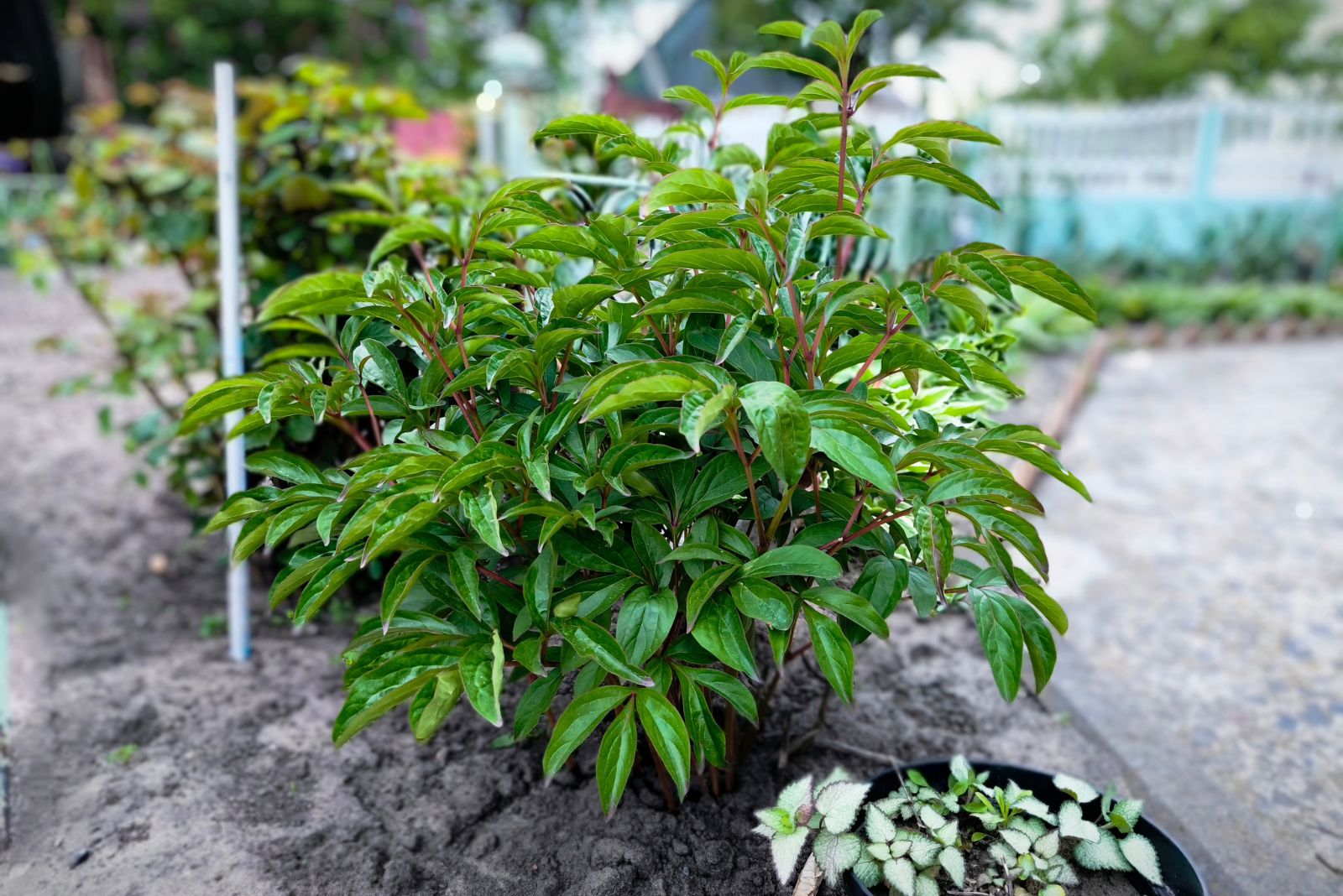
Peonies can be a little frustrating in Texas. They look like the kind of flower that should steal the show in spring, but plenty of gardeners end up with plants that stay small, struggle to bloom, or never seem to live up to expectations.
When that happens, it is easy to assume the weather is the problem or that peonies just are not a good fit for Texas gardens. Often, though, the issue starts much earlier.
A simple mistake during planting can affect the plant for years and keep it from performing the way it should. That is what makes peonies so tricky.
They are not especially hard to grow, but they do need the right start. If your peonies have been disappointing, there is a good chance the problem has been there from day one.
1. Planting Peonies Too Deep Is The Biggest Mistake
Ask almost any experienced Texas gardener why their peonies never bloom, and the answer is almost always the same.
Planting too deep is the single biggest reason peonies fail to flower in Texas, and it catches so many people off guard because the plants still look healthy and green.
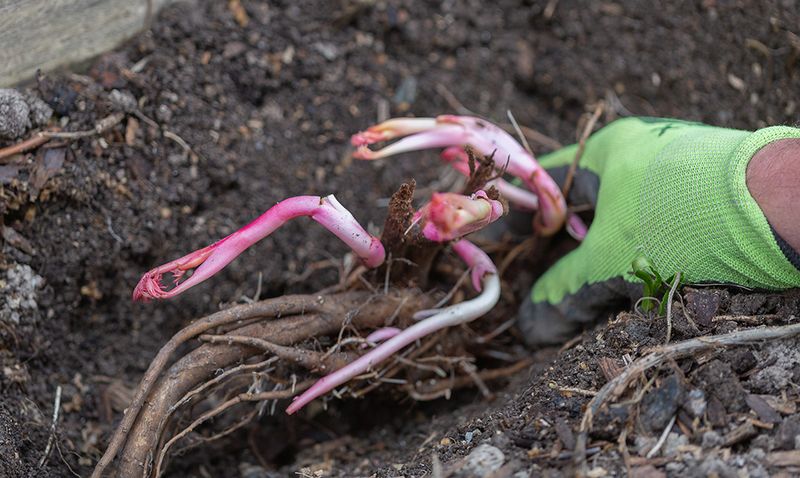
Peonies need a period of cold dormancy called vernalization to set flower buds for the following spring. When the growth buds, known as “eyes,” are buried more than two inches below the soil surface, they simply cannot get the cold exposure they need.
The soil acts like a warm blanket, insulating the roots and keeping temperatures too stable for bud development.
In Texas, this problem is especially serious because winters are already mild compared to most other states. The cold window is short and sometimes barely enough for peonies to get the chill hours they require.
Adding extra soil on top of the eyes makes that challenge even harder to overcome. Many Texas gardeners plant peonies the same way they would plant other bulbs or roots, pushing them down several inches for stability. That instinct actually works against peonies.
These plants want to be close to the surface where cold air can reach them during winter nights.
Year after year, a too-deep peony will push out beautiful green leaves in spring and then produce absolutely nothing in the way of flowers.
It is a frustrating cycle that can go on for many seasons before a gardener realizes the real cause. Catching this mistake early saves a lot of time and disappointment.
2. Why Depth Matters So Much In Warm Climates
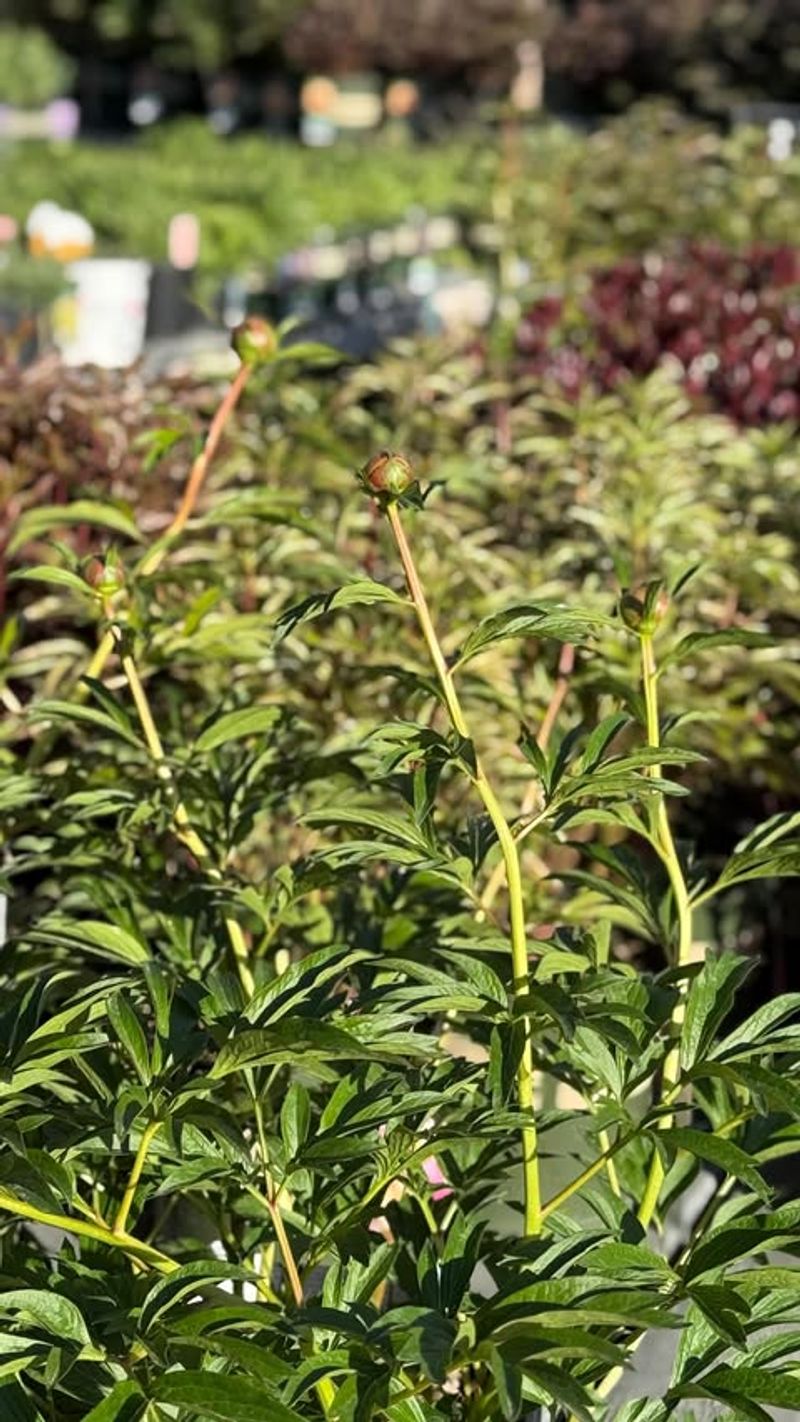
Peonies are tough, long-lived plants, but they have one very specific requirement that warm-climate gardeners must respect. They need cold temperatures to trigger the biological process that leads to flower bud formation.
Without enough chill hours, the plant just keeps growing leaves and stems without ever setting buds.
In colder northern states, this is rarely a problem. The ground freezes, temperatures drop well below 32 degrees for weeks at a time, and peonies get all the cold exposure they need.
Texas is a completely different story. Most parts of the state see only a few weeks of genuinely cold weather each winter, and some southern areas barely get any frost at all.
Your Texas Garden Changes Every Week. Your Plan Should Too.
Gardening in Texas changes quickly throughout the season. Every Friday you’ll receive a simple weekly plan showing exactly what to plant, prune, fertilize, harvest, and protect so you never miss the right timing.
When peony eyes are planted deep in the ground, the soil above them acts as insulation. Even when outdoor temperatures dip during a Texas winter, the heat stored in the deeper soil layers keeps the roots warmer than they need to be.
The eyes never fully experience the cold signal that tells the plant to prepare for blooming. Shallow planting changes everything. Eyes that sit just one to two inches below the surface are much more exposed to the cold air that settles close to the ground on winter nights.
Even in Texas, those nighttime temperatures can be cold enough to give peonies the chill they need, but only if the eyes are close enough to feel it.
Understanding this connection between depth and cold exposure is the key to growing successful peonies anywhere in Texas. It is simple plant biology, and once you respect it, your garden rewards you generously.
3. How Deep Peonies Should Actually Be Planted
Getting the planting depth right for peonies is one of those things that sounds almost too simple to matter. But it matters more than almost anything else you can do for these plants, especially in a warm state like Texas.
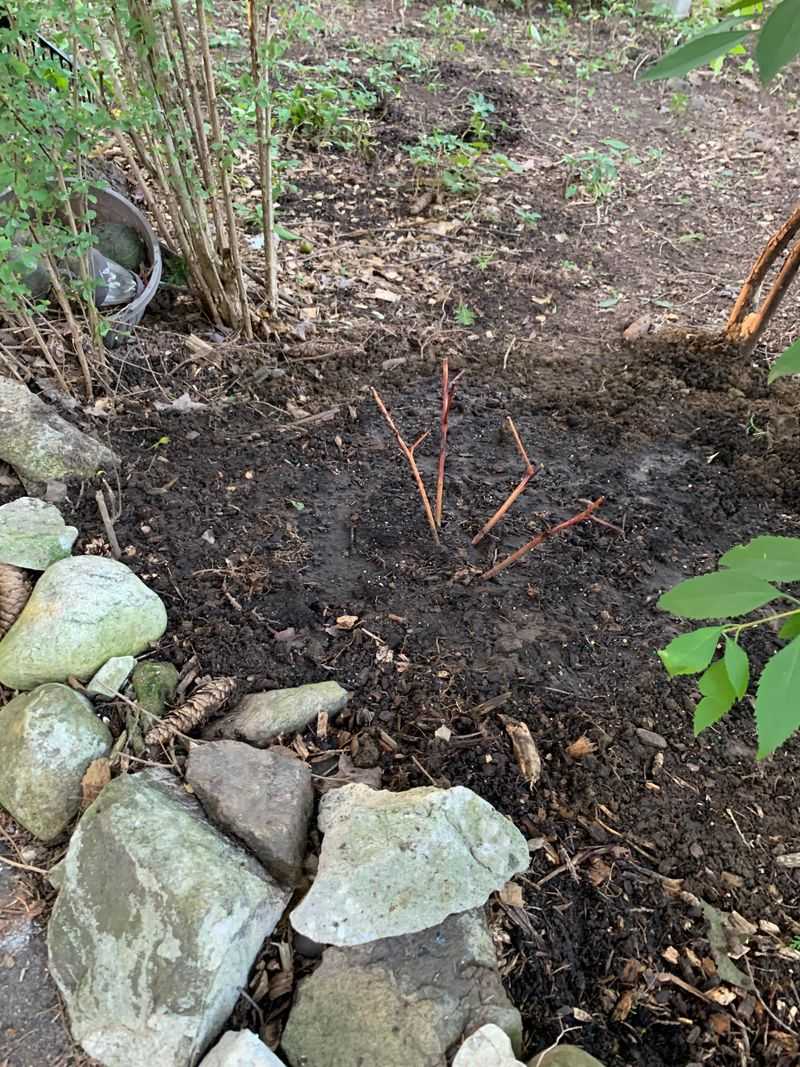
The standard rule is to position the peony eyes, those small pinkish-red buds on the root, no more than one to two inches below the soil surface. That is shallower than most people expect.
If you are used to planting bulbs or other perennials, you might feel like you are barely covering the root at all. That feeling is actually a good sign you are doing it right.
In the warmer parts of Texas, such as the Hill Country, South Texas, or the Gulf Coast region, gardeners should aim for the shallow end of that range.
Planting eyes just one inch deep gives them the best chance of receiving enough cold exposure during the limited winter season. The closer to the surface, the more cold air those eyes can absorb on chilly nights.
In North Texas, where winters are slightly cooler and longer, planting at one and a half to two inches is generally fine. Still, erring on the side of shallower is almost always the safer choice in any part of the state.
Good soil preparation also plays a role here. Loose, well-draining soil allows cold air to move more freely around shallow roots.
Heavy clay soil holds heat and moisture, which can work against shallow plantings. Mix in compost or coarse sand to improve drainage and create a more peony-friendly environment throughout your Texas garden.
4. Signs Your Peonies Are Planted Too Deep
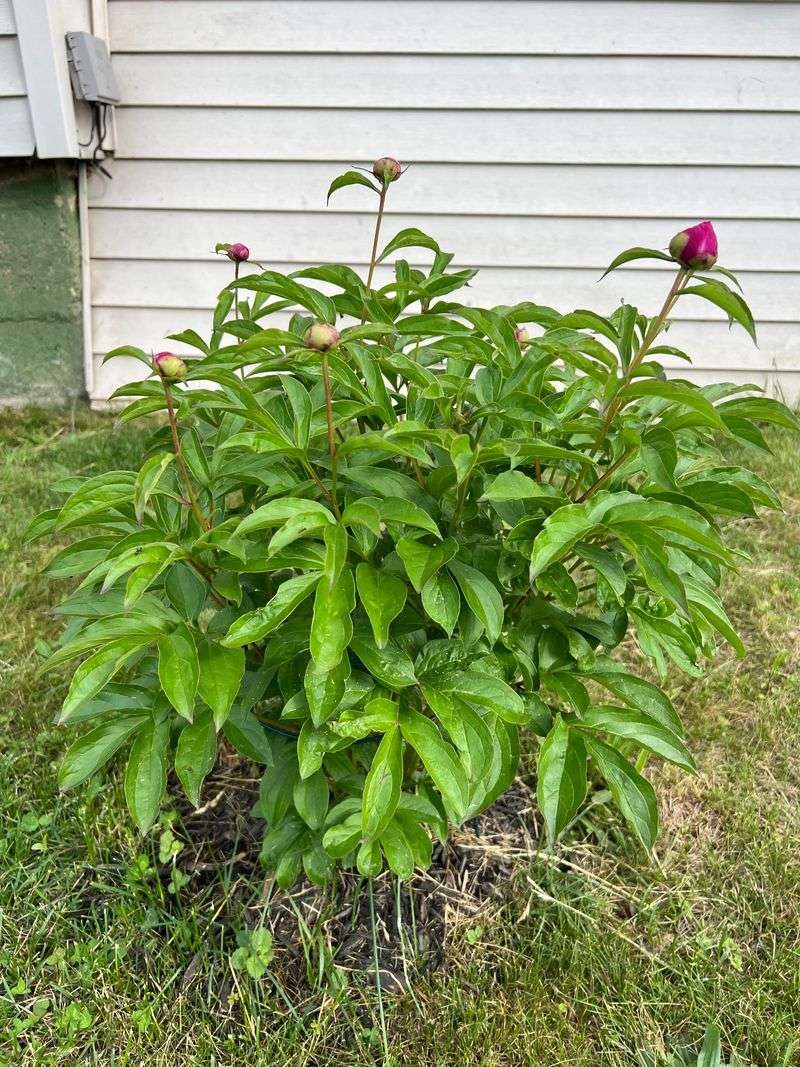
Something feels off when your peony plant looks perfectly healthy but never produces a single flower. The leaves are lush, the stems are strong, and the plant seems to be thriving.
Yet spring comes and goes without one bud appearing. This is one of the most telltale signs that your peonies are planted too deep.
A peony that is buried too far down will put all its energy into producing foliage. The plant is alive and growing, but it never receives the cold signal it needs to shift into flowering mode.
So it just keeps making leaves, season after season, looking green and full while delivering zero blooms.
Sometimes you might see weak buds that start to form but never fully develop. These buds may appear small, pale, or shriveled, and they often drop off before opening.
This partial effort is another clue that the plant is struggling to get enough cold exposure through the soil above its eyes.
Healthy plants that never seem to perform, even after several years in the ground, are almost always suffering from a depth issue. Many Texas gardeners assume the plant just needs more time or more fertilizer.
They add nutrients, water more carefully, and wait patiently, but nothing changes. The root cause, quite literally, is buried underground.
If your peonies in Texas check any of these boxes, do not give up on them. A simple replanting at the correct depth can completely transform a non-blooming plant into a spectacular spring showstopper. Identifying the problem is always the first step toward fixing it.
5. How Texas Gardeners Can Fix The Problem
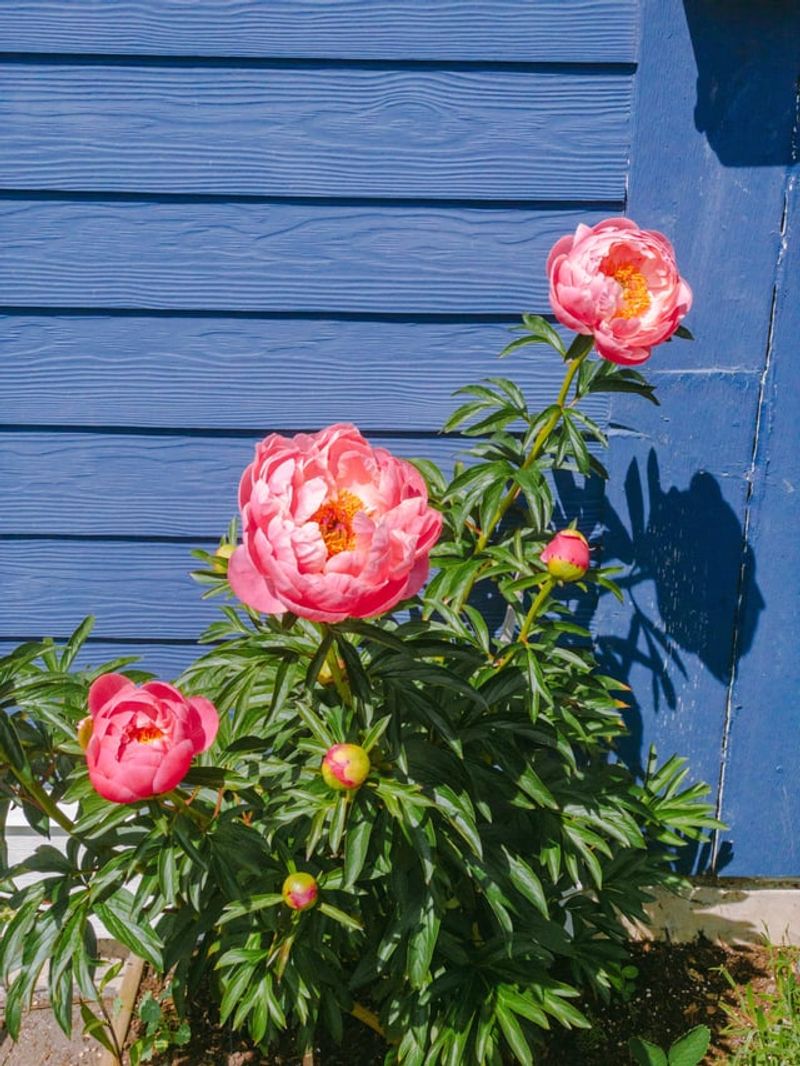
Ready to fix the problem? The good news is that resetting a peony to the correct depth is not complicated, and your plant can recover well with just a little care and patience.
The best time to lift and replant peonies in Texas is in the fall, typically between late October and early December. At that point, the plant has gone dormant and the roots are less likely to be stressed by the move.
Trying to replant during active spring growth is hard on the plant and rarely gives good results, so resist the urge to act the moment you spot the issue in spring.
To reset your peony, carefully dig around the plant with a garden fork, working outward from the center to avoid slicing through the roots. Lift the entire root clump and gently brush off the soil.
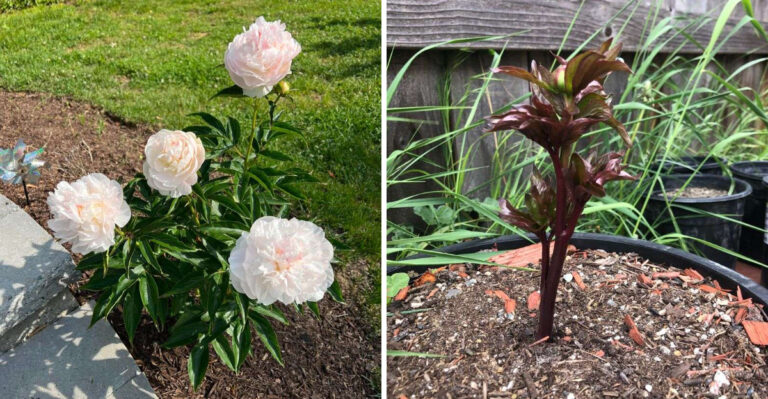
Look for the eyes, those small, firm, pinkish buds clustered near the top of the root mass. These are what you need to position correctly.
Prepare the new planting hole with loose, well-draining soil. In Texas, adding a generous amount of compost helps improve both drainage and soil structure.
Place the root so the eyes sit just one to two inches below the surface. Backfill gently and water the area thoroughly to settle the soil without compacting it.
Choose a spot that gets full morning sun and some protection from the harsh Texas afternoon heat.
Good sunlight is essential for blooming, and a slightly sheltered location helps the plant handle those intense summer temperatures without too much stress. With the right placement, your peony will be ready to try again next spring.
6. What Peonies Need After Correct Planting
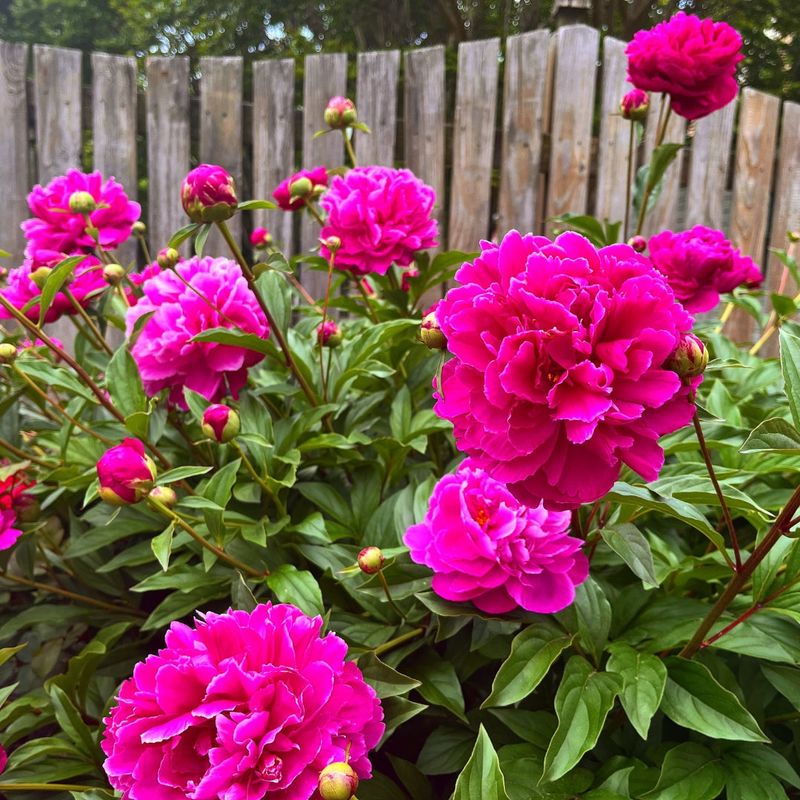
Once your peony is settled at the right depth, the work is mostly done. These plants are surprisingly low-maintenance once they are happy, and in Texas, that means giving them a few key conditions and then mostly leaving them alone.
Full sun is non-negotiable. Peonies need at least six hours of direct sunlight each day to bloom well.
Morning sun is ideal in Texas because it warms the plant gently without the harsh intensity of the afternoon.
If your planting spot only gets afternoon sun, the plant may struggle with heat stress during the brutal Texas summer months. Good drainage is equally important. Peonies absolutely cannot tolerate soggy roots.
In areas of Texas with heavy clay soil, raised beds or amended planting areas make a big difference. Water should move through the soil freely, never pooling around the root zone for extended periods.
Root rot is a real threat in poorly drained spots. Minimal disturbance is something Texas gardeners sometimes overlook. Peonies do not like to be moved around frequently.
Once you have replanted yours at the correct depth, leave it alone as much as possible. Every time you dig near the roots or disturb the plant, you reset the clock on its establishment process.
Patience is perhaps the most important ingredient of all. Even after a perfect replanting, a peony may take one to three years to settle in and start blooming reliably.
Do not panic if the first spring after replanting brings no flowers. Stay consistent with watering, keep the area weed-free, and trust the process.
Texas peonies that are properly planted eventually reward every bit of that patience with stunning blooms.