7 Native Texas Trees You Should Plant Before April Ends
If you have been thinking about planting a tree in Texas, late April is a pretty important moment. Spring still offers a little breathing room, with warmer soil and enough growing time for young trees to start settling in before the hardest part of the year arrives.
Once summer heat takes over, that window gets much narrower. A newly planted tree has a much better chance when it can put down roots before long stretches of intense sun and dry weather start putting it under stress.
Choosing native Texas trees makes that timing even more worthwhile. These are trees that already know how to handle local conditions, from heat and drought to tough soils and unpredictable weather.
Many also bring extra benefits, like supporting birds, pollinators, and other wildlife while giving your yard more shade, structure, and long-term beauty. Planting before April ends can help set them up for a stronger start and better growth through the months ahead.
For Texas gardeners and homeowners, it is one of the smartest times to add a tree that can truly belong in the landscape.
1. Live Oak
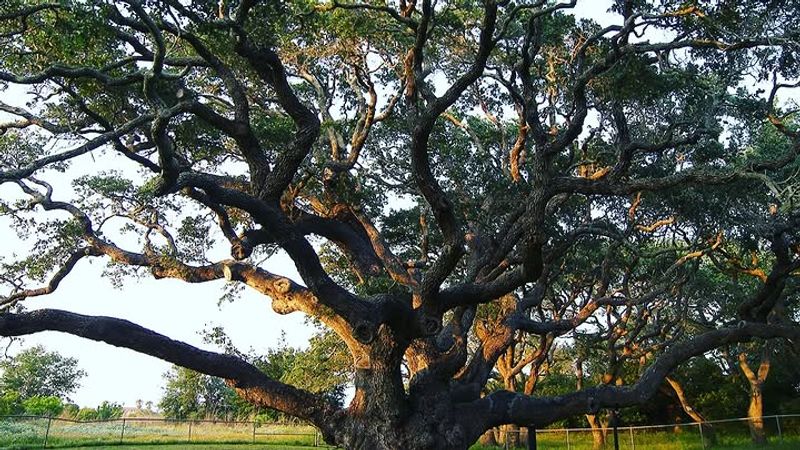
Few trees in Texas carry as much history and character as the Live Oak. People have gathered under its wide, spreading branches for hundreds of years, and it is easy to see why.
This tree is built to last, with some specimens living well over 500 years in the Texas landscape.
Live Oaks grow best in full sun and can handle a wide range of soil types, from sandy coastal ground to rocky Hill Country terrain.
Once established, they become incredibly drought-tolerant, making them a smart choice for Texas homeowners who want beauty without a huge water bill. Planting in spring gives the roots time to spread before summer arrives.
A mature Live Oak can stretch up to 50 feet tall and spread even wider, creating a massive canopy of cool shade. That shade is not just good for people.
Birds, squirrels, and deer all rely on Live Oaks for food and shelter. The acorns alone feed dozens of wildlife species throughout the year.
When planting, choose a spot with plenty of space since this tree will grow wide over time. Dig a hole twice as wide as the root ball but no deeper.
Water regularly for the first year, then pull back as the tree settles in. A layer of mulch around the base helps hold in moisture during hot Texas summers. The Live Oak is truly a forever tree for any Texas yard.
2. Cedar Elm
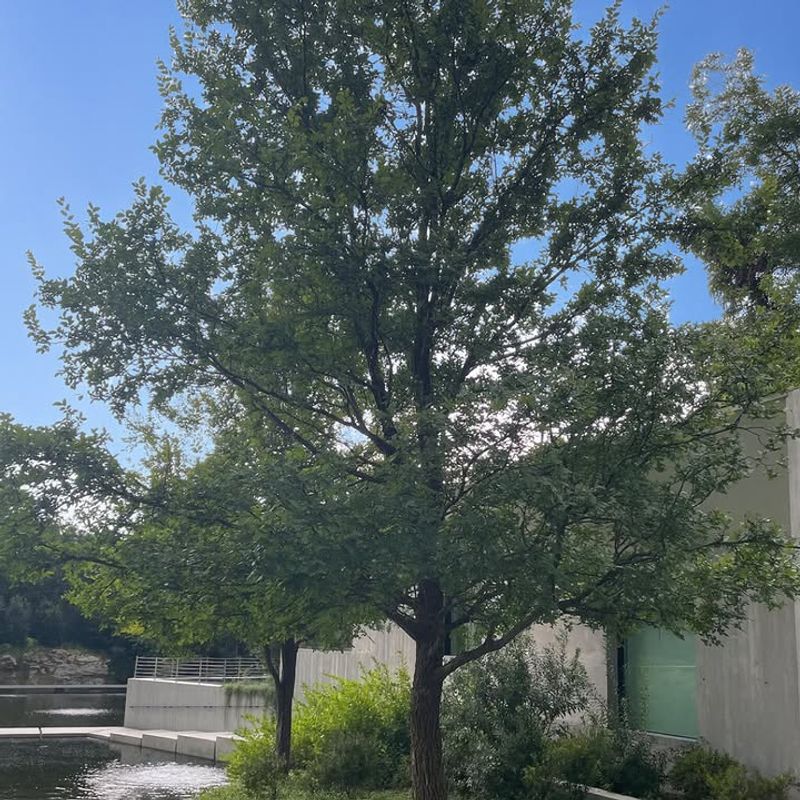
If you want a shade tree that asks for almost nothing in return, the Cedar Elm might be your best friend in the Texas landscape.
It grows across most of the state, from the Piney Woods of East Texas to the dry plains of Central Texas, and it handles tough conditions without complaint.
Cedar Elms are known for their ability to grow in poor soils, including clay-heavy ground that many other trees struggle with. They also tolerate heat and drought once their roots are established, which usually takes about one to two growing seasons.
Your Texas Garden Changes Every Week. Your Plan Should Too.
Gardening in Texas changes quickly throughout the season. Every Friday you’ll receive a simple weekly plan showing exactly what to plant, prune, fertilize, harvest, and protect so you never miss the right timing.
Planting before April ends gives this tree the best chance to dig in before the summer heat shows up.
The canopy of a Cedar Elm grows dense and rounded, making it excellent for blocking afternoon sun on the west side of a house. That natural cooling effect can actually lower your home energy costs during Texas summers.
The small, rough-edged leaves turn a warm yellow in fall, adding a nice seasonal pop of color.
Did you know the Cedar Elm is one of the few elms native to Texas? Most other elm species were introduced from other regions.
Growth rate is moderate, reaching around 40 to 60 feet tall over time. Water the young tree deeply once or twice a week during the first summer. After that, rainfall alone is usually enough to keep it going strong in most parts of Texas.
3. Texas Redbud
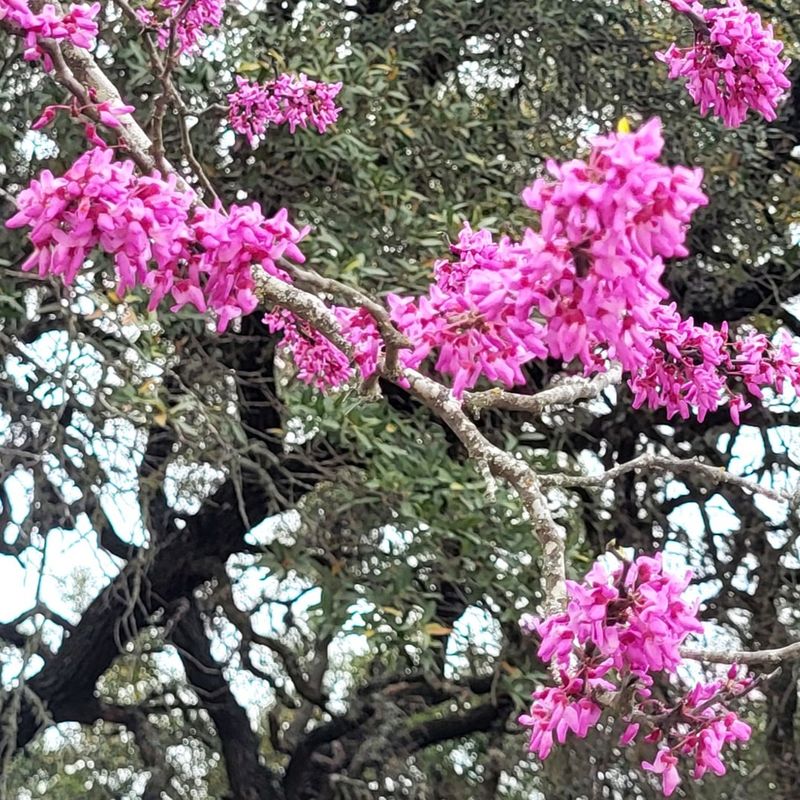
Every spring, the Texas Redbud puts on one of the most stunning flower shows of any tree in the state. Before its heart-shaped leaves even appear, the bare branches burst into clusters of vivid pink to purple blooms.
Driving through the Hill Country in March or early April, you can spot these trees lighting up the roadsides like nature’s own decoration.
The Texas Redbud is a variety specifically adapted to the Texas climate, making it tougher than its cousins from other states. It thrives in full sun to partial shade and grows well in rocky, shallow soils that other trees would struggle in.
Once established, it handles drought with ease, which is a huge plus in a state where summer rain can be unpredictable.
Size-wise, the Texas Redbud stays relatively small, usually topping out between 12 and 15 feet tall. That makes it perfect for smaller yards, front gardens, or as an accent tree near a patio or walkway.
Its compact size also means it fits nicely under power lines without causing problems down the road.
Plant your Texas Redbud in a spot that gets morning sun and some afternoon shade if possible. Water it well during its first year, especially through dry spells.
Pollinators absolutely love the spring blooms, so expect bees and butterflies to visit regularly. This tree earns its place in any Texas garden with very little effort required from the gardener.
4. Mexican Plum
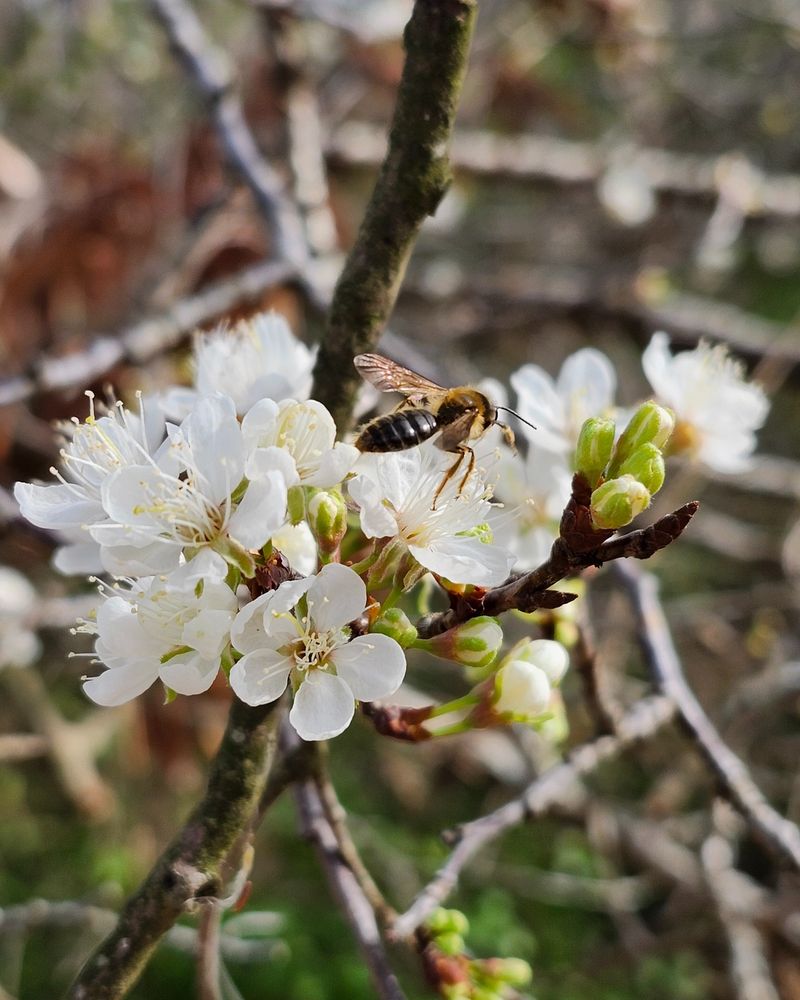
Walk past a Mexican Plum in early spring and the sweet, honey-like fragrance of its white blooms will stop you in your tracks. This small native tree flowers before most others in Texas, often blooming as early as February or March.
The blossoms attract early pollinators like bees and butterflies that are just waking up for the season.
Mexican Plum trees grow throughout Central and North Texas, often found along creek banks and rocky hillsides in the wild. In a home garden, they prefer well-drained soil and full sun to light shade.
They are surprisingly tough once established, handling both rocky terrain and the occasional dry spell without much fuss.
By late summer, the tree produces small, reddish-purple plums that are edible and packed with flavor. People use them for jellies, jams, and preserves, and wildlife like deer, foxes, and birds feast on the fallen fruit.
Planting a Mexican Plum is basically setting up a free snack bar for your local Texas wildlife community.
This tree typically grows between 15 and 25 feet tall, with a naturally attractive, slightly irregular shape. It does not need much pruning and generally takes care of itself once settled in.
Water it consistently during its first growing season to help the roots spread. The Mexican Plum is one of those trees that gives back more than you put in, rewarding you with fragrance, fruit, and wildlife activity year after year in the Texas garden.
5. Desert Willow
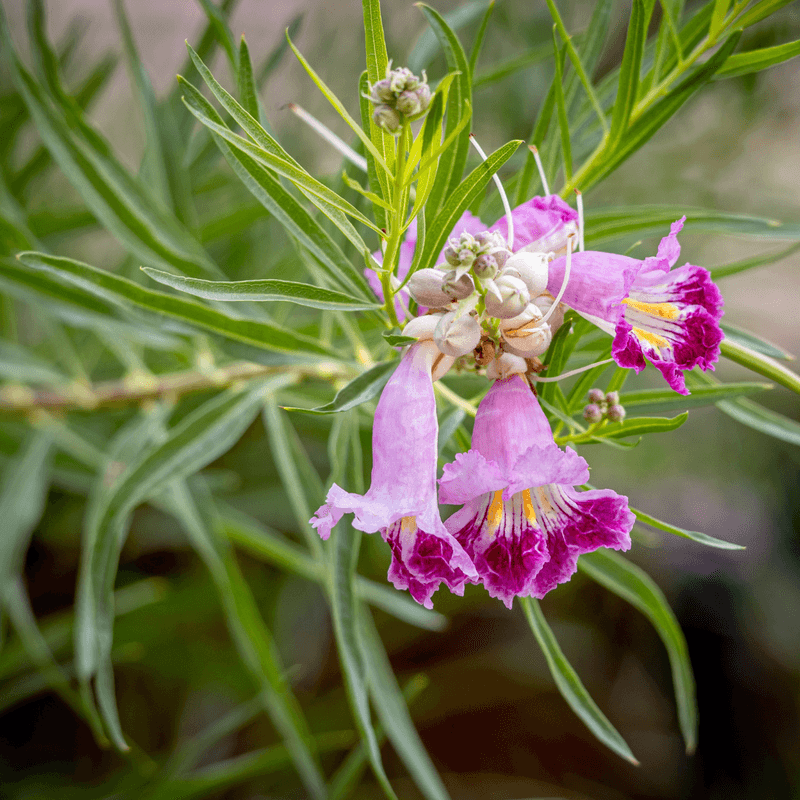
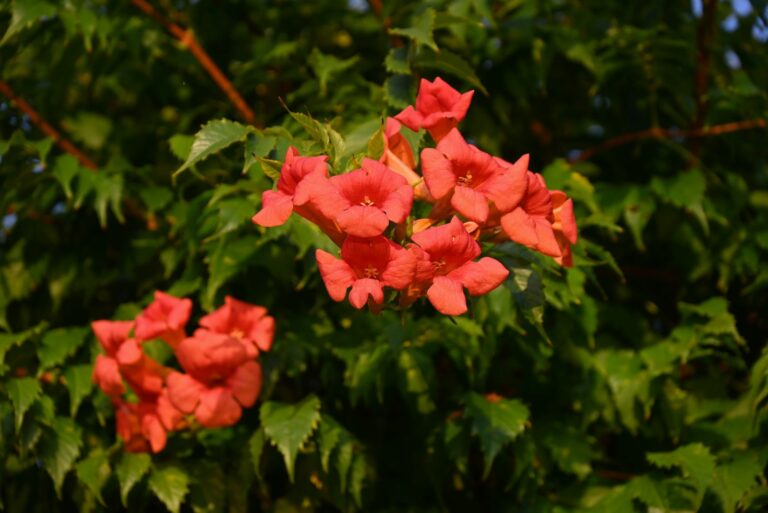
Do not let the name fool you. The Desert Willow is not a true willow at all, but it is one of the most eye-catching trees you can grow in Texas.
Its long, narrow leaves give it a graceful, flowing look, and from late spring all the way through summer, it produces trumpet-shaped flowers in shades of pink, purple, white, and lavender that look almost like orchids.
This tree was practically made for the Texas climate. It thrives in full sun, grows in poor and rocky soils, and handles drought like a champ once established.
West Texas, the Trans-Pecos region, and the dry Hill Country are all natural habitats for this tree. If your yard tends to be dry and baked by the sun, the Desert Willow will feel right at home.
Growth rate is one of its best features. Under good conditions, a Desert Willow can grow two to three feet per year, reaching a mature height of 15 to 30 feet.
That means you get a noticeable, blooming tree in your yard much faster than with slower-growing natives. Hummingbirds are especially attracted to the tubular flowers, so planting one is a great way to bring these amazing birds to your Texas yard.
Plant in a sunny spot with excellent drainage. Avoid overwatering since this tree prefers to dry out between waterings.
Prune lightly in late winter to encourage a full, bushy shape. Once it gets going, the Desert Willow is low maintenance and incredibly rewarding throughout the warm Texas months.
6. Texas Persimmon
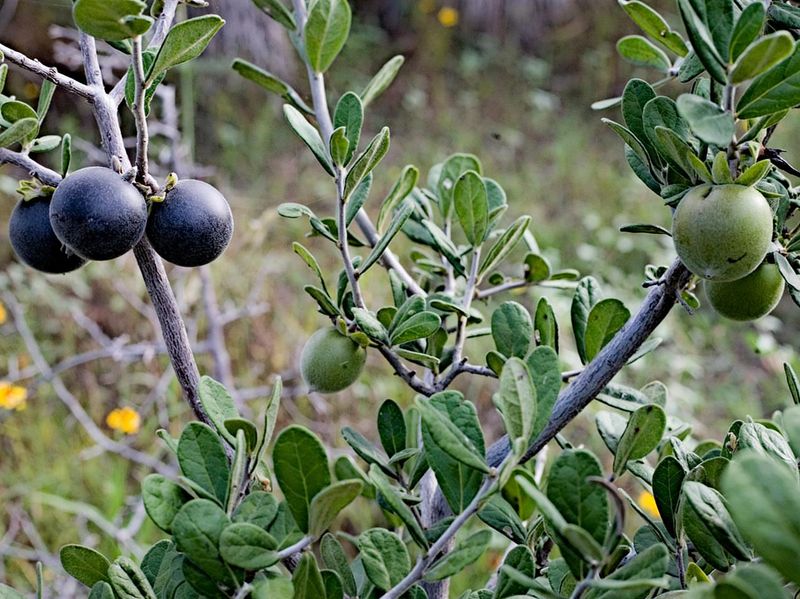
The Texas Persimmon is the quiet overachiever of native Texas trees. It does not grow fast, it does not grow tall, and it does not demand attention.
What it does do is thrive in conditions that would stress most other trees, and over time it develops one of the most beautiful trunks you will ever see on a native tree.
The bark of a mature Texas Persimmon peels away in patches to reveal a smooth, pale gray and white surface underneath. It looks almost like a piece of living sculpture.
This tree is naturally found in South and Central Texas, where soils are thin, rocky, and dry. It handles intense heat and long dry spells with remarkable ease, making it perfect for low-water landscaping projects.
Texas Persimmons produce small, black fruits in late summer that are sweet and edible. Wildlife, especially birds and mammals, go absolutely wild for the ripe fruit.
The dense, twiggy branches also provide excellent cover and nesting spots for songbirds. Planting one near a window gives you a front-row seat to all that backyard wildlife activity.
This tree usually tops out at about 15 feet, making it a great fit for smaller spaces or as part of a layered native plant garden. Water it during the first summer to help it get established, then step back and let it do its thing.
The Texas Persimmon is proof that slow and steady wins the race in the Texas garden, offering beauty and function for decades to come.
7. Bald Cypress
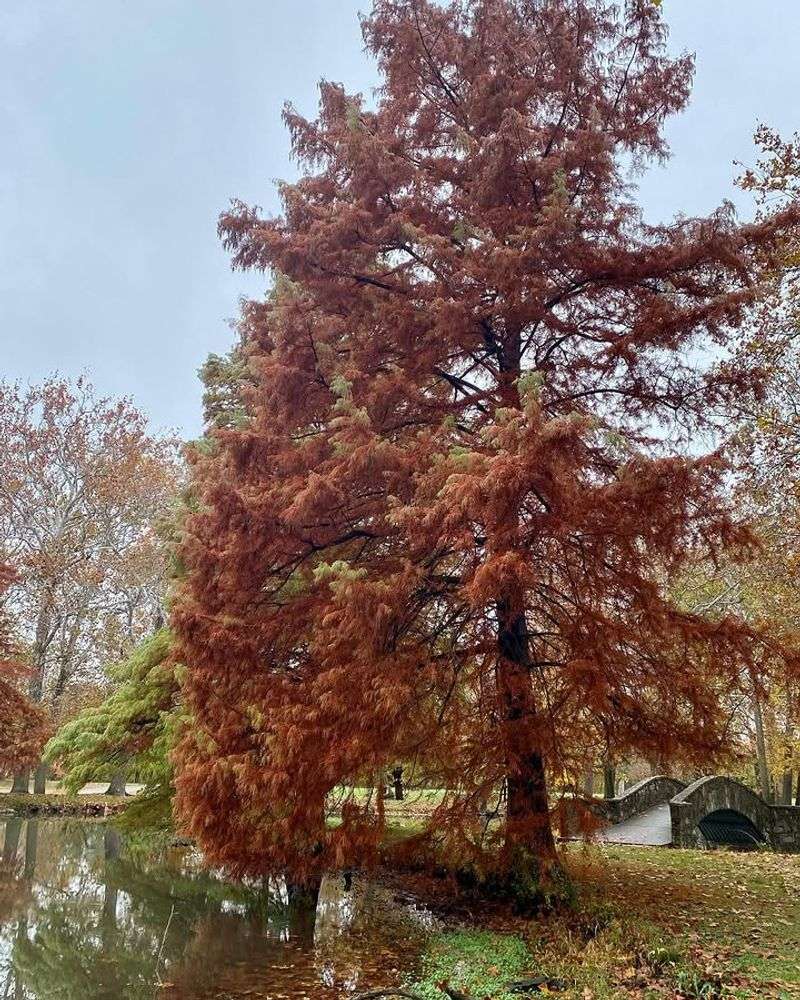
Standing at the edge of a Texas river lined with Bald Cypress trees is one of those experiences that stays with you. These tall, graceful trees rise straight up from the water, their feathery green foliage swaying gently in the breeze.
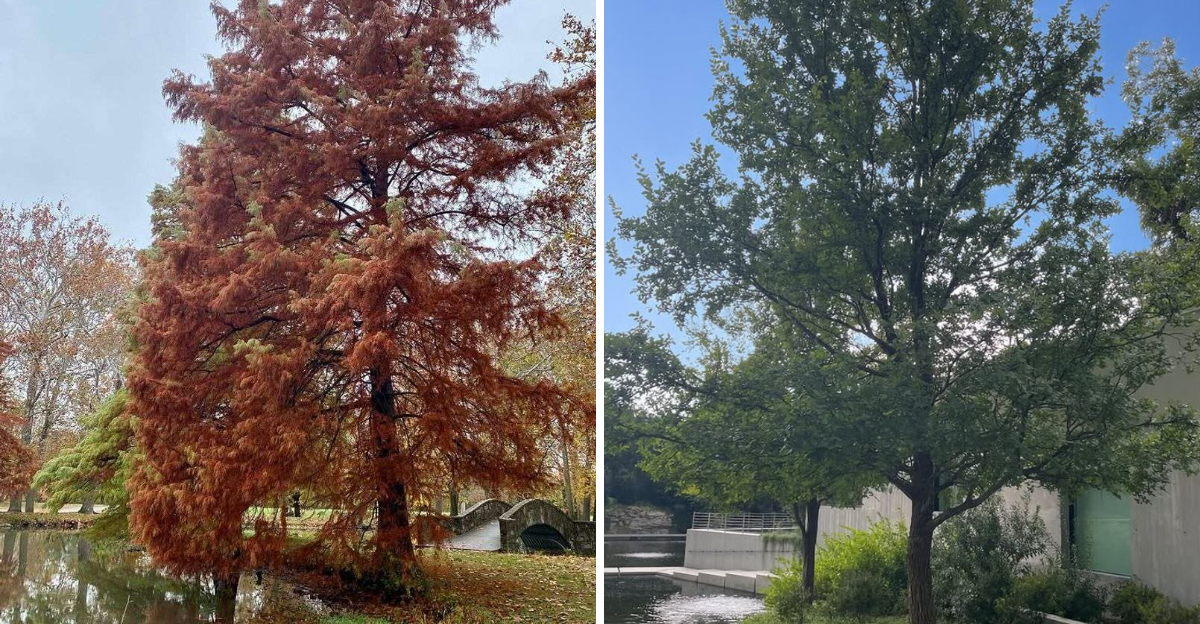
In fall, that foliage turns a warm, rusty orange before dropping, which is unusual since the Bald Cypress is a conifer but not an evergreen.
What makes this tree so special is its incredible flexibility when it comes to water. It can grow with its roots submerged in standing water, but it can also thrive in dry upland soils with proper watering during establishment.
If your Texas yard has a low spot that stays wet after rain, or if you live near a pond or creek, the Bald Cypress is made for that location.
One of the most fascinating features of this tree is the knobby root structures called knees that pop up out of the soil around its base. Scientists believe these help the tree breathe in waterlogged conditions.
They add a unique, almost prehistoric look to any landscape and are a great conversation starter for visitors.
Bald Cypress trees can eventually grow very tall, sometimes reaching 70 feet or more, so give them plenty of vertical space. Plant in full sun for the best growth.
Water generously during the first two years to help the root system establish properly. Once settled in, this Texas native becomes a striking, long-lived centerpiece of any yard or water feature.