8 Plants Texas Gardeners Often Regret Planting
Some plants look like a great idea in the moment. They are colorful at the nursery, fast-growing on the tag, or praised for filling a space in a hurry.
Then a season or two passes, and the regret starts creeping in. Maybe the plant grows way bigger than expected, needs far more water than your yard can handle, drops a constant mess, or turns into a nonstop battle with trimming, pests, or heat stress.
In Texas, that kind of disappointment is especially common because a plant that looks good on a label does not always match the reality of the climate.
That is what makes plant choice such a big deal here. Texas weather can be rough, with intense sun, dry spells, sudden freezes, heavy clay, and long stretches of heat that expose weak choices fast.
A plant that struggles under those conditions can turn from exciting to exhausting in no time. For many gardeners, the biggest regrets are not always ugly plants.
They are the ones that demand too much, perform poorly, or create problems that were easy to miss at first. A smart garden starts with knowing which plants are more trouble than they are worth.
1. Mint
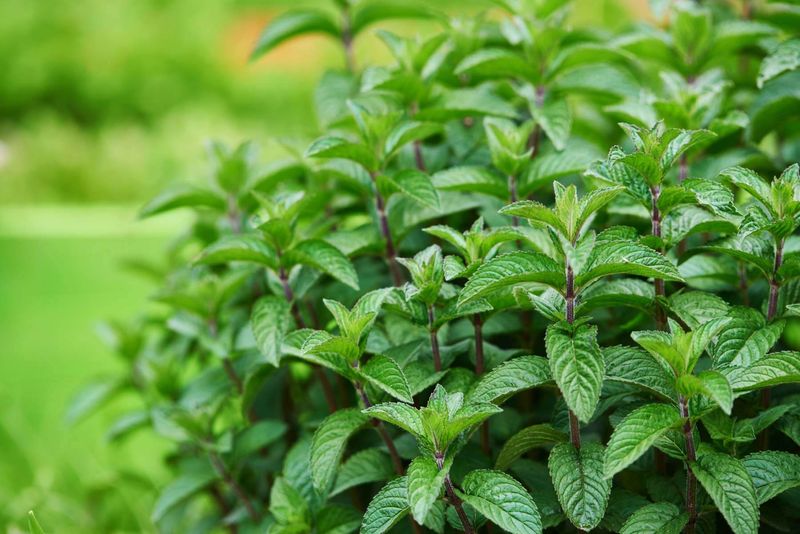
Mint smells amazing, tastes great in drinks, and sounds like a perfect garden plant. But ask any Texas gardener who has planted it directly in the ground, and you will likely hear a groan.
Mint spreads through underground stems called rhizomes, and it does not stop growing once it gets comfortable in the warm Texas soil.
Before long, mint can pop up several feet away from where you originally planted it. It creeps into flower beds, squeezes between other plants, and even pushes through cracks in pathways.
Trying to remove it feels like a never-ending battle because even small root pieces left behind will sprout new plants.
The good news is that you do not have to give up on growing mint altogether. Planting it in containers is the smartest move for Texas gardeners.
Use a large pot with drainage holes and keep it on a patio or deck. If you want it in the ground, sink the container directly into the soil to create a barrier that slows the spread.
Check on it regularly and trim it back often. Mint grows fast in the Texas heat, so staying on top of it makes all the difference between a useful herb and a garden nightmare.
2. Bamboo (Running Types)
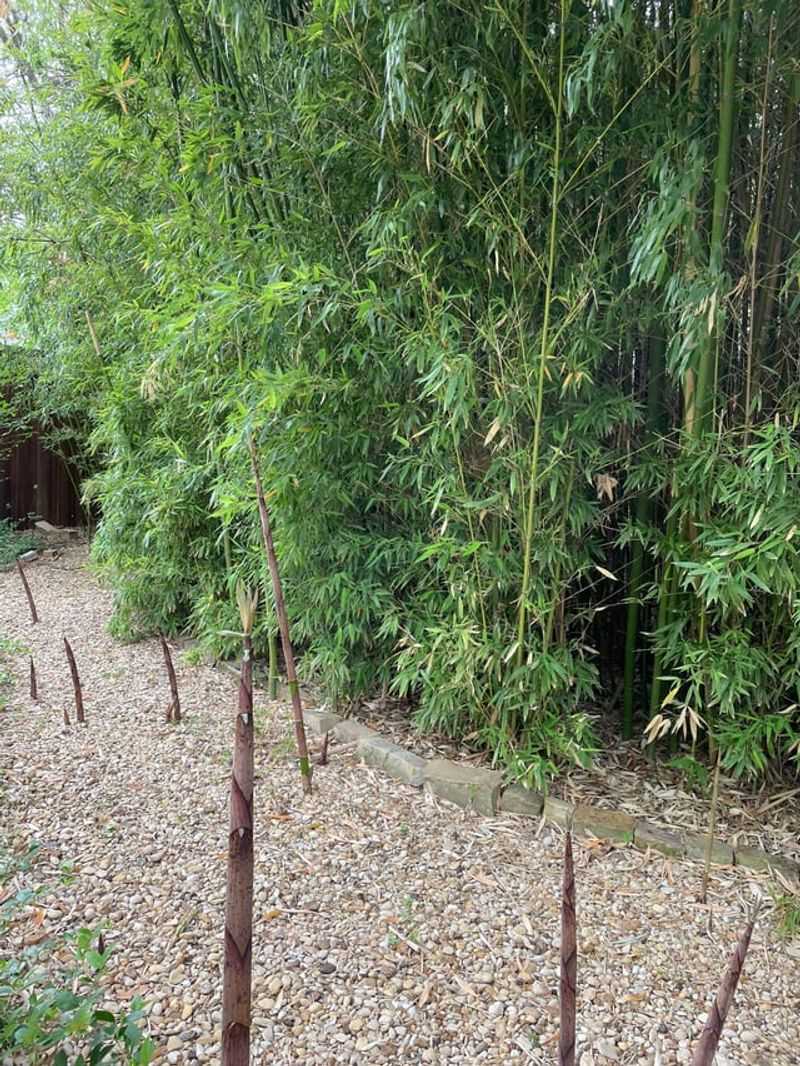
Running bamboo is one of those plants that looks stunning in photos but becomes a serious problem in real Texas yards.
Unlike clumping bamboo, running types spread through underground stems called rhizomes that can travel many feet in a single growing season. Once established in the Texas climate, it is incredibly hard to stop.
Homeowners in Texas have reported bamboo breaking through wooden fences, cracking concrete slabs, and popping up in their neighbors’ yards. Some municipalities have even seen legal disputes between neighbors over bamboo invasions.
Removing it requires digging up extensive root systems, and missing even a small piece means it will come right back.
Your Texas Garden Changes Every Week. Your Plan Should Too.
Gardening in Texas changes quickly throughout the season. Every Friday you’ll receive a simple weekly plan showing exactly what to plant, prune, fertilize, harvest, and protect so you never miss the right timing.
If you love the tropical look that bamboo provides, clumping varieties like Bambusa are a much safer choice for Texas landscapes. They grow in tight clusters and do not send out those aggressive runners.
For running types, a buried root barrier made of thick polyethylene can help, but it must be installed at least 24 to 30 inches deep to be effective. Even then, regular monitoring is essential.
Many Texas gardeners who have dealt with running bamboo say the same thing: it was not worth the trouble. Choose a safer alternative and save yourself years of frustration and backbreaking yard work.
3. Chinese Privet
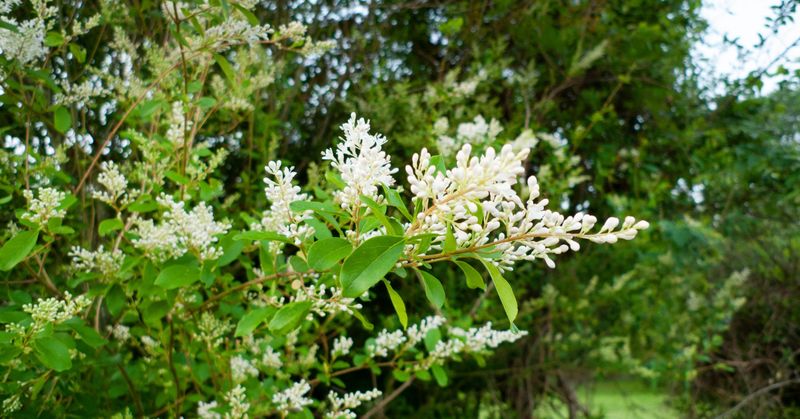
Walk through almost any wooded area in Texas and you will likely spot Chinese Privet taking over. Originally brought to the United States as an ornamental hedge plant, this shrub has become one of the most problematic invasive plants in the entire state.
It grows fast, tolerates shade, and spreads through berries that birds happily carry to new locations.
Once Chinese Privet takes hold in your yard, it forms dense thickets that block sunlight and choke out native plants. Its root system is deep and stubborn, making manual removal exhausting.
Cutting it back does not stop it either. It simply sprouts new growth from the base, sometimes even more aggressively than before.
Texas gardeners who planted Chinese Privet as a privacy hedge often find themselves regretting that decision within just a few years. The plant spreads far beyond the intended area and starts appearing in places you never expected.
Ecologically, it harms local wildlife by displacing the native plants that birds and insects depend on. If you need a fast-growing privacy screen in Texas, consider native alternatives like American Beautyberry, Yaupon Holly, or Possumhaw.
These plants provide the same visual coverage without the invasive drawbacks, and they actually support local ecosystems rather than damaging them.
4. Bradford Pear
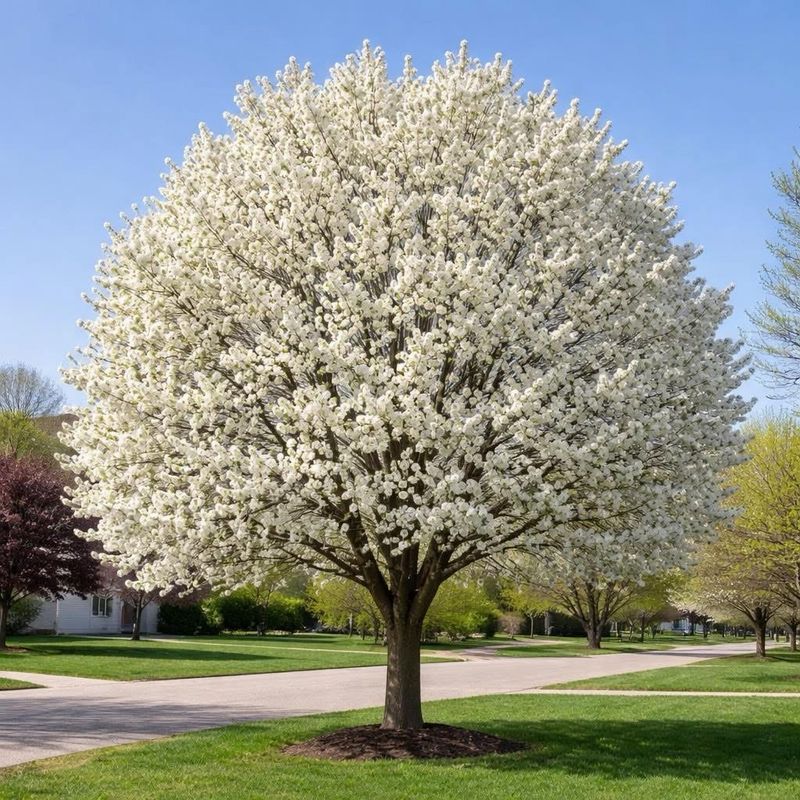
For a few weeks each spring, Bradford Pear trees look absolutely gorgeous. Their white blossoms cover the branches before the leaves come in, and many Texas neighborhoods are lined with them.
But that beauty comes with a long list of problems that most homeowners do not realize until it is too late.
Bradford Pear trees have a naturally weak branch structure. The branches grow at tight angles from the trunk, which makes them prone to splitting during Texas thunderstorms and ice events.
A single strong storm can rip a mature Bradford Pear apart, causing property damage and creating a serious safety hazard. Beyond the structural issues, this tree has become invasive across much of Texas.
Birds eat the small fruits and spread seeds into natural areas, where wild Bradford Pears crowd out native vegetation.
Several Texas cities have started programs to remove Bradford Pears from public spaces because of how problematic they have become. Some nurseries have even stopped selling them.
If you already have one in your yard, keep an eye on the branch structure and consider having an arborist evaluate it before storm season.
For a flowering tree that will hold up in the Texas climate without the invasive baggage, look into Texas Redbud or Mexican Plum. Both offer stunning spring blooms and are much better suited to local conditions.
5. English Ivy
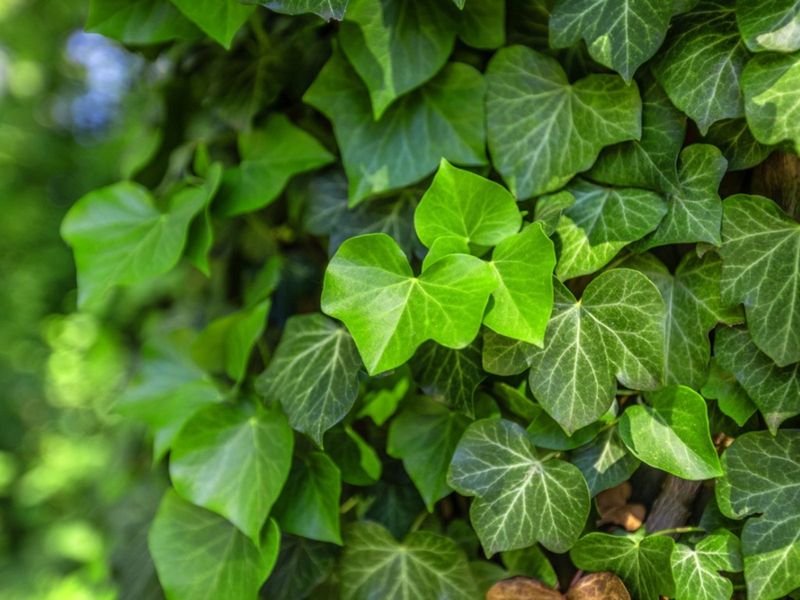
English Ivy looks charming creeping along a stone wall or covering a bare slope, but Texas gardeners who have planted it quickly learn that charm has a price. This vine spreads fast and does not know when to stop.
It climbs trees, smothers ground-level plants, and can even work its way into the mortar of brick structures over time.
One of the biggest problems with English Ivy in Texas is what it does to trees. As it climbs, it adds weight to branches and traps moisture against the bark, which weakens the tree over time.
Dense ivy growth on a tree is sometimes called a “ivy death blanket” by arborists because of how much harm it can cause. It also creates a hiding spot for pests like rodents and insects close to your home.
Removing English Ivy once it has established itself is a serious project. You need to cut the vines at the base and then wait for the top portions to dry out before pulling them down.
Even then, roots left in the soil will send up new shoots. In Texas, the mild winters mean English Ivy rarely slows down the way it might in colder climates.
If you want a low-growing ground cover, native options like Turk’s Cap or Inland Sea Oats are far more manageable and much friendlier to local wildlife.
6. Wisteria
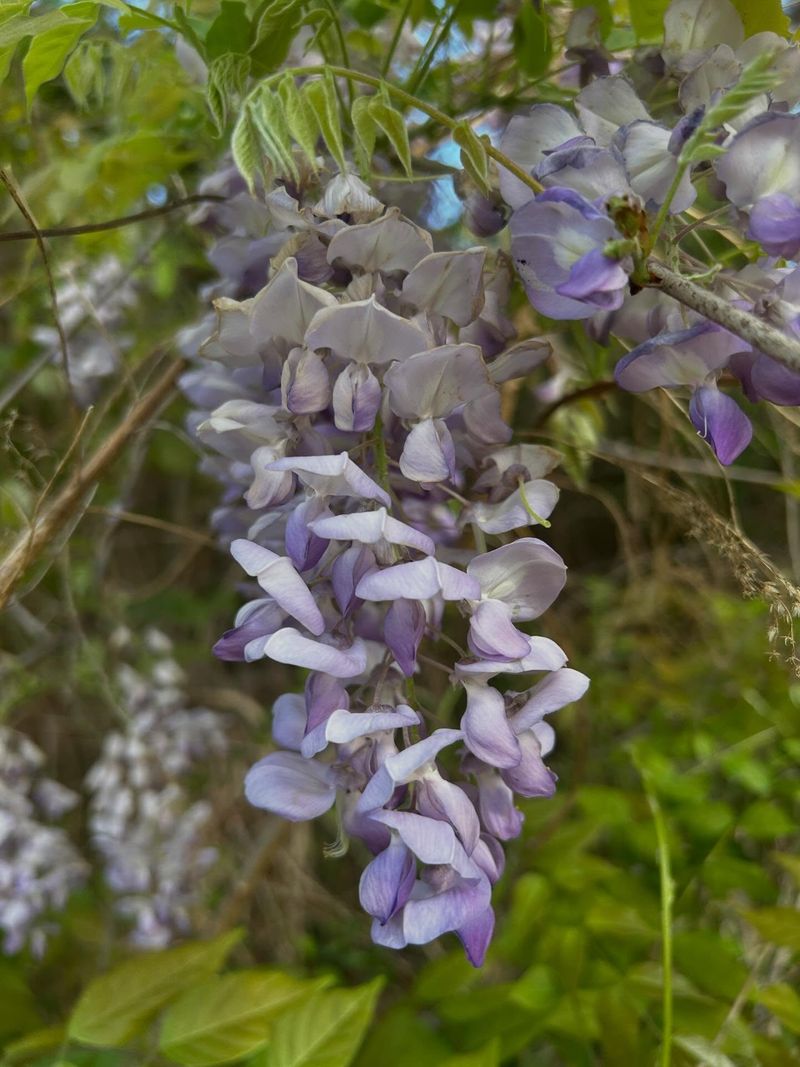
Few plants are as visually stunning as wisteria in full bloom. Those cascading purple flower clusters look like something out of a fairy tale, and it is easy to understand why so many Texas gardeners have been tempted to plant it.
But non-native wisteria varieties, particularly Japanese and Chinese wisteria, are a completely different story once they get growing.
Non-native wisteria is one of the most aggressive vines you can put in a Texas garden. Its woody stems can wrap around tree trunks and branches with enough force to actually deform or strangle them over years of growth.
It can pull down fences, tear apart pergolas, and climb structures you never intended it to reach. In Texas, the warm growing season gives it extra time to spread, and it takes full advantage of that.
Gardeners who have planted non-native wisteria often describe managing it as a part-time job. Pruning is required multiple times per year just to keep it from going completely out of bounds.
If you want that dreamy wisteria look without the chaos, American Wisteria (Wisteria frutescens) is a native alternative that blooms beautifully but grows in a much more controlled way.
Varieties like ‘Amethyst Falls’ are widely available at Texas nurseries and offer the same gorgeous flowers with far less of the drama.
7. Photinia
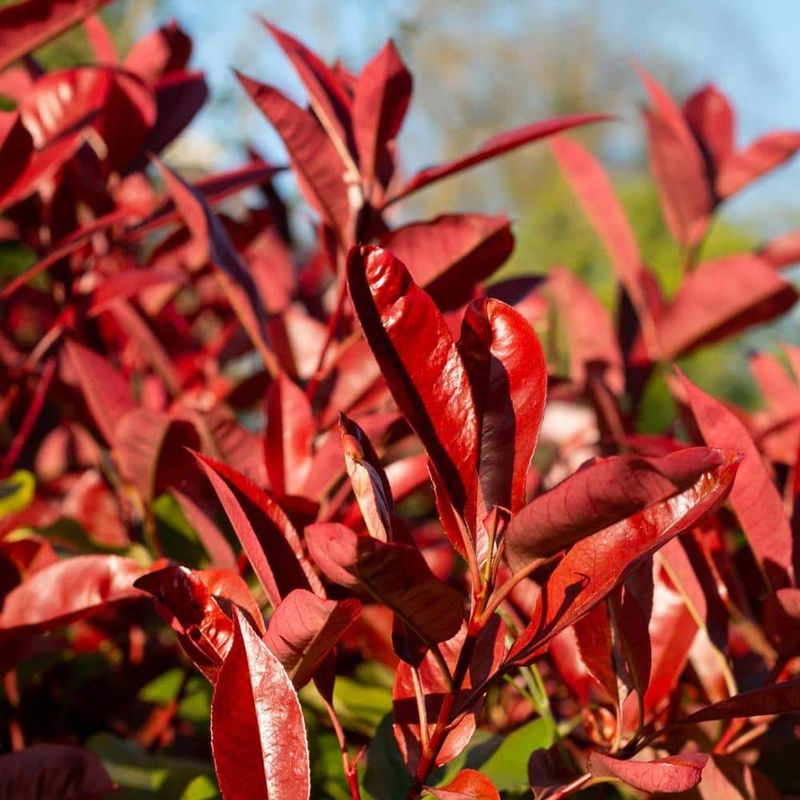
Drive through almost any older Texas neighborhood and you will spot Photinia hedges everywhere. For decades, this shrub was one of the most popular choices for privacy screens and property borders across the state.
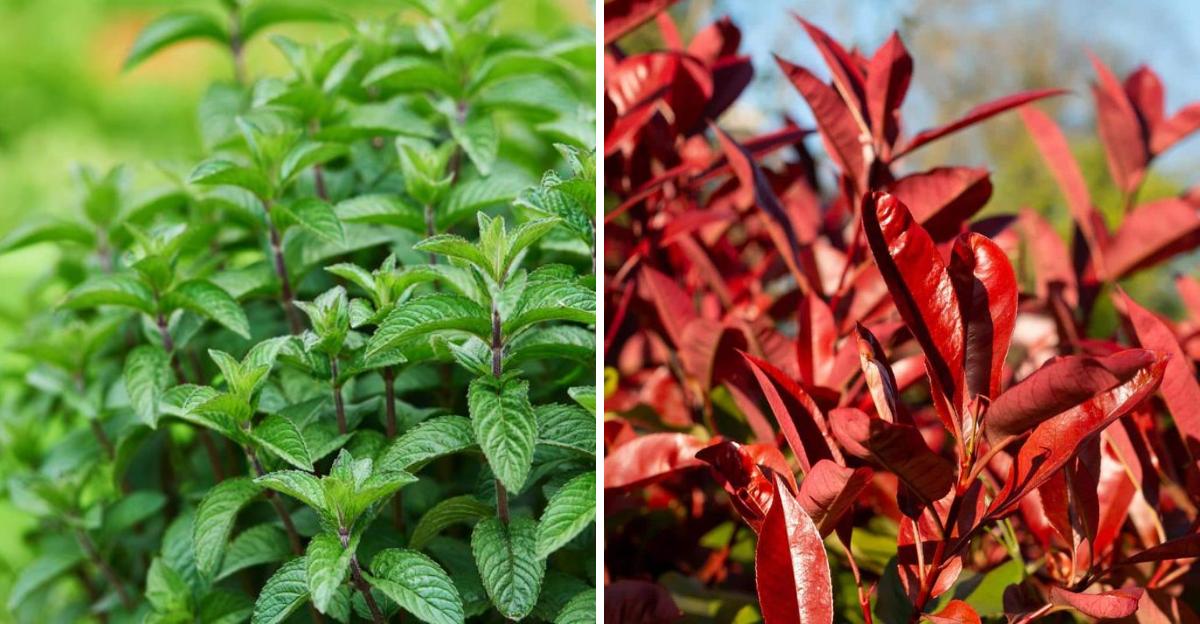
The bright red new growth looks eye-catching in spring, and it grows quickly into a thick hedge. Sounds perfect, right? Unfortunately, Texas humidity had other plans.
Photinia is highly susceptible to a fungal disease called Entomosporium leaf spot, and Texas’s warm, humid conditions are basically a welcome mat for this pathogen. The disease causes reddish-brown spots to form on the leaves, which then turn yellow and drop off.
In severe cases, repeated defoliation can weaken the plant significantly over time. Many Texas gardeners find themselves constantly treating their Photinia hedges with fungicides just to keep them looking presentable.
Even with regular treatment, Photinia often ends up looking patchy and unhealthy in the Texas climate, especially in the eastern and coastal parts of the state where humidity is highest.
If you are shopping for a hedge plant that will thrive in Texas without constant disease management, consider Nellie R.
Stevens Holly or Wax Myrtle instead. Both grow quickly, stay green year-round, and hold up well in the Texas heat and humidity without the ongoing fungal battle that Photinia brings to the yard.
8. Oleander
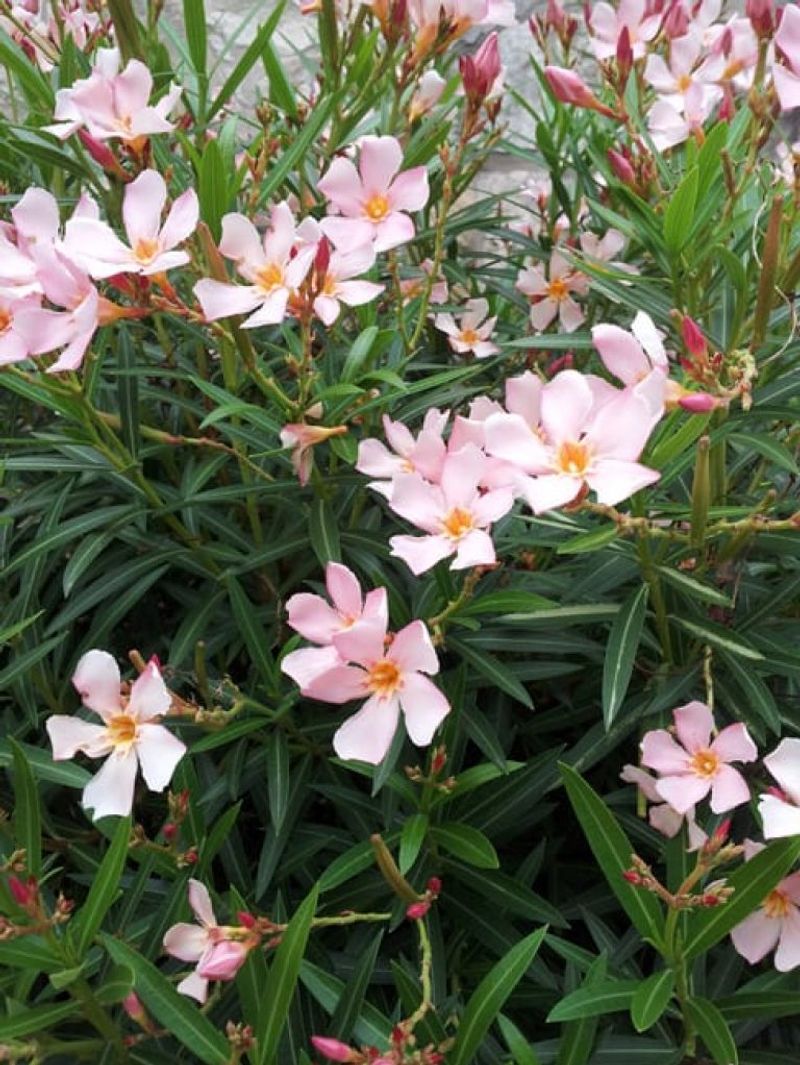
Oleander is practically everywhere in Texas. It lines highways, decorates commercial properties, and shows up in countless residential yards across the state.
It is drought-tolerant, blooms beautifully in shades of pink, white, red, and yellow, and thrives in the intense Texas heat without much fuss. On the surface, it seems like the ideal Texas landscape plant.
The catch is that every single part of oleander is extremely toxic. The leaves, flowers, stems, and even the smoke from burning oleander clippings are dangerous to humans, dogs, cats, horses, and other animals.
Children and pets are especially at risk because the plant is so commonly found in accessible areas like front yards and along fences. Ingesting even a small amount can cause serious health problems, and the plant has been involved in numerous poisoning incidents across Texas.
For families with young children or pets, oleander is simply not worth the risk. If you have oleander in your yard and are reconsidering it, removal should be done carefully with gloves and protective clothing.
Dispose of the clippings through your trash rather than composting or burning them. Safer alternatives that offer similar drought tolerance and colorful blooms in Texas include Texas Sage (Leucophyllum frutescens), Lantana, or Pride of Barbados.
These plants bring plenty of color to your Texas landscape without putting your family or animals at risk.