What Pennsylvania Gardeners Should Plant In April In Containers
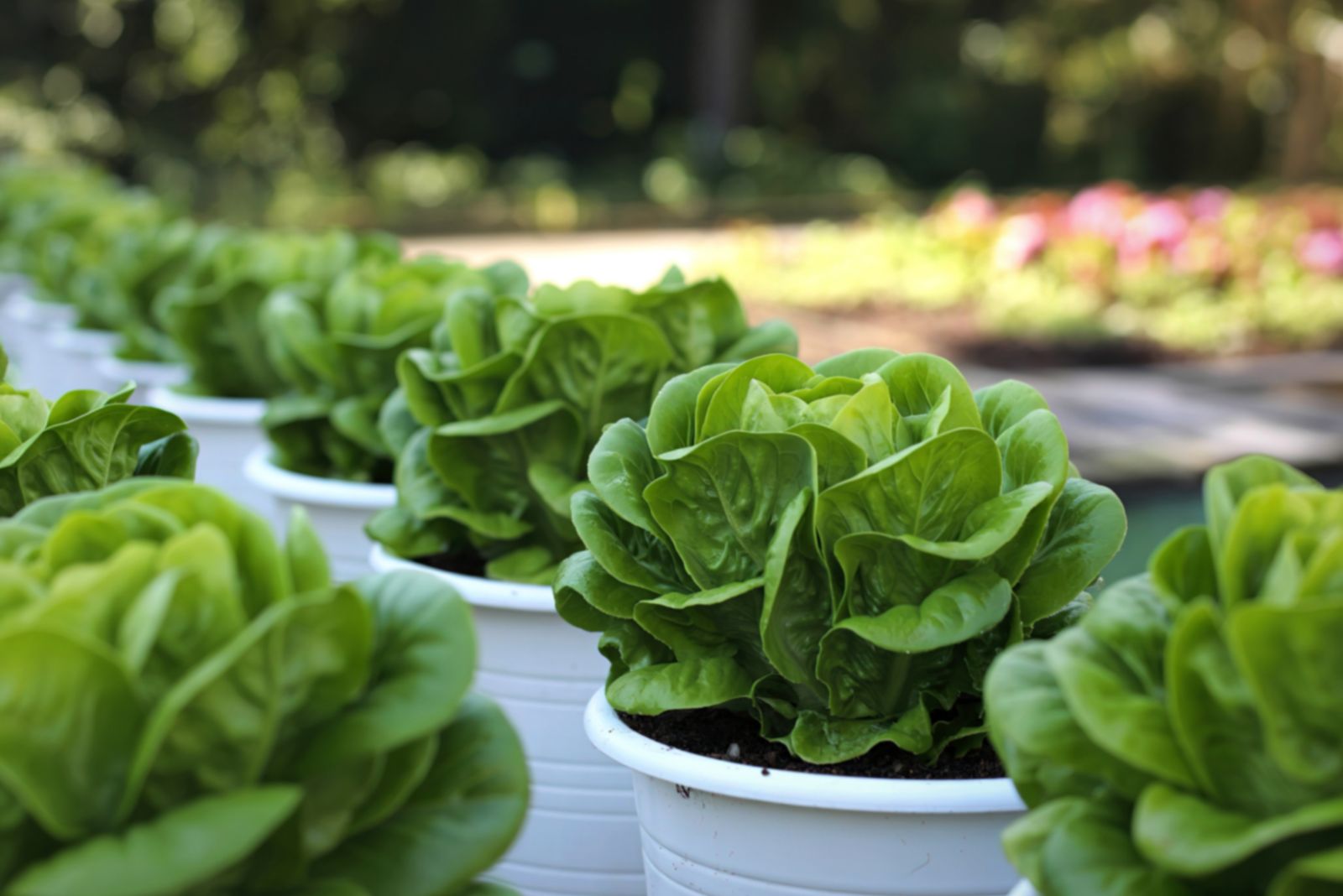
April is when container gardening starts to feel full of possibility in Pennsylvania. The weather is warming up, garden centers are packed with tempting plants, and suddenly it feels like every porch, patio, and front step could use a little more color.
Containers are especially satisfying this time of year because they give you a quick way to brighten up small spaces without needing a full garden bed. Even a few well-chosen pots can make everything feel more alive after a long winter.
The trick is picking plants that actually make sense for April. Pennsylvania spring can still be a little unpredictable, so the best container choices are the ones that can handle cool nights while still putting on a good show.
That might mean colorful flowers, useful herbs, or even a few vegetables that do well in pots early in the season. With the right mix, containers can look fresh now and keep growing beautifully as the weather improves.
For gardeners who want an easy way to add color and life fast, April is a great time to start planting.
1. Lettuce
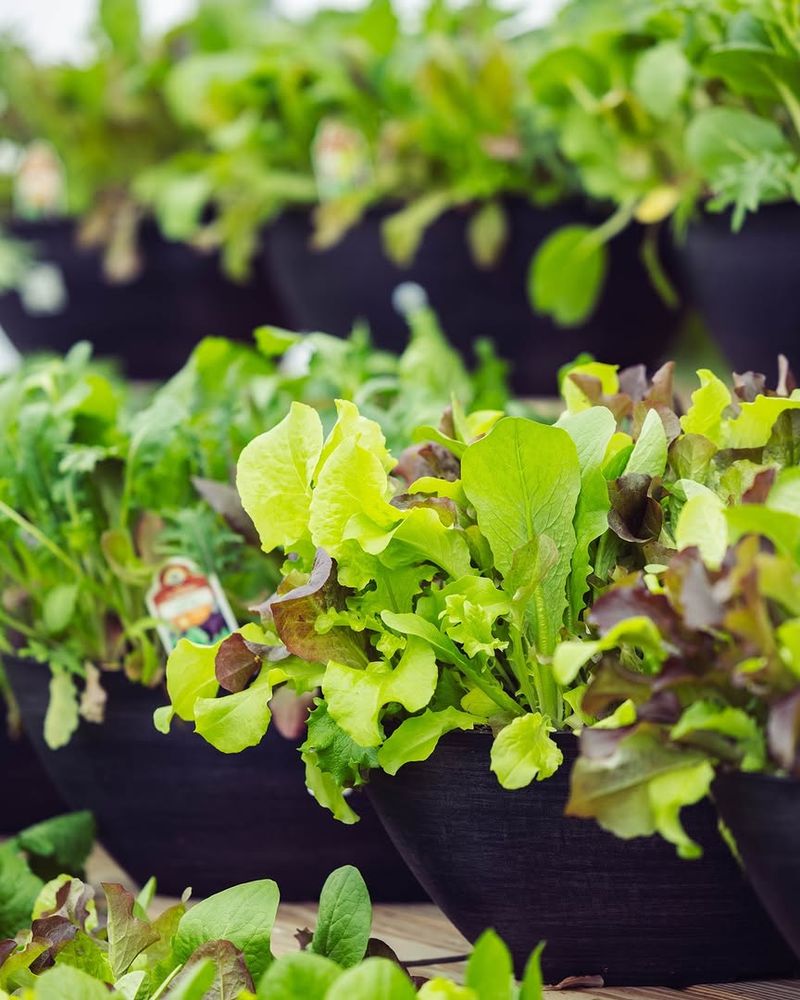
Lettuce might just be the most satisfying plant you can grow in a container during April in Pennsylvania. It grows fast, it looks beautiful, and within just a few weeks, you can start snipping fresh leaves right into your salad bowl.
Loose-leaf varieties like Black Seeded Simpson or Red Sails are especially great choices for pots because they do not need a lot of depth to grow well.
Pennsylvania’s April temperatures are just right for lettuce. Temperatures between 45 and 65 degrees Fahrenheit are ideal, and lettuce can even handle a light frost without much trouble.
Plant your seeds about a quarter inch deep in a container that is at least six inches deep. Space seeds about an inch apart and thin them out once they sprout to give each plant room to grow.
One of the best things about growing lettuce in containers is how flexible it is. You can move the pot around to catch the best light or bring it inside if a cold snap rolls through.
Make sure your container has drainage holes so the roots do not sit in wet soil. Water consistently but do not overdo it.
A good quality potting mix will help your lettuce thrive all spring long. Once the outer leaves reach about four inches tall, start harvesting from the outside and let the center keep growing.
This cut-and-come-again method means you get multiple harvests from one planting, which makes lettuce one of the smartest choices for Pennsylvania container gardeners this April.
2. Spinach
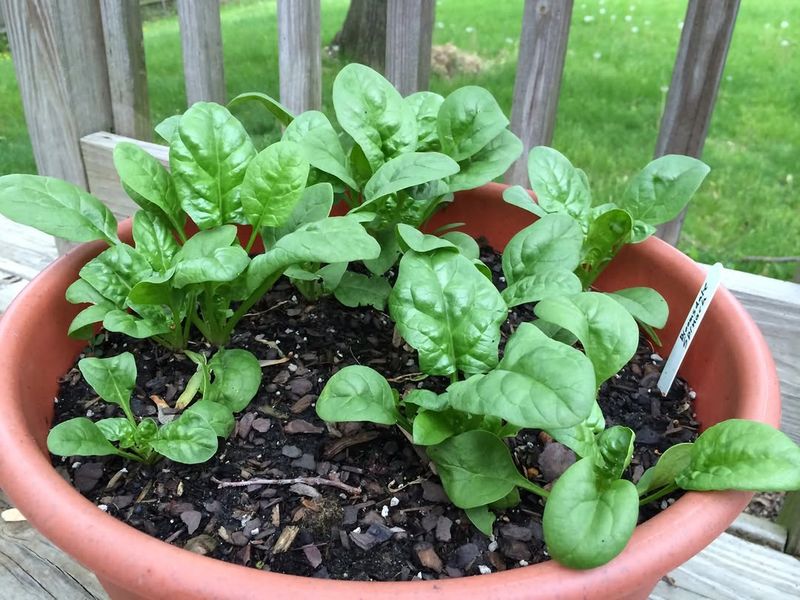
Cool weather and spinach go together like peanut butter and jelly. Spinach absolutely loves the kind of temperatures Pennsylvania gets in April, making it one of the top picks for container gardening this time of year.
It is packed with nutrients, it grows fairly quickly, and it does not need a huge pot to produce a solid harvest.
For best results, choose a container that is at least six to eight inches deep. Fill it with a well-draining potting mix and sow seeds about half an inch deep, spacing them two inches apart.
Your Pennsylvania Garden Changes Every Week. Your Plan Should Too.
Gardening in Pennsylvania changes quickly throughout the season. Every Friday you’ll receive a simple weekly plan showing exactly what to plant, prune, fertilize, harvest, and protect so you never miss the right timing.
Spinach does well in partial sun, which is great news if your patio or balcony does not get full sun all day. Around four to six hours of light is usually enough to keep your plants happy and growing strong throughout April.
Did you know spinach has been grown in gardens for over 2,000 years? It originated in ancient Persia and has been a garden staple ever since.
That long history is a good sign that this plant knows how to adapt. In Pennsylvania, spring spinach is one of the easiest crops to manage in containers.
Keep the soil consistently moist but not soggy. Thin your seedlings once they reach a couple of inches tall to give each plant enough space.
You can begin harvesting outer leaves when they are about three inches long. Baby spinach leaves have a mild, slightly sweet flavor that works beautifully in salads, smoothies, and cooked dishes alike.
3. Pansies
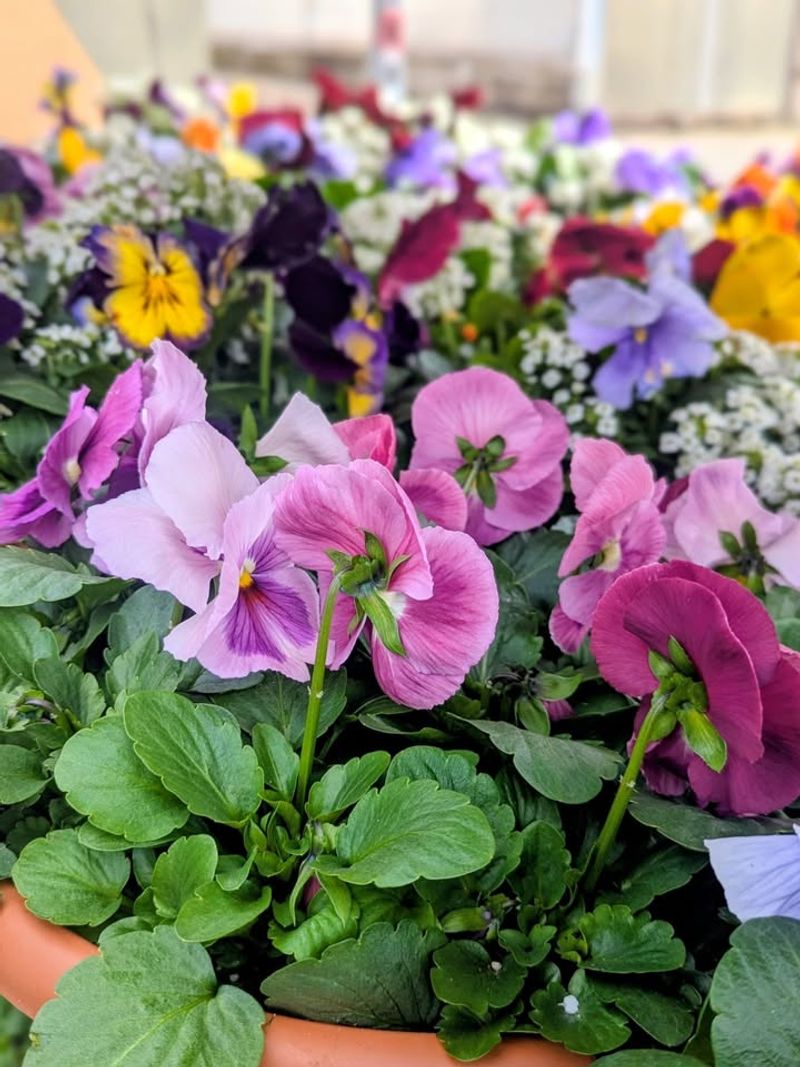
Bright, cheerful, and tough as nails for early spring, pansies are one of the most beloved container flowers in Pennsylvania. While most plants would shiver and struggle in April’s unpredictable weather, pansies actually prefer the cold.
They can survive light frosts and keep on blooming, which makes them a standout choice when other flowers are still waiting for warmer days.
Pansies come in a huge range of colors, from deep purple and golden yellow to soft lavender and bright orange. Planting a mix of colors in a single container creates a stunning display that brings life to any porch, deck, or windowsill.
Choose a container with good drainage and fill it with a quality potting mix. Plant pansies at the same depth they were growing in their nursery pots and water them in well after planting.
Place your pansy containers where they will get at least four to six hours of sunlight each day. Morning sun is especially beneficial because it helps dry off any dew or frost that settles on the leaves overnight.
Deadheading, which means removing spent blooms, encourages the plant to keep producing new flowers. Feed pansies with a balanced liquid fertilizer every couple of weeks to keep them blooming strong.
In Pennsylvania, pansies planted in April can continue flowering well into late spring and sometimes even into early summer if temperatures stay mild. They are low maintenance, rewarding, and one of the most reliable ways to add color to your container garden right now.
4. Radishes
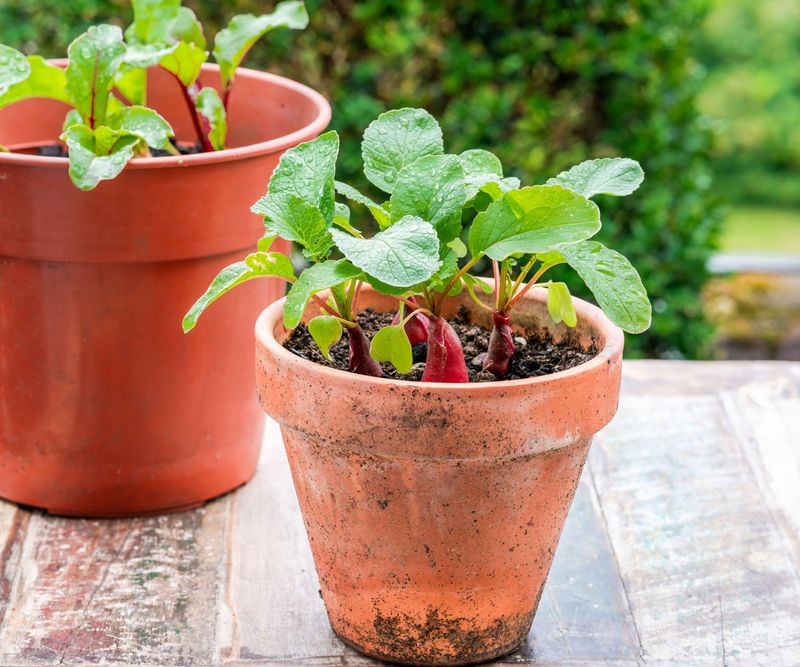
If patience is not your strongest quality when it comes to gardening, radishes are your best friend. These little root vegetables grow faster than almost anything else you can plant in April in Pennsylvania.
Some varieties are ready to harvest in as little as 22 to 25 days after planting, which means you could be pulling fresh radishes out of your containers before the month is even over.
Radishes are perfectly suited for container growing. They do not need a very deep pot, but they do need good drainage.
A container that is at least six inches deep works well for most round varieties like Cherry Belle or Easter Egg. Sow seeds about half an inch deep and space them one inch apart.
Once seedlings emerge and reach a couple of inches tall, thin them to about two inches apart so the roots have room to swell properly underground.
Pennsylvania’s cool April temperatures are exactly what radishes love. Hot weather makes radishes bolt, which means they go straight to seed without producing a good root.
The cool spring air keeps that from happening and gives you firm, crisp, flavorful radishes instead. Place your container in a spot that gets four to six hours of sunlight daily.
Keep the soil evenly moist because dry conditions can make radishes tough and bitter. Once you notice the tops of the roots peeking out of the soil, it is time to harvest. Radishes are great raw in salads or sliced onto tacos for a satisfying crunch.
5. Green Onions (Scallions)
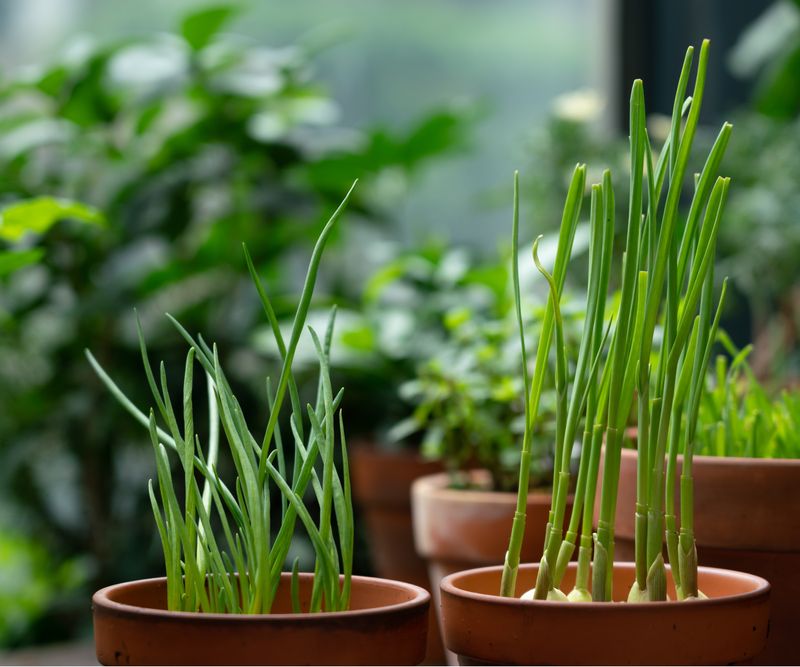
Green onions, also known as scallions, are one of the most practical and easygoing vegetables you can grow in containers this April in Pennsylvania. They take up very little space, they grow quickly, and you can harvest them over and over again without replanting.
Once the tops reach about six to eight inches tall, simply snip what you need and let the rest keep growing back.
You can start scallions from seeds or from the root ends of store-bought green onions. The regrowth method is a fun and budget-friendly trick that many Pennsylvania gardeners love.
Just place the white root ends in a small container with potting mix, water them in, and watch them sprout new green tops within a week or so. Seeds take a little longer but give you a fuller, more uniform crop.
Scallions are not picky about sunlight. They grow well in full sun or partial shade, which makes them a flexible option for patios and balconies that do not get direct light all day.
Use a container that is at least four to six inches deep and fill it with well-draining potting mix. Keep the soil moist but not waterlogged.
Scallions do not need a lot of fertilizer, but a light feeding every few weeks with a balanced liquid fertilizer will keep them growing strong. Their mild onion flavor works great in soups, stir-fries, egg dishes, and fresh salads.
For Pennsylvania gardeners looking for a reliable, low-effort container crop this April, scallions are a no-brainer.
6. Herbs (Parsley, Chives, Cilantro)
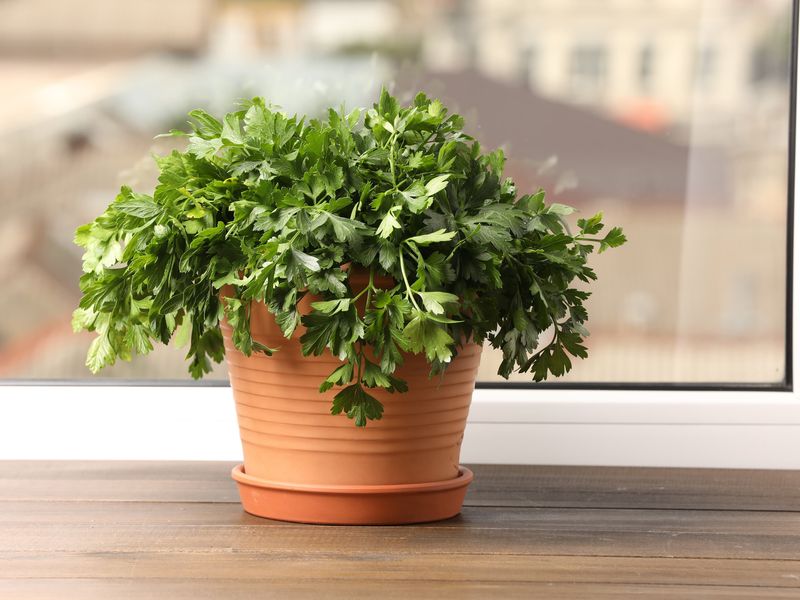
Growing your own herbs in containers is one of those small gardening wins that makes a big difference in the kitchen. Parsley, chives, and cilantro are three herbs that genuinely thrive in Pennsylvania’s cool April weather.
They prefer temperatures between 50 and 70 degrees Fahrenheit, which lines up perfectly with what spring in Pennsylvania delivers. Having fresh herbs just steps from your kitchen door is a game changer for cooking.
Chives are probably the easiest of the three. They grow in tight clumps, come back year after year, and can even produce pretty purple flowers in late spring.
Parsley takes a little longer to get going from seed, so starting with a small transplant from a garden center can save you a few weeks. Cilantro grows quickly but tends to bolt in warm weather, so April is actually the ideal time to get it established before summer heat arrives in Pennsylvania.
All three herbs do well in containers that are at least six inches deep. Plant each herb in its own pot or group them together in a larger planter.
Make sure the container has drainage holes and use a quality potting mix. Place your herb containers in a spot that gets four to six hours of sunlight each day.
Water when the top inch of soil feels dry. Avoid overwatering because herbs like well-drained soil.
Harvest regularly by snipping stems from the top, which encourages bushier, fuller growth. Fresh herbs elevate every meal and make container gardening feel truly worthwhile.
7. Snap Peas
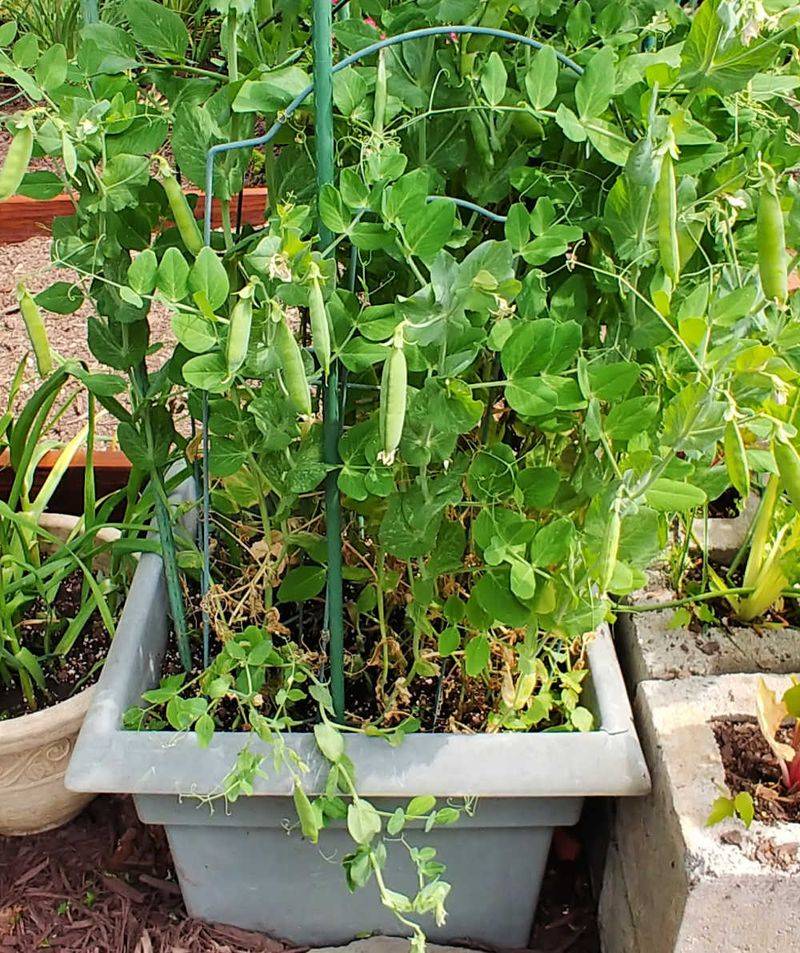
Snap peas are one of those plants that make you genuinely excited to go outside and check on your garden every single day. They grow fast, they climb beautifully, and the sweet, crunchy pods are one of spring’s best snacks straight off the vine.
April in Pennsylvania is the perfect time to get them started in containers because snap peas love cool temperatures and can handle a light frost without skipping a beat.
Because snap peas are climbers, you will need to provide a small trellis or some bamboo stakes for them to grab onto as they grow. This actually makes them a fun and attractive addition to any patio or balcony.
Choose a container that is at least 12 inches deep to give the roots enough room. Fill it with a rich, well-draining potting mix and plant seeds about an inch deep, spacing them about two to three inches apart.
Water the soil well after planting. Place your container in a spot that gets at least six hours of sunlight each day. Pennsylvania’s April sun is usually just right for snap peas.
Keep the soil consistently moist but never soggy. Peas do not need a lot of fertilizer because they actually fix nitrogen from the air into the soil, which is a pretty cool natural trick.
Once the pods feel plump and firm, they are ready to pick. Harvesting regularly encourages the plant to keep producing more pods.
Sugar Snap and Oregon Sugar Pod are two excellent varieties to look for at your local Pennsylvania garden center this spring.