These Desert Style Ideas Are Shaping Arizona Landscapes This Spring
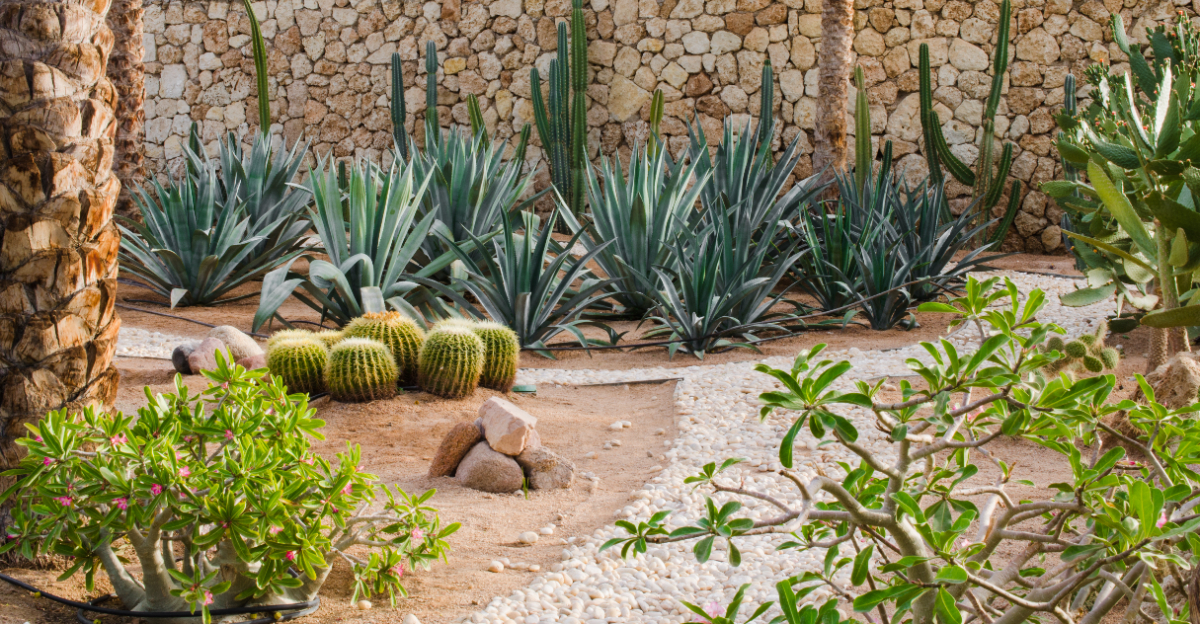
Arizona landscapes start to look different in spring, especially when outdoor spaces get more attention and the focus shifts toward what actually holds up once heat arrives.
Some yards still follow the same patterns, while others begin to show a more intentional look that fits the desert setting far better. The change is not about doing more.
It comes from choices that match the environment and keep the space easier to manage as conditions get tougher.
Certain ideas are showing up more often because they handle Arizona heat, dry soil, and strong sun without constant upkeep.
Those details start to stand out once the season moves forward. The result feels cleaner, more balanced, and better suited to the surroundings, which is why more homeowners are leaning in that direction this spring.
1. Layered Gravel And Stone Creates A Natural Desert Look
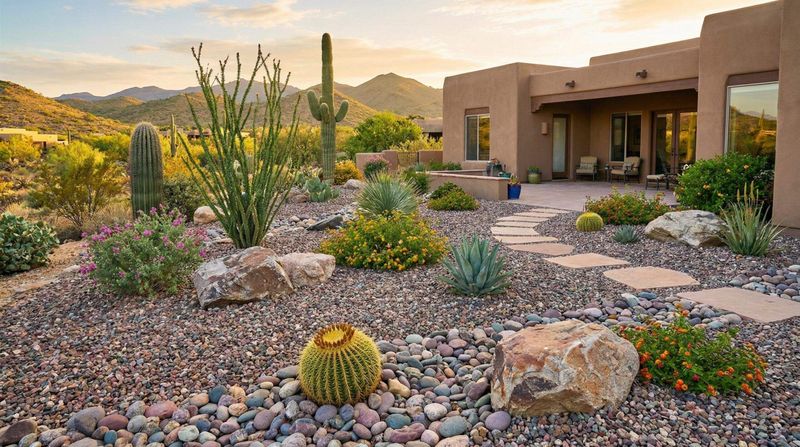
Gravel alone does not make a desert yard look good. What actually works is layering different sizes and tones of stone so the ground feels alive rather than paved over.
In Arizona, you can find decomposed granite in warm rust and tan shades that blend naturally with the surrounding soil and rock formations.
Start by using larger river stones or flagstone along borders or near structures, then shift to medium crushed gravel in open areas, and finish with fine decomposed granite as a base layer. The contrast between sizes creates visual interest without needing any plants at all.
When plants are added on top of that base, the whole yard starts to feel like something you planned rather than something you just covered up.
Color matters more than most people expect. Mixing warm-toned gravel with cooler gray stone adds depth that flat single-color gravel simply cannot achieve.
Some Phoenix homeowners are now pairing dark charcoal rock with pale buff granite for a modern contrast that still feels natural and grounded in the desert setting.
Weed fabric placed under the gravel helps reduce unwanted growth, though no fabric is completely foolproof in Arizona’s spring season when seeds blow in from everywhere. Plan to do some spot maintenance every few weeks during spring.
The upside is that a well-layered gravel base stays looking sharp with far less effort than any turf or bark setup, especially once the summer heat arrives.
2. Cactus Groupings Form Bold Focal Points In The Yard
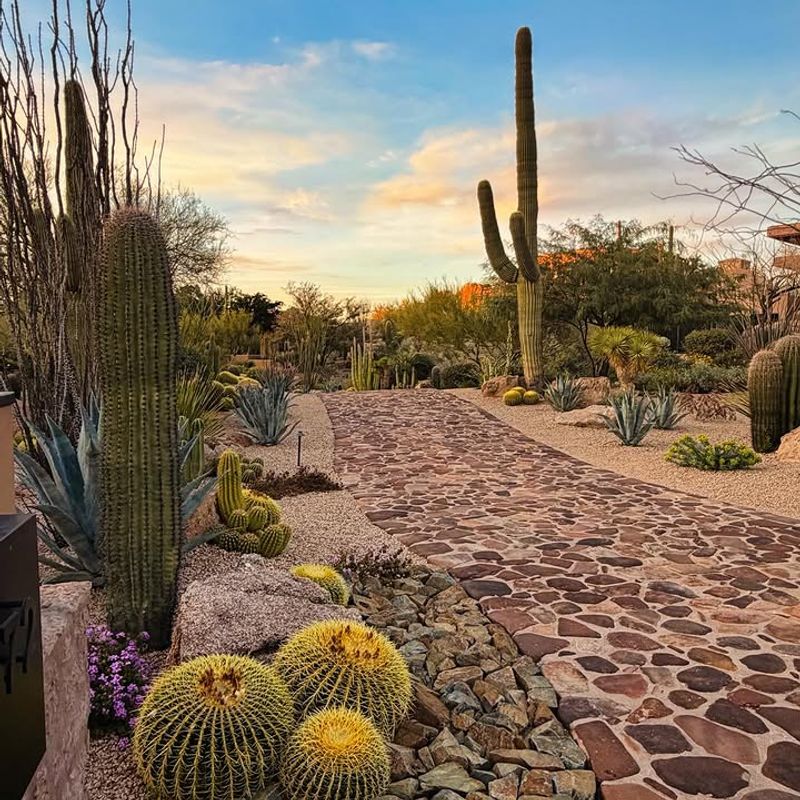
A single cactus sitting in the middle of a yard looks lonely. Group three or more together at varied heights and suddenly you have something that actually commands attention.
Cactus groupings work because they mimic the way plants naturally cluster in the Sonoran Desert, and that natural reference point is what makes a yard feel rooted in its environment.
Saguaros are the obvious choice for height, but they are slow-growing and expensive to establish.
A more practical approach for most Arizona homeowners right now is pairing a taller ocotillo or totem pole cactus with mid-height golden barrel cacti and low-growing prickly pear at the base.
That three-tier arrangement gives you structure without requiring decades of patience.
Your Arizona Garden Changes Every Week. Your Plan Should Too.
Gardening in Arizona changes quickly throughout the season. Every Friday you’ll receive a simple weekly plan showing exactly what to plant, prune, fertilize, harvest, and protect so you never miss the right timing.
Placement matters quite a bit. Groupings near a front entrance or along a property corner draw the eye exactly where you want it.
Avoid centering them perfectly in the yard because symmetry can make a desert design feel forced and unnatural. Off-center placement with asymmetrical spacing reads as more authentic and visually dynamic.
Spring is actually a reasonable time to plant cactus in Arizona because temperatures are still manageable and the plants have a few months to settle in before intense summer heat arrives. Soil drainage is the biggest variable to get right.
Rocky, fast-draining soil helps most species stay healthy, while compacted clay soil can cause problems that take a long time to correct. Test your drainage before planting and amend with coarse sand or gravel if needed.
3. Raised Planting Mounds Improve Drainage And Visual Depth
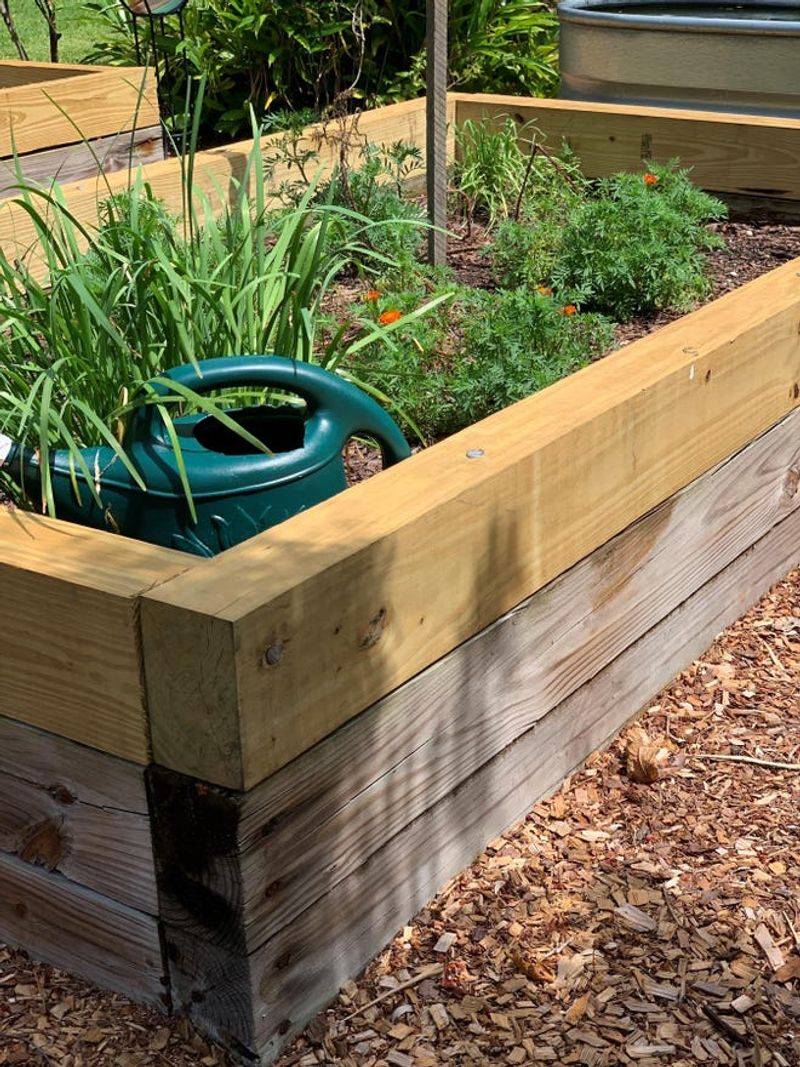
Flat yards get boring fast, and in Arizona, flat ground also tends to hold water in the wrong places after heavy monsoon rain.
Raised planting mounds fix both problems at once by lifting plants slightly above grade, which improves drainage and adds a layer of visual interest that flat landscaping just cannot replicate.
Building a mound does not require heavy equipment or a big budget. A simple berm of amended native soil and gravel, shaped into a gentle rise of eight to eighteen inches, gives you enough elevation to make a real difference.
The shape should be organic and irregular rather than perfectly round, because that natural silhouette reads as far more convincing in a desert setting.
Agave, brittlebush, and desert marigold all work well on mounds because their roots prefer good drainage. Placing taller plants at the peak and shorter groundcover species along the slope creates a natural cascading effect that looks intentional without being overdone.
Tucson designers have been using this approach for years, and it consistently elevates the overall feel of a yard.
One thing worth knowing is that mounds can dry out faster than flat beds, especially during Arizona’s dry spring winds. Watering schedules may need slight adjustment during the first season while plants get established.
Mulching the mound surface with fine gravel or decomposed granite helps retain some moisture and keeps the soil from washing down the slope during sudden afternoon storms. A little monitoring in those first few months goes a long way.
4. Dry Creek Beds Add Movement And Handle Sudden Rain
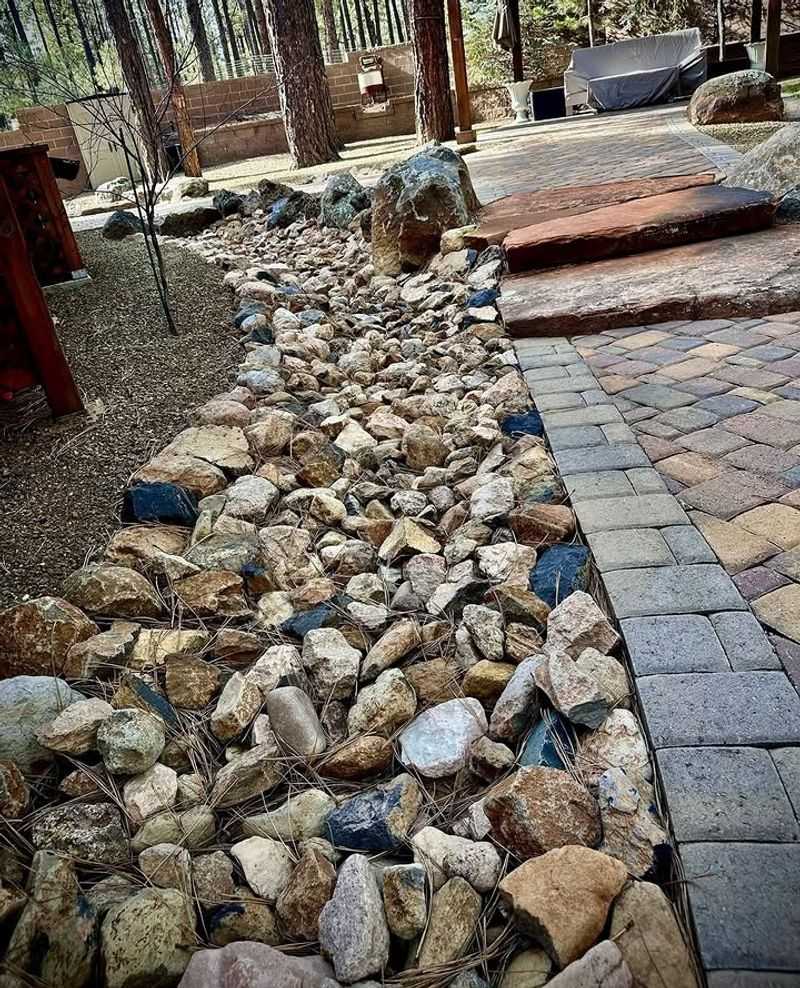
Arizona rain does not arrive gently. When the monsoon season kicks in or a spring storm rolls through, water moves fast and it moves hard.
A dry creek bed is one of the smartest things you can add to a yard because it gives that water somewhere logical to go instead of pooling against your foundation or washing away your gravel beds.
The design works by following the natural slope of your yard and creating a defined channel lined with rounded river rock and smooth boulders. During dry weather, it looks like a decorative feature.
During rain, it functions as a drainage path. That dual purpose is exactly why so many Arizona homeowners have added them over the past few years.
Width and depth matter more than most people realize at the planning stage. A creek bed that is too narrow will overflow during heavy rain and defeat the purpose entirely.
Aim for at least two feet wide and eight to ten inches deep in most residential applications, adjusting based on how much runoff your specific yard typically generates after a storm.
Plant selection along the banks adds a lot to the overall look. Desert willow, globe mallow, and yellow bells all tolerate the occasional rush of water without struggling.
Placing larger boulders at natural bends in the creek adds realism and slows water velocity slightly, which reduces erosion over time. Scottsdale landscape contractors have been building these into new projects consistently, and the results tend to hold up well through multiple seasons with minimal adjustment needed.
5. Boulder Accents Bring Texture And Structure To The Space
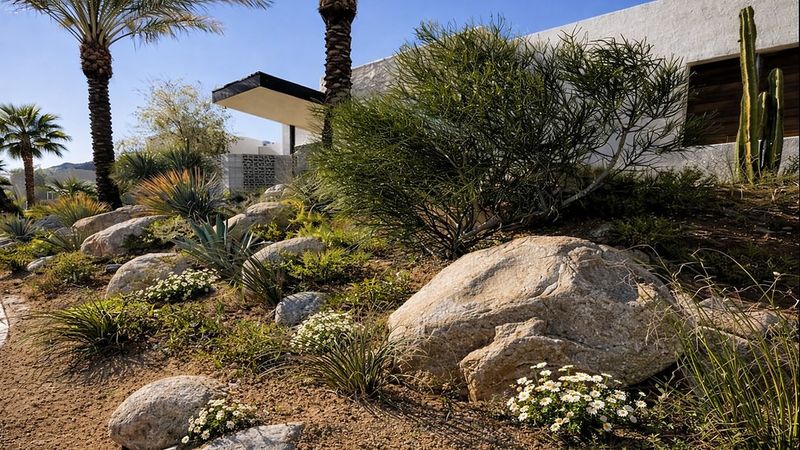
Rocks do not need to be arranged in a circle around a tree to be useful in a yard. In Arizona, boulders used as accent pieces carry real visual weight, and when they are placed thoughtfully, they can anchor an entire landscape design without anything else around them needing to be perfect.
Size variation is the key. A single massive boulder paired with two or three medium-sized rocks nearby creates a natural grouping that references the actual geology of the Sonoran Desert.
Using all the same size looks manufactured and flat. Using wildly mismatched sizes without any visual logic looks cluttered.
The goal is somewhere in between, where the arrangement feels discovered rather than installed.
Granite boulders are the most common choice in central Arizona because they match the existing rock palette of the region. Basalt works well for darker, more dramatic contrast, especially in modern desert designs where the color palette leans toward charcoal and cream.
Sandstone adds warmth but can weather faster under intense sun and should be placed with that in mind.
Placement relative to plants makes a big difference. Tucking a smaller plant or groundcover partially behind a boulder creates depth and makes the boulder look like it belongs rather than sitting on top of the landscape.
Burying the bottom third of large boulders into the soil is a simple trick that makes them look like they have been there forever rather than recently delivered and dropped in place. That detail alone changes how the whole yard reads to anyone walking by.
6. Native Plant Clusters Create A Balanced Desert Layout
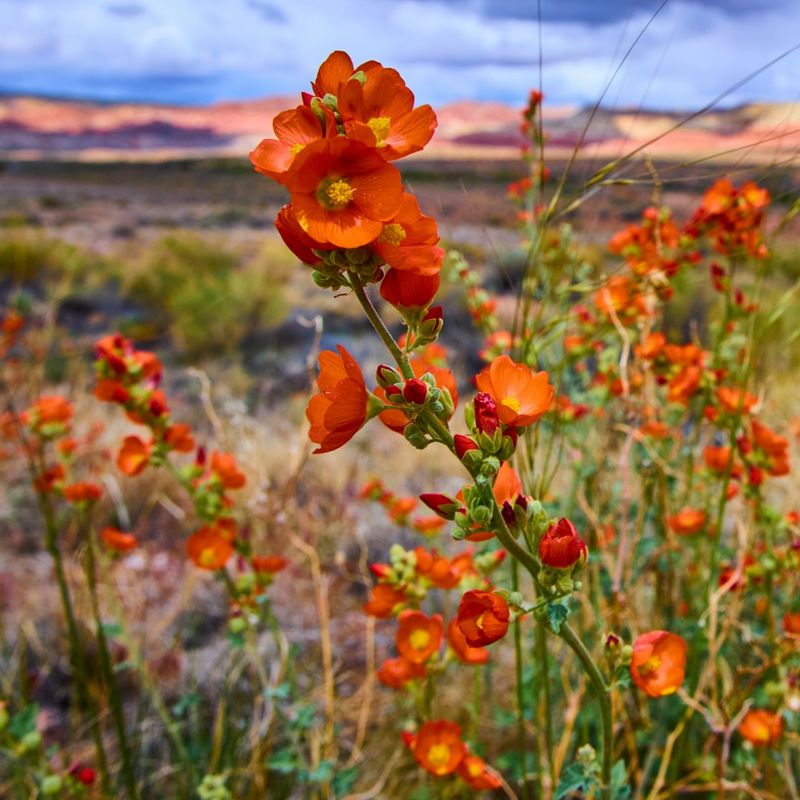
Picking plants just because they look nice at the nursery is a common mistake in Arizona yards.
What actually holds up well here are the plants that evolved in this specific climate, and grouping them together in clusters rather than spacing them out individually creates a more cohesive and believable landscape.
Palo verde trees make excellent anchors for native clusters because they provide filtered shade, flower brilliantly in spring, and do not demand much water once they have settled in.
Underneath and around them, species like desert marigold, globe mallow, and fairy duster fill in with color and texture at different heights.
That layering approach is what separates a polished native plant design from a random collection of drought-tolerant species.
Clustering also has a practical benefit that goes beyond looks. Plants grouped close together create a shared microclimate where humidity stays slightly higher and soil temperatures run a bit cooler.
In the brutal heat of an Arizona summer, that small buffer can make a noticeable difference in how plants perform through the toughest months.
Spacing within clusters should still allow for mature growth without plants crowding each other out over time. Research mature sizes before planting and give each species at least half of its expected spread as clearance from its neighbors.
Spring is a good time to install native clusters in Arizona because moderate temperatures give roots a chance to develop before the heat peaks.
Expect some adjustment during the first season as plants find their footing in the specific conditions of your soil and sun exposure.
7. Organic Pathways With Stone Or Gravel Guide The Design
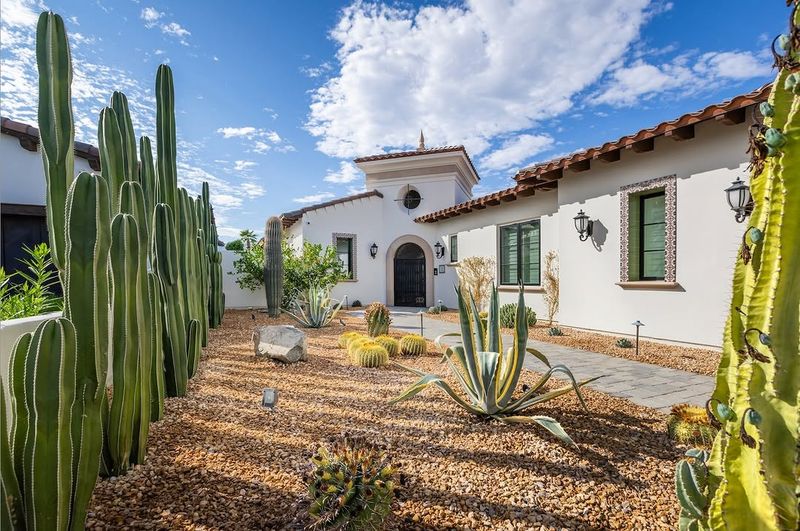
Straight lines through a desert yard almost always look out of place. The desert itself does not move in straight lines, and pathways that follow a slight curve or wander gently between plants feel far more natural in an Arizona setting.
Stone and gravel are the two most practical materials for building these paths because both handle heat and heavy foot traffic without degrading quickly.
Flagstone set in decomposed granite is one of the most popular combinations right now in the Phoenix and Scottsdale areas. The flagstone provides a stable footing while the granite fill around each piece gives the path a softer, more organic edge.
Gaps between stones can be left open or filled with fine gravel depending on how finished you want the look to feel.
Path width affects how a yard feels to walk through. Narrow paths under eighteen inches feel cramped and make you watch your step.
A width of twenty-four to thirty-six inches allows two people to walk comfortably side by side, which changes how guests experience the space.
Wider paths also give you more room to border each side with low-growing plants without everything feeling squeezed together.
Edging keeps gravel paths from spreading into planting areas over time. Steel edging is durable and stays low-profile, while natural stone borders add a more rustic character that suits a traditional desert aesthetic.
Whichever option you choose, securing the edging properly at installation saves a lot of repositioning work later.
Arizona’s soil can shift slightly through seasonal temperature changes, so checking path edges each spring keeps everything looking clean and well-maintained.