The April Method In Georgia That Keeps Coneflowers Blooming Longer
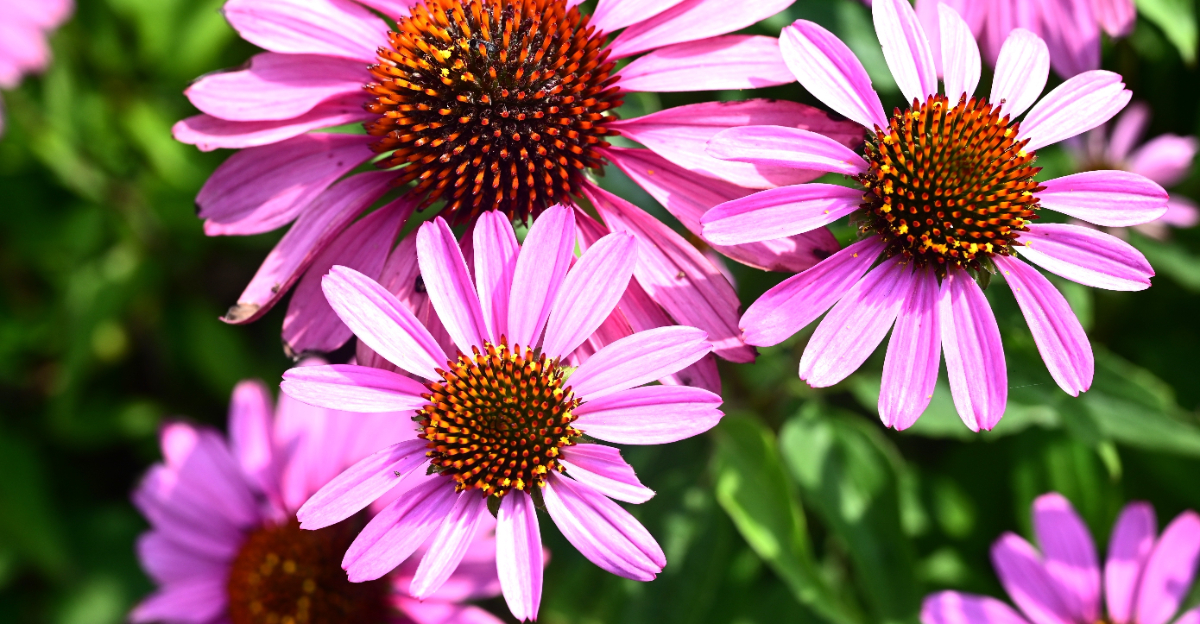
Coneflowers in Georgia can start out strong, then fade sooner than expected even when the plants look healthy. Blooms appear, color looks great, and everything seems on track, yet the display does not last as long as it could.
April is when that outcome begins to take shape, even though it is easy to overlook at this stage. What you do now influences how long those blooms stay fresh once the season moves forward.
Some gardens hold color much longer, while others lose it early under the same conditions, and that difference often comes from a small step taken at the right time.
Getting that timing right can help coneflowers stay in bloom longer and keep the garden looking full well into the season.
1. Deadheading Encourages New Flower Production
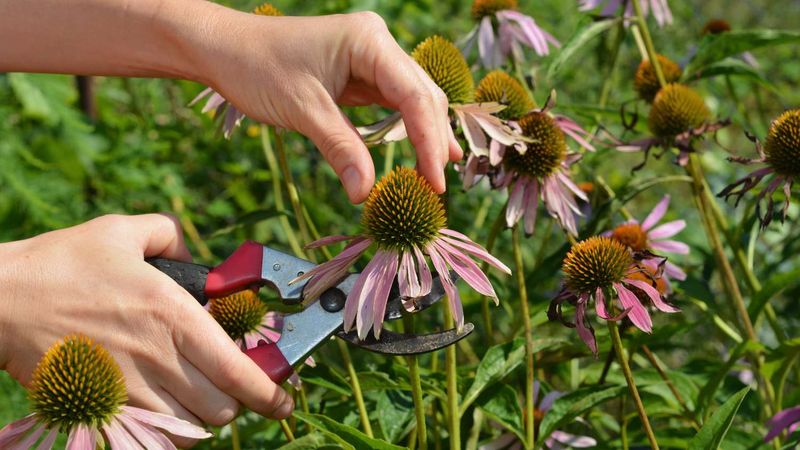
Snipping off a spent coneflower head feels small, but the plant responds in a surprisingly big way. When a bloom fades and starts browning, the plant shifts its energy toward forming seeds.
Cut that bloom off before seeds develop, and the plant redirects that energy back into producing new flower buds instead.
Georgia summers are long and warm, which gives coneflowers plenty of growing time if you keep the cycle moving. Deadheading is essentially a signal you send to the plant.
Without ripe seed heads forming, the plant keeps pushing out new growth in an attempt to complete its reproductive cycle.
Start this practice in April when your coneflowers begin their first round of blooms. Getting into the habit early in the season means you build a consistent rhythm that carries through summer and into fall.
Some gardeners in Georgia report blooms stretching well past what they saw before they started deadheading regularly.
You do not need fancy tools for this. A pair of clean garden scissors or small pruners works fine.
The key is doing it frequently enough that spent blooms do not linger on the plant for too long.
2. Removing Spent Blooms Prevents Early Seed Formation
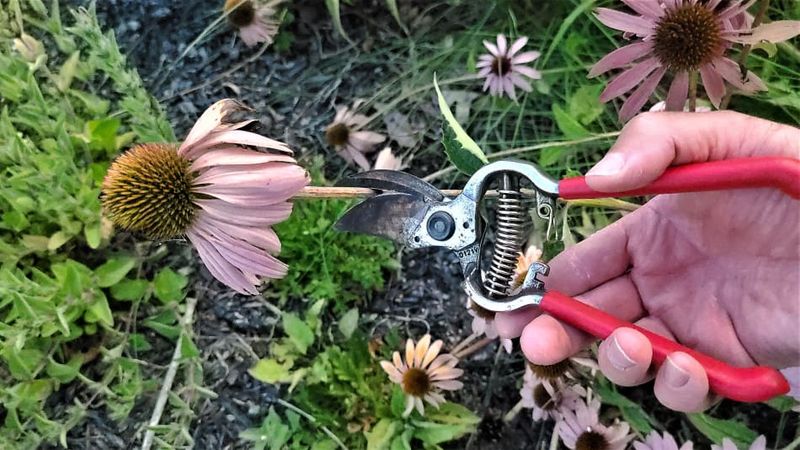
Seed formation is not the enemy, but it does come at a cost during bloom season. Once a coneflower finishes flowering and begins forming seeds, the plant treats that as mission accomplished.
Growth slows, new bud production drops off, and the show winds down earlier than it needs to.
In Georgia, where heat and humidity can already stress plants by midsummer, letting seed heads form too early just speeds up that slowdown.
Removing spent blooms before the seed head matures keeps the plant in active growing mode rather than shifting into a rest-and-reproduce phase.
Timing matters here more than most gardeners realize. A bloom that looks mostly faded but still has some color left is not urgent.
But once the petals drop completely and the center cone starts hardening and darkening, that is your window. Pull or cut it off before the seeds inside develop fully.
Starting this habit in April, when Georgia coneflowers begin their first flowering push, sets a strong pattern for the rest of the season.
Your Georgia Garden Changes Every Week. Your Plan Should Too.
Gardening in Georgia changes quickly throughout the season. Every Friday you’ll receive a simple weekly plan showing exactly what to plant, prune, fertilize, harvest, and protect so you never miss the right timing.
Consistent removal of spent blooms throughout May, June, and July can noticeably extend the bloom period compared to plants left untouched.
You may not get blooms stretching forever, because weather and plant health always play a role, but most gardeners see a meaningful difference when they stay on top of this one simple step.
3. Cutting Above Leaf Nodes Triggers Fresh Bud Growth
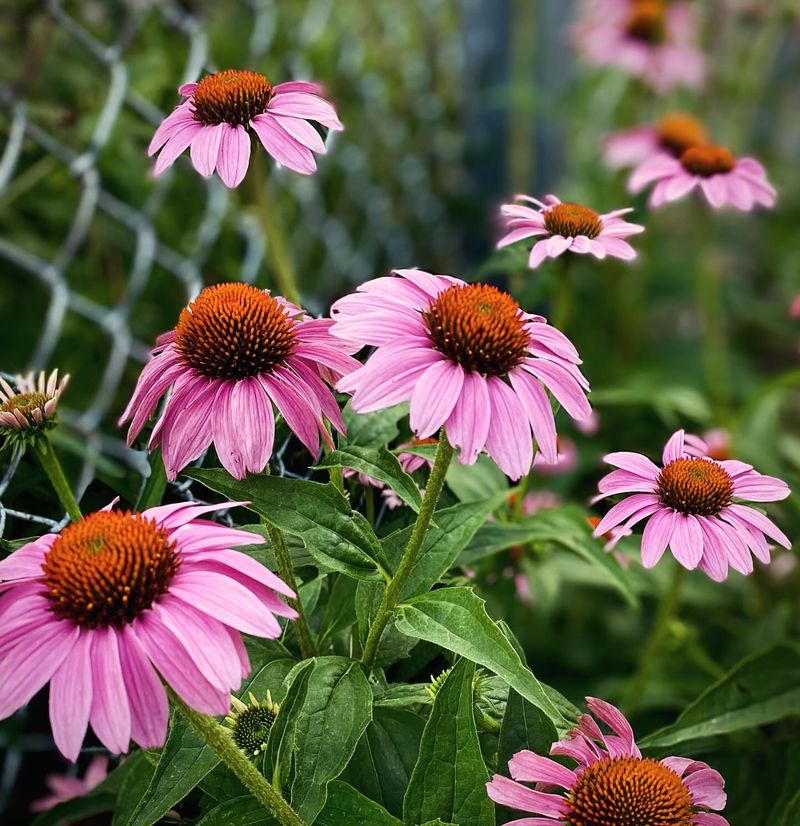
Where you make the cut actually matters as much as when you make it. Slicing a stem randomly does not give the plant a clear growth point to work from.
Cutting just above a leaf node, which is the spot where a leaf attaches to the stem, gives the plant exactly what it needs to push out a new shoot with a fresh bud.
Leaf nodes are active growth zones. When you cut above one, the plant recognizes that spot as a viable point for new development.
Within days in Georgia’s warm spring and summer conditions, you can often see small green shoots emerging right at that node. Those shoots develop into new flowering stems if the plant is healthy and well-watered.
Getting this technique right does not require a lot of gardening experience. Look down the stem from the spent bloom until you find a spot where a leaf or a pair of leaves meets the stem.
Make your cut about a quarter inch above that point at a slight angle to help water run off rather than pooling on the cut surface.
In April and May across Georgia, when temperatures are warm but not yet extreme, coneflowers respond to this kind of pruning quickly and vigorously.
Plants that are cut with intention at the right spots tend to branch out more, which means more potential flowering tips on each plant.
4. Regular Deadheading Keeps Bloom Cycles Active
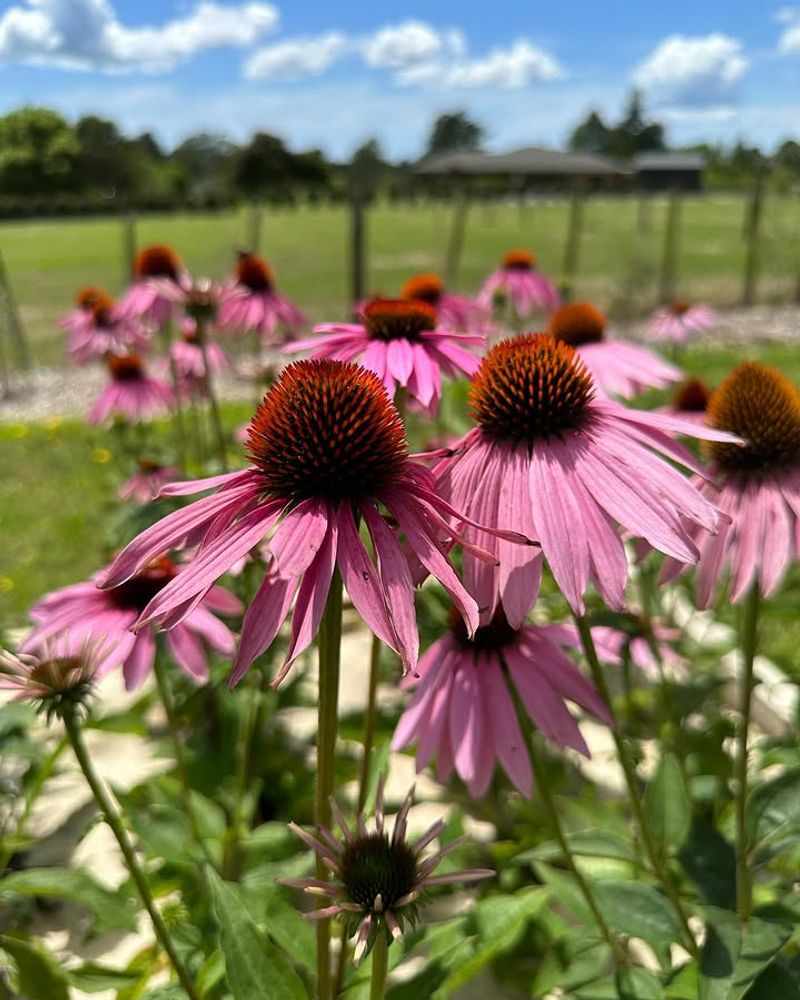
Letting a few days go by between garden checks during bloom season can make a noticeable difference.
Coneflowers move through their bloom cycles at a steady pace, especially in Georgia’s heat, and spent blooms left on the plant for too long start pulling energy away from the newer buds trying to open.
Keeping up with deadheading on a regular schedule, rather than doing one big cleanup every few weeks, is what actually maintains an active bloom cycle. Think of it less like a chore and more like a conversation with your plants.
You remove what is finished, and the plant responds by working on what comes next.
A practical approach for Georgia gardeners is to walk the coneflower beds every three to four days during peak blooming season. Bring your pruners and a small bucket.
Remove any bloom that has dropped its petals or whose center cone has started to darken significantly. Do not overthink it.
If a bloom looks spent, it probably is.
Over the course of a season, this consistent attention adds up. Plants that receive regular deadheading tend to produce more flowering stems and stay visually fuller than those left to their own devices.
There is no guarantee of any specific outcome since soil conditions, rainfall, and heat all factor in, but the difference between a deadheaded plant and one that is not is usually pretty clear by late summer.
5. Early Deadheading Extends The Overall Bloom Period
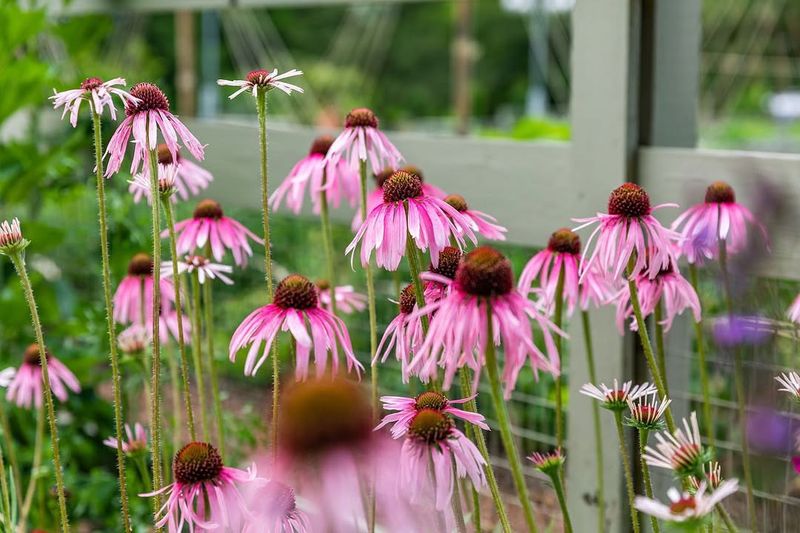
Starting deadheading early in the season gives you a head start on the whole process. Most Georgia gardeners wait until their coneflowers look obviously tired before they start cutting, but by then the plant has already made progress toward seed production.
Getting in early, when just the first round of blooms begins to fade, shifts the timeline in your favor from the beginning.
April in Georgia is ideal for starting this practice because temperatures are mild, the plants are actively growing, and the bloom season is still fresh. Removing those first spent flowers before seeds can begin forming sends a clear message to the plant early on.
That early message tends to keep the plant in a more productive flowering state throughout the longer growing season ahead.
Gardeners who begin deadheading in April rather than June or July often notice that their plants produce more waves of bloom over the season. It is not a dramatic transformation, but the extended bloom period is real and measurable if you pay attention.
Some plants that might normally wind down by late August continue pushing new buds into September when managed this way.
Weather in Georgia can be unpredictable, and extreme heat or drought will always affect bloom production regardless of how well you deadhead.
But giving the plant every possible advantage by starting the practice early is a straightforward way to get the most out of your coneflowers.
6. Using Clean Cuts Reduces Risk Of Plant Stress
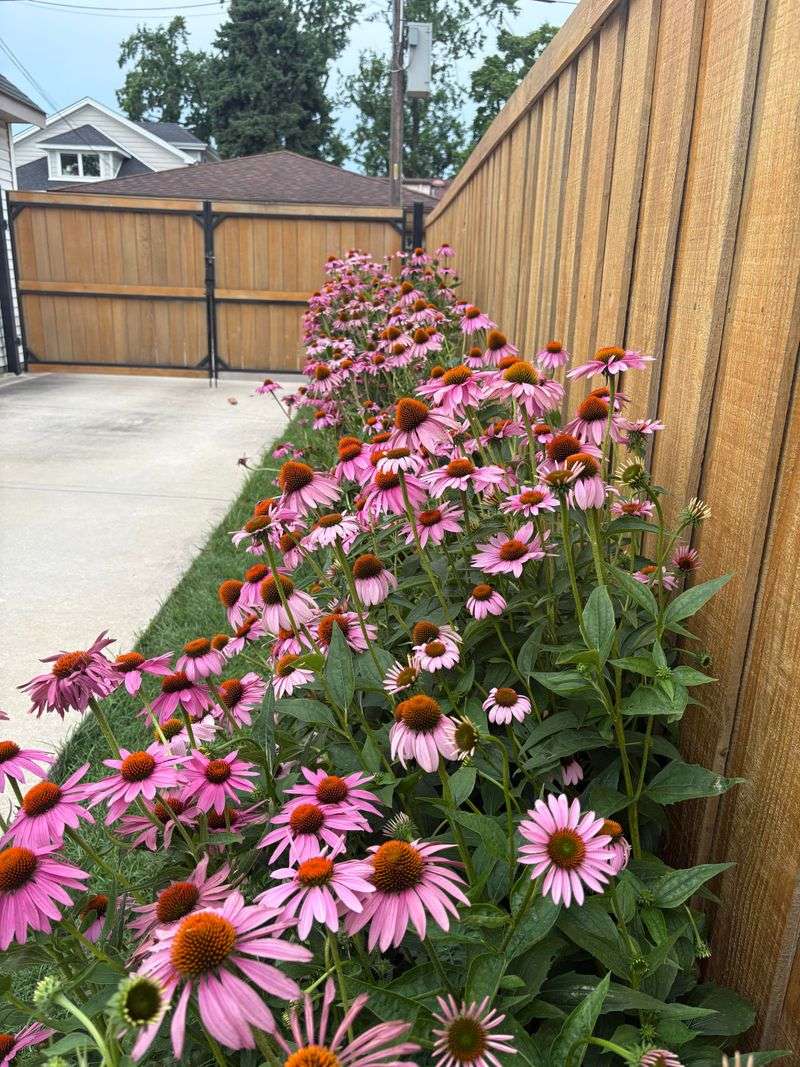
Ragged cuts on plant stems are not just an aesthetic issue.
When you tear or crush a stem rather than making a clean slice, you create a larger wound that takes more energy to heal and leaves the plant more vulnerable to fungal issues, which are a real concern in Georgia’s humid summers.
Sharp, clean tools make a meaningful difference here. A dull pair of pruners can crush the stem tissue rather than cutting through it cleanly.
That crushed tissue is slower to seal and can become an entry point for pathogens that thrive in warm, moist conditions.
Wiping your blades with rubbing alcohol between plants is also a smart habit, especially if any of your plants look like they might have a disease issue.
Clean cuts heal faster and with less disruption to the plant’s overall function. A stem that seals quickly can redirect its energy toward new bud development rather than spending resources on recovery.
In a busy Georgia summer garden where plants are already managing heat and humidity, reducing unnecessary stress anywhere you can is a practical approach.
Investing in a decent pair of bypass pruners and keeping them sharp throughout the season is one of those small upgrades that makes a real difference over time. You do not need anything expensive.
Just keep the blades clean, sharp, and dry between uses.
7. Consistent Timing Improves Repeat Flowering
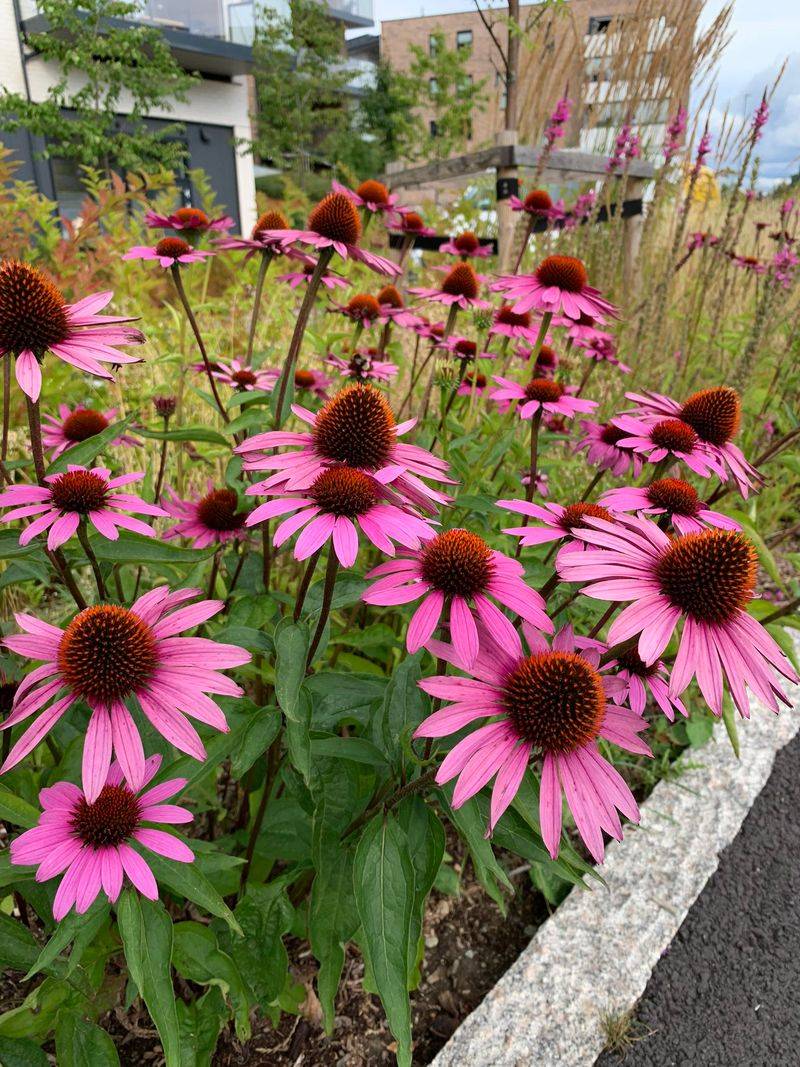
Consistency is what separates a coneflower bed that blooms in waves all season from one that puts on a good show in June and then fizzles out. Plants respond to patterns.
When you deadhead on a regular schedule, the plant essentially stays in a continuous loop of producing and replacing blooms rather than completing one cycle and slowing down.
Irregular deadheading, where you skip a week or two and then do a big cleanup, is less effective than smaller, more frequent sessions. Letting spent blooms sit too long gives seed development a window to progress further than you want.
By the time you get around to cutting, some of that seed energy has already been committed, and the plant has partially shifted its focus.
In Georgia, where the growing season runs long, consistent timing through April, May, June, and into July gives coneflowers repeated opportunities to cycle through new blooms.
Each time you remove a spent flower at the right moment, you are essentially resetting that stem’s growth clock.
Do that across every stem on every plant with regularity, and the cumulative effect on bloom production is noticeable.
Setting a simple reminder to check your garden every few days during the height of bloom season can help you stay on track. It does not need to be a long visit.