What Texas Gardeners Should Plant In April In Containers
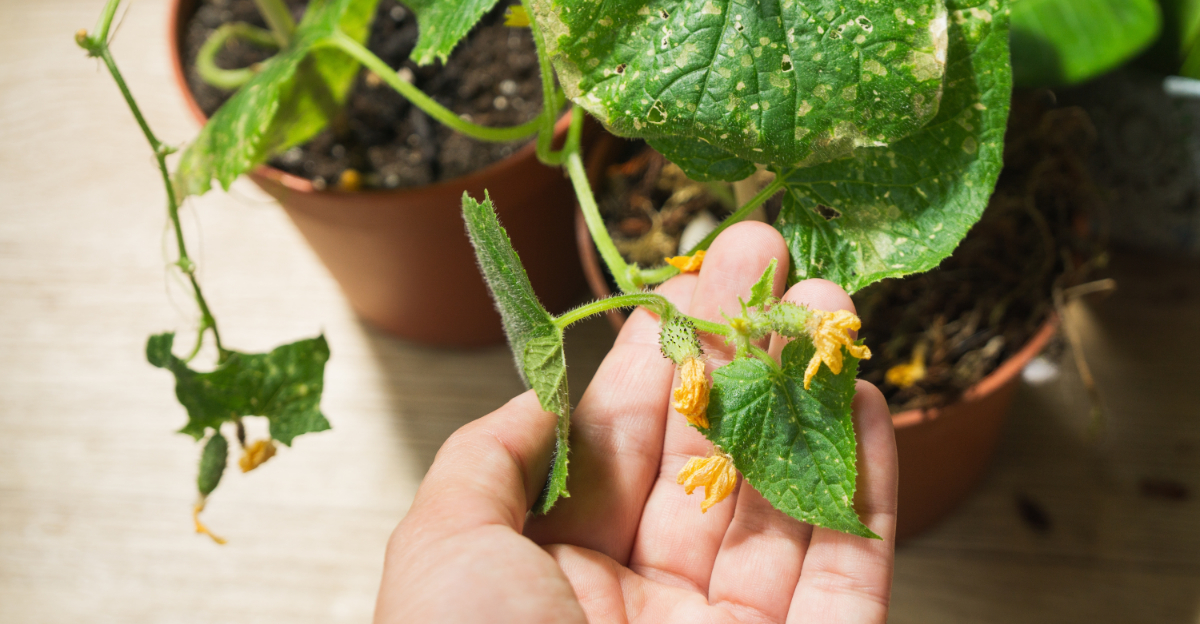
April is when container gardening in Texas starts to get exciting. The weather is warm enough to open up more options, garden centers are loaded with tempting plants, and patios begin to look like they are ready for something more than a lonely empty pot by the door.
It is a good month to plant, but Texas still likes to keep gardeners on their toes.
A container that looks great in early April can struggle by late May if the plant was never suited to the heat, sun exposure, or quick-drying conditions in the first place. That is why smart container planting is about more than color.
It is about picking plants that can keep going as the season turns hotter.
Some choices are made for bright porches and blazing patios. Others are better for part shade, edible containers, or spots that need a longer-lasting display.
A few are especially worth planting right now before summer gets bossy.
1. Tomatoes For Big Flavor In Pots
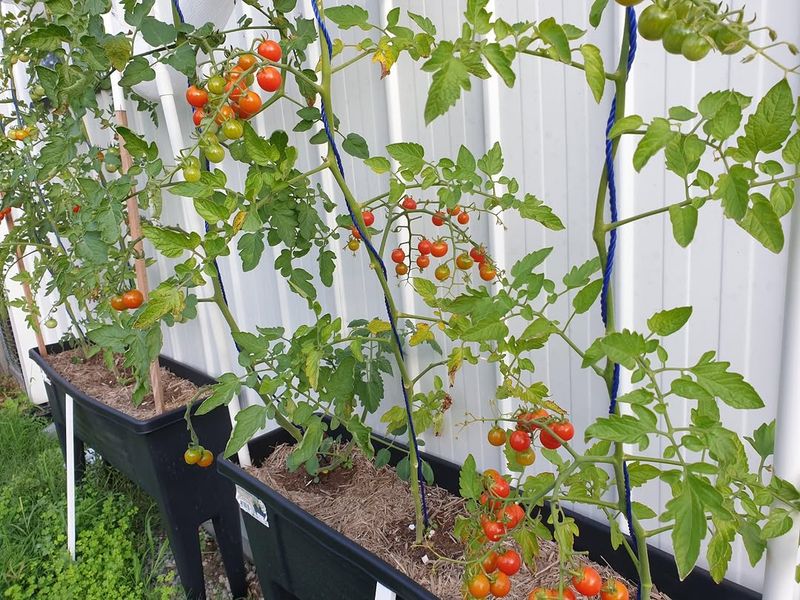
Nothing beats the taste of a homegrown tomato, and the good news is you do not need a big yard to grow them in Texas. Container tomatoes are incredibly popular across the state, but the best planting time can vary by region, with April working well in many parts of Texas while warmer areas often plant earlier.
The warm days and mild nights of early spring give roots a strong foundation before the summer heat really kicks in.
For containers, determinate, cherry, patio, or other compact varieties usually work best, though they are not the only option. These types stay compact and do not sprawl all over the place like indeterminate varieties can.
A five-gallon pot is the minimum size you should use, but bigger is always better when it comes to tomatoes.
Place your container in a spot that gets at least six hours of direct sunlight every day. Texas sun is strong, so morning sun with some afternoon shade can help your plants stay happy during the hottest weeks.
Make sure your pot has drainage holes at the bottom to prevent soggy roots.
Water consistently and deeply, because tomatoes hate uneven moisture. Irregular watering leads to problems like blossom end rot, which can ruin your harvest.
Feed your plants with a balanced fertilizer every four to six weeks to keep them producing all the way through early summer.
2. Peppers For Heat-Loving Container Color
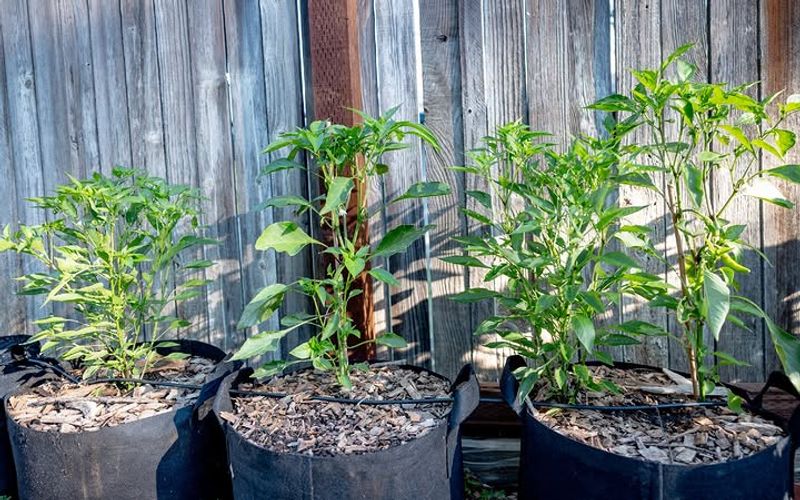
Whether you love sweet bell peppers or fiery jalapenos, April is the right time to get them into containers and let them soak up that gorgeous Texas sunshine. Peppers are heat lovers, and the warming spring temperatures across the state make this month a natural fit for planting.
Choose compact varieties for container growing, since they tend to produce just as well without taking up a ton of space. Compact bell pepper varieties, along with banana peppers and smaller chili types, all do wonderfully in pots.
Use at least a three-gallon container, and make sure it has good drainage so the roots do not sit in water.
Your Texas Garden Changes Every Week. Your Plan Should Too.
Gardening in Texas changes quickly throughout the season. Every Friday you’ll receive a simple weekly plan showing exactly what to plant, prune, fertilize, harvest, and protect so you never miss the right timing.
Place your pepper containers somewhere that receives a full day of sun. In Texas, that is rarely a problem since the state is blessed with abundant sunshine from spring through fall.
A well-draining potting mix enriched with compost gives peppers the nutrients they need to put out a heavy crop.
Water your peppers regularly, but let the soil dry out slightly between waterings. Overwatering is one of the most common mistakes new gardeners make, and peppers are especially sensitive to soggy conditions.
Fertilize every few weeks with a tomato or vegetable fertilizer to encourage strong flowering and fruit production throughout the season.
3. Eggplant For Glossy Homegrown Harvests
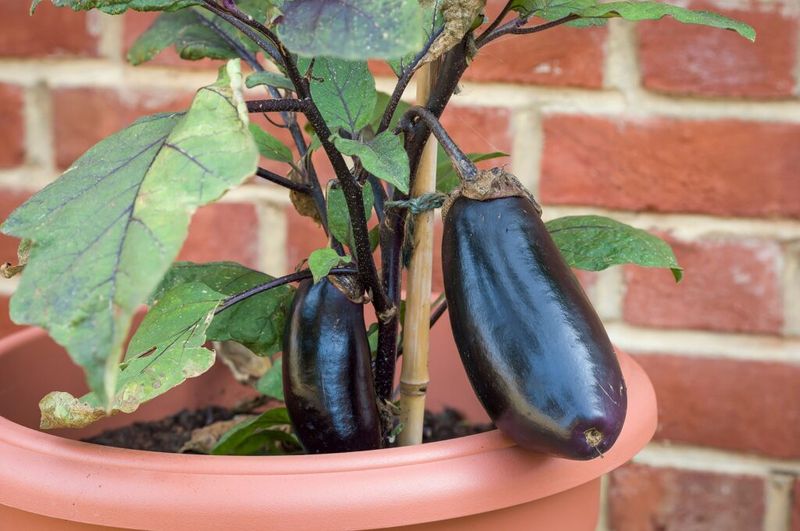
Eggplant might not be the first thing that comes to mind when you think of container gardening, but this gorgeous vegetable absolutely thrives in pots across Texas. It loves heat, it loves sun, and April gives it exactly the warm start it needs to build strong roots before summer arrives in full force.
Compact varieties like Patio Baby, Hansel, or Ichiban are excellent choices for container growing. These types stay manageable in size while still producing an impressive amount of fruit throughout the season.
Use a large container, at least five gallons, because eggplant develops a robust root system that needs room to spread out.
Did you know eggplant is actually a member of the nightshade family, making it a cousin to tomatoes and peppers? That means it has similar growing needs, which makes it easy to care for alongside those other popular container crops.
Place your pot in full sun and keep the soil consistently moist but never waterlogged.
Fertilizing eggplant is important because it is a heavy feeder. Use a balanced vegetable fertilizer when you first transplant, then switch to a slightly higher potassium formula once the plant starts flowering.
In Texas, eggplant can produce all the way from late spring into early fall, making it one of the most rewarding container vegetables you can grow.
4. Bush Beans For Quick Easy Picking
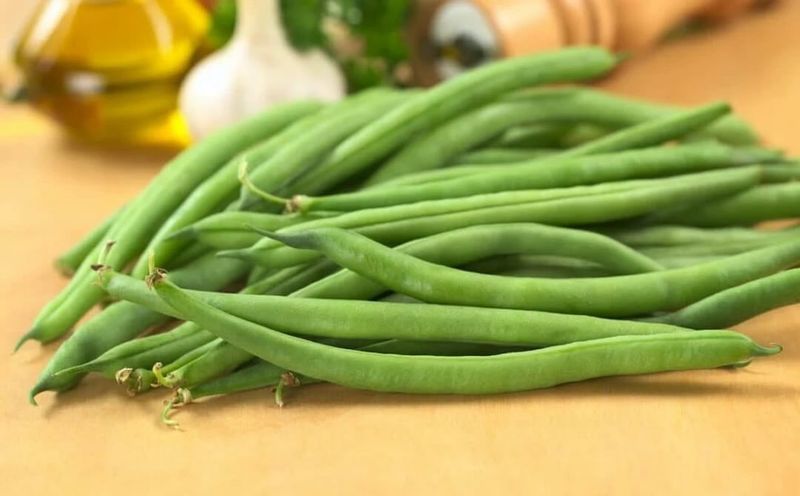
Fast, easy, and incredibly satisfying to grow, bush beans are one of the best container crops you can plant in Texas this April. Unlike pole beans, which need a tall trellis and plenty of vertical space, bush beans stay low and compact, making them a natural fit for pots and planters of all sizes.
Bush beans go from seed to harvest in as little as 50 to 60 days, which means you could be picking fresh beans by late May or early June. That quick turnaround is a big reason why gardeners across Texas love them so much.
Sow seeds directly into your container about one inch deep and two to three inches apart for the best results.
Choose a wide, shallow container that is at least eight to ten inches deep. A window box style planter works great for bush beans and allows you to grow a generous number of plants in a small footprint.
Fill it with a quality potting mix and make sure drainage is not blocked, because beans do not like wet feet.
Water your bean plants regularly, aiming for about an inch of water per week. In the Texas heat, containers can dry out faster than you expect, so check the soil every day during warm spells.
Bush beans do not need heavy fertilizing, but a light application of a balanced fertilizer at planting time gives them a helpful boost to get started strong.
5. Cucumbers For Fresh Crunch In Small Spaces
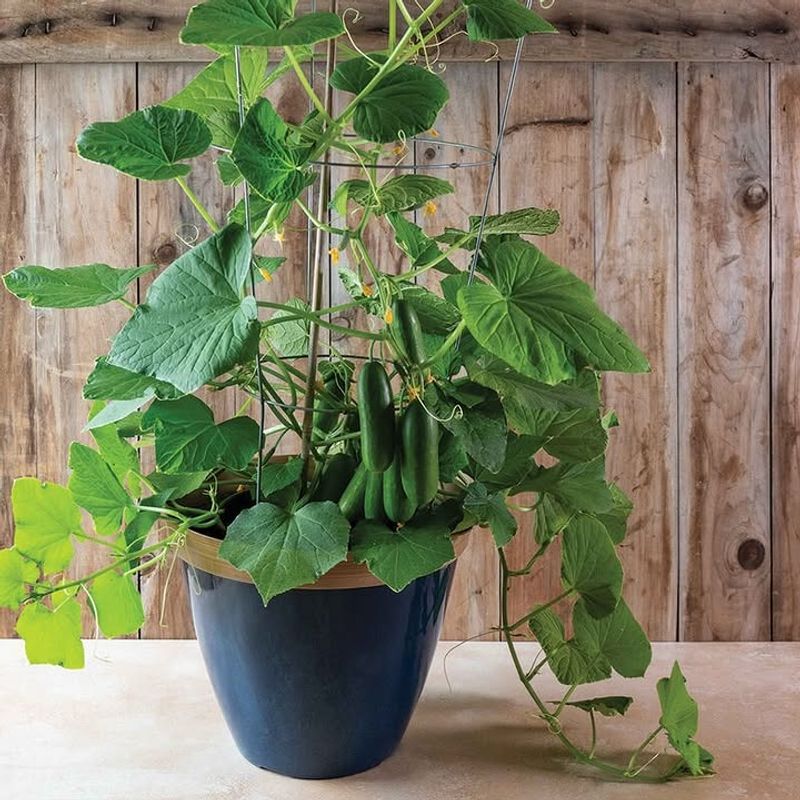
Growing cucumbers in containers is easier than most people think, and with a small trellis or tomato cage for support, you can grow a surprising number of cucumbers in a very small space. They are one of the most rewarding warm-season crops you can grow in a pot.
Bush cucumber varieties like Patio Snacker or Spacemaster are ideal for container growing because they stay compact while still producing plenty of fruit. Plant seeds about one inch deep in a large container, at least five gallons, filled with a rich, well-draining potting mix.
Position the container where it will receive full sun for most of the day.
Consistent watering is the key to healthy cucumbers. These plants need steady moisture to produce well, and letting the soil dry out too much between waterings can lead to bitter-tasting fruit.
In Texas, where spring days can warm up quickly, checking soil moisture daily is a smart habit to build early.
Adding a trellis to your cucumber container is a game changer. Training the vines upward keeps the fruit clean and makes harvesting so much easier.
Once cucumbers start producing, pick them regularly because leaving overripe fruit on the vine signals the plant to slow down production. The more you harvest, the more cucumbers you will get throughout the spring season.
6. Bush Squash For Big Harvests Without The Sprawl
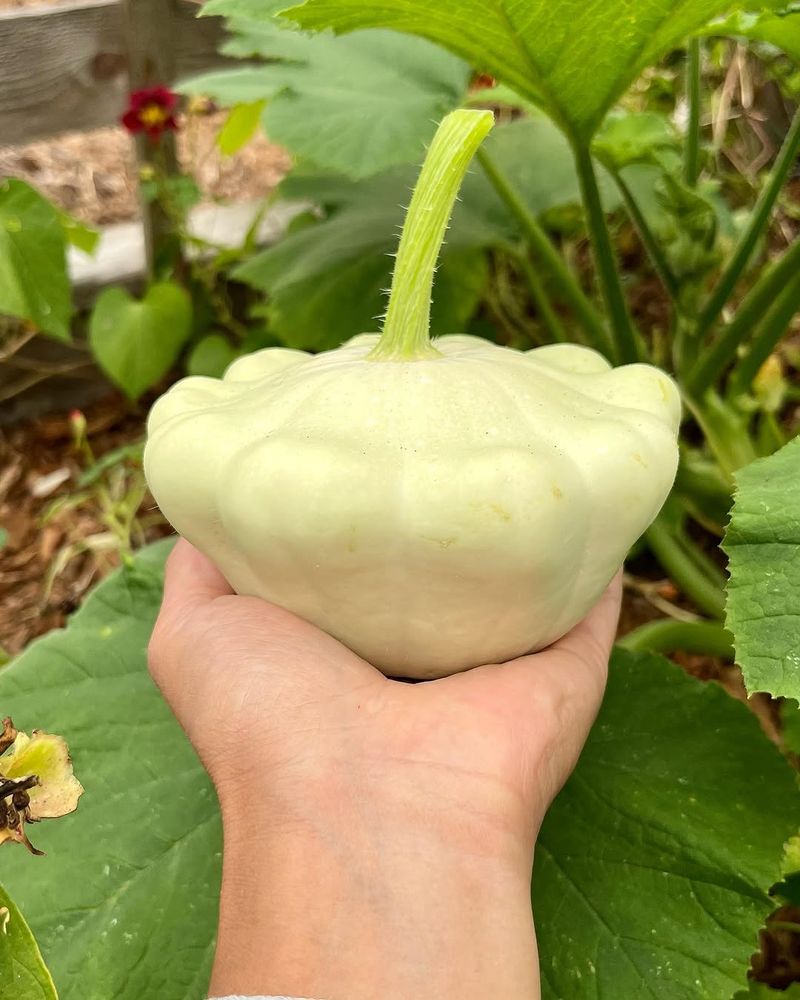
Squash has a reputation for taking over the garden, but bush varieties are a whole different story. Compact and well-behaved, bush squash is perfectly suited for container growing in Texas, and April is the ideal window to get seeds or transplants into pots before the summer heat really builds.
You will be amazed at how much fruit one well-cared-for container plant can produce.
Look for varieties specifically labeled as bush types, such as Bush Baby, Patio Star, or Astia. These stay manageable in size compared to sprawling vining squash, making them practical for patios, decks, and balconies across the state.
Use a large container, at least ten to fifteen gallons, because squash plants have big root systems that need space to grow properly.
Full sun is non-negotiable for squash. Plant your container in the sunniest spot available and rotate it occasionally if needed to ensure even sun exposure on all sides of the plant.
Texas gardeners are lucky because the state gets plenty of sunshine from April onward, giving squash exactly the growing conditions it craves.
Water deeply and consistently, and avoid wetting the leaves when you water to reduce the chance of powdery mildew, a common issue with squash. Fertilize every two to three weeks with a balanced vegetable fertilizer once the plant begins to grow actively.
Harvest squash when it is young and tender for the best flavor and to keep the plant producing steadily.
7. Okra For Tough Texas Summer Growth
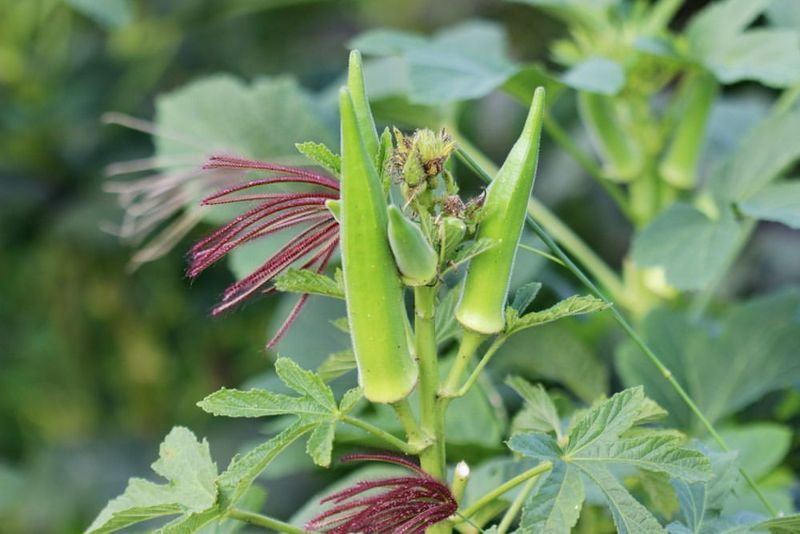
April is the perfect time to plant okra in the Lone Star State because the soil is warming up and the long, hot days ahead are exactly what okra needs to put on its best show. Few vegetables feel as at home in Texas as this one.
Dwarf or compact varieties like Cajun Delight or Millionaire are the best choices for container growing. Standard okra can grow very tall, so selecting a shorter variety keeps things manageable on a patio or balcony.
Use a deep container, at least five gallons, because okra sends down a long taproot that needs plenty of room to anchor the plant securely.
Soak okra seeds overnight before planting to speed up germination. Plant seeds about half an inch deep and thin seedlings to one plant per container once they are a few inches tall.
Full sun is absolutely essential for okra, and in Texas, finding a sunny spot is rarely a challenge.
Okra is surprisingly drought-tolerant once established, but container plants dry out faster than in-ground ones, so keep an eye on soil moisture throughout the season. Harvest pods when they are two to four inches long for the most tender texture and best flavor.
Leaving pods on the plant too long causes them to become tough and fibrous, so check your plants every couple of days once they start producing.
8. Basil For Fresh Fragrant Snips
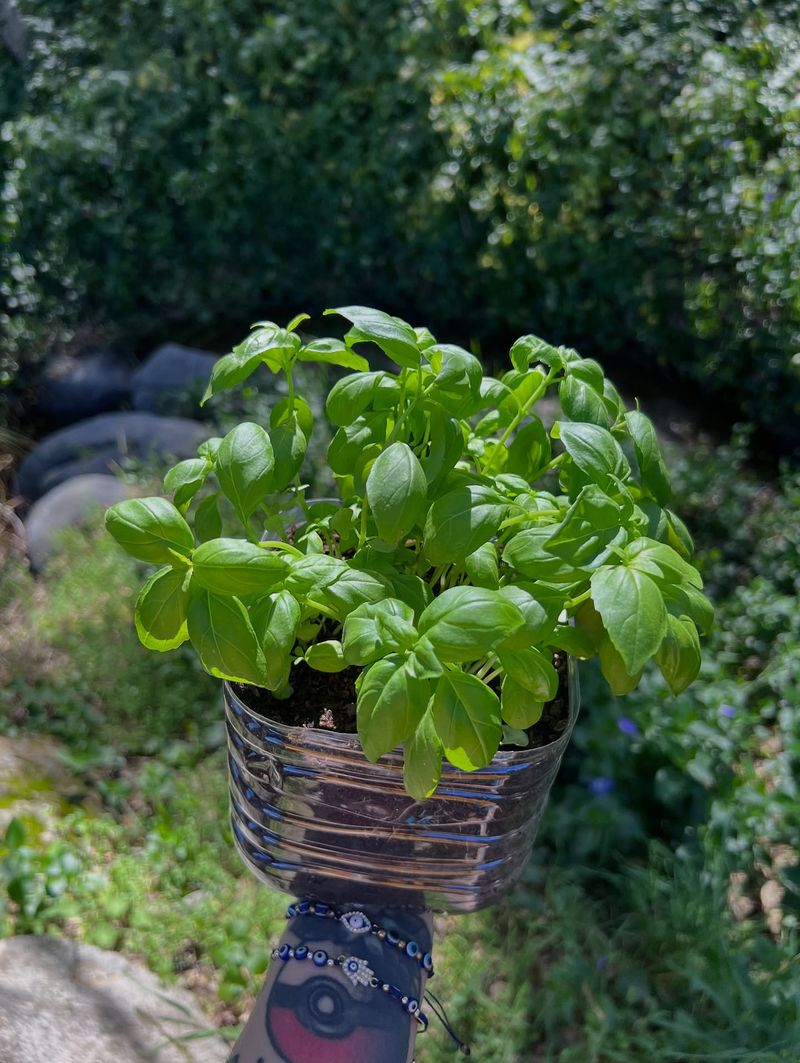
Walk past a pot of fresh basil on a warm Texas morning and you will immediately understand why this herb is one of the most popular container plants in the state. The fragrance alone is worth growing it, but the culinary uses make it truly indispensable.
April is the sweet spot for starting basil in containers across Texas because the warm temperatures get plants off to a strong, healthy start.
Basil loves heat, which means Texas is practically its dream home. Plant transplants or seeds in a well-draining potting mix and place the container in a spot that gets at least six to eight hours of direct sunlight each day.
A south-facing patio or sunny windowsill works perfectly for keeping basil happy and productive.
Pinch off the top leaves and any flower buds as soon as they appear. This practice, called pinching, encourages the plant to grow bushier and produce more leaves instead of putting its energy into flowering.
Once basil flowers, the leaves can turn bitter, so staying on top of pinching keeps your harvest flavorful all season long.
Water basil regularly but avoid letting it sit in soggy soil. Container basil dries out quickly in the Texas heat, so check the soil every day during warm stretches and water whenever the top inch feels dry.
Growing basil near your tomatoes or peppers is a classic combination that many Texas gardeners swear by, and it makes harvesting fresh ingredients for dinner incredibly convenient.