What Your Ohio Apple Trees Need In April For A Healthier Harvest
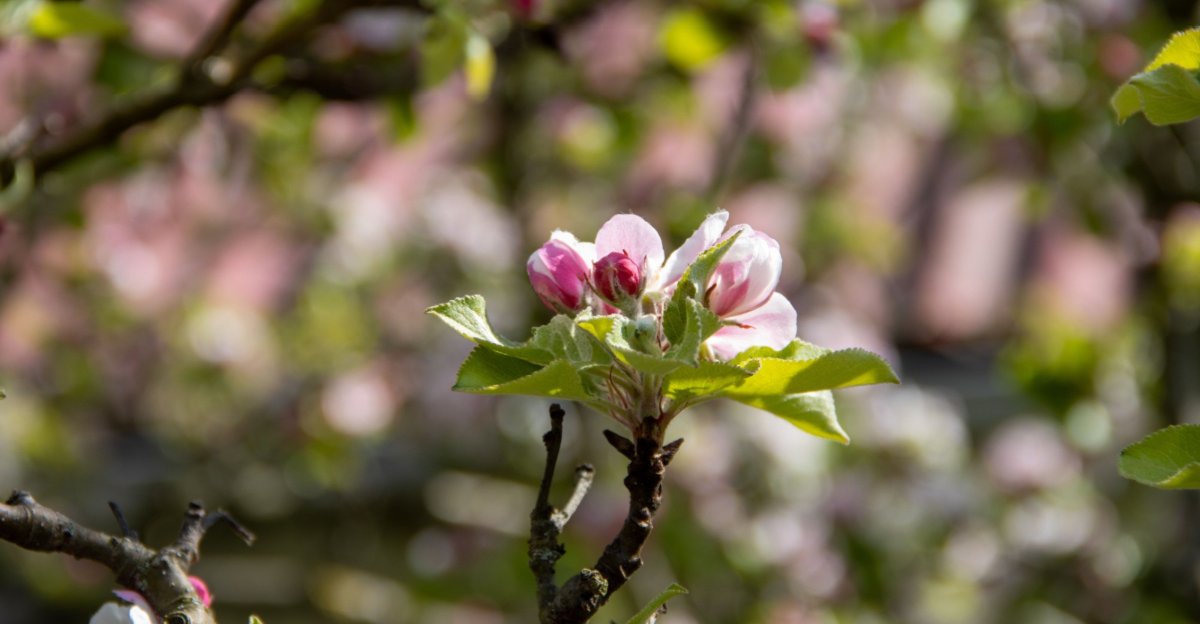
Is your apple tree ready for the Ohio April Rollercoaster? This month is the ultimate high-stakes moment for your orchard.
As our weather swings wildly from sunny afternoons to sudden, finger-numbing frosts, your trees are waking up fast – and so are the pests and diseases that love a Buckeye spring.
The window to act is surprisingly small, but what you do in these few critical weeks dictates your harvest for the entire year.
Whether you’re managing a single backyard tree or a small home orchard, navigating Ohio’s unpredictable spring shifts is the secret to crisp, juicy fruit come fall.
Don’t let a late cold snap or a hidden pest ruin your harvest before it even starts.
1. Finish Dormant Or Early Spring Pruning
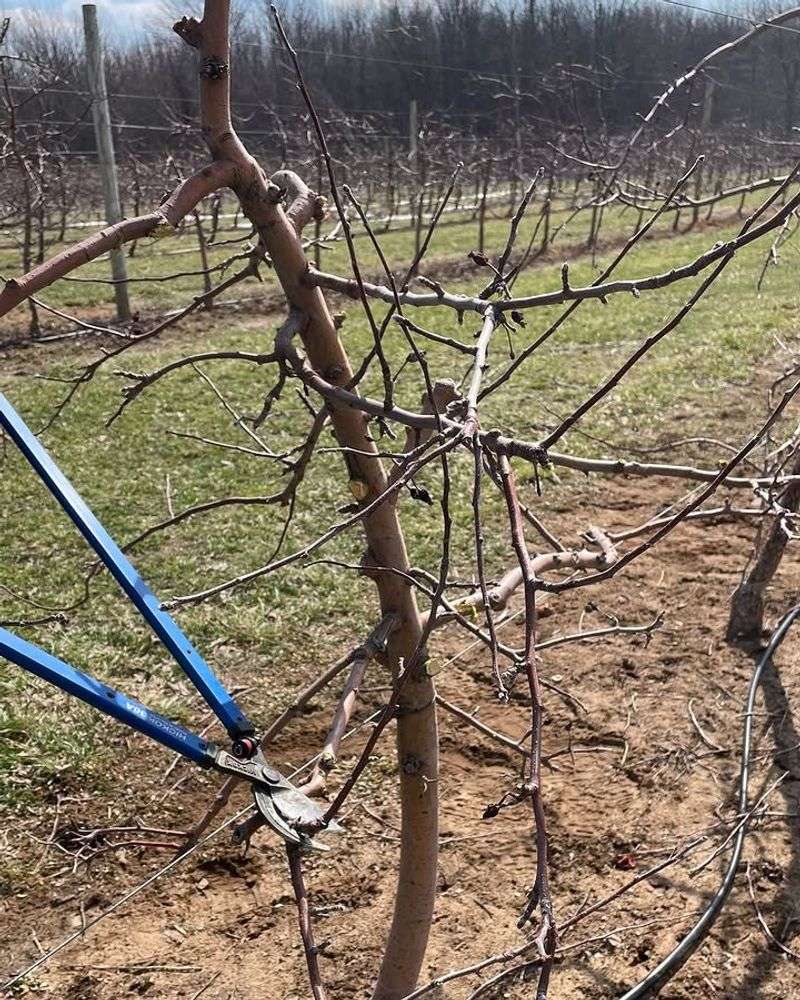
Most Ohio orchardists know that pruning window closes fast once the buds start pushing.
If you haven’t finished your structural cuts yet, early April – before flowers open – is your last reasonable chance to shape the tree without causing unnecessary stress during bloom.
Focus on removing any branches that cross through the center of the canopy, as well as limbs that grow straight up or rub against each other.
The goal is to create an open structure that allows sunlight to reach the inner branches and improves airflow throughout the tree.
Good airflow reduces the chance of fungal disease taking hold in Ohio’s often damp spring conditions.
When making cuts, use sharp, clean pruning tools and cut just outside the branch collar – that slightly swollen area where the branch meets the trunk or a larger limb. Avoid leaving long stubs, which can slow healing and invite issues.
Thin out crowded spur clusters too, since fewer but better-positioned spurs tend to produce larger, higher-quality fruit. If your tree produced a heavy crop last year and looks a little weak, be conservative with how much you remove this spring.
Taking off too much at once can slow recovery and reduce the number of fruiting spurs available for this season’s crop.
2. Apply Dormant Or Delayed Dormant Oil Sprays
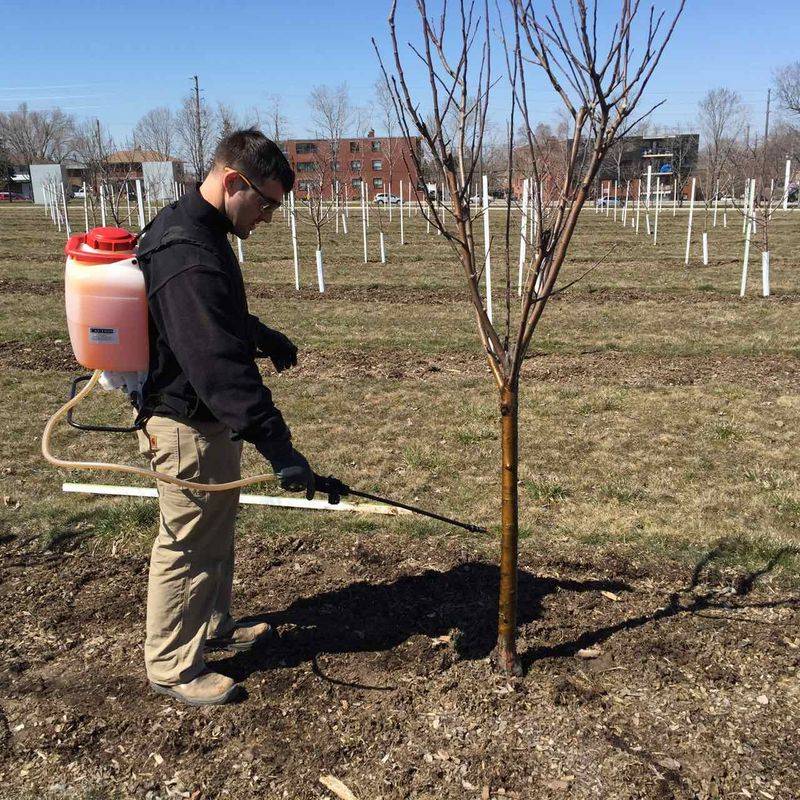
Horticultural oil sprays are one of the most reliable tools Ohio apple growers have for managing overwintering pests before the season gets rolling.
These petroleum-based or plant-derived oils work by coating and suffocating insect eggs and scale insects that spent the winter tucked into the bark and bud crevices of your trees.
Timing matters a lot here. A true dormant oil application happens before any green tissue is visible, while a delayed dormant application is made when buds are just beginning to show a tiny bit of green at the tips – sometimes called the “silver tip” or “green tip” stage.
Both windows can be effective, but you’ll want to avoid spraying once buds have opened further, since the oil can cause damage to tender emerging tissue.
Check the label on whatever product you’re using for the specific guidance that applies to your situation.
In Ohio, where mite populations and San Jose scale can quietly build up over winter, skipping this spray often means playing catch-up later in the season.
Your Ohio Garden Changes Every Week. Your Plan Should Too.
Gardening in Ohio changes quickly throughout the season. Every Friday you’ll receive a simple weekly plan showing exactly what to plant, prune, fertilize, harvest, and protect so you never miss the right timing.
Choose a day when temperatures are above 40 degrees Fahrenheit and no rain is expected for at least 24 hours.
Apply the oil thoroughly, covering all bark surfaces, crevices, and branch unions where pests tend to hide. One well-timed application can significantly reduce pest pressure for the weeks ahead.
3. Monitor Bud Development Stages Closely
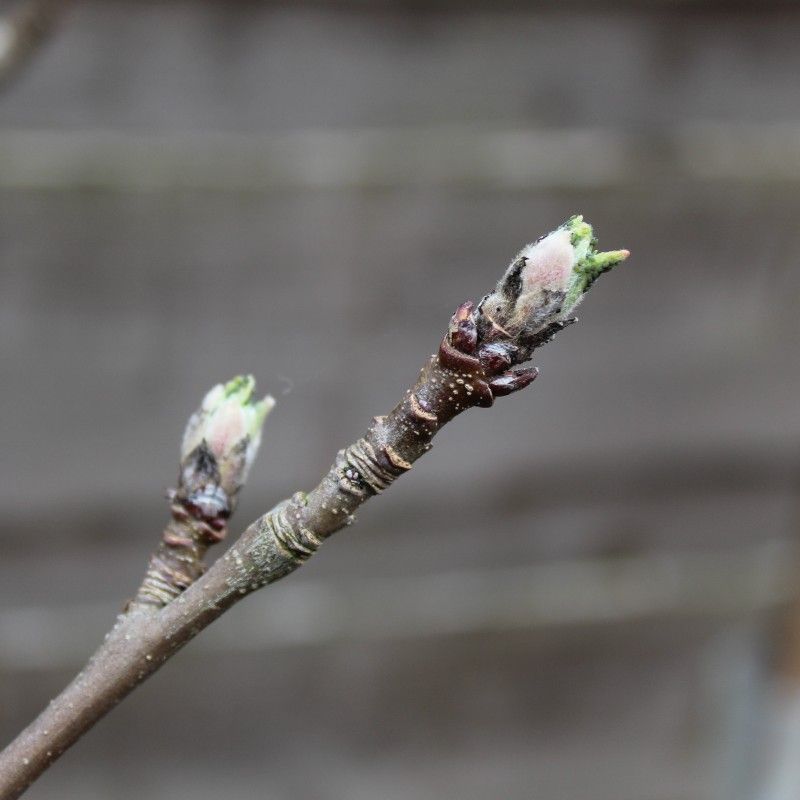
Watching buds on your Ohio apple trees in April is genuinely one of the most practical things you can do as a grower.
Bud development stages aren’t just interesting to observe – they’re the actual calendar that tells you when to spray, when to fertilize, and when to start worrying about frost.
Apple trees move through a predictable sequence of stages in spring: silver tip, green tip, half-inch green, tight cluster, pink, and then bloom. Each stage carries its own set of care considerations.
For example, certain fungal disease sprays are most effective when applied at the pink stage, just before petals open. Oil sprays need to be finished before green tissue expands too far.
Knowing exactly where your trees are in that progression keeps your timing sharp.
Ohio’s spring weather can compress or stretch these stages depending on temperature. A warm week can push trees from green tip to tight cluster in just a few days, which is faster than many gardeners expect.
Check your trees every two or three days during April rather than once a week. Take a close look at the outermost buds on the tips of branches, since those tend to develop ahead of buds lower on the limb.
Keeping a simple notebook or phone photo log of bud stages can also help you compare year to year and fine-tune your spray timing over time.
4. Protect Blossoms From Late Frost When Possible
Late frost is one of the most frustrating challenges Ohio apple growers face in spring.
The state’s climate is well known for delivering cold nights well into April and occasionally into May, and a single hard freeze during bloom can wipe out a large portion of the season’s fruit set before a single apple has a chance to form.
Apple blossoms become vulnerable to frost damage at different temperature thresholds depending on their stage. Early in the pink stage, blossoms can often tolerate a light freeze down to around 28 degrees Fahrenheit for a short time.
Once petals are fully open, however, even brief exposure to temperatures in the low 30s can cause damage to the reproductive parts of the flower, reducing fruit set significantly.
Keep an eye on overnight forecasts throughout April, especially during years when bloom arrives early due to a warm stretch.
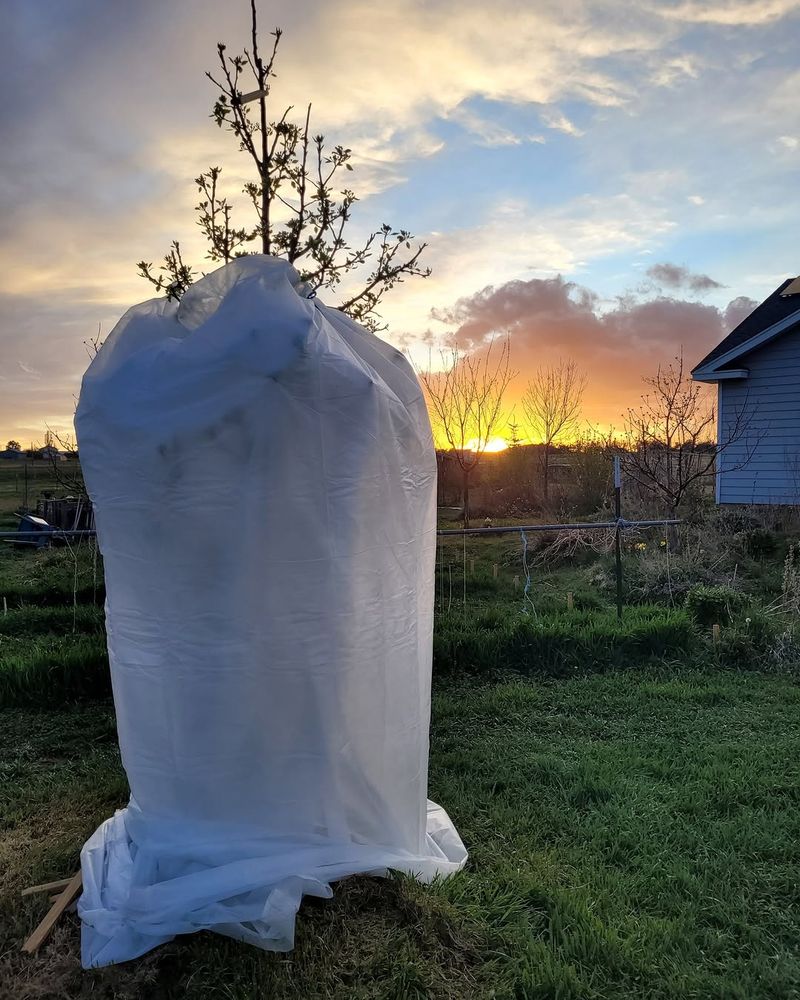
When frost is expected, covering smaller trees with frost cloth or old bed sheets before sunset can offer meaningful protection.
For larger trees, overhead irrigation – if you have access to it – can also help by releasing heat as water freezes on the blossoms.
Avoid using plastic sheeting directly on flowers since it doesn’t insulate as well and can trap moisture. Remove coverings once temperatures rise above freezing in the morning to allow pollinators access to the flowers during daylight hours.
5. Begin Early Season Disease Prevention Sprays
Apple scab is the most widespread and damaging fungal disease affecting Ohio apple trees, and April is exactly when the battle begins.
The fungus that causes apple scab releases spores during wet spring weather, and those spores land on young leaves and developing fruit.
Once an infection takes hold early in the season, it tends to carry forward and compound throughout summer.
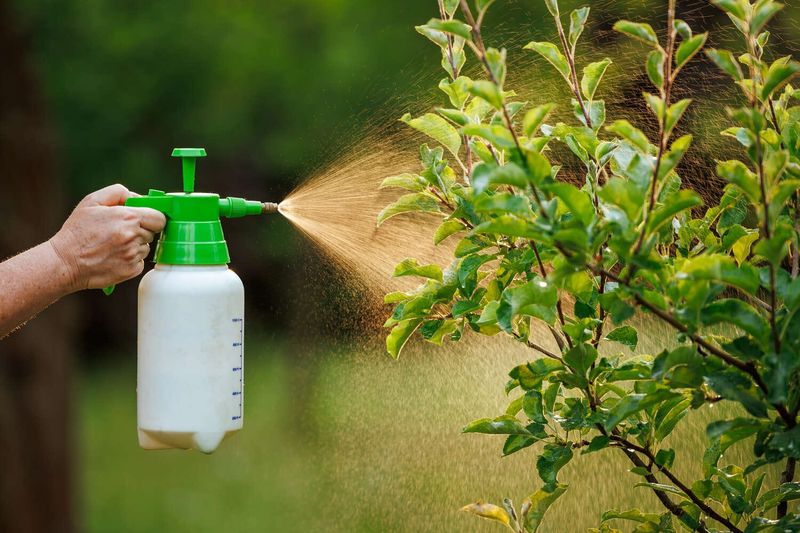
The key to managing apple scab and other spring diseases like powdery mildew and fire blight is getting preventive sprays on before infection happens, not after.
Fungicide applications should begin at the green tip or half-inch green stage and continue on a regular schedule – typically every seven to fourteen days, or after significant rainfall – through the petal fall period.
The exact interval depends on how wet and warm conditions are, since warm and rainy weather accelerates disease pressure considerably.
Choose a fungicide labeled for apple trees and the specific diseases you’re targeting. Captan, myclobutanil, and sulfur-based products are among the options commonly available to home growers.
Rotate between products with different modes of action when possible to reduce the chance of resistance building up over time. Never spray fungicides during open bloom if the product label warns against it, since some materials can harm visiting bees.
Timing sprays for early morning or evening helps protect pollinators while still getting good coverage on the tree.
6. Check Soil Moisture And Water If Needed
Spring in Ohio can feel wet, but that doesn’t mean your apple trees are getting the moisture they need at the root level.
Rapid temperature changes, wind, and periods of dry weather between rain events can leave soil surprisingly dry just a few inches below the surface, even when conditions look moist on top.
April is when apple trees shift from dormancy into active growth, and that transition requires water. Roots are waking up, buds are expanding, and the tree is starting to move nutrients up from the soil.
If the root zone is dry during this period, growth can stall and early stress can set the tree back in ways that show up later in the season as smaller fruit or reduced crop load.
Check soil moisture by pushing a trowel or your finger a few inches into the ground near the drip line of the tree. The soil should feel slightly moist, similar to a wrung-out sponge.
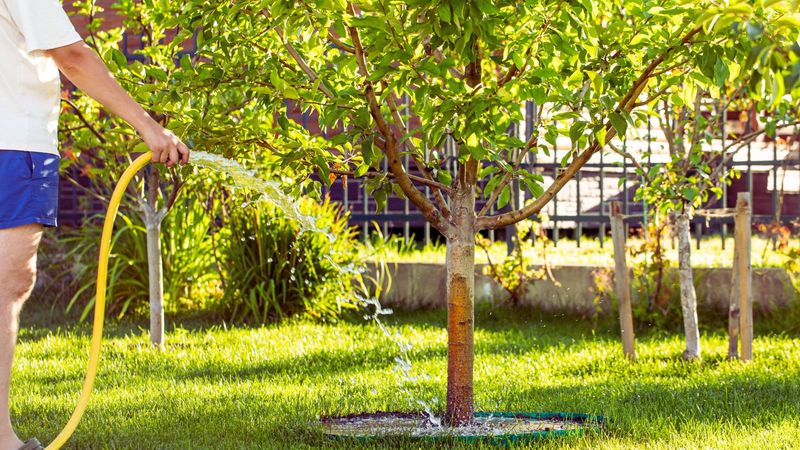
If it feels dry and crumbly, give the tree a deep, slow watering rather than a quick surface sprinkle. Slow watering encourages moisture to reach the deeper root zone where it’s most useful.
Drip irrigation or a soaker hose laid in a ring around the tree works well for this. Avoid watering so heavily that water puddles around the base, since standing water near the trunk can encourage root and crown rot issues over time.
7. Apply Fertilizer If Needed Based On Tree Vigor
Not every apple tree needs fertilizer in April, and applying it when it isn’t needed can cause more trouble than it solves. The decision to fertilize should come from observing the tree itself, not from a fixed schedule.
A healthy, vigorous apple tree that produced good shoot growth last year and looks strong going into spring may not need any supplemental nutrients at all.
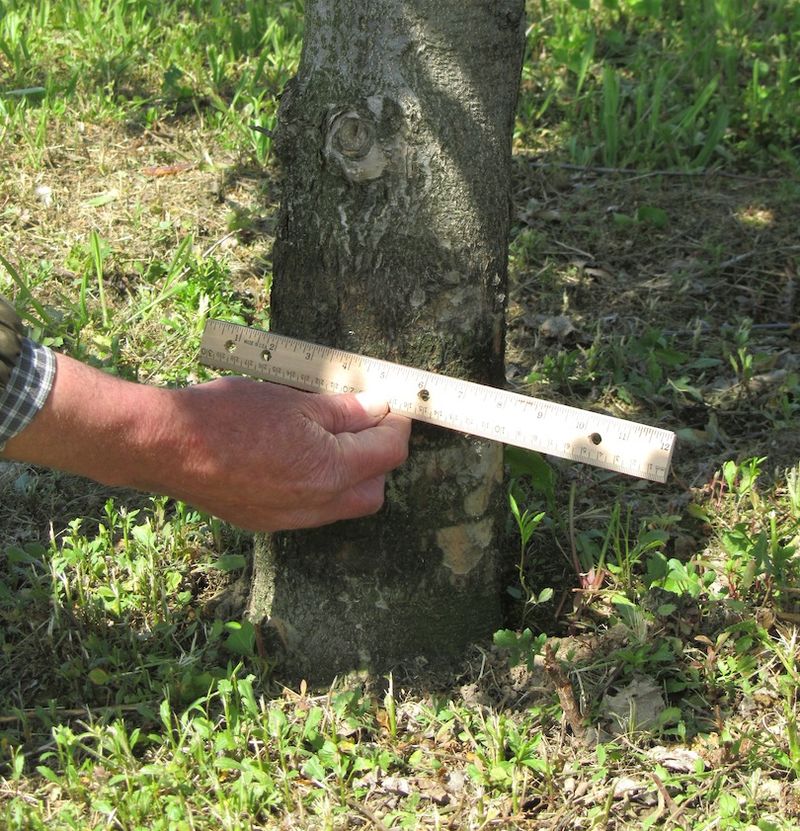
One of the most reliable ways to gauge whether your tree needs fertilizer is to measure last year’s shoot growth. Mature apple trees ideally produce around 6 to 12 inches of new shoot growth per year.
If last year’s growth was noticeably shorter than that, or if the leaves looked pale and yellowish through the season, a modest application of a balanced fertilizer in early April can help support the current season’s growth.
Apply fertilizer just as buds begin to swell so the nutrients are available as the tree ramps up growth.
Broadcast a balanced granular fertilizer – something with roughly equal parts nitrogen, phosphorus, and potassium – evenly under the canopy and slightly beyond the drip line, where the feeder roots are most active.
Avoid piling fertilizer directly against the trunk. High-nitrogen fertilizers can push lots of leafy growth at the expense of fruit development, so lean toward a balanced or slightly lower-nitrogen formula for bearing trees.
A soil test can take much of the guesswork out of this decision.
8. Maintain A Clean Area Around The Tree Base
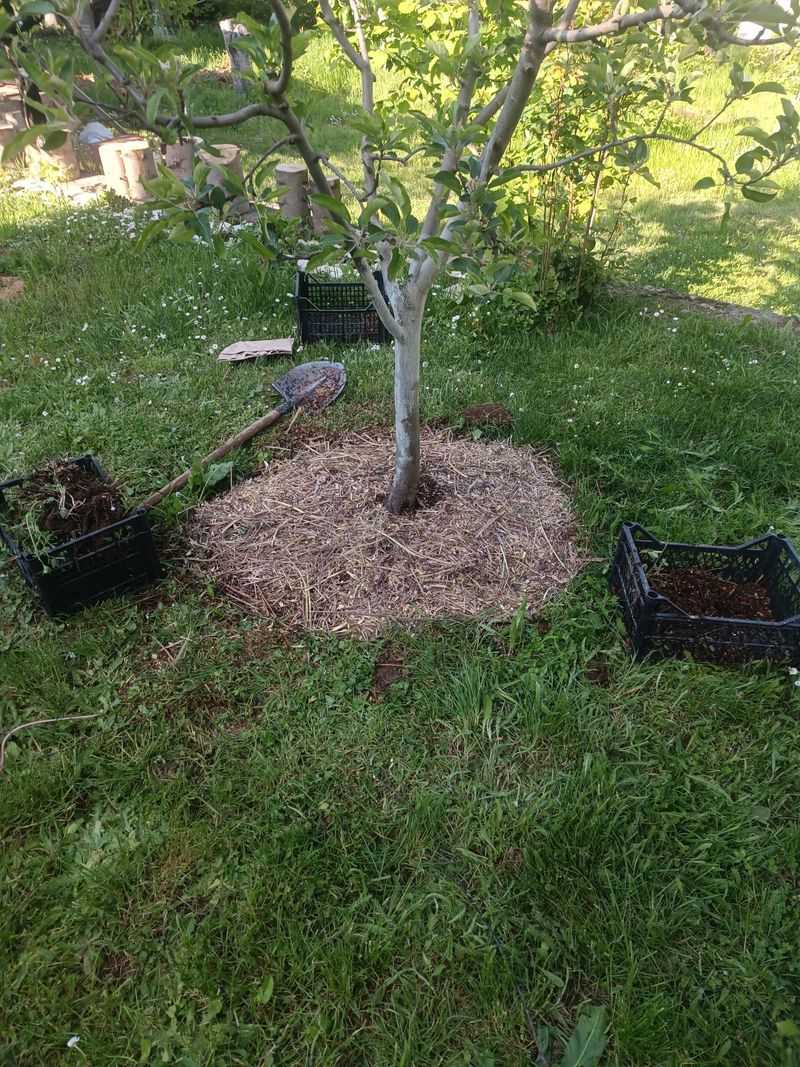
The ground beneath your apple tree tells a story about how well the tree is being cared for, and in April, keeping that area clean and well-managed pays off in more ways than one.
Fallen leaves, old fruit mummies, and debris that accumulated over winter can harbor fungal spores and insect eggs that are ready to cause problems as temperatures warm up in Ohio’s spring.
Start by raking up and removing any leftover organic debris from around the base of the tree. Don’t compost this material if it came from a tree with known disease issues – bag it and put it out with yard waste instead.
Once the area is cleared, apply a fresh layer of organic mulch – wood chips, shredded bark, or straw work well – in a ring around the base of the tree.
Aim for a depth of about 2 to 3 inches and spread it out to roughly the drip line of the canopy.
Keep the mulch several inches away from the trunk itself, since mulch piled against the bark can trap moisture and encourage rot and pest activity near the crown.
A clean, mulched base helps regulate soil temperature, retain moisture during dry spells, and suppress weeds that would otherwise compete with the tree for water and nutrients.
Weeds growing close to the trunk can also serve as hosts for certain insects and diseases, so keeping the base tidy throughout the growing season is a small habit with a meaningful impact on tree health.