7 Plants Ohio Gardeners Should Never Grow Too Close To The House
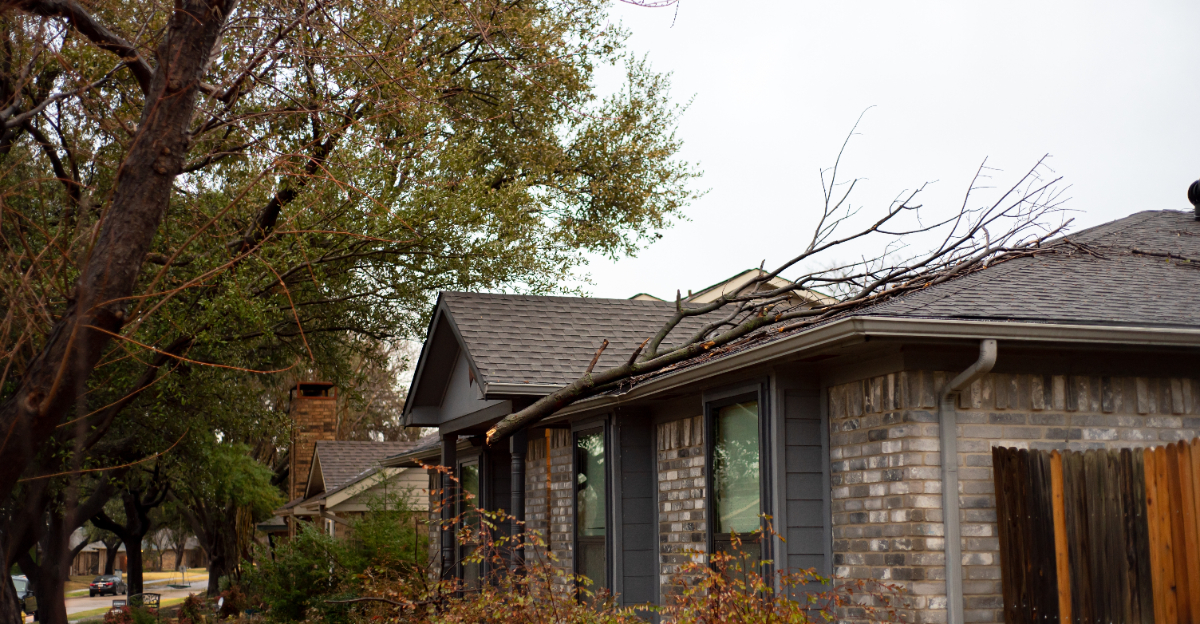
Some plants look harmless when they go in by the foundation. A year or two later, they are crowding windows, trapping moisture, scraping siding, or stretching far beyond the spot that once seemed perfect.
That is how a lot of house-side planting trouble starts in Ohio. What begins as a simple landscaping choice can turn into a headache that is hard to ignore.
The problem is not always the plant itself. It is the location.
A shrub that works beautifully at the back of the yard can become a constant source of mess, shade, root pressure, or upkeep when it sits too close to the house. Fast growth, poor airflow, and oversized mature spreads have a way of sneaking up on people.
That is why plant placement matters just as much as plant choice. Some popular picks simply need more breathing room than most homeowners expect, and knowing which ones to keep at a safer distance can save a lot of frustration later.
1. Silver Maple Brings Fast Root Trouble
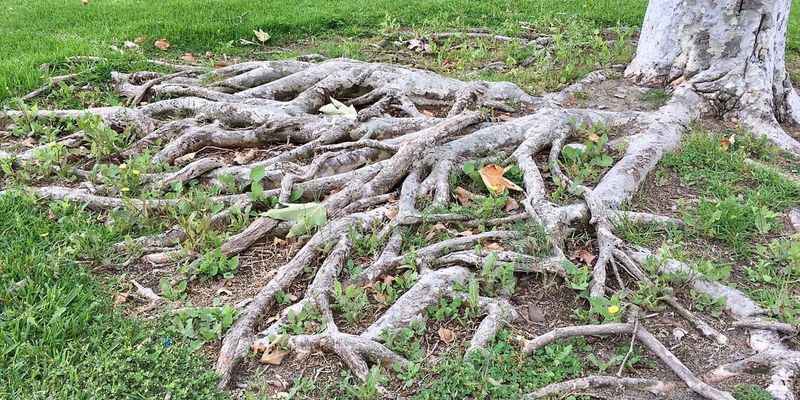
Walk through almost any older Ohio neighborhood and you will spot them right away: silver maples planted years ago within a few feet of the house, now massive and clearly outgrowing the space they were given.
Silver maple is one of the fastest-growing shade trees around, which sounds great until you realize that speed comes with a sprawling, shallow root system that does not respect property lines, sidewalks, or underground pipes.
According to Ohio State University Extension, silver maple roots are known to seek out water sources aggressively.
That behavior makes them a real risk near buried water and sewer lines, where roots can work their way into small cracks and gradually cause blockages or breaks.
Walkways and driveways near the tree also tend to heave and crack over time as surface roots expand beneath the pavement.
The tree itself can easily reach 50 to 70 feet tall and spread just as wide at maturity. Placing one close to a structure leaves almost no room for that kind of growth without conflict.
Branches can overhang rooflines, and the wood is considered somewhat brittle, meaning storm damage near the house becomes a real concern as the tree matures.
If you love the look of a maple in your yard, consider planting it at least 30 to 40 feet from any structure or utility line. Plenty of other maple varieties offer great fall color with a more manageable root habit and a better fit for tighter spaces near the home.
2. River Birch Creates More Mess Than Expected
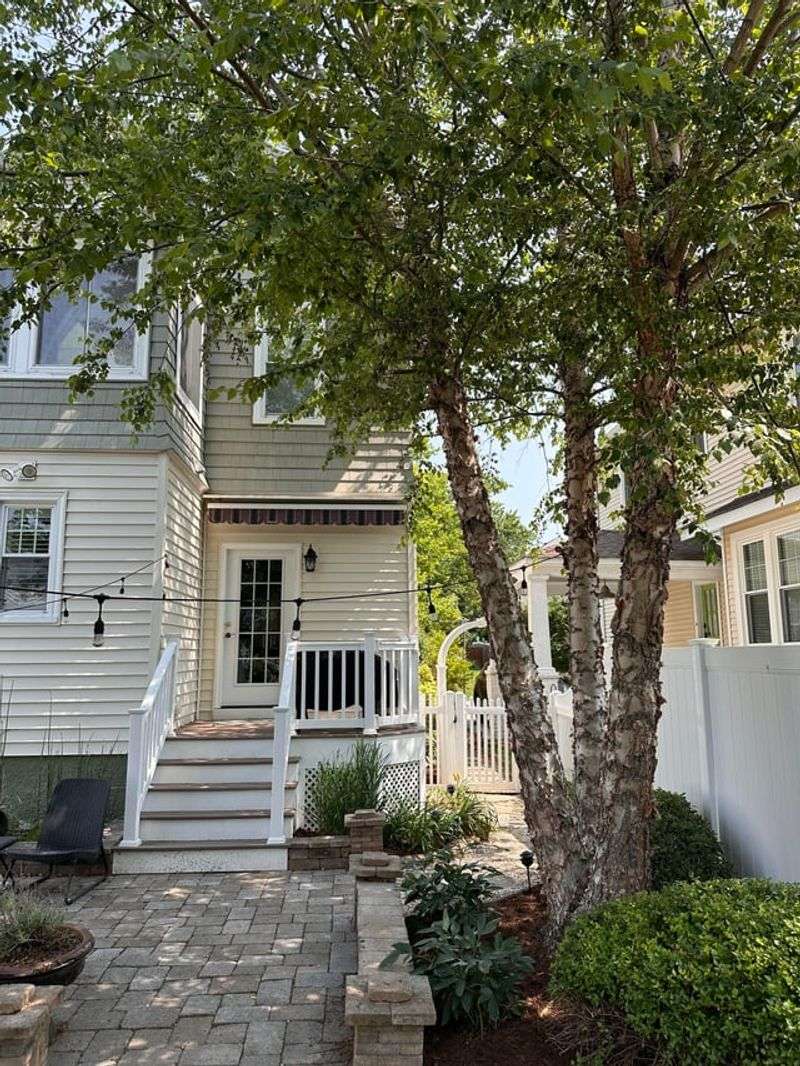
Few trees look as graceful as a river birch in full summer leaf, with its peeling, papery bark and arching canopy catching the breeze. Planted out in a wide open yard with room to breathe, it is genuinely lovely.
Planted five or ten feet from the house, though, it becomes a nonstop maintenance project that most homeowners did not sign up for.
River birch drops something almost every season. In spring, it sheds catkins and tiny seeds.
Your Ohio Garden Changes Every Week. Your Plan Should Too.
Gardening in Ohio changes quickly throughout the season. Every Friday you’ll receive a simple weekly plan showing exactly what to plant, prune, fertilize, harvest, and protect so you never miss the right timing.
Summer brings leaves that fall early if the tree gets stressed by heat or drought. Fall means a full leaf drop, and throughout the year, small twigs and strips of peeling bark find their way into gutters, onto patios, and into foundation plantings.
Gutters near a river birch need cleaning far more often than most people expect when they plant one.
The tree also grows quickly and can reach 40 to 70 feet at maturity with a wide, multi-stemmed spread.
That canopy overhead means reduced airflow and lingering moisture near the foundation, which is not a good combination for siding, mulch beds, or any wood trim near ground level.
Moisture that stays trapped encourages mold, rot, and pest activity over time.
River birch genuinely thrives near water features, at the back of large lots, or along property edges where its natural habits are an asset rather than a problem.
Giving it real distance from the house, ideally 20 to 30 feet or more, makes it far easier to enjoy without the constant upkeep headache.
3. Arborvitae Outgrows Tight Foundation Spaces
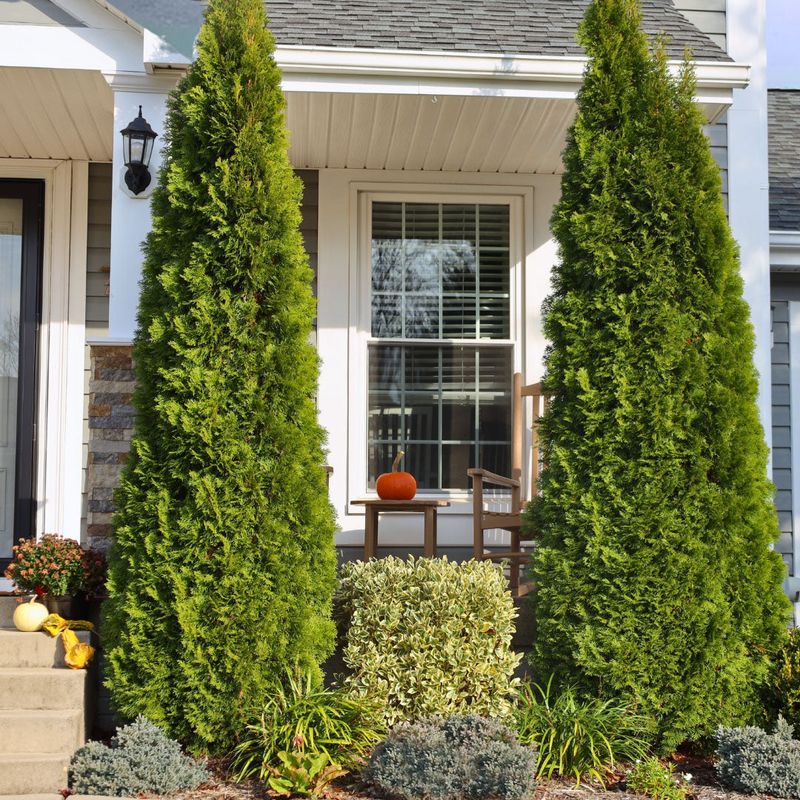
Arborvitae is probably the most over-planted foundation shrub in Ohio.
Go down any residential street and you will find it squeezed into corners, flanking front doors, and lined up under windows in spots that seemed perfectly reasonable when the plants were knee-high at the garden center.
The problem is that many arborvitae varieties grow much larger than the tag suggests, and by the time that becomes obvious, the plants are already pressed against the siding.
Emerald Green arborvitae, one of the most popular varieties sold in Ohio, is often marketed as a compact screening plant. At maturity, though, it can reach 12 to 14 feet tall and 3 to 4 feet wide.
Planted 18 inches from the house, which happens constantly, it ends up touching the wall long before it reaches full size. That contact traps moisture against siding or brick, cuts off airflow, and creates a dark, damp zone that insects and small animals find very appealing.
Crowded arborvitae also tends to brown out in the interior where sunlight cannot reach. Once that happens, pruning back produces poor results because arborvitae does not reliably regenerate from old wood.
You end up with a plant that looks sparse and unhealthy but is too established to move easily.
For foundation screening, choosing varieties bred specifically for compact growth and planting them at least 4 to 5 feet from the wall gives them room to mature without becoming a problem.
Reading the mature size on the tag before buying saves a lot of trouble later.
4. Wisteria Becomes A Wall Side Headache
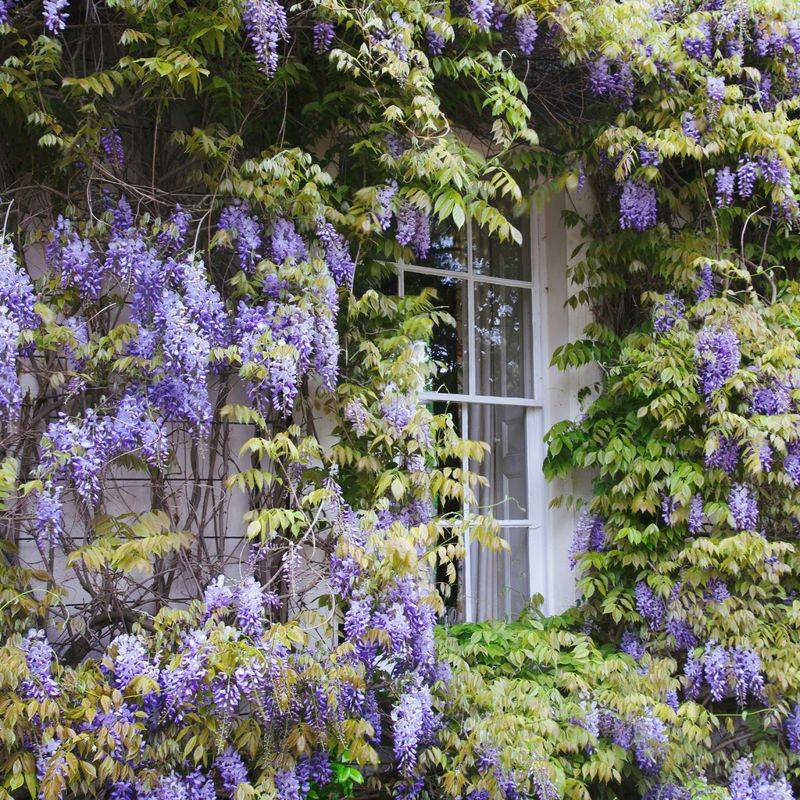
Wisteria in full bloom is the kind of plant that makes people stop their cars to take photos. Those long, fragrant flower clusters are genuinely stunning, and it is easy to understand why so many gardeners want it climbing along a pergola or up the side of the house.
The trouble starts quickly, though, because wisteria does not grow at a polite garden pace. It grows with ambition.
Asian wisteria species, particularly Chinese and Japanese wisteria, are vigorous to the point of being difficult to control in Ohio conditions.
Stems can grow 10 feet or more in a single season, and the plant builds heavy, woody vines over time that can weigh down gutters, pry apart trim boards, and work their way under shingles or into soffits.
What starts as a charming wall accent can become a structural concern within just a few years if it is not pruned back hard and often.
Wisteria also has a strong rooting habit. Suckers can pop up at a distance from the main plant, and the root system becomes increasingly difficult to remove once established.
Pulling it off a wall or structure after several years of growth often means dealing with hardware that has been physically embedded in the surface.
If wisteria is something you genuinely love, American wisteria (Wisteria frutescens) is a far better-behaved native option.
Even so, keeping any wisteria well away from the house and on a freestanding, heavy-duty support structure makes long-term management much more realistic and far less frustrating.
5. Rose Of Sharon Spreads Too Easily
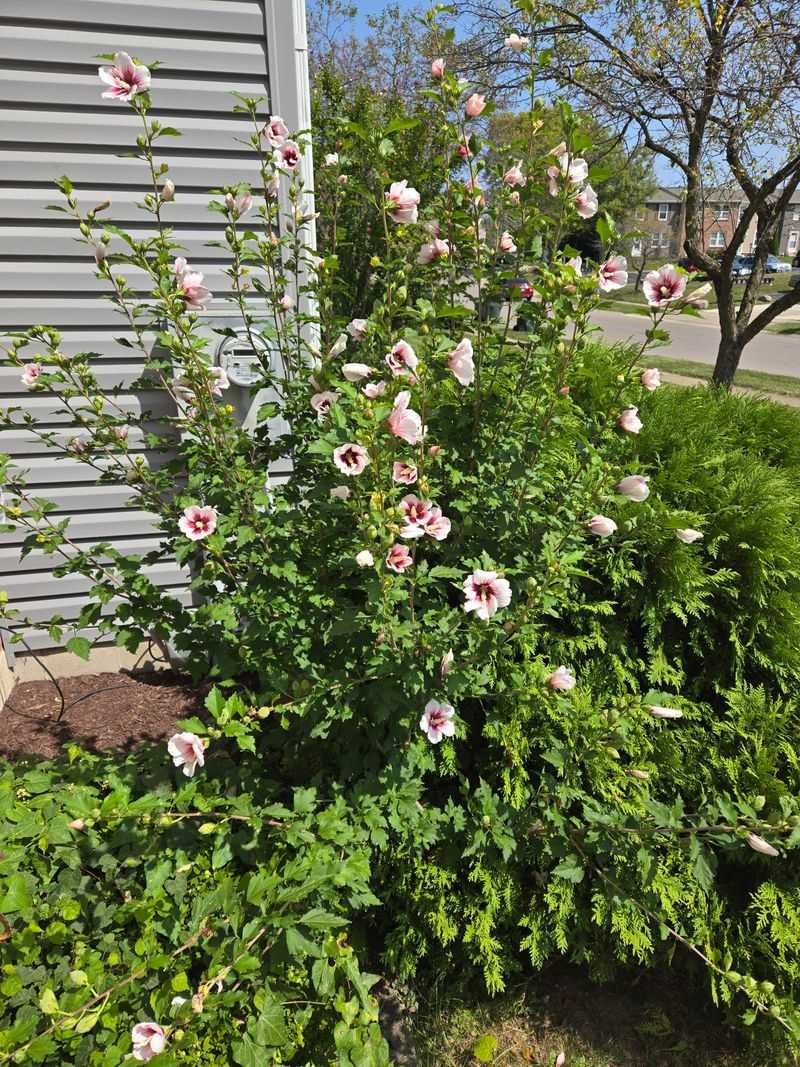
Rose of Sharon is a tough, late-summer bloomer that earns its place in plenty of Ohio gardens. The flowers are genuinely pretty, hummingbirds love it, and the shrub handles heat and clay soil without much complaint.
Planted in the right spot with enough space and a little management, it can be a real workhorse. Planted right next to the foundation and left to its own devices, though, it becomes a reseeding machine that is hard to keep tidy.
A single mature Rose of Sharon can produce hundreds of seedlings per year. Those seedlings sprout in mulch beds, between pavers, in lawn edges, and in cracks along the foundation.
Near the house, where you want things to look neat and controlled, that kind of spread creates ongoing work every season.
You end up pulling seedlings from spots you did not even know they could reach, and if you miss a few, you suddenly have new shrubs establishing themselves where you never intended.
The parent plant itself grows 8 to 12 feet tall and can spread 4 to 6 feet wide.
Planted too close to a wall or entryway, it eventually crowds the space and blocks airflow, which encourages the kind of damp conditions that are not good for siding or wood trim near ground level.
Sterile or low-seed cultivars like Minerva or Aphrodite are much easier to manage and worth seeking out.
Even with a better-behaved variety, giving the shrub a few feet of breathing room from the house keeps the foundation bed looking intentional rather than overgrown.
6. Spruce Gets Too Big Too Fast
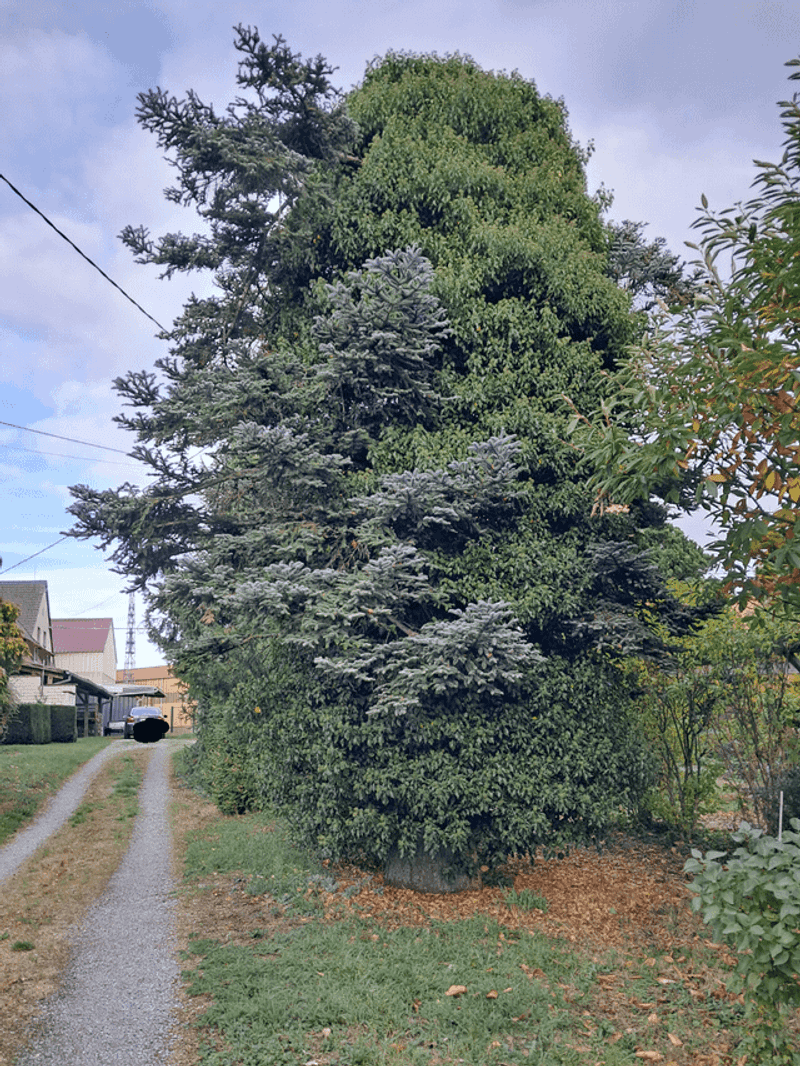
Spruce trees look incredibly manageable at the garden center. A four-foot Colorado blue spruce sitting in a pot with its silvery-blue needles and tidy, symmetrical shape looks like the perfect foundation anchor or corner accent.
What the tag does not always make obvious is that Colorado blue spruce can reach 50 to 75 feet tall and 20 feet wide at full maturity, and it does not slow down much along the way.
Ohio State University Extension notes that site selection is one of the most common mistakes made with large conifers.
Planted 6 feet from the corner of the house, a spruce will eventually press against the wall, block windows, shade out the entire foundation bed, and reduce the airflow that keeps siding and trim in good shape.
Lower branches that touch the ground or the foundation create damp, shaded zones that attract pests and hold moisture against the structure.
Unlike arborvitae, which is often used for hedge screening, spruce is typically planted as a specimen tree. That distinction matters because a spruce is not something you can shear into a manageable shape year after year without ruining its natural form.
Once it outgrows its space, the realistic options are removal or living with a tree that dominates the entire side of the house.
Spruce absolutely earns its place in Ohio landscapes when it has the room to grow. Planting it 25 to 30 feet from any structure gives it space to develop properly and keeps it from becoming a problem that takes a crew and a crane to fix down the road.
7. English Ivy Creates Trouble On Walls
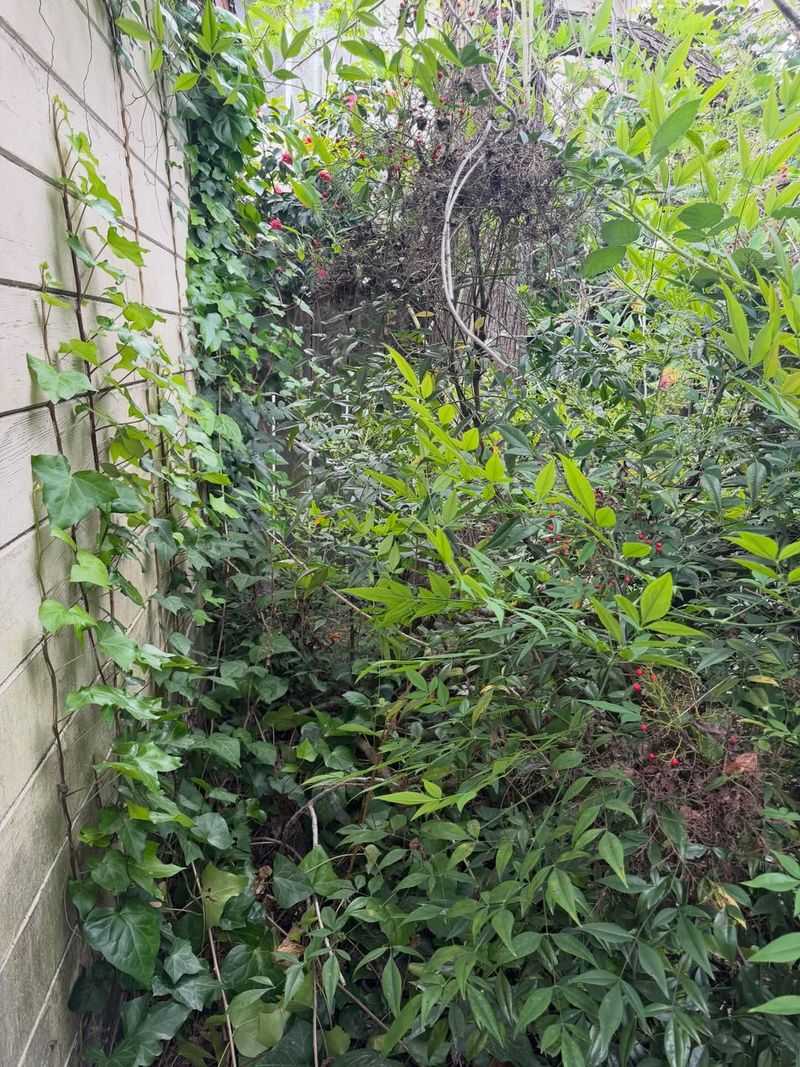
English ivy has a reputation as a reliable, low-maintenance groundcover, and in certain situations that reputation is partly deserved. As a wall plant right next to the house, though, it earns a very different kind of reputation.
Once it starts climbing, it is persistent, and removing it cleanly from a wall or foundation is a much bigger job than most people expect when they first plant it.
The plant climbs using small rootlets that grip directly into mortar, wood, and siding. Over time, those rootlets can work into small cracks and gaps, gradually widening them.
On older brick or stone with soft mortar, ivy growth can accelerate deterioration that was already happening slowly. On wood siding and trim, the rootlets leave behind a sticky residue and surface damage that shows up clearly once the ivy is removed.
Beyond surface damage, ivy growing flat against a wall traps moisture between the foliage and the structure. That trapped moisture creates conditions where mold, rot, and wood-damaging insects can get a foothold.
Gutters and downspouts near an ivy-covered wall also tend to collect more debris as the plant grows up and over the roofline.
Ohio State University Extension lists English ivy as a plant that can escape cultivation and spread into natural areas, which is worth knowing before planting it anywhere with access to nearby woods or green spaces.
Near the house, the smarter play is a low-growing, non-climbing groundcover that stays where you put it and does not turn your wall into a climbing structure it was never meant to be.