Mistakes Every New Texas Gardener Makes That Cause Big Problems
Texas has a way of making confident new gardeners humble in a hurry. A plant that looked perfectly happy at the nursery can start sulking a week later, and that brand-new bed you worked so hard on can turn into a patch of stress by the first real heat wave.
It is not because you are bad at gardening. Texas just plays by its own rules.
The biggest beginner mistakes usually start with good intentions. Planting too early, watering the wrong way, ignoring sun exposure, choosing the wrong varieties, or treating all parts of Texas like they have the same conditions can create trouble fast.
What works in one backyard can flop completely a few miles away.
That is why a little early know-how matters so much here. Some of the most common Texas gardening slipups are easy to make, and the first few can mess up an entire season before summer even settles in.
1. Planting Warm-Season Crops Too Early In Spring
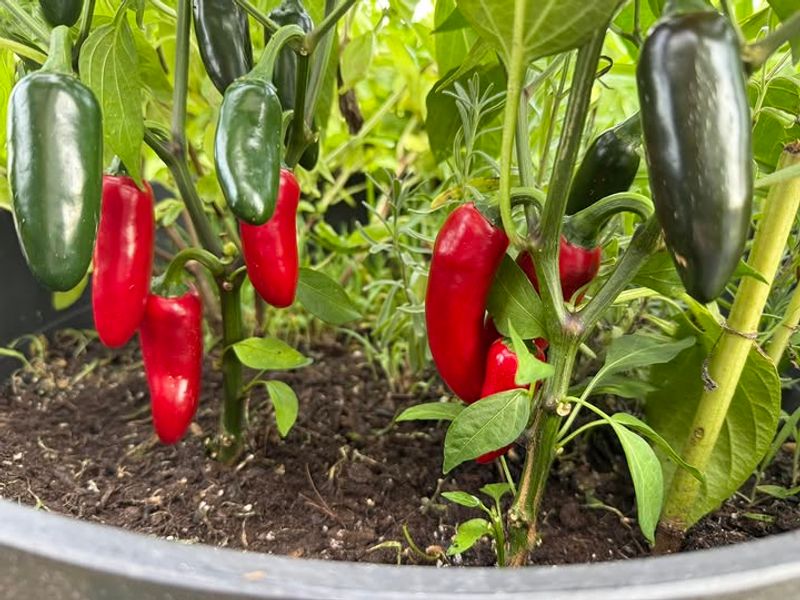
Every spring in Texas, eager gardeners rush to the nearest nursery and load up on tomatoes, peppers, and squash the moment the weather feels warm. The problem is, feelings can be deceiving.
Texas is famous for late cold snaps that roll in without much warning, especially in North and Central Texas where temperatures can swing dramatically between February and April.
Warm-season vegetables like tomatoes and peppers need soil temperatures of at least 60 degrees Fahrenheit to grow properly. Planting them too soon means cold soil slows root development, and a surprise freeze can wipe out weeks of work in a single night.
Even if the plants survive, they often stay stunted and never fully recover.
The smart move is to check your local county extension office for the recommended last frost date in your specific part of Texas. Houston gardeners can often plant earlier than those in Dallas or Amarillo because the climate is different.
Wait until nighttime temperatures stay consistently above 50 degrees before putting warm-season crops in the ground. Patience in spring pays off with a much stronger, more productive garden all season long.
2. Putting The Garden In Shade Instead Of Full Sun
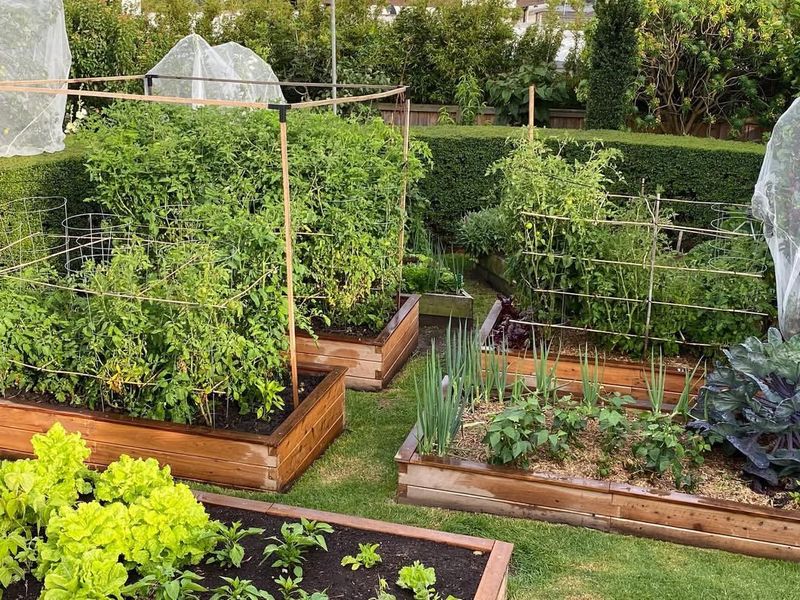
Shade feels like a blessing in Texas summers, and honestly, who could blame anyone for wanting to work in it? But most vegetables are sun lovers, and placing your garden under trees or along a shaded fence line is one of the fastest ways to end up with weak, unproductive plants.
Tomatoes, peppers, cucumbers, and squash all need a minimum of six to eight hours of direct sunlight each day.
Without enough sun, plants stretch and become leggy as they reach for light. Fruiting crops produce very little, and leafy greens become pale and bitter.
On top of that, shaded areas tend to stay moist longer, which increases the risk of fungal disease, a real concern in humid parts of Texas like the Gulf Coast region.
Before you set up your garden beds, spend a full day watching how sunlight moves across your yard. Mark where the sun hits for the longest stretch of time, ideally from mid-morning through late afternoon.
Your Texas Garden Changes Every Week. Your Plan Should Too.
Gardening in Texas changes quickly throughout the season. Every Friday you’ll receive a simple weekly plan showing exactly what to plant, prune, fertilize, harvest, and protect so you never miss the right timing.
That spot is your garden location. If your yard is mostly shaded, consider growing in containers that you can move to follow the sun.
Choosing the right spot from the start saves a lot of frustration down the road.
3. Planting In Poorly Drained Soil Or Low Spots That Stay Wet
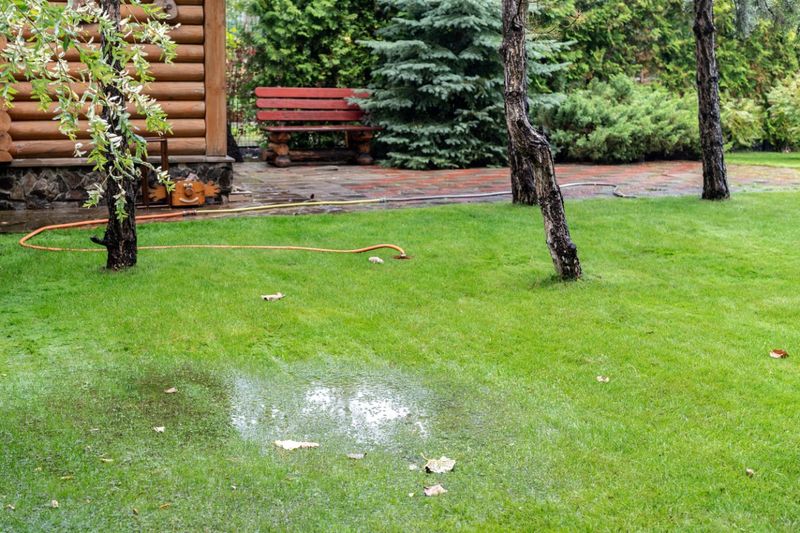
After a heavy Texas rainstorm, some spots in the yard hold water for hours or even days. Those low areas might look like convenient flat spaces for a garden, but they are actually traps for plant roots.
Waterlogged soil pushes oxygen out of the ground, and roots need oxygen just as much as they need water. Soggy conditions lead to root rot and weak, struggling plants.
Texas soils vary widely across the state. Heavy clay soils common in the Dallas-Fort Worth area drain very slowly, while sandy soils in East Texas drain too fast.
Neither extreme is ideal without some amendment. Recognizing your soil type and fixing drainage problems before planting is a step many beginners skip entirely.
Raised garden beds are one of the best solutions for Texas gardeners dealing with drainage issues. By building up the planting area with quality soil and compost, you control the drainage environment completely.
If raised beds are not an option, work several inches of compost into your existing soil to loosen it and improve water movement. You can also slope the ground slightly away from your planting area to encourage runoff.
Good drainage is the foundation of a healthy Texas garden.
4. Making The First Garden Too Large To Keep Up With
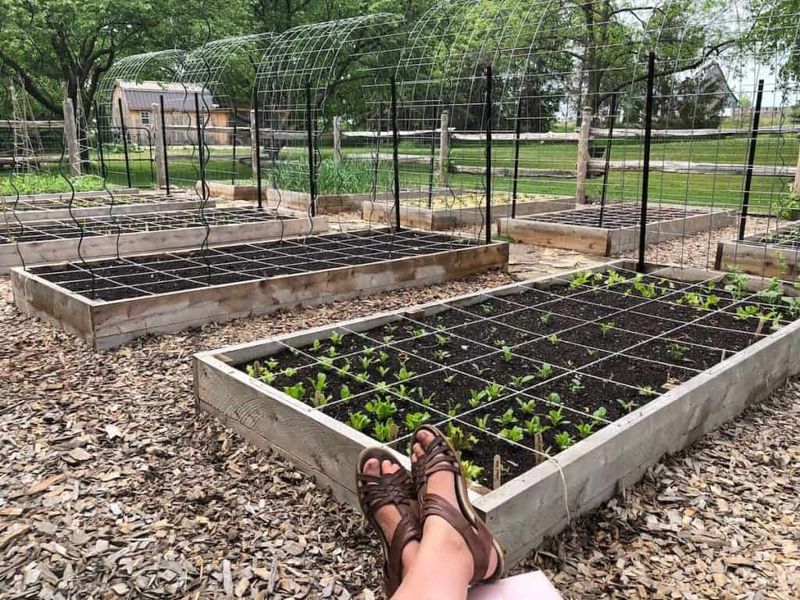
Starting big feels inspiring. You picture rows of tomatoes, a whole section of peppers, squash sprawling everywhere, and herbs lining the edges.
But for most new Texas gardeners, a large garden quickly becomes more work than expected. Weeding, watering, fertilizing, and harvesting all take real time and energy, especially during the brutal Texas summer heat.
When a garden gets out of hand, weeds take over fast. Once weeds get established, they compete with your plants for water and nutrients, and pulling them in 95-degree heat is exhausting.
Many beginners end up abandoning their garden mid-season, which is discouraging and wastes all the effort put in at the start.
Gardening experts and county extension agents across Texas consistently recommend starting with a small, manageable plot, something like a 4-by-8-foot raised bed or a few containers on a patio. A small garden is easier to water, weed, and monitor for pests.
You will also learn much more from a small, well-tended space than from a large, neglected one. After one successful season, you will know exactly what you want to grow more of and what did not work.
Build up gradually and let your confidence grow right along with your garden.
5. Skipping A Soil Test Before Planting
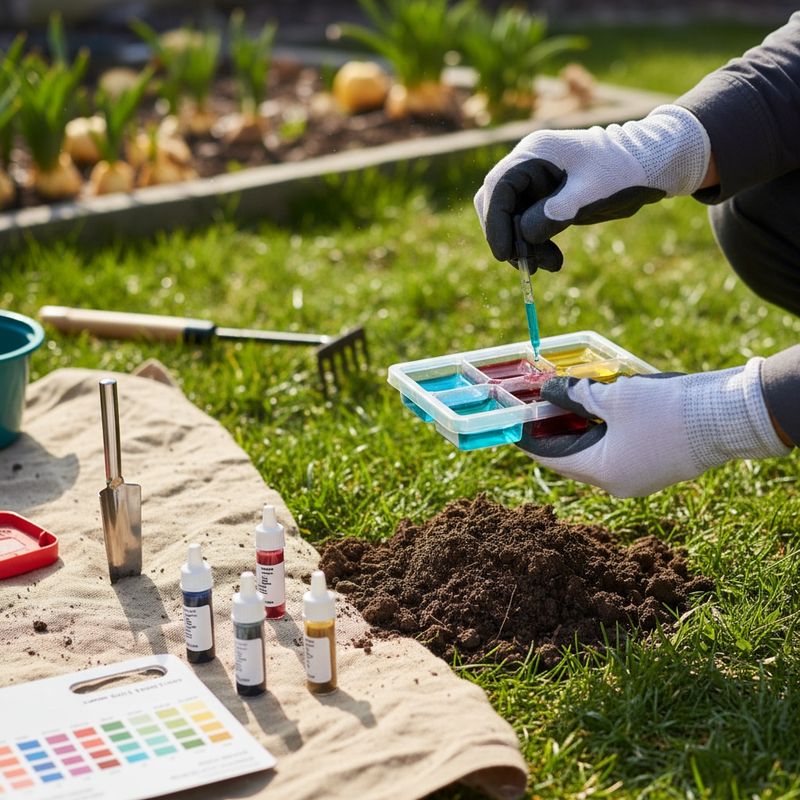
Most new gardeners assume their yard soil is ready to go, but Texas soils can be surprisingly tricky. Across the state, you will find everything from nutrient-poor sandy soils in East Texas to highly alkaline clay in the Hill Country and Blackland Prairie regions.
Without knowing what is actually in your soil, you are basically gardening blind.
A soil test tells you the pH level, nutrient content, and organic matter percentage of your garden soil. This information is gold.
For example, many Texas soils have a high pH, which means iron and other nutrients become locked up and unavailable to plants even when they are present. Gardeners who skip the test often add the wrong amendments and wonder why their plants still struggle.
Texas A&M AgriLife Extension offices across the state offer affordable soil testing services, and the results come with specific recommendations for your garden. Getting a test done before your first planting season costs very little but saves a lot of money on wasted fertilizer and amendments.
You will know exactly what your soil needs, whether that is compost, sulfur to lower pH, or a specific fertilizer blend. Think of a soil test as a road map that takes the guesswork out of gardening in Texas.
6. Watering Lightly Instead Of Soaking The Soil Deeply
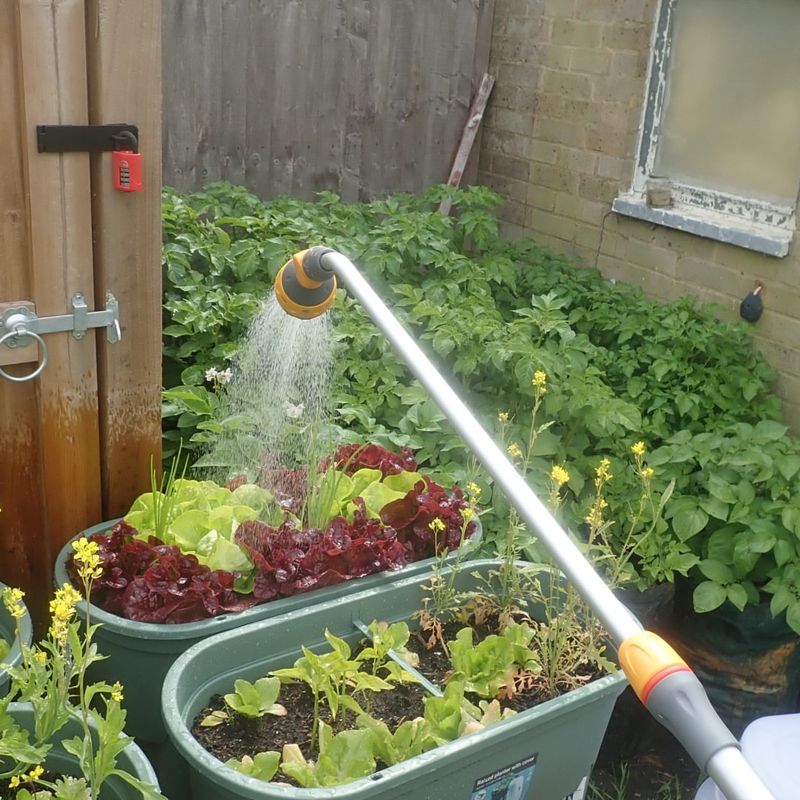
Light, frequent watering feels like the responsible thing to do, but it is actually one of the most common watering mistakes made by new Texas gardeners. When you only wet the top inch or two of soil, plant roots have no reason to grow deeper.
They stay shallow, close to the surface, which makes them much more vulnerable to Texas heat and drought.
Deep, infrequent watering encourages roots to chase moisture down into the cooler layers of soil. A plant with deep roots can handle dry spells much better than one with shallow roots.
The general rule of thumb for most Texas vegetable gardens is to water deeply about once or twice a week, aiming for roughly 1 to 2 inches of total water per week depending on rainfall, soil, and season.
A simple way to check if you are watering deeply enough is to push a wooden dowel or a long screwdriver into the soil after watering. It should slide in easily to a depth of six to eight inches.
If it hits resistance before that, the soil is still dry below the surface. Drip irrigation systems and soaker hoses are excellent tools for Texas gardeners because they deliver water slowly and directly to the root zone, encouraging the deep growth your plants need to thrive.
7. Wetting Foliage Late In The Day Instead Of Watering Early
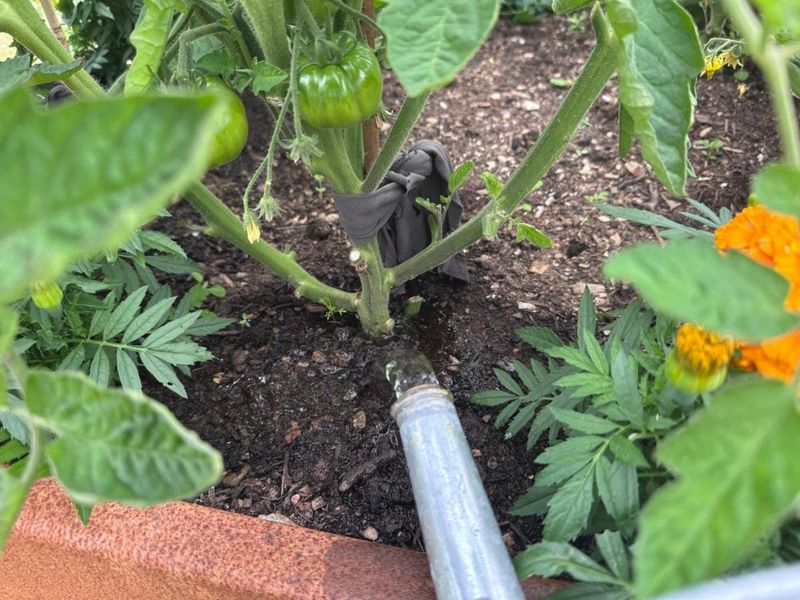
Grabbing the hose after dinner might feel convenient, but watering your plants late in the day is a habit that invites trouble in Texas. When leaves stay wet overnight, fungal diseases like powdery mildew, early blight, and downy mildew have the perfect conditions to spread.
Warm, humid nights in East Texas and along the Gulf Coast make this problem even worse.
Overhead watering in the evening is the biggest culprit. Water sits on leaves for hours in the dark, and by morning, you might start noticing yellow spots, white powdery coating, or brown lesions on your plants.
Fungal problems spread quickly and can take over an entire garden bed before you realize what is happening.
The best time to water in Texas is early in the morning, ideally between 6 and 10 a.m. Morning watering allows any water that lands on leaves to dry off quickly once the sun comes up.
It also means the soil absorbs moisture before the intense afternoon heat causes evaporation. Drip irrigation and soaker hoses help even more by keeping water at the soil level and off the leaves entirely.
Adjusting your watering schedule to mornings is a simple change that makes a big difference in plant health throughout the Texas growing season.
8. Skipping Mulch In Texas Heat
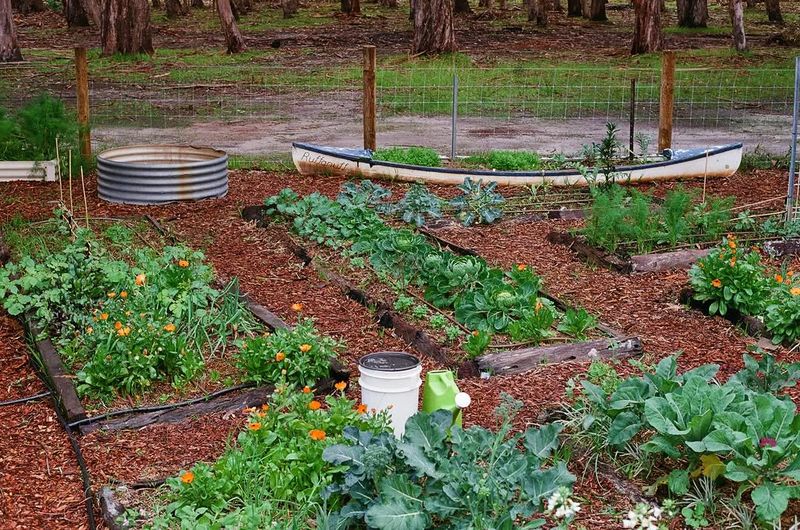
Bare soil in a Texas summer is not just dry, it can reach temperatures hot enough to damage plant roots and send beneficial soil organisms packing. Without a protective layer of mulch, soil moisture evaporates within hours on a hot day, and weeds sprout up to fill every open space.
Skipping mulch is a mistake that costs Texas gardeners extra watering time and major weed-pulling sessions all season long.
Mulch acts like a blanket over your soil. A layer of three to four inches of wood chips, straw, or shredded leaves keeps soil temperatures cooler, holds in moisture, and blocks sunlight from reaching weed seeds.
As organic mulch breaks down over time, it also adds nutrients back into the soil, which is a bonus for any Texas garden.
In cities like San Antonio and Austin, where summer temperatures often climb very high, mulch is one of the most helpful tools for protecting soil moisture and reducing heat stress. Apply mulch right after planting and refresh it as needed throughout the season.
Keep mulch a couple of inches away from plant stems to prevent moisture from sitting against them. With a good layer of mulch in place, your garden will need less water, fewer weedings, and far less attention on the hottest Texas days.
9. Overusing Nitrogen Fertilizer
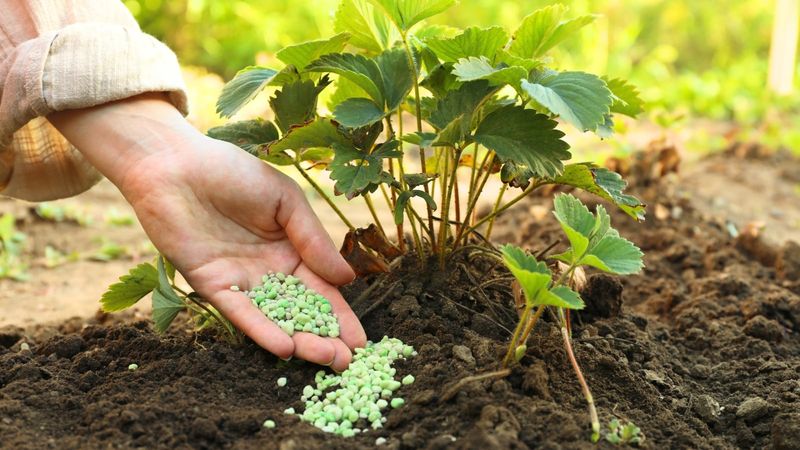
More fertilizer does not always mean more vegetables, and nitrogen is the nutrient that trips up new Texas gardeners the most. Nitrogen makes plants grow fast and green, which looks great at first.
But when you apply too much, plants put all their energy into producing leaves and stems instead of flowers and fruit. A tomato plant loaded with nitrogen might look impressive but produce almost nothing worth eating.
Excess nitrogen also affects the soil environment. It can burn plant roots when over-applied, especially in the hot Texas summer when plants are already under stress.
Heavy nitrogen applications can also wash into nearby waterways during Texas rainstorms, contributing to environmental problems like algae blooms in lakes and rivers.
Before reaching for the fertilizer bag, get that soil test done. It will tell you exactly what nutrients your soil already has.
If nitrogen is needed, use it sparingly and choose a balanced fertilizer rather than a high-nitrogen formula unless you are specifically growing leafy greens. Slow-release organic fertilizers are a great option for Texas gardens because they feed plants gradually over time rather than all at once.
Follow the label directions carefully, and remember that a little goes a long way when it comes to feeding your Texas garden plants.
10. Ignoring Variety Recommendations For Your Part Of Texas
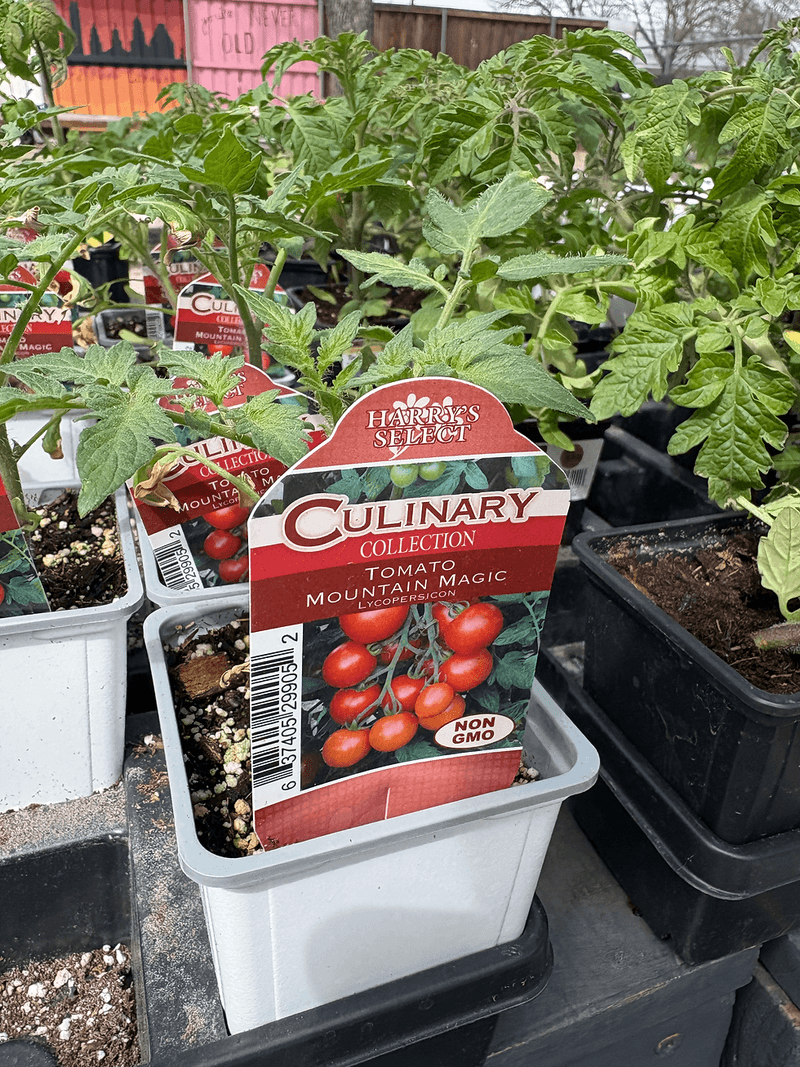
Not all tomatoes are created equal, and the same goes for peppers, squash, beans, and just about every other vegetable you might want to grow. Texas is a massive state with wildly different growing conditions from one region to the next.
A variety that performs beautifully in the cooler climate of the Texas Panhandle might completely fall apart in the sweltering humidity of the Houston area.
Many new Texas gardeners grab whatever looks good at the store without checking whether it is suited for their specific region. Heat-tolerant varieties have been developed and tested specifically for Texas conditions, and they make a huge difference in garden success.
Heat-tolerant and regionally recommended varieties often perform better in Texas than random store selections, so it is worth checking Texas A&M AgriLife recommendations for your area before you buy.
Texas A&M AgriLife Extension publishes variety recommendations for different regions of the state, and these lists are updated regularly based on real trial results. Checking these recommendations before you buy seeds or transplants is one of the smartest things a new Texas gardener can do.
Local nurseries in your area also tend to carry varieties that do well in your specific climate. Choosing the right variety for your part of Texas sets your garden up for success before you even put a single plant in the ground.