Why Your Lilacs Keep Failing In Texas (And How To Make Them Thrive)
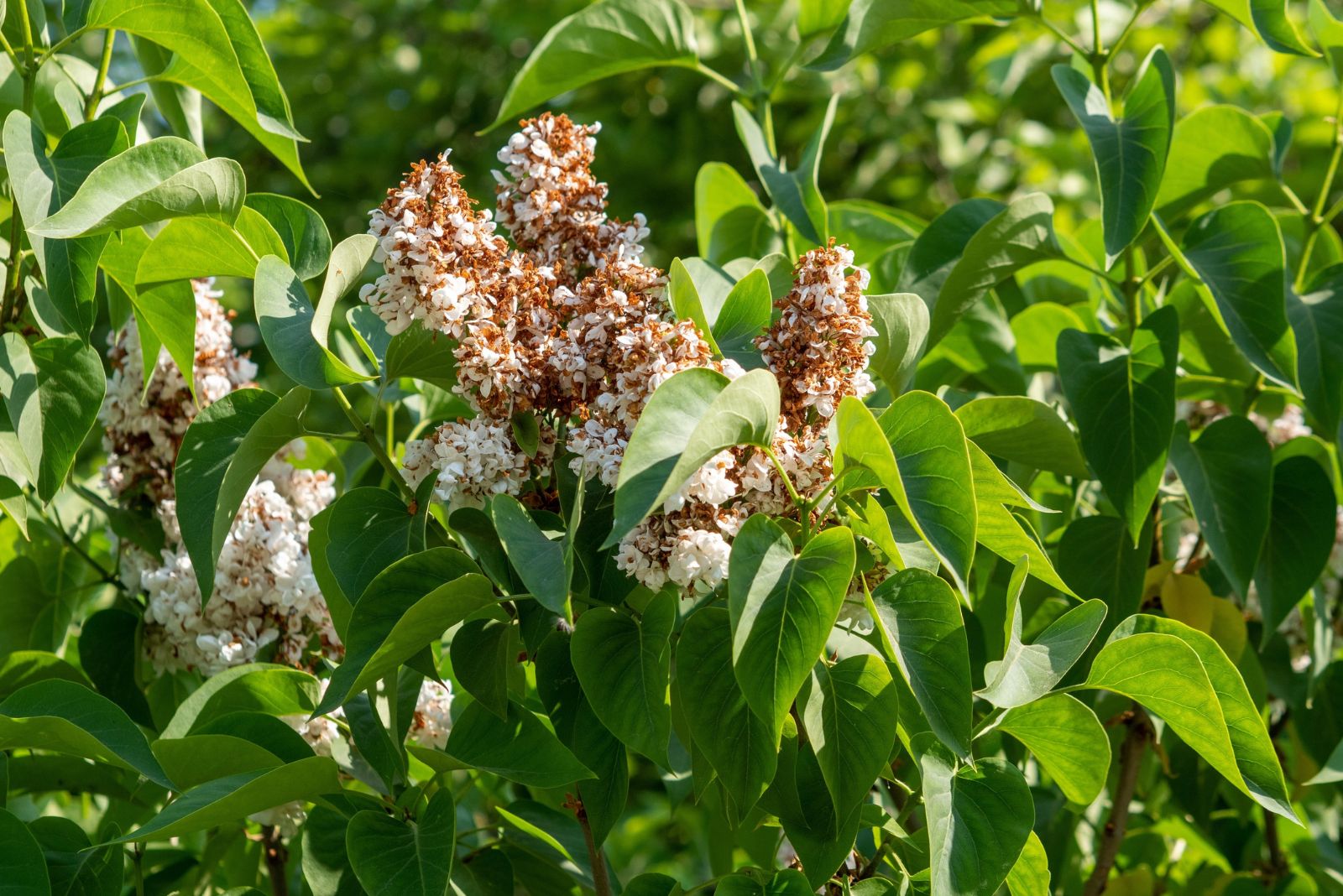
Lilacs look like they should be easy winners in any yard. They are famous for their soft blooms, sweet fragrance, and old-fashioned charm that makes people stop and smile.
Then Texas enters the picture and suddenly those dreamy shrubs turn into a yearly disappointment. Maybe your lilac barely blooms, looks stressed by early summer, or never seems to settle in no matter how much attention you give it.
That can feel especially frustrating when everything else around it seems to be growing just fine.
The truth is, lilacs and Texas do not always get along naturally. These shrubs are picky about climate, and many parts of Texas simply do not give them the cold winters they crave.
Add intense heat, tough soil, and long dry stretches, and it becomes much easier to see why they struggle. The good news is that failure is not always the end of the story.
With the right variety and a few smart changes, you can give lilacs a much better shot at thriving instead of barely hanging on.
1. Not Enough Winter Chill

Most gardeners are surprised to learn that lilacs actually need cold weather to bloom. It sounds strange, but lilacs require a certain number of “chilling hours,” which are hours below 45 degrees Fahrenheit, to trigger their blooming cycle each spring.
Without enough of those cold hours, the plant just sits there, growing leaves but never producing flowers.
Large parts of Texas, especially central and southern areas like San Antonio and Austin, simply do not get cold enough winters to satisfy traditional lilac varieties.
Standard lilacs might need 1,000 or more chilling hours, while a typical Texas winter might only offer a fraction of that. This mismatch is one of the most common reasons lilacs fail across the state.
The fix is straightforward: choose low-chill lilac varieties that were specially developed for warmer climates. “Miss Kim” (Syringa patula) is a top pick that performs well in USDA Zones 8 and 9, which covers much of Texas.
“Bloomerang” is another excellent choice that actually re-blooms in fall. Both varieties need far fewer chilling hours, making them much better suited for Texas conditions.
When shopping for lilacs in Texas, always check the plant tag for the hardiness zone and chilling hour requirements before buying. Buying the wrong variety is the single fastest way to set yourself up for failure.
Ask your local nursery specifically for heat-tolerant or low-chill cultivars, and you will already be several steps ahead of most Texas lilac growers.
2. Too Much Heat Stress
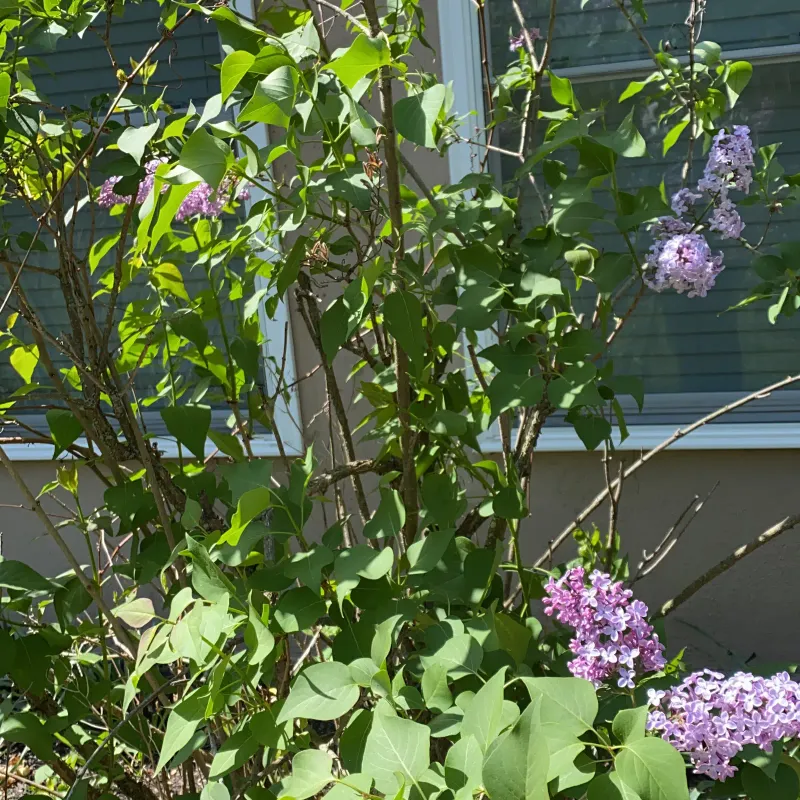
Texas summers are no joke. Temperatures regularly climb above 100 degrees Fahrenheit in many parts of the state, and that kind of intense heat puts enormous stress on lilac plants.
Lilacs are naturally cool-climate shrubs, so when they get hit with that brutal Texas sun, especially in the afternoon, they start to struggle fast.
Heat stress in lilacs shows up in several ways. You might notice leaves curling, turning brown at the edges, or dropping early.
The plant may look dull and tired by midsummer. Even if it survives the season, a heat-stressed lilac often skips blooming the following spring because it spent all its energy just trying to cope with the temperature.
Your Texas Garden Changes Every Week. Your Plan Should Too.
Gardening in Texas changes quickly throughout the season. Every Friday you’ll receive a simple weekly plan showing exactly what to plant, prune, fertilize, harvest, and protect so you never miss the right timing.
Planting location makes a huge difference here. The best strategy in Texas is to find a spot that gets bright morning sun but is shielded from the harsh afternoon rays.
The east side of a fence, wall, or larger shrub works really well. Morning sun gives the lilac the light it needs to photosynthesize and grow, while afternoon shade keeps the soil cooler and reduces water loss through the leaves.
Mulching around the base of the plant also helps a lot. A thick layer of wood chip mulch, about three to four inches deep, keeps the soil temperature lower and holds moisture longer during those brutal Texas summers.
Water deeply but less frequently to encourage roots to grow deeper into cooler soil. With the right placement and a little extra care, lilacs in Texas can handle the heat much better than you might expect.
3. Poor Air Circulation In Humid Areas
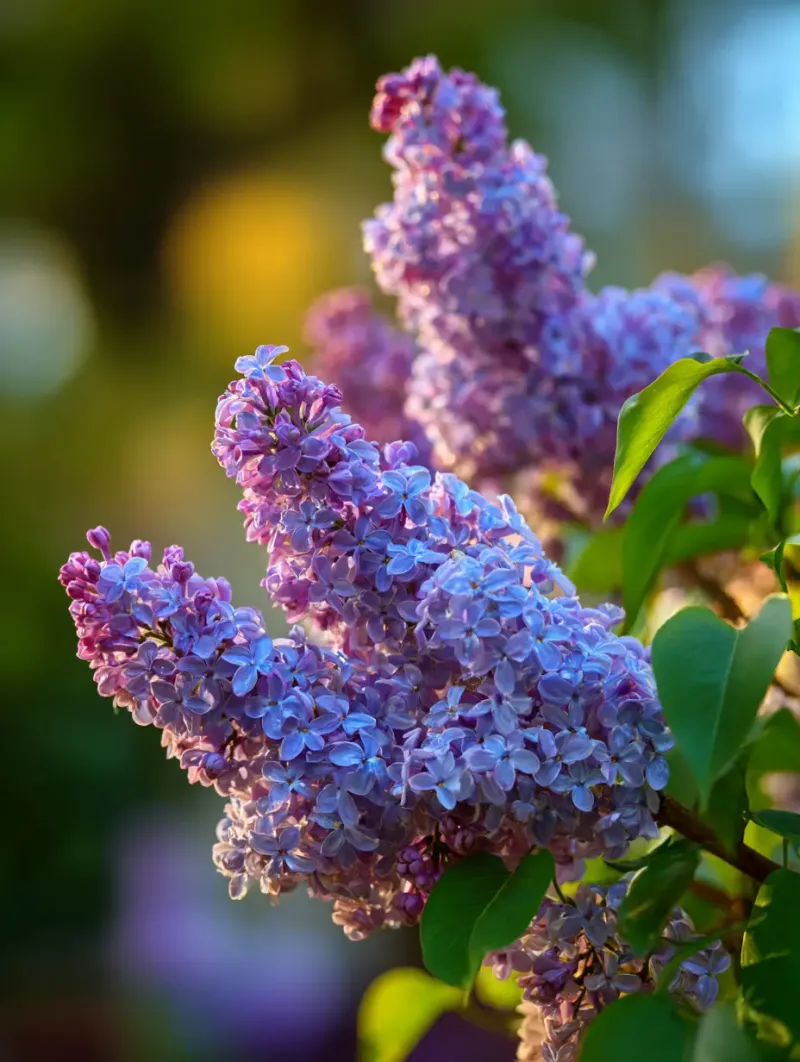
Humidity might not be the first thing people think of when they picture Texas, but the eastern and coastal parts of the state can get surprisingly muggy. Areas near Houston and Beaumont deal with high humidity levels that create the perfect environment for fungal problems on lilacs.
Powdery mildew is the most common culprit, and it can weaken plants significantly over time.
Powdery mildew looks like a white or grayish dusty coating on the leaves. While it rarely wipes out a plant completely, it does sap its energy and reduces the plant’s ability to photosynthesize properly.
A lilac dealing with recurring fungal issues in humid Texas conditions will put out fewer blooms and show slower overall growth. Left unchecked, it can make the plant look ragged and unhealthy year after year.
Good air circulation is the best natural defense against fungal problems. When lilacs are planted too close together or crowded by other shrubs and structures, moisture gets trapped around the leaves and stems.
Spacing your lilacs at least five to six feet apart from other plants allows air to move freely through the branches, helping leaves dry out faster after rain or irrigation.
Avoid overhead watering whenever possible. Drip irrigation or soaker hoses deliver water directly to the roots without wetting the foliage, which cuts down on fungal problems noticeably.
If powdery mildew does appear, a simple spray of diluted neem oil or a baking soda solution can help manage it. Keeping things open and breezy around your Texas lilacs goes a long way toward keeping them healthy and strong.
4. Improper Soil Conditions
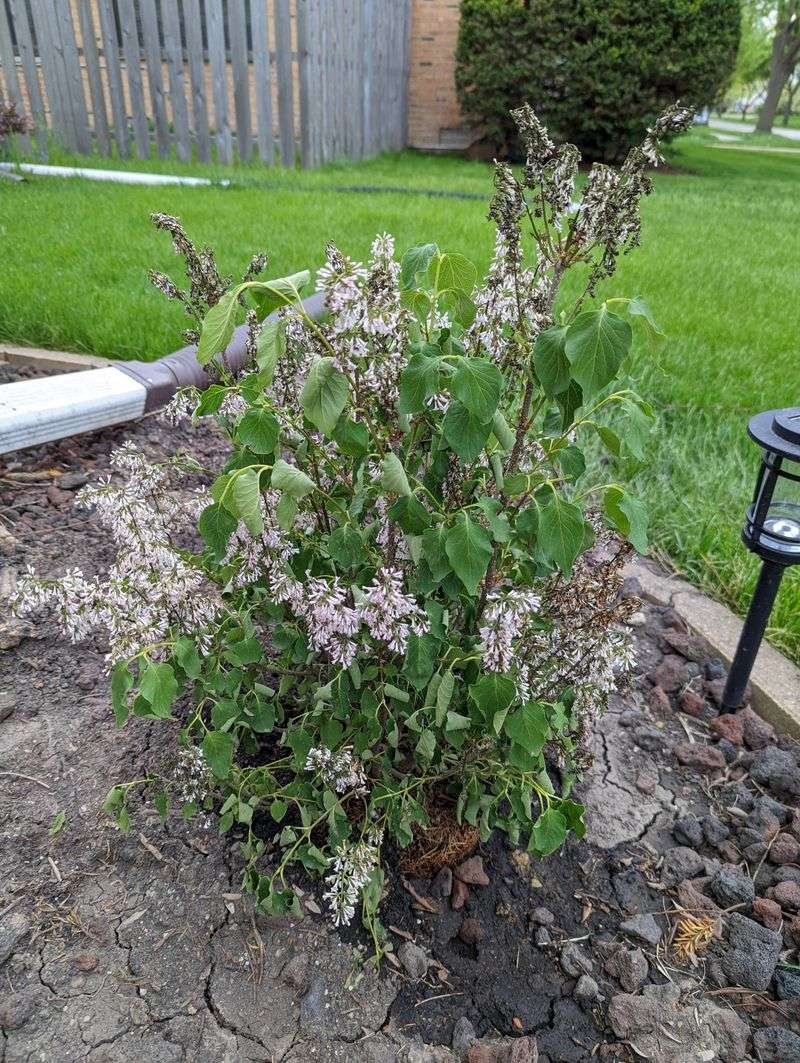
Soil might not seem exciting, but it is absolutely one of the biggest factors in whether your lilacs thrive or just survive in Texas. Lilacs prefer well-drained, slightly alkaline soil with a pH between 6.5 and 7.5.
Many areas of Texas actually have naturally alkaline soil, which sounds like good news, but the heavy clay texture found in a lot of North Texas and Central Texas is a serious problem.
Clay soil holds water for too long, and lilac roots sitting in waterlogged soil are a recipe for root rot. You might notice yellowing leaves, wilting even when the soil is wet, or a general failure to put out new growth.
These are classic signs that the roots are suffering. On the flip side, sandy soils in parts of West Texas drain too quickly and do not hold enough nutrients to support healthy growth.
The solution is to amend your soil before planting. Mix in generous amounts of compost to improve both drainage in clay soils and water retention in sandy ones.
For very heavy clay, you can also add coarse sand or perlite to loosen the texture. Raised beds are another excellent option in Texas, because they let you build the ideal growing environment from scratch without fighting the native soil at all.
Before planting, it is worth doing a simple soil pH test, which you can find at most garden centers. If your soil is too acidic, adding garden lime will raise the pH toward the range lilacs love.
Getting the soil right before your lilac goes in the ground is one of the smartest investments you can make for long-term blooming success in Texas.
5. Pruning At The Wrong Time

Grab those pruning shears at the wrong time of year, and you could accidentally remove every single flower your lilac was planning to give you next spring. This is one of the most heartbreaking lilac mistakes, and it happens more often than you might think.
Lilacs bloom on “old wood,” meaning the flower buds for next year actually form on the branches that grew this year, right after blooming ends.
When gardeners prune in late summer, fall, or early winter, they are cutting off those precious buds before they ever get a chance to open. The plant looks perfectly fine, but come spring, there are no flowers.
Many Texas gardeners go through this cycle for years without realizing that their well-intentioned pruning is the exact cause of the problem.
The correct time to prune lilacs is immediately after they finish blooming, which in Texas is typically sometime in late spring.
You have a window of about two to three weeks after the flowers fade to do your pruning and still give the plant enough time to set new buds for the following year. Prune any later than that and you risk cutting off next season’s blooms.
When pruning, focus on removing dry or crossing branches and cutting back any stems that bloomed to just above a healthy leaf node. You do not need to go overboard.
Light, strategic pruning keeps the plant shapely and encourages better air circulation without sacrificing flowers. For older, overgrown Texas lilacs, a gradual renewal prune done over three years is gentler than cutting everything back at once and gives better long-term results.
6. Overfertilizing With Nitrogen
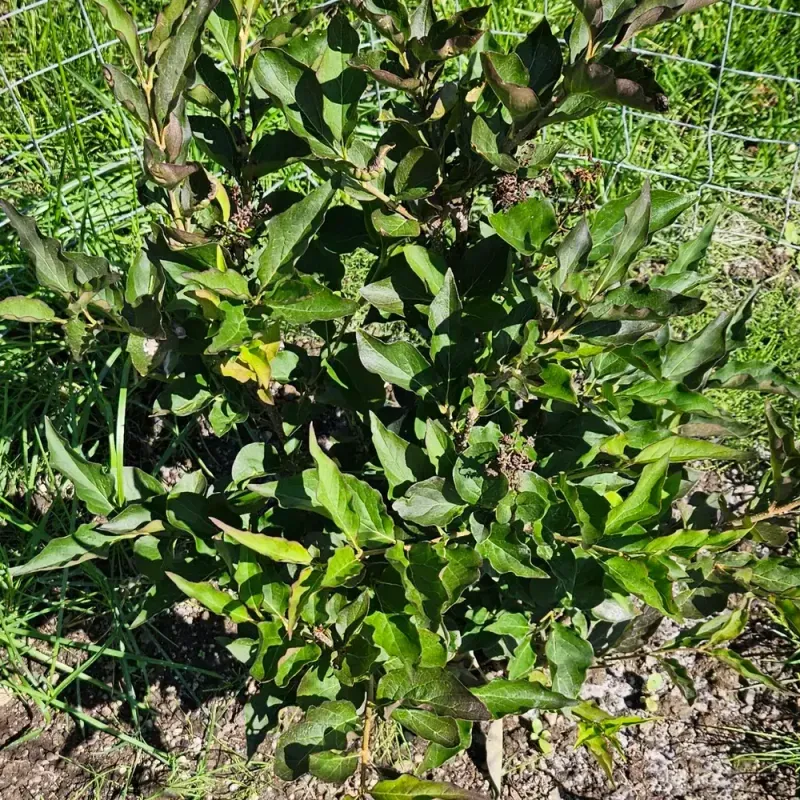
Walk through any Texas neighborhood in spring and you will likely see lawn fertilizer being applied everywhere. It is great for grass, but if that nitrogen-heavy fertilizer drifts over to your lilac bushes, it can actually work against you in a big way.
Lilacs that get too much nitrogen put all their energy into growing big, lush, dark green leaves instead of producing flowers. The plant looks healthy, but the blooms never show up.
Nitrogen is the nutrient responsible for leafy, vegetative growth. When lilacs get an excess of it, they essentially go into overdrive with their foliage production.
The energy that should be going toward developing flower buds gets redirected toward pumping out more leaves. It is a frustrating situation because the plant can look absolutely gorgeous and full while being completely bloomless.
Lilacs are actually not heavy feeders, which means they do not need a lot of fertilizer to begin with. If your soil is reasonably healthy, you might not need to fertilize at all.
When fertilizer is needed, use a balanced formula like a 10-10-10 or even a low-nitrogen bloom booster in early spring. Phosphorus is the nutrient that supports flowering, so look for fertilizers where the middle number is higher than the first.
Be especially careful about where you apply lawn fertilizers in Texas. Keep high-nitrogen products well away from the drip line of your lilac bushes, because roots spread further than most people realize.
A simple soil test can tell you exactly what nutrients your Texas garden actually needs before you add anything, which saves money and protects your lilacs from accidental over-feeding. Less really is more when it comes to fertilizing lilacs.