7 Plants That Bring Constant Color To Georgia Gardens Through Spring
It is easy to expect one plant to carry a garden through spring, but in Georgia, that is rarely how it works. Color comes in waves.
One plant fades just as another begins to bloom, creating a natural rhythm that keeps beds looking alive and changing.
That is where thoughtful plant choices make all the difference.
Across the Peach State, gardeners who mix native plants with overlapping bloom times often enjoy a steady flow of color from early spring into the warmer weeks.
Instead of relying on a single standout, it is the combination that creates that full, vibrant look. With the right picks, spring gardens can feel continuously in motion rather than fading between blooms.
1. Eastern Red Columbine Brings Early Spring Color
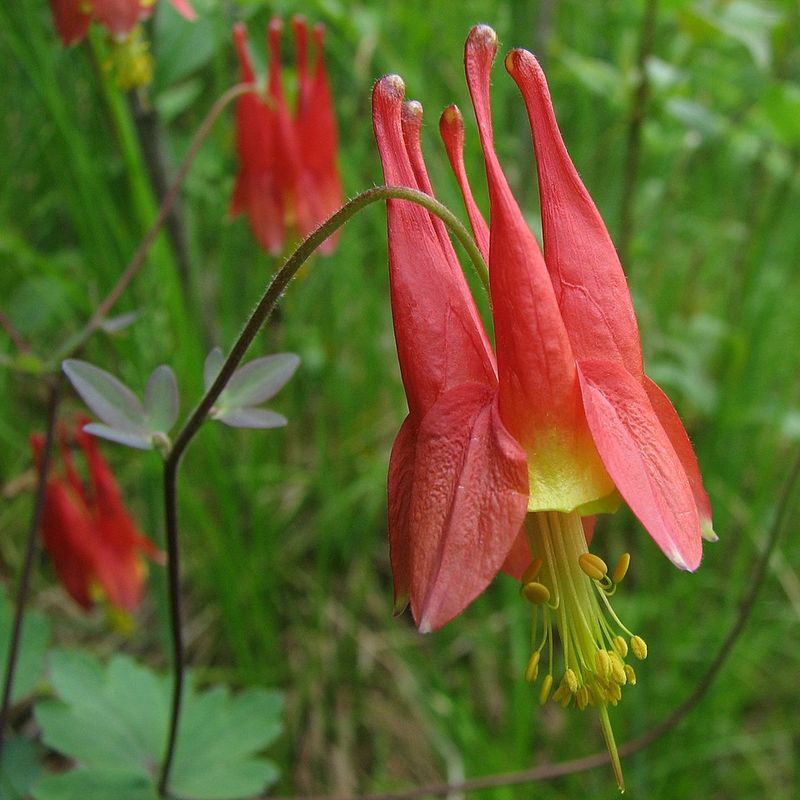
One of the earliest signs that spring has truly arrived in Georgia is the nodding, lantern-like blooms of Eastern Red Columbine appearing along woodland edges and shaded garden beds.
Aquilegia canadensis typically begins flowering in Georgia as early as March, making it a reliable source of early color when most perennials are still waking up from winter dormancy.
Ruby-red and soft yellow blossoms hang gracefully from slender stems, swaying in the light breeze that comes with early spring mornings.
Hummingbirds are drawn to those tubular flowers almost immediately, making this plant a favorite for Georgia gardeners who enjoy watching wildlife up close.
Eastern Red Columbine grows well in partial to full shade, which makes it useful under trees or along the north-facing side of a fence where other flowering plants may struggle.
It prefers well-drained, moderately fertile soil and tends to self-seed freely, so a small planting can spread into a lovely naturalized patch over a few seasons.
Spacing plants about 12 inches apart gives each one room to fill out without crowding. In Georgia’s Piedmont and mountain regions, this columbine often blooms longer because cooler temperatures extend the flowering period.
Pairing it with Wild Geranium or Woodland Phlox creates a layered early-spring display that bridges the gap until mid-season bloomers take over.
2. Wild Geranium Adds Soft Spring Blooms
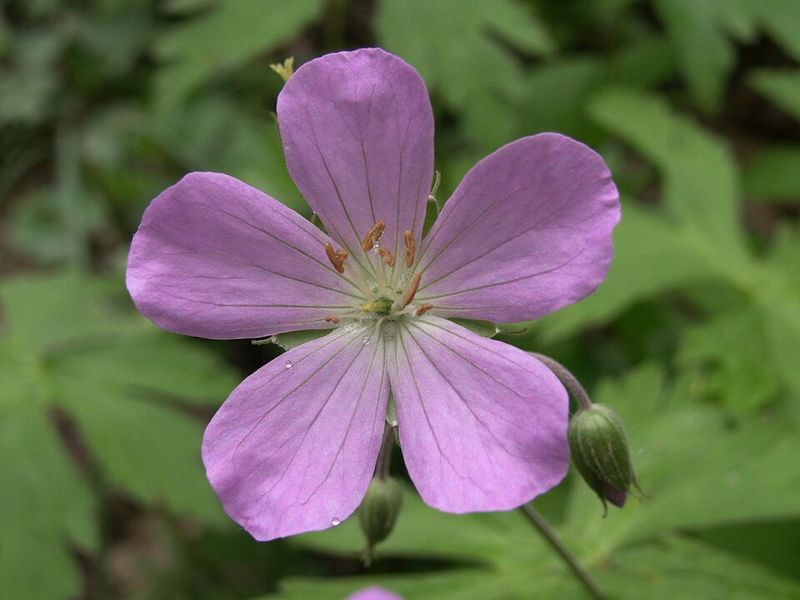
Soft lavender-pink blooms rising above deeply lobed leaves give Wild Geranium a quiet, understated beauty that fits naturally into Georgia’s woodland-style gardens.
Geranium maculatum blooms from roughly mid-March through May across much of Georgia, filling that important window between early bloomers like Eastern Red Columbine and the warmer-season plants that take over in late spring.
Unlike many ornamental geraniums sold at nurseries, this is a true native perennial that evolved alongside Georgia’s native soils, insects, and rainfall patterns.
It handles the variable spring weather Georgia is known for, performing reliably whether March brings a late cool snap or an unusually warm stretch.
Wild Geranium thrives in partial to full shade and prefers moist, well-drained soil rich in organic matter.
Planting it beneath deciduous trees works especially well because the plant gets plenty of early spring sunlight before the tree canopy fully leafs out, then settles into comfortable dappled shade as temperatures rise.
Your Georgia Garden Changes Every Week. Your Plan Should Too.
Gardening in Georgia changes quickly throughout the season. Every Friday you’ll receive a simple weekly plan showing exactly what to plant, prune, fertilize, harvest, and protect so you never miss the right timing.
Space plants about 12 to 18 inches apart, and they will gradually spread into a tidy, weed-suppressing ground cover over time. Bees and small native pollinators visit the flowers regularly, adding lively movement to the garden.
The foliage stays attractive even after blooming ends, giving this plant lasting value throughout the growing season well beyond its flowering period.
3. Coreopsis Brightens Gardens With Yellow Blooms
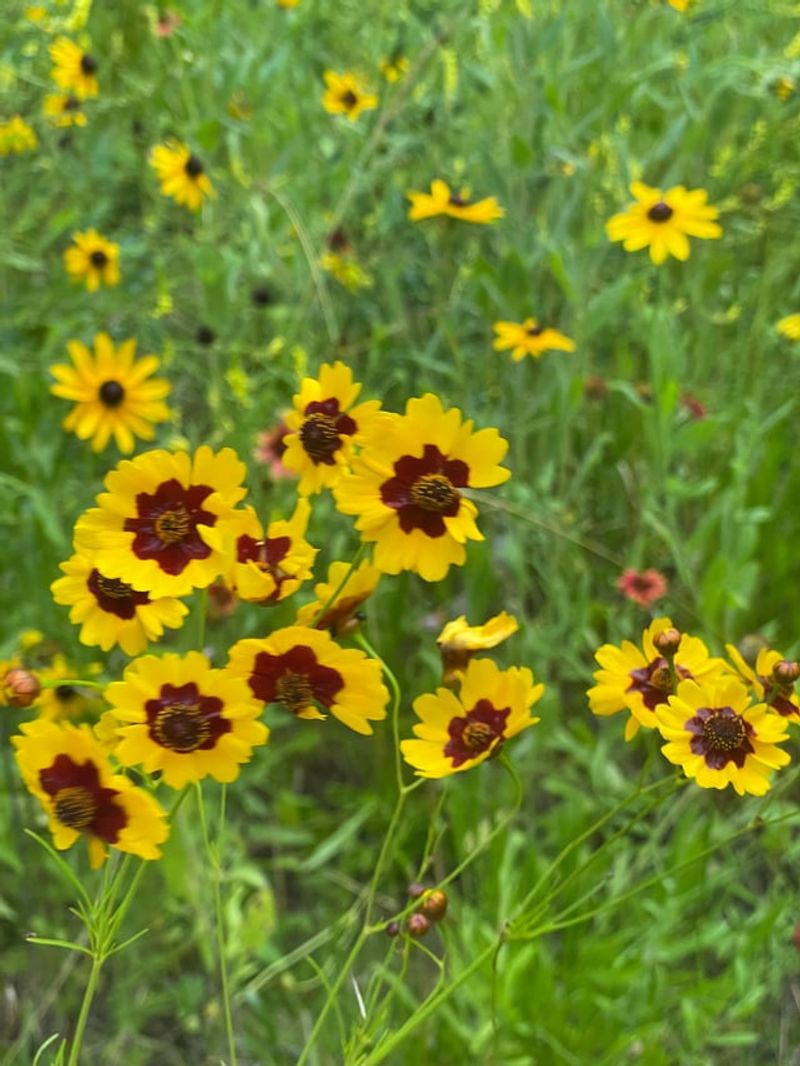
When the sunny, open areas of a Georgia garden need a reliable burst of cheerful color, few plants deliver as consistently as native Coreopsis.
Several species are native to Georgia, including Coreopsis lanceolata and Coreopsis tinctoria, and they typically begin blooming in April, carrying that golden yellow color well into summer.
Georgia’s warm springs suit Coreopsis beautifully. The plant handles the state’s combination of heat, humidity, and occasional dry stretches with the kind of resilience that makes it a favorite among low-maintenance gardeners.
Once established, it asks for very little while giving back a long season of cheerful, daisy-like blooms.
Full sun is where Coreopsis truly thrives, though it tolerates light afternoon shade without much complaint. Well-drained soil is important, as the plant does not appreciate sitting in wet ground for extended periods.
Sandy or loamy soils found across Georgia’s coastal plain and Piedmont regions tend to suit it well.
Spacing plants about 12 to 18 inches apart allows good air circulation, which helps reduce the chance of fungal issues during Georgia’s humid spring months.
Deadheading spent blooms regularly encourages the plant to keep producing new flowers rather than putting energy into seed production.
Coreopsis pairs naturally with Gaillardia and Penstemon for a bold, warm-toned late-spring border that pollinators absolutely flock to throughout the season.
4. Woodland Phlox Spreads Color Across Beds
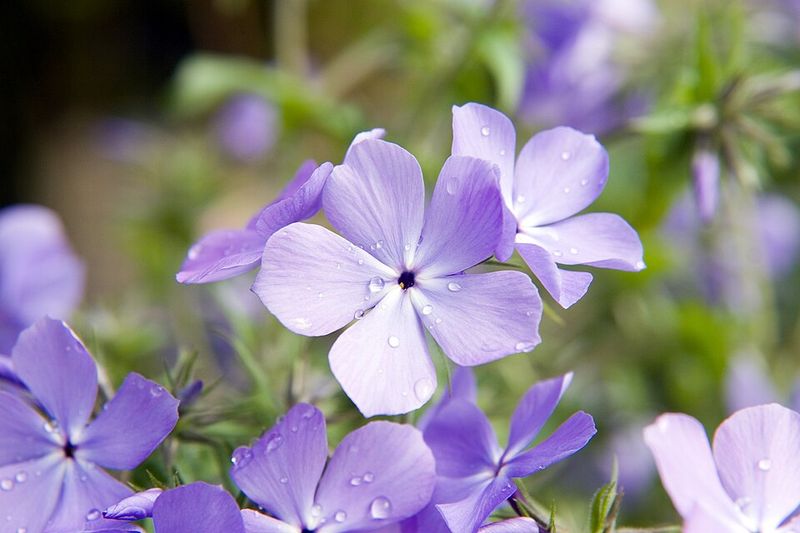
Few plants spread color as generously across a garden bed as Woodland Phlox, which forms low, fragrant carpets of lavender-blue blooms just as Georgia’s spring really starts to warm up.
Phlox divaricata typically flowers from late March through May, overlapping nicely with both earlier bloomers like Eastern Red Columbine and mid-season plants like Coreopsis.
The flowers carry a light, sweet fragrance that drifts through the garden on warm spring afternoons, which is a quality that gardeners often mention as one of the most memorable things about growing this plant.
Butterflies and native bees find the blooms irresistible, and the low spreading habit of the plant makes it an excellent choice for filling gaps between larger perennials.
Woodland Phlox grows best in partial shade with consistently moist, humus-rich soil.
In Georgia’s warmer regions, some afternoon shade is especially helpful for keeping the plant comfortable as temperatures climb toward late spring.
It tolerates a range of soil types as long as drainage is reasonable and the ground does not stay waterlogged after heavy rains.
Plant spacing of about 12 inches encourages plants to knit together into a dense, weed-resistant mat over a season or two. Woodland phlox is widely recommended as a strong native ground cover option for shaded beds.
Combining it with Wild Geranium and Eastern Red Columbine creates a layered, multi-week display of spring color.
5. Gaillardia Adds Warm Spring Color
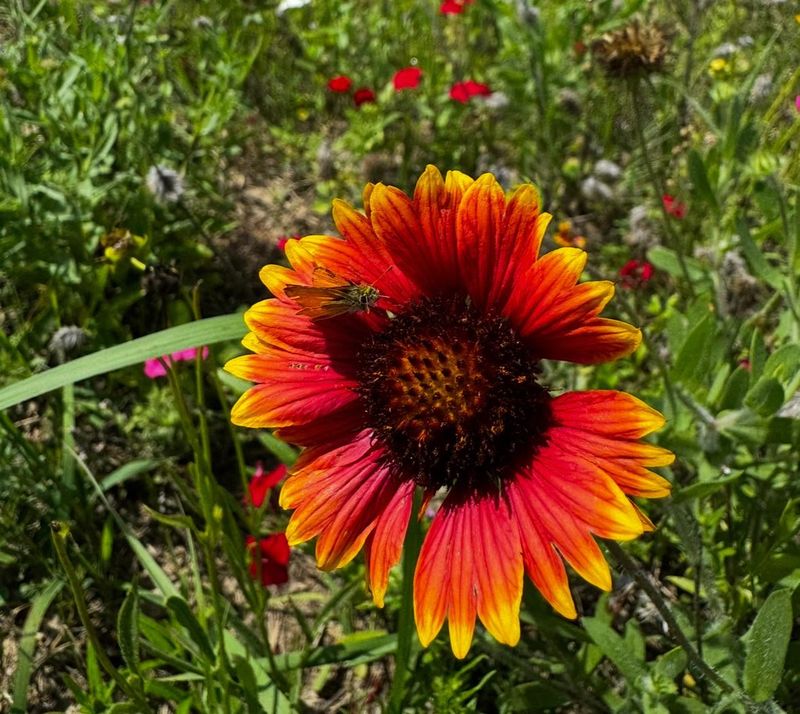
Blazing red and golden yellow petals radiating outward from a deep burgundy center make Gaillardia one of the most eye-catching flowers in any Georgia spring garden.
Commonly called blanket flower, Gaillardia pulchella is native to much of the southeastern United States and begins blooming in Georgia from late April onward, carrying its warm tones through the transition into summer.
The fiery color palette of Gaillardia makes it a natural companion to Coreopsis, and planting the two together creates a bold, warm-toned display that reads beautifully from a distance.
Bees, butterflies, and even goldfinches are attracted to the flowers and seeds, giving the garden both color and constant movement during the peak of spring.
Full sun and well-drained soil are the two things Gaillardia needs most. It actually performs better in lean, somewhat sandy soils than in overly rich garden beds, where too much fertility can lead to floppy stems and fewer blooms.
This quality makes it particularly well suited to Georgia’s coastal plain soils, which tend to be sandier and lower in organic matter.
Space plants about 12 to 18 inches apart to allow for good air circulation during Georgia’s humid months. Deadheading spent flowers keeps the plant producing new blooms and maintains a tidy appearance.
Gaillardia is also notably drought-tolerant once established, which comes in handy during the dry spells that sometimes hit Georgia in late spring.
6. Penstemon Brings Upright Blooms And Interest
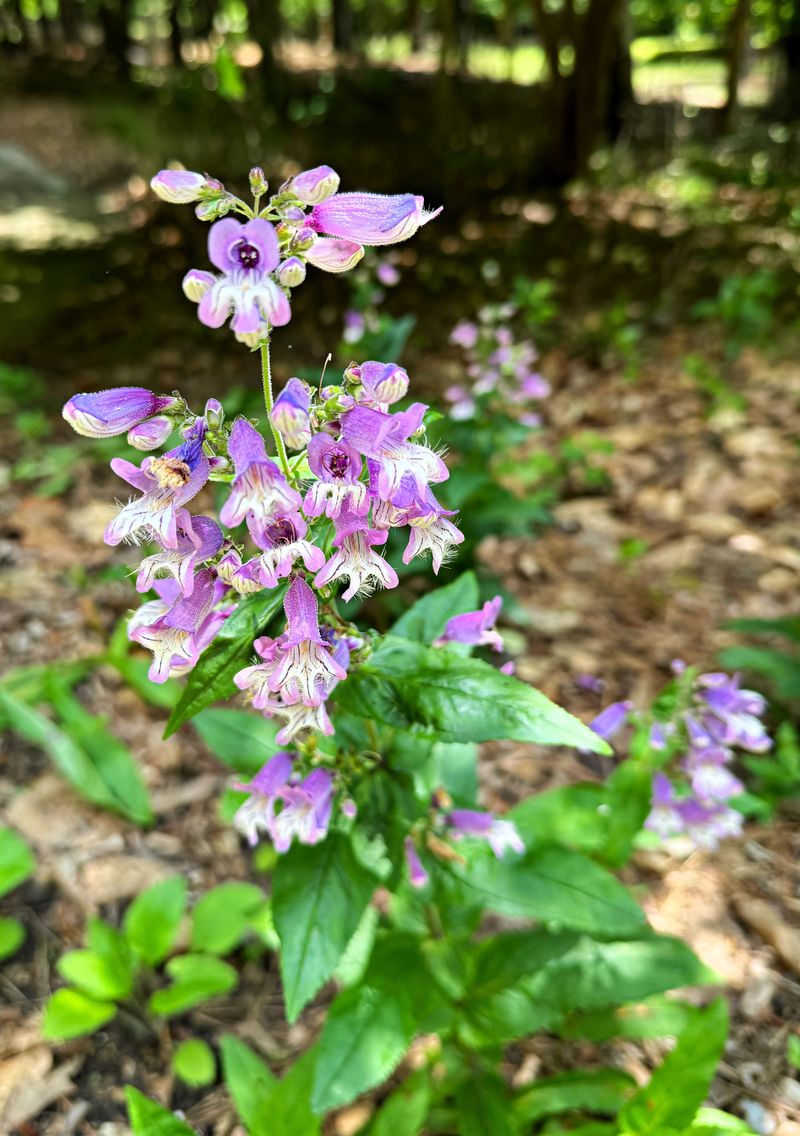
Vertical lines matter in garden design, and few native plants deliver upright structure and color as gracefully as Penstemon during Georgia’s spring season.
Penstemon smallii, native to the southern Appalachians and well-adapted to Georgia’s mountain and Piedmont regions, produces tall spikes of tubular pink-and-purple blooms from April through June, adding a strong vertical element to mixed borders.
Hummingbirds are particularly fond of Penstemon, hovering beside the flower spikes to feed on nectar throughout the day.
Bumblebees also visit regularly, and watching them navigate the tubular blooms is genuinely entertaining for anyone spending time in the garden on a warm spring morning.
Penstemon grows best in full sun to partial shade and prefers well-drained soil.
Heavy clay soils common in parts of Georgia’s Piedmont can be amended with compost and coarse sand to improve drainage, which makes a noticeable difference in how well the plant establishes and blooms.
Raised beds or slopes where water drains naturally are also solid options.
Space plants about 12 to 18 inches apart. Unlike some perennials, Penstemon tends to be relatively short-lived, typically performing strongly for two to three years before needing replacement.
Allowing some plants to self-seed, however, keeps a fresh generation coming along each season.
Pairing Penstemon with Coreopsis and Gaillardia creates a layered, multi-textured spring display that keeps Georgia gardens looking full and vibrant from April onward.
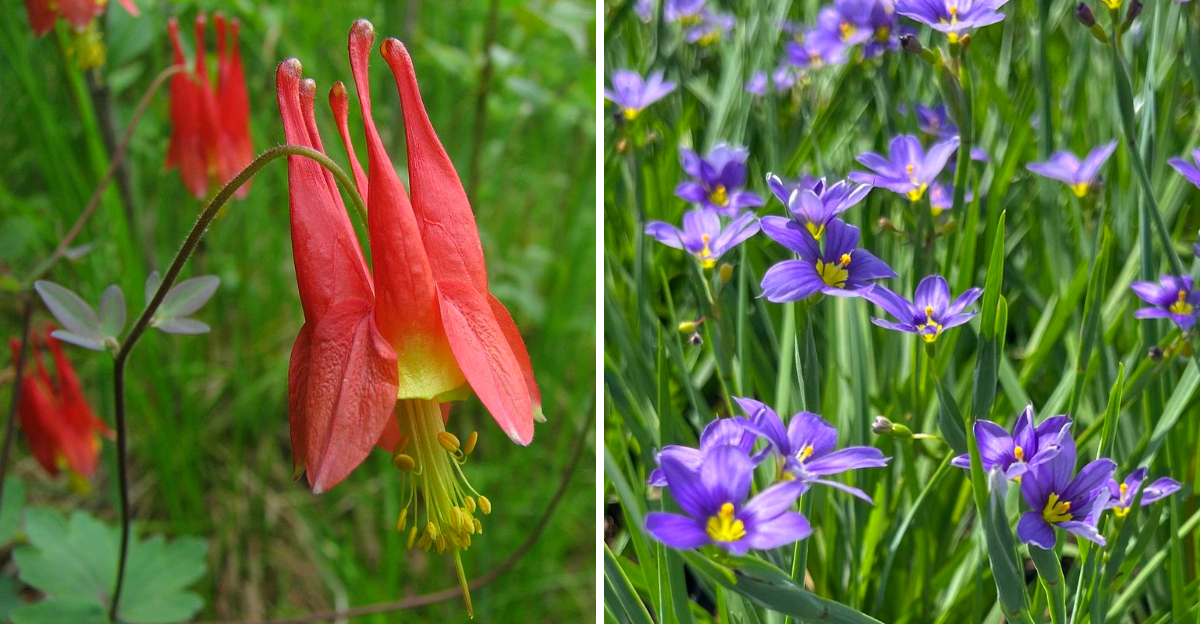
7. Blue-Eyed Grass Adds Delicate Color To Sunny Spots
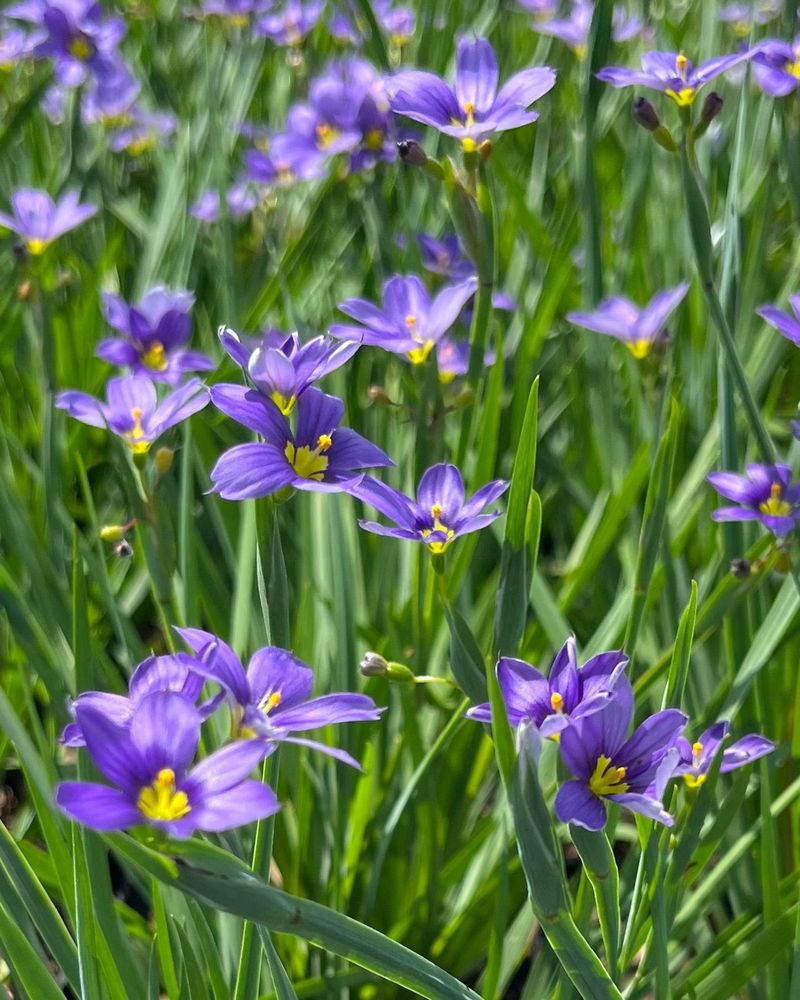
Tucked among taller spring bloomers or scattered across a sunny meadow-style bed, Blue-Eyed Grass brings a delicate, unexpected pop of violet-blue color that stops visitors in their tracks.
Despite the name, Sisyrinchium angustifolium is actually a member of the iris family, and its small, star-shaped flowers with bright yellow centers are far more refined up close than the plant’s modest size might suggest.
In Georgia, Blue-Eyed Grass typically blooms from April through June, filling the mid-to-late spring window with color that complements the warmer yellows and reds of Coreopsis and Gaillardia growing nearby.
The contrast between the cool violet-blue tones and those warmer hues creates a naturally balanced color palette that feels cohesive without looking planned.
Full sun suits this plant best, though it handles light afternoon shade reasonably well in Georgia’s warmer regions where the midday sun can be intense by late spring.
It prefers moist to moderately dry, well-drained soil and grows naturally in open meadows, roadsides, and the edges of moist woodlands across the state.
Space plants about 6 to 12 inches apart, and they will gradually form attractive clumps that spread slowly over time.
The grass-like foliage stays green and tidy even when the plant is not in bloom, giving it value as a textural element in the garden.
Blue-Eyed Grass is an underused native that genuinely rewards gardeners who give it a try.