The 10 Best April Flowers For Florida Gardeners Who Want Low Maintenance
April in Florida can feel like a sweet spot in the garden. The rush of early spring starts to settle down, the heat has not gone full blast yet, and plenty of flowers are ready to put on a show without asking for constant attention.
That is music to any gardener’s ears. Nobody wants to spend every weekend fussing over fussy plants, especially once the weather starts warming up fast.
Low-maintenance flowers earn their keep in a Florida yard by standing up to sun, humidity, and the occasional dry spell without acting like divas. That is exactly why so many gardeners lean toward reliable bloomers this time of year.
A smart plant choice now can save a whole lot of trouble later. For anyone who wants color without the nonstop upkeep, April is a fine time to fill the garden with flowers that look good, hold up well, and keep the work on the lighter side.
1. Coreopsis Keeps Blooming With Very Little Effort
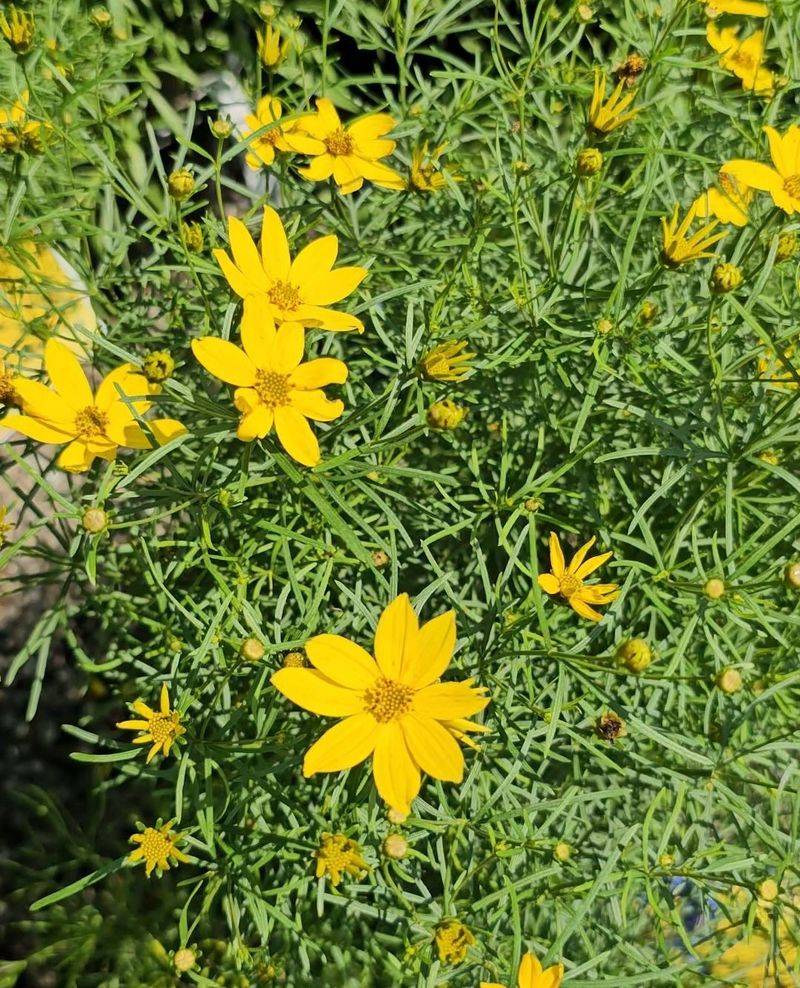
Florida actually claimed this cheerful wildflower as its official state wildflower, which tells you a lot about how well it belongs here. Coreopsis (Coreopsis spp.) looks like a field of tiny golden suns, and it earns its place in any low-maintenance garden by asking for almost nothing in return.
Once it settles in, it handles drought, poor soil, and relentless sun without complaint.
For Florida gardeners, the native species like Coreopsis leavenworthii and Coreopsis floridana are especially reliable. They thrive in full sun and well-drained soil, making them perfect for the sandy conditions common across much of the state.
Watering is minimal after the first few weeks of establishment, and you rarely need to fertilize.
April is a prime time to plant or enjoy existing clumps, as blooms appear in waves from spring through fall. Deadheading spent flowers encourages more blooms, but even without it, coreopsis keeps producing.
In North Florida, it may behave more like an annual, while Central and South Florida gardeners often enjoy it returning season after season with almost no extra effort.
2. Blanket Flower Handles Heat Without Fuss
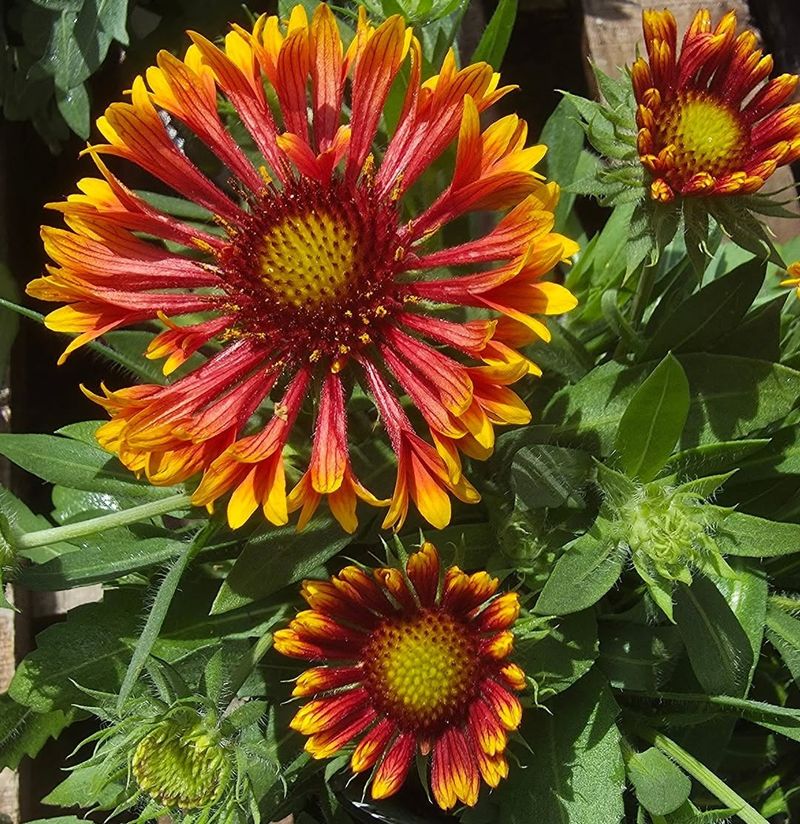
Walk past a patch of blanket flowers in full bloom and it is almost impossible not to stop. Gaillardia pulchella produces bold, fiery blooms in shades of red, orange, and yellow that look like they were painted by hand.
What makes this plant special for Florida gardeners is not just its beauty but its toughness in conditions that would stress most other flowers.
Gaillardia pulchella is native to the southeastern United States, which means it already knows how to handle Florida’s heat and sandy soils. It thrives in full sun and actually prefers soil that is not too rich.
Overwatering is one of the few ways to run into trouble, so planting it in a spot with good drainage keeps it healthy and productive.
April planting gives blanket flower time to establish before the intense summer heat arrives. Blooms appear quickly and continue for months.
Deadheading helps extend the flowering season, but the plant will reseed on its own if you let some flowers go to seed, which means free plants for next year. It attracts bees and butterflies, adding extra life to the garden without requiring any additional work from you.
Your Florida Garden Changes Every Week. Your Plan Should Too.
Gardening in Florida changes quickly throughout the season. Every Friday you’ll receive a simple weekly plan showing exactly what to plant, prune, fertilize, harvest, and protect so you never miss the right timing.
3. Salvia Brings Color And Pollinators Without The Work
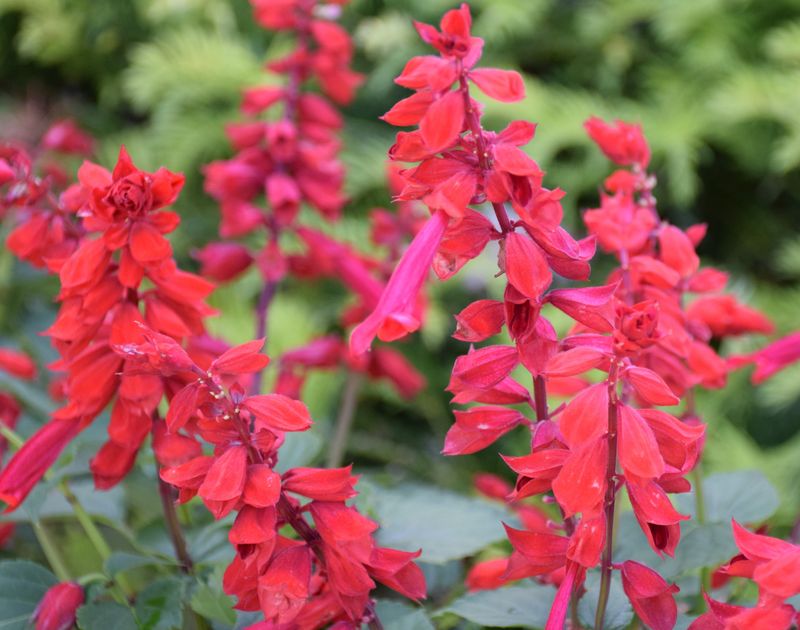
Few flowers work as hard as salvia does in a Florida garden. The genus includes dozens of species, and several of them are perfectly matched to Florida’s climate.
Salvia coccinea, known as tropical sage, is a Florida native that self-seeds freely and returns year after year in most parts of the state. Salvia splendens varieties are also popular for their bold red or purple spikes that hold up beautifully in heat and humidity.
Butterflies, hummingbirds, and bees absolutely love salvia, so planting it in April means your garden becomes a buzzing, fluttering ecosystem almost immediately. The tubular flowers are built for pollinators, and the plants keep producing blooms over a very long season with minimal intervention.
Full sun is ideal, though some afternoon shade in South Florida helps prolong bloom quality.
Watering needs are moderate once established, and salvia handles periods of dry weather without much drama. Cutting plants back by about a third after a heavy bloom flush encourages a fresh round of flowers.
Fertilizing lightly a couple of times during the growing season is enough. Salvia is genuinely one of those plants that rewards you generously for very little gardening effort throughout the spring and summer months.
4. Zinnia Grows Fast And Stays Easy All Season
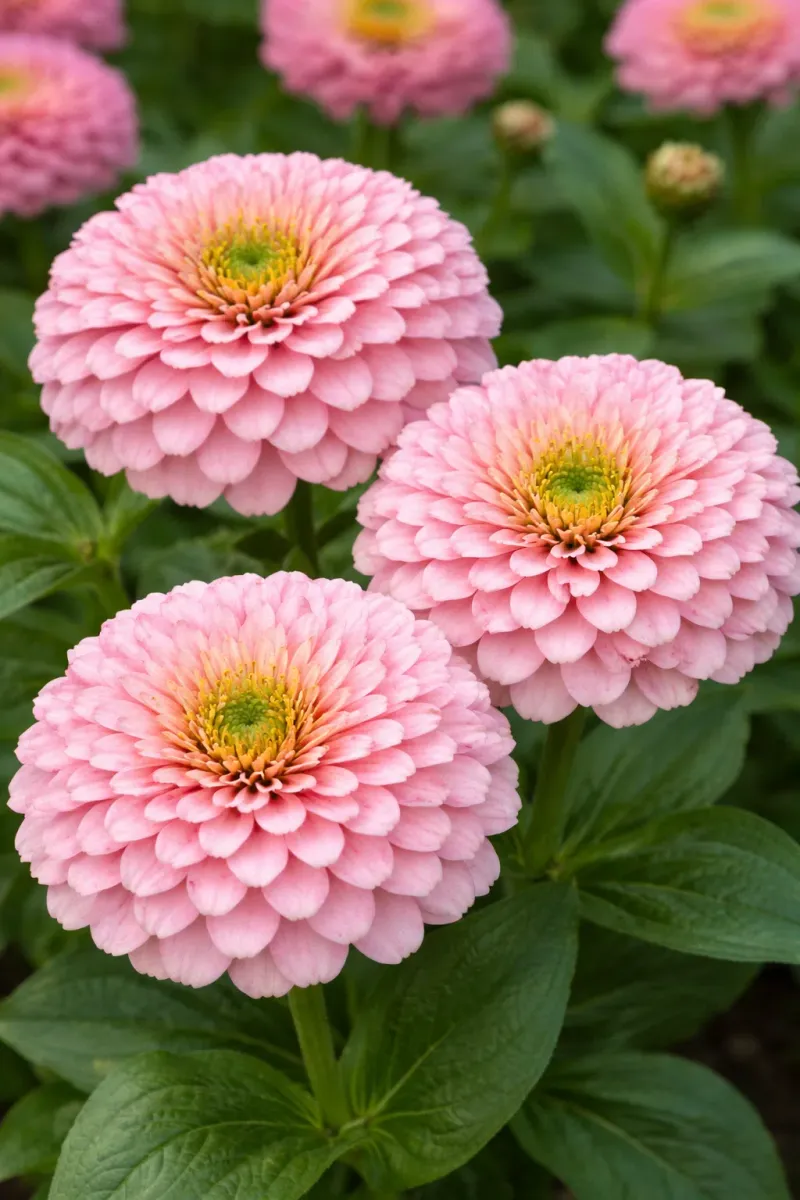
There is something deeply satisfying about planting zinnia seeds directly in the ground and watching them explode into color within weeks. Zinnia elegans is one of the fastest-growing flowering plants available to Florida gardeners, and it delivers bold, cheerful blooms in practically every color imaginable.
From soft pastels to electric reds and oranges, there is a zinnia for every garden style.
April is an excellent time to direct sow zinnias in Florida because the soil is warm and the plants love the heat that is already building. They prefer full sun and well-drained soil, and once they are up and growing, they need very little attention.
Watering at the base of the plant rather than overhead helps prevent powdery mildew, which can occasionally be an issue in humid conditions.
Deadheading spent blooms keeps the plants producing flowers all the way through summer and into fall. Even without regular deadheading, zinnias stay productive.
They attract butterflies in impressive numbers, which adds extra movement and life to the garden. For beginner gardeners or anyone who wants maximum color with minimum effort, zinnias are one of the most reliable choices available for Florida’s warm spring planting season.
5. Pentas Thrive In Heat And Keep Butterflies Coming
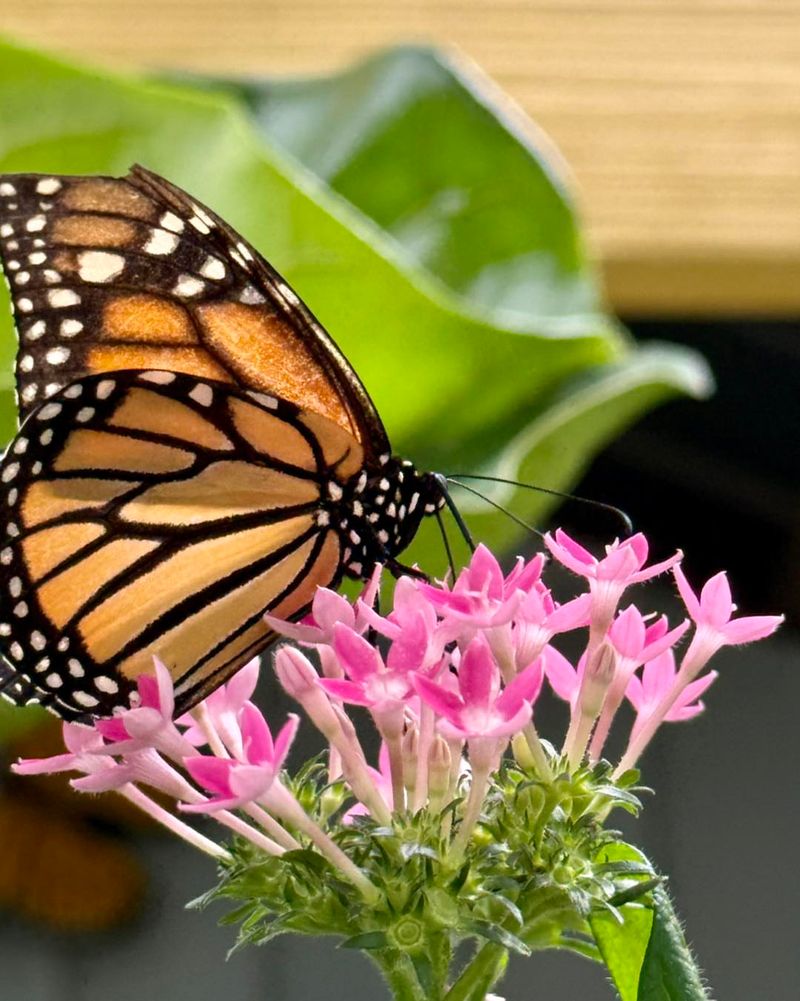
If you have ever watched a butterfly garden at a botanical center, chances are pentas was front and center in the display. Pentas lanceolata, commonly called Egyptian star flower, is a true workhorse in Florida landscapes.
The clusters of star-shaped flowers bloom almost nonstop from spring through fall, and they do it in full sun and high heat without skipping a beat.
Pentas is available in red, pink, white, and lavender, giving gardeners plenty of color options. It grows well in containers or directly in the ground and adapts to a wide range of soil types as long as drainage is decent.
Watering needs are moderate, and established plants handle short dry spells without much trouble. A light trim every few weeks keeps the plant bushy and encourages fresh blooms.
Butterflies, especially swallowtails and monarchs, are strongly attracted to pentas blooms, making it one of the best pollinator plants for Florida gardens. Hummingbirds visit occasionally as well.
Pentas performs consistently across North, Central, and South Florida, though in North Florida it is treated as an annual rather than a perennial. April planting gives it time to root in and reward you with months of beautiful, butterfly-filled blooms.
6. Gaillardia Holds Strong Even In Tough Spots
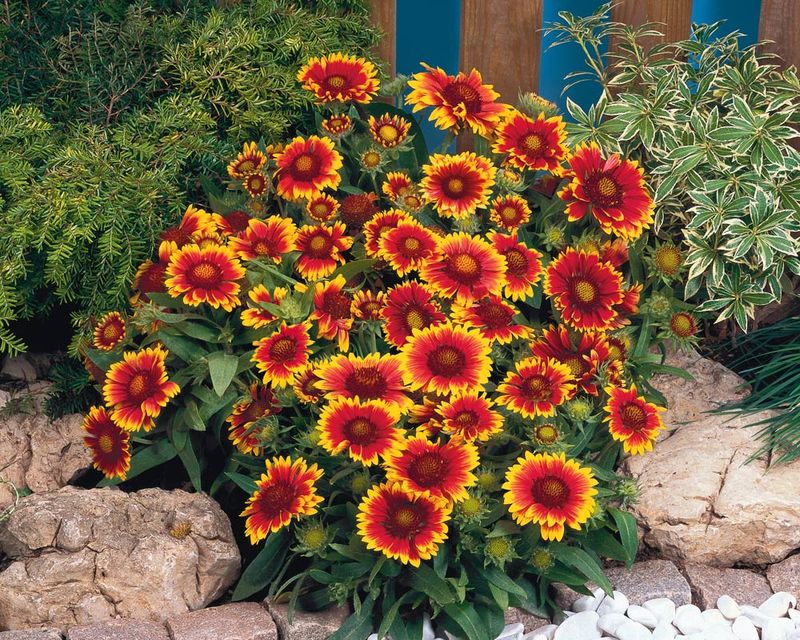
Sandy, nutrient-poor soil that would frustrate most gardeners is actually where gaillardia feels right at home. This is a plant that was practically built for Florida’s tougher growing conditions.
While the previous entry focused on its blooms, what makes gaillardia truly stand out from a practical standpoint is its ability to thrive where other flowers simply give up.
Gaillardia tolerates drought, coastal salt spray, and compacted sandy soils that drain too fast to hold moisture for most plants. For Florida gardeners dealing with difficult spots near driveways, along fences, or in areas where irrigation does not reach well, gaillardia fills those spaces with color without demanding anything special.
Full sun is a must, but beyond that, the care requirements are genuinely minimal.
Planting in April allows roots to establish during milder spring temperatures before summer arrives. The plants bloom heavily through spring and summer, attracting bees and butterflies regularly.
Avoid the urge to over-fertilize because rich soil actually encourages floppy growth and fewer flowers. Letting a few seed heads mature at the end of the season allows gaillardia to naturalize and spread gently over time, filling difficult garden spots with warm, reliable color year after year.
7. Angelonia Keeps Blooming Through Warm Spring Days
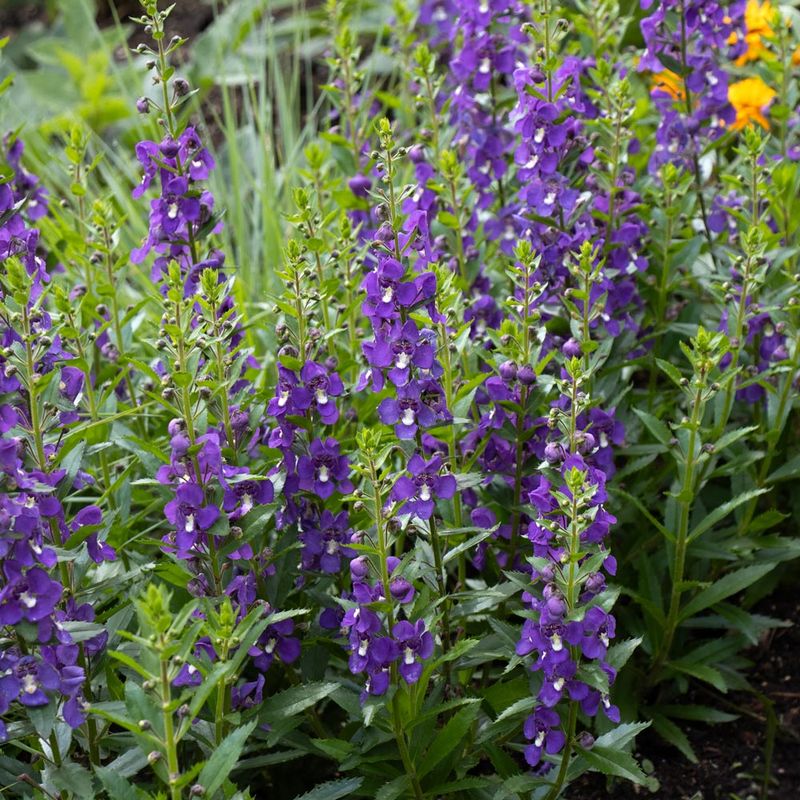
Sometimes called summer snapdragon, angelonia has a look that feels elegant and cottage-garden-inspired, but it behaves more like a tough Florida survivor than a delicate showpiece. Angelonia angustifolia produces slender spikes covered in small orchid-like flowers in shades of purple, pink, white, and bicolor blends.
The blooms carry a faint, sweet scent that makes it even more pleasant near patios or walkways.
What sets angelonia apart from many other spring flowers is its ability to keep blooming without deadheading. The spent flowers simply drop on their own, and new buds open continuously throughout the warm months.
It handles Florida’s heat and humidity with ease, and once established, it needs only moderate watering. Full sun brings out the best bloom production, though it tolerates light afternoon shade.
April is a great time to transplant angelonia starts into beds or containers, as the warming temperatures help it establish quickly. It pairs well with zinnias, pentas, and salvia in mixed plantings, creating layered color that lasts all season.
Fertilizing lightly once a month keeps growth steady without pushing excessive leaf production at the expense of flowers. For low-effort beauty that holds up through Florida’s unpredictable spring weather, angelonia is a dependable and rewarding choice.
8. Cosmos Adds Light Color Without Extra Care
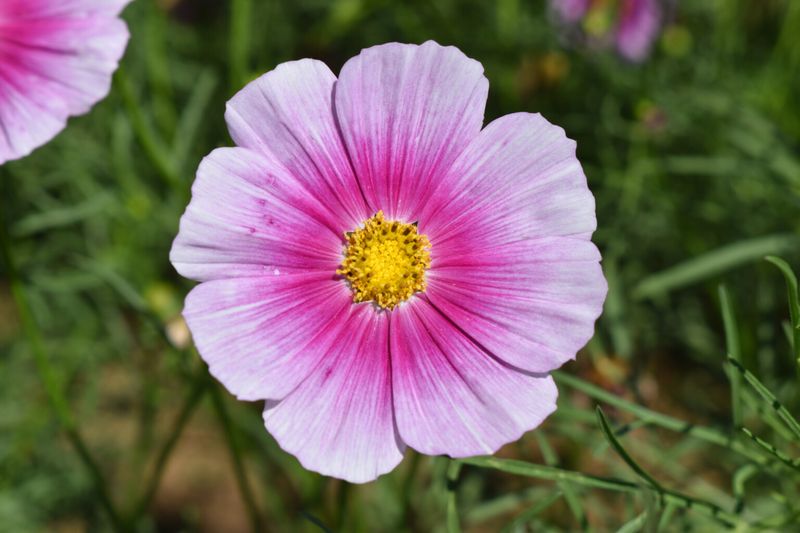
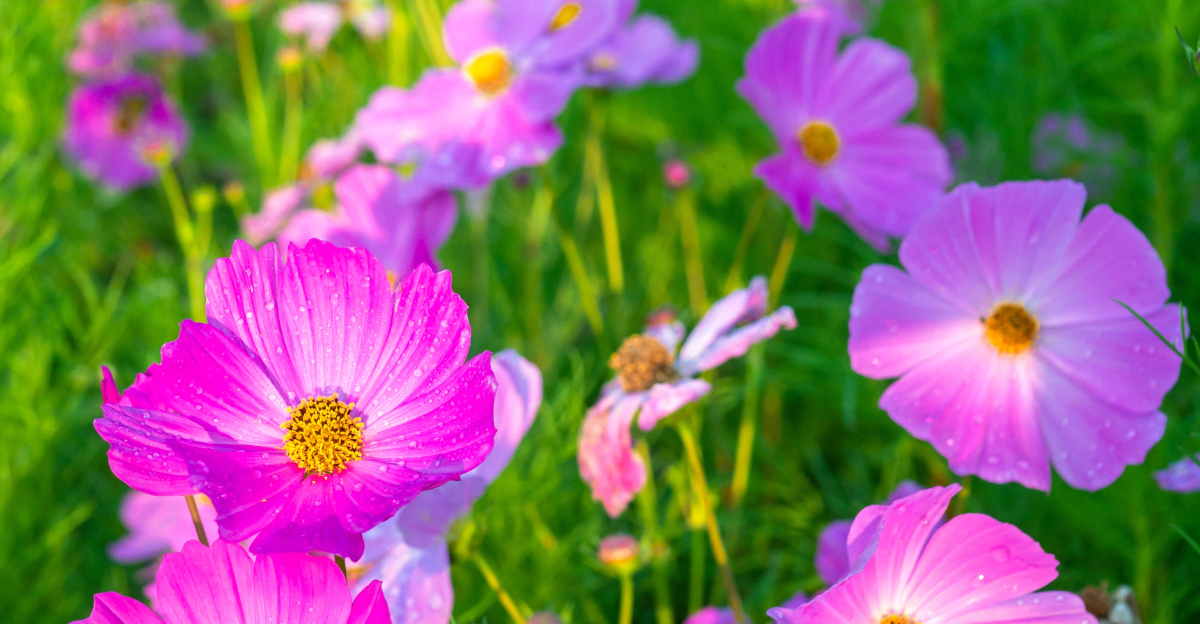
Delicate-looking flowers do not always mean high-maintenance plants, and cosmos is proof of that. Cosmos spp. produces lacy, ferny foliage topped with daisy-like blooms in shades of pink, white, magenta, and bicolor patterns.
The overall effect feels light and whimsical, like a cottage garden that assembled itself without any planning.
One of the most appealing things about cosmos for Florida gardeners is that it actually prefers poor soil. Adding too much fertilizer or planting it in overly rich beds causes the plants to grow tall and leafy with fewer flowers.
Sandy Florida soil suits it perfectly, and it handles heat well once established. Direct sowing seeds in April works beautifully because the soil temperature is ideal for quick germination.
Cosmos needs full sun and moderate watering while young, then becomes fairly drought-tolerant as it matures. It self-seeds readily, which means a single planting can return the following season without any effort on your part.
The flowers attract butterflies and beneficial insects, and they make excellent cut flowers for indoor arrangements. In North Florida, cosmos may struggle in the deepest summer heat, but spring and early fall planting windows give it the best conditions to shine with almost no extra attention required.
9. Blue Daze Spreads Soft Color With Minimal Attention
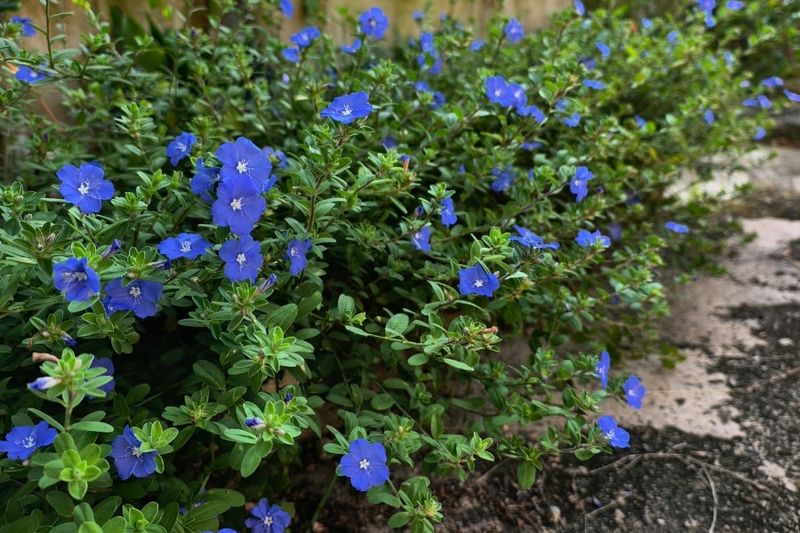
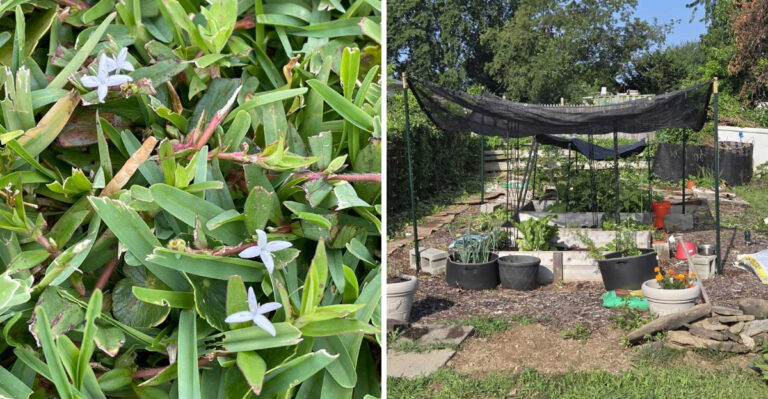
That soft, powdery blue color spreading across a garden bed in April is likely blue daze, and once you plant it, you will wonder why you waited so long. Evolvulus glomeratus is a Florida-friendly groundcover that produces small but vivid sky-blue flowers nearly every day of the growing season.
The contrast between the silvery-green foliage and the bright blue blooms is genuinely striking in a sunny garden bed.
Blue daze loves full sun and warm temperatures, which makes April the perfect time to get it established before summer heat arrives. It spreads steadily without becoming aggressive, filling in spaces between other plants or covering slopes and borders with low, tidy growth.
Watering needs are moderate, and the plant handles short dry spells reasonably well once it has settled in.
Soil drainage is important because blue daze does not tolerate soggy roots. Sandy or amended soil with good drainage keeps it healthy and blooming consistently.
It performs well across all parts of Florida, though it may behave as an annual in the northern regions after cold winters. Light trimming occasionally helps maintain a compact shape, but even without regular pruning, blue daze stays attractive and productive with very little gardening input required throughout the season.
10. Calibrachoa Fills Containers Without Constant Upkeep
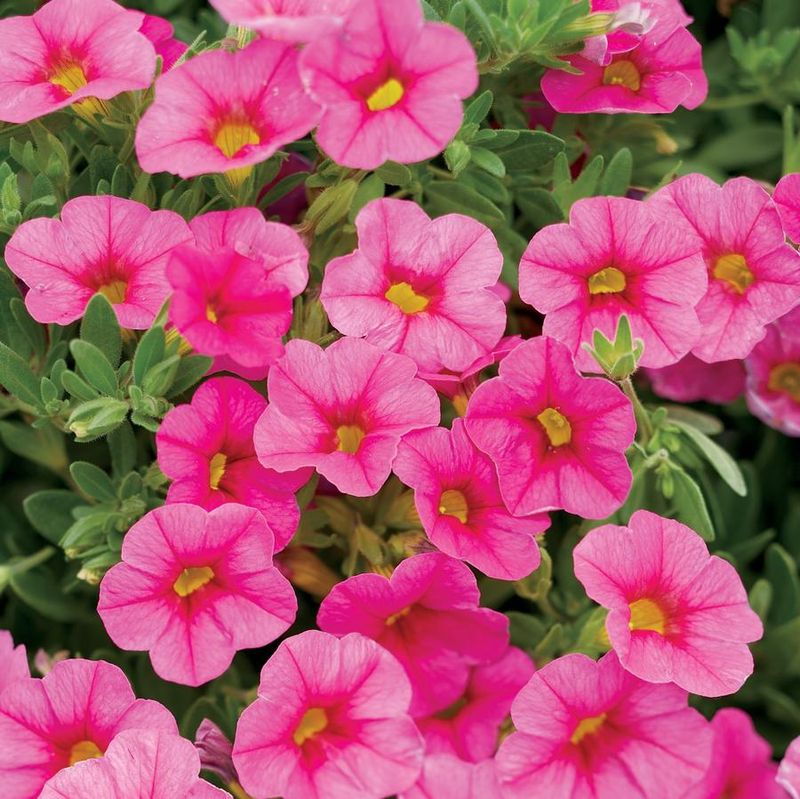
Container gardening in Florida can be tricky because the combination of heat, intense sun, and fast-drying soil stresses many plants quickly. Calibrachoa hybrids, sometimes called million bells, are one of the best solutions for Florida gardeners who want containers overflowing with color without checking on them multiple times a day.
The tiny, petunia-like flowers bloom in incredible numbers and come in nearly every color available in the flower world.
April is the sweet spot for planting calibrachoa in Florida containers because the temperatures are warm but not yet punishing. The plants establish quickly and begin flowering heavily within a short time.
They need full sun for best bloom production and regular watering since containers dry out faster than ground beds, but they do not require the kind of constant attention that more demanding container plants demand.
Unlike traditional petunias, calibrachoa does not need deadheading because spent flowers drop on their own and new buds open continuously. A slow-release fertilizer mixed into the potting soil at planting time provides steady nutrition for weeks.
Refreshing the fertilizer about midway through the season keeps the blooms coming strong. For patios, front entrances, hanging baskets, or any container spot that needs reliable, long-lasting color, calibrachoa is a genuinely hard-working and beautiful Florida-friendly choice.