What Western North Carolina Gardeners Should Prune After Spring Bloom Ends
There is always that moment when spring flowers start fading and gardeners wonder what to do next. In western North Carolina, that decision matters more than it might seem at first glance.
Pruning at the wrong time can cut off next year’s blooms without any warning. It happens more often than people expect, especially with shrubs and trees that set buds earlier than most realize.
What looks like a simple cleanup job can quietly change how a plant performs for the rest of the year.
At the same time, leaving everything untouched is not always the best move either. Some plants benefit from shaping right after they finish blooming, helping them stay fuller and healthier going into summer.
Knowing which plants respond well to early pruning and which ones should be left alone can make a noticeable difference. That timing window does not stay open long, and it is easier to miss than most gardeners think.
1. Forsythia For A Fresh New Shape
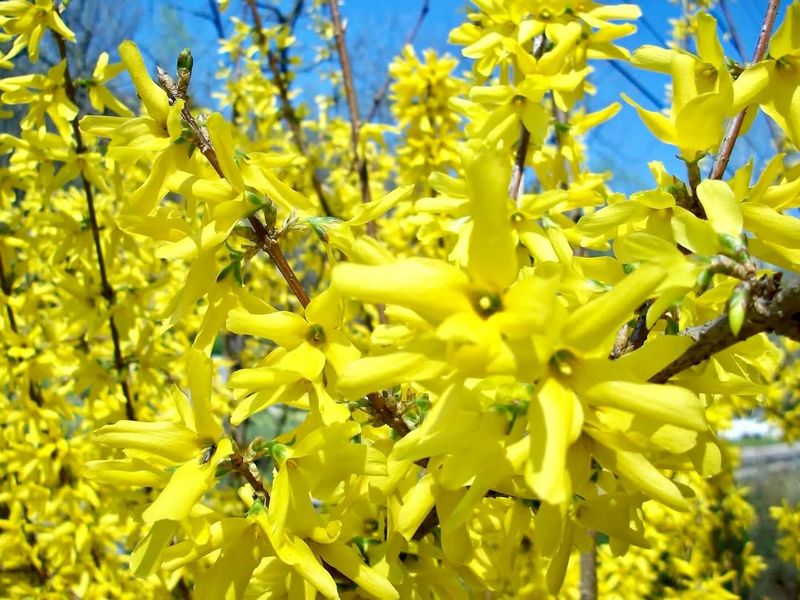
Few sights in Western North Carolina signal the arrival of spring quite like a forsythia exploding into a cloud of brilliant yellow blooms. Those cheerful flowers are hard to miss, and they show up even before the leaves do, which makes forsythia one of the earliest signs that winter is truly over.
Once those yellow blossoms drop, however, your window for pruning opens right away.
Forsythia blooms on old wood, meaning the flower buds for next spring are already forming on this year’s new growth shortly after blooming ends. If you wait until fall or winter to prune, you will be cutting off the very buds that would have given you that gorgeous yellow display.
Timing really is everything with this shrub.
In Western North Carolina, the best approach is to prune forsythia soon after the flowers fade, ideally before new buds begin forming for next year. Remove up to one-third of the oldest, thickest stems at ground level to encourage fresh, vigorous new growth.
This technique, called renewal pruning, keeps the plant from getting too woody and crowded over time.
Light shaping cuts can also be made to control the size and spread of the shrub. Forsythia can grow quite large if left unchecked, sometimes reaching eight to ten feet tall.
Regular post-bloom pruning keeps it manageable and encourages the dense, arching branches that produce the most flowers each spring season.
2. Spiraea To Keep Blooms Coming Strong
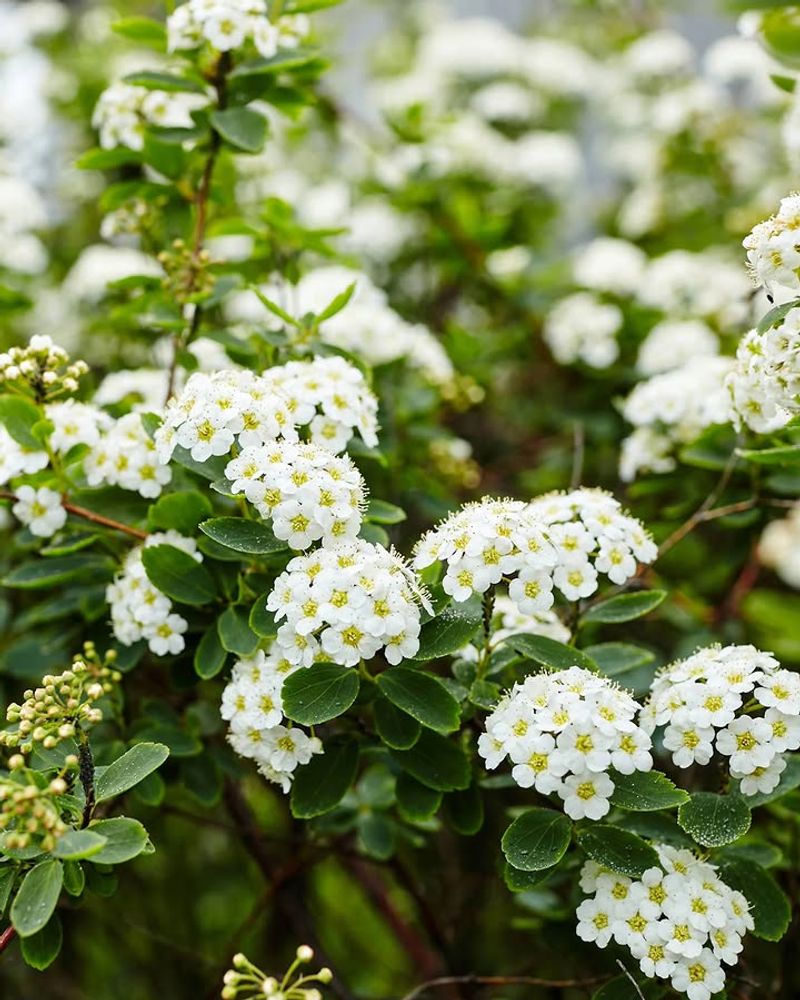
Bridal wreath spiraea is practically a classic in Western North Carolina landscapes, and it is easy to see why. Those long, graceful arching branches covered in tiny white flower clusters look almost like something out of a fairy tale.
Gardeners from Waynesville to Hendersonville have been planting spiraea for generations, and proper pruning keeps these beloved shrubs looking their best year after year.
Spring-blooming spiraea varieties, including the popular bridal wreath type, set their buds on old wood from the previous season. That means pruning must happen right after blooming ends, not in late summer or fall.
Your North Carolina Garden Changes Every Week. Your Plan Should Too.
Gardening in North Carolina changes quickly throughout the season. Every Friday you’ll receive a simple weekly plan showing exactly what to plant, prune, fertilize, harvest, and protect so you never miss the right timing.
Waiting too long means you will snip off next year’s flower buds without even realizing it.
The best method for spiraea is renewal pruning, where you remove the oldest, most woody stems at the base of the plant. Aim to cut out about one-third of the oldest canes each year.
Over three years, you will have completely refreshed the shrub with vigorous new growth that produces far more blooms.
You can also lightly trim the outer branches to maintain the plant’s natural shape after you finish the renewal cuts. Avoid shearing spiraea into a tight ball shape, since that removes many of the flowering branches and looks unnatural.
Letting it keep its flowing, arching form shows off the plant’s best features and rewards you with a spectacular display the following spring in your Western North Carolina garden.
3. Flowering Quince For Better Growth Next Year
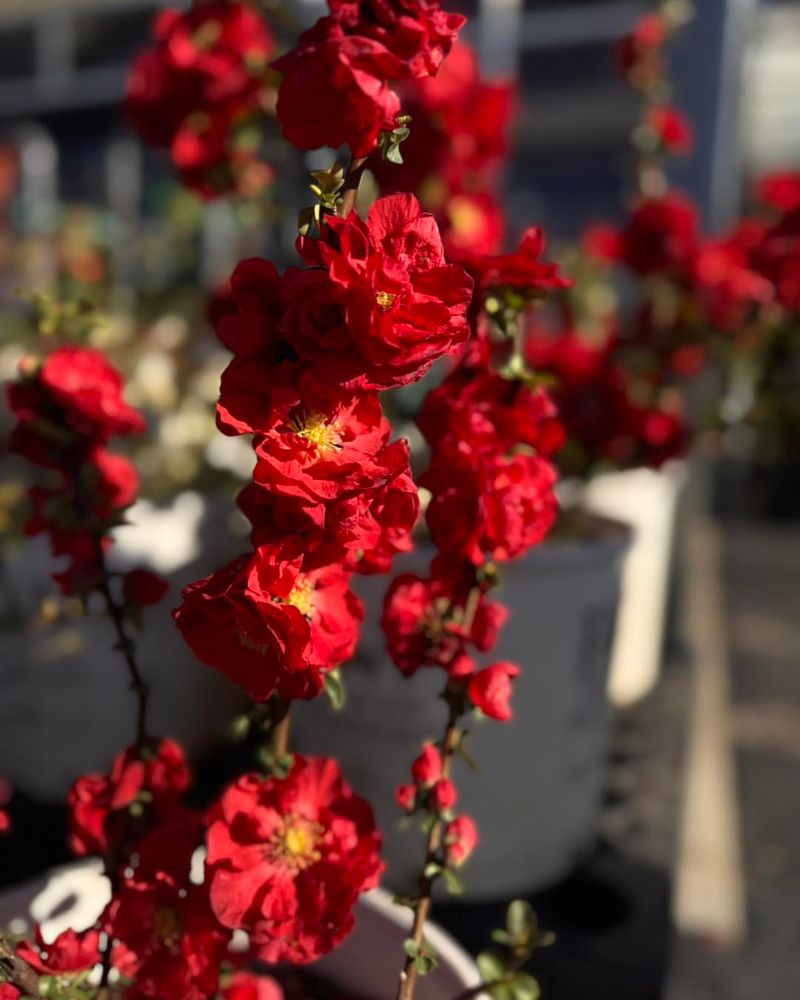
Flowering quince is one of those tough, no-nonsense shrubs that Western North Carolina gardeners genuinely appreciate. It blooms early, handles cold mountain winters without complaint, and produces some of the most vivid red, orange, or pink flowers you will see in any spring landscape.
The blooms often appear before the leaves, making the color pop even more against bare branches.
Pruning flowering quince at the right time keeps it shapely and productive. Since it blooms on old wood, pruning should happen as soon as the flowers finish, typically in late April or early May in most parts of Western North Carolina.
Waiting until summer or fall means cutting into the buds that are already forming for next year.
One thing to keep in mind is that flowering quince has thorns, so thick gloves are a smart choice before you start cutting. Remove crossing or rubbing branches first, then take out any damaged or weakened wood.
After that, selectively remove the oldest, most crowded stems to open up the center of the plant and allow better airflow.
Flowering quince can also be lightly shaped after bloom to keep it from spreading too wide into walkways or neighboring plants. It responds well to pruning and will push out strong new growth quickly.
With a little attention each spring, this shrub stays healthy, well-shaped, and ready to put on another brilliant show the following season across Western North Carolina landscapes.
4. Deutzia That Benefits From Light Shaping
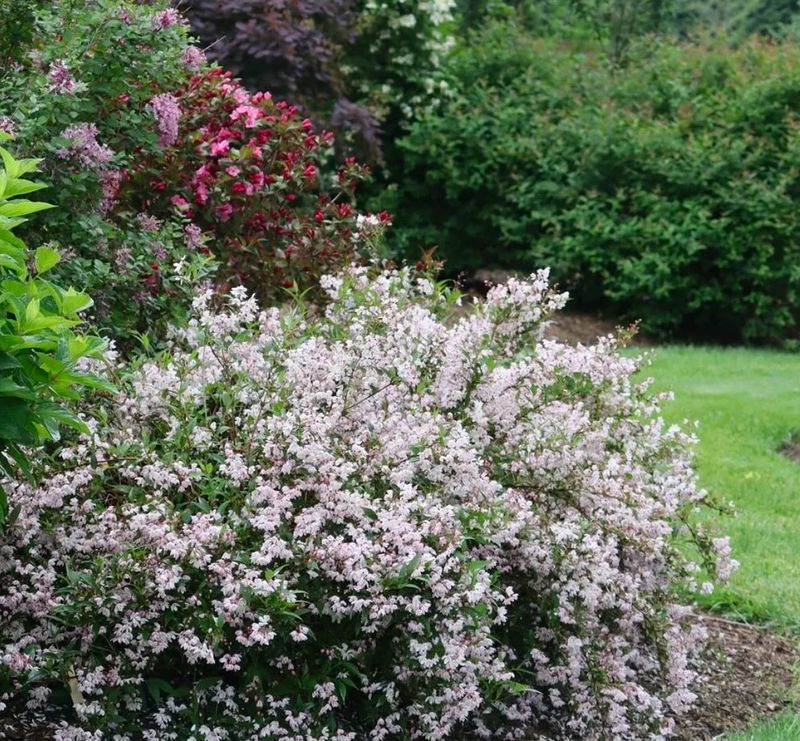
Not every gardener in Western North Carolina has heard of deutzia, but those who grow it tend to be loyal fans. This shrub puts on a stunning show of delicate white or pink flower clusters in spring, and it does so reliably year after year with very little fuss.
It is a bit of a hidden gem in the mountain garden world.
Deutzia blooms on old wood, just like many other spring-flowering shrubs in this region. That makes post-bloom pruning absolutely critical if you want a repeat performance next year.
The window for pruning is short, ideally within a few weeks of the flowers fading, so keep an eye on your plant as spring progresses into early summer.
When pruning deutzia, start by removing any stems that appear weak, damaged, or crossing over others. Then remove about one-third of the oldest, woodiest canes right down to the ground.
This renewal approach encourages the plant to produce strong new shoots that will carry next year’s flower buds.
Deutzia tends to get leggy and open in the center if it is never pruned, so regular post-bloom trimming really does make a visible difference in the plant’s overall shape and density. In Western North Carolina’s climate, where warm springs transition into humid summers, good airflow through the center of the shrub also helps reduce fungal issues.
A little pruning goes a long way toward keeping deutzia both beautiful and healthy throughout the growing season.
5. Lilac For Fuller Future Blooms
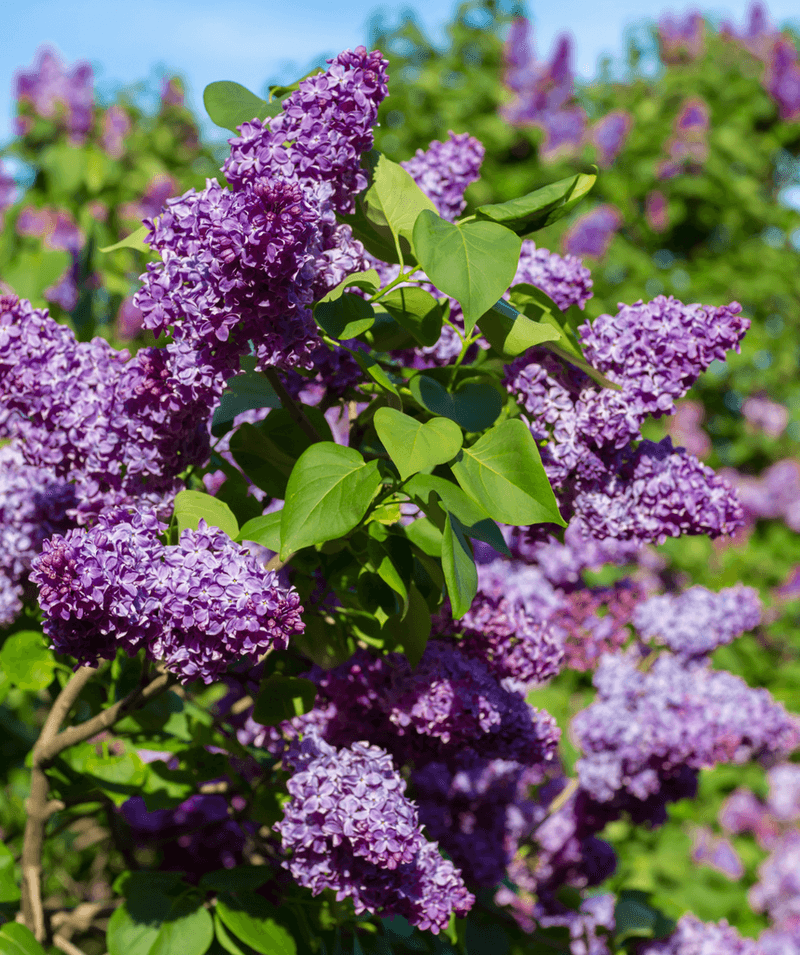
There is something almost nostalgic about the scent of lilacs drifting through the air on a warm spring morning in Western North Carolina. These beloved shrubs have been planted in mountain gardens for well over a century, and their fragrant purple, white, or pink flower clusters are among the most recognizable signs of the season.
Keeping lilacs healthy and blooming well requires pruning at exactly the right time.
Lilacs set their flower buds on old wood during the summer months after blooming, which means any pruning done in late summer, fall, or winter will remove those buds. The ideal time to prune in Western North Carolina is immediately after the flowers fade, usually in May.
Deadheading the spent flower clusters right away also encourages the plant to put its energy into new growth rather than seed production.
For established lilacs, renewal pruning is the most effective long-term strategy. Each year after bloom, remove a few of the oldest, thickest stems at the base of the plant.
Over several years, you will gradually replace the older wood with vigorous new growth that produces more flowers and has a better natural shape.
Young lilacs need very little pruning beyond removing damaged or crossing branches.Avoid the temptation to heavily shear a lilac into a formal shape, since that approach removes most of the flowering wood. Keeping the pruning light and purposeful ensures your Western North Carolina lilac stays fragrant, full, and absolutely stunning each spring for many years ahead.
6. Viburnum To Maintain Natural Form
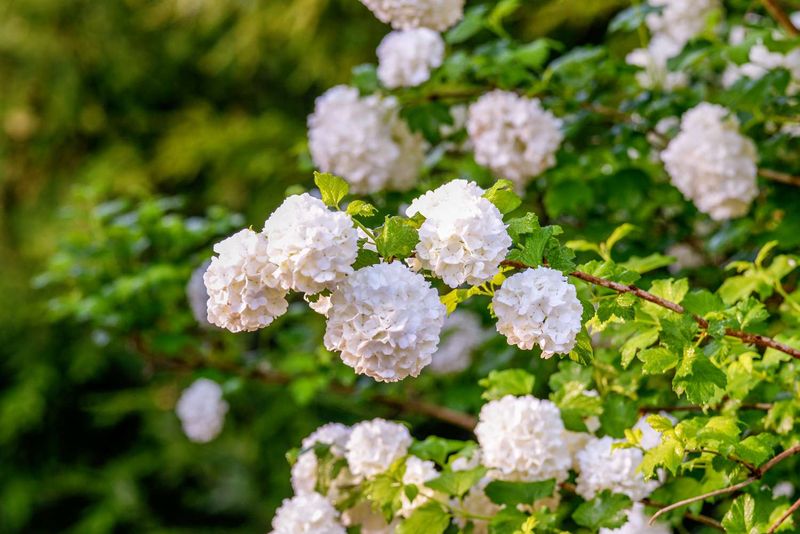
With dozens of species and varieties available, viburnums offer something for nearly every garden style, from the snowball-like flower clusters of Chinese snowball viburnum to the fragrant white blooms of Koreanspice viburnum. Many of the most popular spring-blooming types need post-bloom pruning to stay in top shape.
Spring-blooming viburnums set their flower buds on old wood from the previous season. Pruning them right after flowering ends preserves those developing buds for the following year.
In Western North Carolina, that timing usually falls in late April through May, depending on the specific variety and the elevation of your garden.
Start your viburnum pruning by removing any damaged or crossing branches first. Then selectively thin out older stems to improve airflow and light penetration through the center of the shrub.
Unlike some other spring bloomers, most viburnums do not need aggressive renewal pruning every year, so a lighter touch works well for maintaining their natural form.
One of the great rewards of growing viburnum in Western North Carolina is the wildlife value these shrubs provide. After the flowers fade and you complete your pruning, the plants often produce colorful berries that attract birds throughout the fall and winter.
By pruning at the right time, you protect both next year’s blooms and the berry crop that follows, making viburnum one of the most rewarding choices for any mountain garden.
7. Spring-Blooming Shrub Roses For Healthier Growth
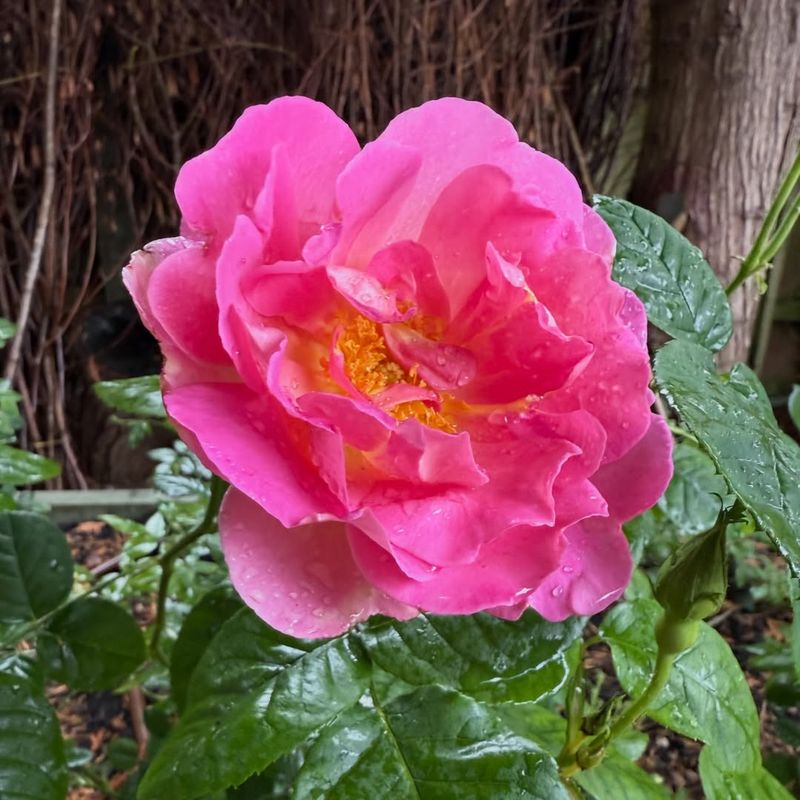
Old-fashioned spring-blooming shrub roses have a romance to them that modern roses sometimes miss. Varieties like Lady Banks rose and other once-blooming types produce a glorious flush of flowers in spring, then spend the rest of the season building strength for the following year.
Growing them in Western North Carolina is a real treat, especially in the warmer valleys where they can spread freely.
Unlike repeat-blooming roses, spring-blooming shrub roses set their flower buds on old wood. That critical difference means you should never prune them in late winter the way you would a hybrid tea rose.
Instead, wait until the spring bloom has fully finished before picking up your pruning tools.
Once the flowers have faded, light pruning can be done to shape the plant and remove any damaged or weak canes. For larger, more established shrub roses that have grown out of bounds, more significant cutting back can happen right after bloom as well.
Just be sure to leave plenty of healthy new growth in place, since that new wood is what will carry next spring’s flower buds.
In Western North Carolina’s mountain climate, shrub roses also benefit from good airflow through the center of the plant, which helps reduce common fungal problems like black spot. Removing crossing canes and thinning the interior after bloom improves both the health and the appearance of the plant.
With the right post-bloom pruning routine, these classic roses will reward you with a breathtaking spring display year after year.
8. Azaleas To Set Up Next Year’s Show
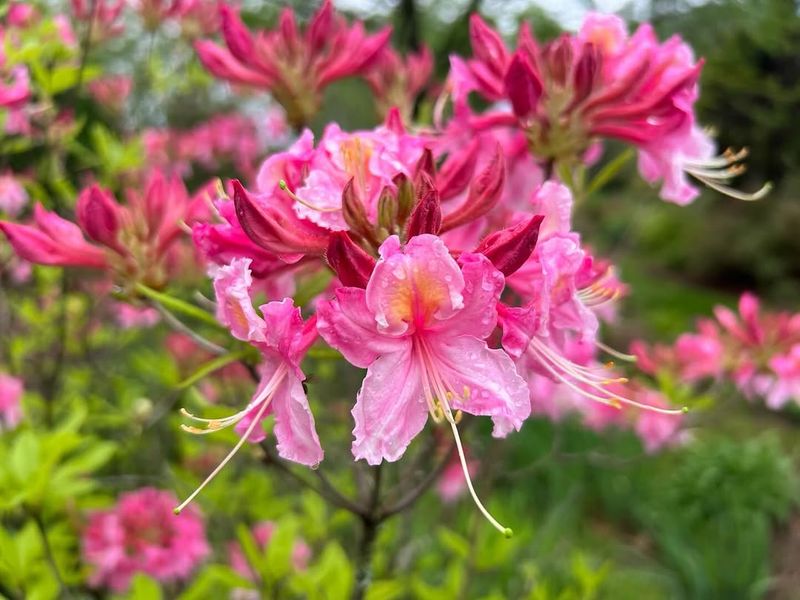
Walk through almost any neighborhood in Western North Carolina during spring and you are almost guaranteed to see azaleas putting on a spectacular show. From soft pinks and whites to deep purples and electric reds, these shrubs are a cornerstone of mountain gardening culture.
They look effortless, but a little well-timed pruning after bloom makes a huge difference in how they perform the following year.
Azaleas form next year’s flower buds surprisingly quickly after their spring blooms fade, sometimes within just a few weeks. That means the pruning window is short and specific.
In Western North Carolina, most azaleas finish blooming by late April or May, and pruning should be completed as soon as possible after flowering to avoid cutting into newly formed buds.
Light shaping cuts work well for most azaleas that are growing at a reasonable size. Remove any damaged or crossing branches first, then trim back any stems that are sticking out awkwardly from the plant’s natural shape.
Avoid shearing azaleas into tight geometric forms, since that style of pruning removes most of the flowering wood and leaves the plant looking unnatural.
For overgrown azaleas that have gotten leggy or too large for their spot, a more significant renewal pruning can be done right after bloom. Cutting older stems back hard encourages fresh new growth from the base.
Western North Carolina’s humid, mild summers give azaleas plenty of time to push out strong new shoots before fall, setting the stage for a gorgeous spring bloom the following season.