What Your Oregon Hydrangeas Need In April For A Better Summer Show
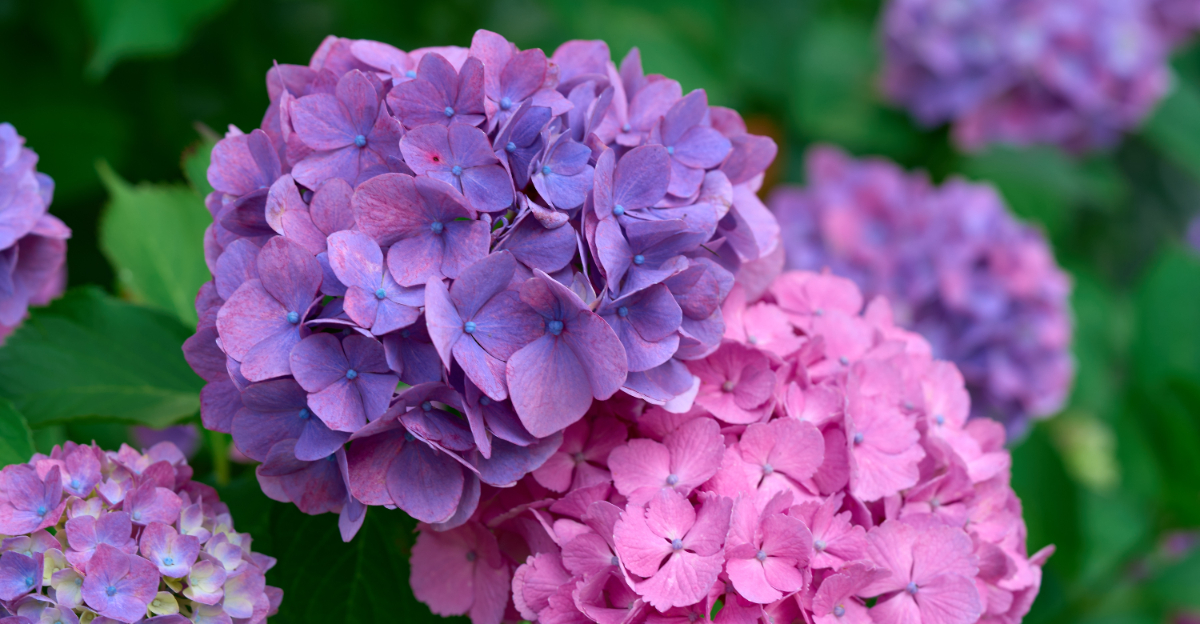
April can be a little dramatic for hydrangeas in Oregon. One week they look half asleep, the next they are pushing out buds like they have big summer plans.
That is why this month matters so much. What you do now can help set up stronger stems, healthier leaves, and the kind of bloom show that makes the whole yard feel more alive.
It is also the point where a lot of gardeners get a bit too enthusiastic. The pruners come out, the fertilizer gets tossed around, and suddenly a shrub that was gearing up for greatness is stuck trying to recover.
Oregon spring does not exactly make things simple either. Mild afternoons, chilly mornings, soggy soil, and surprise cold snaps can keep hydrangeas guessing.
A few well-timed April moves can help them settle in, hold onto their flower buds, and build toward a summer display that looks lush, colorful, and fully worth the wait.
1. Feed Lightly In Spring
Spring feeding gives your hydrangeas the energy boost they need after a long Oregon winter. But there is a right way and a wrong way to fertilize in April.
Going too heavy too fast can actually work against you.
A balanced, slow-release fertilizer with equal parts nitrogen, phosphorus, and potassium works best. Look for something labeled 10-10-10 or similar.
Sprinkle it lightly around the base of the plant, keeping it a few inches away from the stems. Water it in well after applying.
Slow-release formulas are great because they feed the plant gradually over several weeks. That steady supply of nutrients encourages healthy root development and strong stem growth.
Roots that grow well in spring support bigger and more vibrant blooms later in summer.
Oregon soils can vary a lot depending on where you live. Some areas have naturally rich soil, while others may be more sandy or clay-heavy.
A simple soil test from your local garden center can tell you exactly what your hydrangeas are missing. Starting the growing season with the right nutrients makes everything that follows much easier and more rewarding.
2. Keep Soil Evenly Moist
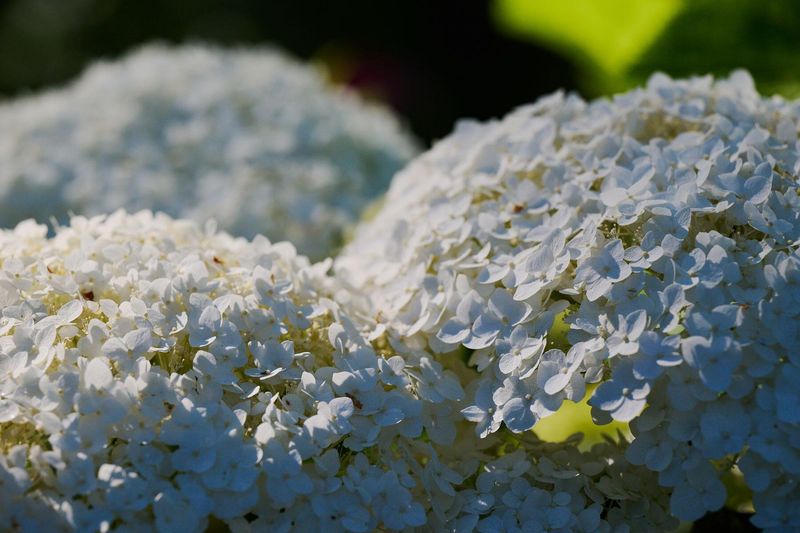
Hydrangeas are practically famous for their love of water. The name itself comes from the Greek word for water vessel, which tells you everything you need to know about how thirsty these plants can be.
In Oregon, April usually brings plenty of rainfall, but that does not mean you can forget about watering. Some weeks are drier than others, especially in the Willamette Valley and southern Oregon.
Check the soil regularly by pressing your finger about an inch deep. If it feels dry, it is time to water.
The goal is to keep the soil consistently moist but never soggy. Too much standing water can lead to root rot, which weakens the plant over time.
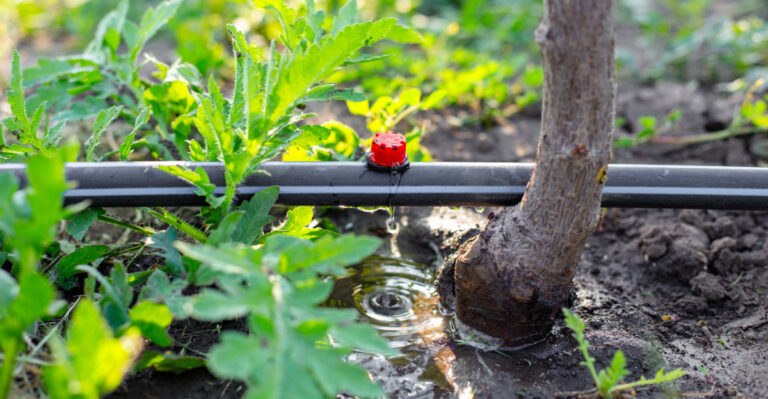
Water deeply once or twice a week rather than giving shallow, frequent sprinkles. Deep watering encourages roots to grow further down into the soil.
Morning watering is ideal because it gives leaves time to dry before evening. Wet foliage sitting overnight can invite fungal problems.
Your Oregon Garden Changes Every Week. Your Plan Should Too.
Gardening in Oregon changes quickly throughout the season. Every Friday you’ll receive a simple weekly plan showing exactly what to plant, prune, fertilize, harvest, and protect so you never miss the right timing.
Using a soaker hose or watering at the base of the plant keeps moisture where it belongs and helps your hydrangeas stay strong heading into summer.
3. Refresh Mulch In April
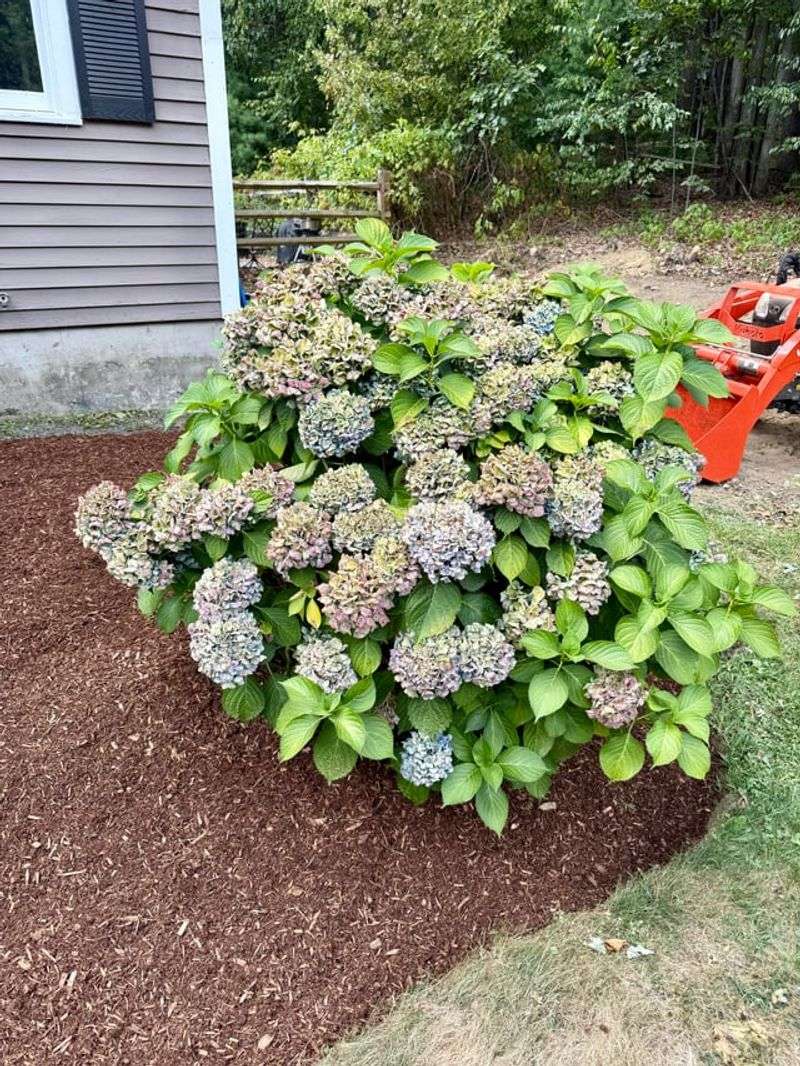
Mulch is one of the most underrated tools in any Oregon gardener’s toolkit. A fresh layer applied in April does several important jobs at once, and your hydrangeas will thank you for it all summer long.
Start by pulling back any old mulch from last year. Check for mold, pests, or compaction.
Then add a fresh two to three inch layer of organic material around the base of each plant. Shredded bark, wood chips, and leaf mold are all excellent choices that work well in Oregon’s climate.
Fresh mulch helps the soil hold onto moisture, which is especially helpful during the drier stretches that can pop up even in spring. It also keeps the soil temperature more stable, protecting roots from sudden cold snaps that are not uncommon in Oregon in April.
One important tip is to keep the mulch a few inches away from the stems. Mulch piled directly against the base can trap too much moisture and encourage rot.
Spread it in a wide ring instead, like a donut around the plant. This simple habit protects the roots while keeping the base of the plant dry and healthy through the growing season.
4. Prune By Type, Not By Habit
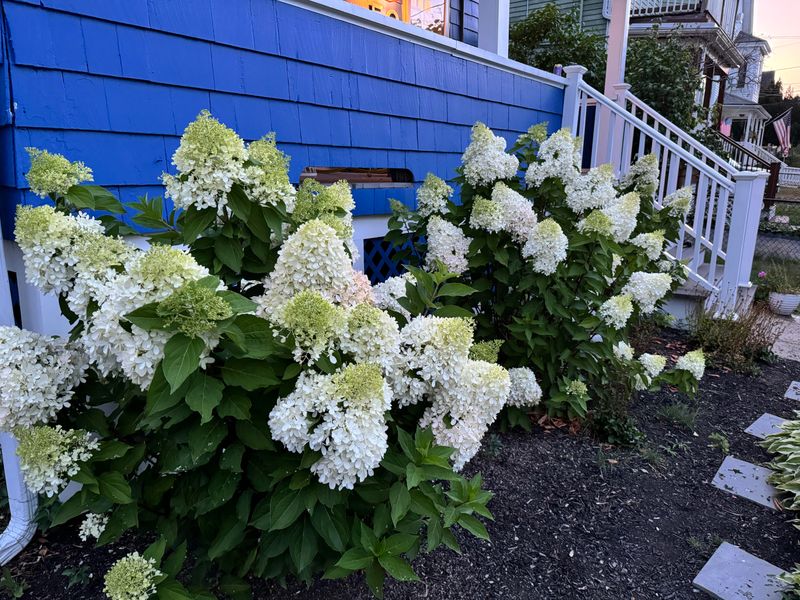
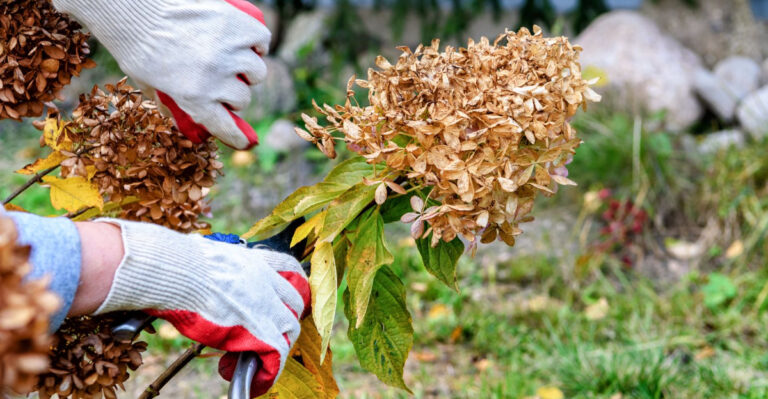
Grabbing your pruning shears every April and cutting back your hydrangeas without thinking twice is one of the most common mistakes Oregon gardeners make. Pruning the wrong type at the wrong time can wipe out your entire summer bloom season.
The key is knowing whether your hydrangea blooms on old wood or new wood. Mophead, lacecap, and oakleaf varieties set their flower buds on last year’s growth.
Cutting those stems in April removes the buds before they ever get a chance to open. These types should only be pruned right after they finish blooming in late summer.
Panicle hydrangeas, like Limelight, and smooth hydrangeas, like Annabelle, bloom on new wood. These are the ones that actually benefit from an April trim.
Cutting them back by about one-third encourages strong, vigorous new growth that will carry plenty of blooms by summer.
If you are not sure what type you have, take a cutting or a photo to your local Oregon nursery. Most staff can identify it quickly.
Getting this one detail right can completely transform how your hydrangeas perform from one season to the next. Smart pruning beats habitual pruning every single time.
5. Remove Winter Damage
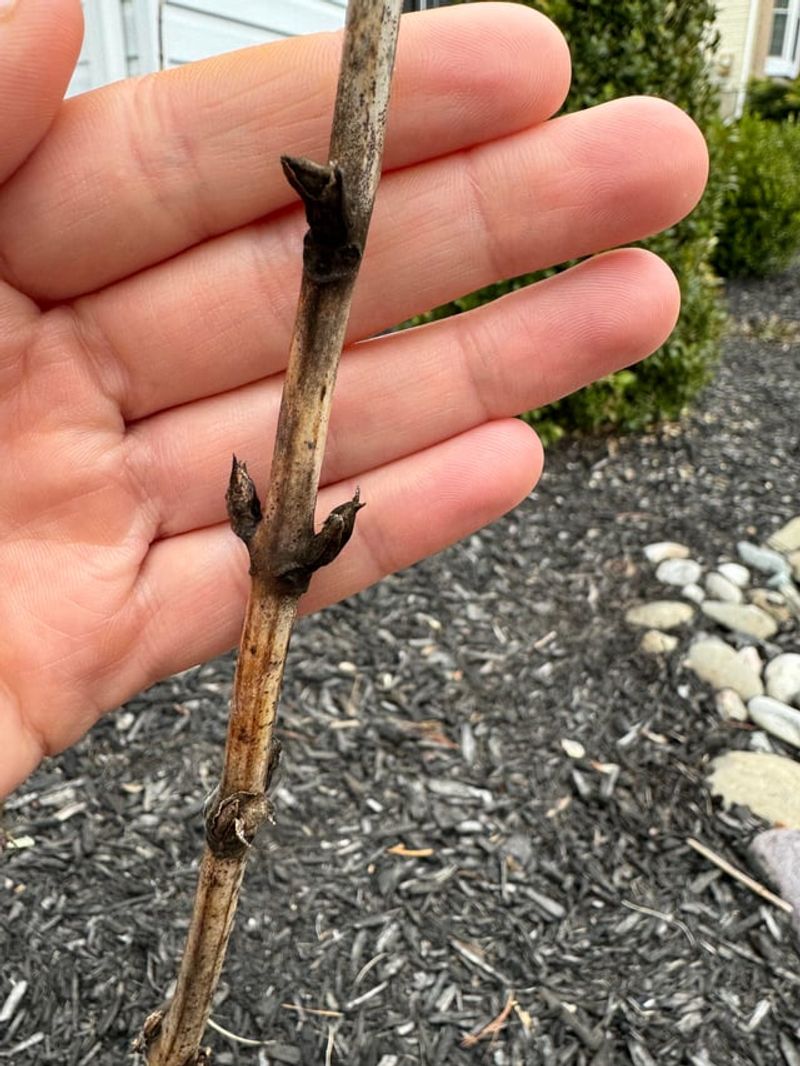
Oregon winters can be surprisingly rough on hydrangeas, especially in areas east of the Cascades where temperatures drop harder and stay low longer. April is the right time to walk through your garden and assess what winter left behind.
Look for stems that are brown, brittle, or hollow. Scratch the bark gently with your fingernail.
Green underneath means the stem is alive and worth keeping. Brown or tan underneath means it did not survive the cold and should be removed.
Clean cuts with sharp, sanitized pruners help the plant heal faster.
Do not rush this process. Sometimes stems that look dead on the outside are just slow to wake up.
Give your plants until mid-April before making final decisions on borderline stems. Oregon springs can be unpredictable, and a stem that looks lifeless in early April might surprise you with new growth by the end of the month.
Removing dead and damaged wood is not just about looks. It also improves airflow through the plant, which reduces the chance of fungal disease later in the season.
Clearing out the old growth gives new shoots plenty of room to grow strong and reach toward the summer sun without competition from weak or broken branches.
6. Give Them Gentle Sun
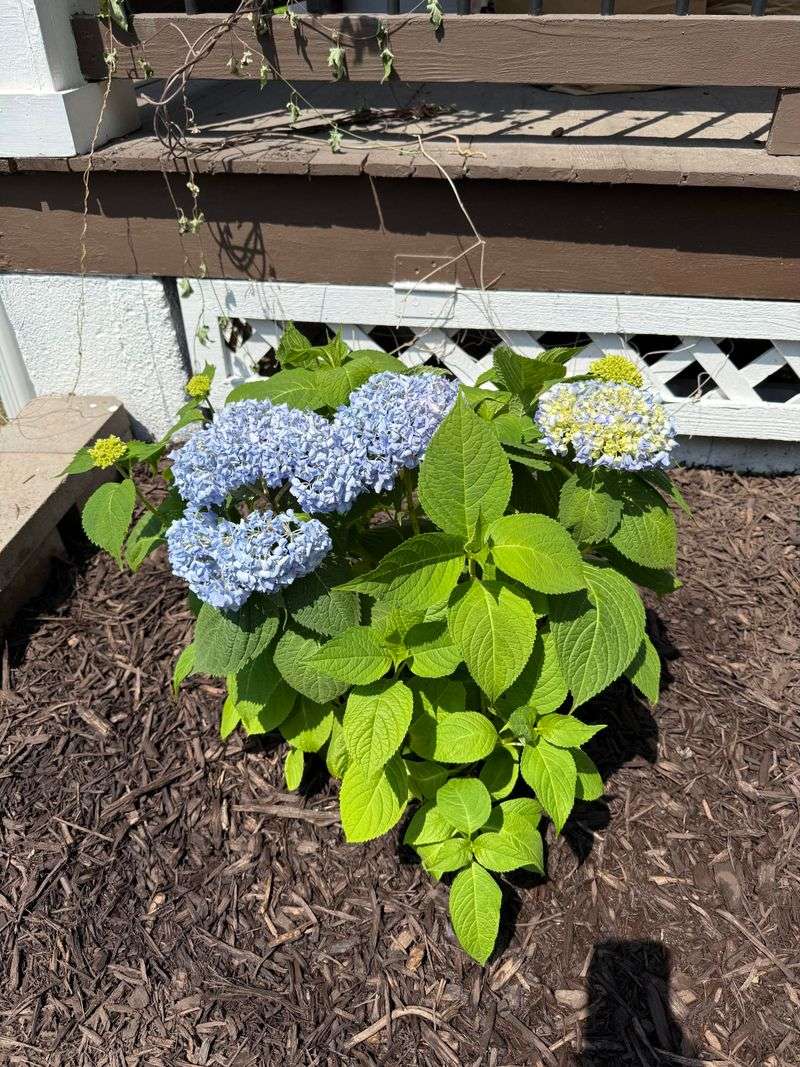
Sunlight is a big deal for hydrangeas, but more is not always better. Finding the right balance in April helps set your plants up for a spectacular summer display without the stress of too much heat or too much shade.
Most hydrangeas in Oregon do best with morning sun and afternoon shade. The gentle morning light encourages healthy growth and bud development.
The shade in the afternoon protects leaves and blooms from scorching, especially during warmer summer days in the Willamette Valley and Rogue Valley.
If your hydrangeas are planted in a spot that gets full afternoon sun all day, you might notice wilting leaves even when the soil is moist. That is a sign the plant is working too hard to stay cool.
Adding a shade cloth during the hottest part of the day or transplanting in fall to a better location can make a real difference.
On the other hand, too much shade leads to leggy plants with few blooms. If your hydrangeas are tucked under dense trees and barely flowering, they are likely not getting enough light.
April is a good time to observe how sunlight moves across your garden and plan any changes before summer arrives in full force.
7. Skip High-Nitrogen Feeding
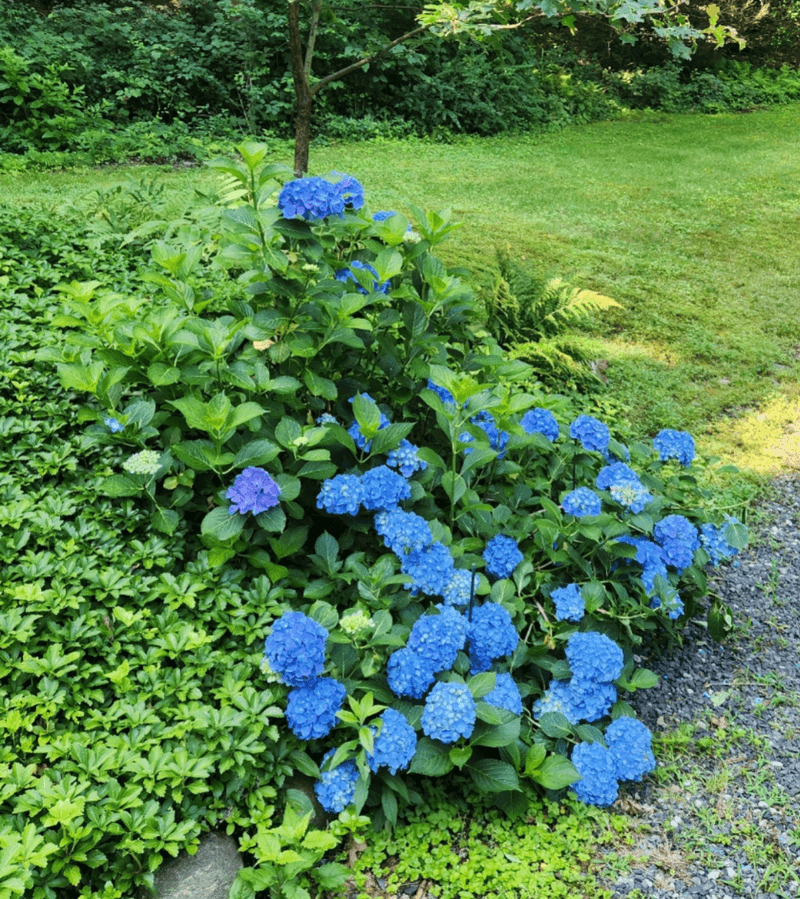
Walk into any garden center in Oregon and you will find plenty of fertilizers with high nitrogen numbers on the label. They are popular for a reason.
Nitrogen makes plants grow fast and green. But for hydrangeas heading into bloom season, high nitrogen is not your friend.
Too much nitrogen in spring pushes the plant to put all its energy into leaves and stems. You end up with a big, leafy shrub that produces very few flowers.
The blooms are what everyone wants to see in summer, so feeding habits that work against flowering are worth avoiding from the start.
Balanced fertilizers with equal or near-equal amounts of nitrogen, phosphorus, and potassium are the smarter choice. Phosphorus plays a key role in flower development, so having enough of it in the mix really matters.
Some gardeners in Oregon also switch to a low-nitrogen, bloom-boosting formula in late spring to encourage even more flower production.
Reading fertilizer labels carefully before buying is a habit that pays off. The three numbers on the package represent nitrogen, phosphorus, and potassium in that order.
Choosing a formula where the first number is not dramatically higher than the other two keeps your hydrangeas focused on what matters most: putting on a gorgeous summer show.
8. Check For Pests Early
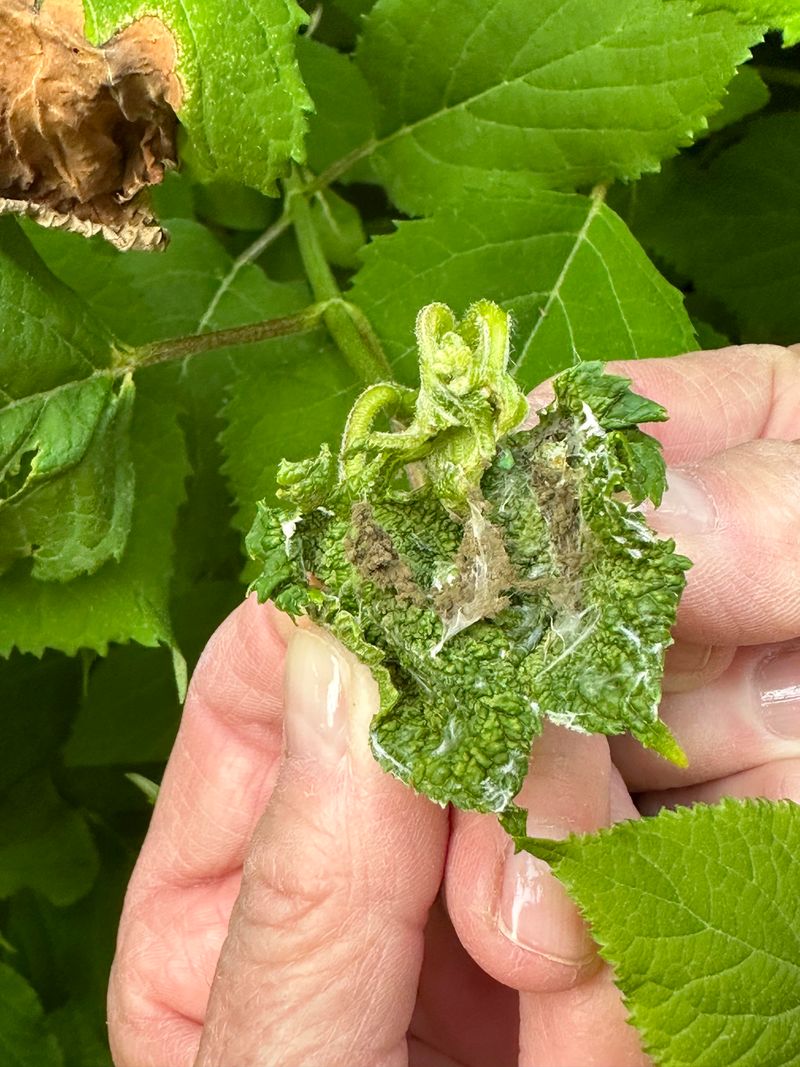
Spring is when pests start waking up right alongside your hydrangeas. Catching problems early in April means you can handle them before they get out of hand and damage the new growth your plants need for summer blooms.
Aphids are one of the most common culprits in Oregon gardens. These tiny insects cluster on new shoots and the undersides of leaves, sucking out plant sap and causing leaves to curl or turn yellow.
A strong blast of water from your garden hose is often enough to knock them off. Repeat as needed over several days.
Slugs and snails also love the moist conditions that Oregon springs deliver so generously. They chew ragged holes in leaves overnight.
Setting out shallow dishes of beer near your plants or sprinkling diatomaceous earth around the base can help keep their numbers down without harsh chemicals.
Powdery mildew is another issue to watch for, especially in areas with cool nights and warm days. It shows up as a white, powdery coating on leaves.
Good airflow around your plants helps prevent it. Removing affected leaves promptly and avoiding overhead watering in the evening goes a long way toward keeping your Oregon hydrangeas healthy and ready to bloom beautifully.
9. Test And Adjust Soil pH
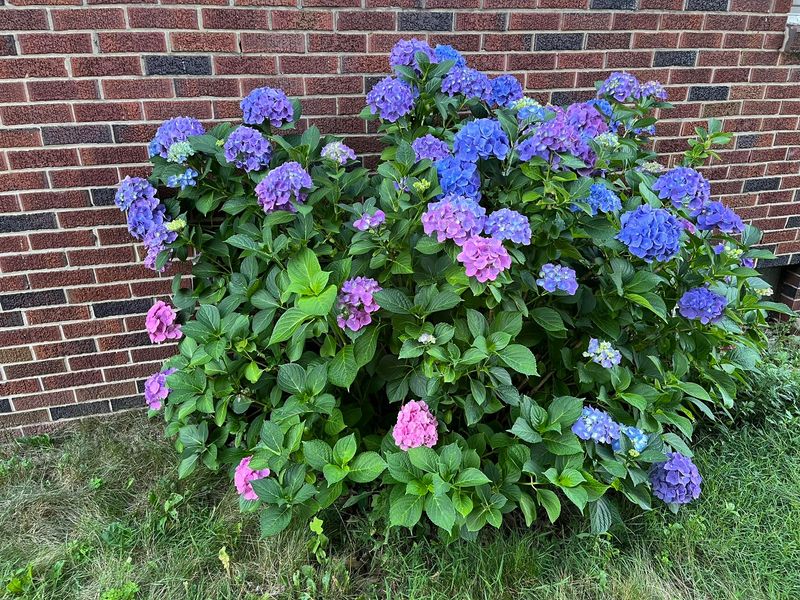
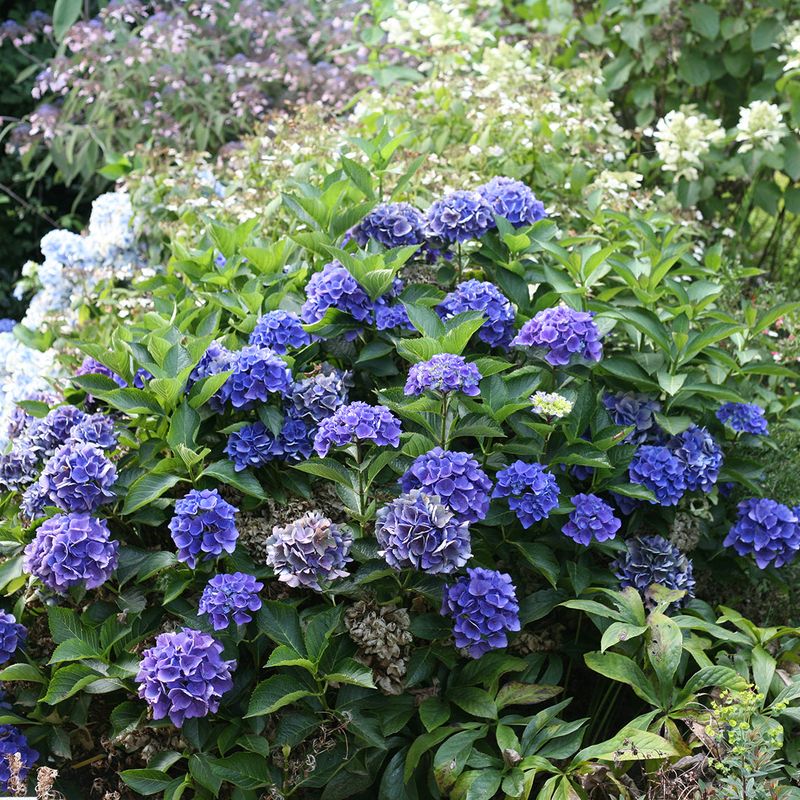
Here is something that surprises a lot of new Oregon gardeners: the color of your hydrangea blooms is not just about the variety you planted. Soil pH actually plays a major role in whether your bigleaf hydrangeas show up blue, pink, or somewhere in between.
Acidic soil with a pH below 6.0 tends to produce blue flowers. Alkaline soil above 6.5 leans toward pink.
Oregon soils are often naturally acidic, especially west of the Cascades, which is why blue hydrangeas are so common in Portland and Eugene gardens. But soil conditions can vary even within a single yard.
Testing your soil in April gives you time to make adjustments before the growing season really picks up. Inexpensive soil test kits are available at most Oregon garden centers.
If you want bluer blooms, add aluminum sulfate to lower the pH. If you prefer pink, add garden lime to raise it.
Make changes gradually to avoid shocking the plant.
Beyond bloom color, getting pH right also affects how well your hydrangeas absorb nutrients from the soil. Even a well-fed plant can struggle if the pH is off because nutrients become locked up and unavailable.
A balanced pH means a healthier plant that performs its best when summer arrives.