How Michigan Gardeners Use Laundry Baskets To Grow Fruits And Vegetables
Michigan gardeners know better than most that growing your own food comes with a unique set of hurdles.
From wrestling with heavy clay soil and dodging unpredictable spring frosts to managing short growing windows and limited patio space, finding flexible solutions is a must.
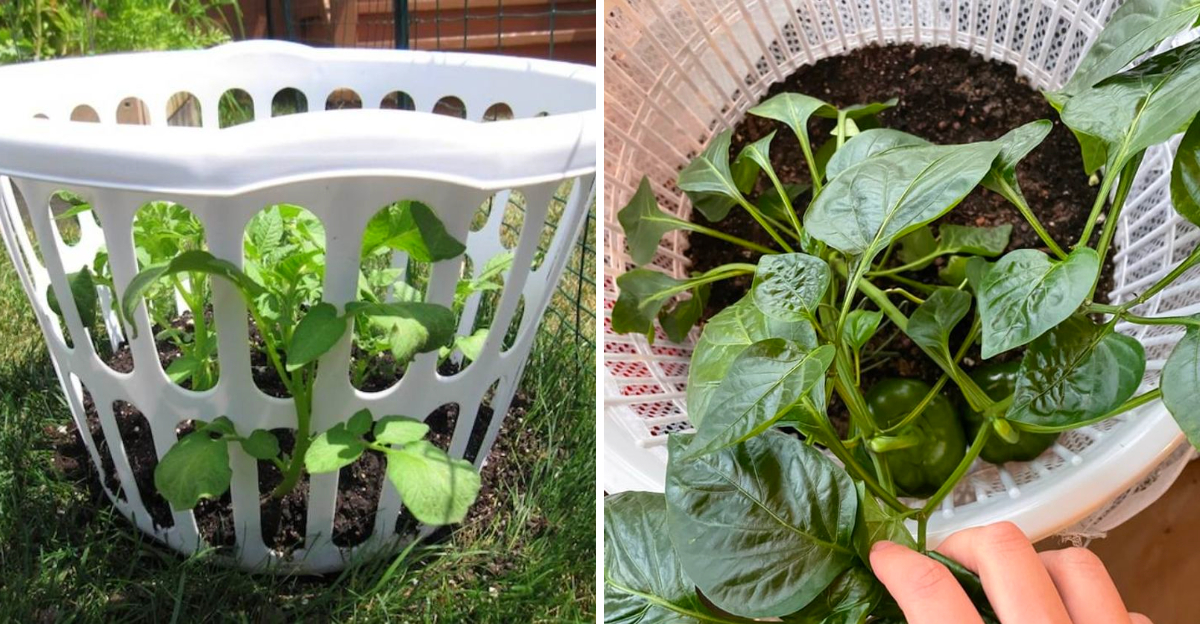
That is exactly why the humble laundry basket has quietly become a go-to container for home growers across the state.
These baskets offer built-in drainage and portability at a fraction of the cost of traditional planters.
Whether you have a small backyard in Grand Rapids or a sunny balcony in Detroit, this simple “hack” gives you total control over soil quality and plant placement all season long.
1. Laundry Baskets Work Well For Growing Vegetables In Michigan
Michigan clay soil can be one of the most frustrating obstacles a home gardener faces. When ground soil becomes compacted and waterlogged after spring rains, roots struggle to breathe and plants stall out before the season even gets going.
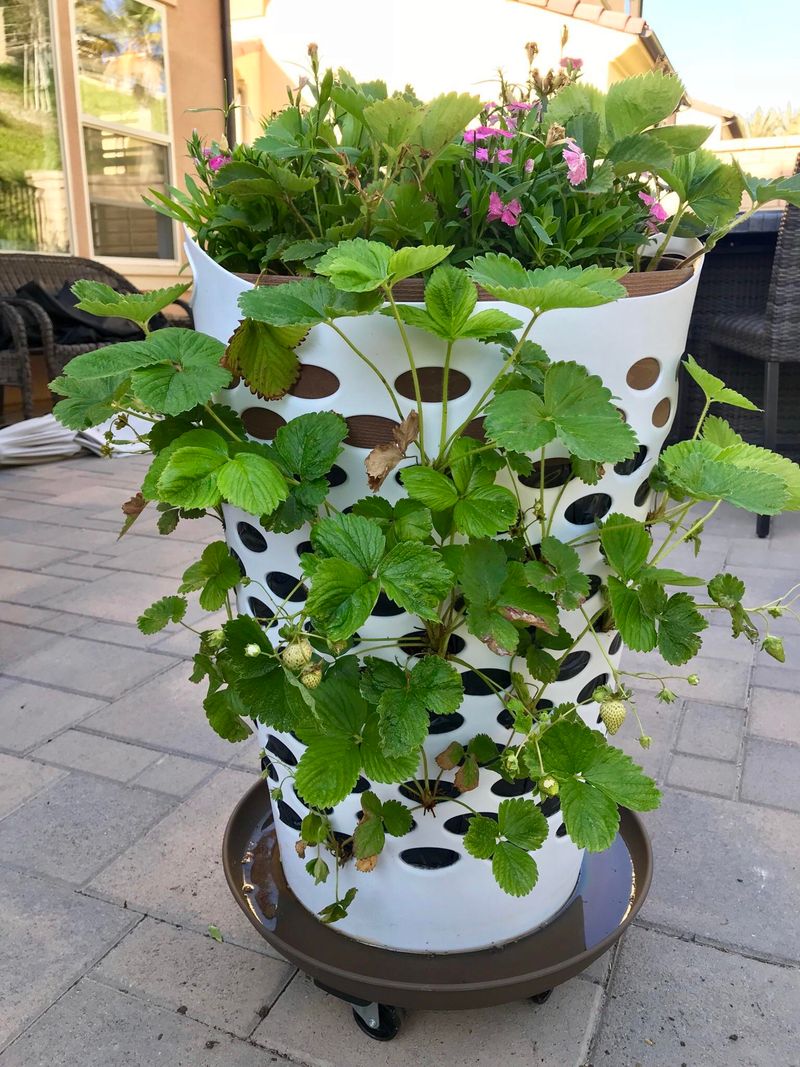
Laundry baskets sidestep this problem entirely by lifting plants out of the ground and into a more controlled growing environment.
The open, perforated sides of a standard laundry basket encourage airflow around the root zone, which supports stronger root development compared to sealed containers.
Water moves through and out of the basket quickly, reducing the risk of root rot that can easily set in during Michigan’s wet spring stretches.
That drainage advantage alone makes baskets stand out from many traditional pots.
Portability is another practical benefit that Michigan gardeners genuinely appreciate.
When a late frost rolls through in May, which happens more often than most people expect, baskets can be moved to a sheltered spot like a garage or covered porch with minimal effort.
That flexibility is hard to match with raised beds or in-ground planting.
For anyone working with a small yard, a driveway, or a concrete patio, laundry baskets provide a low-cost starting point that requires almost no setup and can be adjusted throughout the growing season as sunlight patterns shift.
2. The Right Basket Size And Material Makes A Difference
Not every laundry basket is built the same, and the size and material you choose can have a real impact on how well your vegetables grow.
A basket that is too small limits root space, which restricts how large a plant can get and how much fruit or foliage it can produce.
Most vegetables benefit from a basket that holds at least ten to fifteen gallons of soil, which is roughly the size of a large household laundry basket.
Plastic baskets are the most widely available and tend to hold up well through a Michigan growing season. They are lightweight, easy to move, and resist moisture-related breakdown.
Mesh or open-weave plastic designs offer the best airflow and drainage, which is especially useful during rainy periods when excess moisture can build up quickly in containers with fewer openings.
Fabric laundry baskets, sometimes made from woven polypropylene, have gained attention among container gardeners for their breathable structure.
The fabric walls allow air to reach the roots from all sides, which can encourage a denser, healthier root system.
Your Michigan Garden Changes Every Week. Your Plan Should Too.
Gardening in Michigan changes quickly throughout the season. Every Friday you’ll receive a simple weekly plan showing exactly what to plant, prune, fertilize, harvest, and protect so you never miss the right timing.
However, fabric baskets tend to dry out faster than plastic ones, which means more frequent watering during Michigan’s warmer summer months.
Choosing the right basket from the start saves time and supports better results throughout the season without requiring extra workarounds later on.
3. A Simple Liner Helps Keep Soil In Place
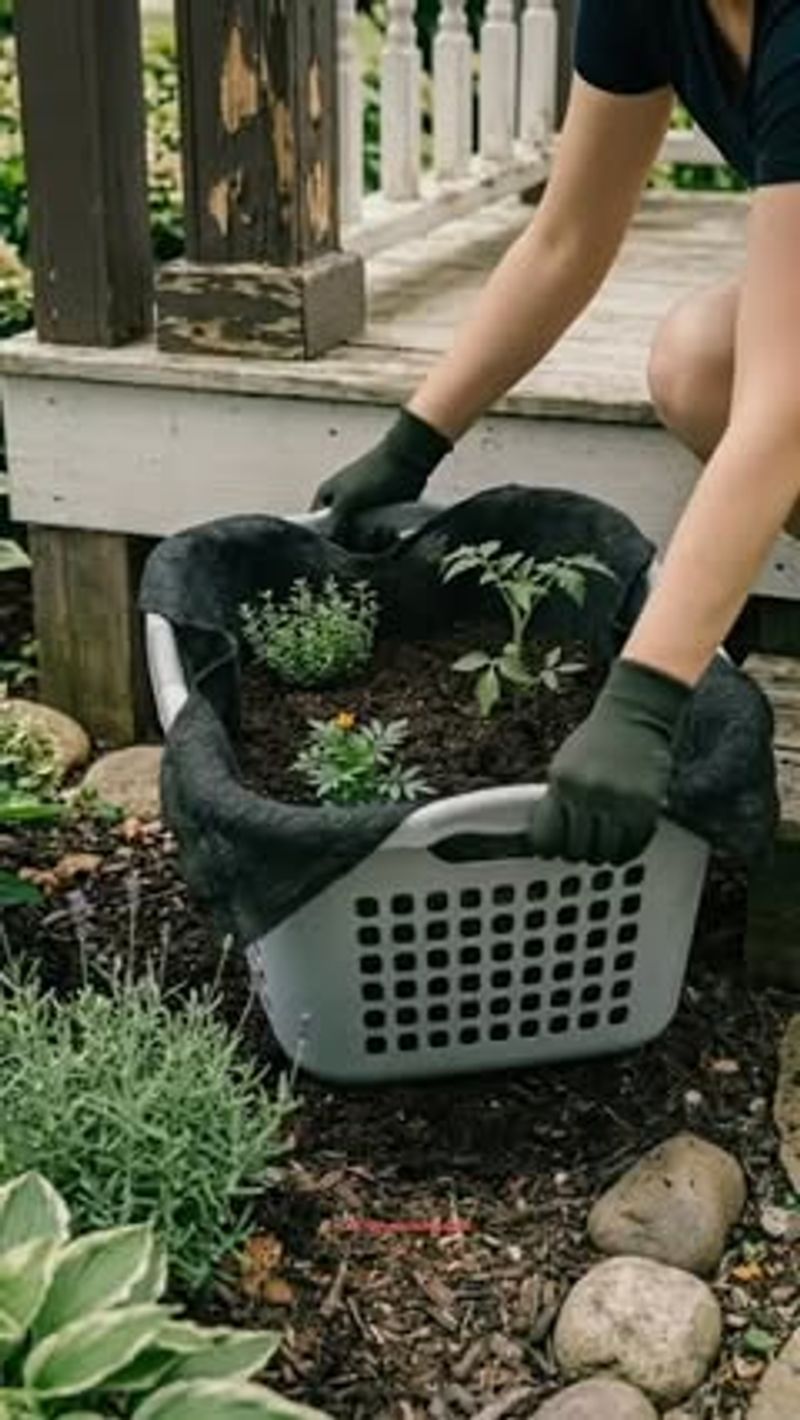
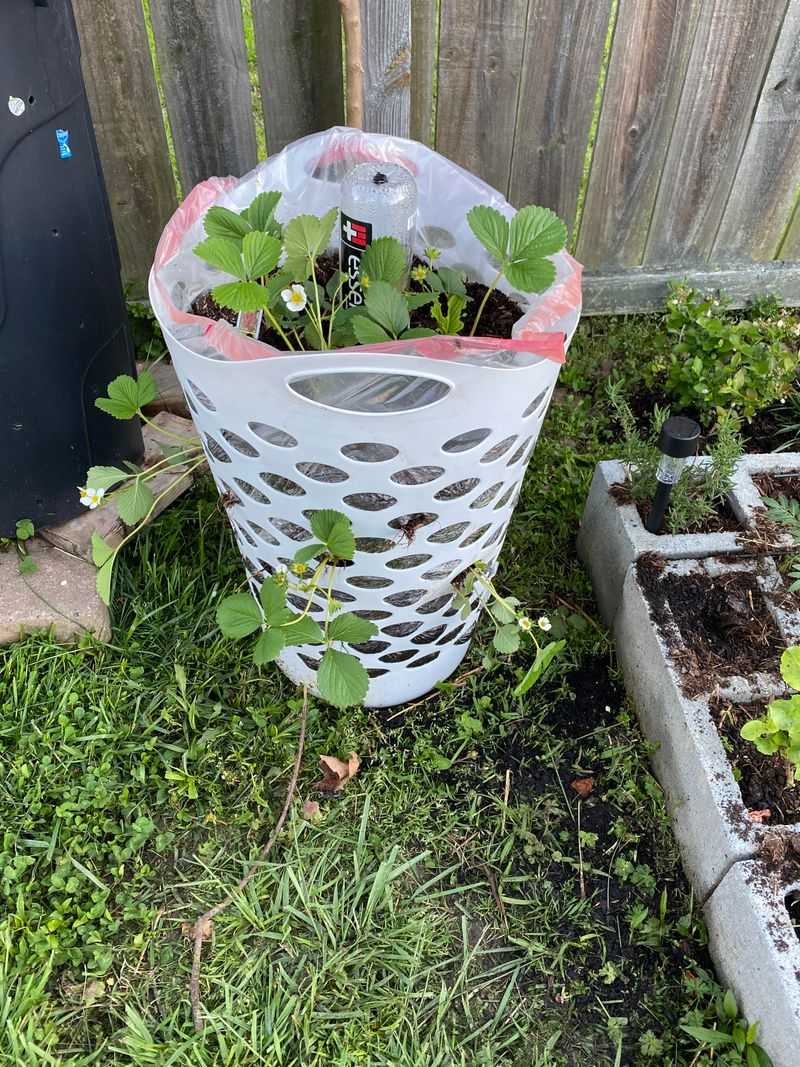
One of the first things gardeners notice when filling a laundry basket with potting mix is that soil can slip right through the holes on the sides and bottom.
Adding a simple liner before you add soil solves this problem without blocking the drainage that makes baskets so effective in the first place.
The goal is to hold soil in while still letting water move through freely.
Landscape fabric is one of the most practical liner options available. It is inexpensive, widely sold at garden centers across Michigan, and porous enough to allow drainage while keeping potting mix from washing out.
Burlap works similarly and breaks down naturally over time, which is not a concern within a single growing season. Some gardeners also repurpose old pillowcases or cotton fabric scraps, which can work well as a short-term solution.
Lining a basket takes only a few minutes and does not require any special tools. Simply press the fabric against the inside walls of the basket, trim any excess, and add your potting mix on top.
The liner does not need to be perfectly fitted, just snug enough to hold soil in place during watering.
Skipping this step often leads to a messy setup and uneven soil distribution, both of which can affect how well roots establish and how consistently moisture is retained throughout the season.
4. A Well Draining Potting Mix Supports Healthy Growth
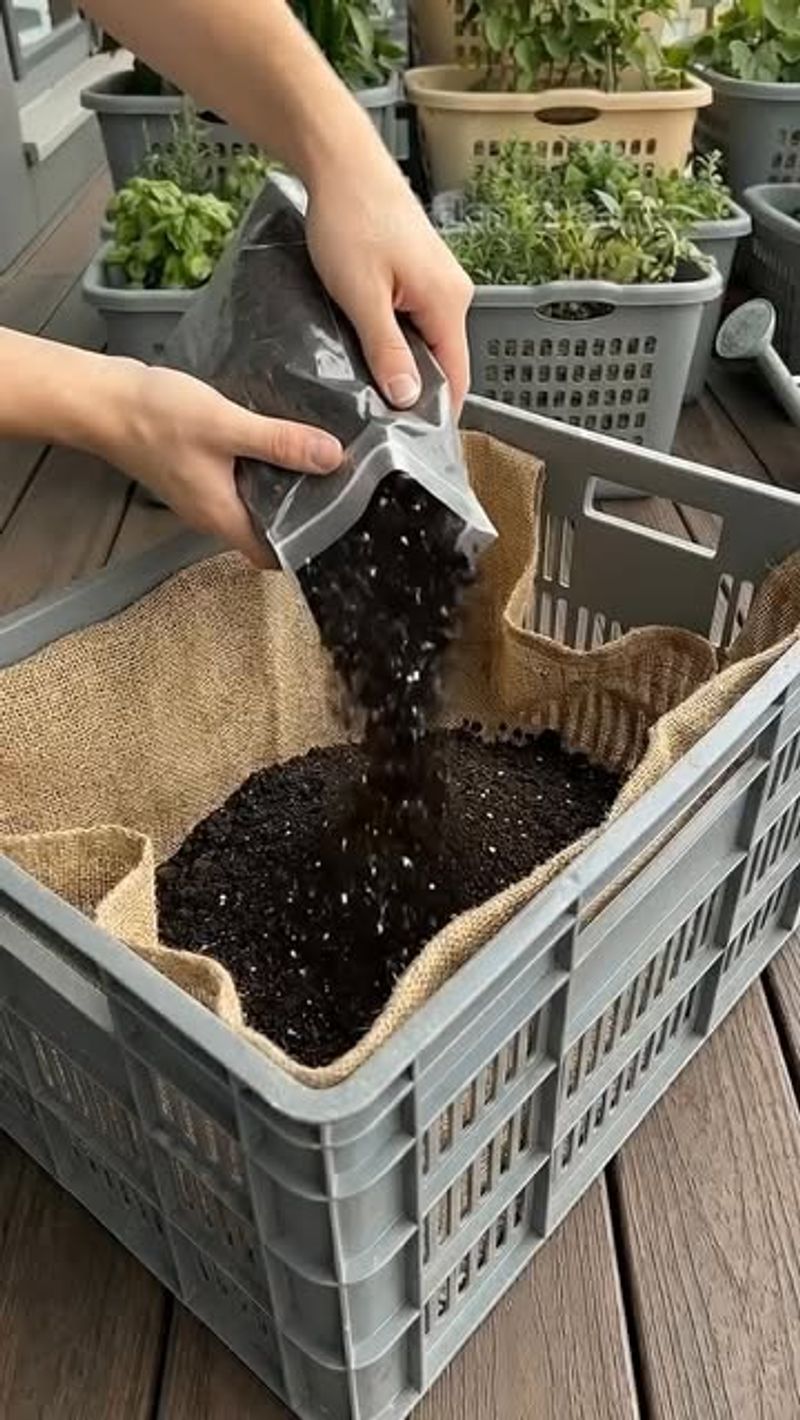
Filling a laundry basket with soil from your backyard might seem like a convenient shortcut, but garden soil is not designed for container use.
In Michigan especially, native soil tends to be dense and clay-heavy, which compacts quickly inside a container and restricts the water movement and oxygen flow that roots depend on.
A quality potting mix is a much better choice for basket gardening.
Look for a potting mix that includes ingredients like perlite, vermiculite, or aged bark. These additions keep the mix loose and airy even after repeated watering, which helps roots spread more easily and reduces the chance of waterlogging.
Some mixes also include slow-release fertilizer, which can give young plants a steady source of nutrients during the early weeks of growth without requiring immediate supplemental feeding.
Because containers dry out faster than in-ground beds, the moisture-retention qualities of your potting mix also matter.
Mixes that include coconut coir or compost tend to hold water a bit longer, which can be helpful during Michigan’s warmer summer stretches when baskets may need watering more than once a day.
Avoid potting mixes that feel overly dense or smell musty, as these may be too old or compacted to support strong plant growth. Spending a little extra on a reliable mix at the start of the season usually pays off in healthier, more productive plants.
5. The Best Vegetables For Laundry Basket Gardening In Michigan
Michigan’s growing season runs roughly from late May through early October in most parts of the state, giving gardeners a solid but not unlimited window for outdoor vegetable production.
Choosing vegetables that match both the container size and the available growing time makes a meaningful difference in what you can realistically harvest from a laundry basket setup.
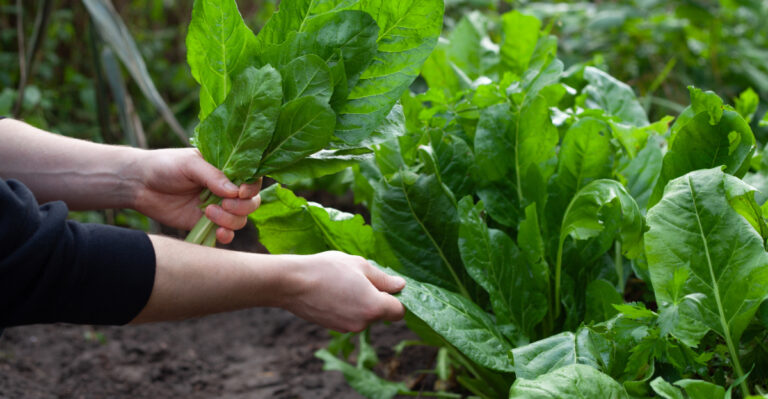
Leafy greens like lettuce, spinach, and Swiss chard are among the most reliable choices for basket gardening.
They have shallow root systems, tolerate Michigan’s cooler spring and fall temperatures, and can be harvested repeatedly by cutting outer leaves rather than pulling the whole plant.
Radishes mature in as little as three to four weeks, making them a satisfying quick crop for gardeners who want early results. Bush beans perform well in deeper baskets and produce a respectable harvest without needing stakes or support structures.
Compact or dwarf tomato varieties, such as Tumbling Tom or Patio, can work in a large basket but require consistent watering and feeding to support fruit production.
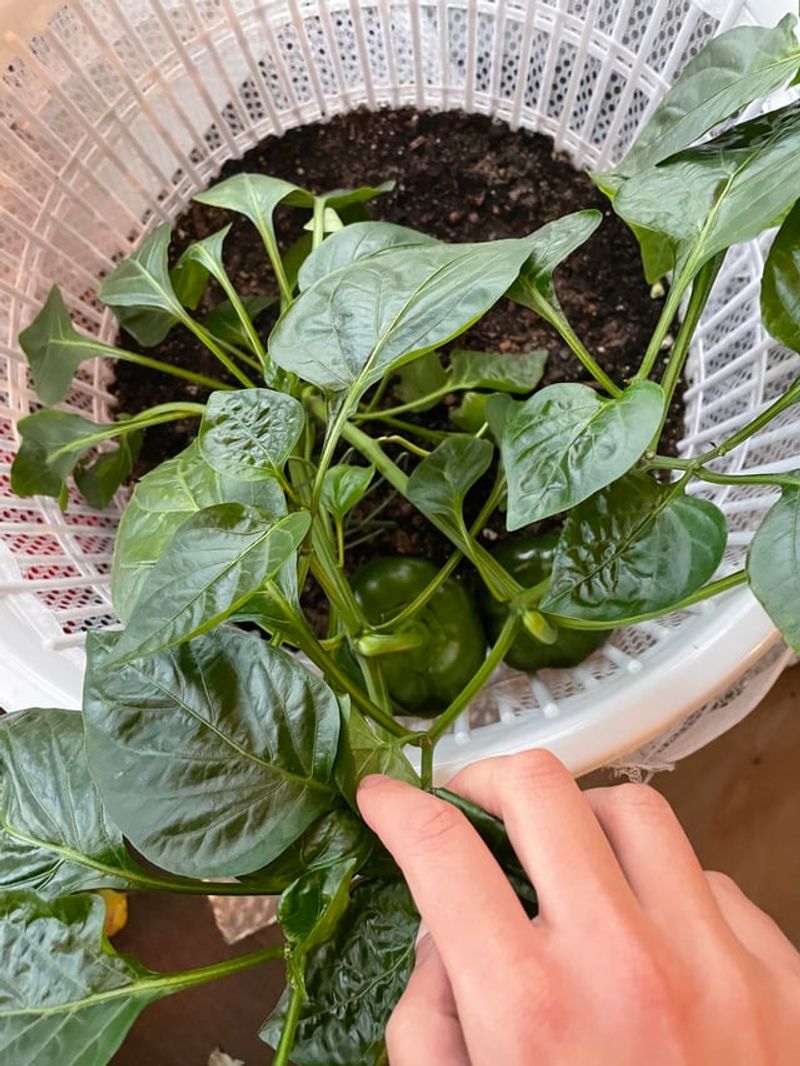
Peppers tend to adapt well to container life and benefit from the warmth that baskets absorb on sunny Michigan afternoons.
Short carrot varieties like Chantenay or Thumbelina can also succeed in deeper baskets with loose potting mix. Sticking to plants that fit the space and season gives laundry basket gardeners the best chance at a satisfying harvest.
6. Consistent Watering And Feeding Supports Strong Plants
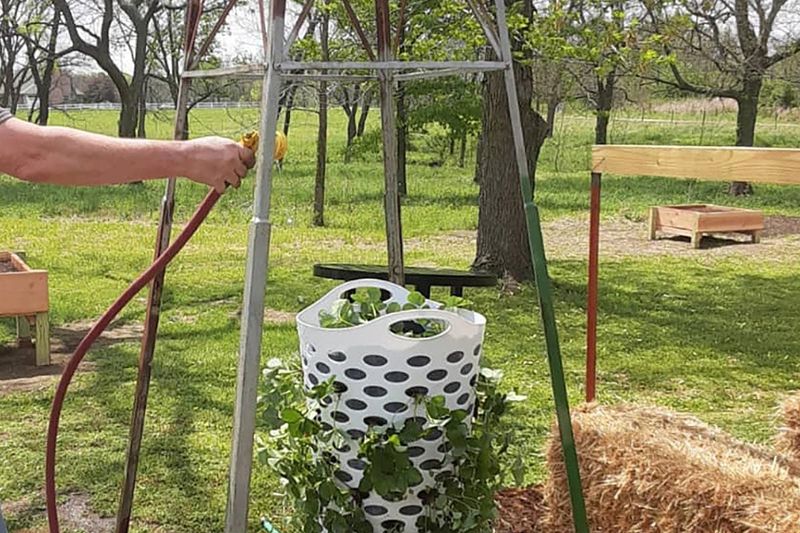
Container gardens dry out faster than in-ground beds, and laundry baskets are no exception to that rule.
The breathable sides and open structure that make baskets so good for drainage also mean that moisture evaporates more quickly, especially on hot Michigan summer days when temperatures climb into the upper eighties.
Checking soil moisture daily rather than watering on a fixed schedule gives you a more accurate sense of what your plants actually need.
A simple finger test works well for monitoring moisture. Press a finger about an inch into the potting mix, and if it feels dry at that depth, it is time to water.
Water slowly and evenly until you see it begin to flow from the basket’s drainage holes, which signals that the root zone has been thoroughly soaked. Shallow, quick watering can leave lower roots dry even when the surface appears moist.
Nutrients wash out of container soil faster than in-ground gardens, so regular feeding becomes more important as the season progresses.
A balanced liquid fertilizer applied every ten to fourteen days supports steady growth without overloading plants with nutrients at once.
Slow-release granular fertilizers can also be mixed into the potting mix at planting time for a more gradual nutrient supply.
Watching for pale leaves or slow growth can signal that feeding frequency needs adjustment, and responding early tends to keep plants on a more productive track throughout the Michigan summer.
7. Proper Placement Improves Sun Exposure And Airflow
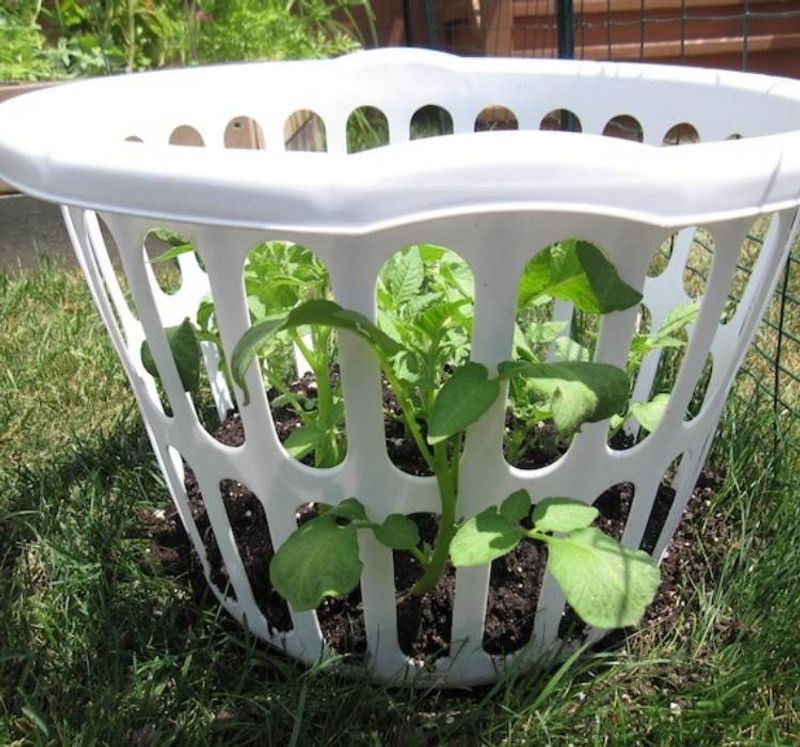
Sunlight placement is one of the most overlooked factors in container gardening, and one of the biggest advantages laundry baskets offer is that they can be moved as the season changes.
In Michigan, the angle of the sun shifts noticeably between May and August, meaning a spot that gets full sun in early summer might end up partially shaded by midsummer as trees leaf out or shadows from structures shift.
Starting with a location that receives six to eight hours of direct sunlight is a solid baseline for most vegetables.
South-facing patios and driveways tend to offer the most consistent sun exposure throughout the Michigan growing season.
Placing baskets against a light-colored wall or fence can also help reflect additional warmth onto plants during cooler spring and early fall stretches.
Darker-colored baskets absorb more heat from the sun, which can warm the root zone a bit more quickly in spring but may also cause soil to dry out faster during peak summer heat.
Airflow matters too, especially for preventing fungal issues that can develop in humid Michigan summers.
Spacing baskets a few inches apart rather than clustering them tightly together allows air to move around the foliage and reduces moisture buildup between plants.
Raised surfaces like decks, steps, or low tables can also improve airflow beneath the basket, supporting drainage and reducing the chance of moisture-related problems developing at the root zone over time.