The Biggest Spring Planting Mistakes North Florida Gardeners Make
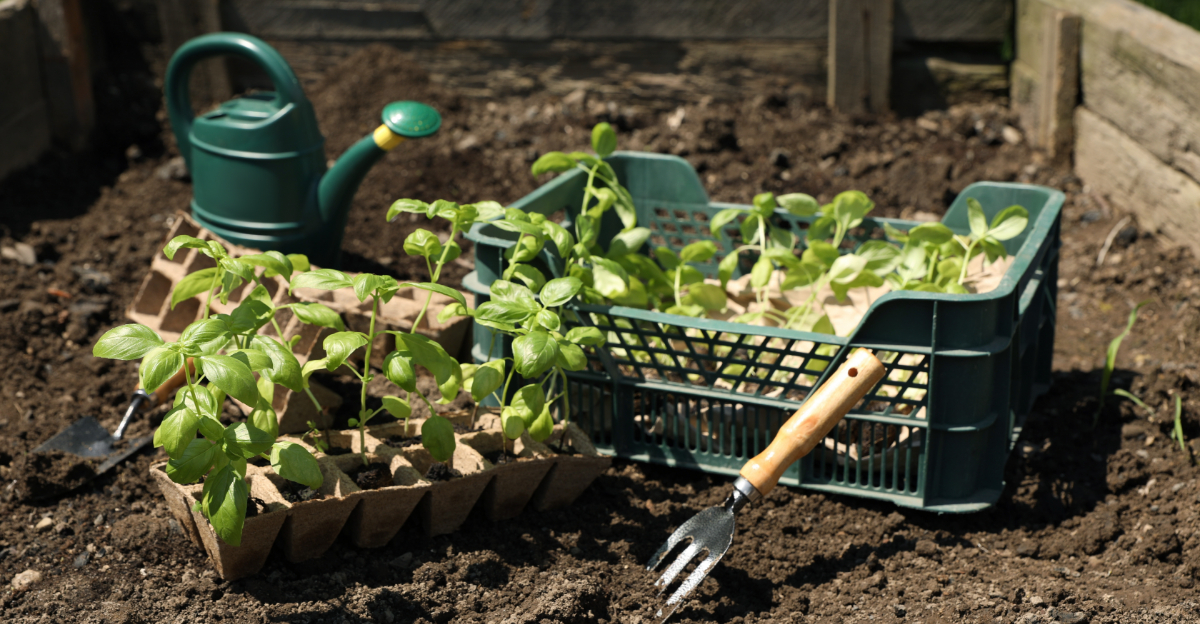
Spring in North Florida brings a rush of energy to the garden. Plants are available everywhere, the weather feels inviting, and it is easy to get carried away with planting plans.
That excitement can lead to one mistake that shows up again and again. It does not look serious at first, and many gardeners repeat it without realizing how much it affects plant health later on.
The problem builds quietly. Plants may struggle to settle in, growth slows down, and extra effort starts creeping into what should have been a straightforward season.
By the time the signs are obvious, the cause is not always clear. That is what makes this mistake so frustrating.
It starts early, blends into normal planting habits, and ends up shaping how the entire garden performs as temperatures rise.
1. Planting Warm-Season Crops Too Early
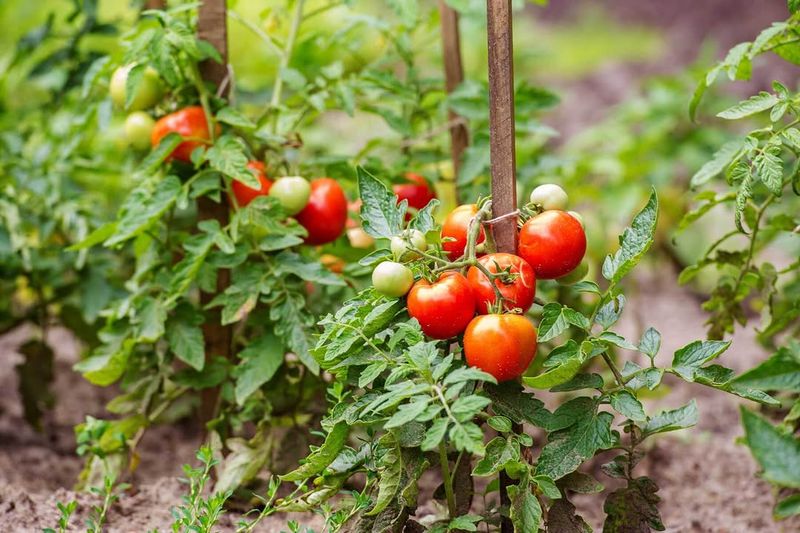
Every spring, the first warm sunny day tricks North Florida gardeners into rushing out to plant tomatoes, peppers, and squash before conditions are truly ready. It feels right, but the timing can seriously hurt your harvest.
Warm-season crops need soil temperatures that consistently stay at or above 65 degrees Fahrenheit before they will grow well.
In North Florida, soil temperatures in February and even early March can still dip too low at night, even when the afternoon air feels pleasant. Planting too soon often causes seeds to rot in the ground or transplants to just sit there without growing.
That stalled growth leaves plants vulnerable to fungal issues and root stress.
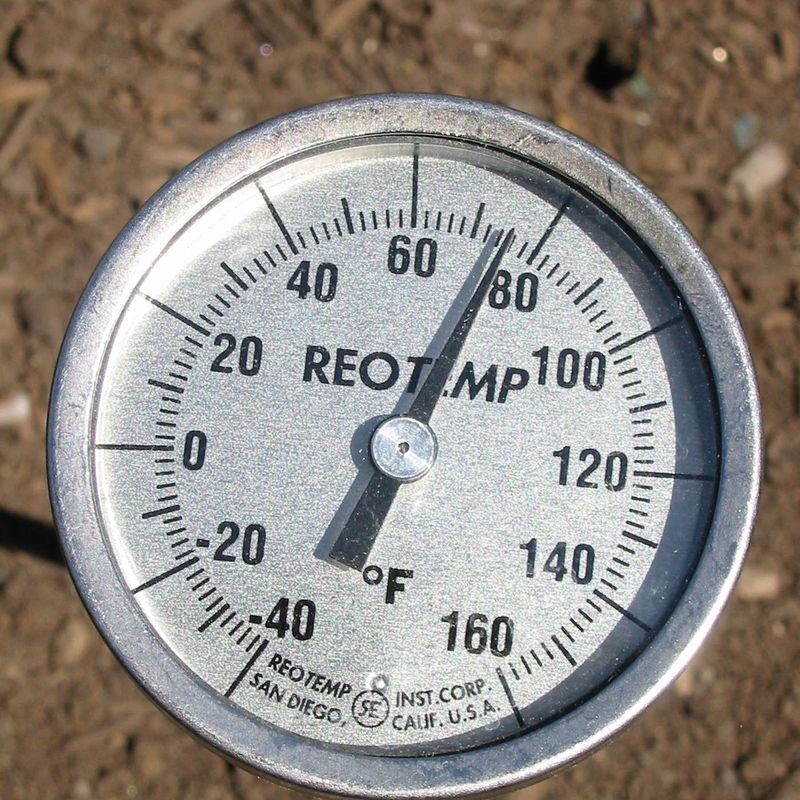
A simple soil thermometer, available at most garden centers in Gainesville or Tallahassee, takes the guesswork out of timing. Check the temperature first thing in the morning for several days in a row.
If it stays consistently above 65 degrees, you are ready to plant. Patience during the early weeks of spring pays off with stronger, faster-growing plants that produce more food throughout the season.
2. Ignoring Soil Temperature Before Planting
Soil temperature is one of the most overlooked details in spring gardening, especially in North Florida where air temperatures can warm up weeks before the ground does. Many gardeners focus on the weather forecast but never actually check what is happening a few inches below the surface.
That underground temperature controls whether seeds sprout and whether roots grow or stay dormant.
Cool soil slows nutrient absorption, which means even a well-fertilized bed can leave plants looking yellow and weak. Certain crops like beans, cucumbers, and melons are especially sensitive to cold soil and will simply refuse to germinate properly if the ground is not warm enough.
Knowing your soil temperature removes a major source of gardening frustration.
Push a soil thermometer about three inches into the ground and take readings in the early morning for at least three consecutive days. Morning readings give you the lowest temperature of the day, which is the most important number for planting decisions.
Most warm-season vegetables grown throughout North Florida do best when that consistent morning reading holds steady at 65 degrees or above. Skipping this one simple step is a mistake that costs gardeners weeks of productive growing time every spring.
Your Florida Garden Changes Every Week. Your Plan Should Too.
Gardening in Florida changes quickly throughout the season. Every Friday you’ll receive a simple weekly plan showing exactly what to plant, prune, fertilize, harvest, and protect so you never miss the right timing.
3. Overwatering Newly Planted Beds
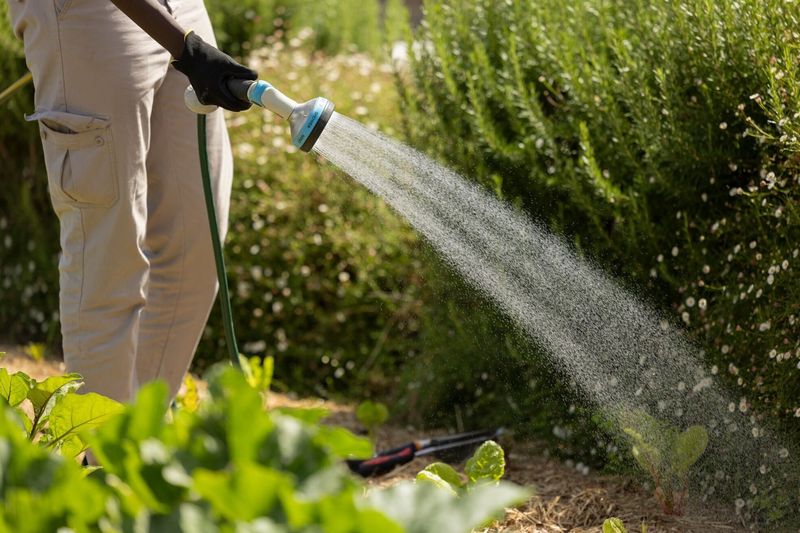
New gardeners in North Florida often assume that more water means healthier plants, but that logic backfires quickly, especially in spring when temperatures are still moderate and evaporation rates are lower than summer. Overwatering is one of the fastest ways to stress out newly planted seedlings before they even get a chance to establish themselves.
North Florida soils tend to be sandy, which means water drains fast in some spots but can pool unexpectedly in others depending on the yard. When roots sit in soggy soil for too long, they struggle to take in oxygen, which slows growth and opens the door to root rot.
New transplants are especially sensitive during their first two weeks in the ground.
A good rule of thumb is to water deeply but less frequently, allowing the top inch of soil to dry out slightly between waterings. Stick your finger about an inch into the soil before reaching for the hose.
If it still feels damp, wait another day. Early morning is the best time to water in North Florida because it gives leaves time to dry before evening, which helps reduce fungal problems that thrive in the warm, humid spring air throughout the region.
4. Using Garden Soil Instead Of Potting Mix In Containers
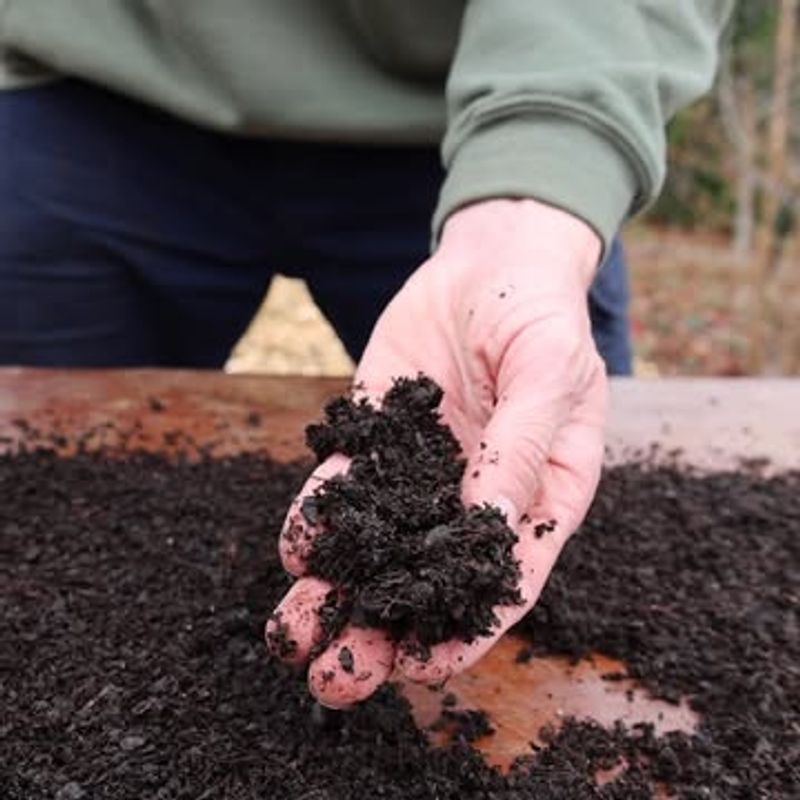
Container gardening is hugely popular across North Florida, especially in neighborhoods where yard space is limited or the native soil is too sandy and nutrient-poor to work with easily. But one of the most common mistakes people make is filling their pots and raised planters with regular garden soil scooped straight from the yard.
That might seem like a smart, budget-friendly move, but it causes more problems than it solves.
Garden soil compacts heavily inside containers, squeezing out the air pockets that roots need to breathe and grow. Without good drainage and aeration, water sits at the bottom of the pot and roots suffer.
The dense soil also makes it harder for young plants to push their roots outward, which stunts growth right from the start of spring.
A quality potting mix is specifically designed to stay loose, drain well, and hold just enough moisture to keep roots happy without drowning them. Look for mixes that include perlite or vermiculite, which improve drainage and aeration.
Some potting mixes also include slow-release fertilizer, which is a bonus for container gardens in North Florida where nutrients can wash out quickly during heavy spring rains. Spending a few extra dollars on the right mix pays off with noticeably healthier plants all season long.
5. Skipping Soil Testing Before Fertilizing
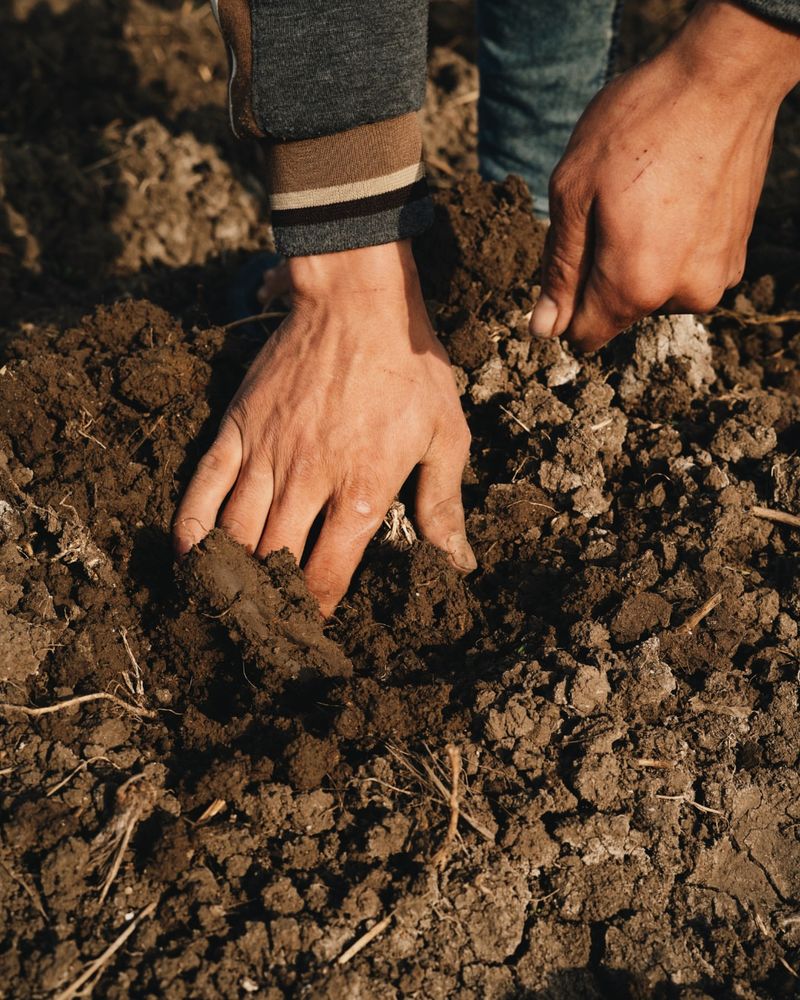
Fertilizing without testing your soil first is a bit like taking medicine without knowing what is wrong. You might accidentally make things worse instead of better.
Across North Florida, soil conditions vary widely from yard to yard, and what works for one garden might not be right for another just down the street.
Sandy soils common throughout areas like Alachua and Leon counties tend to be low in organic matter and can be either too acidic or too alkaline for vegetables to absorb nutrients properly. When the pH is off, plants cannot use the fertilizer you give them no matter how much you apply.
A soil test takes the mystery out of the process by telling you exactly what your garden needs.
The University of Florida Extension Service offers affordable soil testing through local county offices, and results typically come with specific recommendations for your crops. Testing before spring planting saves money, prevents waste, and protects your plants from nutrient imbalances.
Most vegetables prefer a soil pH between 6.0 and 6.8, and adjusting your soil to that range before you plant makes every other step in the gardening process work better. Skipping this step is one of the most fixable mistakes North Florida gardeners make every year.
6. Overfertilizing Early In The Season
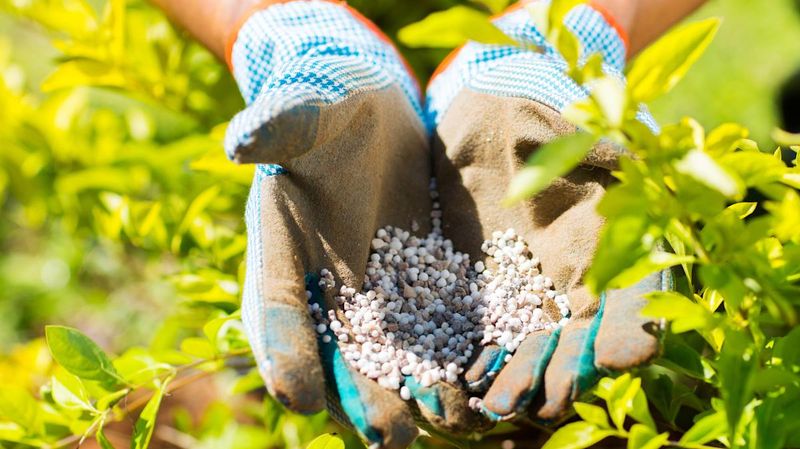
More fertilizer does not always mean more vegetables. In fact, applying too much fertilizer, especially nitrogen-heavy products, early in the spring season is one of the most counterproductive things you can do in a North Florida garden.
It pushes plants to grow lots of lush green leaves while holding back the flowers and fruits you actually want.
Excess nitrogen also speeds up leafy growth so fast that the plant structure cannot keep up, leaving stems weak and floppy. In North Florida’s warm, humid spring climate, overfertilized plants with dense foliage become perfect environments for fungal diseases and pest infestations.
The problem compounds quickly when heavy spring rains wash extra fertilizer into the root zone all at once.
Start with a light application of a balanced, slow-release fertilizer and follow the label directions carefully. Resist the urge to double the amount thinking it will speed things up.
Watch how your plants respond over the first few weeks before adding anything more. Healthy spring growth should be steady and moderate, not explosive.
If you have already done a soil test, follow those specific recommendations for your garden in North Florida rather than guessing, and your plants will reward you with stronger growth and better harvests through the season.
7. Planting In Poorly Drained Soil
Standing water after a rainstorm is a clear warning sign that your garden spot has a drainage problem. Planting in poorly drained soil is a mistake that shows up fast in North Florida, where spring rain can arrive in heavy, sudden bursts that saturate the ground quickly.
Roots need both water and oxygen to thrive, and soggy soil cuts off that oxygen supply.
Parts of North Florida have a mix of sandy topsoil over dense clay subsoil, which creates a situation where water drains through the top layer and then pools above the clay. This perched water table effect is not always obvious until after planting, when plants start showing signs of stress.
Yellowing leaves, stunted growth, and soft stems are all signs that roots are struggling in wet conditions.
Before spring planting, pour a bucket of water into your planned garden area and watch how quickly it absorbs. If water is still sitting there after 30 minutes, that spot needs improvement.
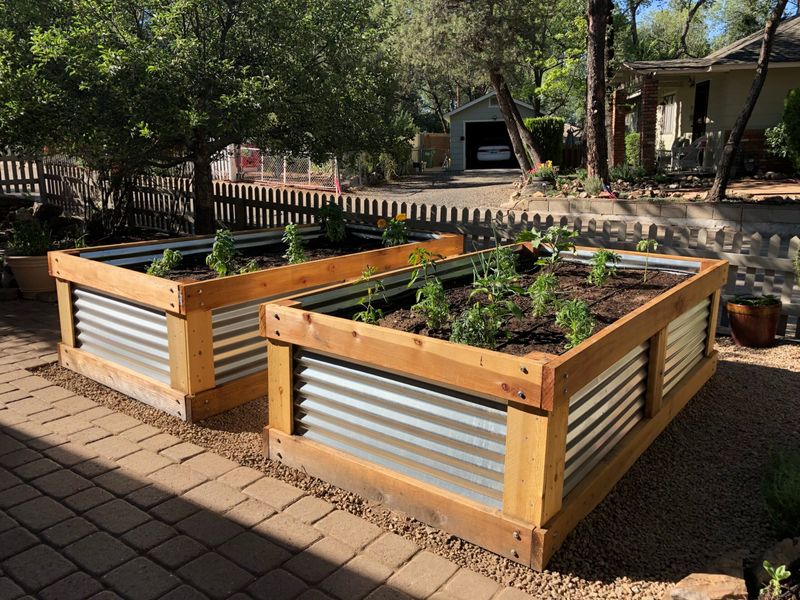
Raised beds are one of the most popular solutions across North Florida because they lift plant roots above drainage problems entirely. Adding organic matter like compost also improves soil structure over time, helping water move through more evenly rather than pooling in low spots around your plants.
8. Not Hardening Off Transplants Properly
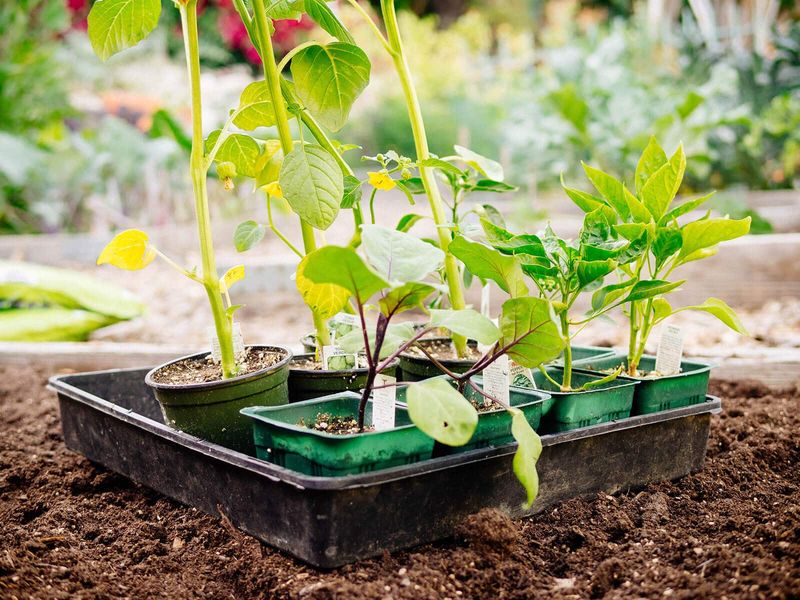
Seedlings raised indoors or in a greenhouse live a sheltered life with consistent temperatures, filtered light, and no wind. Moving them straight into a full-sun North Florida garden without any transition period is a shock their systems are not ready for.
The process of gradually getting transplants used to outdoor conditions is called hardening off, and skipping it is a surprisingly common spring mistake.
When tender transplants hit direct sun and outdoor wind for the first time, their leaves can scorch, turn pale, or curl up within just a day or two. The plant is not necessarily permanently damaged, but the setback slows growth and weakens the root system right at the start of the season.
In North Florida’s intense spring sun, the transition from indoor to outdoor conditions is particularly dramatic.
Start hardening off about one to two weeks before your planned planting date. Place seedlings outside in a shaded or partially shaded spot for just a couple of hours the first day.
Gradually increase their time outdoors and the amount of direct sun they receive each day. After about a week of this gradual exposure, they will be ready to handle full sun in the garden.
This simple process makes transplants dramatically stronger and more productive once they go in the ground.
9. Crowding Plants Too Close Together
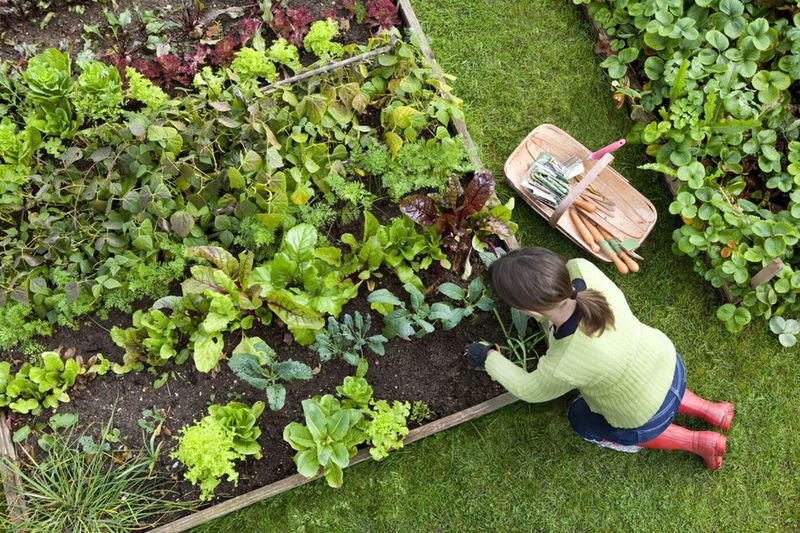
Seed packets and plant tags always include spacing recommendations, but a lot of gardeners treat those numbers as suggestions rather than rules. Planting too close together might seem efficient when seedlings are small, but it creates serious problems as plants grow bigger throughout the spring season in North Florida.
Crowded plants compete for the same water, nutrients, and sunlight, which means none of them get quite enough of any of those things. Poor airflow between tightly packed plants also creates the warm, damp conditions that fungal diseases love.
North Florida’s humid spring climate already puts gardens at higher risk for issues like powdery mildew and leaf spot, so crowding plants makes an already challenging situation worse.
Follow spacing guidelines based on the mature size of each plant, not the size of the seedling you are planting. Tomatoes typically need 24 to 36 inches between plants, while squash often needs even more room to spread.
If your garden space is limited, focus on growing fewer plants well rather than cramming in as many as possible. Vertical growing techniques like trellises and cages can also help you use space more efficiently without crowding.
Properly spaced plants throughout your North Florida garden will almost always outperform crowded ones by a wide margin.
10. Planting Without Considering Sun Exposure
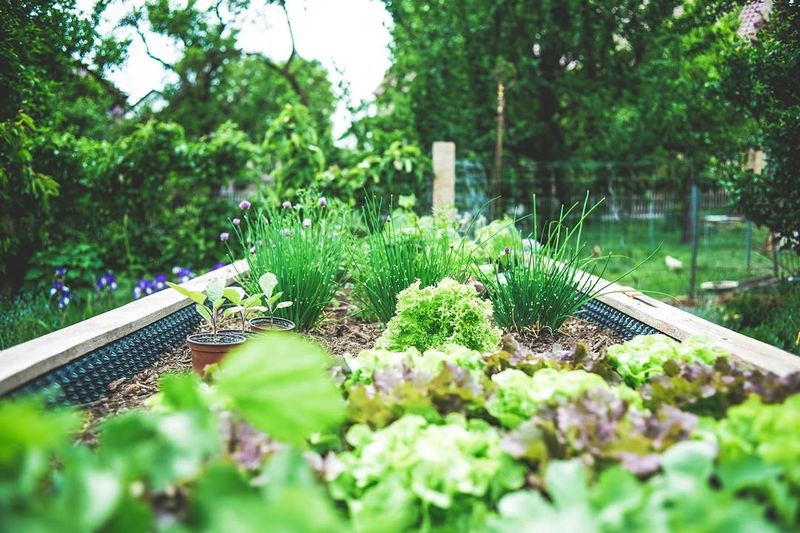
North Florida is home to some beautiful mature oak and pine trees that provide wonderful shade for the yard but can quietly sabotage a vegetable garden that gets placed in the wrong spot. Sunlight is the engine that powers plant growth, and most vegetables need at least six to eight hours of direct sun each day to produce well.
Planting in too much shade is a mistake that is hard to fix once the season is underway.
Shaded plants tend to grow tall and spindly as they stretch toward the light, producing fewer flowers and much smaller harvests. In North Florida, where the growing season already has a compressed spring window before summer heat arrives, losing productivity to poor sun exposure is a real setback.
Even partial shade for a few hours a day can noticeably reduce yields on sun-loving crops like tomatoes, peppers, and melons.
Before deciding where to plant, spend a full day watching how sunlight moves across your yard. Track which spots get full sun from morning through afternoon and which ones fall into shade.
Pay attention to how shade patterns shift as trees leaf out in spring, since bare winter branches can make a spot look sunnier than it actually will be later. Choosing the sunniest available spot in your North Florida yard is one of the simplest ways to set your spring garden up for real success.