This Is The Most Recognizable Spring Bloomer In Pennsylvania
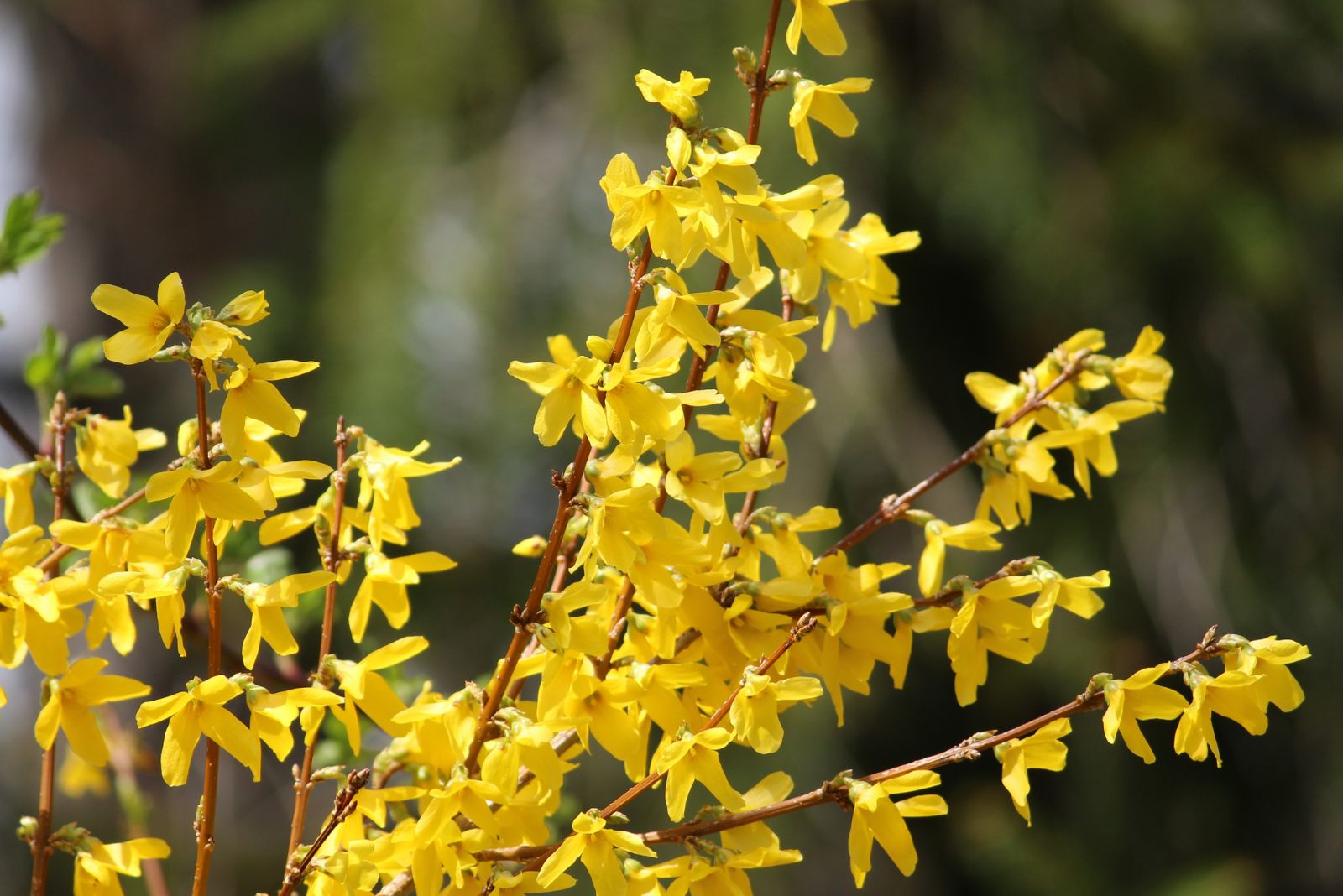
There is always one shrub that seems to announce spring before anything else has fully woken up.
All across Pennsylvania, it suddenly lights up yards with bright color, catching your eye from down the street and making the whole landscape feel more alive. After a long, gray winter, that burst of cheer is hard to miss and even harder not to love.
This plant has become such a familiar part of the season that many people can spot it instantly, even if they do not know its name right away. It shows up in neighborhoods, along roadsides, and in older gardens where it has been a spring favorite for generations.
Its vivid yellow flowers arrive so early that they almost feel like a signal that warmer days are finally on the way.
That is a big reason forsythia holds such a special place in Pennsylvania landscapes. It is bold, reliable, and impossible to ignore when it blooms. If any plant knows how to make an entrance in spring, this one has it mastered.
1. Why Forsythia Is So Easy To Recognize
Before a single leaf appears on the branches, forsythia is already putting on its best performance. That is what makes it so easy to spot.
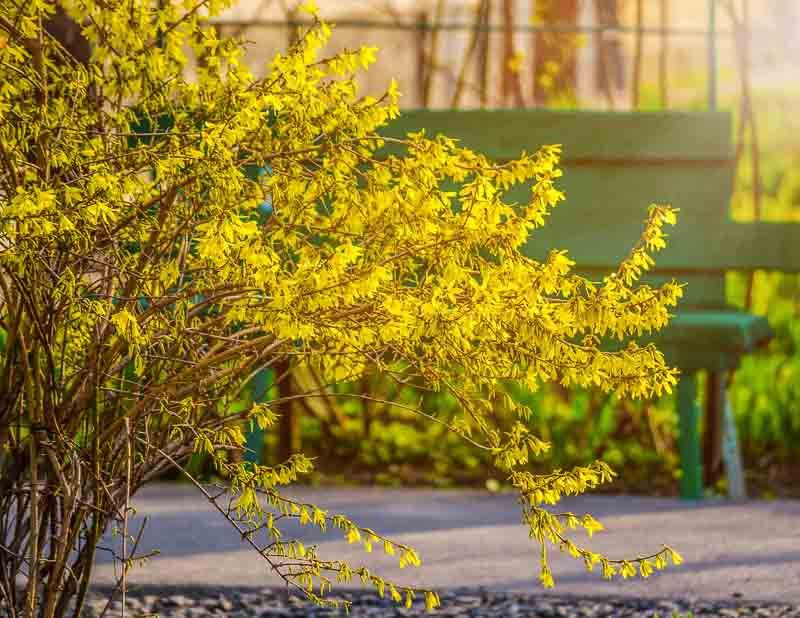
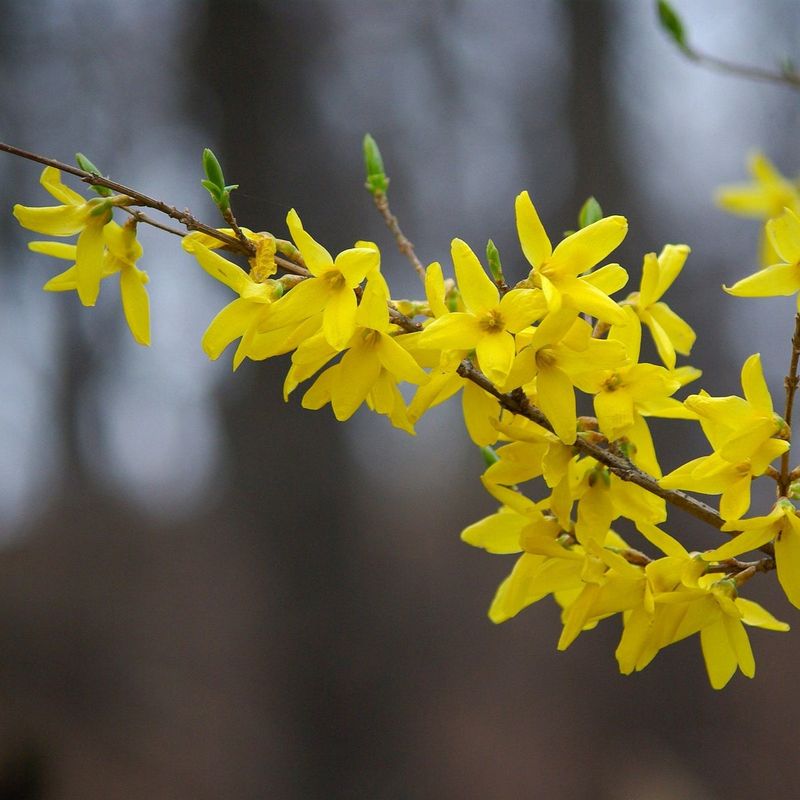
The shrub covers itself in hundreds of small, bright yellow flowers all at once, and because there are no leaves yet, every single bloom is fully visible from a distance. Most plants ease into spring slowly. Forsythia does not.
It bursts open almost overnight, turning from plain brown stems into a wall of golden yellow that practically glows in the early spring light. Drivers and walkers across Pennsylvania notice it immediately because nothing else looks quite like it at that time of year.
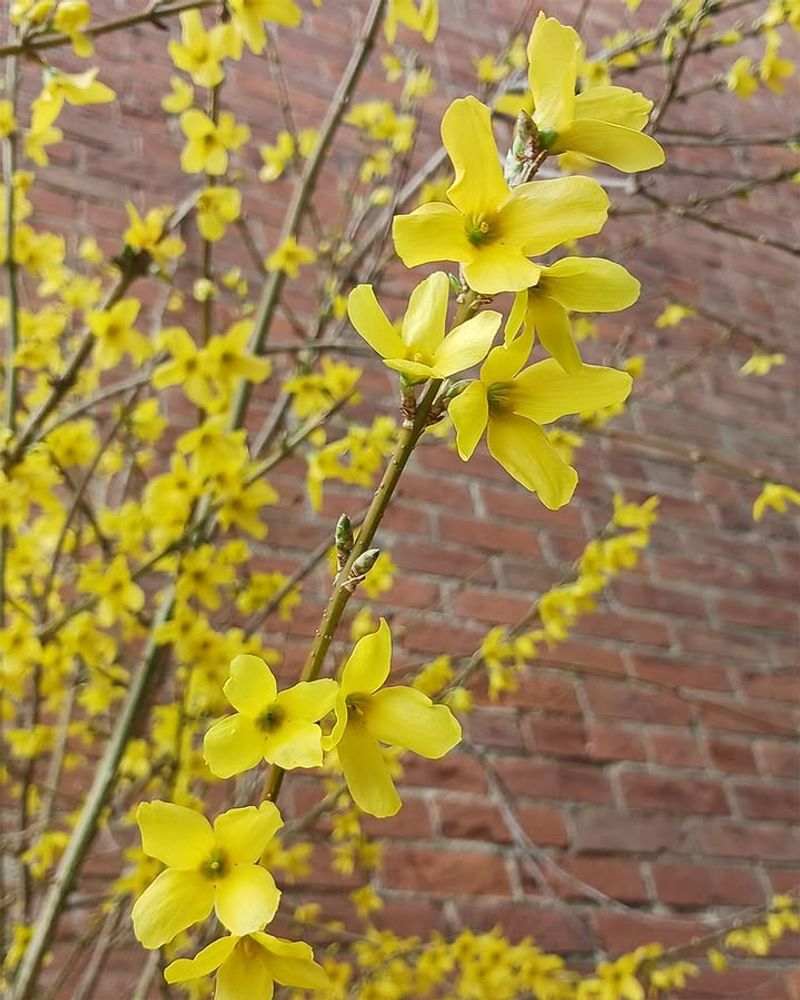
The flowers grow in clusters along arching stems that can reach six to ten feet tall. Each individual flower has four thin petals that fan out from the center.
Up close, the blooms look delicate. From far away, the whole shrub looks like a bright yellow cloud floating above the ground.
Forsythia also tends to bloom at roughly the same time each year, which makes it even more recognizable. Pennsylvania residents start watching for it in late March and early April.
Once you learn what it looks like, you will never confuse it with anything else. It stands alone in the landscape as one of the clearest, most cheerful signs that the cold season is finally giving way to warmer days ahead.
2. Why It Feels Like A Sign Of Spring In Pennsylvania
Ask almost any gardener in Pennsylvania what plant signals the true start of spring, and chances are they will say forsythia without hesitating. There is something deeply satisfying about seeing those yellow flowers pop up after months of cold, gray winter.
It feels less like a plant blooming and more like an announcement. Forsythia is often one of the very first woody shrubs to bloom in the state. It does not wait for warm, settled weather.
It pushes out flowers even when nights are still chilly, which is why Pennsylvania residents often spot it blooming along roadsides while snow is still melting in shaded spots nearby.
Your Pennsylvania Garden Changes Every Week. Your Plan Should Too.
Gardening in Pennsylvania changes quickly throughout the season. Every Friday you’ll receive a simple weekly plan showing exactly what to plant, prune, fertilize, harvest, and protect so you never miss the right timing.
The color itself plays a big role in that feeling. Yellow is warm, energetic, and impossible to ignore.
When forsythia lights up along a street or fence line, it instantly changes the whole mood of a neighborhood. Streets that looked dull and bare just a week before suddenly feel alive and hopeful again.
Many Pennsylvania families have childhood memories tied to forsythia. Maybe it grew in the backyard or along the neighbor’s fence.
Maybe cutting a few branches to bring inside was a family tradition. That kind of memory runs deep, and it connects people to the plant in a personal way that goes beyond just gardening.
Forsythia is not just a shrub. For a lot of people across Pennsylvania, it is a feeling, a memory, and a reliable reminder that the best part of the year is just around the corner.
3. Why It Became So Popular In Pennsylvania Landscapes
Forsythia did not become popular in Pennsylvania by accident. It earned its place in yards and gardens across the state by being one of the toughest, most dependable shrubs a homeowner can plant.
Pennsylvania winters can be harsh, with heavy snow, ice storms, and temperatures that drop well below freezing. Forsythia handles all of that without complaint.
It thrives in USDA hardiness zones 5 and 6, which covers most of Pennsylvania. That means it comes back reliably every single year without needing to be replaced or heavily protected.
Gardeners love a plant they can count on, and forsythia delivers that kind of consistency season after season.
Growing forsythia is also straightforward enough for beginners. It does not demand perfect soil or complicated care routines.
Plant it in a sunny spot, give it some room to spread, and it will reward you with a reliable spring show year after year. That ease of care made it a go-to choice for Pennsylvania homeowners for decades.
Because it grows quickly and gets quite large, forsythia became especially popular as a hedge or privacy screen. Planted in a row, several shrubs form a dense barrier that blocks wind, defines property lines, and looks stunning every spring.
It also works well as a foundation plant near homes or as a backdrop in mixed shrub borders.
Across Pennsylvania, from suburban backyards to rural roadsides, forsythia became a landscape staple because it simply works well in almost every setting the state has to offer.
4. Where It Looks Best In The Landscape
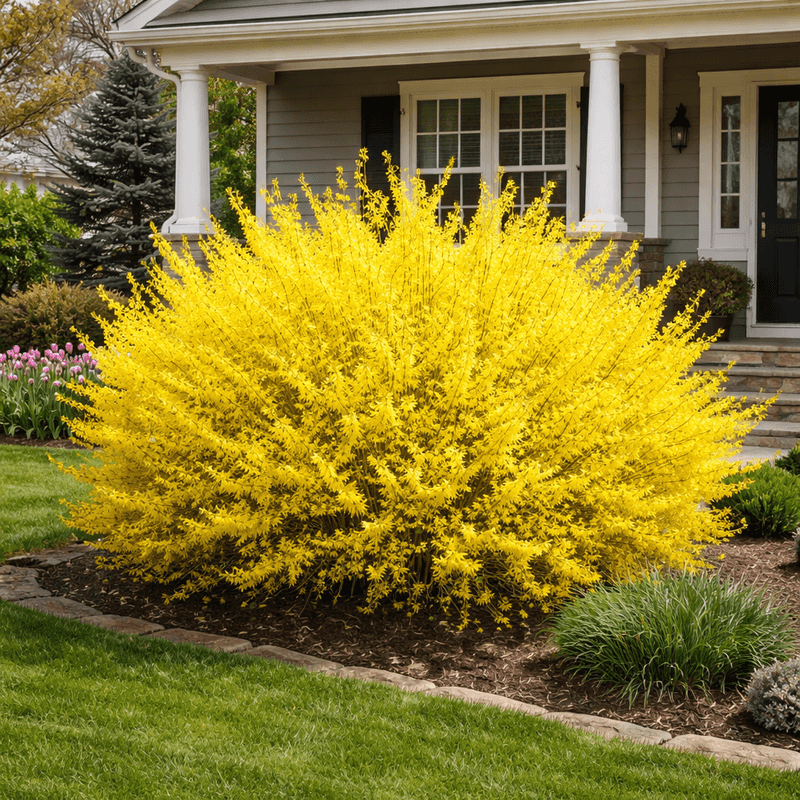
Placement matters a lot when it comes to forsythia. Put it in the right spot and it becomes one of the most eye-catching features on your entire property every spring.
Put it in the wrong spot and it can quickly feel crowded, overgrown, or out of place. Knowing where it shines makes all the difference.
Along fences and property lines is one of the best spots for forsythia in Pennsylvania. A row of forsythia planted along a fence creates a living wall of yellow every spring that looks absolutely stunning.
It also provides privacy during the growing season once the leaves fill in. That combination of beauty and function makes it a smart choice for boundary planting.
Near driveways and front walkways is another winning location. Forsythia planted at the edge of a driveway greets visitors with a cheerful pop of color right when spring arrives.
It frames the entrance to a home beautifully and makes the whole front yard feel more welcoming during those first warm weeks of the Pennsylvania spring season.
In mixed shrub borders, forsythia works as a bold anchor plant. Its early spring color gives the border life before most other plants have even started waking up.
Pairing it with later-blooming shrubs like spirea or viburnum keeps the border interesting from spring all the way through summer. The key is giving forsythia enough space so it does not crowd its neighbors.
When it has room to arch naturally, it looks graceful, full, and genuinely beautiful in the Pennsylvania landscape.
5. The Mistakes That Make Forsythia Look Messy
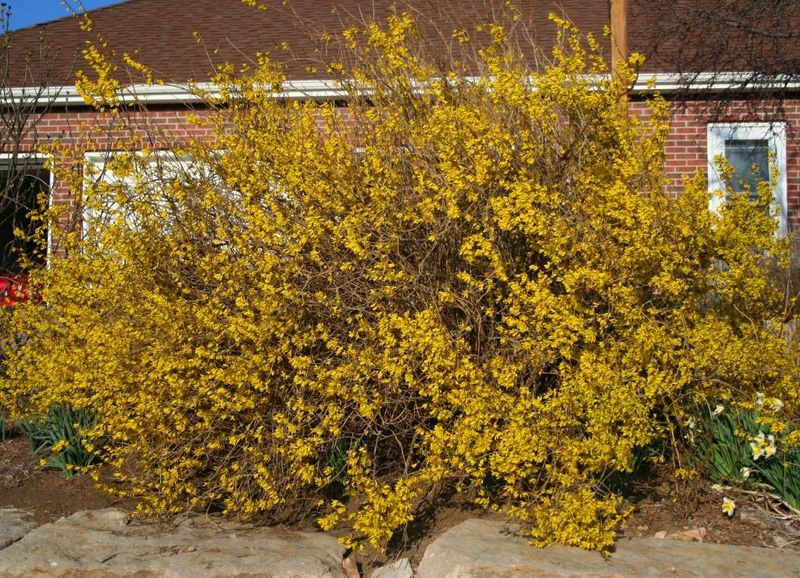
Forsythia is forgiving, but it is not invincible. Skip the basic care it needs and this once-beautiful shrub can turn into a tangled, overgrown mess that blooms poorly and looks nothing like the showstopper it is supposed to be.
The good news is that most mistakes are easy to avoid once you know what they are. Skipping pruning for too long is one of the most common problems Pennsylvania gardeners run into with forsythia.
Without regular trimming, the shrub keeps adding new growth on top of old growth until it becomes a dense, chaotic tangle of stems. Older branches stop producing flowers, and the whole plant looks more like a pile of sticks than a graceful flowering shrub.
Pruning at the wrong time is just as damaging. Many people make the mistake of trimming forsythia in late summer or fall.
The problem is that forsythia sets next year’s flower buds on the current season’s new growth. Cut those stems off in the fall and you are removing all the blooms before they ever get a chance to open in spring. That is why timing matters so much.
Letting forsythia outgrow its space creates a different kind of trouble. When the shrub spreads beyond its boundaries, it starts to look wild and out of control.
It can shade out nearby plants, block windows, and crowd walkways. Pennsylvania homeowners sometimes try to fix this by shearing the shrub into a tight ball shape, which looks unnatural and actually reduces blooming.
Forsythia is meant to arch and flow. Respecting its natural shape keeps it looking its best.
6. How To Keep It Blooming And Looking Its Best
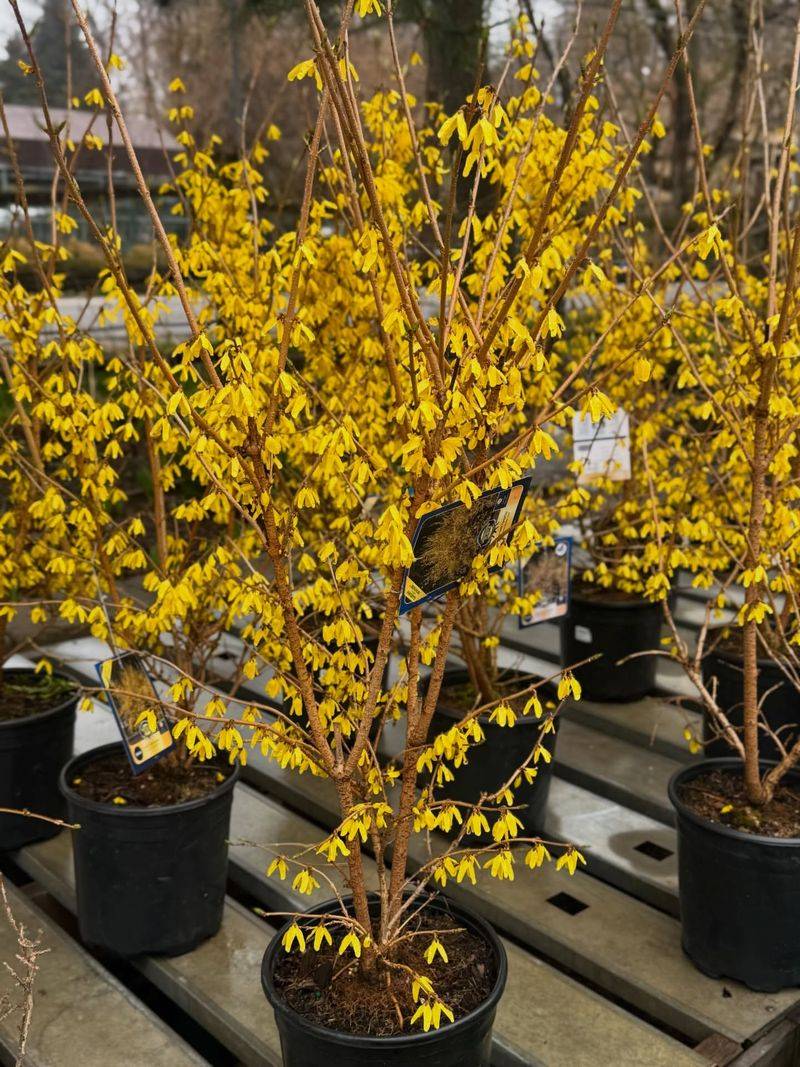
Keeping forsythia healthy and full of blooms every spring is not complicated, but it does require doing the right things at the right time. Follow a simple routine and this shrub will reward you with a spectacular yellow display year after year in your Pennsylvania garden.
Pruning right after the flowers fade is the single most important step. Once the blooms drop off in late April or early May, that is your window to cut the shrub back.
Pruning at this time gives the plant the entire growing season to produce new stems, and those new stems are exactly what will carry next spring’s flowers. Wait too long and you lose those future blooms.
When you prune, focus on removing the oldest, thickest stems at the base of the plant. This is called thinning, and it keeps the shrub from becoming too dense in the center.
Removing about one-third of the oldest stems each year encourages fresh new growth and keeps the plant looking full and graceful rather than tangled and woody.
Full sun is non-negotiable if you want a great bloom display. Forsythia planted in shade will grow just fine, but the flower production drops off noticeably.
In Pennsylvania, aim for a spot that gets at least six hours of direct sunlight per day. The more sun it gets, the more flowers it produces, and the more stunning it looks every spring.
Water young plants regularly during their first season to help them get established. Once forsythia is settled in, it handles dry spells well.
A little attention early on sets the plant up for decades of reliable spring beauty across Pennsylvania landscapes.