These Plants Start Showing Heat Stress Early In Arizona Spring And What It Means
Arizona spring can play tricks on people. The morning feels pleasant, the sun looks harmless, and then by afternoon a favorite plant starts looking tired, faded, or a little crumpled around the edges.
That shift can catch gardeners off guard, especially when the calendar still says spring and not full summer.
A lot of plants in Arizona start reacting to heat long before people expect real trouble. Leaves curl, colors dull, and growth can slow down in ways that seem subtle at first.
It is easy to brush it off as a watering issue or a rough patch after planting. The problem is that early heat stress is usually a signal, not a random mood swing.
Plants are telling you something about timing, sun exposure, soil, or care habits. A few familiar signs start showing up before the real damage sets in, and the first ones may surprise you early.
1. Tomatoes Start Struggling Sooner Than You Think
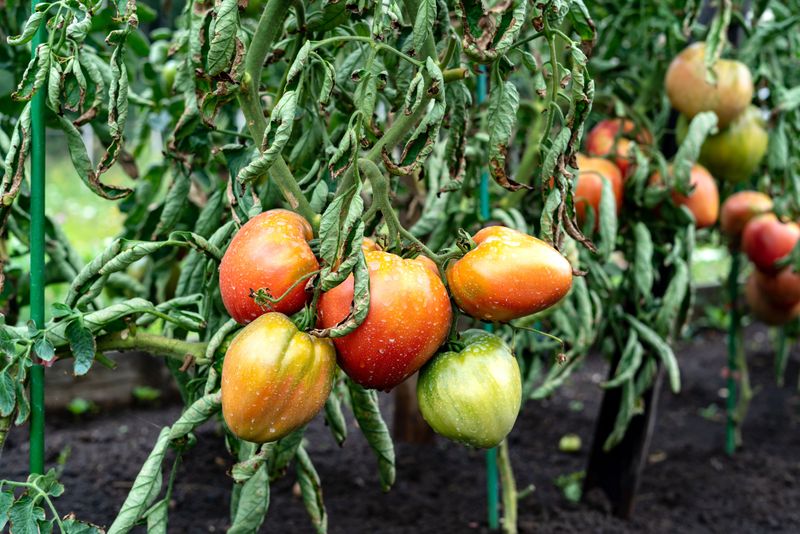
Few vegetables are more beloved in the home garden, yet tomatoes are surprisingly quick to throw a tantrum when Arizona’s spring temperatures start climbing ahead of schedule. Gardeners across the Phoenix and Tucson areas often notice their tomato plants looking droopy or tired by mid-morning, even when the soil still feels moist from the night before.
The reason this happens comes down to water movement. When air temperatures push past 90 degrees Fahrenheit, tomato leaves lose moisture faster than the roots can pull it up from the soil.
The result is that familiar midday wilt, where the whole plant looks like it needs a drink even though it does not.
Another early warning sign is leaf rolling or curling, where the edges of the leaves fold upward like a taco shell. This is actually a self-defense move the plant uses to reduce the surface area exposed to direct sun.
Flower drop is another major red flag in Arizona gardens, and it happens because tomatoes stop setting fruit when nighttime temperatures stay above 75 degrees.
To help your tomatoes manage the heat, try adding a two-inch layer of organic mulch around the base of each plant. Water deeply every morning before 8 a.m. so moisture is already in the soil before the heat peaks.
Shade cloth rated at 30 to 40 percent can make a real difference during the hottest part of the afternoon.
2. Peppers Love Heat Until They Don’t
A bit of heat helps peppers thrive, but even these sun-loving plants have a limit, and once temperatures push past it, signs of stress can start showing fast. In Arizona’s early spring, when temperatures swing wildly between cool mornings and blazing afternoons, pepper plants can start struggling in ways that catch many gardeners by surprise.
One of the first things you might notice is a fading or bleaching of the foliage. Leaves that were once a rich, deep green begin to look washed out or yellowish, especially on the side of the plant facing the afternoon sun.
This is a sign that chlorophyll is breaking down faster than the plant can replace it, which directly affects the plant’s ability to make food through photosynthesis.
Your Arizona Garden Changes Every Week. Your Plan Should Too.
Gardening in Arizona changes quickly throughout the season. Every Friday you’ll receive a simple weekly plan showing exactly what to plant, prune, fertilize, harvest, and protect so you never miss the right timing.
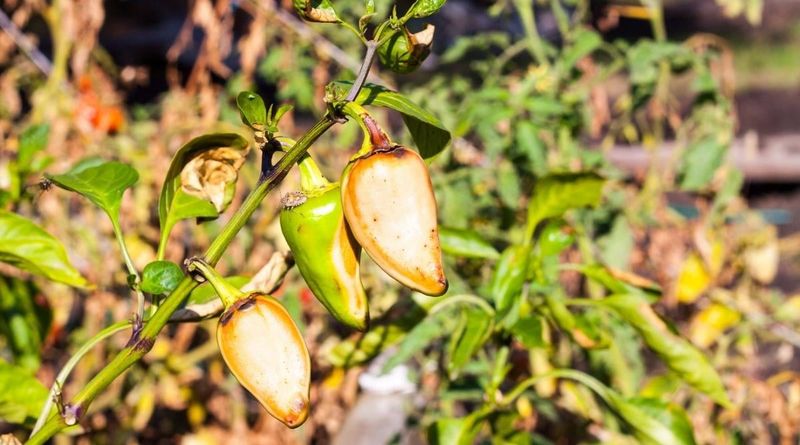
Sunscald on the fruit itself is another early indicator that your peppers are under pressure. You will see pale, papery patches on the side of the pepper facing the sun, and over time those patches can turn brown or develop a soft, mushy texture.
This is especially common in Arizona’s low desert regions, where reflected heat from walls, patios, and soil can intensify sun exposure dramatically.
Giving your pepper plants some afternoon shade using a lightweight shade cloth can prevent most of these issues. Keeping the soil evenly moist and avoiding overhead watering during peak hours will also go a long way toward keeping your plants productive well into the season.
3. Squash Can Wilt Fast In Rising Heat
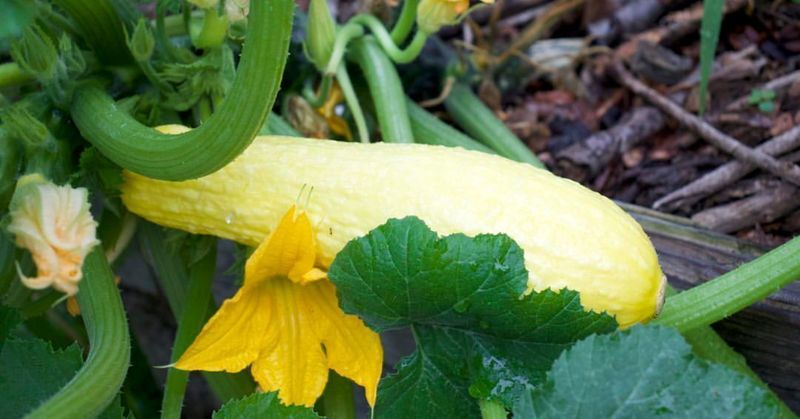
Squash plants are dramatic. When they are happy, their big, bold leaves fan out like green umbrellas.
When they are stressed by heat, those same leaves collapse into a sad, floppy mess that can look alarming even to experienced gardeners. In Arizona’s early spring, squash is often one of the first vegetables to show visible signs of heat trouble.
Because squash leaves are so large, they lose water rapidly when temperatures climb. Midday wilting is almost expected in Arizona during March and April, but the key thing to watch for is whether the plant recovers by the following morning.
If your squash looks perky again before sunrise, the wilting was just temporary heat stress. If the leaves are still drooping after a cool night, that is a sign of something more serious going on with the roots or soil moisture levels.
Yellowing along the leaf edges is another early heat stress symptom common in squash grown across the Sonoran Desert region. This edge browning, sometimes called leaf scorch, happens when the outer leaf tissue dries out and stops functioning.
You may also notice that the plant stops producing new blossoms or that small squash fruits start shriveling before they fully develop.
Mulching heavily around squash plants helps keep soil temperatures lower and retains moisture longer between waterings. Watering at the base of the plant rather than overhead also reduces moisture loss and keeps the foliage drier, which helps prevent secondary problems like powdery mildew.
4. Cantaloupes Start Sending Stress Signals Early
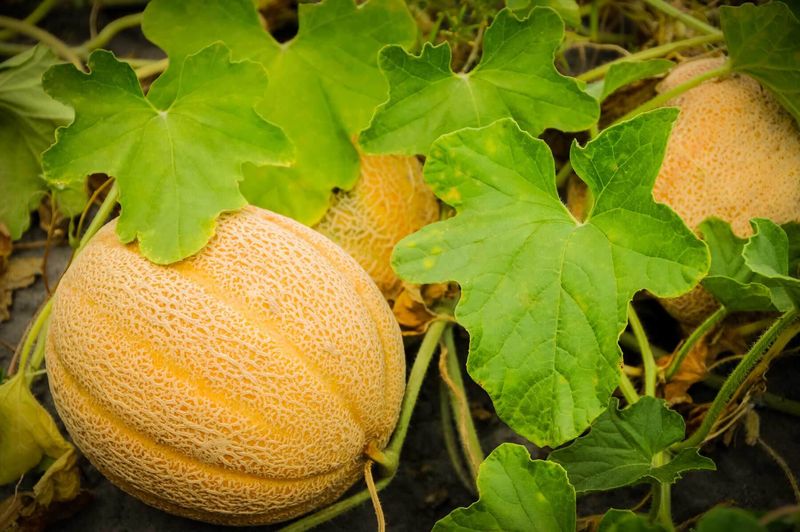
There is something almost ironic about cantaloupes struggling with heat given that they are practically synonymous with summer. But in Arizona, even this heat-loving fruit can show early signs of stress when temperatures spike before the plant has had enough time to establish a strong root system.
Timing matters a lot in the low desert, and plants that go in the ground too early face a tough adjustment period.
Young cantaloupe vines are especially vulnerable in their first few weeks. You might notice the newest leaves at the growing tips starting to look pale or slightly translucent, almost like the color has been washed out of them.
This bleaching effect is a sign that the plant’s photosynthesis process is being disrupted by excessive heat and light intensity.
As temperatures rise through Arizona’s early spring afternoons, cantaloupe vines may also start pulling their leaves inward or showing edges that look dry and crispy. The tendrils, those curly little arms the plant uses to grab onto things, can dry out and turn brown well before the rest of the plant shows obvious stress.
Drying tendrils can show that a cantaloupe vine is under stress, but they are not a reliable standalone sign of heat stress.
Helping cantaloupes through this period means making sure they have consistent moisture at the root zone, not just surface-level watering. Drip irrigation works especially well for these plants in Arizona.
Applying a thick layer of straw mulch around the vines can reduce soil temperature significantly and help the plant focus its energy on growing rather than surviving.
5. Citrus Looks Tough But Still Feels The Heat
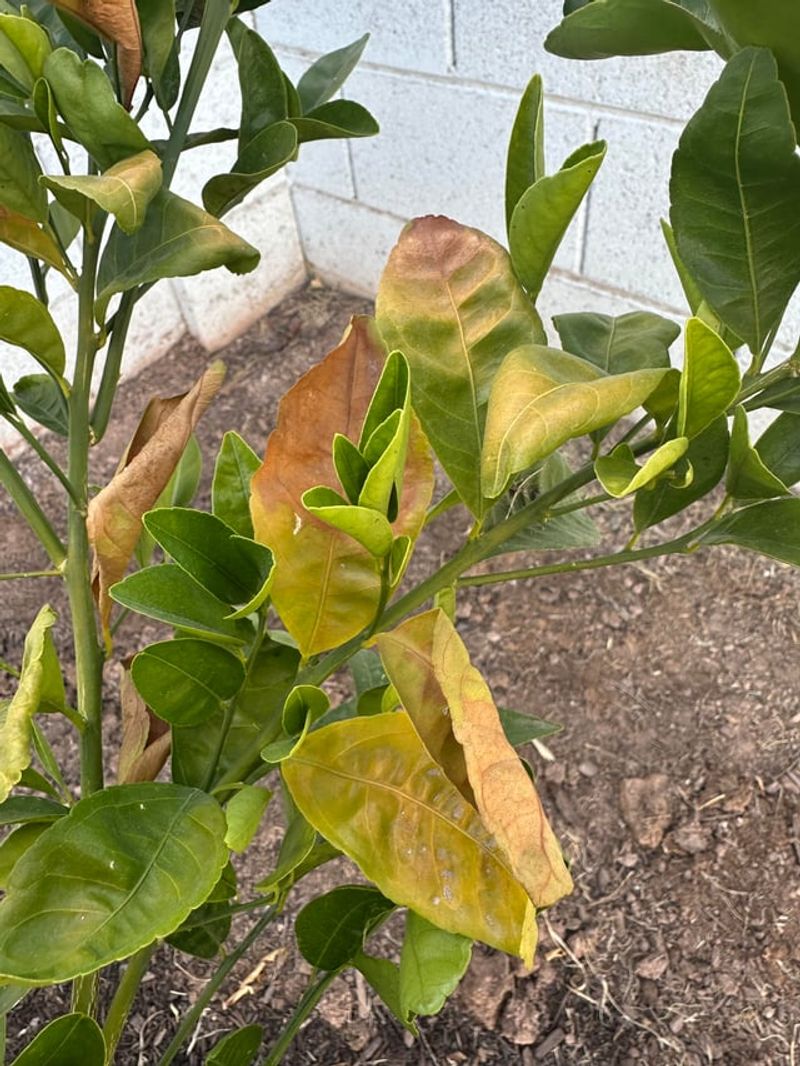
In Arizona landscapes, citrus trees are such a familiar sight that many people assume they can handle intense heat without much trouble. That assumption holds true for mature, well-established trees, but younger citrus plants and recently transplanted trees tell a very different story when early spring temperatures surge unexpectedly.
One of the most telling early signs of heat stress in citrus is leaf curling. The leaves begin to roll lengthwise, almost like a scroll, as the tree tries to reduce the amount of surface area exposed to direct sunlight.
You might also notice a sudden yellowing of the newer growth at the tips of branches, which stands out sharply against the darker green of the older leaves below.
Fruit drop is another major concern for citrus growers across Arizona’s Valley and surrounding areas. When temperatures spike in early spring, trees sometimes respond by dropping small, developing fruits as a way to conserve resources.
This can be disappointing, especially if you were looking forward to a good harvest, but it is the tree prioritizing its own survival over fruit production.
For younger citrus trees especially, creating some afternoon shade using shade cloth or even temporary wooden panels can protect the bark from sunscald. Painting exposed trunks with diluted white latex paint is a common Arizona trick that reflects heat and prevents bark damage.
Deep, infrequent watering encourages roots to grow deeper into the cooler layers of soil, which builds long-term heat resilience for the tree.
6. Strawberries Fade Fast Once Spring Heats Up
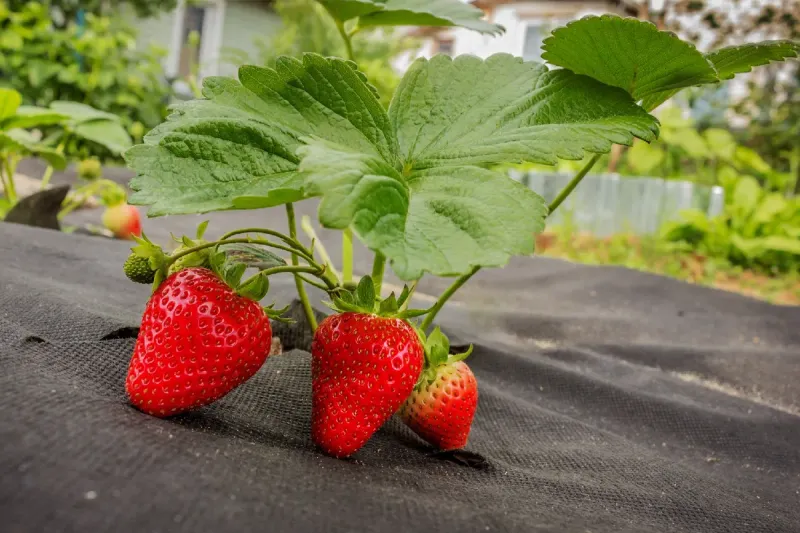
At heart, strawberries are cool-season plants, so Arizona’s rapidly warming spring temperatures can stress them much faster than many other fruits in the garden. Gardeners in the Phoenix metro and Tucson areas often plant strawberries in late winter to take advantage of the mild weather, but by March or April, the heat can start working against them quickly.
The first sign of heat trouble in strawberries is usually wilting during the afternoon hours, even when the soil is moist. The leaves may also develop a dull, grayish-green color rather than the bright, glossy look of a healthy plant.
This color change is an early indicator that the plant is under metabolic stress and struggling to keep up with the water demand created by the intense Arizona sun.
Browning along the leaf tips and edges is another common symptom, and it can spread quickly if conditions do not improve. Strawberry plants may also stop producing runners and new growth, essentially going into a holding pattern until conditions become more favorable.
In extreme cases, plants may drop their blossoms entirely, which means no fruit will set for that cycle.
Keeping strawberries cool in Arizona requires some creative thinking. Placing them in containers that can be moved to shadier spots during peak heat is one practical solution.
Using shade cloth, mulch, and careful watering is a more reliable way to help keep strawberry roots and soil cooler in Arizona spring heat. Morning watering combined with afternoon shade cloth coverage gives strawberries the best chance of staying productive through the warm spring weeks ahead.
7. Lettuce Bolts Before You Know It
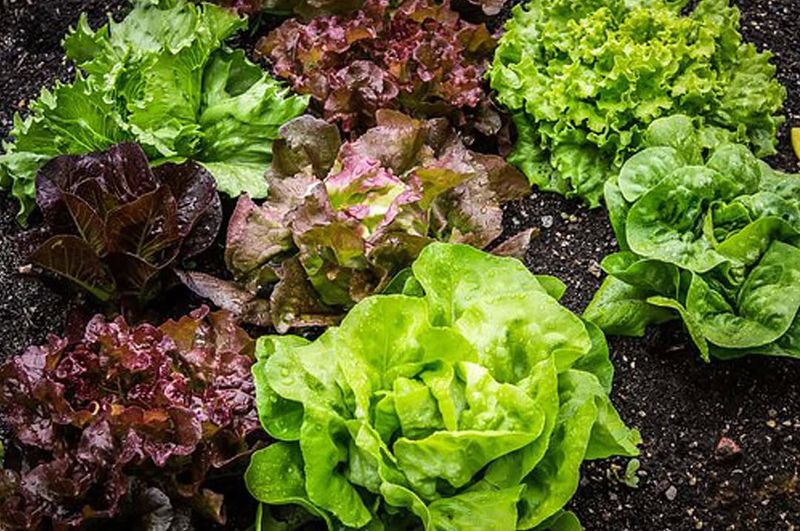
Ask any Arizona gardener what the trickiest plant to time correctly is, and there is a good chance they will say lettuce. This leafy green thrives in cooler temperatures and practically sprints toward heat stress the moment spring decides to show up early.
In Arizona’s low desert, that can happen as soon as February or early March, leaving gardeners scrambling to protect their crops.
Bolting is the most dramatic and unmistakable sign of heat stress in lettuce. When temperatures climb, the plant shifts its energy away from producing leaves and toward sending up a tall flower stalk.
Once bolting begins, the leaves left on the plant turn bitter and tough, making them unpleasant to eat. Experienced Arizona gardeners learn to watch for that central stalk beginning to rise as a clear warning that harvest time has passed.
Before bolting fully kicks in, you will often notice the outer leaves of the lettuce head turning yellow or developing brown, papery edges. The whole plant may look wilted by early afternoon, and the leaves lose their crisp texture even when freshly watered.
These are signs that the plant is already operating outside its comfort zone and needs intervention fast.
Growing lettuce under 40 to 50 percent shade cloth extends the productive season noticeably in Arizona. Choosing heat-tolerant varieties like Jericho or Nevada also helps push the boundaries a bit.
Harvesting individual outer leaves regularly, rather than waiting for a full head, lets you enjoy the crop before heat stress takes over completely.
8. Begonias Show Stress Faster Than They Let On
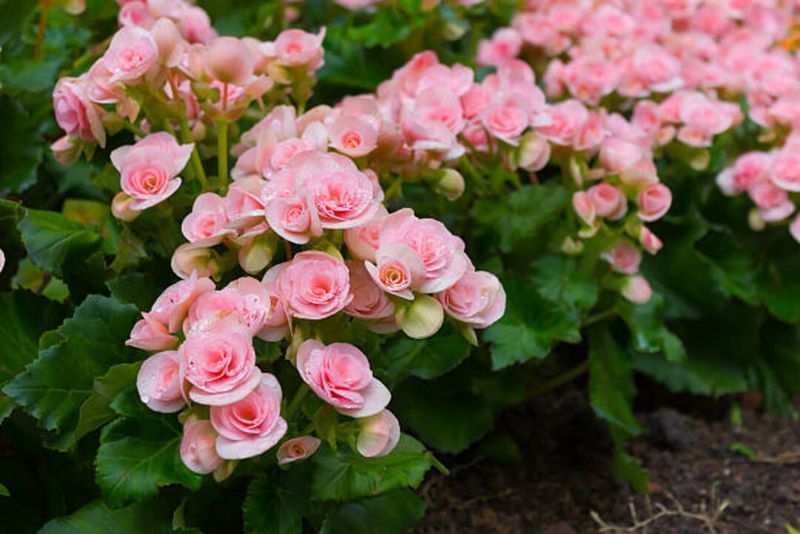
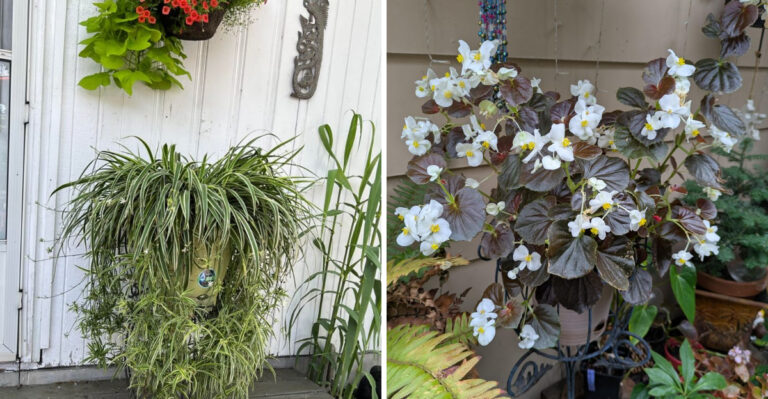
Begonias bring a cheerful splash of color to Arizona patios and garden beds, but they are surprisingly sensitive to the intense sun and heat that rolls in during early spring. Many gardeners plant begonias expecting months of blooms, only to find the plants looking ragged and burnt within just a few weeks of Arizona’s temperatures ramping up.
Scorched leaf edges are usually the first visible sign that a begonia is struggling. The outer margins of the leaves turn brown and crispy, almost as if someone held a flame too close to the edge.
This leaf scorch happens because the intense Arizona sun overwhelms the plant’s ability to keep those outer tissues hydrated and functioning. The damage is permanent on those leaves, but new healthy growth can still appear if conditions improve.
Faded or dropping flowers are another early indicator of heat stress in begonias. The blooms may lose their vibrant color, turning pale or washed out before falling off the plant entirely.
You might also notice that the stems become soft or slightly mushy near the base, which is more often linked to excess moisture or stem and root problems than heat stress alone.
Moving begonias to a location with morning sun and afternoon shade is the single most effective way to protect them in Arizona. East-facing spots work beautifully because they get gentle early light without the brutal western afternoon exposure.
Using containers with light-colored walls helps reflect heat away from the roots, and keeping the soil consistently moist without letting it become waterlogged will keep begonias looking their best through the season.