Ohio Vegetables To Direct Sow In April For Early Summer Harvest
April in Ohio has a way of making gardeners a little restless. One sunny afternoon hits, the birds get louder, and suddenly everybody wants to be outside with seed packets in hand.
It is that time of year when the garden starts feeling full of promise again, even though the nights can still keep you guessing.
Direct sowing fits this moment perfectly. You skip the extra fuss indoors and plant certain crops straight into the ground while spring is still cool.
For plenty of Ohio vegetables, that is not a shortcut at all. It is actually the better move. Some seeds sprout faster, root better, and settle in more naturally this way.
That is where timing starts to matter. A crop that loves chilly soil can take off right now, while another will sulk and stall.
The vegetables ahead are the ones worth reaching for first when early summer is the goal.
1. Peas For An Early Garden Win
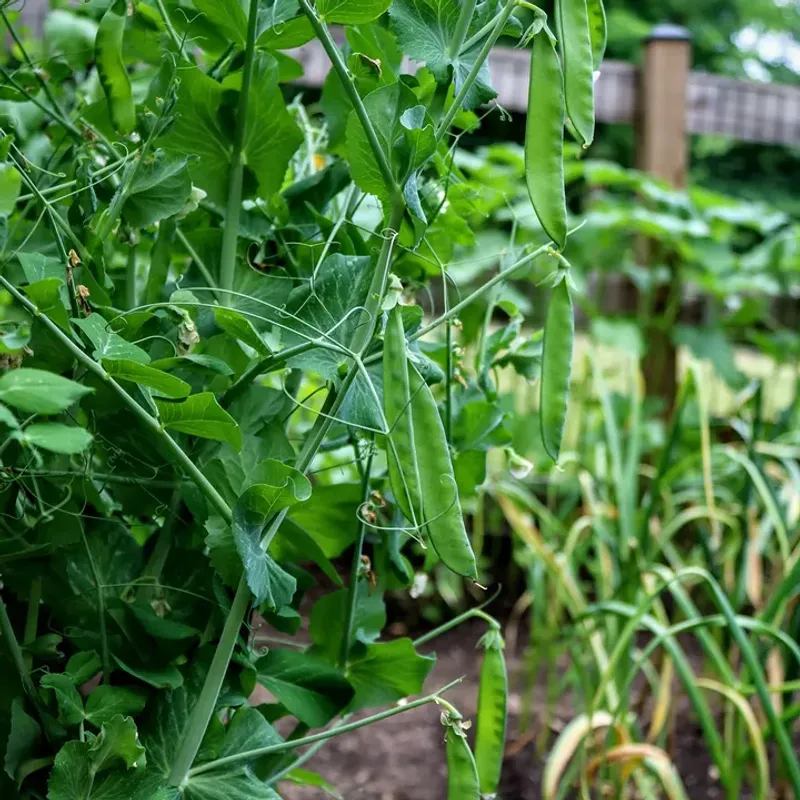
Few things signal the start of a great gardening season like a row of peas pushing up through cool Ohio soil. Peas absolutely love the chilly mornings and mild afternoons that April brings, making them one of the best vegetables to direct sow this time of year.
Plant your seeds about one inch deep and space them roughly two inches apart in rows about 18 inches wide.
One thing many Ohio gardeners learn quickly is that peas need something to climb. Set up a simple trellis, some chicken wire, or even a few tall sticks before your seeds sprout.
Climbing varieties like Sugar Snap or Snow Peas can grow two to four feet tall, and giving them support keeps the plants healthy and makes harvesting much easier.
Peas grow fast in cool weather and can be ready to pick in as little as 60 days. That means if you sow in early April, you could be snacking on fresh peas by late May or early June.
Harvest them often because picking regularly encourages the plant to keep producing more pods.
Peas are also great for the soil. They fix nitrogen naturally, which means they actually improve the ground for whatever you plant next.
For Ohio gardeners looking for a rewarding, low-fuss start to the season, peas are a fantastic first choice that rarely disappoints.
2. Leaf Lettuce For Fast Fresh Pickings
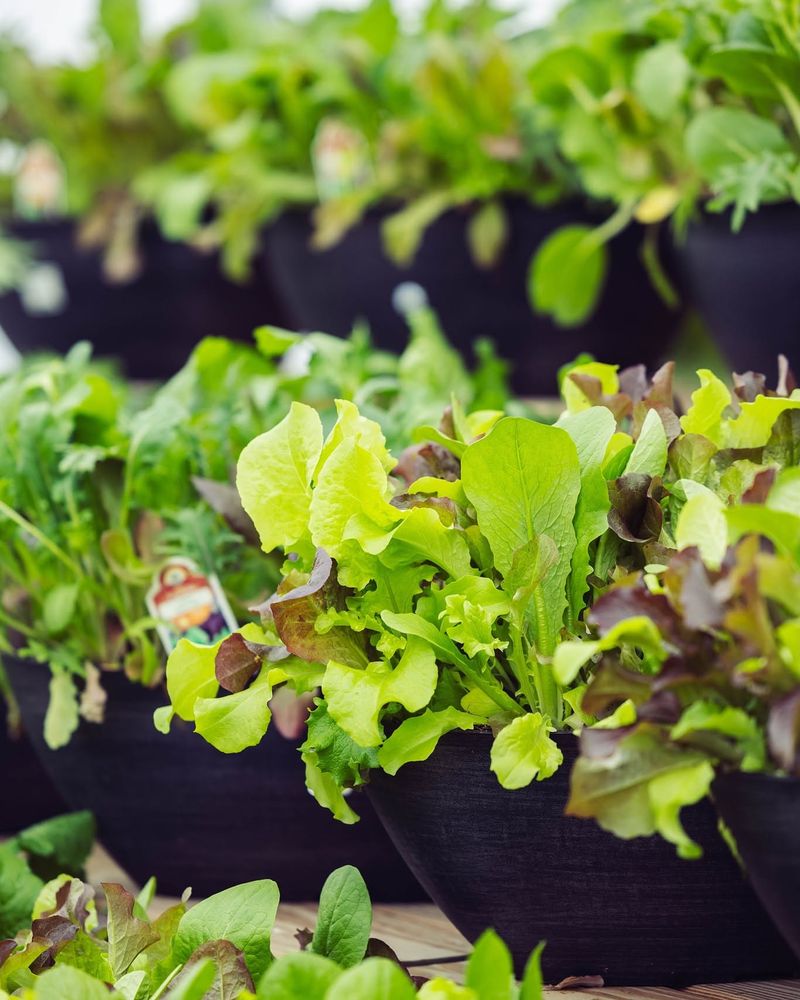
Within just a few weeks of sowing, you have lush, colorful leaves ready to toss into a salad. Ohio’s cool April temperatures are practically made for lettuce, which can bolt and turn bitter once summer heat arrives, so getting seeds in the ground early is the key to success.
Sow seeds about a quarter inch deep and space them six inches apart in rows about 18 inches wide. You do not need a huge garden bed to grow lettuce.
A raised bed, a large container, or even a window box works perfectly well. Varieties like Black Seeded Simpson, Red Sails, and Salad Bowl are all popular choices among Ohio home gardeners.
Your Ohio Garden Changes Every Week. Your Plan Should Too.
Gardening in Ohio changes quickly throughout the season. Every Friday you’ll receive a simple weekly plan showing exactly what to plant, prune, fertilize, harvest, and protect so you never miss the right timing.
The best part about leaf lettuce is the cut-and-come-again harvesting method. Instead of pulling the whole plant, just snip the outer leaves and let the center keep growing.
A single planting can provide fresh salad greens for weeks on end, which makes it incredibly efficient for small garden spaces.
Lettuce prefers consistent moisture, so water regularly and consider adding a thin layer of mulch around your plants to hold in moisture during dry spring spells. If a late frost threatens in Ohio, a simple row cover or old bedsheet draped over the plants overnight will keep them safe and growing strong all season long.
3. Spinach That Loves Cool Spring Soil
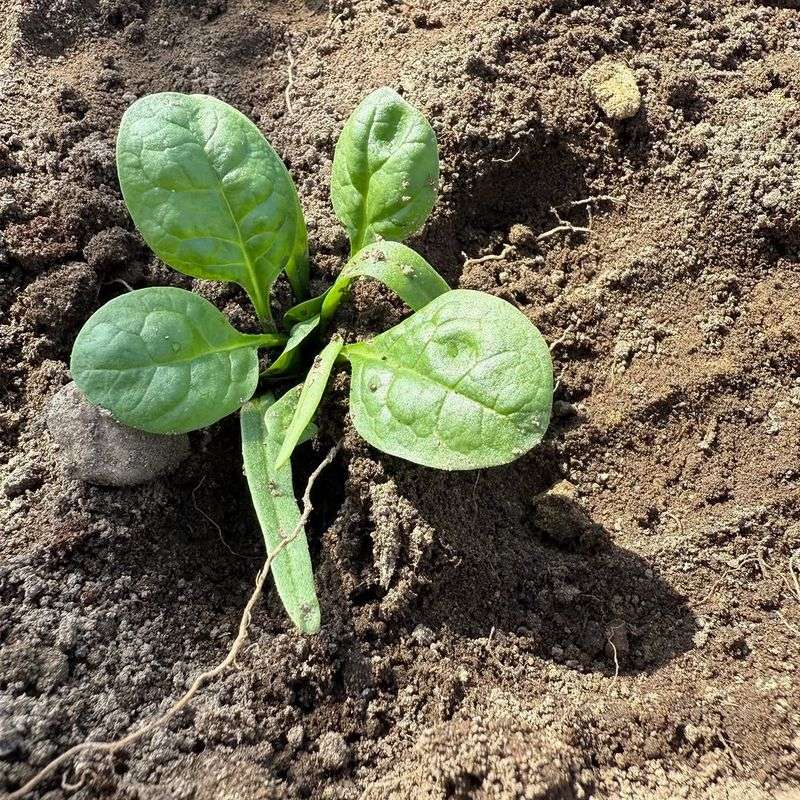
Cold nights, cool days, and moist Ohio spring soil are exactly the conditions it loves. Spinach seeds can actually germinate in soil temperatures as low as 35 degrees Fahrenheit, which means April is not just a good time to plant in Ohio, it is the perfect time.
Sow seeds about half an inch deep, spacing them one to two inches apart in rows 12 to 18 inches wide. Once seedlings emerge and are about two inches tall, thin them out to around three to four inches apart.
Thinning feels a little wasteful at first, but it gives each plant enough room to develop full, healthy leaves that are worth the wait.
Did you know spinach has been grown for over 2,000 years? It originated in ancient Persia and made its way around the world before becoming a garden staple in places like Ohio.
Today, varieties like Bloomsdale Long Standing and Tyee are popular among home growers for their flavor and resistance to bolting.
Harvest outer leaves regularly to keep the plant productive. Spinach is incredibly versatile in the kitchen, working well in salads, smoothies, pasta, soups, and more.
If Ohio temperatures start climbing into the 80s, expect your spinach to slow down, but by then you will have already enjoyed weeks of fresh, nutritious greens straight from your own backyard.
4. Radishes For The Quickest Harvest Around
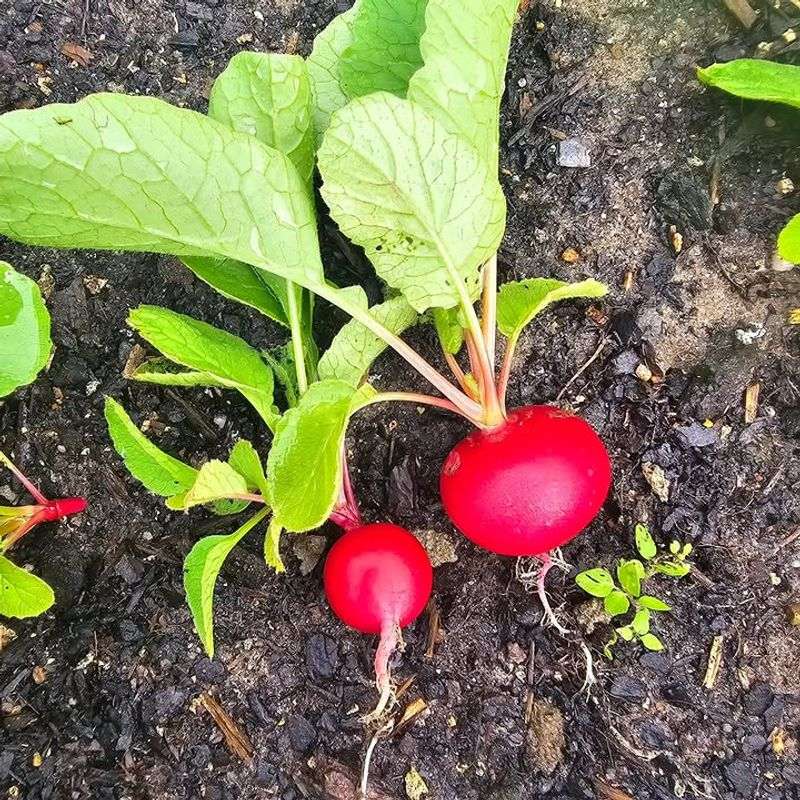
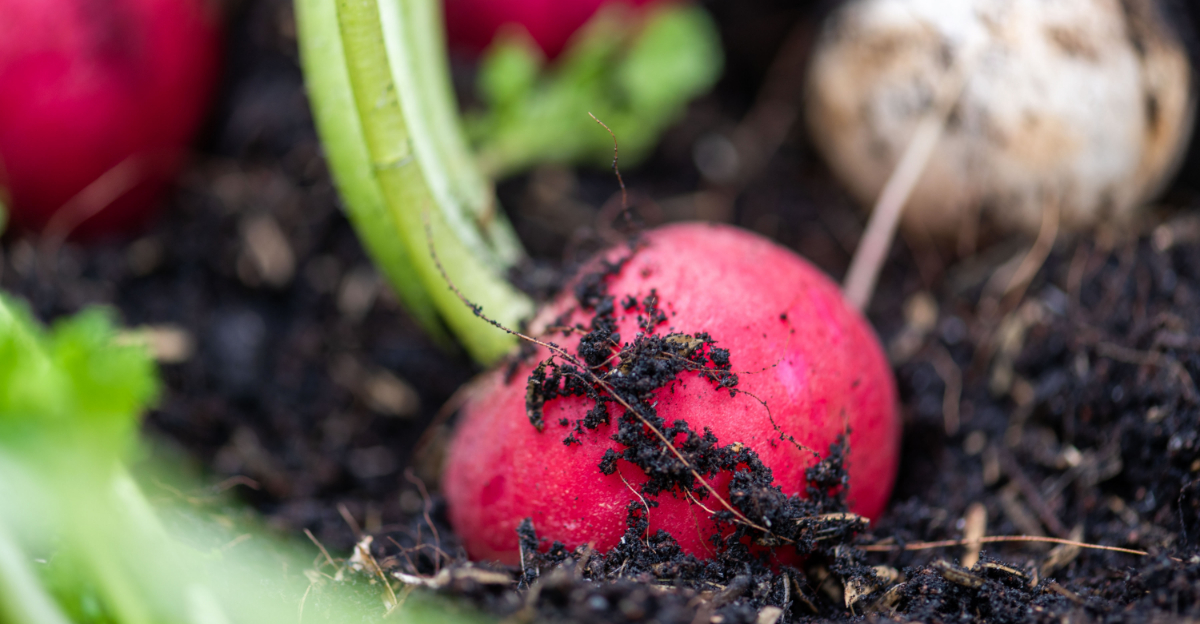
If you have never grown radishes before, get ready to be amazed at how fast they work. Radishes are arguably the speediest vegetable in the garden, going from seed to harvest in as little as 22 to 30 days.
For Ohio gardeners eager to see results quickly after a long winter, radishes deliver that satisfying payoff faster than almost anything else you can plant in April.
Sow seeds about half an inch deep and space them one inch apart in rows about 12 inches wide. Once seedlings are established, thin them to about two inches apart so each root has room to swell up properly.
Crowded radishes tend to produce more leafy tops and smaller, less satisfying roots, so thinning really does make a big difference in your harvest quality.
Popular varieties for Ohio spring gardens include Cherry Belle, Easter Egg, and French Breakfast. Each has a slightly different flavor profile and appearance, so planting a mix can make your garden bed look colorful and your meals more interesting.
Radishes are also commonly used in mixed plantings with crops like carrots and lettuce.
Keep the soil consistently moist for the best results, and check on your radishes every few days once the 20-day mark approaches. Leaving them in the ground too long after maturity can cause them to become pithy and overly spicy.
Pull them at peak ripeness and enjoy them fresh, pickled, or sliced into spring salads.
5. Carrots That Reward Patience Beautifully
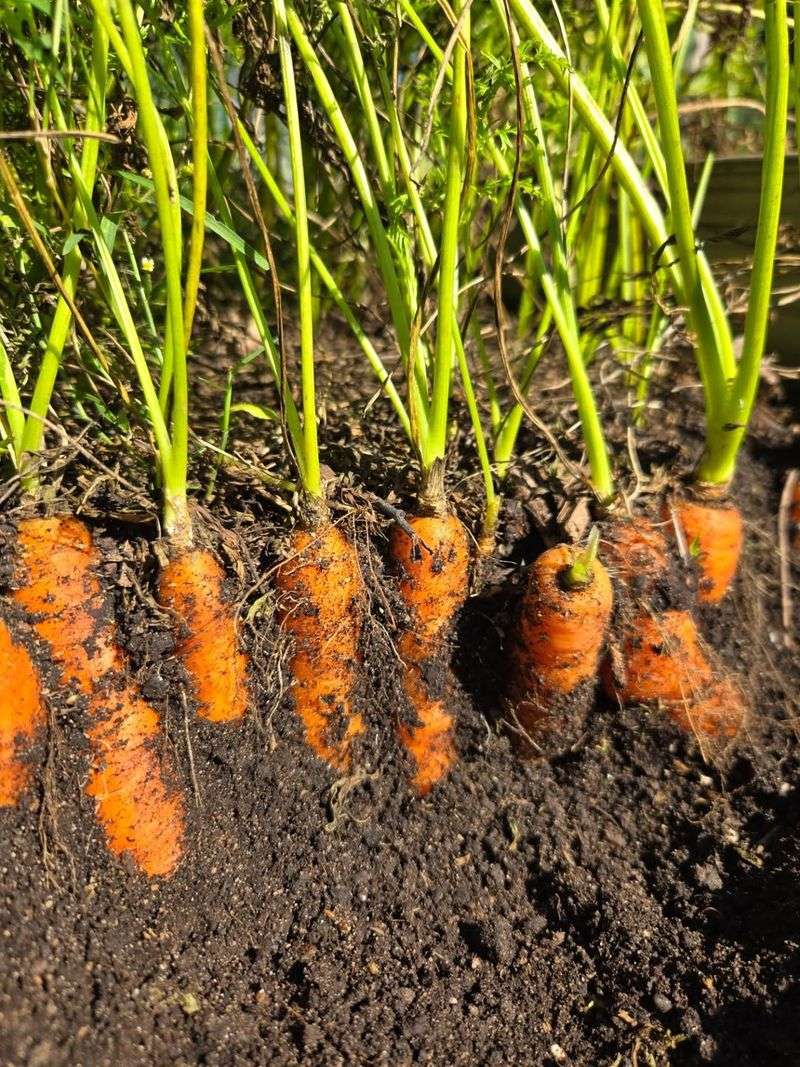
Carrots have a reputation for being a little fussy, but once you understand what they need, they become one of the most rewarding vegetables you can grow in Ohio. The secret is all in the soil preparation.
Carrots need loose, deep, stone-free soil to develop long, straight roots. Rocky or compacted ground causes them to fork, twist, or stay stubbornly short.
Sow carrot seeds about a quarter inch deep in rows 12 inches apart. Because carrot seeds are tiny and slow to germinate, some gardeners mix them with sand before sowing to spread them more evenly.
Germination can take 10 to 21 days, so patience is important here. Once seedlings reach about two inches tall, thin them to two to three inches apart to give each root enough space to grow properly.
April in Ohio is ideal for carrot sowing because cool soil encourages steady root development without the stress of summer heat. Varieties like Danvers 126, Nantes, and Scarlet Nantes perform well in Ohio gardens and tend to produce sweet, flavorful roots that taste far better than anything from a grocery store.
Carrots are ready to harvest in roughly 70 to 80 days from sowing, which puts your harvest right in early summer. A light frost actually makes carrots sweeter by converting some of their starches to sugar.
Keep the soil consistently moist, especially during germination, and mulch between rows to retain moisture and keep weeds from competing with your young plants.
6. Swiss Chard With Color And Staying Power
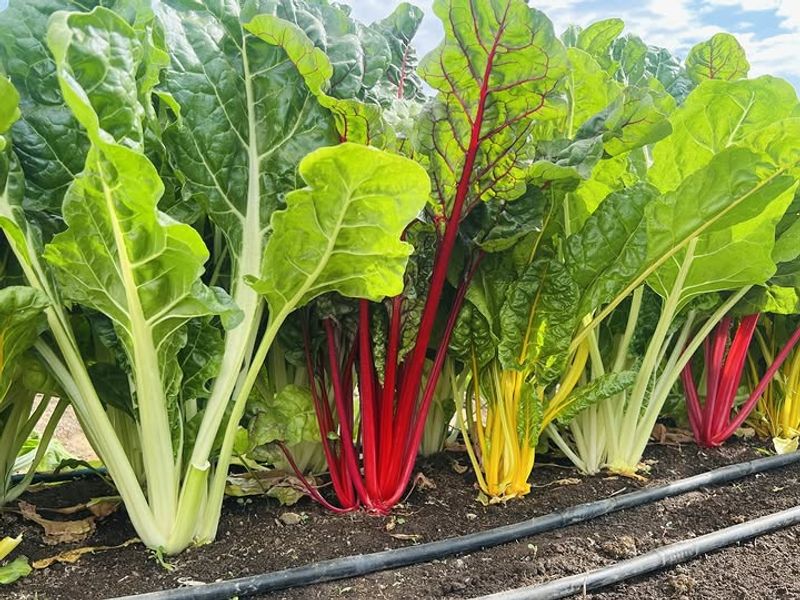
With stems that come in brilliant shades of red, orange, yellow, and white, a row of Swiss chard looks almost too pretty to eat. But do not let its good looks fool you, because this vegetable is also incredibly hardy and productive, making it a top pick for April sowing in Ohio.
Plant seeds about half an inch deep, spacing them six to nine inches apart in rows about 24 inches wide. Swiss chard seeds are actually seed clusters, meaning each one can produce multiple seedlings.
Once they sprout, thin carefully so the strongest plant in each cluster has room to grow. Thinned seedlings are completely edible and taste great in salads or stir-fries.
What makes Swiss chard especially appealing for Ohio gardeners is its impressive tolerance for both cool spring temperatures and mild summer warmth. Unlike spinach or lettuce, chard does not bolt quickly when temperatures rise, giving you a much longer harvest window.
Varieties like Rainbow Chard, Fordhook Giant, and Bright Lights are all excellent performers in Ohio gardens.
Harvest outer leaves regularly once the plant reaches about 8 to 10 inches tall. The more you pick, the more the plant produces.
Swiss chard is wonderful sauteed with garlic and olive oil, added to soups, or even used as a wrap alternative. For Ohio gardeners who want beauty and productivity in one package, Swiss chard is a clear winner.
7. Kale For A Tough Productive Start
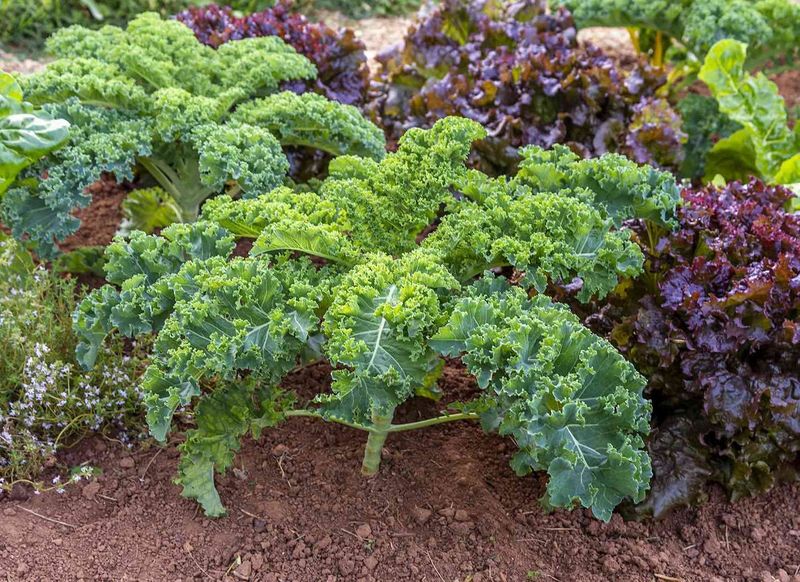
April is a great month to direct sow kale because the cool soil and mild temperatures encourage strong, steady germination and leaf development before summer arrives.
Sow kale seeds about half an inch deep, spacing them three to four inches apart in rows 18 to 24 inches wide. Once seedlings are a few inches tall, thin them to about 12 inches apart to give each plant enough room to spread out.
Kale plants can get quite large, so generous spacing pays off in bigger, more productive harvests later in the season.
Popular varieties for Ohio include Dwarf Blue Curled, Red Russian, and Lacinato, which is also called Dinosaur Kale for its bumpy, dark leaves. Each variety has a slightly different texture and flavor, but all of them thrive in Ohio’s spring conditions.
Red Russian tends to be a bit more tender and mild, making it a favorite for raw salads and smoothies.
Harvest kale by removing the lower outer leaves first and working your way up the stalk over time. Regular harvesting keeps the plant productive and encourages fresh new growth from the center.
Kale is also incredibly versatile in the kitchen, working well in soups, chips, pasta, and grain bowls. For Ohio gardeners who want a reliable, nutrient-rich crop, kale is hard to beat.
8. Turnips For Two Harvests In One
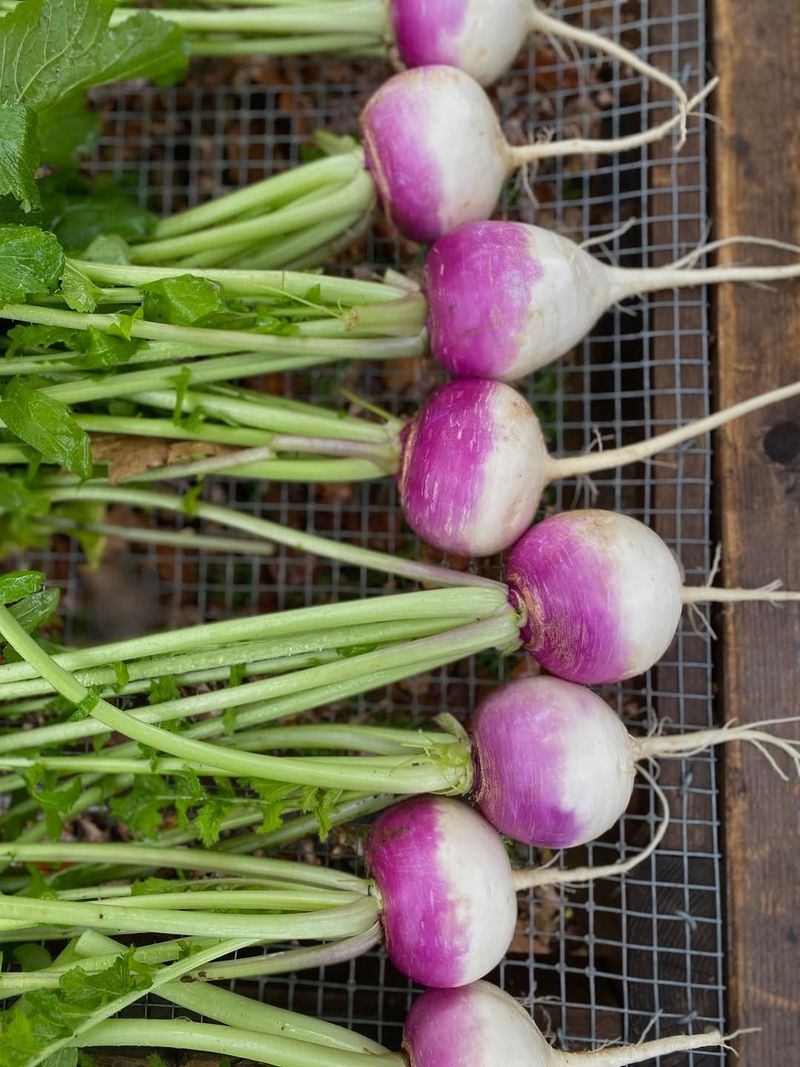
Both the roots and the leafy tops are edible, which means you get two harvests from a single planting. That kind of efficiency is hard to argue with, especially when garden space is limited and you want to make every square foot count.
Sow turnip seeds about half an inch deep, spacing them one inch apart in rows 12 to 18 inches wide. After seedlings emerge, thin them to about four to six inches apart.
The thinnings are delicious steamed or added to soups, so nothing goes to waste. Turnips prefer cool soil and can tolerate a light frost, which makes April in Ohio an ideal time to get them started.
Popular varieties for spring planting in Ohio include Purple Top White Globe, Tokyo Cross, and Hakurei, which is a Japanese variety known for its sweet, mild flavor. Turnips typically mature in 40 to 60 days, putting your harvest right on schedule for early summer enjoyment.
The roots are best harvested when they are about two to three inches in diameter for the sweetest, most tender flavor.
Turnips store well in the refrigerator for a couple of weeks, making them practical as well as productive. Roasted turnips with olive oil and herbs are a surprisingly tasty side dish that even skeptics tend to enjoy.
For Ohio gardeners looking to round out their April planting list with something a little underrated, turnips are absolutely worth trying this season.