How To Attract Eastern Bluebirds To Your Florida Yard This Spring
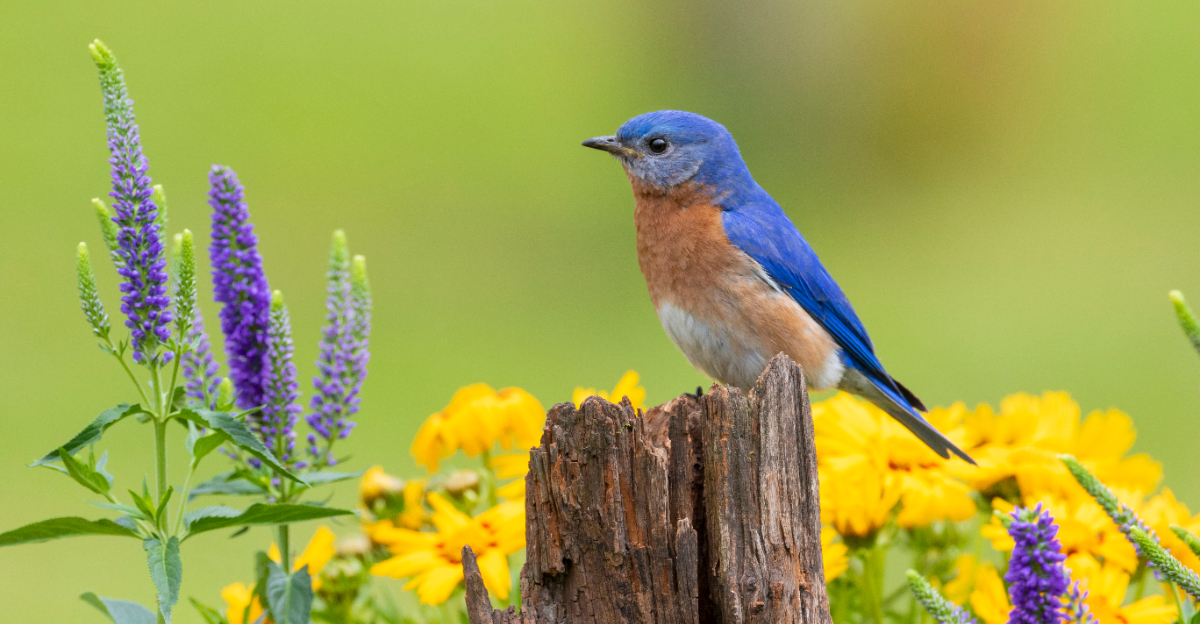
There is something special about spotting that flash of blue in the yard and realizing a bluebird picked your space for a reason. It feels like a little bit of luck, but it is not luck at all.
In spring, Eastern bluebirds start looking for the kind of yard that gives them food, safe places to perch, and room to nest without too much commotion. That is where a lot of Florida gardeners miss the mark.
A yard can be full of plants and still feel all wrong to a bluebird. The details matter more than people think, from open space and nesting spots to the insects and berries that help these birds settle in.
Once you understand what draws them in, your yard starts to feel less random and more inviting. A few smart changes can turn an ordinary spring garden into the kind of place bluebirds want to visit, explore, and come back to again.
1. Open Space Gives Bluebirds Room To Hunt
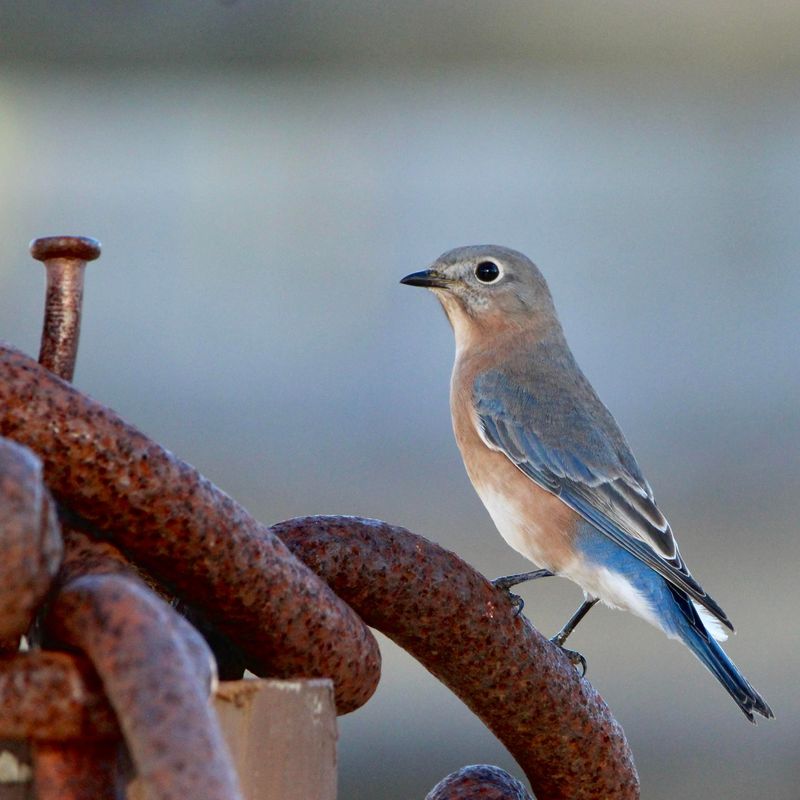
Walk out to your backyard on a clear spring morning and picture a small, vivid bird dropping straight down from a fence post to snatch an insect from the grass. That is exactly how Eastern Bluebirds hunt, and it only works when they have open ground to scan.
According to the Florida Fish and Wildlife Conservation Commission, Eastern Bluebirds strongly prefer open habitats such as fields, meadows, and yards with short, sparse vegetation where insects are easy to spot from above.
A yard packed with dense shrubs, tall ground cover, or heavy mulch beds makes foraging much harder for them. Bluebirds rely on a hunting technique called “drop foraging,” where they perch at a low vantage point, spot movement below, and swoop down quickly.
Without clear sightlines to open ground, that strategy simply does not work.
Florida homeowners can help by keeping at least a portion of the lawn mowed short and avoiding the urge to plant every open patch. Sparse turf areas near garden edges or fence lines are especially useful.
You do not need to sacrifice your landscaping entirely. Even a modest stretch of open lawn near a perching spot gives bluebirds a workable foraging zone.
The more unobstructed ground you can offer, the more time bluebirds are likely to spend in your yard rather than moving on to a more suitable property down the road.
2. A Nest Box Can Make All The Difference
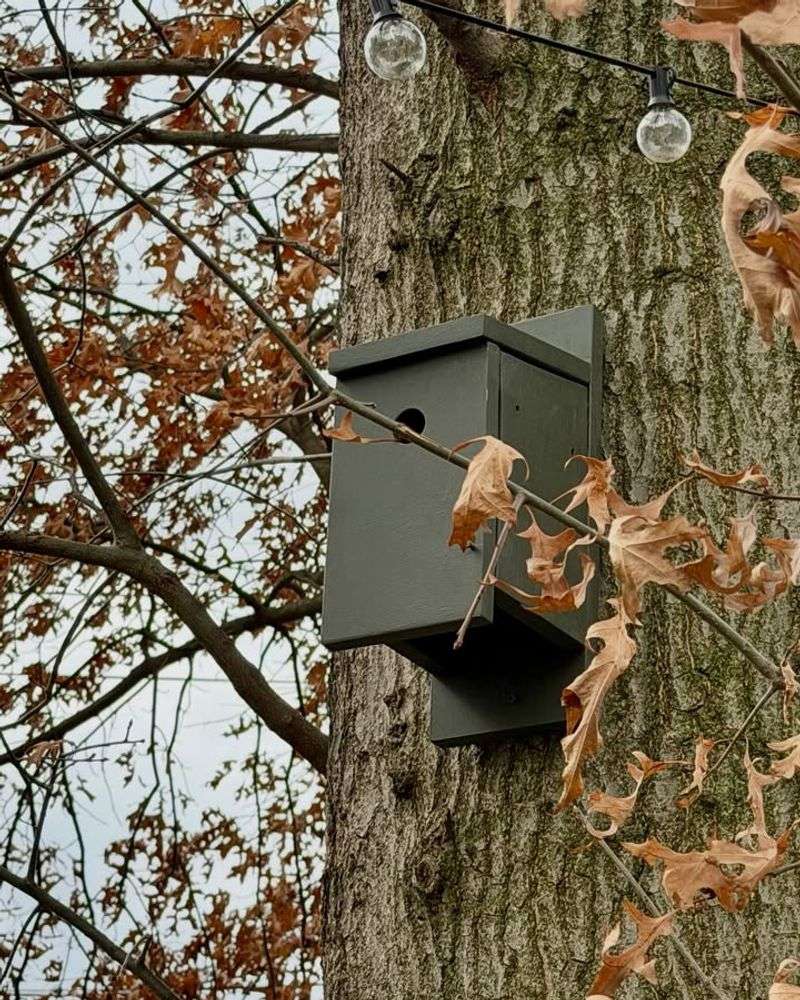
Springtime is nesting season, and Eastern Bluebirds start looking for cavities early. Unlike woodpeckers, bluebirds cannot excavate their own holes, so they depend entirely on existing cavities or nest boxes that humans provide.
Installing a proper nest box in your Florida yard this spring could be the single most effective step you take to attract them.
The North American Bluebird Society recommends a box with a 1.5-inch entrance hole, which is large enough for bluebirds but small enough to exclude European Starlings.
The box should be mounted on a smooth metal pole, about four to six feet off the ground, in an open area with a clear flight path to the entrance.
Your Florida Garden Changes Every Week. Your Plan Should Too.
Gardening in Florida changes quickly throughout the season. Every Friday you’ll receive a simple weekly plan showing exactly what to plant, prune, fertilize, harvest, and protect so you never miss the right timing.
Facing the opening toward the east or northeast helps protect the interior from Florida’s intense afternoon heat, which can become a serious problem for young birds later in the season.
Placement matters just as much as the box itself. Avoid mounting nest boxes in dense tree canopy or against walls where predators can easily reach them.
A predator guard baffle on the pole adds a meaningful layer of protection. Check the box every week or two during the season and remove old nesting material after each brood leaves so the box stays clean and ready.
Bluebirds often raise more than one brood per season in Florida, so a well-maintained box can see multiple rounds of use between March and July. That kind of consistency builds a long-term relationship between the birds and your yard.
3. Low Perches Help Them Spot Their Next Meal
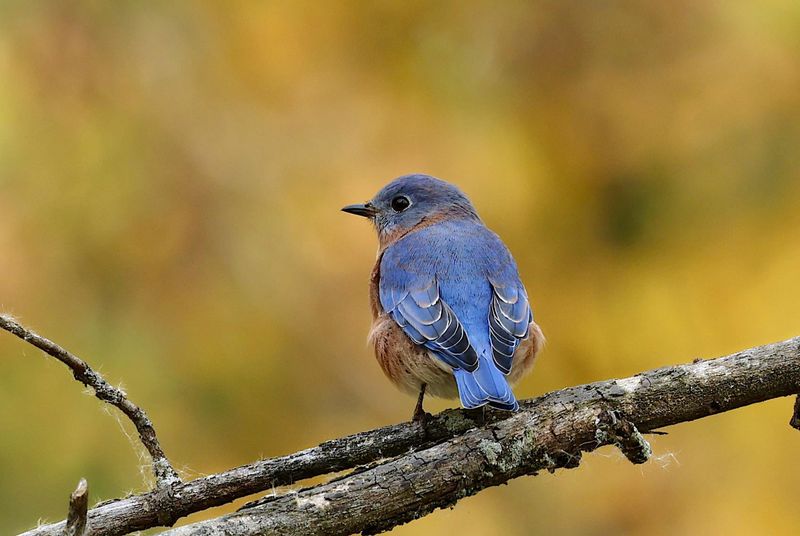
There is something almost theatrical about watching a bluebird hunt from a low perch. The bird sits perfectly still, tilts its head, locks onto something invisible in the grass, then drops like a tiny missile and pops back up with an insect in its beak.
That whole sequence depends on having the right kind of perch in the right kind of spot, and many Florida yards simply do not offer one.
Eastern Bluebirds favor low perches between three and six feet off the ground, according to bluebird conservation resources from Sialis.org, one of the most widely cited bluebird monitoring organizations in the country.
Fence posts, garden stakes, T-shaped poles, and low horizontal branches all work well.
The key is that the perch should sit above open ground so the bird has a clear view below. A perch surrounded by tall plants or thick brush is not particularly useful for hunting.
You do not need to build anything elaborate. A simple wooden stake pushed into the edge of a lawn, or even leaving a low withered branch from a nearby shrub in place, can give bluebirds exactly what they need.
Spacing a few perches around the open areas of your yard gives the birds multiple hunting stations to rotate through.
Homeowners who add perches near a nest box often notice bluebirds using them as lookout points throughout the day, which is a strong sign the birds feel comfortable and are actively working the yard as part of their territory.
4. Native Berries Keep Them Coming Back
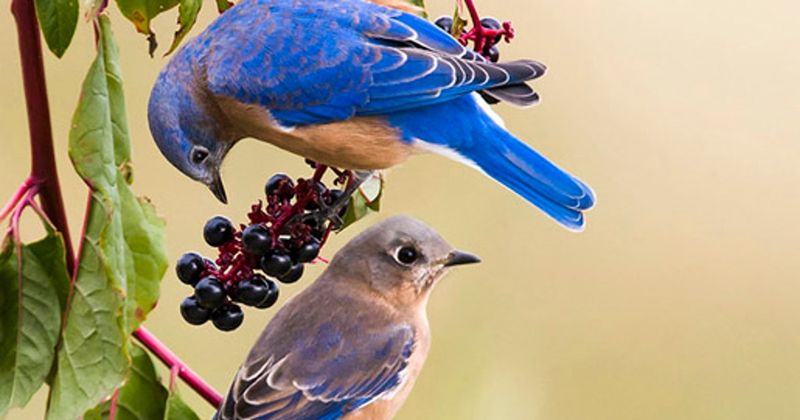
Insects make up the bulk of an Eastern Bluebird’s spring diet, but native berry-producing plants play a supporting role that should not be overlooked. During cooler stretches or when insect activity slows, bluebirds will turn to soft native fruits to fill the gap.
Planting the right shrubs and small trees gives your yard a food source that works even when the weather is not cooperating.
University of Florida IFAS Extension recommends several native Florida plants that produce fruits attractive to bluebirds and other wildlife.
American beautyberry is one of the most reliable options, producing clusters of bright purple berries that ripen in late summer and fall but support birds through the following season.
Native hollies, including yaupon holly and dahoon holly, are also strong choices because they hold their berries well into winter and early spring when food is less plentiful.
Serviceberry and native dogwood species are additional options worth considering for larger landscapes.
The value of planting natives goes beyond just the berries. Native plants also attract the insects that bluebirds need most during nesting season, creating a layered food web right in your own yard.
That combination of insects and fruit makes a native planting far more useful than a single feeder or a single plant species alone.
Start with one or two native shrubs near an open area where bluebirds already forage, and over time those plants become a reliable anchor point that draws the birds back season after season.
Choosing Florida-native species also means less maintenance and better long-term results for your garden overall.
5. Mealworms Can Turn A Passing Visit Into A Habit
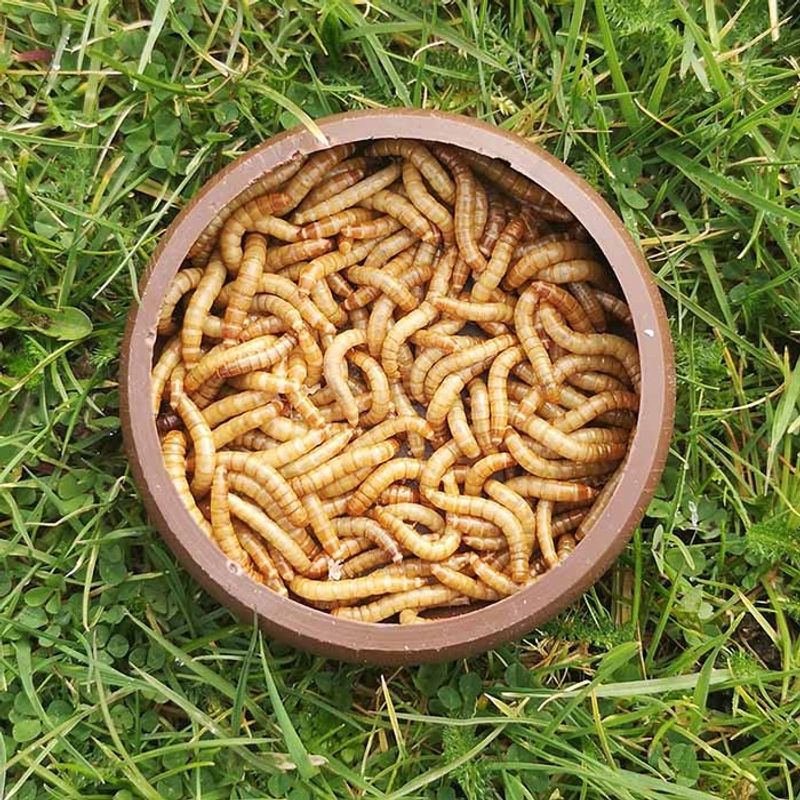
Few things get a bluebird’s attention faster than a tray of live mealworms sitting in plain sight. While habitat and nesting conditions are the foundation for attracting bluebirds, offering supplemental food can tip the scales when a bird is deciding whether to linger or move on.
Mealworms are the most consistently recommended food source for Eastern Bluebirds among birding resources, and for good reason: they closely mimic the soft-bodied insects bluebirds naturally hunt.
Live mealworms tend to get a stronger response than dried ones because the movement catches the bird’s eye. That said, dried mealworms that have been rehydrated with a little water are a practical alternative and easier to store.
Use a shallow tray or platform feeder with low sides so the bluebirds can see the contents easily from a perch or from the air. Place the feeder in or near an open area, not tucked under dense cover where the birds may feel exposed to predators approaching from above.
Consistency matters more than quantity. Putting out a small amount of mealworms at the same time each morning trains bluebirds to check the feeder regularly.
Once they associate your yard with a reliable food source, they are far more likely to stick around and investigate the other resources you have set up, including nest boxes and water.
Think of mealworms as an introduction rather than a long-term substitute for natural food.
The goal is to get their attention early in spring and let the habitat do the rest of the work going forward.
6. Fresh Water Makes A Yard Far More Inviting
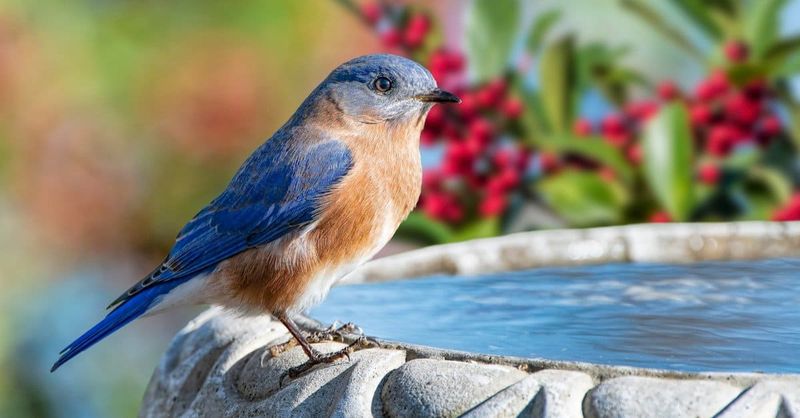
On a warm Florida spring morning, a birdbath with clean, shallow water can attract more bird activity than almost any feeder. Eastern Bluebirds need fresh water for both drinking and bathing, and they are drawn to it reliably throughout the day.
A yard that offers water alongside food and nesting options becomes a genuinely complete habitat rather than just a stopping point.
The setup does not need to be fancy. A shallow basin with a rough, textured bottom works well because bluebirds prefer secure footing when they wade in.
The water depth should stay between one and two inches, which is shallow enough for small birds to bathe comfortably without any risk.
Deeper basins can be made more accessible by adding a flat stone to the center that breaks the surface and gives birds a stable landing spot.
Placement is just as important as the basin itself. Set the birdbath in an open area away from dense shrubs or low branches where cats or other predators could crouch nearby.
A location with some overhead clearance lets birds see their surroundings while they bathe, which makes them feel safer and more likely to return.
Adding a small dripper or a solar-powered fountain creates moving water that produces sound, and that sound carries across the yard and draws birds in from a surprising distance.
Clean the basin every two to three days to keep the water fresh and free of algae, especially during Florida’s warmer spring weeks when bacteria can build up quickly in standing water.
7. Too Much Pesticide Drives Away Their Food
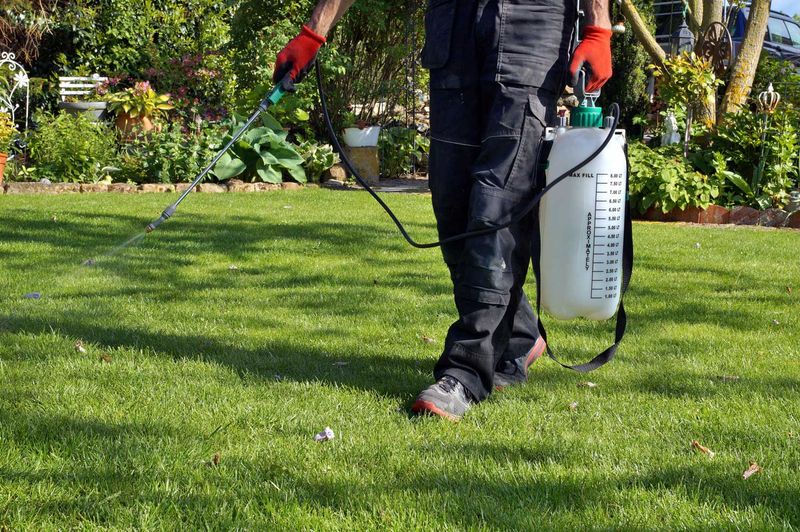
Spring is when insects become active across Florida yards, and that timing is no coincidence for bluebirds. Eastern Bluebirds raise their young almost entirely on insects, including beetles, caterpillars, grasshoppers, and spiders.
When a yard is heavily treated with pesticides, that insect population collapses, and bluebirds have very little reason to stay.
The connection between pesticide use and bird food supply is well documented. UF/IFAS Extension notes that maintaining healthy insect populations in the landscape is an important part of supporting native wildlife, including insect-eating birds.
Broad-spectrum insecticides applied to lawns and gardens do not just target pest species; they also reduce the populations of beneficial insects that birds depend on.
A yard that looks perfectly green and pest-free from a human perspective may be nearly empty of the food a bluebird family needs to survive the nesting season.
Scaling back pesticide use does not mean letting your yard go untended.
Spot-treating specific problem areas, using targeted organic products when necessary, and allowing some natural leaf litter or ground cover to remain are all practical steps that help keep insects present without giving up on yard care entirely.
Native plantings also help because they support more diverse insect communities than non-native ornamentals do. Homeowners who shift toward lower-input yard management often notice more bird activity overall, not just bluebirds.
Reducing pesticide pressure is one of the quieter changes you can make, but it has a real and lasting effect on how much natural food your yard can offer throughout the spring season.
8. A Safer Yard Gives Bluebirds More Reason To Stay
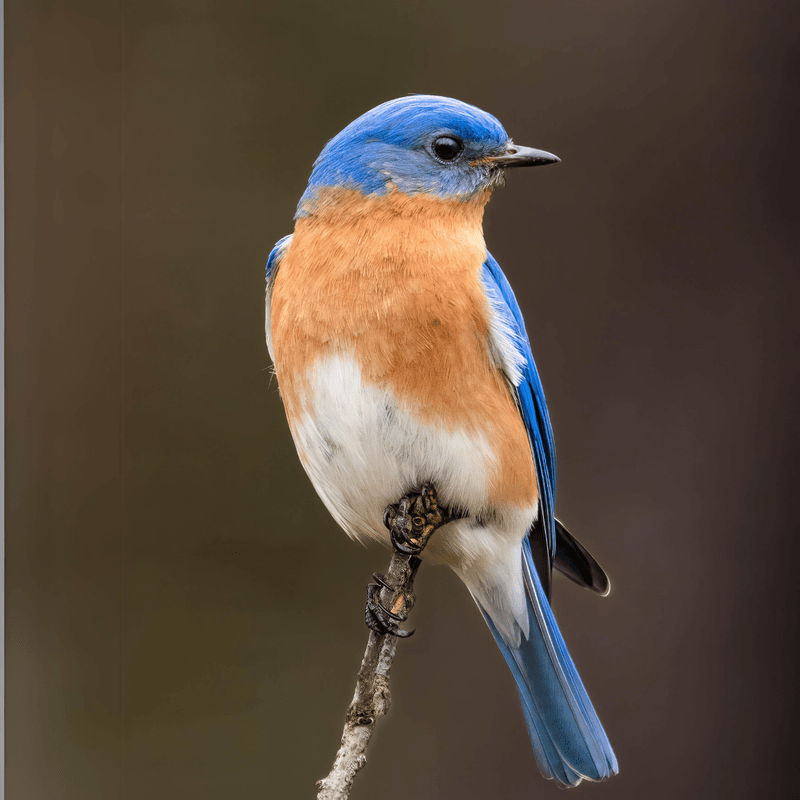
Food, water, and a nest box matter enormously, but bluebirds also pay close attention to how safe a space feels. A yard with frequent disturbances, roaming cats, or hazards near nesting areas is one that bluebirds will use cautiously at best and abandon at worst.
Building a genuinely bluebird-friendly yard means thinking about security alongside the other resources you provide.
Outdoor cats are one of the most significant threats to ground-foraging birds like Eastern Bluebirds. The American Bird Conservancy reports that free-roaming cats are among the leading human-related causes of bird harm in North America.
Keeping cats indoors or in enclosed outdoor spaces during spring nesting season protects not just bluebirds but the entire community of birds using your yard.
Reflective glass from windows is another hazard worth addressing; window decals or screens placed on the outside of large glass panels can significantly reduce collision risk for birds moving through the yard.
Keeping the area around a nest box calm and undisturbed during active nesting is also important. Checking the box is fine, but doing so quietly and briefly avoids stressing the adults during a sensitive period.
Avoid using loud equipment near active boxes when possible. Small adjustments like these signal to bluebirds that your yard is a low-stress environment, and birds that feel secure are far more likely to return in future seasons.
Over time, a yard that consistently offers safety alongside food, water, and shelter becomes the kind of place bluebirds choose on purpose, not just by chance.