What Your Ohio Peonies Need In April For More Flowers And Stronger Stems

Across Ohio, the race is officially on. One morning your garden is bare, and the next, those vibrant crimson peony shoots are charging through the soil with incredible speed.
In the Buckeye State, April is the “golden window” where your garden’s future is decided.
Because our weather loves to swing between warm sunshine and sudden frosty nights, these next few weeks determine if you’ll get floppy stems or a sturdy, spectacular explosion of flowers.
A little focused care right now is the secret to ensuring those heavy blooms don’t just survive the spring, but absolutely steal the show come May.
1. Remove Winter Mulch As Soil Warms Up
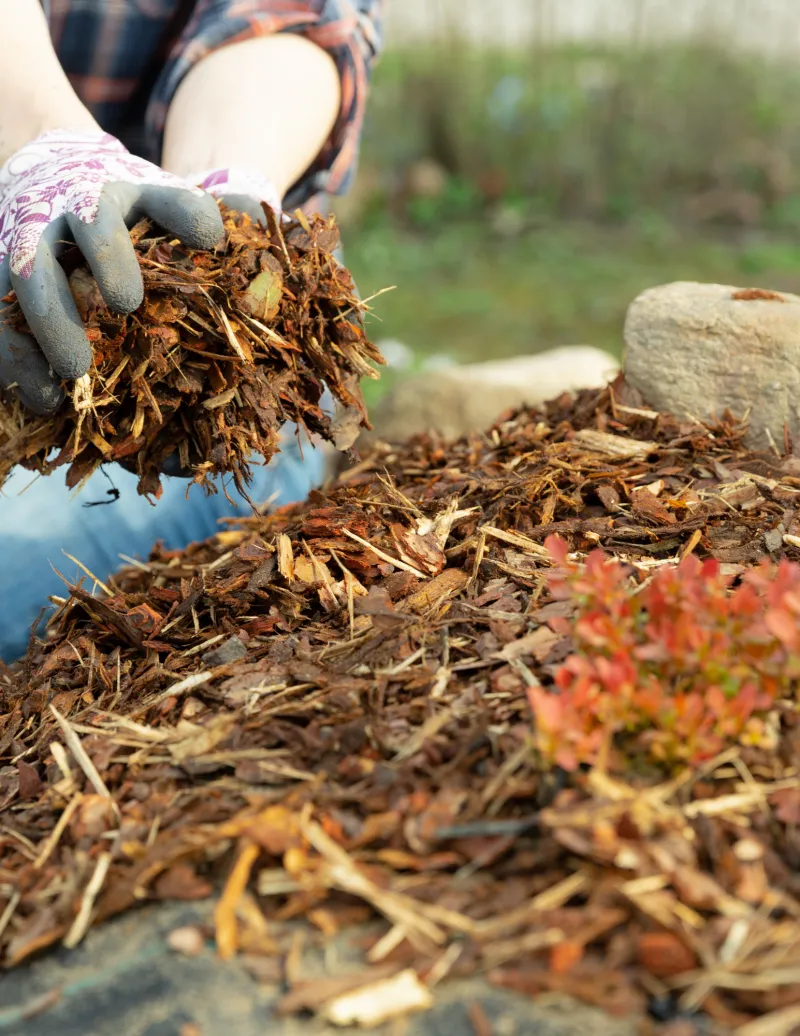
Those bright red peony shoots pushing through Ohio’s soil in early April are a welcome sight, but they can struggle if leftover winter mulch stays in place too long. Mulch that was helpful during January’s freeze can become a problem once temperatures start climbing.
It traps moisture, blocks airflow, and slows the warming of soil that young shoots need to develop properly.
The right time to pull back mulch in Ohio is typically when daytime temperatures are consistently staying above 40 degrees Fahrenheit and you can see shoots beginning to emerge.
Work carefully around the base of the plant, pulling mulch back a foot or more from the crown.
Tossing it into a compost pile or using it as a pathway covering keeps it from going to waste.
Leaving mulch on too long can encourage fungal issues and soft, weak stem growth, which affects how well your peonies perform later in the season. Once the mulch is cleared, take a moment to inspect the crown and surrounding soil.
Remove any old leaves or plant debris from the previous year, since these can harbor spores that lead to disease. Giving your peonies a clean, open space in April sets a strong foundation for the months ahead.
2. Provide Support Early Before Stems Stretch
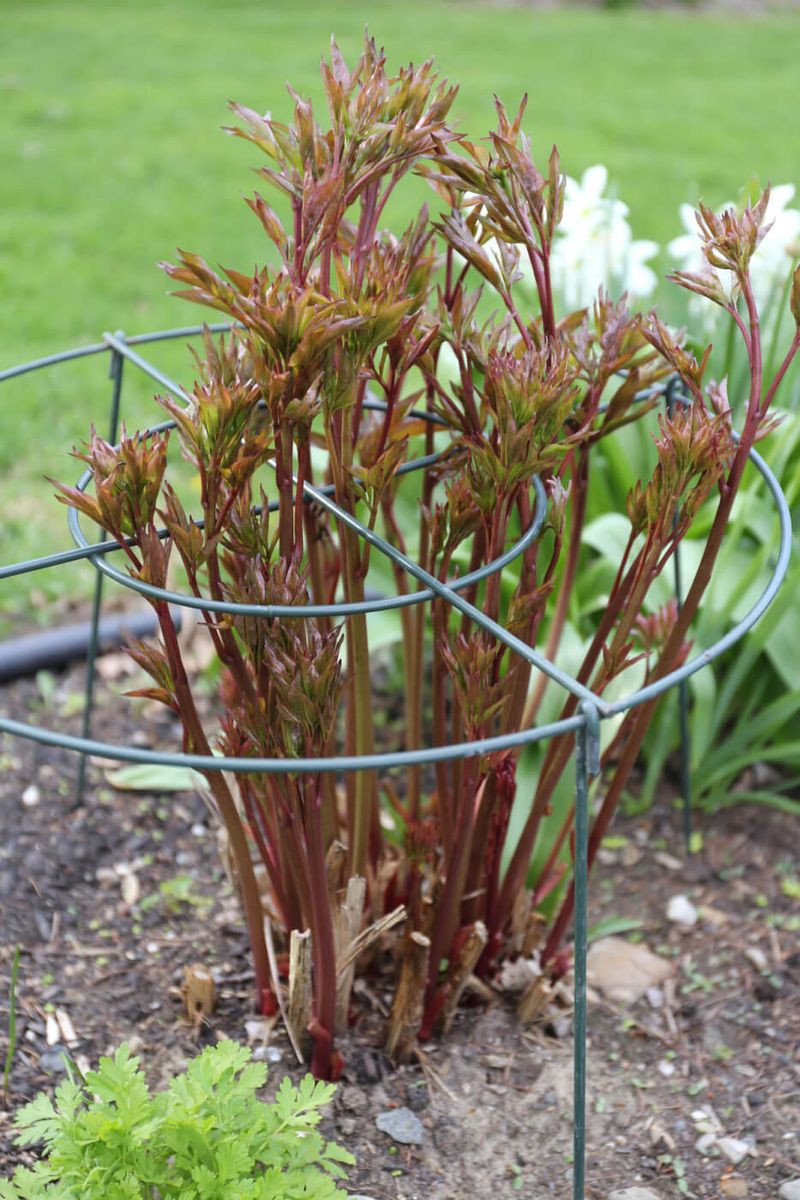
Peony stems in Ohio can grow surprisingly fast once April warmth settles in, and by the time many gardeners think about staking, the plants are already too tall to handle without risk.
Getting supports in place while stems are still short, around six to ten inches, makes the whole process easier and far less likely to cause damage.
Early staking means stems grow up through the support naturally, rather than being forced into position later.
Peony rings, also called grow-through supports, are among the most practical options available. They sit low over the crown and allow stems to rise through the grid as they grow, providing even support across the whole plant.
Bamboo stakes with soft garden twine also work well, especially for individual stems that tend to lean. Avoid anything that cuts into the stems or binds them too tightly.
Ohio’s spring storms can bring heavy rain and strong winds in April and May, and a peony loaded with large blooms has very little chance of staying upright without some help.
Your Ohio Garden Changes Every Week. Your Plan Should Too.
Gardening in Ohio changes quickly throughout the season. Every Friday you’ll receive a simple weekly plan showing exactly what to plant, prune, fertilize, harvest, and protect so you never miss the right timing.
Installing support early means you are prepared before those conditions arrive rather than scrambling after a stem has already bent or snapped.
Taking twenty minutes in April to set up proper supports can protect weeks of growth and save an entire season of blooms from going to waste.
3. Ensure Full Sun For Stronger Stems And Blooms

Sunlight is one of the biggest factors separating a peony plant that thrives from one that produces only a handful of weak, floppy stems each year.
Peonies need a minimum of six hours of direct sunlight daily, and in Ohio’s spring landscape, that kind of exposure can be harder to guarantee than it seems.
Trees that were bare in March may already be leafing out by mid-April, quietly shading beds that once received full sun.
Walk through your yard on a clear April morning and watch how light moves across your peony bed throughout the day.
If the plants are receiving shade from a fence, building, or tree canopy for more than half the day, stem strength and flower count will likely suffer.
Shaded peonies tend to grow taller and leaner as they stretch toward available light, which makes them more prone to flopping under the weight of their own blooms.
If a peony has been growing in a shaded spot for several years with disappointing results, early fall is the best time to consider moving it.
April is not ideal for transplanting established peonies, since disturbing roots during active spring growth tends to set plants back significantly.
For now, removing low-hanging branches or trimming nearby shrubs that cast shade can improve light access without disrupting the plants themselves during this critical growth period.
4. Apply A Balanced Fertilizer If Soil Is Low In Nutrients
Not every peony needs fertilizer every spring, and applying the wrong type or too much can actually reduce flowering rather than improve it. Before reaching for a bag of fertilizer in April, it helps to know what your soil actually contains.
Ohio soils vary quite a bit across the state, with some areas naturally rich in organic matter and others running low on key nutrients like phosphorus and potassium.
A soil test, available through many local extension offices and garden centers, gives you real data to work with rather than guesswork.
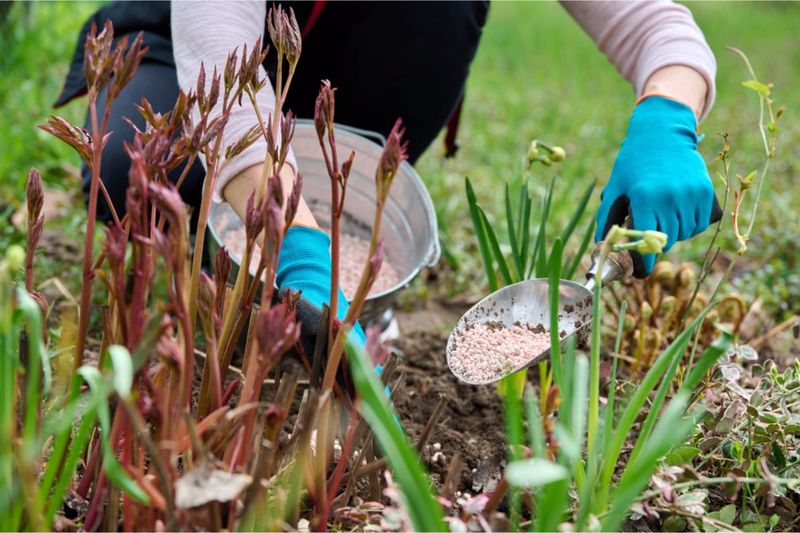
If your soil tests low in phosphorus or potassium, a balanced granular fertilizer applied in early April can give peonies a meaningful boost as they enter their fastest growth phase.
Look for a fertilizer with a lower first number, since high-nitrogen formulas tend to push leafy stem growth at the expense of flowers.
Sprinkle granular fertilizer a few inches away from the crown, then water it in gently. Avoid piling fertilizer directly against the base of the plant, since concentrated nutrients near the crown can cause stress.
Compost is another solid option for Ohio gardeners who prefer a more gradual approach, working it lightly into the top layer of soil around the plant.
Either way, April applications give nutrients time to become available in the soil right as peonies need them most for building strong stems and flower buds.
5. Keep Soil Evenly Moist During Early Growth
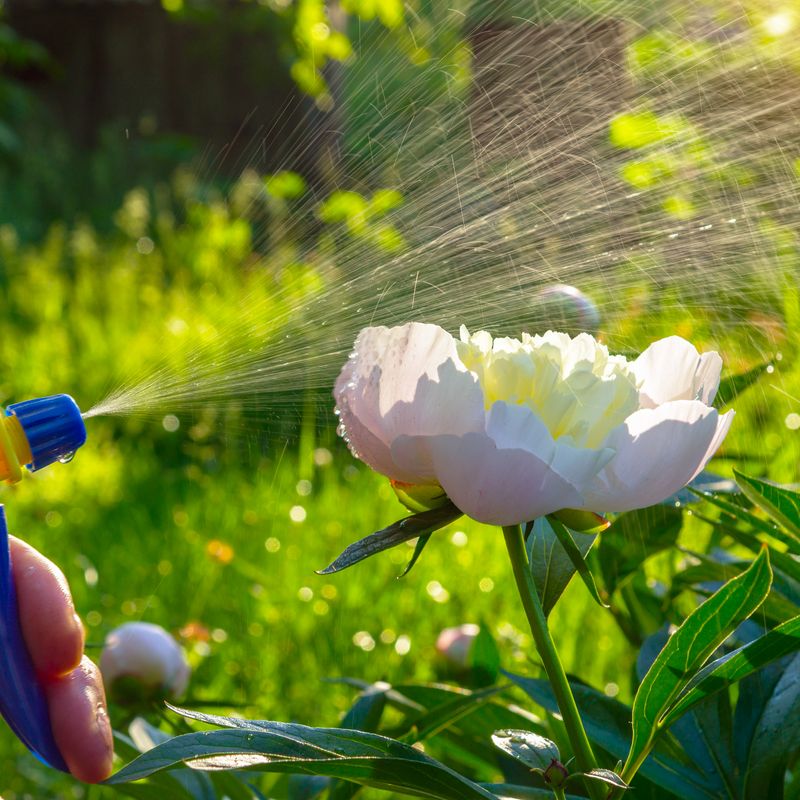
Ohio’s April rainfall can be inconsistent, with some weeks bringing steady showers and others leaving gardens surprisingly dry between storms.
Peonies going through their fastest early growth phase need reliable soil moisture to develop strong stems and healthy buds.
Dry spells during this window can stress roots just as they are working hardest, and that stress often shows up later as fewer flowers or thinner stems.
The goal is to keep the soil evenly moist without letting it become waterlogged.
Checking the soil a few inches below the surface gives a more accurate read than looking at the surface alone, which can dry out quickly in April wind even when deeper layers still hold moisture.
When watering is needed, a slow, deep soak at the base of the plant is more beneficial than a quick spray across the foliage.
Watering in the morning rather than the evening gives foliage and soil surfaces time to dry before cooler overnight temperatures arrive, which can help reduce conditions that favor fungal issues.
Newly planted peonies in Ohio need more consistent monitoring than established ones, since their root systems are still developing and have less capacity to draw moisture from a wider area of soil.
Established plants with deep root systems are more resilient during dry stretches but still benefit from supplemental watering when April rainfall falls short of an inch per week.
6. Improve Drainage To Prevent Root Stress
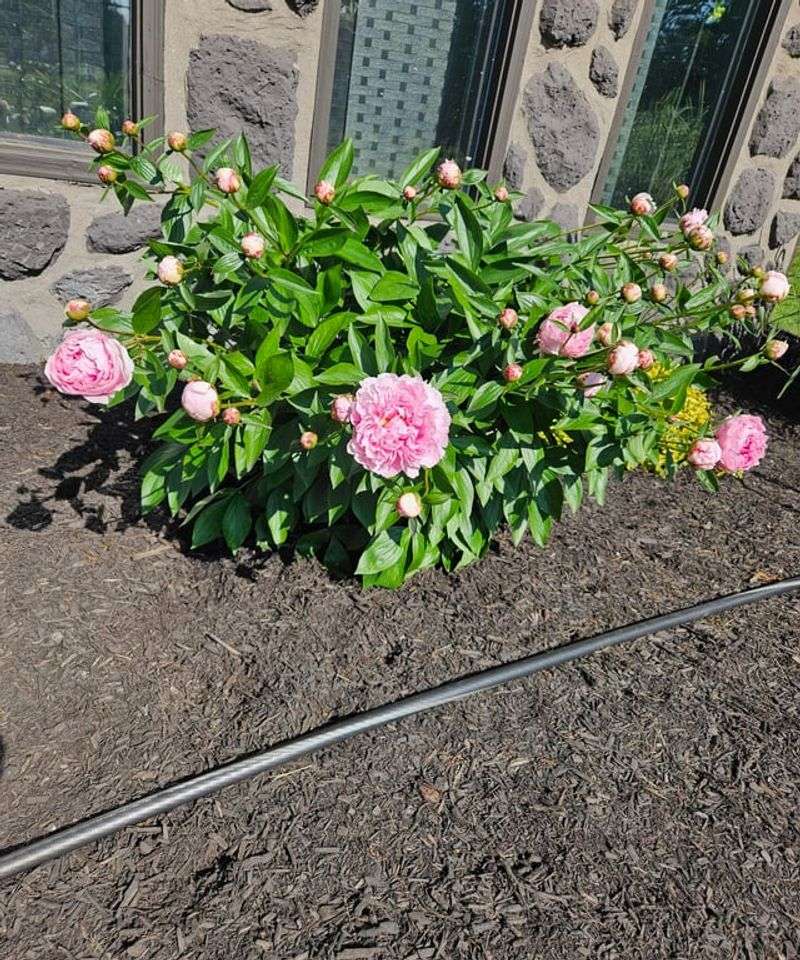
Heavy clay soil is common across many parts of Ohio, and while it holds nutrients well, it can also hold far too much water around peony roots during wet spring months.
Peonies planted in poorly draining soil are at a higher risk of crown and root stress, especially during April when rainfall tends to be frequent and the ground is already saturated from snowmelt earlier in the season.
Signs of drainage problems include soil that stays soggy for days after rain, standing water near the plant base, or a sour smell coming from the soil.
If your peony bed shows any of these signs, improving drainage before the plant enters full growth mode is worth the effort.
Working compost or coarse organic material into the surrounding soil can gradually open up heavy clay and improve water movement without disrupting established roots significantly.
Raised beds are another practical solution for Ohio gardeners dealing with persistently wet areas of the yard.
Elevating the planting area by even six to eight inches can make a meaningful difference in how quickly excess water drains away from the root zone.
For peonies already in the ground and struggling, top-dressing with compost each spring builds soil structure over time.
Improving drainage is one of those behind-the-scenes adjustments that does not show immediate results but pays off consistently in stronger, healthier growth season after season.
7. Watch For Early Signs Of Fungal Issues In Spring

Cool, damp April mornings in Ohio create conditions that certain fungal issues find very welcoming, and peonies are not immune to them.
Botrytis blight is one of the most common problems Ohio peony growers encounter in spring, and it tends to show up just as plants are hitting their stride in early growth.
Catching it early makes management much more straightforward than trying to address it once it has spread through the plant.
Early symptoms include dark, water-soaked areas at the base of stems, brown or grayish fuzzy patches on young shoots, and buds that turn brown and fail to open.
Plants growing in shaded, crowded, or poorly ventilated spots tend to see more of these issues than those with good air circulation and full sun.
Removing any affected stems or plant material promptly and placing it in the trash rather than the compost pile helps slow the spread considerably.
Keeping the area around your peonies clear of old foliage and debris from previous seasons removes one of the main places fungal spores overwinter.
Watering at the base of the plant rather than overhead also reduces the leaf wetness that encourages fungal activity.
Ohio gardeners who have dealt with recurring botrytis may find that spacing plants further apart, improving drainage, and keeping mulch away from the crown reduces how often the problem appears from one spring to the next.
8. Avoid Planting Too Deep To Support Better Blooming
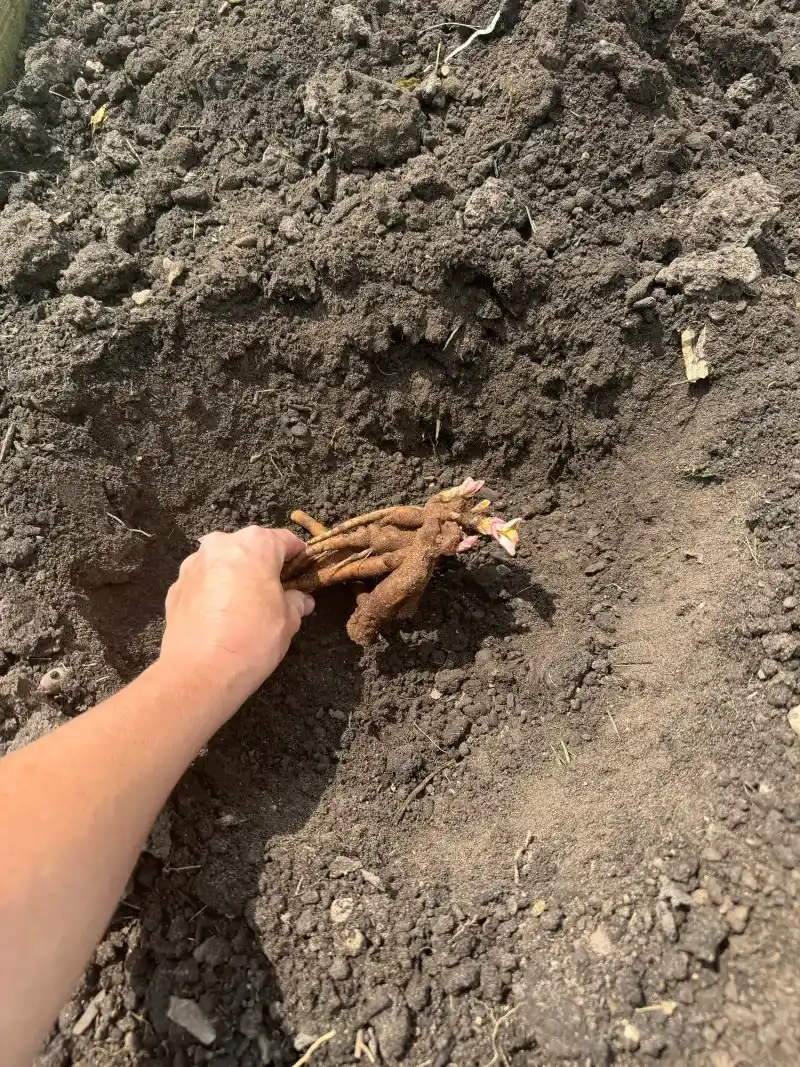
One of the most common reasons peonies in Ohio produce lots of foliage but few flowers comes down to something that happened at planting time, specifically how deep the crown was placed in the soil.
Peonies are famously sensitive to planting depth, and crowns buried more than two inches below the soil surface often struggle to bloom consistently, sometimes going years without producing a single flower.
The eyes, which are the small reddish buds visible on the crown of the plant, should sit no deeper than one to two inches below the soil surface in most Ohio locations.
In heavier clay soils that tend to compact over time, planting even closer to the surface is sometimes recommended.
If you have a peony that has been in the ground for several years and is producing healthy foliage with very few blooms, planting depth is one of the first things worth investigating.
Early fall is the best season to dig up and replant a peony at the correct depth, but April is a good time to assess the situation and plan ahead.
Gently scraping away a bit of soil around the crown can reveal whether the eyes are sitting too far below the surface.
For newly purchased bare-root peonies being planted in spring, handle them carefully and measure depth before backfilling soil. Getting the depth right from the start saves years of frustration and waiting for a plant that may never bloom as deeply planted as it is.