How To Tell If Your Georgia Garden Is Getting Too Much Spring Rain
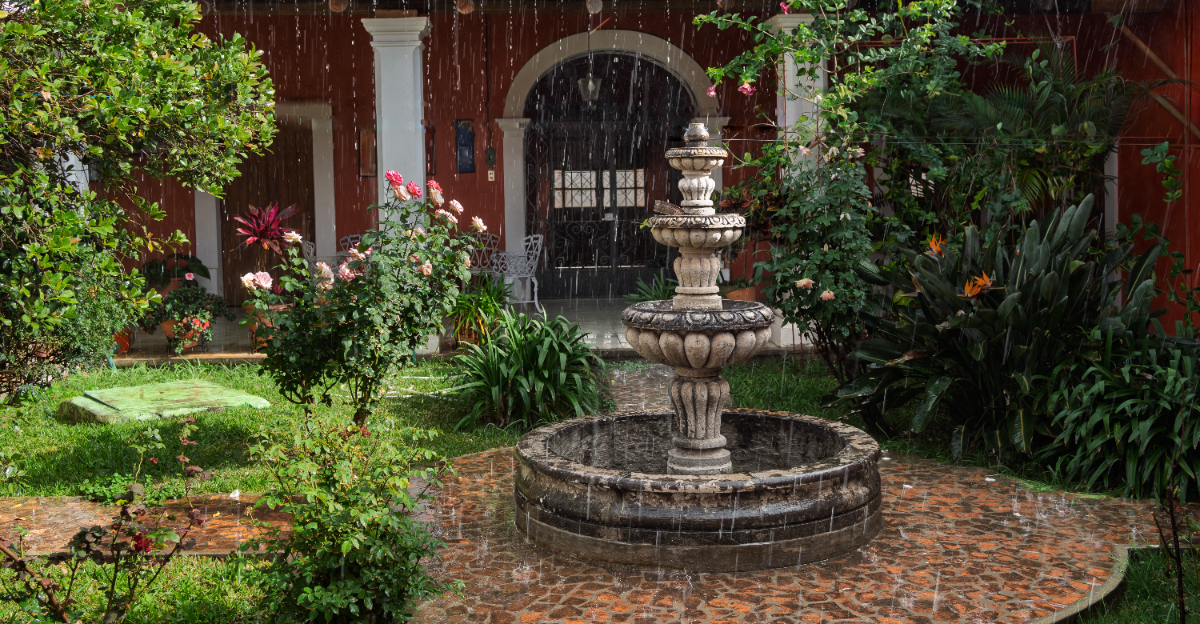
Rain can pile up in a Georgia garden faster than expected during spring, and not every yard responds the same way once the ground holds more water than it should.
What looks lush at first can start to feel off when the soil never quite dries out between storms.
You might catch small changes like a heavier feel underfoot, plants that look less upright, or spots that stay darker and softer than the rest of the bed. Nothing looks extreme at first, yet the garden does not feel as balanced as it should.
Drainage plays a quiet role here, and once it falls behind, certain areas begin to struggle more than others.
Spotting those shifts early makes it easier to keep everything on track before excess moisture starts to affect how the garden performs.
1. Standing Water Around Plants After Rain Is A Clear Warning Sign
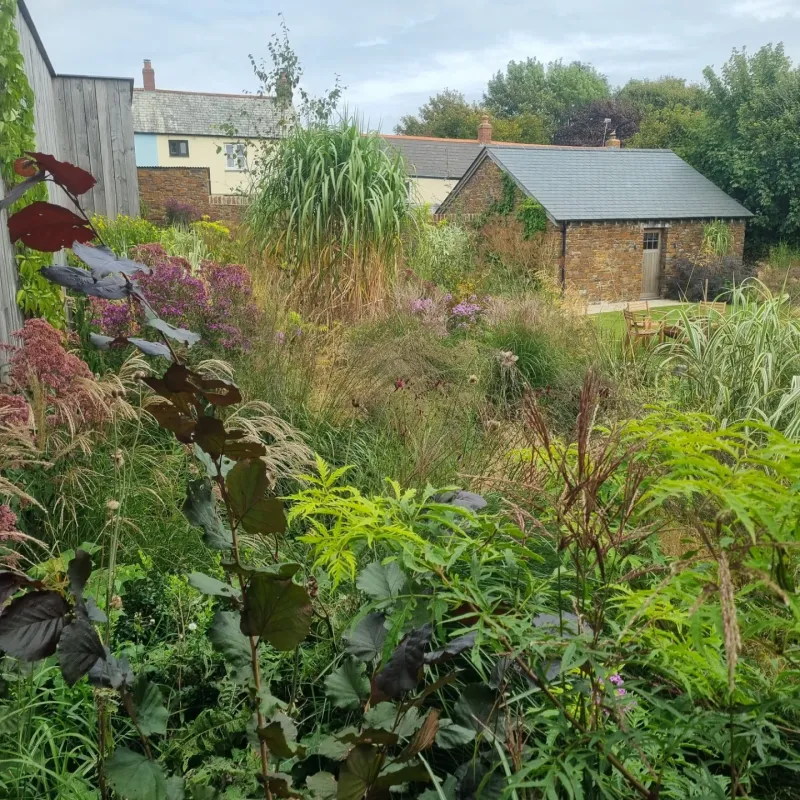
Puddles that stick around long after the rain stops are one of the most obvious signs your Georgia garden has a drainage problem. Most healthy garden soil absorbs water fairly quickly.
When you still see water sitting on the surface hours after a storm, that’s your first clue something is off.
Georgia’s clay-heavy soils are especially prone to this issue. Clay particles pack tightly together and don’t let water pass through the way sandy or loamy soils do.
Spring storms here can dump a lot of rain in a short window, and if your soil can’t move that water along, it just sits there.
Roots need both water and air to function properly. When soil stays flooded, the air pockets in the ground fill up with water and roots can’t breathe.
Over time, this leads to root rot, nutrient deficiencies, and visibly stressed plants even when there’s plenty of moisture around them.
Walk your garden beds after the next heavy rain and pay attention to where water collects. Low spots and areas near fences or structures are common trouble zones.
If water is pooling right at the base of your plants, that’s a situation worth addressing sooner rather than later.
2. Yellowing Leaves On Multiple Plants Often Means Too Much Water
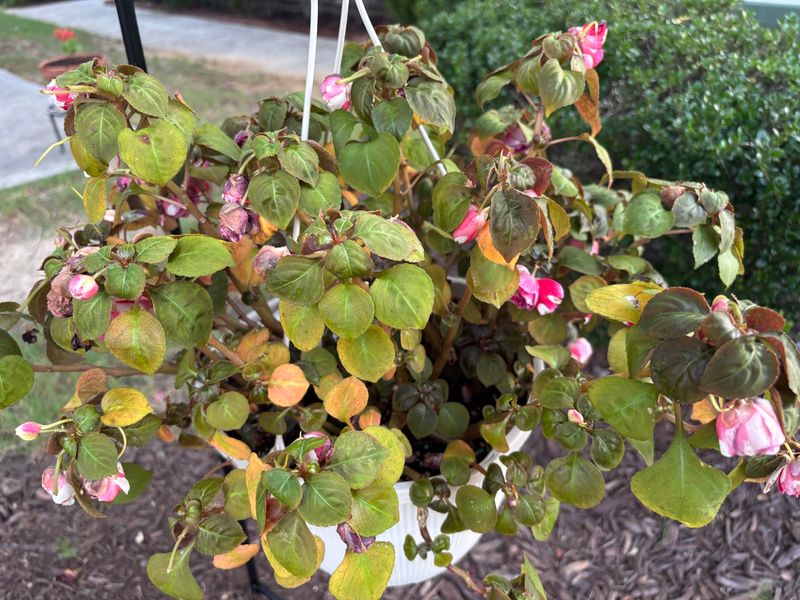
Yellow leaves can mean a lot of things, but when several plants in different spots of your garden all start turning yellow around the same time, excess moisture is usually worth suspecting. A single yellow leaf here and there is pretty normal.
A pattern across the whole bed is a different story.
Waterlogged roots struggle to pull in nutrients even when those nutrients are present in the soil. Nitrogen is one of the first to become unavailable in overly wet conditions, and nitrogen deficiency shows up fast as pale or yellow foliage.
Ironically, your plants may look starved even though they’re sitting in water.
In Georgia, spring means warm temperatures on top of all that rain. That combination speeds up how quickly roots can be damaged by excess moisture.
Warm, wet soil is also a favorable environment for root rot pathogens that make the yellowing worse.
Your Georgia Garden Changes Every Week. Your Plan Should Too.
Gardening in Georgia changes quickly throughout the season. Every Friday you’ll receive a simple weekly plan showing exactly what to plant, prune, fertilize, harvest, and protect so you never miss the right timing.
Check the lower leaves first. If yellowing is starting at the bottom of the plant and moving upward, that pattern often points to a root or soil issue rather than a pest or disease on the leaves themselves.
Gently pulling a plant from the soil and checking the roots can confirm your suspicion quickly.
3. Soil Staying Wet For Days Shows Poor Drainage
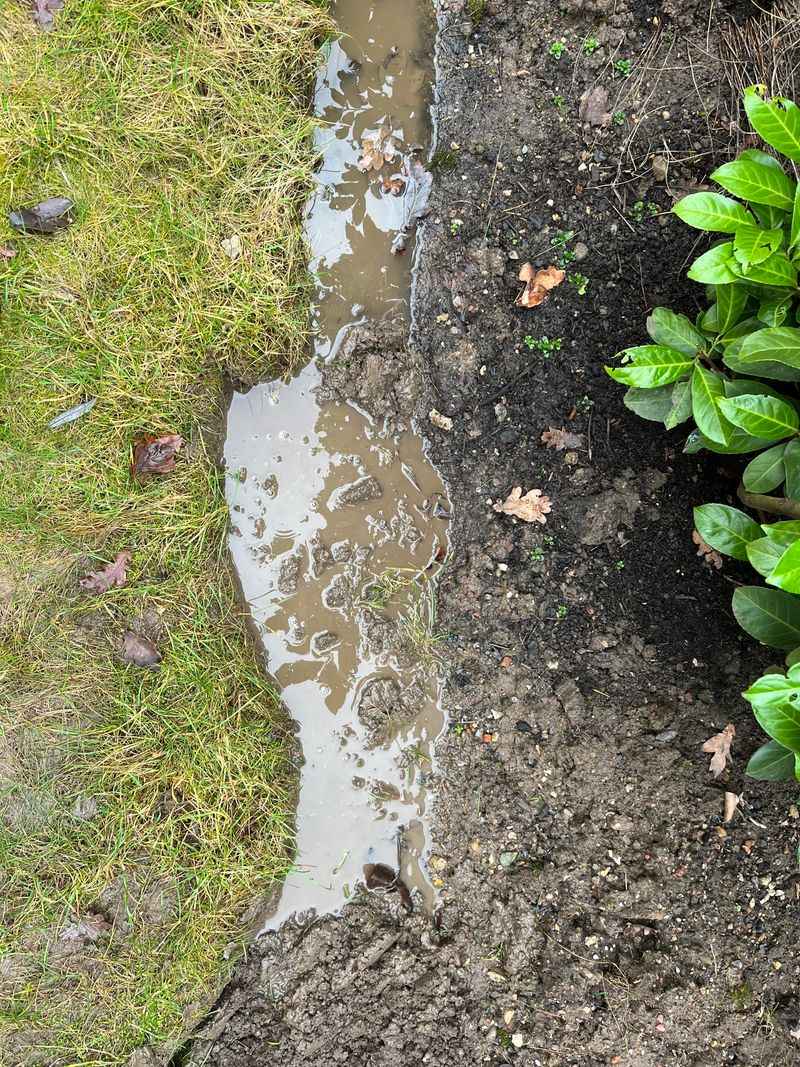
Stick your finger two inches into your garden bed the day after a heavy rain. If the soil feels soaking wet and almost spongy, that’s fine immediately after a storm.
Check again 48 hours later. Soil that’s still saturated two to three days after rain stopped falling has a drainage problem worth addressing.
Georgia’s spring weather often brings rain in clusters, meaning another storm can roll through before the soil from the last one ever had a chance to dry out.
That back-to-back pattern keeps roots sitting in wet conditions for extended stretches, which wears on plants faster than a single heavy rain event would.
Heavy clay content is the most common reason Georgia soils drain slowly. Clay holds water tightly and doesn’t release it easily.
If your soil clumps into a dense ball when you squeeze a handful and barely crumbles, that’s a strong indicator of high clay content working against your drainage.
Compaction makes the problem worse. Foot traffic, heavy equipment, or even repeated rain impact can press soil particles together over time.
Compacted soil reduces the space water needs to move downward, so it just stays put near the surface where roots are most concentrated.
4. Improve Drainage By Loosening Soil Or Adding Organic Matter
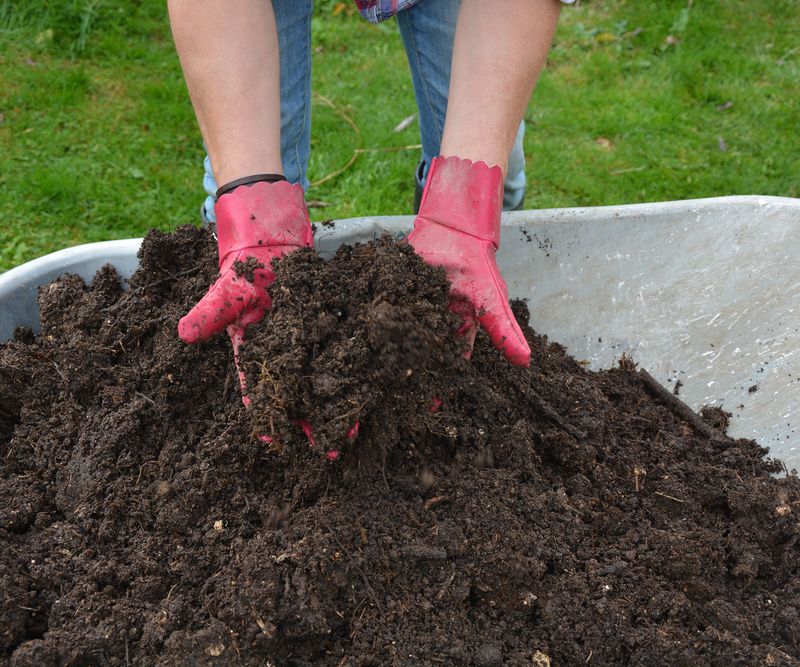
Compacted, clay-heavy soil doesn’t have to stay that way.
Working organic matter into your beds is one of the most practical things you can do to improve how water moves through the ground, and it pays off across multiple growing seasons, not just the current one.
Compost is the most accessible option for most Georgia gardeners. Mixing several inches of finished compost into the top foot of soil adds organic particles that break up clay, create air pockets, and help water drain more freely.
It also feeds soil microbes that keep the soil structure open and active over time.
Aged wood chips, shredded leaves, and well-rotted manure also work well. These materials break down gradually and keep improving soil texture season after season.
You don’t have to add everything at once. Even one or two inches of compost worked in each spring adds up noticeably over a few years.
Loosening compacted soil with a garden fork before planting is a simple step that helps a lot. Push the fork in and rock it back and forth without fully turning the soil over.
Breaking up compaction without disrupting soil layers keeps the structure more stable while still opening up drainage pathways.
Avoid working soil when it’s soaking wet.
5. Use Mulch To Help Balance Moisture And Prevent Saturation
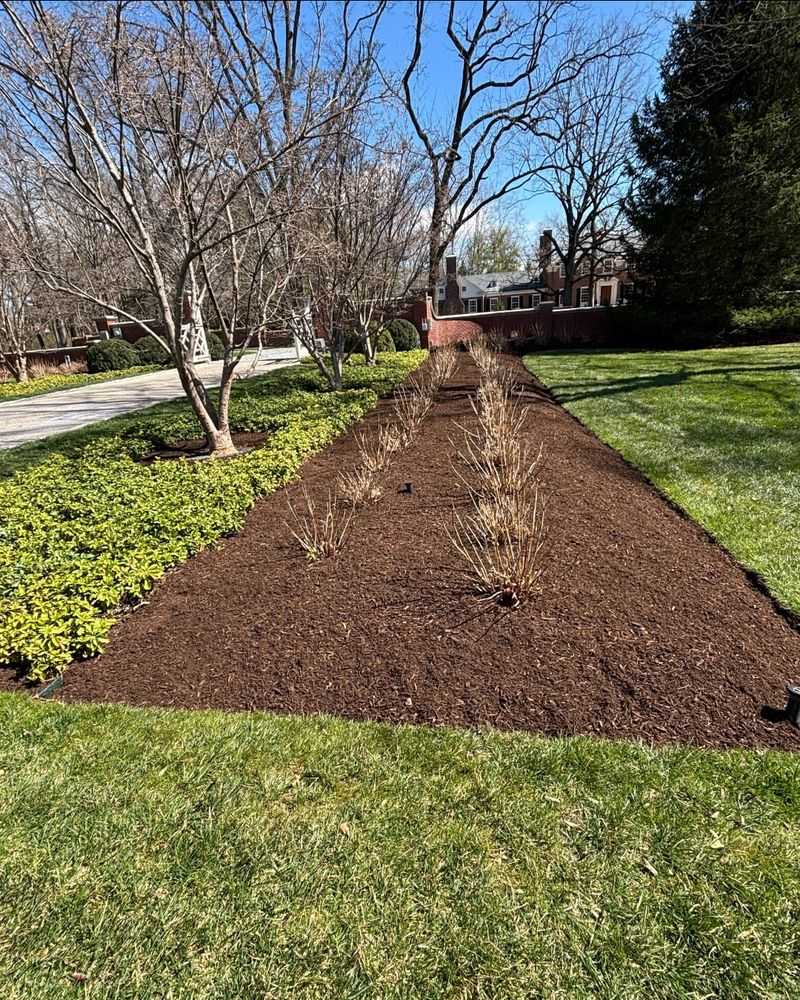
Mulch does a lot more than just keep weeds down. A well-applied layer of mulch around your plants acts as a buffer between heavy rainfall and your soil, slowing down how fast water hits the ground and giving it more time to absorb rather than pool or run off.
Without mulch, heavy Georgia spring rains hit bare soil hard. That impact breaks up the soil surface, which over time creates a thin crust that actually repels water rather than absorbing it.
Mulch prevents that surface sealing by cushioning the impact and keeping the soil texture open underneath.
Two to three inches of organic mulch is a good general target for most garden beds. Shredded hardwood, pine straw, or wood chips all work well in Georgia gardens.
Pine straw is especially popular here because it’s locally available, affordable, and breaks down slowly enough to provide coverage through most of the spring season.
Keep mulch pulled back a few inches from plant stems. When mulch piles directly against stems, it traps moisture against the plant tissue, which can encourage rot and fungal issues.
A small gap around each stem lets air circulate and keeps that contact zone drier.
Mulch also helps during dry stretches after wet ones. Georgia spring weather can swing between heavy rain and stretches of dry, warm days.
6. Adjust Watering Habits To Avoid Adding Extra Moisture
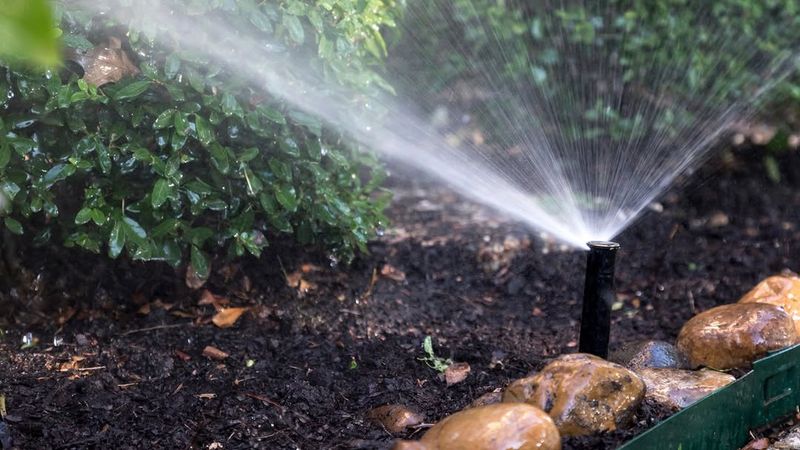
Running your irrigation system on a fixed schedule during a wet Georgia spring is one of the easiest ways to accidentally overwater your garden.
Rain gauges, soil checks, and a little observation go a long way toward making sure you’re not adding water your plants already have plenty of.
A basic rain gauge is a cheap and genuinely useful tool. Stick one in your garden and check it after each storm.
Most vegetables and flowers don’t need supplemental watering if they’ve already received an inch or more of rain within the last few days. Knowing what fell naturally helps you make smarter watering decisions.
Checking soil moisture by hand is even more direct. Push your finger about two inches into the soil near your plant roots.
If it feels moist at that depth, hold off on watering. If it’s dry, that’s your signal to water.
This habit takes about ten seconds and can prevent a lot of unnecessary soil saturation.
Soaker hoses and drip irrigation are better choices than overhead sprinklers during rainy stretches. They deliver water directly to the root zone without wetting foliage, which reduces fungal pressure.
Wet leaves during Georgia’s warm, humid spring create a favorable environment for diseases like powdery mildew and leaf spot.
Smart irrigation controllers that adjust based on local weather data are worth considering if you use an automated system. They can pause watering cycles automatically after rain events, which removes the guesswork entirely.
7. Raise Beds Slightly To Keep Roots From Sitting In Water
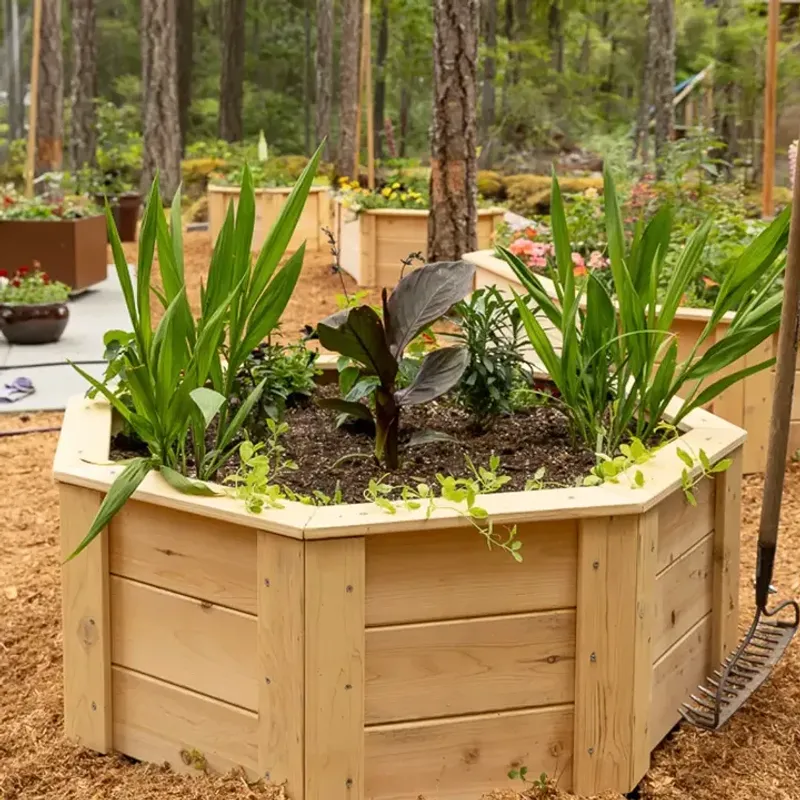
Raised beds are one of the most reliable solutions for Georgia gardeners dealing with poor drainage season after season.
By elevating the planting surface even a few inches above ground level, you give excess water a natural path to drain away from root zones rather than pooling around them.
You don’t need elaborate construction to get results. A simple frame built from untreated lumber, cinder blocks, or even stacked stones can raise your planting area enough to make a measurable difference.
Six to eight inches of elevation is generally enough to improve drainage significantly in most Georgia yard conditions.
Filling raised beds with a mix of quality topsoil, compost, and a bit of coarse sand gives you direct control over soil composition from the start.
That’s a big advantage compared to trying to amend existing clay-heavy ground, which takes multiple seasons to show real improvement.
Raised beds also warm up faster in spring, which is a bonus in Georgia where gardeners often want to get cool-season crops established early.
Warmer soil promotes better root development and helps plants get established before the heaviest spring rains typically arrive in April and May.
Existing in-ground beds can be partially raised by mounding soil toward the center of the bed, creating a slight dome shape.