Florida Shrubs That Can Get Homeowners In Trouble If They Are Not Removed
A shrub can look harmless in the yard right up until it starts spreading, crowding out everything around it, or showing up on the wrong side of local advice. That is where plenty of Florida homeowners get caught flat-footed.
A plant that once seemed pretty, fast-growing, or easy to buy can turn into a real thorn in your side later, especially in a state where aggressive growers do not mess around.
Some shrubs creep beyond the spot where they were planted, some become tough to control, and some bring more hassle than charm once they settle in.
Before long, a simple landscape choice can start costing time, money, and peace of mind. That is why more homeowners are taking a second look at what is already growing near the house.
In Florida, it pays to know which shrubs can become a problem before they dig in their heels and refuse to quit.
1. Privet Takes Over Quickly
Walk along almost any older Florida neighborhood and you will likely spot a wall of dense, leafy shrubs that seems to grow back no matter how many times it gets trimmed.
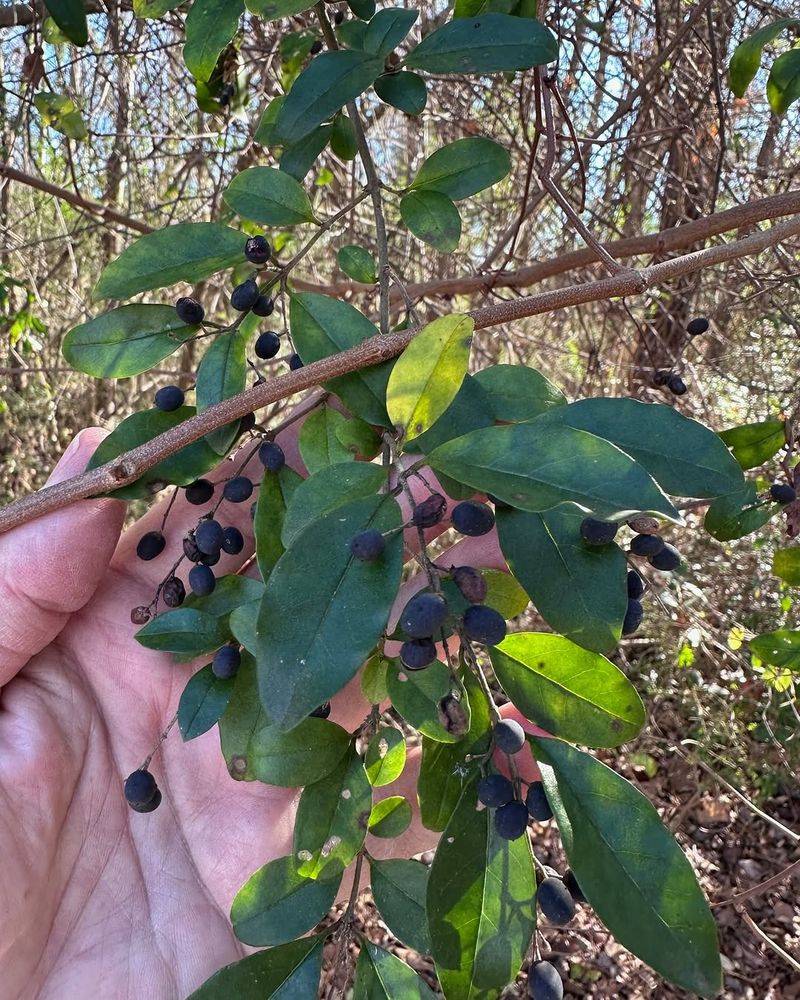
That is often Chinese privet, known botanically as Ligustrum sinense, and it has earned a reputation as one of the most stubborn invasive shrubs in the Southeast.
What starts as a tidy hedge can quickly spiral into a full-scale takeover if left unmanaged.
Florida extension guidance has flagged this plant for its ability to form dense thickets that crowd out native vegetation.
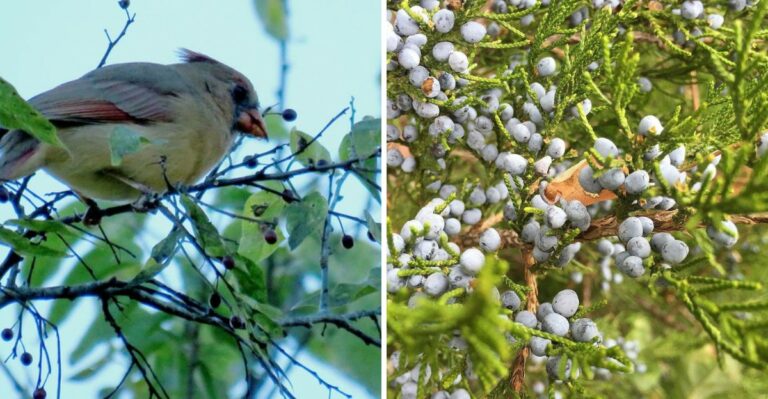
Birds are especially fond of the small dark berries, which means seeds get scattered far beyond your property line, into natural areas, parks, and conservation lands nearby.
Once it establishes in a wooded area, it is incredibly difficult to remove because it resprouts aggressively after being cut back.
For homeowners, the problems go beyond the yard itself. If privet escapes onto neighboring properties or into protected natural areas, you could face complaints from neighbors or even attention from local environmental groups.
HOA communities that require neat landscaping often flag overgrown privet as a violation. The Florida Exotic Pest Plant Council lists Chinese privet as a Category II invasive species, which is a clear signal that it warrants serious attention.
Managing this plant early is far easier than dealing with a mature thicket. Removing young plants by hand before they produce berries is one of the most effective approaches.
For larger infestations, cut stump treatments with herbicide are commonly recommended by Florida extension professionals.
If you want a similar dense, attractive hedge without the invasive risk, consider replacing Chinese privet with wax myrtle (Myrica cerifera) or yaupon holly (Ilex vomitoria), both of which are Florida natives that provide great structure and support local wildlife.
2. Lantana Keeps Spreading
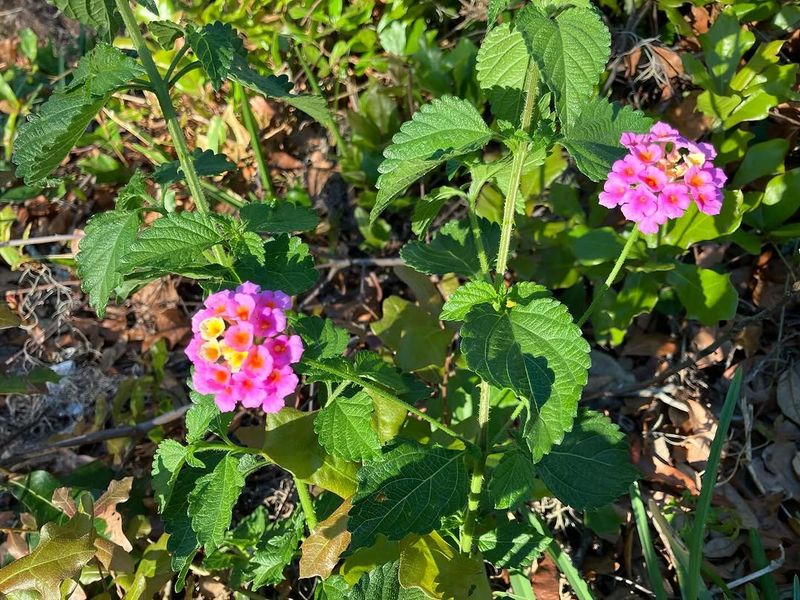
Few plants in Florida look as cheerful and low-maintenance as lantana, with its bright clusters of orange, yellow, pink, and red flowers. Many homeowners plant it on purpose because it handles heat and drought without much fuss.
The problem is that the common variety, Lantana camara, has a habit of spreading far beyond where it was originally planted, and that creates a real set of problems over time.
Your Florida Garden Changes Every Week. Your Plan Should Too.
Gardening in Florida changes quickly throughout the season. Every Friday you’ll receive a simple weekly plan showing exactly what to plant, prune, fertilize, harvest, and protect so you never miss the right timing.
The University of Florida IFAS Assessment rates Lantana camara as invasive in Florida’s natural areas. It reseeds prolifically, and birds that eat the small dark berries carry those seeds into wild spaces, roadsides, and natural preserves.
Once it gets going in a natural area, it forms dense patches that shade out native groundcovers and shrubs. An especially tricky issue is that it can hybridize with Florida’s native lantana species, which threatens the genetic integrity of plants that local pollinators depend on.
For homeowners, this means that a patch of lantana that looks harmless in the garden could quietly be contributing to ecosystem disruption just down the road.
Some Florida counties have taken active steps to discourage the planting of invasive lantana varieties, and HOA landscaping rules in certain communities now restrict its use.
Neighbors with natural or wildlife-friendly yards may also raise concerns if seeds spread onto their property.
Regular deadheading can slow the spread somewhat, but it does not eliminate the risk entirely. Removing plants before they fruit is the most reliable way to prevent further seeding.
If you love the look of lantana, the good news is there is a native option that delivers similar beauty without the invasive baggage.
Native Lantana involucrata, also called wild sage or buttonsage, is a Florida-friendly alternative that supports pollinators without threatening natural areas nearby.
3. Coral Ardisia Takes Over Shady Spaces
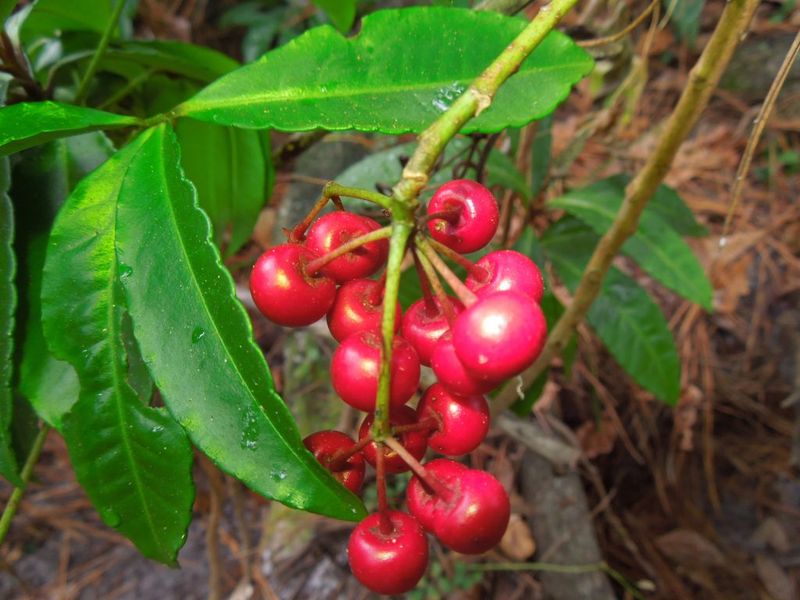
Shady spots under large oaks or along the back edges of a Florida yard can seem like the perfect place to tuck in a low-growing ornamental with glossy leaves and bright red berries.
That is exactly how Ardisia crenata, commonly called coral ardisia, found its way into so many Florida landscapes.
It looks tidy and elegant at first glance, but beneath that polished appearance is a plant with a serious invasive streak.
Coral ardisia is a Category I invasive species on the Florida Exotic Pest Plant Council list, which places it among the most problematic plants in the state. The bright red berries are extremely attractive to birds, and that is precisely the issue.
Birds consume the berries and deposit the seeds throughout wooded areas, natural parks, and conservation lands.
Once established under a forest canopy, it forms a dense carpet of groundcover that prevents native seedlings from growing, fundamentally altering how a forest regenerates over time.
Homeowners who have this plant in their yard may not realize that their landscaping is actively contributing to woodland degradation nearby.
In some Florida communities, residents have been asked to remove coral ardisia as part of neighborhood conservation efforts.
If your yard backs up to a natural area or preserve, the spread risk is especially high and the responsibility to act becomes even more pressing.
Removing coral ardisia requires patience. Hand-pulling young plants works well when the soil is moist, but mature plants with established root systems may need repeated removal efforts.
Be sure to bag and properly dispose of any berries to prevent further spread.
For a beautiful native alternative in shaded spots, wild coffee (Psychotria nervosa) is an excellent choice. It thrives in shade, produces berries that support native birds, and stays well-behaved within your landscape.
4. Shoebutton Ardisia Spreads Faster Than Expected
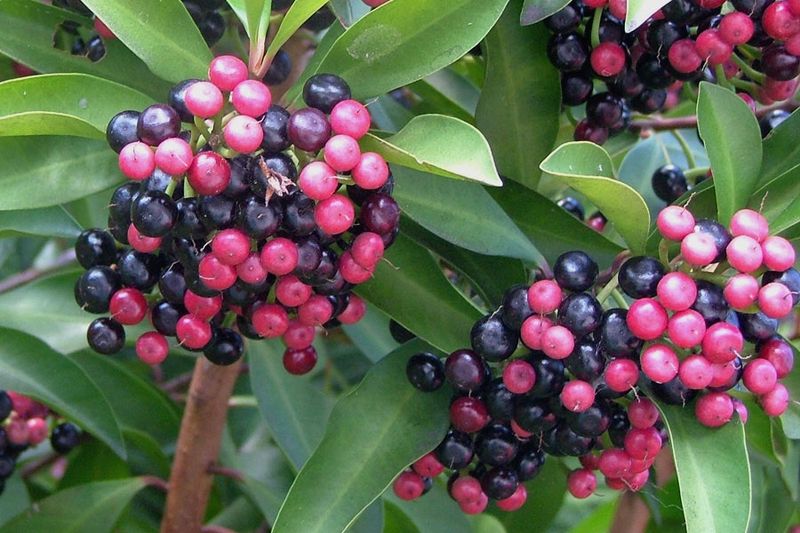
Some plants give you a warning before they become a problem. Shoebutton ardisia is not one of them.
Ardisia elliptica can go from a single ornamental shrub to a dense, spreading colony before many homeowners even notice something is wrong.
It grows quickly, handles Florida’s heat and humidity with ease, and produces berries so attractive to birds that seeds end up scattered across a wide area in a short amount of time.
Listed as a Category I invasive species by the Florida Exotic Pest Plant Council, shoebutton ardisia is considered one of the most aggressive invaders of Florida’s natural areas.
It forms thick colonies in hammocks, pinelands, and disturbed woodlands, and once it moves in, it displaces native understory plants that local wildlife depends on for food and shelter.
Its ability to fruit prolifically and repeatedly throughout the year gives it a significant advantage over slower-growing native species.
For homeowners, the speed of this plant’s spread is the most alarming part. A shrub that seemed manageable last season can produce dozens of seedlings by the following year.
If your property borders a natural area, a park, or a neighbor’s wooded lot, shoebutton ardisia can quickly become a source of tension and environmental concern.
Some Florida counties actively encourage or require removal of this species, especially near protected lands.
Early removal is critical. Young plants can be hand-pulled, but it is important to remove the entire root system to prevent resprouting.
Larger plants may require cutting combined with targeted herbicide application on the cut stem, a method widely recommended by Florida extension specialists.
Coontie (Zamia integrifolia), Florida’s only native cycad, makes a striking and well-behaved alternative. It provides year-round texture, supports the Atala butterfly, and stays exactly where you plant it.
5. Surinam Cherry Creates More Problems Than Expected
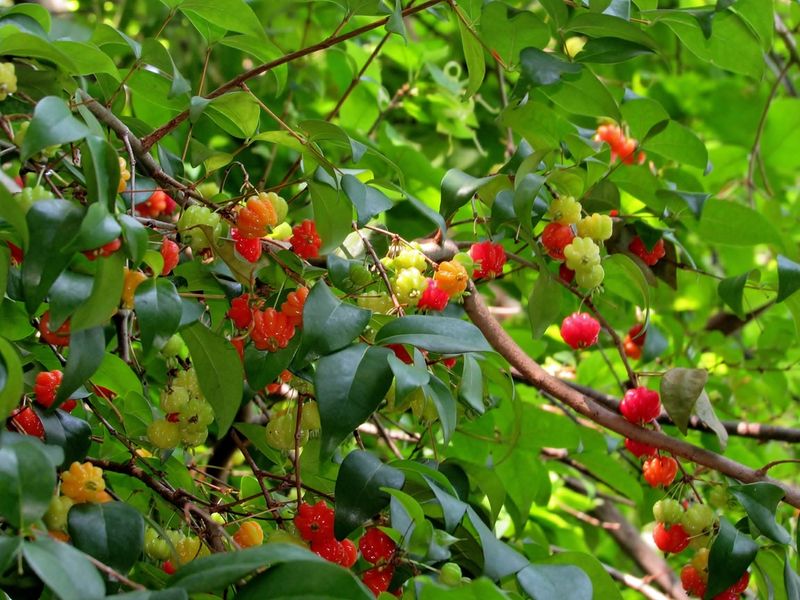
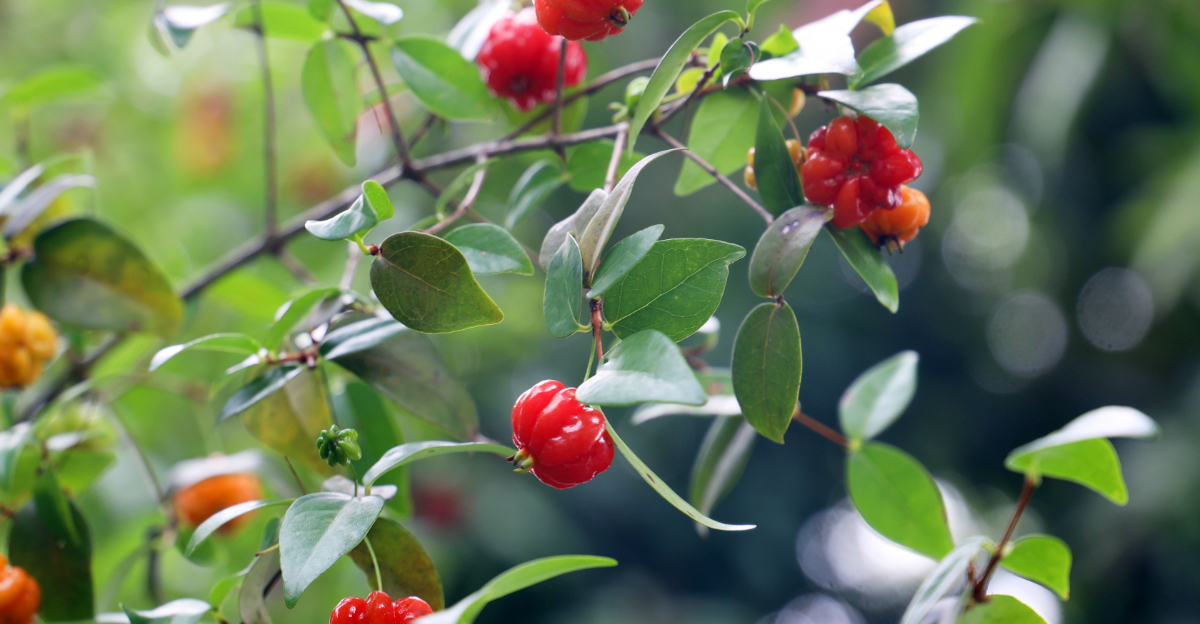
It is easy to see why homeowners fall for Surinam cherry. Eugenia uniflora has glossy leaves that stay dense year-round, it responds well to trimming, and it produces small ribbed fruits that turn from green to bright red.
For decades it was a popular hedge choice in Florida, especially in South Florida neighborhoods. However, what looks like a reliable, attractive boundary plant has a problematic side that tends to reveal itself over time.
Surinam cherry is considered invasive in several parts of Florida, particularly in South and Central Florida where it escapes cultivation and spreads into natural areas.
Birds readily consume the fruits and disperse seeds into hammocks, pinelands, and disturbed natural spaces.
Once it establishes outside the landscape, it can form dense thickets that crowd out native vegetation. The Florida Exotic Pest Plant Council lists it as a Category I invasive in parts of the state, which reflects the documented scale of its impact on natural ecosystems.
Managing an established Surinam cherry hedge is no small task either. The plant resprouts vigorously after cutting, which means homeowners who try to remove it often find themselves dealing with repeated regrowth.
If the hedge is large and heavily fruiting, the ongoing seed dispersal into nearby natural areas can be substantial. Some HOA communities in South Florida have begun discouraging or restricting its use in new landscaping plans.
Replacing an existing Surinam cherry hedge takes planning, but the results are worth it. Gradual removal paired with replanting using native alternatives keeps your yard looking full while reducing the invasive risk over time.
Simpson’s stopper (Myrcianthes fragrans) is a native Florida shrub that makes an excellent hedge replacement. It has attractive white flowers, small berries loved by birds, and dense growth that responds beautifully to shaping.
6. Beach Naupaka Causes Coastal Issues
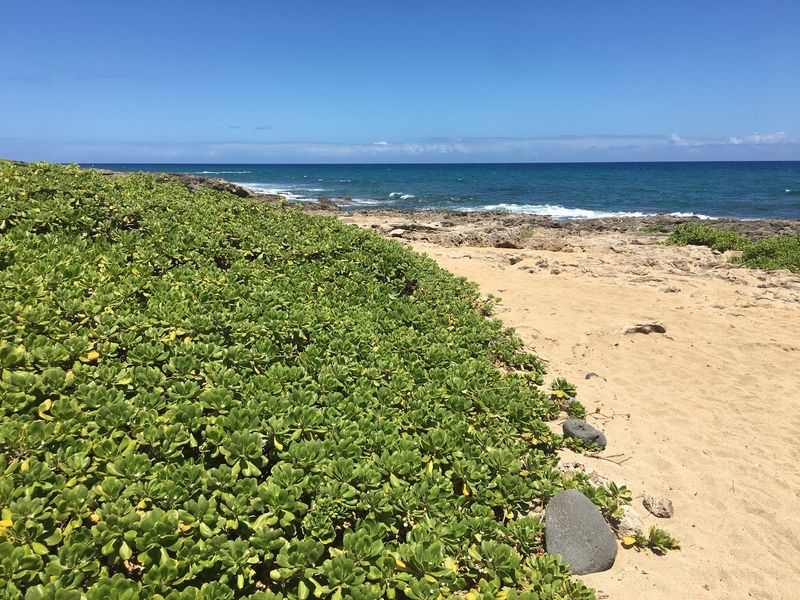
Coastal Florida homeowners often want something tough and salt-tolerant to anchor their dune-side landscaping, and beach naupaka looks like a perfect fit at first glance.
Scaevola taccada is a thick, fast-growing shrub with fleshy leaves and distinctive half-shaped white flowers that handles salt spray, sandy soil, and intense sun without complaint.
The trouble is that it handles Florida’s coastal environment almost too well, and that is where the problems begin.
Originally from the Pacific and Indian Ocean regions, beach naupaka is considered invasive along Florida’s coastlines and is listed as a Category I invasive species by the Florida Exotic Pest Plant Council.
It spreads aggressively along shorelines, forming dense mats that push out native dune plants like sea oats, railroad vine, and native beach morning glory.
These native plants are not just pretty faces; they play a critical role in stabilizing dunes and protecting coastal land from erosion. When beach naupaka takes over, it disrupts that protective system.
For coastal homeowners, this plant can create regulatory headaches. Many Florida coastal counties have restrictions on planting non-native species in dune and shoreline areas, and beach naupaka is frequently on the do-not-plant list.
If the shrub spreads onto public beach access areas or protected dune systems, homeowners may be asked to remove it at their own expense. Coastal neighbors can also raise concerns if the spread moves beyond your property boundaries.
Removal involves cutting plants back and treating the root crown to prevent resprouting, as beach naupaka is stubborn and will regrow if roots are left intact. Working with a Florida-licensed landscaper familiar with coastal regulations is strongly recommended.
The native alternative is close at hand. Florida’s own beach naupaka, Scaevola plumieri, looks similar, stabilizes dunes effectively, and belongs exactly where it grows.