Florida Vegetables To Direct Sow In April For Summer Harvest
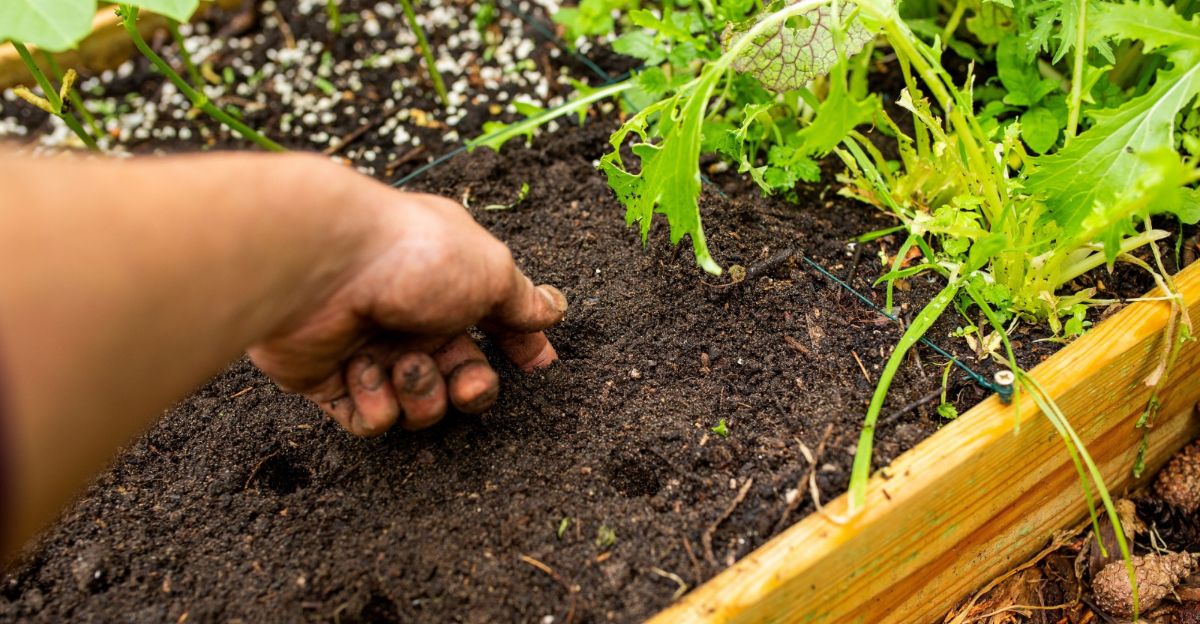
April is easily one of the most exciting times to be a gardener in Florida. As soil temperatures climb and the days stretch longer, the conditions become perfect for moving your warm-season crops straight into the ground.
Direct sowing – planting seeds right in the garden instead of starting them indoors – is especially effective in Florida right now because the natural warmth encourages fast, strong germination.
By taking advantage of this April window, Florida gardeners can get their plants well-established before the most intense summer heat arrives.
It is the perfect way to set the stage for a productive and rewarding harvest season in the Sunshine State.
1. Okra Thrives In Florida’s Summer Heat
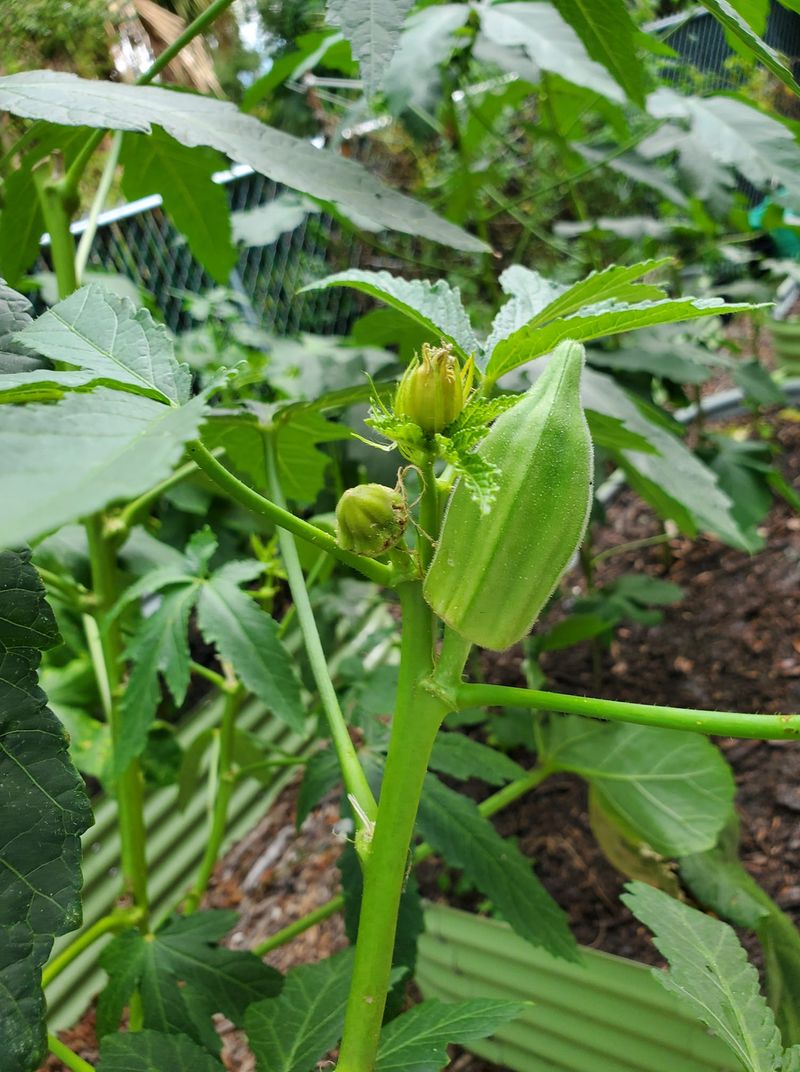
Few vegetables are as well-suited to Florida’s intense summer conditions as okra. Native to warm regions of Africa, okra has been a staple in Southern gardens for centuries, and Florida’s long, hot growing season suits it almost like no other state.
When you direct sow okra seeds in April, the warming soil – ideally above 65 degrees Fahrenheit – helps seeds sprout within 7 to 14 days.
Plant seeds about half an inch to one inch deep, spacing them roughly 12 to 18 inches apart in rows about 3 feet wide. Thinning seedlings once they reach a few inches tall encourages stronger, more productive plants.
Okra grows quickly once established, and most Florida gardeners can expect to start harvesting pods within 50 to 65 days after germination.
Pods are best harvested when they are 2 to 4 inches long – smaller pods tend to be more tender and flavorful. Letting pods grow too large makes them tough and fibrous.
Regular harvesting actually encourages the plant to keep producing new pods, so checking your plants every couple of days during peak season is a smart habit.
Okra handles Florida’s sandy soils reasonably well, though adding organic matter or compost before planting helps improve both moisture retention and nutrient availability throughout the growing season.
2. Southern Peas Handle Heat And Poor Soils Well
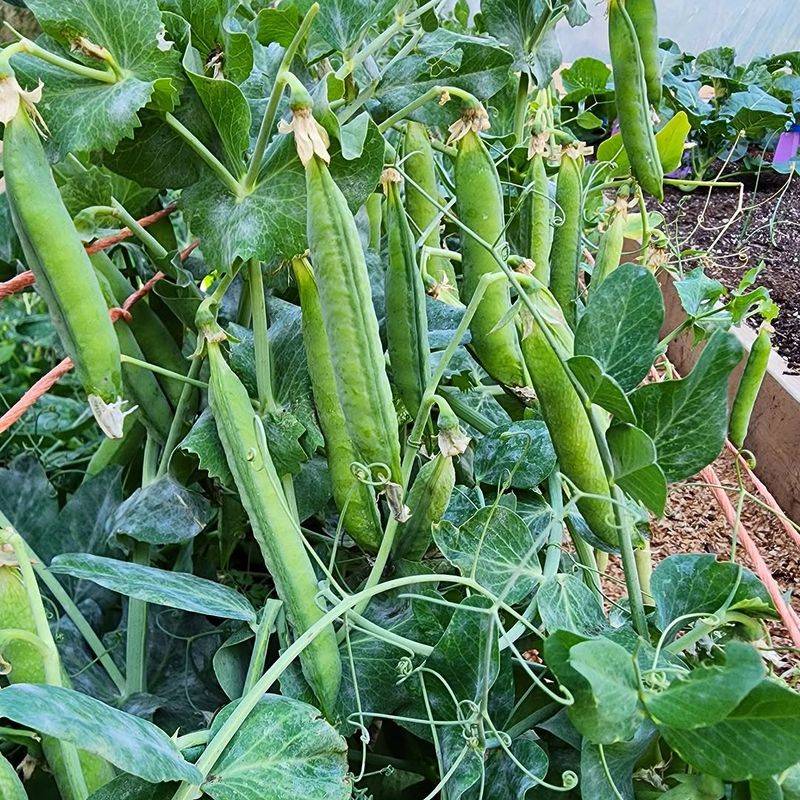
Southern peas – including black-eyed peas, crowder peas, and cream peas – have a long history in Florida gardens for good reason.
Unlike many other legumes that struggle when temperatures climb, southern peas actually perform well in the heat and can tolerate the sandy, nutrient-poor soils that are common across much of Florida.
Sowing seeds in April puts them right in the sweet spot for establishment before summer fully sets in.
Seeds should be planted about one inch deep, spaced 3 to 4 inches apart in rows roughly 24 to 36 inches apart. Germination typically occurs within 7 to 10 days when soil temperatures are between 65 and 85 degrees Fahrenheit.
One of the most practical benefits of southern peas is their ability to fix nitrogen from the air into the soil, which can actually improve soil quality for future plantings in the same bed.
Southern peas are relatively drought-tolerant once established, though consistent moisture during germination and early growth gives them the best possible start.
Most varieties mature in 60 to 70 days, meaning Florida gardeners sowing in April can reasonably expect to harvest fresh peas by late June or early July.
Your Florida Garden Changes Every Week. Your Plan Should Too.
Gardening in Florida changes quickly throughout the season. Every Friday you’ll receive a simple weekly plan showing exactly what to plant, prune, fertilize, harvest, and protect so you never miss the right timing.
Harvesting pods while they are still green and plump gives the best fresh-eating quality, though leaving some pods to dry on the vine provides seeds for future seasons.
3. Yardlong Beans Produce Through The Hottest Months
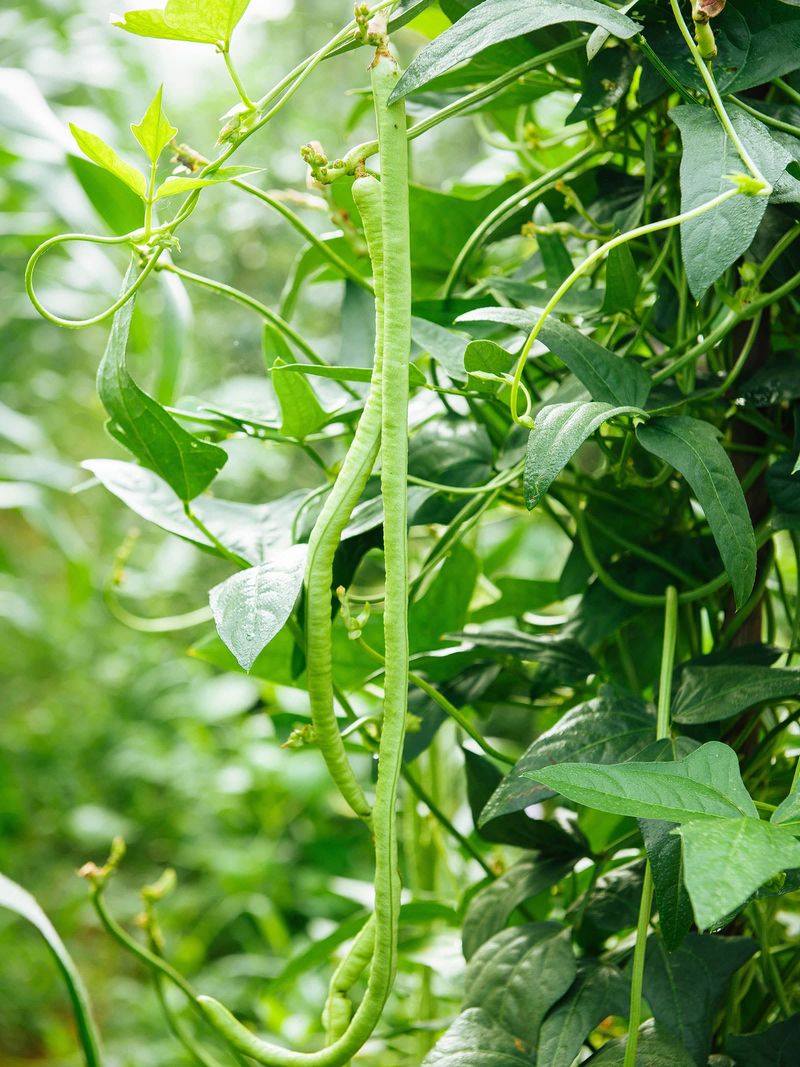
Yardlong beans – sometimes called asparagus beans or Chinese long beans – are a remarkable crop for Florida summers because they keep producing pods even when temperatures are well above 90 degrees Fahrenheit.
While standard green beans slow down or stop producing in extreme heat, yardlong beans seem almost energized by it.
April is an ideal time to direct sow these seeds in Florida, giving vines time to climb and establish before the hottest weeks of summer arrive.
Plant seeds about one inch deep and 4 to 6 inches apart, providing a sturdy trellis or fence for the vines to climb. These plants can reach 8 to 10 feet or more, so a solid support structure matters from the very beginning.
Germination generally takes 7 to 10 days in warm Florida soil, and vines grow quickly once they get going.
Pods develop fast and should be harvested when they are about 12 to 18 inches long – well before they reach their maximum potential length – for the most tender texture and best flavor.
Checking plants every day or two during peak production prevents pods from becoming tough and overly mature.
Yardlong beans are a great option for Florida gardeners looking to maximize vertical growing space while maintaining a reliable harvest through the summer months without constant replanting.
4. Bush Beans Grow Fast In Warm Spring Soil
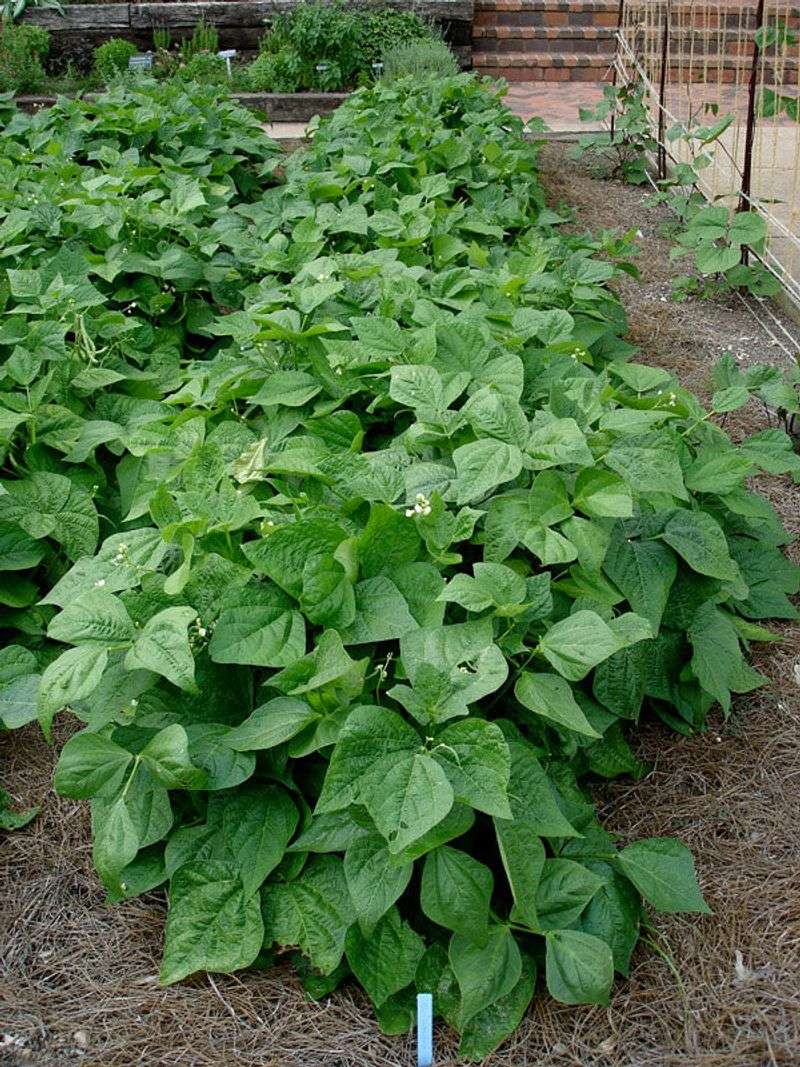
Bush beans are one of the fastest-maturing vegetables a Florida gardener can direct sow in April. Compact by nature, these plants do not need trellises or stakes, making them a low-maintenance option for gardeners who want results without a lot of setup.
Warm soil temperatures in April – generally above 60 degrees Fahrenheit – help seeds germinate within 8 to 10 days, and most bush bean varieties are ready to harvest just 50 to 60 days after planting.
Sow seeds about one inch deep, spacing them 3 to 4 inches apart in rows about 18 to 24 inches apart. Florida’s sandy soils drain quickly, so keeping the soil consistently moist during germination is especially important.
Once plants are established and producing pods, they benefit from regular watering – roughly one inch per week – to maintain steady productivity.
Harvest pods when they are firm, slender, and snap cleanly, which usually happens before the seeds inside fully develop. Picking pods regularly encourages continued production for a few weeks.
One thing to keep in mind is that bush beans tend to produce a concentrated flush of pods over a relatively short window, so staggering plantings every two to three weeks can extend your overall harvest season.
For Florida gardeners, sowing in early to mid-April captures the most favorable soil conditions before summer heat intensifies significantly.
5. Pole Beans Climb Quickly And Save Space
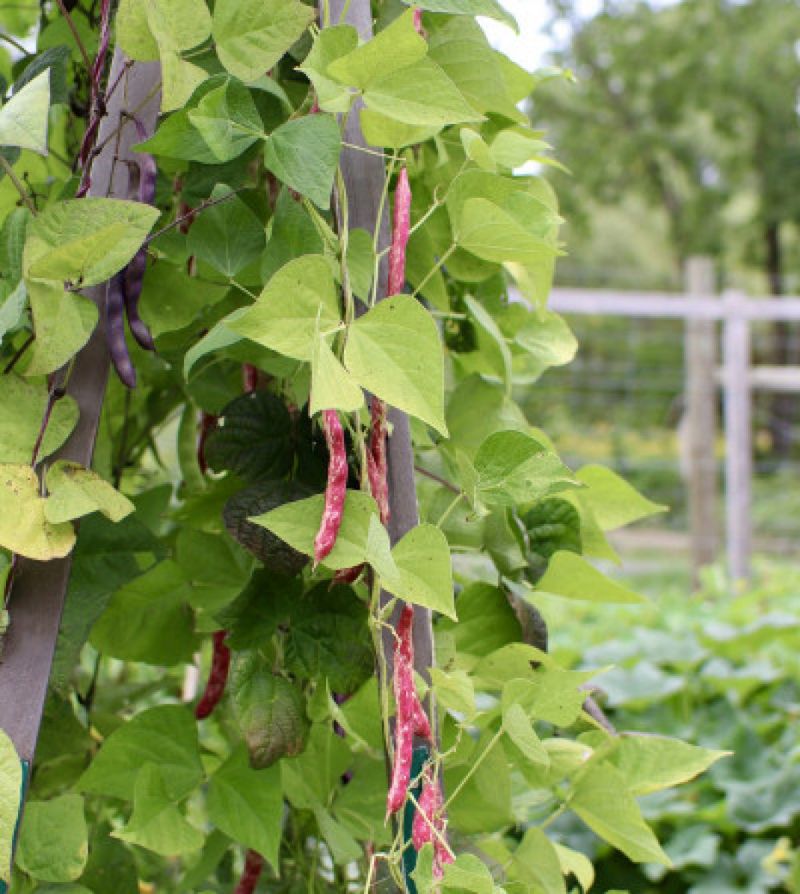
Gardeners working with limited space often find pole beans to be one of the smartest crops they can grow. Unlike bush beans, pole beans grow vertically, which means a single row can produce a significantly larger harvest from a smaller footprint.
April is a reliable time to direct sow pole beans in Florida, as warming soil temperatures support quick germination and strong early vine growth.
Plant seeds about one inch deep and 4 to 6 inches apart at the base of your trellis, fence, or teepee support. Germination typically occurs within 8 to 12 days in warm Florida soil.
Vines can reach 6 to 8 feet tall, so setting up a sturdy support structure before sowing is much easier than trying to add one after the plants are already growing.
Pole beans take slightly longer to mature than bush beans – usually around 60 to 70 days – but they continue producing pods over a much longer stretch of the season.
Regular harvesting is key to keeping production going strong. Pods should be picked while they are still tender and before the seeds inside start to bulge noticeably.
Florida’s warm, humid summers can bring increased pest and disease pressure on beans, so spacing plants with good air circulation in mind and checking leaves regularly for signs of trouble helps keep the plants healthy and productive well into summer.
6. Sweet Corn Needs Warm Soil For Strong Growth
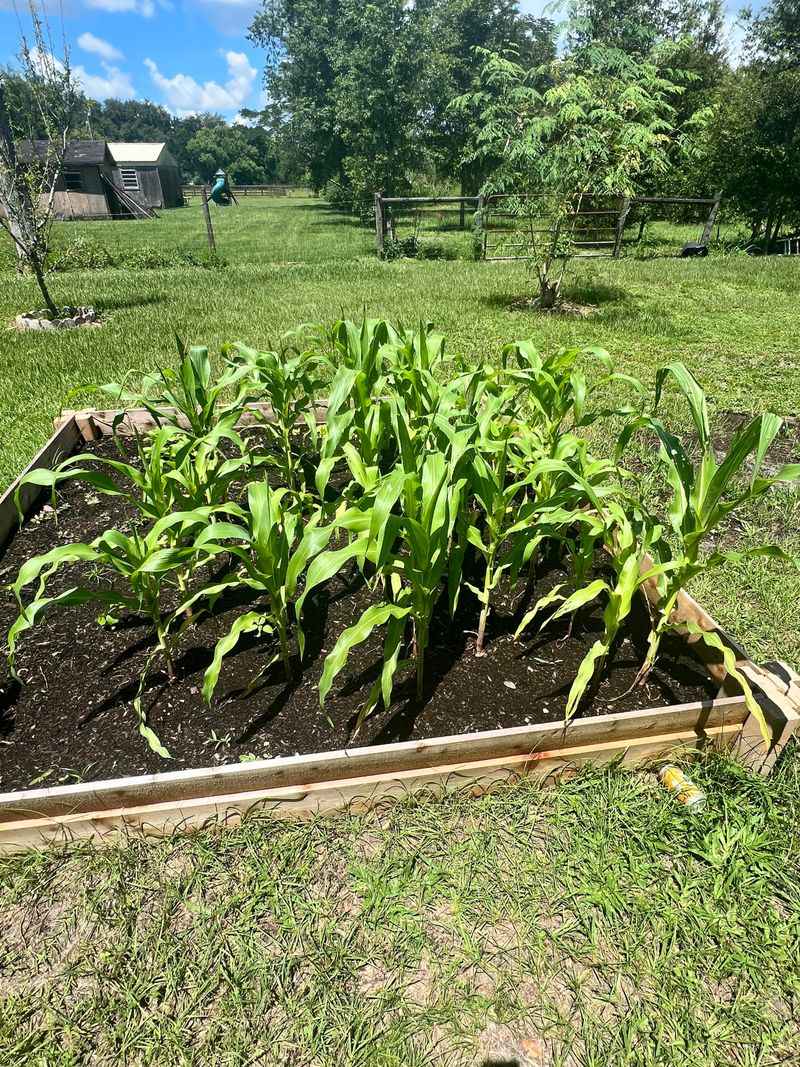
Sweet corn is one of those garden crops that rewards patience and preparation in equal measure.
In Florida, April offers soil temperatures warm enough – ideally between 60 and 95 degrees Fahrenheit – for reliable germination, which typically happens within 7 to 10 days when conditions are right.
Cold or wet soil significantly reduces germination rates, so April’s warming trend works in the gardener’s favor.
Corn is wind-pollinated, which means planting in blocks of at least four rows rather than a single long row greatly improves pollination and ear development. Sow seeds about one inch deep, spacing them 9 to 12 inches apart in rows 30 to 36 inches apart.
Florida’s sandy soils can dry out quickly, so consistent watering – especially during tasseling and silking – is important for good ear fill.
Most sweet corn varieties mature in 70 to 90 days, putting a Florida April planting on track for harvest in late June through July.
Ears are ready to pick when silks have turned brown and a kernel pressed with a fingernail releases a milky liquid.
Sweet corn does attract certain pests in Florida, including corn earworms, so monitoring plants as ears develop is a practical step toward protecting your harvest.
Selecting varieties recommended for Florida’s conditions can make a meaningful difference in overall success.
7. Cucumbers Grow Fast As Temperatures Rise
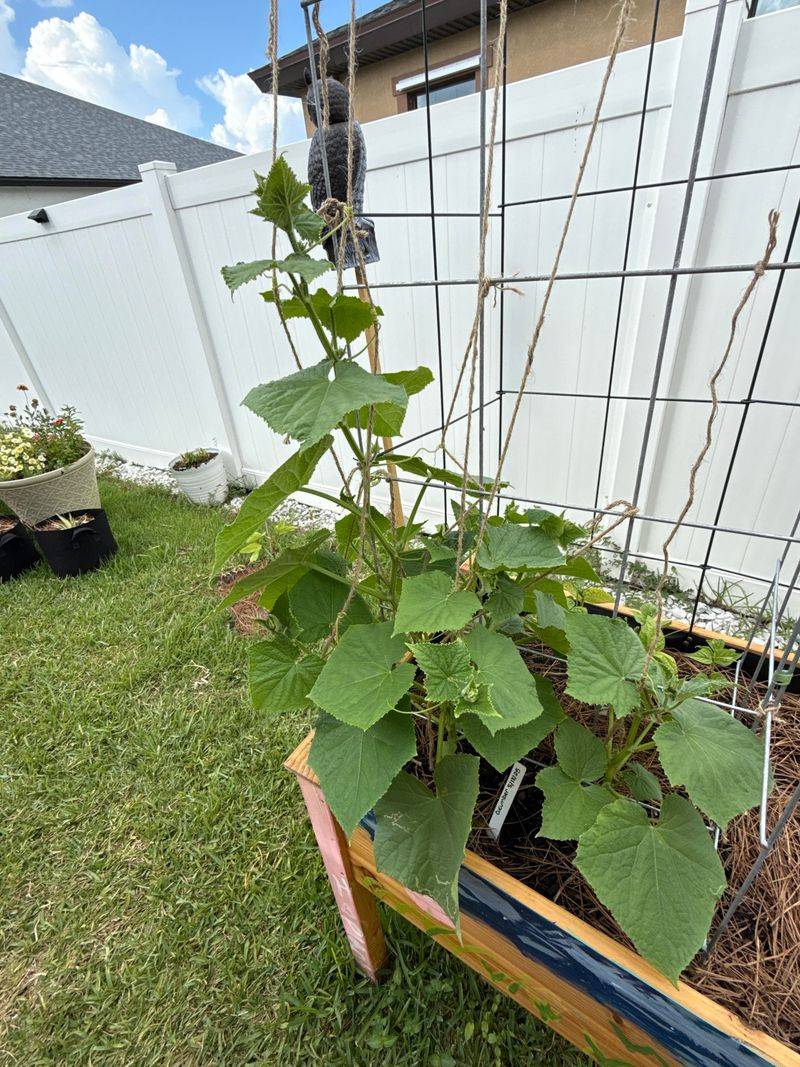
Cucumbers have a reputation for being one of the fastest-growing vegetables in a warm garden, and Florida’s April conditions bring out their best qualities.
Soil temperatures above 60 degrees Fahrenheit – which much of Florida reaches comfortably in April – support germination within 3 to 7 days, making cucumbers one of the quicker crops to emerge after sowing.
That fast start translates into an early harvest that Florida gardeners genuinely appreciate.
Plant seeds about half an inch to one inch deep, spacing them 6 inches apart if growing on a trellis or 12 inches apart for bush-type varieties allowed to sprawl. Rows should be spaced about 4 to 6 feet apart to allow adequate airflow.
Growing cucumbers vertically on a trellis or cage not only saves space but also improves air circulation around the foliage, which helps reduce fungal disease pressure – a real concern during Florida’s humid summer months.
Most slicing cucumber varieties are ready to harvest around 50 to 70 days after sowing. Fruits should be picked when they are firm, uniformly green, and have reached the size typical for the variety – usually 6 to 8 inches for slicing types.
Leaving cucumbers on the vine too long causes them to turn yellow and become bitter.
Consistent watering is especially important for cucumbers, as irregular moisture can lead to misshapen fruits and reduced overall production through the growing season.
8. Summer Squash Produces Early And Continues Through Summer
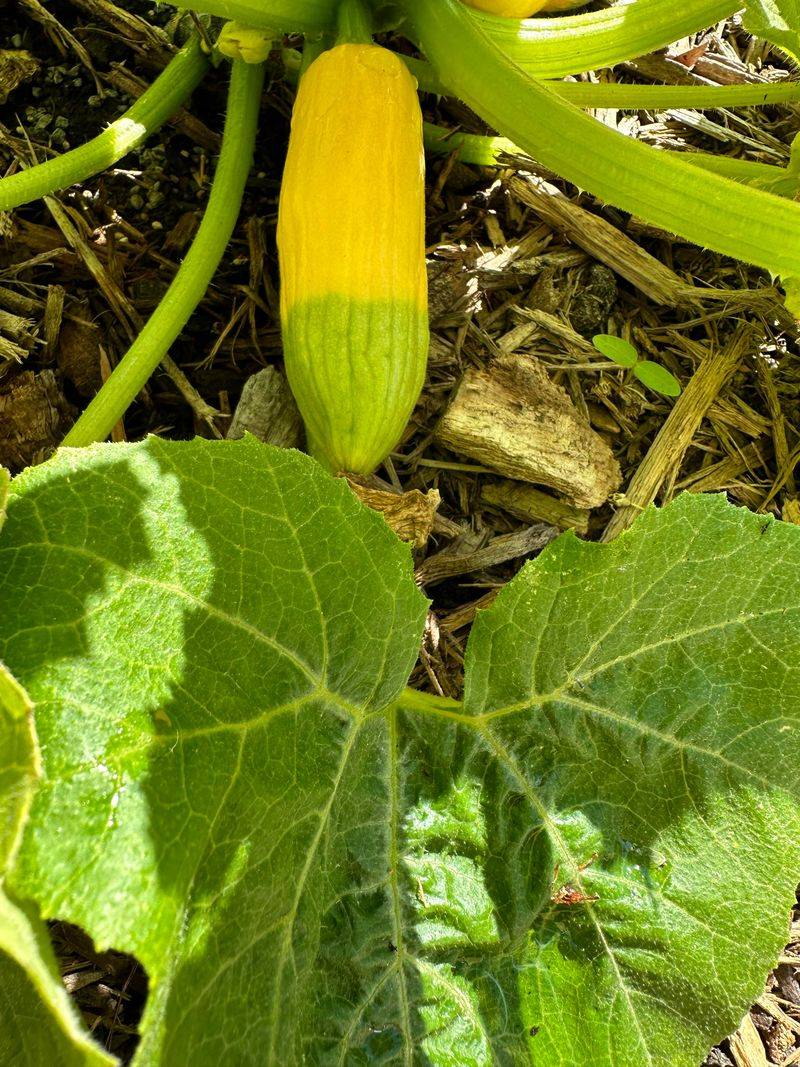
Summer squash has a way of making new gardeners feel like seasoned pros. Plants grow quickly, fruits develop fast, and the harvest can begin just 50 to 55 days after direct sowing – making it one of the most rewarding crops Florida gardeners can plant in April.
Varieties like yellow crookneck, straightneck, and zucchini all perform well in Florida’s warm spring and summer conditions.
Sow seeds about one inch deep, placing two or three seeds per hill or spacing individual seeds 18 to 24 inches apart in rows about 4 feet apart. Germination in warm Florida soil typically takes 5 to 7 days.
Thinning to one strong plant per hill once seedlings emerge helps prevent overcrowding and encourages better airflow, which matters in Florida’s humid climate where powdery mildew and other fungal issues can develop on dense plantings.
Squash fruits should be harvested young and frequently – ideally when they are 6 to 8 inches long for zucchini or about 4 to 6 inches for yellow varieties.
Leaving fruits on the plant too long reduces overall production and leads to tough, seedy squash that is less enjoyable to eat.
Florida summers can be hard on squash plants as heat and humidity increase, so starting in April gives plants a solid head start before the most challenging conditions of July and August set in for the season.