North Carolina Vegetables You Can Plant In April For Summer Harvest
April in North Carolina feels like the green light most gardeners have been waiting for. The last frost is either gone or nearly there, and suddenly the garden starts filling up fast.
This is the window when warm-season vegetables can finally go in without constant worry. The soil is warming, the days are getting longer, and plants have the time they need to grow strong before summer really settles in.
Choosing what to plant now makes a big difference in how your harvest turns out later. Some vegetables take full advantage of this timing, while others need just a little extra attention to get going.
A few of these are worth getting in the ground sooner rather than later.
1. Snap Beans That Start Fast And Keep Going
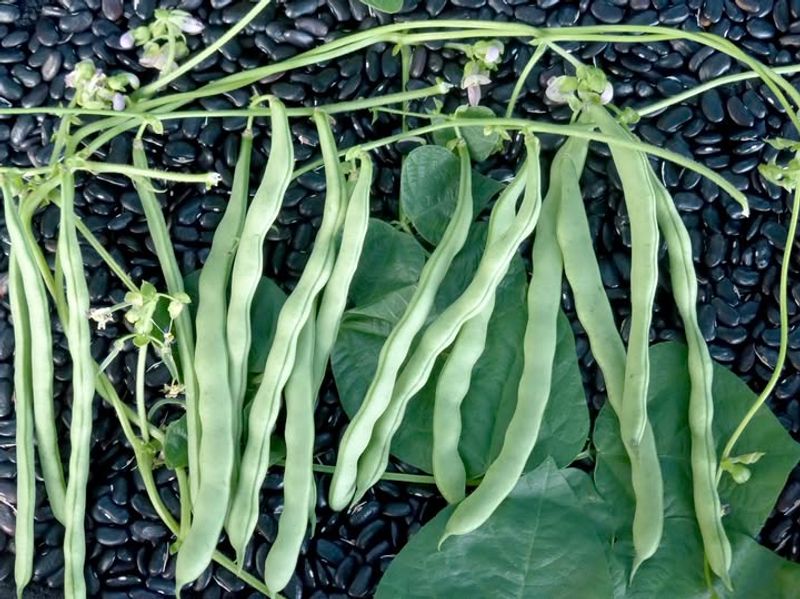
Few things feel more satisfying than picking a handful of fresh snap beans right off the vine on a warm summer morning. In North Carolina, April is the sweet spot for direct sowing snap bean seeds into your garden beds.
Once soil temperatures climb above 60 degrees Fahrenheit, these fast-growing plants take off with very little fuss. Beans usually germinate quickly in warm soil, and direct sowing works best because their roots do not like much disturbance.
Regular picking also encourages plants to keep producing tender pods.
Snap beans love full sun and well-drained soil, so choose a spot in your garden that gets at least six to eight hours of sunlight each day. Loosen the soil about six inches deep before planting, and mix in a little compost to give the seeds a nutrient boost right from the start.
Plant seeds about one inch deep and space them around three inches apart in rows.
You can expect your snap beans to be ready for picking in about 50 to 60 days, which puts your harvest right in the heart of summer. Water consistently, especially during dry spells, to keep the plants producing steadily.
Bush varieties are great for small spaces, while pole varieties need a simple trellis or stakes for support. Either way, snap beans are one of the most rewarding vegetables you can grow in North Carolina.
2. Sweet Corn That Brings Summer Garden Energy
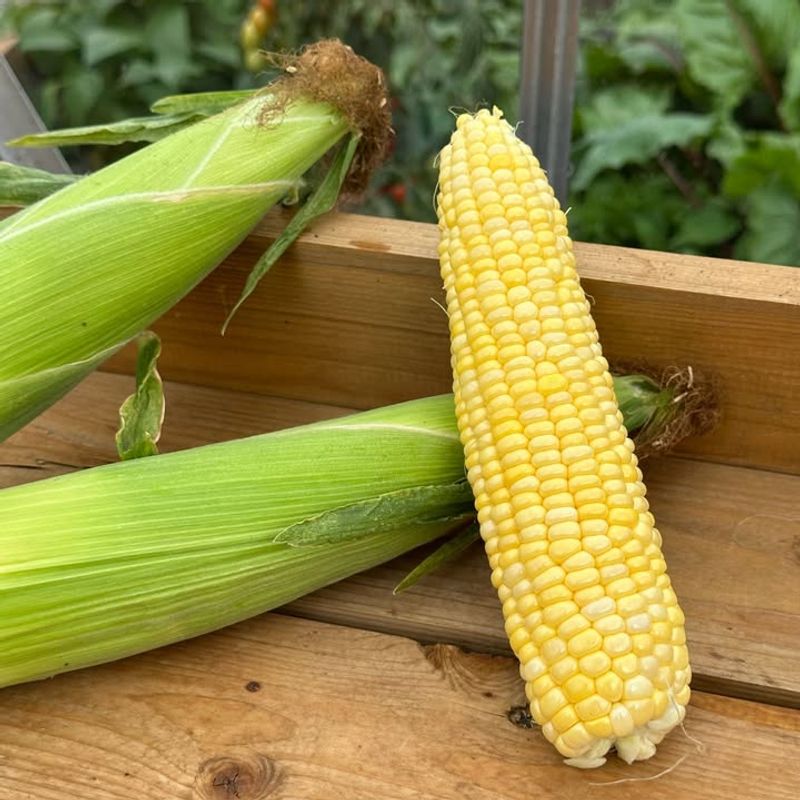
There is something almost magical about biting into a cob of sweet corn you grew yourself, especially when it is still warm from the summer sun. Sweet corn is a true summertime staple in North Carolina, and April is the right time to get those seeds into the ground.
Wait until soil temperatures reach at least 60 degrees Fahrenheit before planting to make sure germination goes smoothly.
Corn is a heavy feeder, meaning it pulls a lot of nutrients from the soil as it grows. Before planting, work a balanced fertilizer into your garden bed and make sure the area gets full sun all day long.
Plant seeds about one inch deep and space them eight to twelve inches apart. Corn is wind-pollinated, so planting in blocks of at least four rows rather than one long single row will give you much better ear development.
Your North Carolina Garden Changes Every Week. Your Plan Should Too.
Gardening in North Carolina changes quickly throughout the season. Every Friday you’ll receive a simple weekly plan showing exactly what to plant, prune, fertilize, harvest, and protect so you never miss the right timing.
Most sweet corn varieties are ready to harvest in 70 to 90 days, landing right in the height of North Carolina’s summer season. Keep the soil evenly moist, especially once the plants start tasseling and silking.
Watch out for common pests like corn earworms, and apply an organic deterrent if needed. Fresh sweet corn from your own garden truly cannot be beaten.
3. Cucumbers That Take Off In Warm Soil
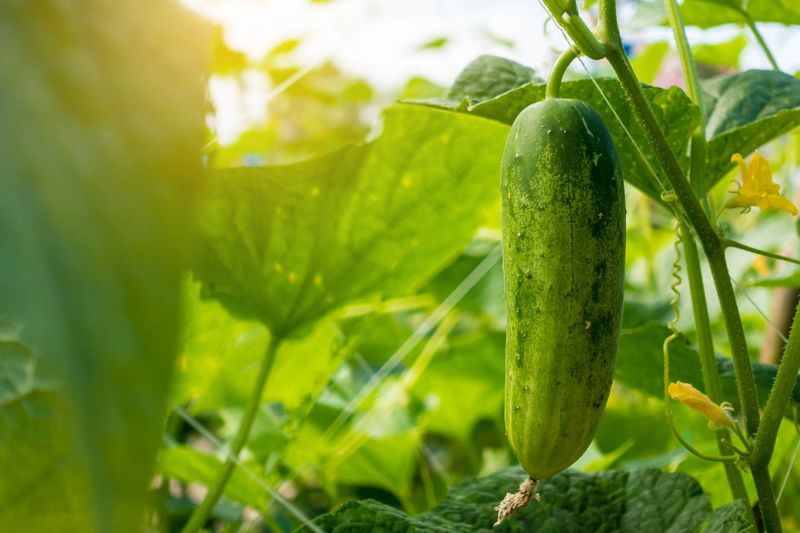
Crisp, cool, and incredibly easy to grow, cucumbers thrive when direct sown into the garden in mid-April, once soil temperatures have reached at least 65 degrees Fahrenheit. They grow quickly and reward patient gardeners with a generous harvest.
Because cucumbers are sensitive to cold, waiting until the soil has truly warmed helps seeds germinate more reliably. Succession planting every couple of weeks during the planting window can also stretch the harvest and keep fresh cucumbers coming longer.
Pick a sunny garden spot with loose, well-drained soil for your cucumbers. Adding compost before planting gives the soil the organic matter cucumbers love.
Sow seeds about half an inch to one inch deep, spacing hills about 36 inches apart if you are growing bush types, or closer together if you plan to use a trellis for vining varieties. Trellised cucumbers actually stay cleaner, grow straighter, and are much easier to harvest.
Cucumbers are thirsty plants, so consistent watering is key, especially once the vines start flowering and fruiting. Mulching around the base of the plants helps hold moisture in the soil and keeps weeds from taking over.
In North Carolina’s warm summer climate, most cucumber varieties are ready to pick in 50 to 70 days. Harvest them while they are still firm and dark green for the best flavor and crunch.
Overripe fruit can turn yellow and become tougher, so regular picking helps keep quality high.
4. Eggplant That Loves The Heat Ahead
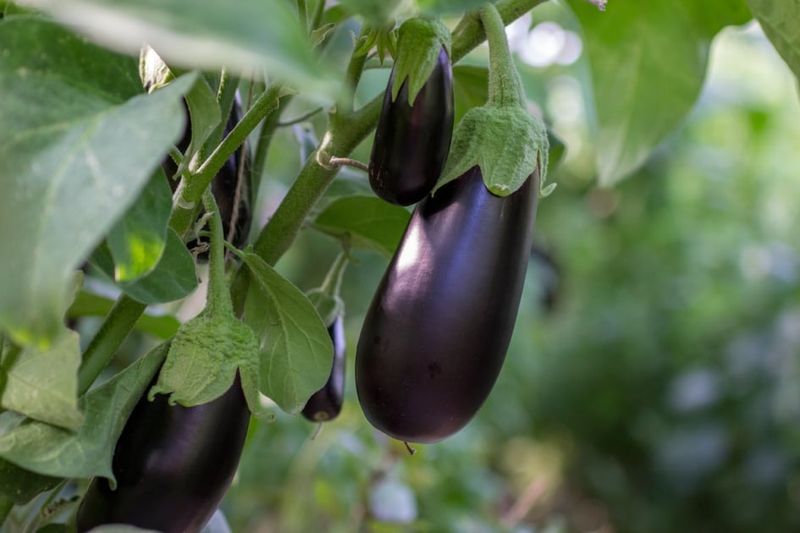
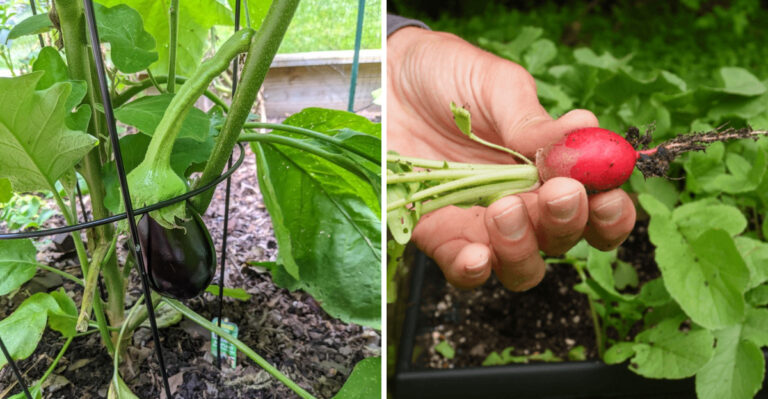
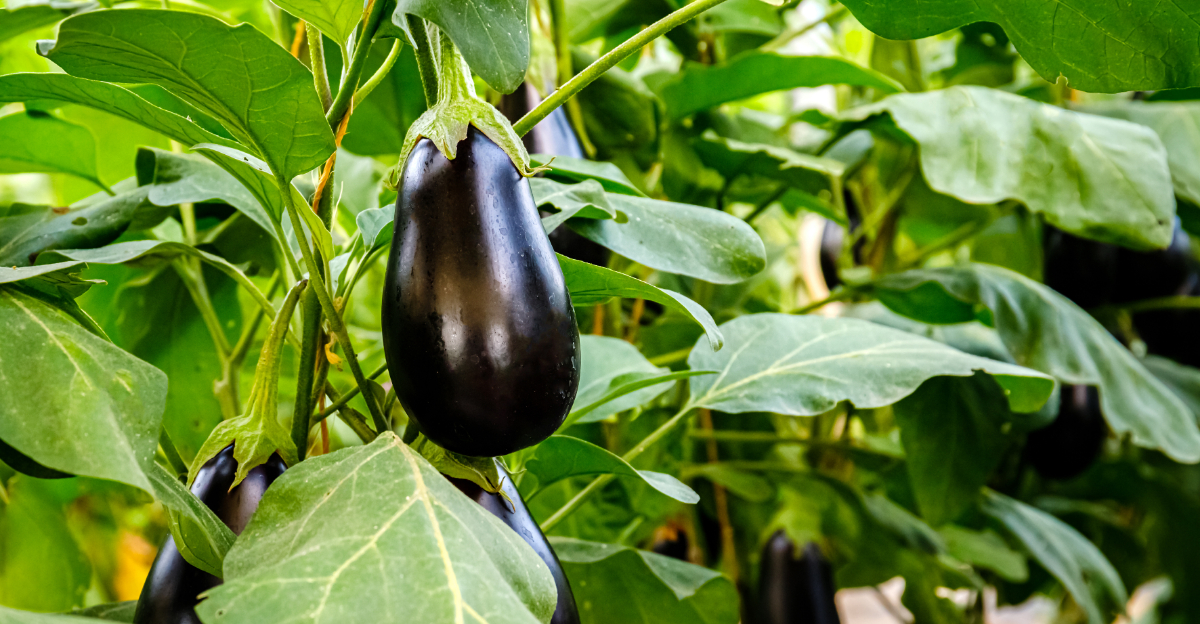
Bold, beautiful, and surprisingly easy to grow, eggplant is one of those vegetables that really shines in a North Carolina summer garden. Eggplants love heat, which makes them a perfect fit for the warm months ahead.
In late April, once soil temperatures are consistently above 65 degrees Fahrenheit, it is time to transplant your eggplant seedlings into the garden. Cool nights can slow them down, so waiting for settled spring weather usually leads to stronger early growth and less stress after transplanting.
Start seeds indoors about eight to ten weeks before transplanting, or purchase healthy transplants from a local garden center. Choose a location with full sun and rich, well-drained soil.
Eggplants grow best when spaced about 18 to 24 inches apart in rows that are around 30 inches wide. Work plenty of compost into the soil before planting and consider adding a balanced fertilizer to fuel steady growth throughout the season.
Staking can also help support plants once the fruit begins to develop, especially with larger varieties that tend to get top-heavy.
Once established, eggplants need regular watering, about one to two inches per week, and benefit from a layer of mulch around the base to retain soil moisture. Most varieties are ready to harvest in 70 to 85 days after transplanting.
Look for fruits that are firm, glossy, and deeply colored. Eggplants are a versatile kitchen ingredient, great for grilling, roasting, and stir-frying.
Growing them in North Carolina is genuinely one of summer’s most rewarding gardening experiences.
5. Okra That Settles In For Summer
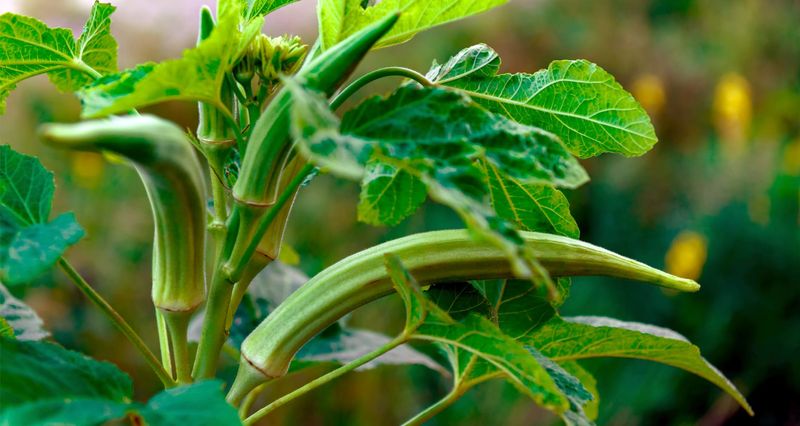
If there is one vegetable that feels truly at home in a North Carolina summer garden, it is okra. This Southern classic absolutely loves the heat, and late April is the ideal time to direct sow okra seeds once soil temperatures are consistently above 65 degrees Fahrenheit.
Okra plants grow fast and tall, sometimes reaching five to six feet by midsummer. Warm weather really helps this crop hit its stride, and growth tends to speed up once daytime temperatures settle into the range okra prefers.
Soak okra seeds in water for a few hours before planting to soften the hard outer coating and speed up germination. Plant seeds about one inch deep and space them 12 to 18 inches apart in rows.
Okra thrives in full sun and prefers well-drained soil enriched with compost. Since North Carolina summers can get hot and dry, consistent watering is important, especially when the plants are young and getting established.
As seedlings grow, thinning crowded plants helps improve airflow and gives each one enough room to develop into a sturdy producer.
One of the best things about growing okra is how quickly it produces once it gets going. Most varieties start producing pods in about 50 to 65 days.
Harvest the pods when they are two to four inches long for the most tender texture. Pods left on the plant too long become tough and fibrous.
Okra is delicious fried, roasted, pickled, or added to soups and stews, making it one of the most useful vegetables in any North Carolina summer garden.
6. Peppers That Reward A Strong Start
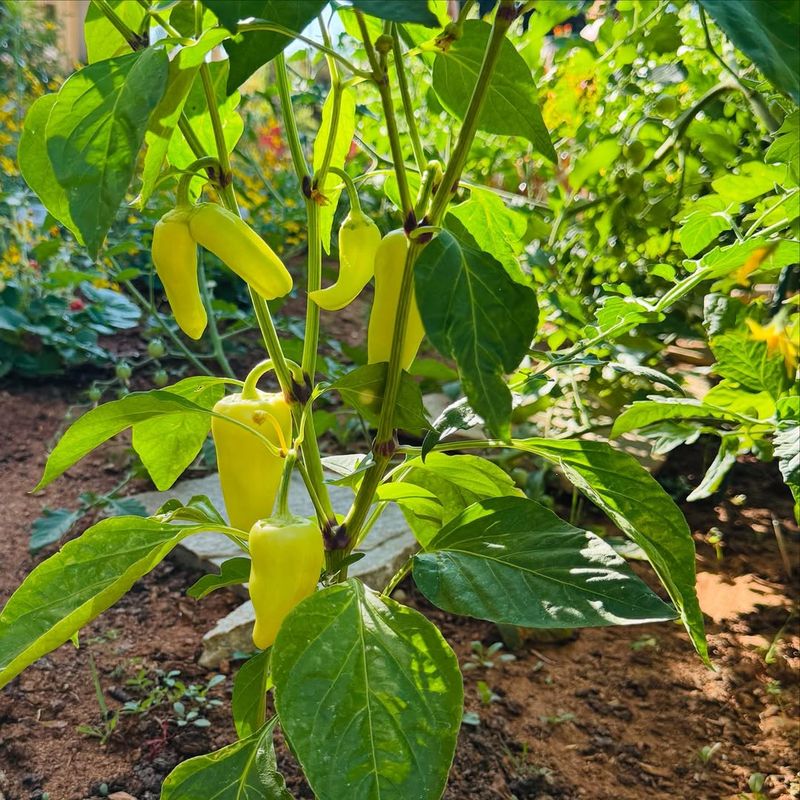
Peppers bring color, flavor, and a little spice to any North Carolina summer garden. Whether you prefer sweet bell peppers or fiery hot varieties, April is the right time to get transplants into the ground.
Like tomatoes, peppers should be moved outdoors in mid to late April once nighttime temperatures stay reliably above 55 to 60 degrees Fahrenheit and the soil has warmed up nicely.
Choose a sunny garden bed with loose, well-drained soil for best results. Space pepper transplants about 18 inches apart to give each plant plenty of room to branch out and produce fruit.
Adding compost to the planting hole gives the roots a nutrient-rich environment right from the start. Peppers are not fans of cold, so if a late cool snap rolls through, covering your plants with a frost cloth overnight can make a big difference.
Once the weather settles into North Carolina’s warm summer rhythm, pepper plants really take off. Water deeply but not too frequently, allowing the soil to dry slightly between waterings.
Overwatering can lead to root problems that slow down fruit production. Most sweet bell pepper varieties mature in 70 to 85 days, while hot peppers can take a bit longer.
The payoff is well worth the wait, especially when you are harvesting bright, flavorful peppers fresh from your own backyard.
7. Summer Squash That Grows In A Hurry
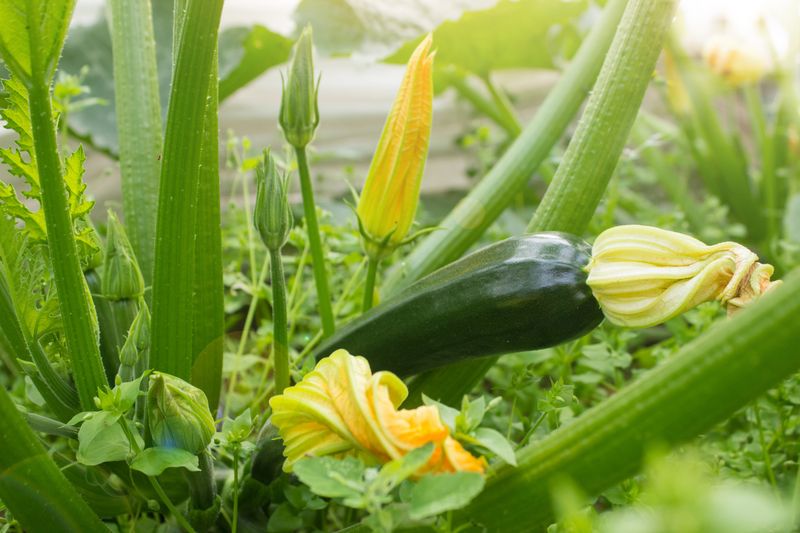
Summer squash might just be the most productive vegetable you can plant in a North Carolina April garden. Once these plants get rolling, they produce more squash than you might know what to do with, which is honestly a wonderful problem to have.
Mid-April is the perfect time to direct sow summer squash seeds into warm, prepared garden beds.
Squash seeds need soil temperatures of at least 60 degrees Fahrenheit to germinate well. Plant seeds about one inch deep and space hills about 24 to 36 inches apart.
Summer squash plants spread out quite a bit, so give them plenty of room. They love full sun and rich, well-drained soil.
A generous layer of compost worked into the soil before planting will keep the plants well-fed and vigorous throughout the growing season.
Most summer squash varieties are ready to harvest in just 45 to 55 days, making them one of the fastest producers in your garden. Harvest yellow squash and zucchini when they are six to eight inches long for the best flavor and texture.
Leaving them on the plant too long results in tough, seedy fruits. Water regularly and check your plants every day or two once they start producing, because summer squash in North Carolina can grow surprisingly fast in warm weather.
8. Tomatoes That Set The Tone For Summer
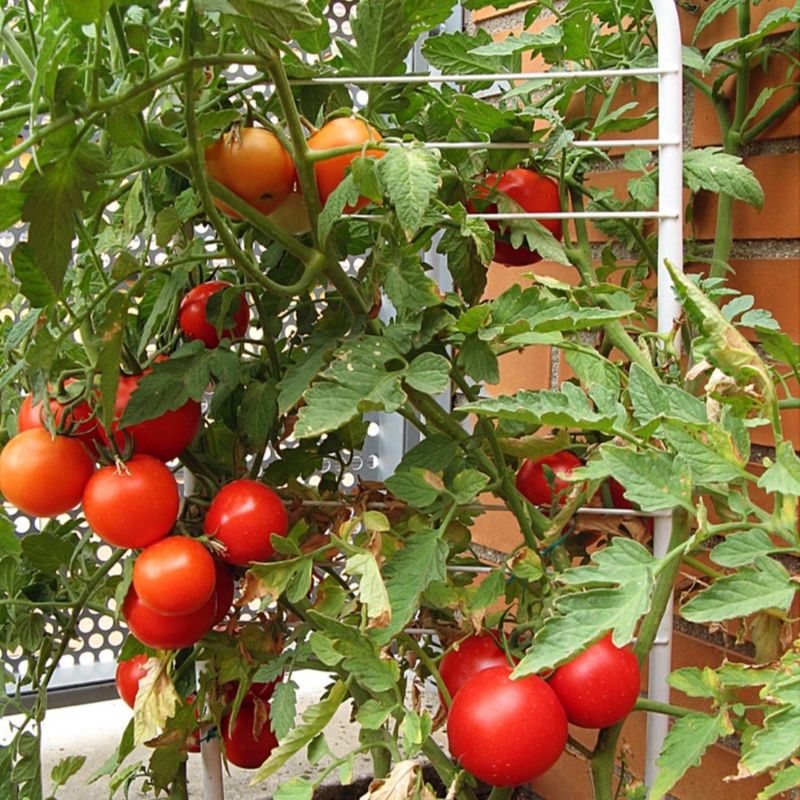
Ask any North Carolina gardener what they look forward to most in their summer garden, and chances are tomatoes will top the list. Juicy, sun-ripened tomatoes fresh from the vine are one of the great joys of the growing season, and mid-April is the prime time to get transplants in the ground.
Soil temperatures should be at least 60 degrees Fahrenheit, and nighttime temps should stay consistently above 50 degrees for the best results.
Choose a sunny spot with at least eight hours of direct sunlight and well-drained, fertile soil. Dig a deep hole and bury the transplant up to its lowest set of leaves, since tomato stems can grow roots along their buried portion.
This gives plants a stronger, deeper root system. Space transplants about 24 to 36 inches apart and set up cages or stakes at planting time to support the plants as they grow tall and heavy with fruit.
Water deeply and consistently, aiming for about one to two inches per week. Mulching around the base of the plants helps maintain soil moisture and reduces disease pressure from soil splash.
In North Carolina’s warm climate, most tomato varieties begin producing ripe fruit 60 to 85 days after transplanting. Few things in the garden compare to slicing into a homegrown tomato on a hot summer afternoon.