Garden Tasks Michigan Homeowners Should Finish Before May
There’s a short stretch in Michigan when the weather finally cooperates, but the clock starts ticking at the same time. Snow is gone, the ground is workable, and everything suddenly feels ready, even if it still gets chilly at night.
It’s easy to put things off, thinking there’s plenty of time, but April tends to move quickly.
Certain garden tasks really do need to happen before May if you want plants to settle in properly and avoid setbacks.
Getting ahead now can make the rest of the season feel a lot smoother. From soil prep to early planting and a few overlooked details, these steps set the tone for how everything grows once warmer weather fully takes over.
1. Soil Test Before Guesswork Starts
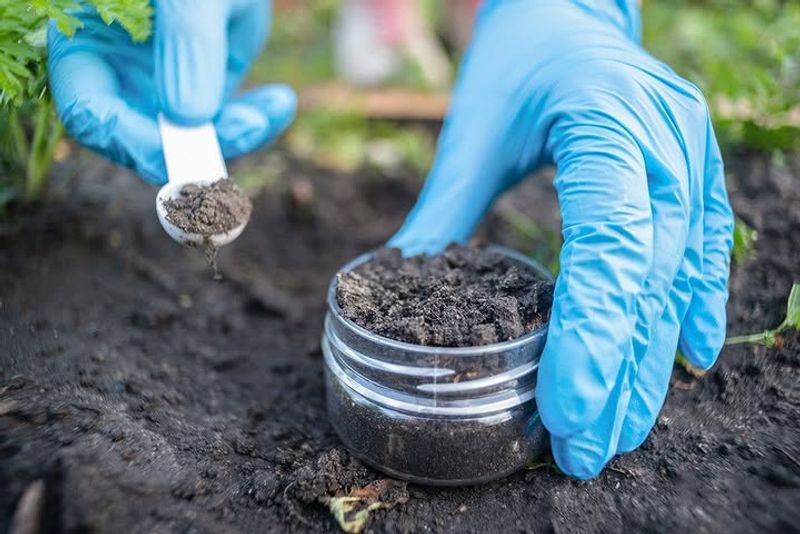
Before you plant a single seed, knowing what is actually in your soil can make a world of difference. A soil test tells you the pH level of your ground and whether you are missing key nutrients like nitrogen, phosphorus, or potassium.
Many Michigan gardeners are surprised to learn their soil is too acidic or too alkaline for the plants they want to grow.
Getting a soil test done is easier than most people think. Michigan State University Extension offers affordable soil testing services, and you can also find simple home test kits at most garden centers.
You collect a small sample of dirt from your garden bed, send it in or test it yourself, and within days you have a clear picture of what your soil needs.
Once you have your results, you can add the right amendments before planting season begins. If your pH is too low, lime can help bring it up.
If it is too high, sulfur can bring it back down. Adding compost is almost always a good idea no matter what your results say, since it improves soil structure and feeds helpful microorganisms.
Taking this one step before May means your plants will have the best possible foundation from day one, and you will likely spend less time troubleshooting problems later in the season. A small effort now saves a lot of guesswork later.
2. Prepare Beds For A Better Start
Nothing feels quite as satisfying as running your fingers through freshly turned, rich garden soil. Preparing your garden beds before May is one of the most impactful things you can do for your Michigan garden.
Start by clearing out any leftover plant material, fallen leaves, and weeds from last season. Leaving old debris in place can invite fungal problems and pests that will bother your new plants.
Once your beds are cleared, it is time to loosen the soil. Use a garden fork or tiller to work the ground down about eight to ten inches.
This breaks up any compaction that built up over winter and allows roots to spread more easily. Michigan soils, especially those with heavy clay content, really benefit from this kind of physical prep work each spring.
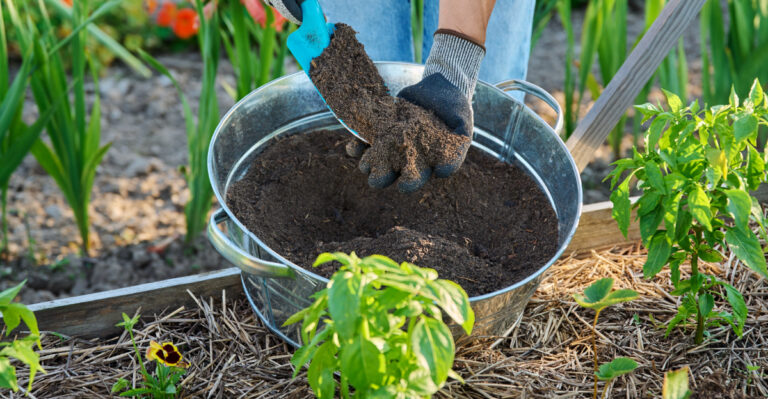
After loosening, work in a generous layer of compost or well-rotted manure. These organic materials improve drainage in clay soils and help sandy soils hold onto moisture and nutrients longer.
Your Michigan Garden Changes Every Week. Your Plan Should Too.
Gardening in Michigan changes quickly throughout the season. Every Friday you’ll receive a simple weekly plan showing exactly what to plant, prune, fertilize, harvest, and protect so you never miss the right timing.
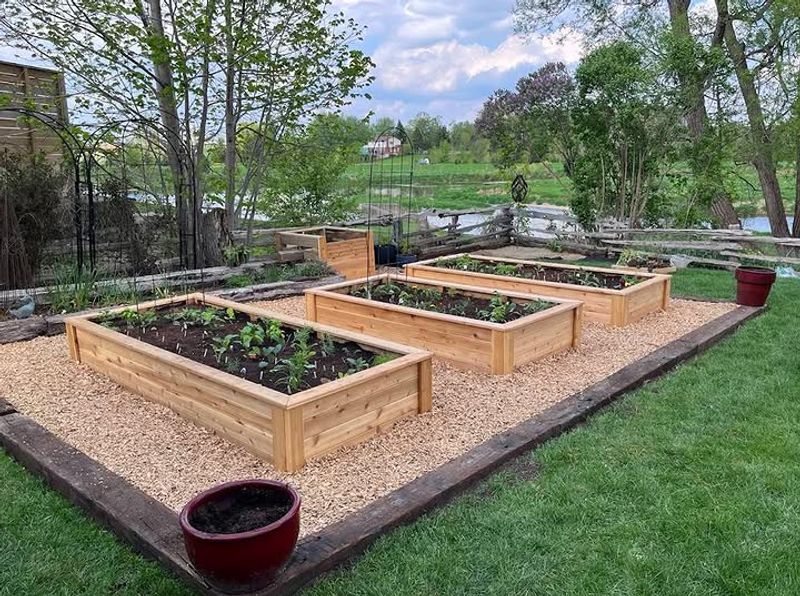
If you are planning to grow cool-season crops like lettuce, peas, or spinach, your beds could actually be ready to plant soon after this prep is done. Raised beds tend to warm up faster than in-ground beds, which is a real advantage here in Michigan where spring soil temperatures can lag behind the calendar.
Getting your beds ready now means you will not be scrambling when ideal planting windows open up.
3. Clean Tools Before The Rush Hits
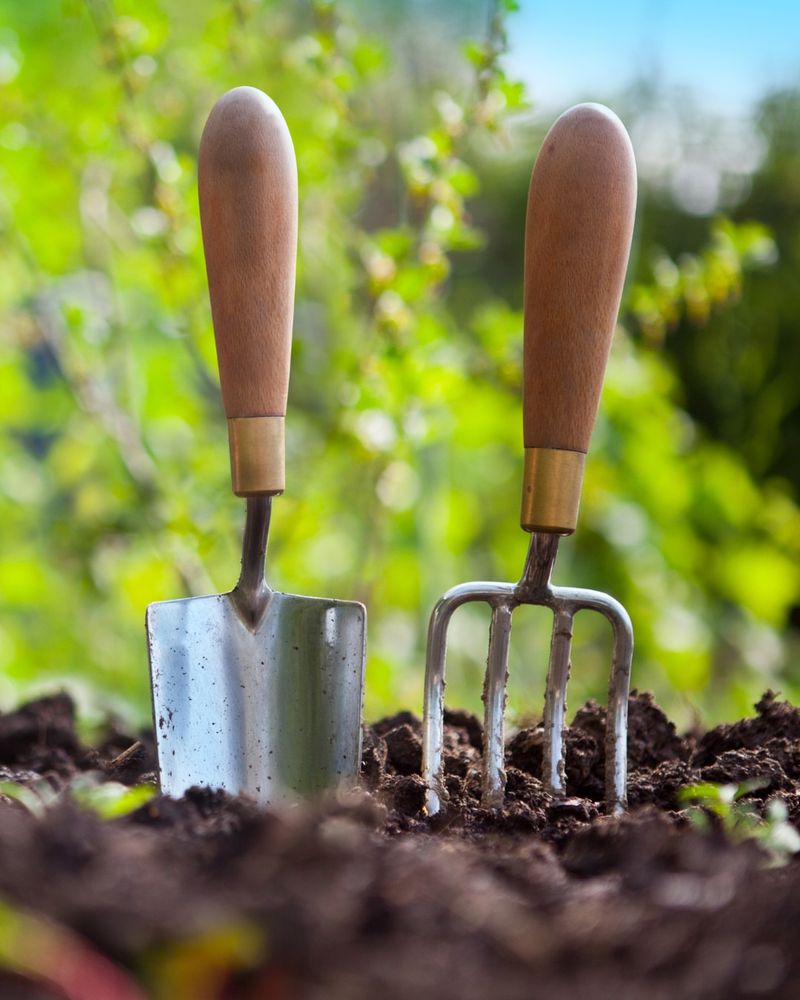
Rusty blades, dull edges, and muddy handles might not seem like a big deal, but dirty tools can actually spread plant diseases from one part of your garden to another. Taking an afternoon before May to clean and sharpen your garden tools is one of those low-effort, high-reward tasks that experienced Michigan gardeners swear by every spring.
Start by wiping down metal surfaces with a dry cloth to remove any caked-on soil. For stubborn rust spots, a bit of steel wool or coarse sandpaper does the trick nicely.
Once the metal is clean, sharpen blades on your hoe, spade, and pruners using a file or a whetstone. Sharp tools cut through soil and stems more cleanly, which actually reduces plant stress and makes your work a lot easier on your body too.
After cleaning and sharpening, apply a thin coat of linseed oil or mineral oil to metal parts to protect against future rust. Wooden handles benefit from a light sanding and a rub of linseed oil to prevent cracking and splintering.
Store your tools in a dry place, ideally hanging on a wall rack so they stay off the ground. Well-maintained tools last for years, even decades, saving you money in the long run.
Here in Michigan, where spring rains can be heavy and frequent, keeping your tools in top shape means you are always ready to head outside and get to work the moment conditions are right.
4. Start Spring Transplants While Timing Is Right
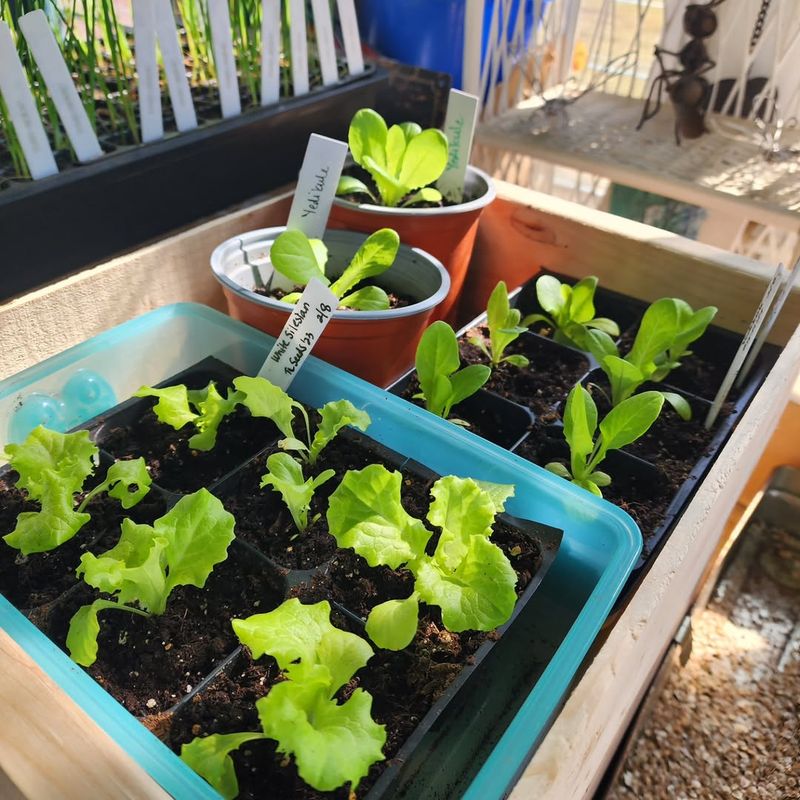
Michigan’s last frost date typically falls between late April and mid-May, depending on where you live in the state. That means starting certain cool-season crops indoors right now gives them a serious head start.
Broccoli, cabbage, cauliflower, and kale are all great candidates for indoor starting because they actually prefer cooler temperatures and can handle a light frost once they are established outside.
To get started, fill seed trays or small pots with a quality seed-starting mix, not regular garden soil, which can compact too much in containers. Plant your seeds at the depth listed on the packet, water gently, and place the trays somewhere warm to encourage germination.
Once sprouts appear, move them to a bright spot near a south-facing window or under grow lights for at least twelve to sixteen hours of light per day.
Keeping the seedlings consistently moist but not waterlogged is key during this stage. A small fan running nearby helps strengthen stems and prevents mold from forming on the soil surface.
About a week before you plan to move them outside, start the hardening-off process by setting them outdoors for a few hours each day, gradually increasing their outdoor time. This helps them adjust to Michigan’s outdoor conditions without the shock of a sudden change.
By the time May arrives, your transplants will be sturdy, healthy, and ready to hit the ground running in your garden beds.
5. Check Seed Packet Timing Before You Plant
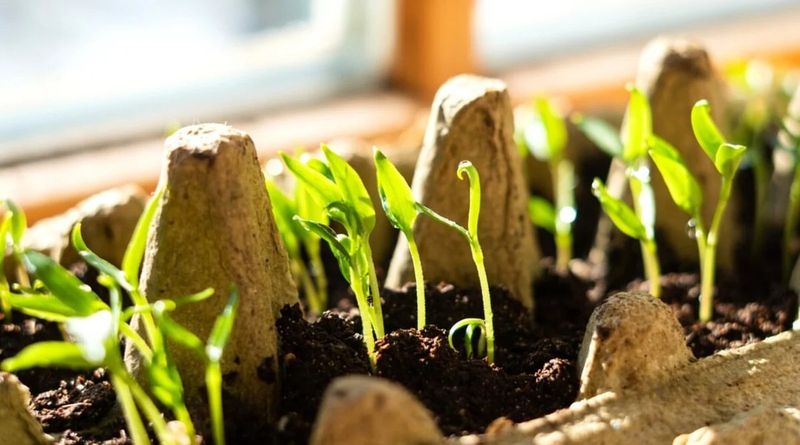
Seed packets are packed with useful information, but a lot of gardeners toss them aside without a second look. Right there on the back of every packet, you will find details about when to plant, how deep to sow, and how many days until harvest.
In Michigan, where the growing season is shorter than in many other states, timing your plantings correctly can be the difference between a full harvest and plants that never quite hit their stride.
Most seed packets reference planting times based on your last expected frost date. For much of lower Michigan, that date falls around late April to early May.
Upper Peninsula gardeners may need to push that date back even further. Once you know your local frost date, count backward from it to figure out exactly when each crop should be started indoors or direct-sown outside.
Making a simple planting calendar is a great way to stay organized. Grab a notebook or use a free printable garden planner and write down each crop along with its ideal start date and transplant date.
Group crops by their timing so you are not scrambling to figure out what to plant each week. Some crops, like carrots and radishes, go directly into the ground, while others need that indoor head start.
Reading and following your seed packets carefully takes just a few minutes per variety but saves a lot of confusion down the road. Good timing really is everything in a Michigan garden.
6. Thin Seedlings For Stronger Growth Ahead
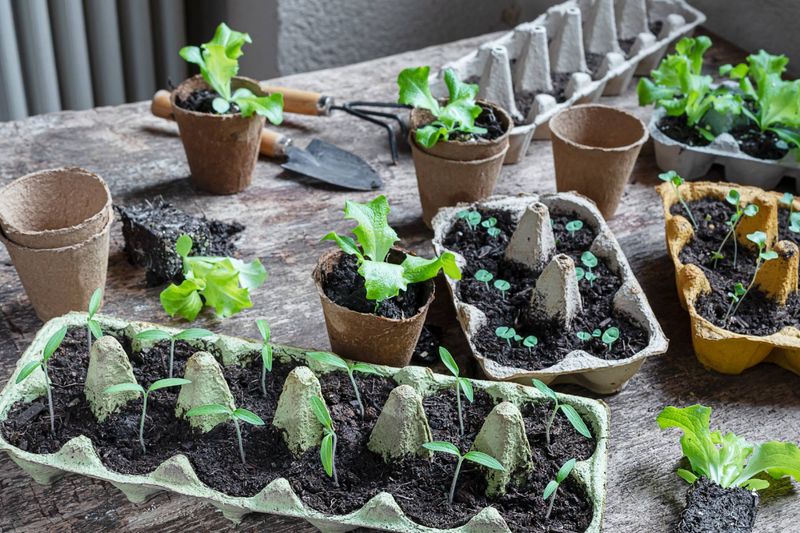
Watching a whole tray of seedlings pop up from the soil feels exciting, but here is the thing: too many seedlings crowded together is actually a problem. When plants compete for the same limited space, light, water, and nutrients, none of them grow as well as they could.
Thinning seedlings before May is a step that even experienced Michigan gardeners sometimes skip, and it almost always shows up as weak, leggy plants later on.
The goal of thinning is to give each remaining seedling enough room to develop a strong root system and full, healthy leaves. Check the spacing recommendations on your seed packet for guidance.
Most gardeners use small scissors to snip unwanted seedlings at the soil line rather than pulling them out, which can disturb the roots of nearby plants you want to keep.
It can feel a little painful to remove healthy-looking sprouts, but think of it like editing a rough draft. You are removing the good to make room for the great.
Thinned seedlings from edible crops like lettuce or spinach can even be eaten as microgreens, so nothing goes to waste. After thinning, water gently to help the remaining seedlings settle in.
Keeping up with this task throughout early spring means your plants will have the elbow room they need to truly flourish. A less crowded seedling tray today translates directly into a more productive, vigorous Michigan garden come summer.
7. Mulch Now For A Smoother Season
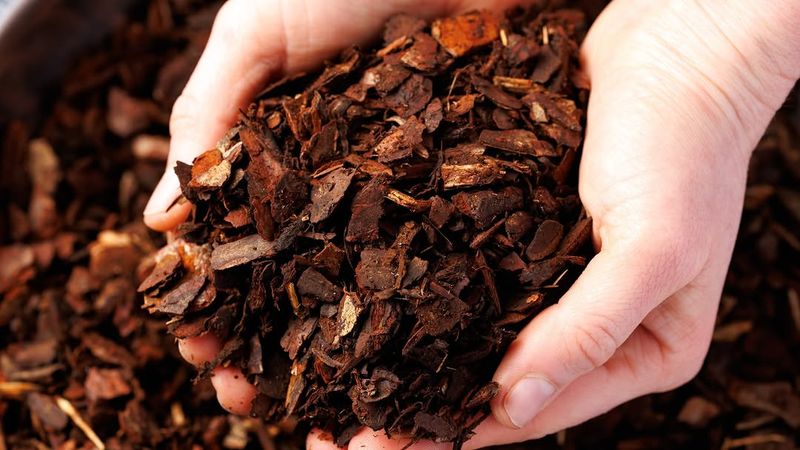
Mulch might just be the hardest-working material in any Michigan garden. Laying down a fresh layer of mulch before May helps your soil in more ways than one.
It regulates soil temperature, which matters a lot during Michigan’s unpredictable spring weather when warm days and cold nights can stress young plants. It also holds in moisture, which reduces how often you need to water as the season heats up.
There are several types of mulch to choose from depending on your garden’s needs. Wood chips and shredded bark work well around trees, shrubs, and perennial beds.
Straw or shredded leaves are great for vegetable gardens because they break down more quickly and add organic matter to the soil. Avoid using thick layers of fine mulch like sawdust, which can pack down and prevent water from reaching plant roots.
Aim for a two-to-three-inch layer of mulch around your plants, keeping it a few inches away from stems and tree trunks to prevent rot and discourage pests from nesting right at the base. In Michigan, where spring weeds can take over a garden bed shockingly fast, mulch also acts as a natural weed barrier by blocking sunlight from reaching weed seeds in the soil.
Refreshing your mulch annually is one of the simplest habits you can build into your gardening routine, and the payoff in healthier plants and fewer hours spent weeding is absolutely worth the effort.
8. Start Warm Crops Indoors Before Heat Arrives
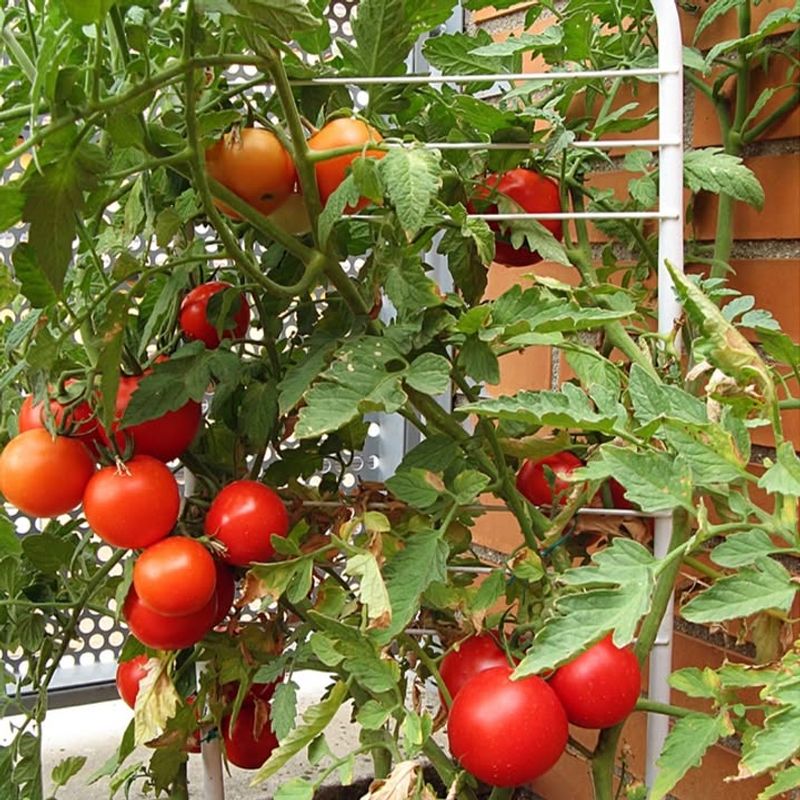
Tomatoes, peppers, squash, and cucumbers are the stars of many Michigan summer gardens, but they need a long head start to really shine. These warm-season crops cannot go outside until all frost risk has passed and soil temperatures are consistently warm, which in most of Michigan means late May at the earliest.
Starting them indoors four to eight weeks before that date gives them the growing time they need to be productive.
Tomatoes and peppers especially benefit from an early indoor start because they have a longer path from seedling to fruit-bearing plant. Use small pots or cell trays filled with a quality seed-starting mix, and place them on a heat mat if possible, since these crops germinate best when the soil temperature stays around 70 to 80 degrees Fahrenheit.
Once they sprout, bright light is essential to keep them from becoming tall and weak.
Label every pot or tray clearly from the start because seedlings of different varieties can look almost identical in the early stages. Watering from the bottom by setting trays in a shallow dish of water encourages roots to grow downward and produces stronger plants.
Keep an eye out for signs of fungal issues like a white coating on the soil surface, and improve air circulation if you spot any. By starting your warm-season crops indoors now, you will have robust, transplant-ready plants waiting to go into your Michigan garden the moment warm weather arrives for good.