A Simple Guide To Companion, Trap, And Cover Crops For Michigan Home Gardeners
Growing a healthy garden in Michigan takes more than just putting seeds in the dirt and hoping for rain. Smart local gardeners use a mix of special plants to protect their crops, fix the soil, and get a much bigger harvest naturally.
These traditional methods have worked for generations and are a perfect match for the unique climate found in Michigan.
Whether you have a massive backyard plot or just a few small containers on your porch, these strategies will help your plants thrive.
You can easily keep pests away and make your ground richer without using harsh chemicals. We have put together a simple guide to help you understand how these different crops work together in your own yard.
It is the best way to ensure your landscape stays strong and productive all season long. Your neighbors will definitely notice how healthy and green your garden looks this year.
1. Companion Crops Can Improve Plant Health And Yield
Planting the right crops side by side can completely change how your garden performs. Companion planting means growing certain plants together so they help each other out, and it is one of the smartest things a Michigan gardener can do.
When plants work as a team, the whole garden benefits in surprising ways.
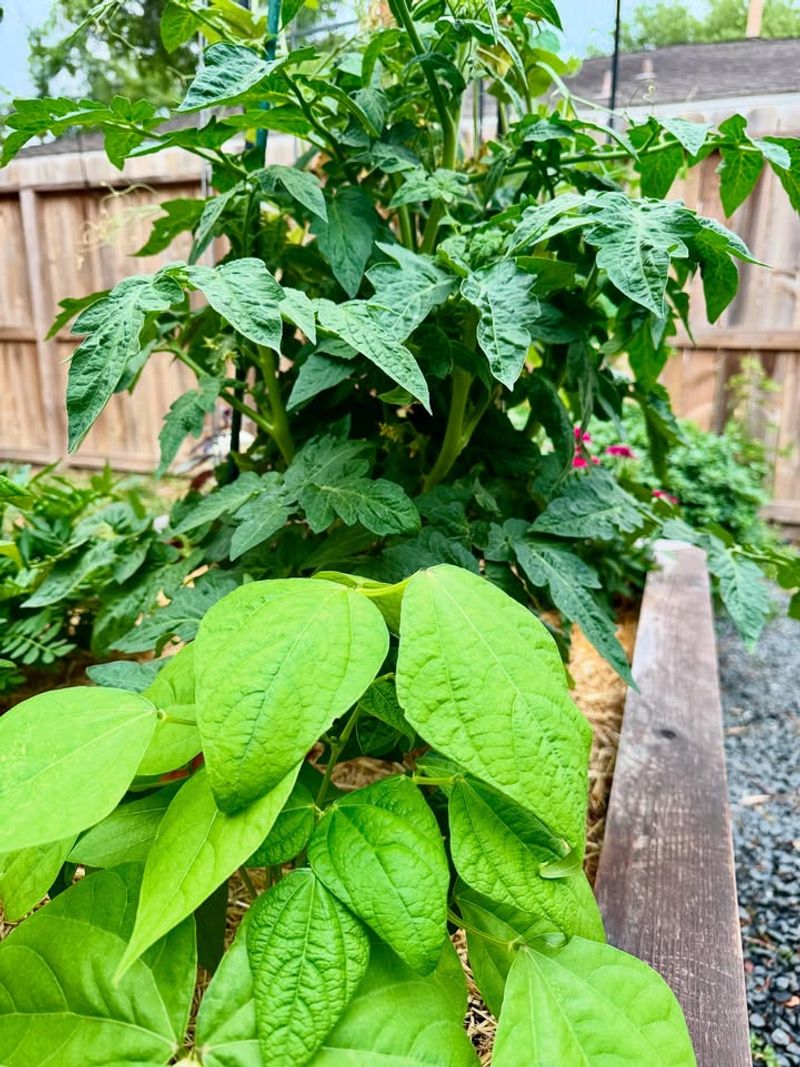
Basil planted near tomatoes is a classic example that actually works. The basil releases natural oils that confuse and repel insects that would otherwise snack on your tomato plants.
Marigolds planted near peppers do something similar by releasing compounds that deter nematodes and aphids hiding in the soil.
One of the biggest benefits is reducing how much pesticide you need to spray. A healthier garden ecosystem means fewer chemical interventions, which is better for your family, your soil, and local pollinators.
Michigan gardens especially benefit from this because the warm summers bring a wide variety of insects, both helpful and harmful.
Companion planting also improves flavor in some vegetables, particularly tomatoes grown near basil. Gardeners across Michigan have reported noticeably tastier harvests just by rearranging what grows next to what.
Small changes in your planting layout can lead to bigger, healthier yields without spending extra money on products or treatments.
2. Common Companion Plants For Michigan Gardens
Michigan gardeners have a solid lineup of companion plants to choose from, and knowing which ones work together makes planning your garden much easier.
Some combinations have been trusted for hundreds of years, while others are newer discoveries backed by research from places like Michigan State University.
Either way, the results speak for themselves.
Beans are one of the most useful companions you can plant. When grown alongside corn, beans pull nitrogen from the air and release it into the soil, feeding the corn naturally.
This reduces the need for added fertilizers and keeps your soil richer over time, which is a huge win for Michigan home gardeners working with sandy or clay-heavy soils.
Basil is another powerhouse companion, especially useful near tomatoes and peppers. It helps confuse and repel aphids, spider mites, and other common Michigan garden pests.
Your Michigan Garden Changes Every Week. Your Plan Should Too.
Gardening in Michigan changes quickly throughout the season. Every Friday you’ll receive a simple weekly plan showing exactly what to plant, prune, fertilize, harvest, and protect so you never miss the right timing.
The scent alone is enough to keep many insects from settling in.
Zinnias are cheerful, daisy-like flowers that do double duty in the garden. They attract butterflies, bees, and other pollinators that your vegetables need for fruit production.
Tucking a row of zinnias along the border of your Michigan garden adds color and brings in the beneficial insects that keep your whole garden buzzing with life all summer.
3. Trap Crops Attract Pests Away From Your Main Plants
Pest management does not always mean reaching for a spray bottle. Trap crops offer a smarter, more natural approach that Michigan gardeners can use starting in early summer when insect pressure begins to climb.
The idea is simple but surprisingly effective once you see it in action.
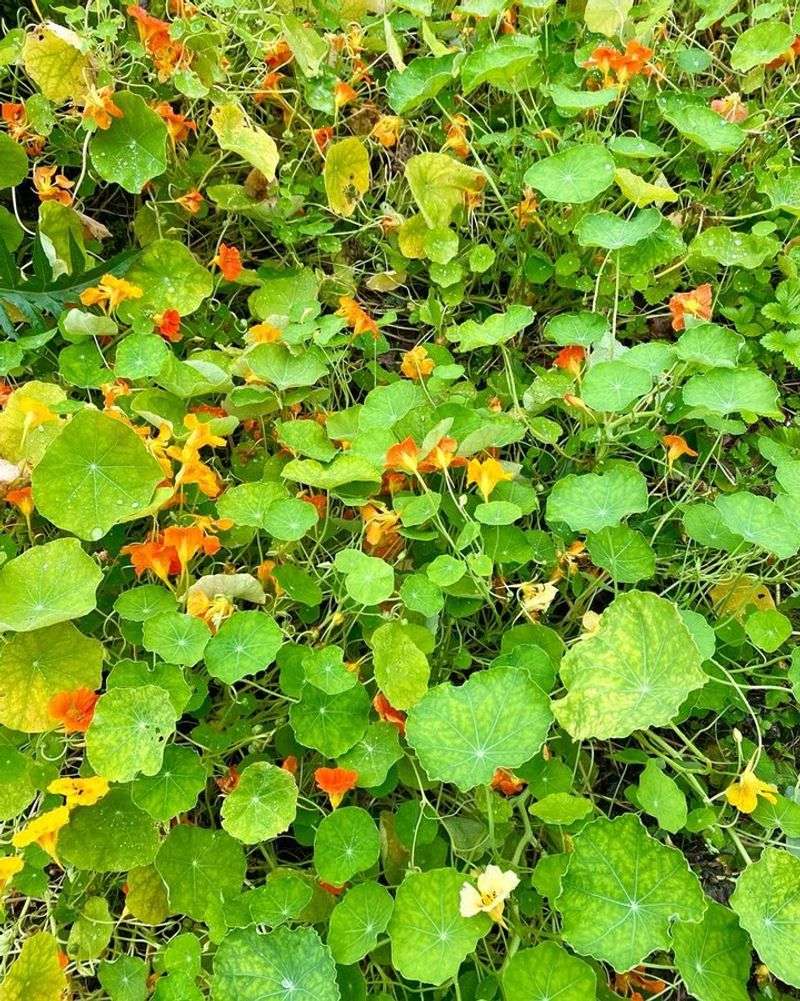
A trap crop is a plant you grow specifically to lure pests away from your valuable vegetables. Nasturtiums, for example, are incredibly attractive to aphids.
When you plant them around your tomatoes or cabbage, the aphids flock to the nasturtiums instead, leaving your main crops alone and undamaged.
Sunflowers work in a similar way, drawing certain beetles and bugs that would otherwise target your vegetable beds. Planting them along the edges of your Michigan garden creates a kind of protective barrier that pests find irresistible.
Once the trap crop is loaded with insects, you can remove or treat just those plants rather than your entire garden.
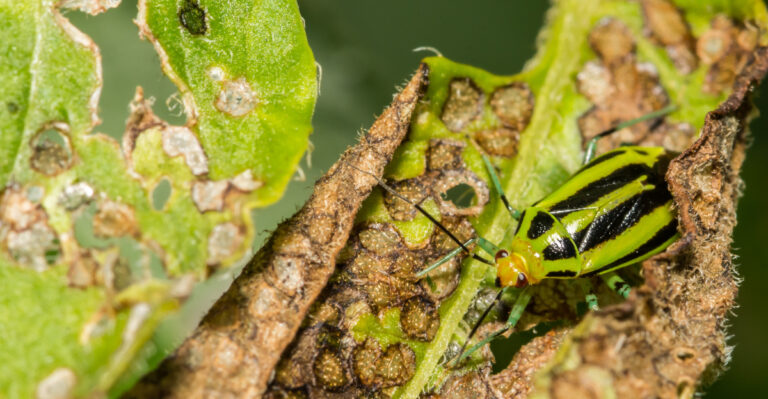
Michigan’s growing season brings waves of pests in early and mid-summer, making this technique especially timely. Flea beetles, aphids, and cabbage worms are all common visitors that trap crops can intercept before they reach your prized vegetables.
Planning trap crops into your layout from the start gives your garden a natural defense system that works quietly all season long without extra effort.
4. Cover Crops Protect Soil And Prevent Erosion
After the harvest is done and your vegetable beds are empty, the soil is vulnerable. Rain, wind, and freezing temperatures can wash away nutrients and compact the surface over winter.
Michigan gardeners who plant cover crops in the off-season avoid this problem entirely and come back to much healthier soil in spring.
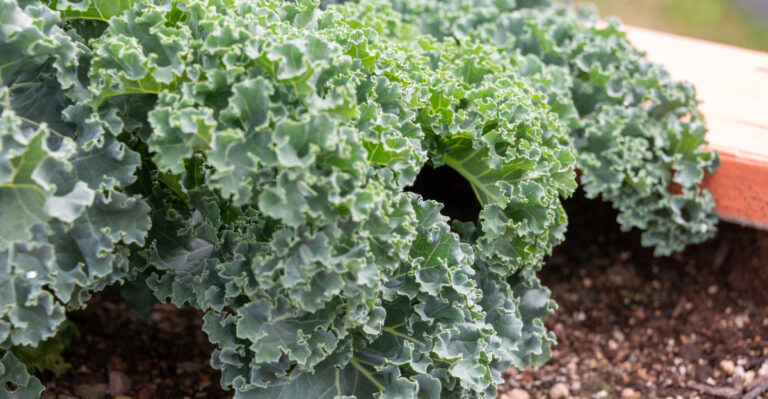
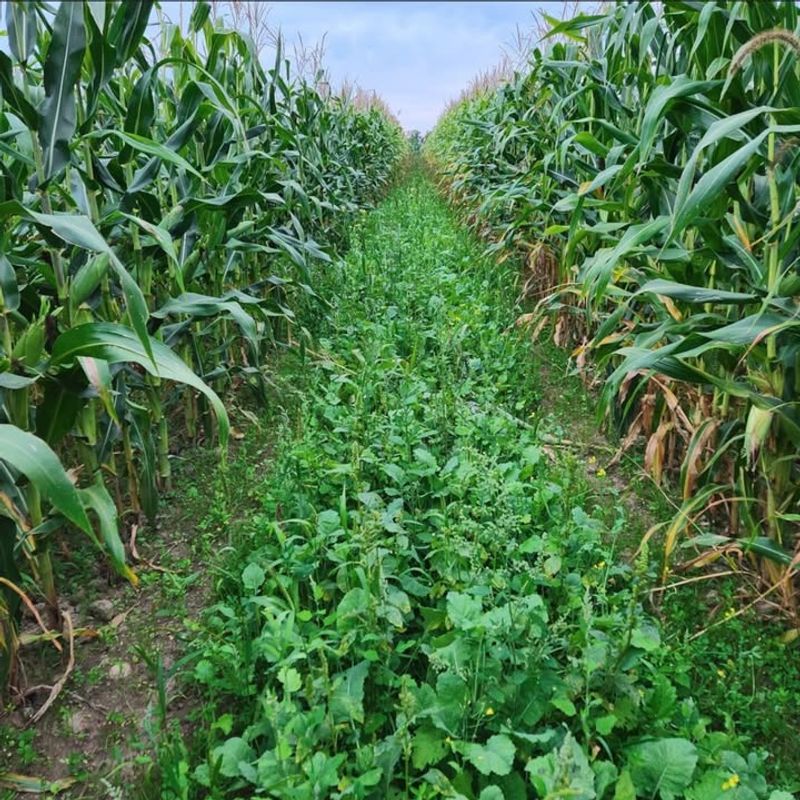
Cover crops like clover, winter rye, and hairy vetch are planted not to be eaten but to protect and feed the soil. Their roots hold everything in place during harsh Michigan winters, preventing erosion from snowmelt and heavy rains.
When the plants break down in spring, they add a rich layer of organic matter that improves soil texture and water retention.
One of the most exciting benefits is nitrogen fixation. Certain cover crops, especially clover and vetch, pull nitrogen directly from the air and store it in the soil through their root systems.
When you till them under before planting season, that stored nitrogen feeds your vegetables naturally, reducing how much fertilizer you need to buy.
For Michigan gardeners dealing with compacted clay soils or sandy beds that drain too quickly, cover crops are a real game changer. They improve soil structure season after season, making your garden progressively easier to manage.
Starting with even one cover crop this fall can make a noticeable difference in how your spring garden performs.
5. Best Cover Crops For Michigan’s Climate
Not every cover crop performs equally well in every region, and Michigan’s climate has its own set of rules. Cold winters, variable spring frosts, and heavy summer rains all influence which cover crops will thrive and which ones will struggle.
Choosing the right species for your specific goals makes a big difference in results.
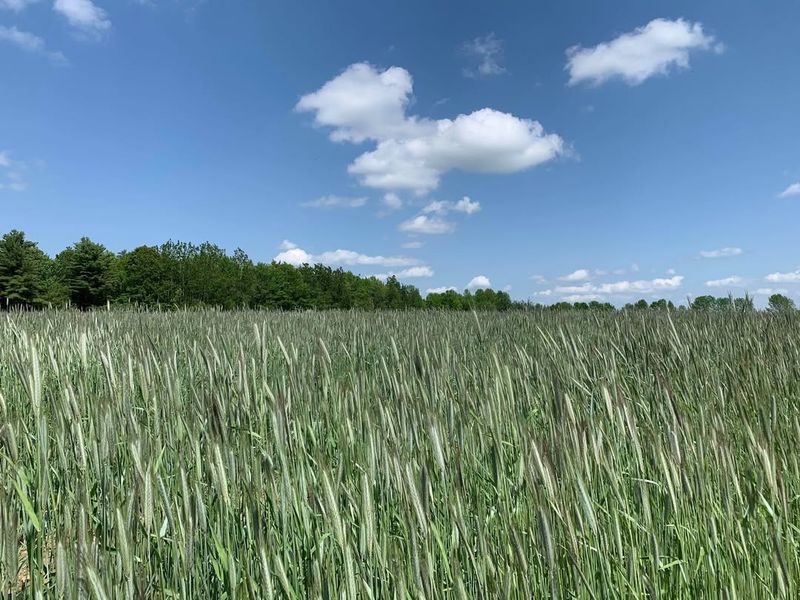
Winter rye is one of the most reliable choices for Michigan gardeners. You can plant it in early fall, and it establishes quickly before the ground freezes.
It grows low and dense, smothering weeds and holding soil in place through the coldest months. In spring, you simply till it under and it breaks down into valuable organic matter within a few weeks.
Oats are another excellent fall option, especially if you want a cover crop that will naturally stop growing once temperatures drop. They winterkill without needing to be removed, which makes spring bed preparation much simpler.
Planting oats by late August gives them enough time to establish a solid root system before frost arrives in Michigan.
For spring planting, white clover is hard to beat. It fixes nitrogen, suppresses weeds, and can even be used as a living mulch between vegetable rows.
Clover is low-growing and tough, handling foot traffic and Michigan’s unpredictable spring weather without complaint. It is a practical, low-maintenance option that pays off in soil health all season long.
6. Companion Planting Helps Maximize Space
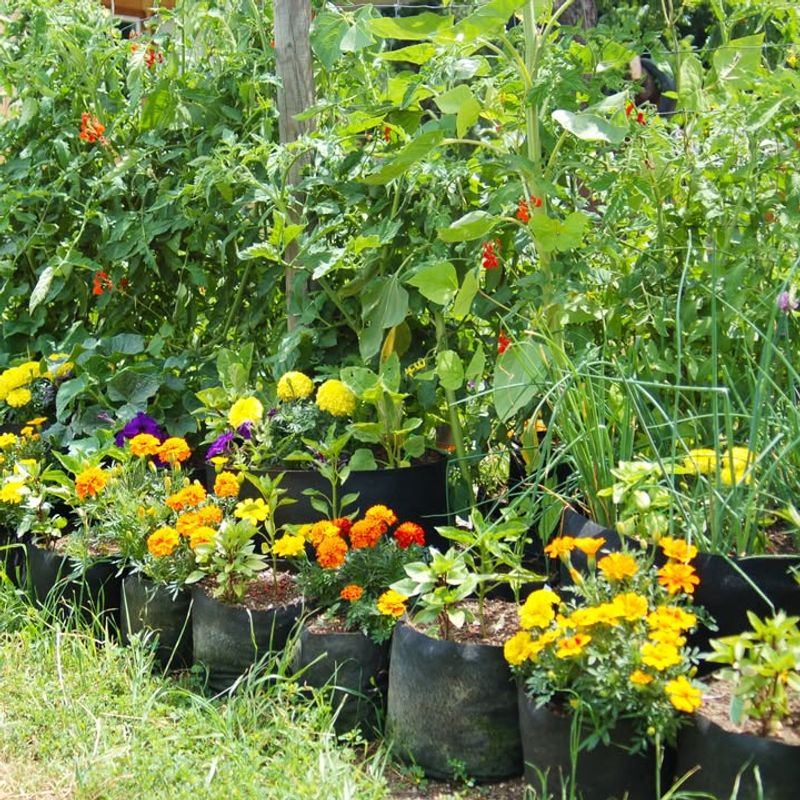
Space is often the biggest challenge for Michigan home gardeners, especially those working with small yards, raised beds, or containers on a patio.
Companion planting is one of the best solutions because it lets you grow more food in the same amount of space without any extra infrastructure or expense.
It just takes smart planning.
Vertical growing is a powerful trick that companion planting makes easy. Beans naturally climb, and when planted alongside corn, they use the corn stalks as a trellis.
This saves ground space while both plants benefit from each other, since the beans add nitrogen to the soil that the corn uses for its rapid growth. It is a relationship that works beautifully in Michigan’s warm summer months.
Peas and tomatoes can work in a similar way, with the peas climbing a shared trellis or cage while the tomatoes grow upward beside them.
Interplanting crops with different heights and root depths means they are not competing for the same resources underground or above ground.
This layered approach turns a single bed into a highly productive growing space.
Container gardeners in Michigan can also take advantage of this strategy. Pairing compact herbs like basil with small pepper plants in the same pot saves space while improving pest resistance naturally.
Even a small balcony garden can produce a surprising amount of food when you plan your plant combinations with purpose and creativity.
7. Crop Rotation With Cover Crops Improves Soil Health
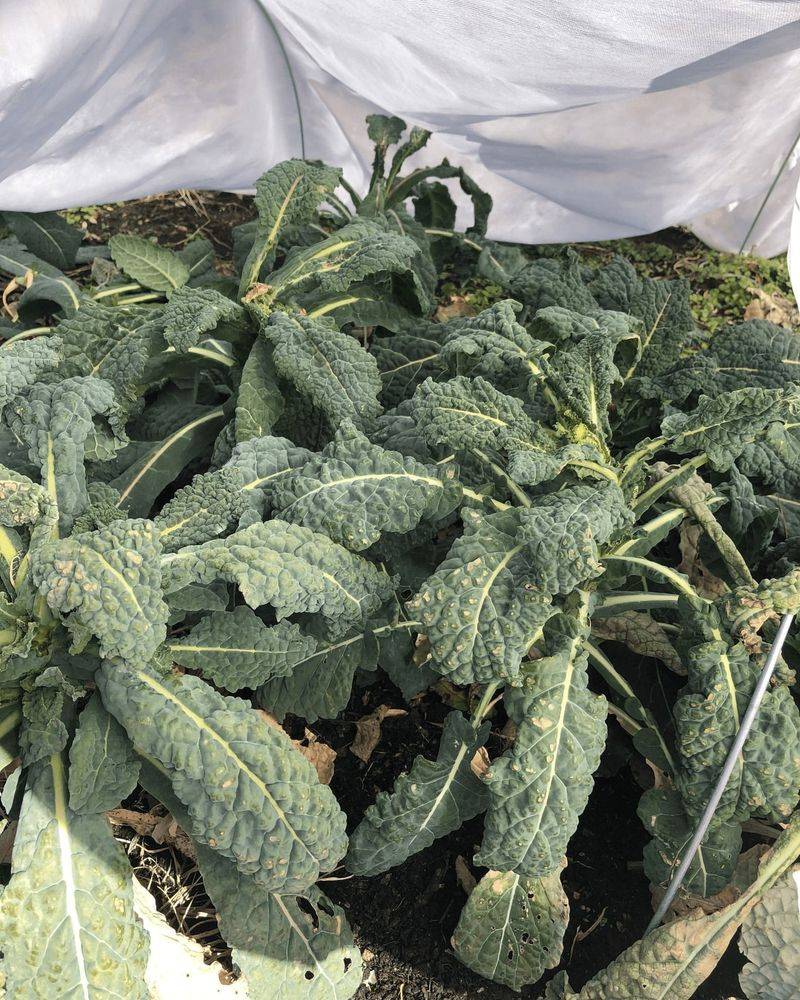
Planting the same vegetable in the same spot year after year is one of the quickest ways to wear out your garden soil.
Pests and diseases that target specific plants build up in the soil over time, and nutrient levels drop as the same crops keep pulling the same minerals season after season.
Michigan gardeners who rotate their crops avoid these problems entirely.
Crop rotation means moving your vegetables to different beds or sections each year so no plant family stays in the same spot too long. When you pair this strategy with cover crops, the benefits multiply significantly.
Planting hairy vetch or clover where tomatoes grew last season helps break pest cycles, replenish nitrogen, and restore organic matter that heavy feeders like tomatoes removed.
Rotating high-demand crops with soil-building cover crops creates a natural rhythm that keeps your garden productive year after year.
It also reduces plant stress, since vegetables grown in fresh, nutrient-rich soil are naturally more vigorous and resistant to disease.
Michigan gardeners who follow even a simple two or three-year rotation plan often notice a clear improvement in overall plant health.
Planning your rotations does not need to be complicated. A simple sketch of your garden beds and a note of what grew where last year is enough to get started.
Over time, this habit becomes second nature and your Michigan garden soil will reflect the effort with richer texture, better drainage, and stronger harvests every single season.
8. Planning For Michigan’s Growing Season: Timing Is Key
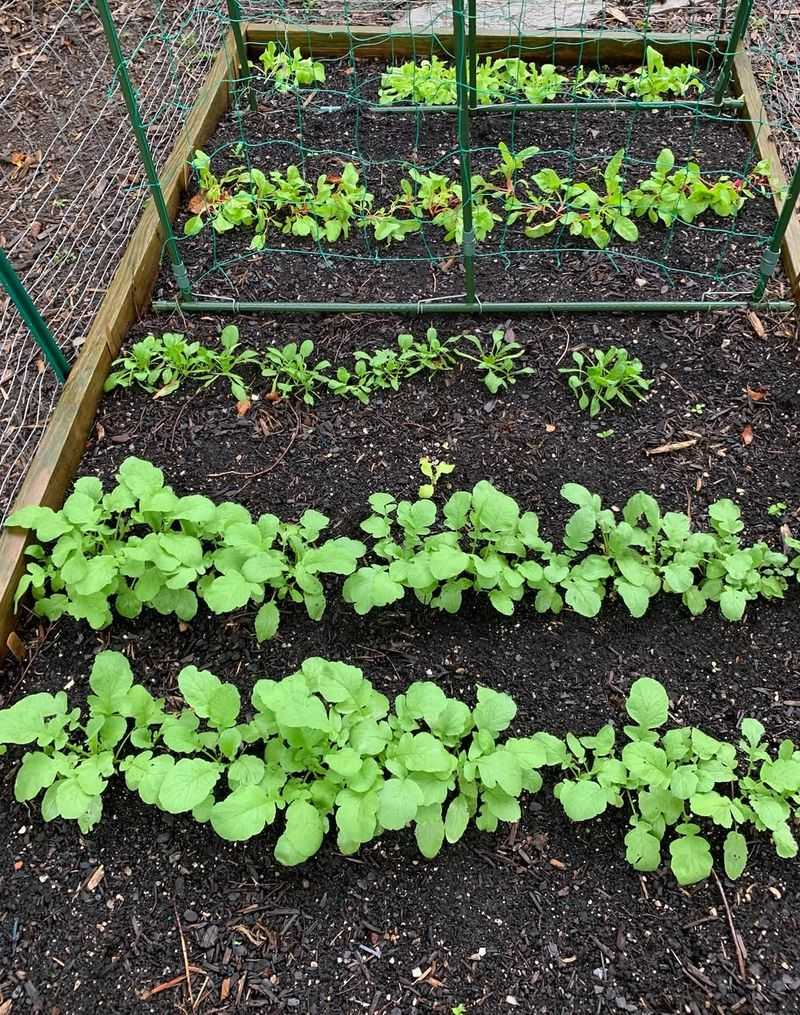
Timing can make or break a garden in Michigan. The growing season here typically starts in late April to early May and stretches through October, but frost dates vary widely depending on where you live in the state.
Northern Michigan gardeners work with a shorter window than those in the southern Lower Peninsula, so knowing your local frost dates is absolutely essential.
Companion crops should go in as soon as your main vegetables are transplanted or seeded. Waiting too long to plant companions like basil or marigolds means missing the early pest season when they are most needed.
Getting everything in the ground at the same time ensures your protective plant partnerships are active from the start of the growing season.
Trap crops need to be in place before pest pressure peaks, which in Michigan typically means planting nasturtiums and sunflowers in late May or early June.
If trap crops are not established when the first wave of aphids or beetles arrives, they will not be effective.
Early planning and early planting are what make this strategy actually work.
Cover crops have their own timing rules that Michigan gardeners need to respect. Winter rye should be seeded by mid-September to establish before the ground freezes.
Spring cover crops like clover can go in as soon as the soil is workable. Paying attention to your local microclimate, including low spots that frost early or south-facing beds that warm up fast, helps you plant at exactly the right moment every time.