9 Plants That Attract Bees Without Taking Over Georgia Gardens
Anyone who has gardened in Georgia for a while knows how quickly some plants can spread once they get comfortable. It is easy to go from a neat planting to something that starts pushing into every open space, especially during warm, humid stretches.
At the same time, many gardeners want to support bees and other pollinators without giving up control of their yard. The good news is that not every bee-friendly plant is aggressive or hard to manage.
There are plenty of options that bring in pollinators while still staying in their place. They bloom well, fit into existing beds, and do not require constant cutting back to keep them contained.
Watch what happens when the right mix starts blooming together, and which plants quietly draw the most attention first.
1. Purple Coneflower That Brings Easy Color
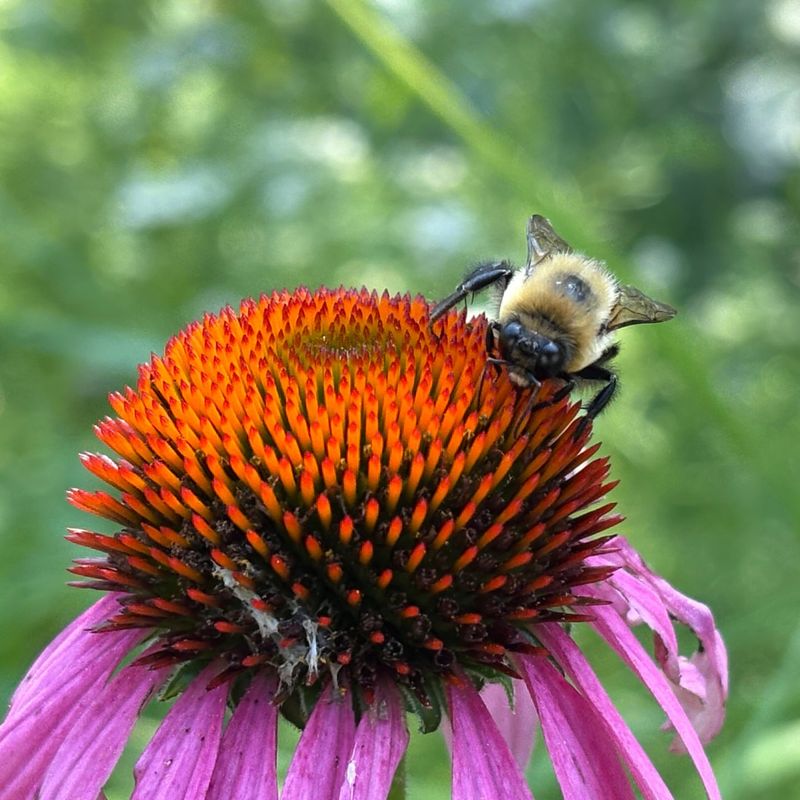
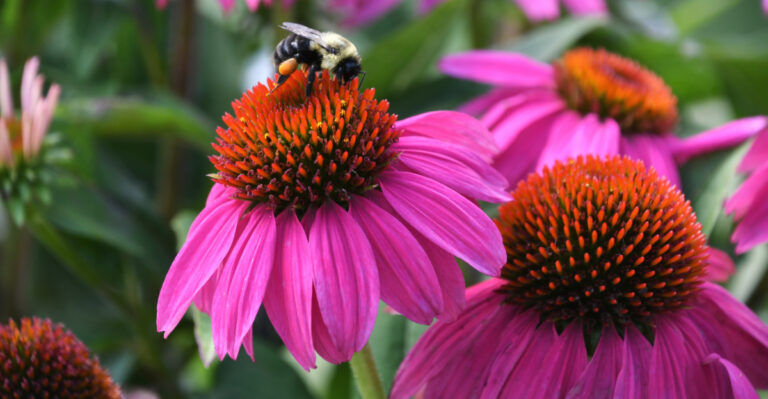
Few plants earn their place in a Georgia garden quite like Purple Coneflower. Known by its botanical name Echinacea purpurea, this cheerful native perennial has been drawing bees to Southern yards for generations.
Its daisy-like blooms in shades of rosy purple rise up on tall, sturdy stems and are practically impossible for bees to resist.
Blooming from midsummer through early fall, Purple Coneflower gives pollinators a steady and reliable source of nectar right when they need it most. Bumblebees, honeybees, and native sweat bees all flock to the wide, open flower heads, which make landing and feeding easy.
The bright orange center cone acts almost like a landing pad, guiding bees straight to the nectar.
One of the best things about growing Purple Coneflower in Georgia is how low-maintenance it really is. Once established, it handles the state’s hot summers and occasional dry spells without much fuss.
It grows best in full sun but can handle a little afternoon shade. Plant it in well-drained soil and water it regularly during the first growing season to help it settle in.
Purple Coneflower spreads slowly through self-seeding and is generally not aggressive in most garden settings. You can deadhead spent blooms to keep things tidy, or leave the seed heads in place to feed birds through winter.
Either way, this plant is a true winner for any Georgia pollinator garden.
2. Coreopsis That Keeps The Garden Bright
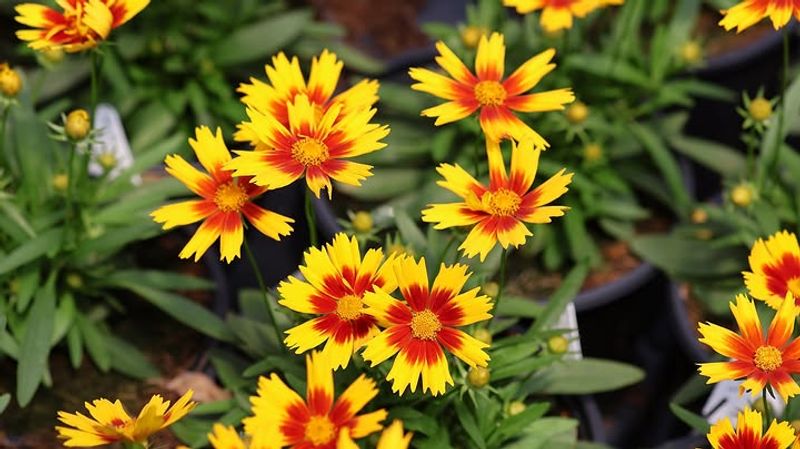
Sunny, cheerful, and absolutely packed with pollinator appeal, Coreopsis is one of those plants that makes a Georgia garden feel alive from spring all the way through fall. Often called tickseed, this native wildflower produces masses of bright yellow blooms that seem to glow in the warm Southern sun.
Bees cannot seem to get enough of them.
What makes Coreopsis especially great for Georgia gardeners is its incredibly long blooming season. Starting in late spring and continuing well into fall, the flowers keep coming wave after wave, especially if you deadhead the spent blooms regularly.
That means bees have a food source for months on end, which is a real gift for local pollinator populations.
Coreopsis is also one of the toughest plants you can grow in Georgia. It thrives in full sun and handles heat, humidity, and drought with surprising ease.
Your Georgia Garden Changes Every Week. Your Plan Should Too.
Gardening in Georgia changes quickly throughout the season. Every Friday you’ll receive a simple weekly plan showing exactly what to plant, prune, fertilize, harvest, and protect so you never miss the right timing.
Poor, sandy soils that would stress out other plants are actually where Coreopsis tends to shine. Overwatering and overly rich soil can actually cause it to flop over, so less really is more with this one.
Unlike some wildflowers that spread aggressively, many Coreopsis varieties stay in manageable clumps. It self-seeds lightly, which means you might get a few new plants each year, but nothing that will crowd out your other garden favorites.
Plant it along borders, in meadow-style beds, or mixed with other native perennials for a look that feels both wild and well-tended across Georgia landscapes.
3. Stokes’ Aster That Stays Neat And Showy
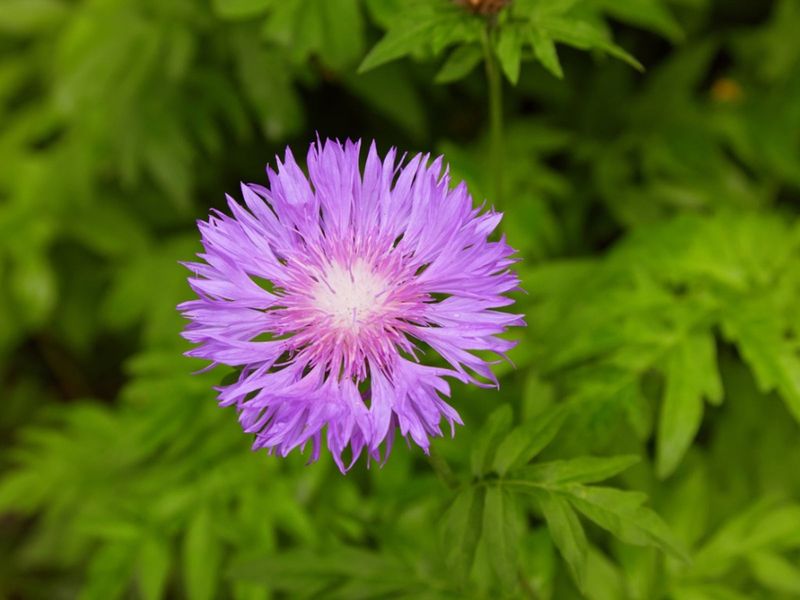
Not every native plant gets the attention it deserves, and Stokes’ Aster is a perfect example of a hidden gem in the Georgia gardening world. Native to the southeastern United States, this low-growing perennial produces large, fluffy blooms in shades of lavender, blue, and white that look almost like something out of a fairy tale.
Bees absolutely adore them.
Stokes’ Aster blooms from late spring into midsummer, filling a gap in the garden calendar when many other bee-friendly plants have not yet hit their stride. The flowers are particularly attractive to bumblebees and long-tongued native bees, which are drawn in by the generous supply of nectar each bloom provides.
Watching a big bumblebee work its way across a Stokes’ Aster flower is one of the simple pleasures of a Georgia summer garden.
Growing Stokes’ Aster in Georgia is a pretty easy experience. It prefers moist, well-drained soil and full sun to partial shade, making it flexible enough for many different garden spots.
It handles the summer heat well as long as it gets consistent moisture, especially during dry spells. A layer of mulch around the base helps keep the roots cool and the soil from drying out too fast.
Best of all, Stokes’ Aster forms tidy, compact clumps that stay right where you plant them. It does not spread aggressively or send runners through the garden.
Divide the clumps every few years to keep plants vigorous and to share extras with neighbors who want to add some pollinator power to their own Georgia yards.
4. Wild Indigo That Adds Strong Structure
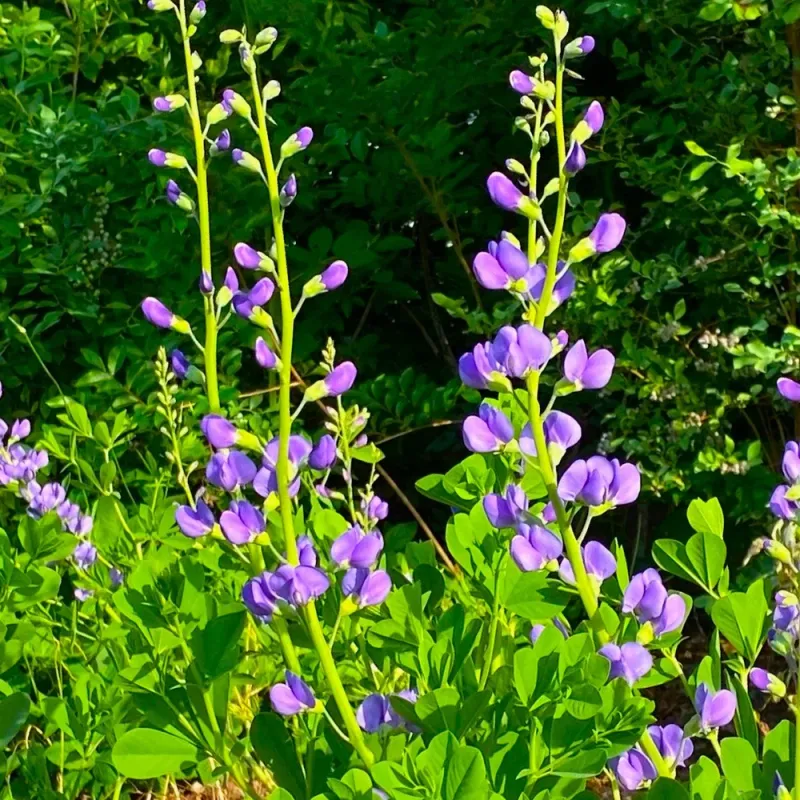
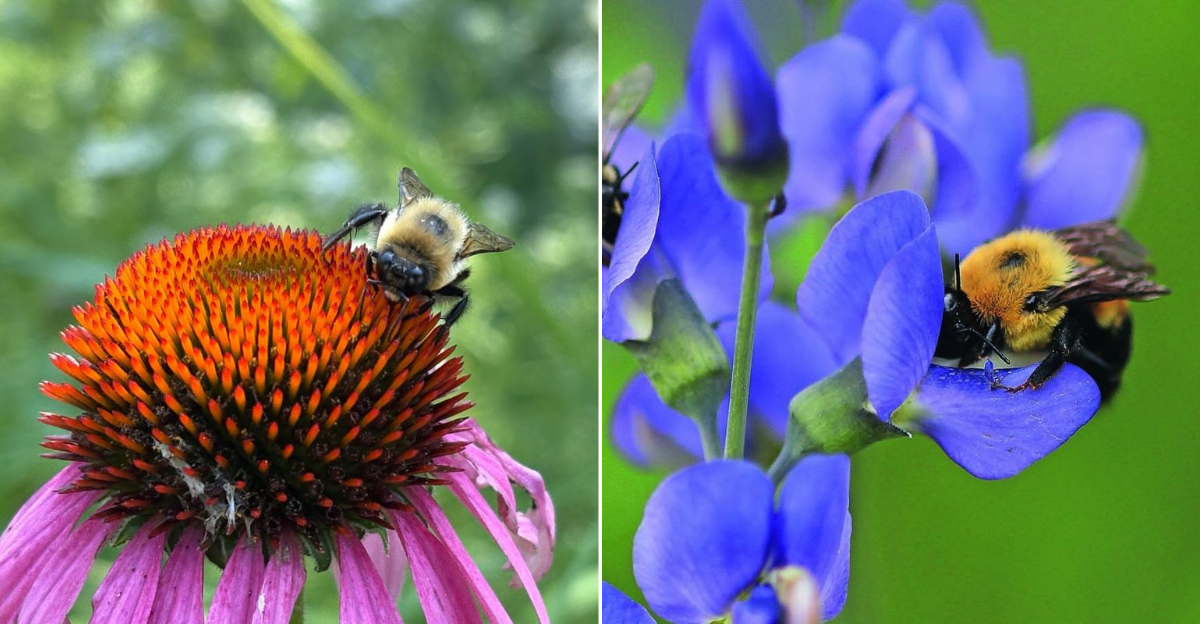
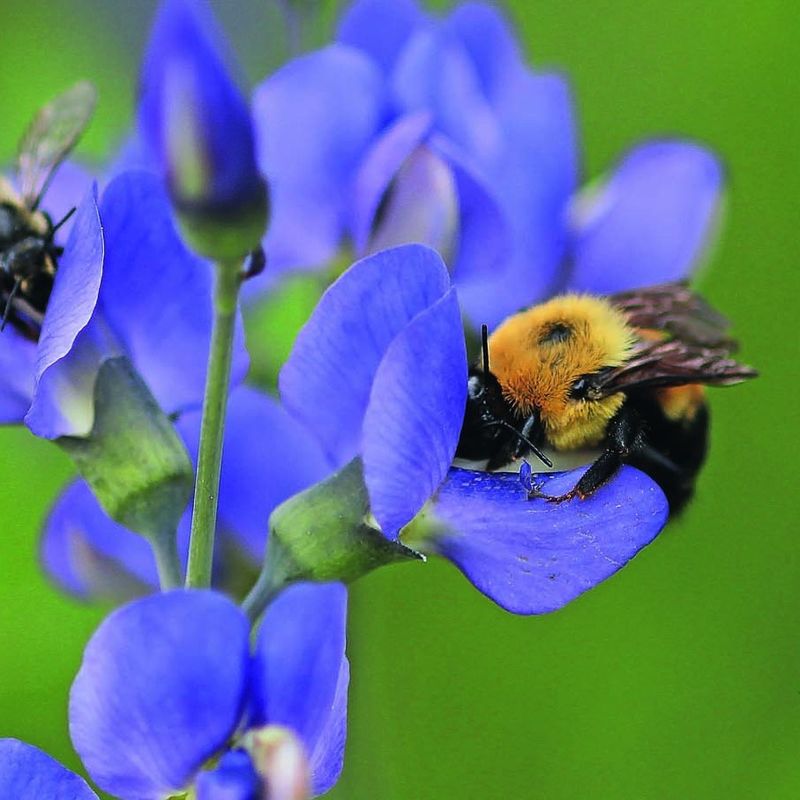
Tall spikes covered in deep blue-purple flowers shoot up from the plant in spring, creating a bold, eye-catching display that also happens to be a five-star restaurant for bumblebees. Baptisia australis, as it is officially known, is a true native of the southeastern United States and a natural fit for Georgia gardens.
Bumblebees are especially fond of Wild Indigo because the flowers are shaped in a way that requires a little muscle to open, and bumblebees are exactly the right size and strength to do the job. This relationship between plant and pollinator is one of those fascinating bits of nature that makes gardening feel like more than just growing pretty things.
By planting Wild Indigo, you are actively supporting the local bumblebee population in Georgia.
Wild Indigo is a slow starter, taking two to three years to fully establish, but once it settles in, it is incredibly long-lived and nearly care-free. It tolerates drought, poor soils, and heat without complaint.
Full sun is ideal, though it can handle light shade. Avoid moving it once planted, since the deep taproot does not appreciate being disturbed.
After the flowers fade, attractive seed pods form and turn dark gray-black by fall, adding another layer of visual interest to the garden. Wild Indigo does not spread aggressively, making it a trustworthy long-term resident in any Georgia pollinator garden.
Plant it toward the back of a border where its height can really shine.
5. Bee Balm That Draws Plenty Of Attention
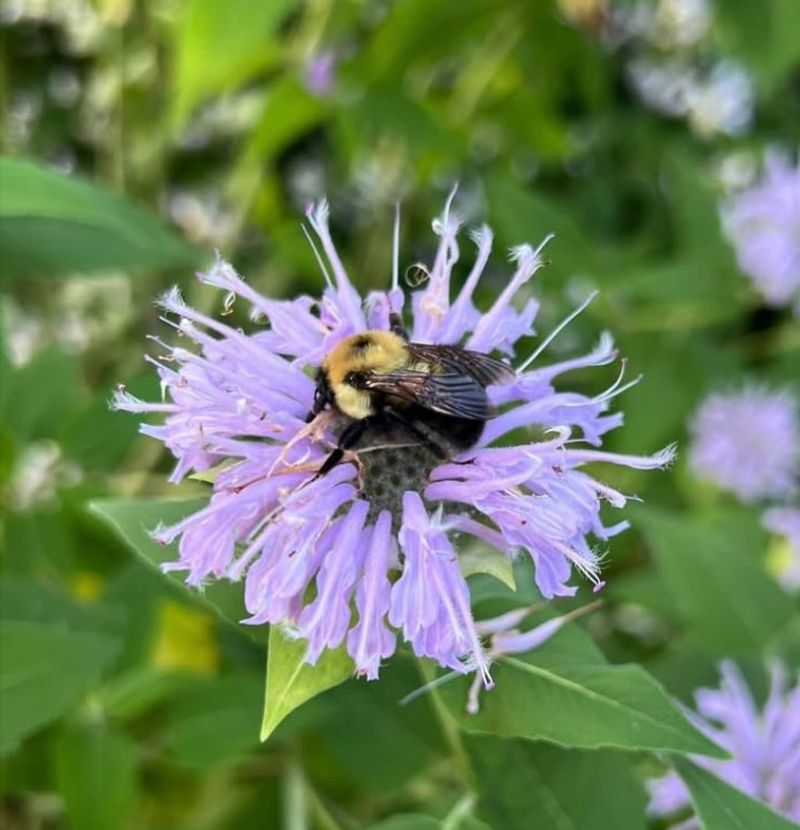
If a plant could throw a party for pollinators, Bee Balm would be the host. With its wild, firework-shaped blooms in shades of red, pink, and purple, Monarda fistulosa is one of the most visually exciting native plants you can grow in a Georgia garden.
And the bees, butterflies, and hummingbirds that show up to enjoy it make the whole yard feel like a celebration.
Bee Balm blooms from midsummer into early fall, right when the garden needs a burst of color and pollinators need a reliable food source. The tubular flowers are perfectly shaped for long-tongued bees and hummingbirds, offering nectar deep inside each bloom.
Planting several clumps together creates a buzzing, fluttering scene that is endlessly entertaining to watch from a porch or patio anywhere in Georgia.
Growing Bee Balm well in Georgia means giving it the right spot. It prefers full sun to light shade and moist, well-drained soil.
Good air circulation around the plants helps prevent powdery mildew, which can be a common issue in Georgia’s humid summers. Choosing mildew-resistant varieties like ‘Jacob Cline’ or ‘Raspberry Wine’ makes a big difference in keeping plants healthy and attractive all season long.
Bee Balm does spread by underground rhizomes, but it is easy to keep in check with a little annual dividing. Simply dig up and remove the outer sections each spring to keep the clump at the size you want.
Divided plants can be shared with friends or moved to new spots in the garden, spreading the pollinator love across more of Georgia’s neighborhoods.
6. Sweet Pepperbush That Bees Really Notice
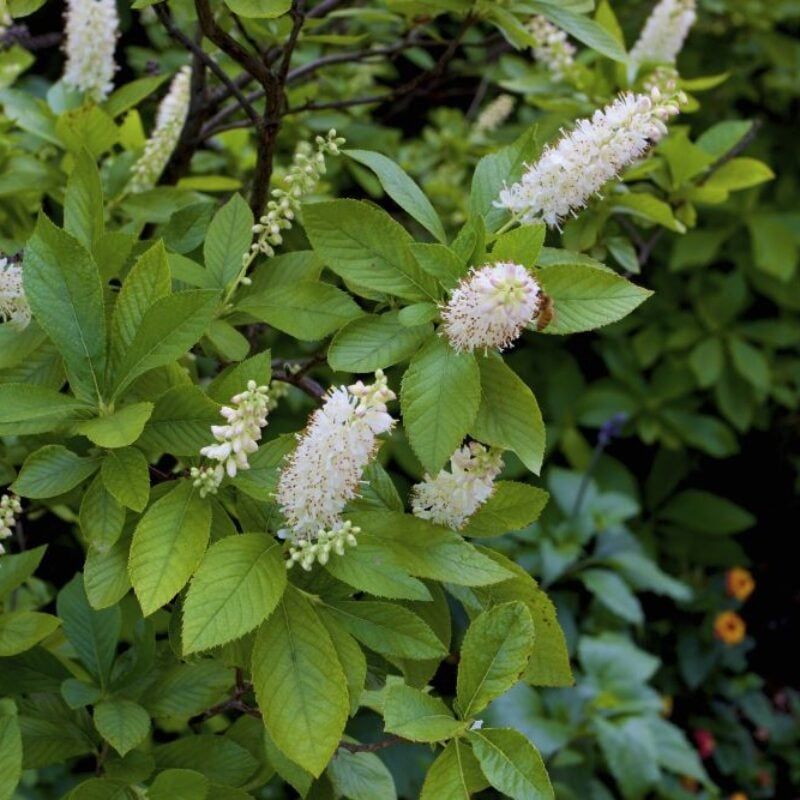
Most bee-friendly plants demand a sunny spot, which can be a challenge if your Georgia yard has a lot of shade. Sweet Pepperbush, or Clethra alnifolia, is the happy solution to that problem.
This native shrub produces tall, fragrant spikes of white or pale pink flowers in midsummer, and bees flock to them in huge numbers, even in spots where the sun barely reaches.
The fragrance of Sweet Pepperbush is something truly special. On a warm Georgia summer evening, the sweet, spicy scent can carry quite a distance through the garden, drawing in pollinators from all directions.
Bees, particularly native bumblebees and sweat bees, are incredibly attracted to both the scent and the abundant nectar. It is one of the most effective bee-attracting shrubs you can plant in the Southeast.
Sweet Pepperbush is also wonderfully adaptable. It naturally grows along stream banks and woodland edges throughout Georgia, so it handles moist soils and even occasional flooding without a problem.
It prefers acidic soil, which is common across much of the state, and does well in partial to full shade. Once established, it can tolerate short dry periods despite its preference for consistent moisture.
As a well-behaved shrub, Sweet Pepperbush does not send runners across the garden or become invasive. It grows in neat, upright clumps that slowly expand over time but are easy to manage with occasional pruning.
The foliage turns a warm golden yellow in fall, adding another season of beauty to the garden well after the bees have moved on for the year.
7. Oakleaf Hydrangea That Brings Beauty And Balance
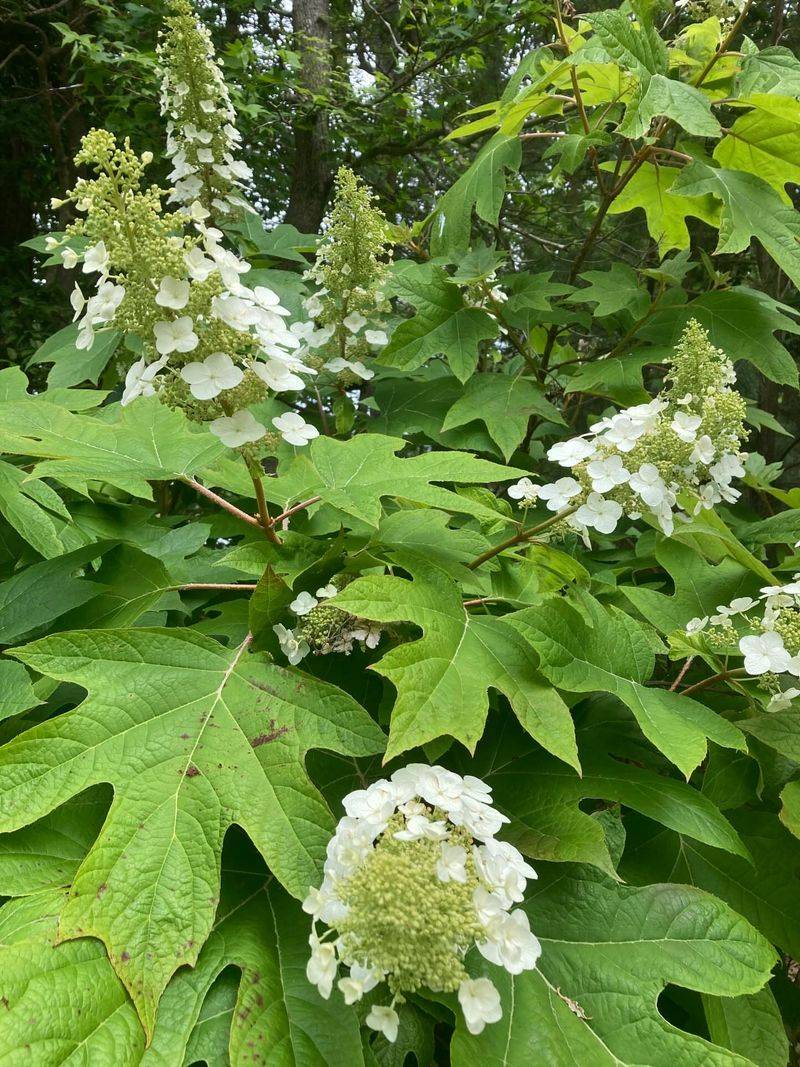
Georgia gardeners who love big, bold plants with serious presence will find a lot to celebrate in Oakleaf Hydrangea. Native to the southeastern United States, Hydrangea quercifolia is one of those plants that earns its keep in every single season.
The giant cone-shaped flower clusters open creamy white in early summer, gradually turning pinkish and papery as the season goes on, and bees take full advantage of the fresh blooms right from the start.
Unlike many ornamental hydrangeas that offer little to pollinators, Oakleaf Hydrangea produces fertile flowers that bees can actually feed on. The large, showy outer flowers attract attention, while the smaller inner flowers provide the real nectar reward.
Native bees, especially smaller species, are frequently spotted working their way through the flower clusters on warm Georgia mornings.
Growing Oakleaf Hydrangea in Georgia is a pretty rewarding experience because the plant is so well-suited to the local climate. It thrives in partial shade, making it an excellent choice for spots under tall trees or on the north side of a building.
It handles Georgia’s heat and humidity far better than many non-native hydrangea varieties. Well-drained, slightly acidic soil is ideal, and a layer of mulch helps keep moisture levels consistent.
Come fall, the large oak-shaped leaves turn brilliant shades of orange, red, and burgundy, making this one of the most spectacular native shrubs for autumn color in Georgia. The peeling cinnamon-brown bark adds winter interest too.
For a plant that gives so much across all four seasons while supporting local bees, Oakleaf Hydrangea is hard to beat.
8. Serviceberry That Starts The Season Strong
Spring in Georgia kicks off early, and Serviceberry is right there to greet the first warm days with a breathtaking show of white blossoms. One of the earliest flowering native trees in the Southeast, Amelanchier species burst into bloom even before most other plants have woken up from winter, giving hungry early-season bees one of their first meals of the year.
That early bloom time is actually what makes Serviceberry so valuable in a Georgia pollinator garden. Bees that emerge in late winter and early spring are desperately searching for nectar sources, and Serviceberry delivers in a big way.
The clouds of small white flowers are rich in both nectar and pollen, supporting not just honeybees but also many native bee species that are just getting started for the season.
Beyond the flowers, Serviceberry offers a lot more to love. The small, blueberry-like fruits that follow the blooms in late spring are sweet and edible, attracting birds and wildlife.
If you get to them before the birds do, they make excellent jam or can be eaten fresh right off the tree. Fall brings stunning foliage in shades of orange, red, and gold that rivals some of the most celebrated trees in Georgia.
Serviceberry grows as either a large shrub or small multi-stemmed tree, making it flexible enough for many different garden sizes. It prefers moist, well-drained, slightly acidic soil and does well in full sun to partial shade.
It stays well-behaved and typically does not spread aggressively, making it a reliable addition to many Georgia yards focused on supporting pollinators.
9. Sourwood That Bees Absolutely Love
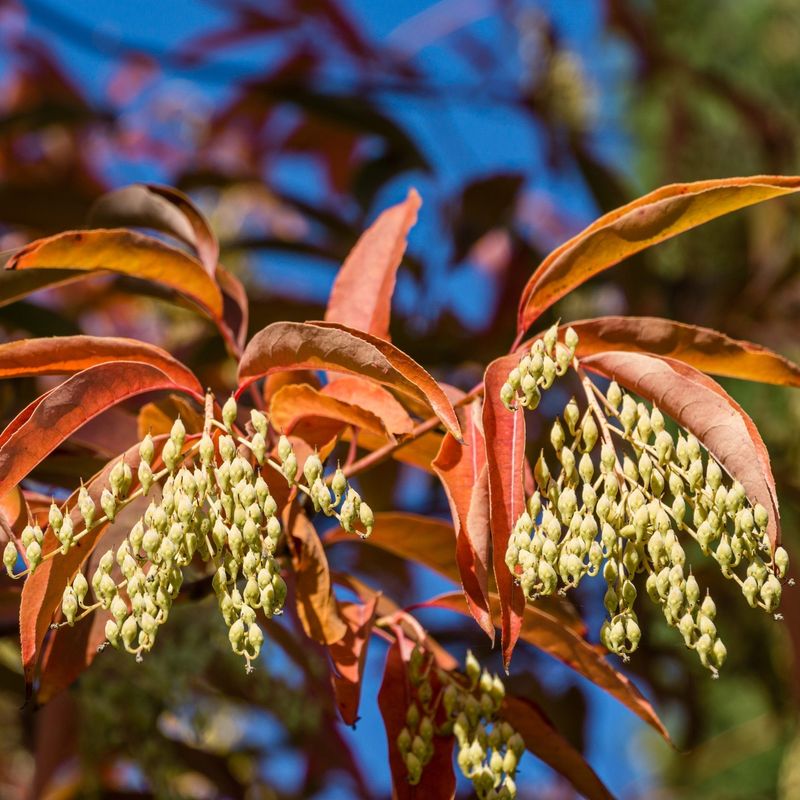
Ask any beekeeper in Georgia what their favorite honey plant is, and there is a very good chance the answer is Sourwood. Oxydendrum arboreum is famous across the state for producing some of the most prized honey in the entire country.
The pale, golden Sourwood honey has a unique buttery, anise-like flavor that has made it a Southern treasure for generations.
Sourwood blooms in midsummer, right when many other flowering trees have finished their show. Long, drooping clusters of small white bell-shaped flowers hang gracefully from the branch tips, almost like strings of tiny pearls.
Bees swarm to these flowers in enormous numbers, drawn by the exceptionally rich nectar that makes Sourwood honey so remarkable. Watching bees work through a flowering Sourwood on a hot Georgia afternoon is a truly unforgettable sight.
As a native tree of the Appalachian foothills and piedmont regions of Georgia, Sourwood is perfectly adapted to the state’s climate and soils. It grows best in full sun to partial shade and prefers well-drained, acidic soil, which is very common throughout Georgia.
It is a slow grower, but patience pays off because a mature Sourwood is a stunning landscape tree with year-round appeal.
Fall transforms the Sourwood into a blaze of brilliant scarlet red, making it one of the most spectacular trees for autumn color in the entire Southeast. The attractive seed capsules persist into winter, adding subtle texture to the bare branches.
Sourwood is not considered invasive and grows at a measured pace that keeps it manageable in home gardens across Georgia over time.