The Container Plant Florida Gardeners Rely On When Everything Else Struggles
You know that moment in July when you step out onto your Florida patio and realize half your containers look completely worn out? The petunias have given up, the impatiens are barely hanging on, and the soil feels like it baked dry overnight.
Florida’s summer heat, relentless humidity, and blazing sun create a tough environment for most flowering container plants.
But one plant keeps going strong through all of it, producing fresh blooms week after week without skipping a beat.
Florida gardeners who have grown pentas know exactly what it can do, and once you see it thriving while everything else struggles, you will never plan a container garden without it again.
1. Meet The Pentas Florida Gardeners Rely On When Other Plants Fail
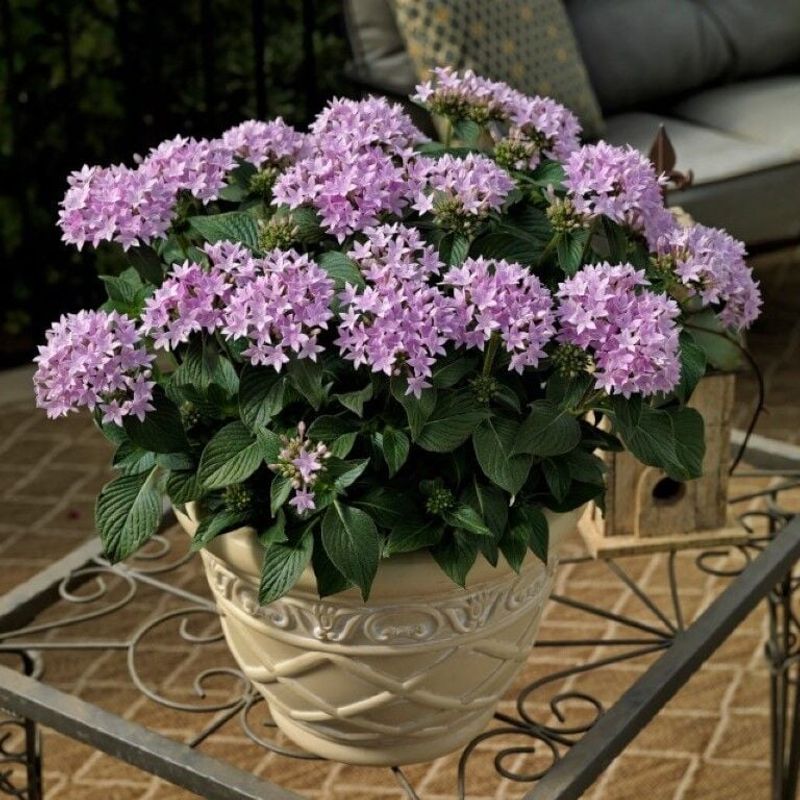
Walk through any Florida garden center in late spring and you will almost always find pentas front and center, and for good reason. Pentas lanceolata, commonly called Egyptian star flower, is one of the most dependable warm-season container plants available to Florida gardeners.
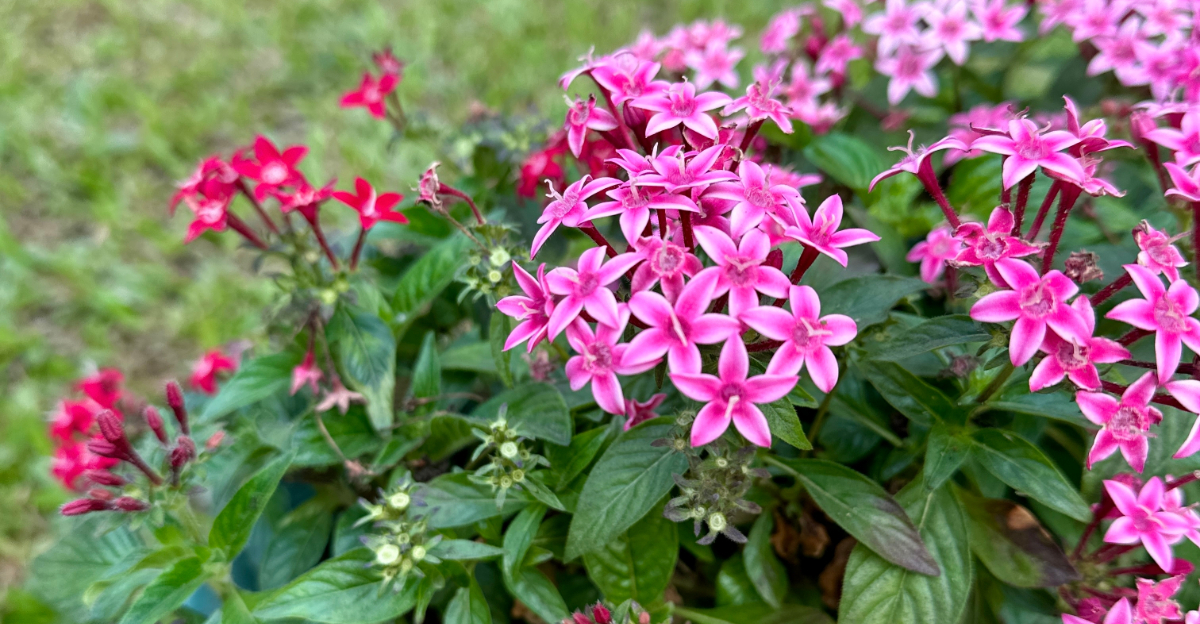
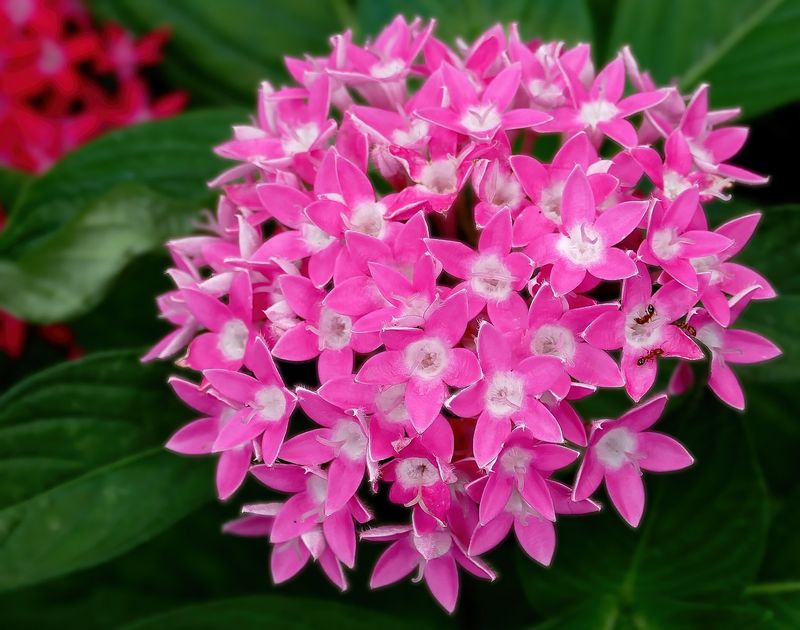
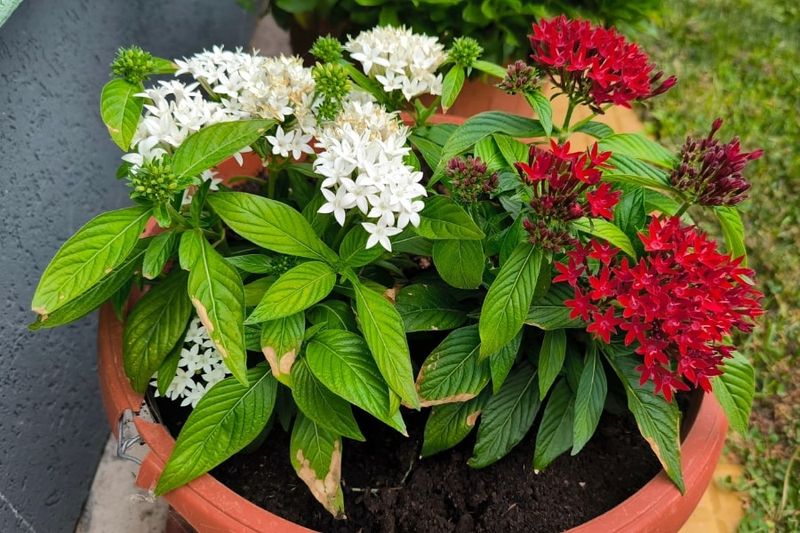
The clusters of small, star-shaped flowers come in shades of red, pink, white, lavender, and coral, making it easy to match almost any patio or entryway color scheme.
In containers, pentas typically grows between one and three feet tall depending on the variety, staying compact enough to work well in pots, window boxes, and mixed planters.
Dwarf varieties like Graffiti and Butterfly series are especially popular for container use because they stay tidy without much pruning.
Full sun is where pentas truly performs its best, so placing containers in spots that receive at least six hours of direct sunlight daily makes a noticeable difference in bloom production.
A well-draining potting mix is essential because pentas does not like sitting in soggy soil. Using a quality container mix with good aeration helps roots stay healthy even during Florida’s wet season.
In South Florida, pentas behaves as a true perennial, returning season after season with minimal intervention. In North and Central Florida, it is best treated as a warm-season plant that shines from spring through fall.
Either way, it earns its place in the container garden every single year.
2. Keeps Blooming Through Heat And Humidity Without Slowing Down
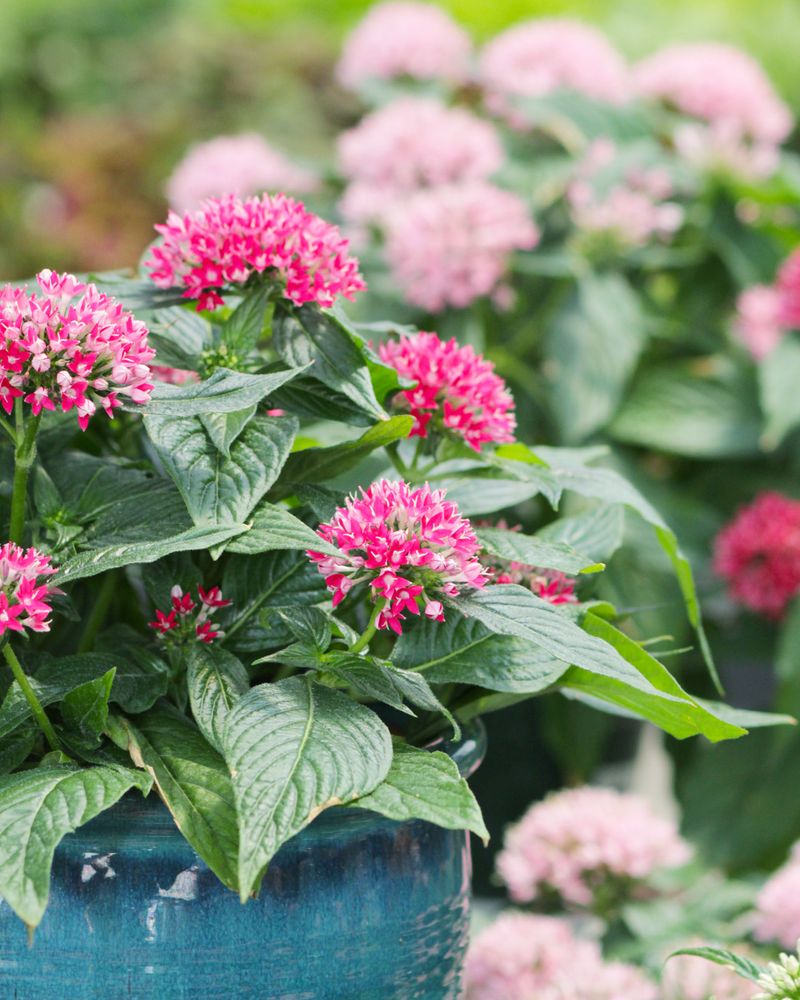
Most flowering container plants hit a wall when Florida’s summer temperatures climb into the upper 80s and 90s. Impatiens wilt, petunias fade, and even some tropical bloomers take a break during the most intense heat.
Pentas does not follow that pattern. One of its most impressive qualities is the ability to keep producing fresh flower clusters even when heat and humidity are at their peak, which is exactly when Florida gardeners need reliable color the most.
The continuous blooming habit comes from pentas being naturally adapted to warm, tropical climates.
According to UF/IFAS Extension, pentas thrives in Florida’s warm seasons and is one of the top recommended plants for year-round color in the southern part of the state.
To keep the blooms coming at their best, light deadheading helps. Removing spent flower clusters encourages the plant to put energy into producing new ones rather than setting seed.
Your Florida Garden Changes Every Week. Your Plan Should Too.
Gardening in Florida changes quickly throughout the season. Every Friday you’ll receive a simple weekly plan showing exactly what to plant, prune, fertilize, harvest, and protect so you never miss the right timing.
Fertilization also plays a role in keeping pentas blooming consistently through the season. A balanced slow-release fertilizer applied at planting, followed by a liquid bloom-boosting fertilizer every two to three weeks, helps support steady flower production.
Look for a fertilizer with a slightly higher middle number, which represents phosphorus, to encourage flowering. Avoid over-fertilizing with nitrogen-heavy products because that can push leafy growth at the expense of blooms.
With the right feeding routine, pentas will reward you with nearly nonstop color from late spring all the way through the first cool nights of fall.
3. Holds Up In Full Sun When Other Plants Fade Fast
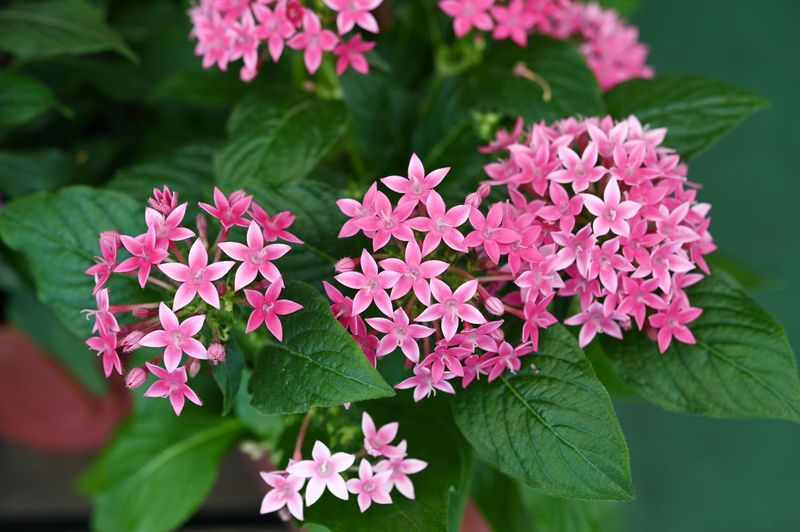
Container gardening in Florida comes with a specific challenge that in-ground gardeners do not always face: pots heat up fast. When a dark-colored container sits in direct afternoon sun, the soil temperature inside can rise significantly higher than the air temperature.
Many flowering plants struggle under those conditions, but pentas actually does better with more sun, making it one of the most reliable choices for the hottest, most exposed spots on a patio or balcony.
Full sun, defined as six or more hours of direct sunlight per day, is where pentas produces the most flowers and maintains the most compact, sturdy growth. In shadier conditions, the plant tends to get leggy and bloom less frequently.
For Florida patios, entryways, and balconies that face south or west and receive intense afternoon exposure, pentas is one of the few flowering plants that will not disappoint.
Placement matters when it comes to containers in full sun. Lighter-colored pots or those made from materials like fiberglass or glazed ceramic help reflect heat and keep root zones slightly cooler than dark plastic containers.
Grouping containers together can also help retain moisture slightly longer. Even with all that sun exposure, pentas holds its structure and color without scorching or dropping leaves.
Gardeners who have tried sun-sensitive plants like lobelia or calibrachoa in those same spots and watched them fade by July often find that switching to pentas completely changes the results they get from their container garden.
4. Handles Dry Spells Better Than Most Flowers
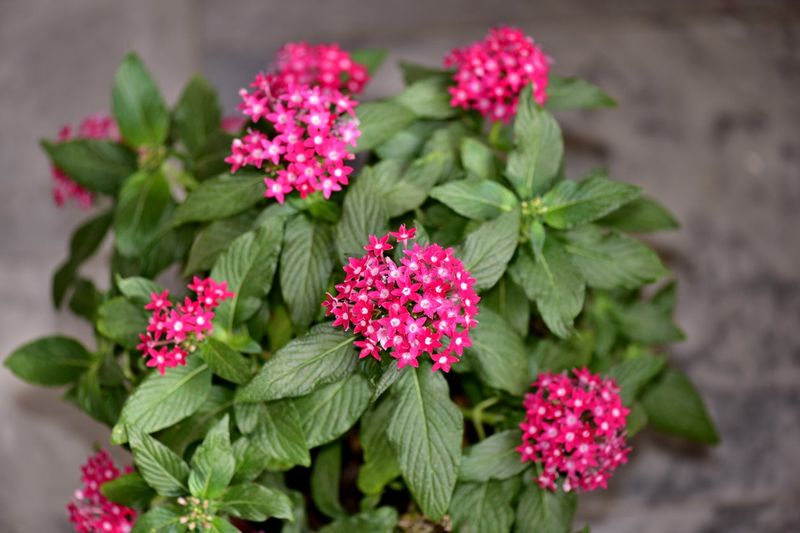
Florida gardeners know the frustration of coming home after a few busy days to find containers bone dry and flowers looking stressed.
Pentas has a level of drought tolerance that gives it an edge over many other flowering container plants, but understanding how that tolerance works in a pot versus in the ground makes all the difference in keeping it healthy.
Once pentas is established in a container, typically two to three weeks after planting, it can handle short dry spells better than plants like impatiens or begonias.
Its root system and slightly succulent stems allow it to store a bit of moisture and recover from mild drought stress more quickly.
That said, containers dry out much faster than garden beds, especially during Florida’s hot, dry spring season before the summer rains arrive.
Letting a pot stay completely dry for several days at a time will stress the plant and reduce blooming, so consistent watering is still essential.
The best approach is to check soil moisture by pressing a finger about an inch into the potting mix. Water thoroughly when the top inch feels dry, allowing water to drain freely from the bottom of the container.
Avoid shallow, frequent watering because that encourages surface roots rather than a deeper, more drought-resistant root system. During the rainy season, monitor containers carefully to make sure drainage holes are not blocked and water is not pooling.
Pentas handles dry spells with more grace than most flowers, but giving it steady, smart watering keeps it at its absolute best.
5. Attracts Butterflies And Pollinators All Season
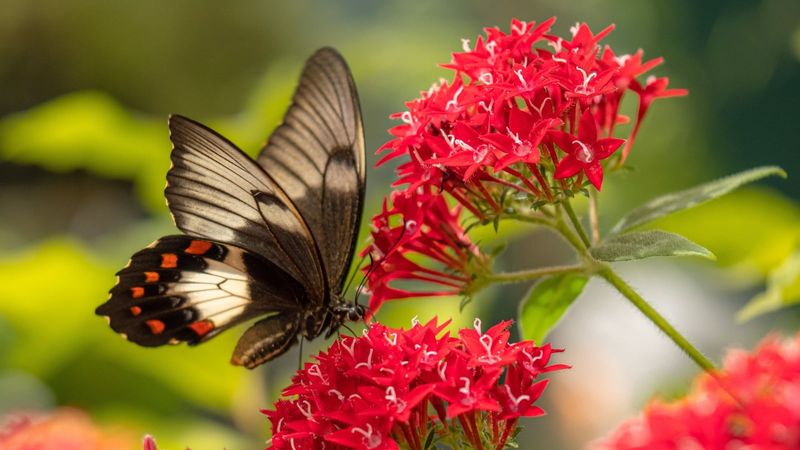
Few things make a patio feel more alive than watching butterflies land and linger on a plant just a few feet away.
Pentas is one of the top butterfly-attracting plants available to Florida gardeners, and growing it in containers means you can position it exactly where you want that activity to happen.
The flat-topped flower clusters, called corymbs, provide an easy landing platform for butterflies, and the nectar-rich blooms keep them coming back throughout the season.
According to UF/IFAS Extension and the Florida Wildflowers Foundation, pentas is particularly attractive to a wide range of butterfly species common in Florida, including monarchs, swallowtails, sulfurs, and skippers.
Bees and other beneficial pollinators are also frequent visitors.
For gardeners who want to support local pollinator populations without dedicating a large garden bed, a few pots of pentas on a patio or near an entryway can make a meaningful contribution to the local ecosystem.
Choosing a mix of flower colors, such as combining red, pink, and white pentas in separate containers, can attract an even broader range of pollinators because different species often show preferences for specific colors.
Red varieties are especially popular with hummingbirds as well, adding another layer of wildlife interest to the container garden.
Placing containers near other nectar plants or in a sunny, sheltered spot helps create a consistent feeding area. The pollinator activity that pentas brings to a patio is one of those added benefits that makes growing it feel like far more than just a gardening decision.
6. Grows As A Perennial In South Florida And A Seasonal Favorite Up North
One of the things that makes pentas so interesting across the state is that it does not behave the same way everywhere in Florida.
The climate differences between Miami and Tallahassee are significant enough that the same plant can have two very different life cycles depending on where you live.
Understanding those regional differences helps you plan better and get the most out of your containers.
In South Florida, roughly from Orlando southward through the Miami area and the Keys, pentas can survive year-round outdoors. Temperatures rarely drop low enough to damage the plant, and it often continues blooming even through the mild winter months.
With minimal care, South Florida gardeners can keep the same container pentas going for multiple years, occasionally trimming it back to encourage fresh growth and heavier flowering. It truly earns its perennial status in that region.
In Central Florida, pentas can sometimes survive mild winters, but cold snaps can set it back significantly or cause it to lose most of its above-ground growth.
North Florida gardeners should treat it as a warm-season plant that performs beautifully from spring through fall but will not reliably survive hard freezes.
The good news is that even as a seasonal plant, pentas delivers tremendous value because it blooms continuously from the time it is planted until cold weather arrives.
Whether you are in Pensacola or Pompano Beach, pentas gives you a reliable, colorful container plant that fits into your local growing season without requiring a lot of guesswork.
7. How Gardeners Keep It Going Year After Year
For gardeners in North and Central Florida who have fallen in love with a particularly full, well-established pentas container, the idea of losing it to a cold snap feels genuinely disappointing.
The good news is that with a few simple steps, it is very possible to protect container pentas through cooler months and get it growing again the following spring.
Container growing actually gives you a big advantage here because the plant is mobile in a way that in-ground plants are not.
When temperatures are expected to drop below about 40 degrees Fahrenheit, moving containers indoors or into a garage, screened porch, or other sheltered space is the most reliable protection method.
Near a bright window is ideal because pentas still benefits from light even when it is resting.
Reduce watering significantly when the plant is indoors since it is not actively growing and excess moisture can cause root problems. Before bringing plants inside, trim back any leggy or overgrown stems to encourage compact regrowth when warm weather returns.
For brief cold snaps where temperatures drop quickly but are not expected to stay low for long, frost cloth or a lightweight garden cover draped over the container overnight can provide enough protection to get the plant through.
Placing containers against a south-facing wall or under the eave of a roof adds several degrees of warmth by blocking wind and retaining radiated heat from the structure.
These strategies together give pentas a strong chance of returning each spring with minimal replanting costs and a head start on the season.