North Carolina Annuals To Direct Sow In April Before Summer Heat
April in North Carolina is that magical “sweet spot” where the heavy winter coats are packed away, but the sweltering humidity hasn’t quite arrived.
With soil temperatures finally warming up and the last frost retreating, the clock is ticking on a golden opportunity.
Whether you’re feeling the coastal breeze or the cool mountain air, this is the perfect window to get moving.
Directly sowing annual flowers now allows them to establish deep, resilient roots before the intense summer heat hits.
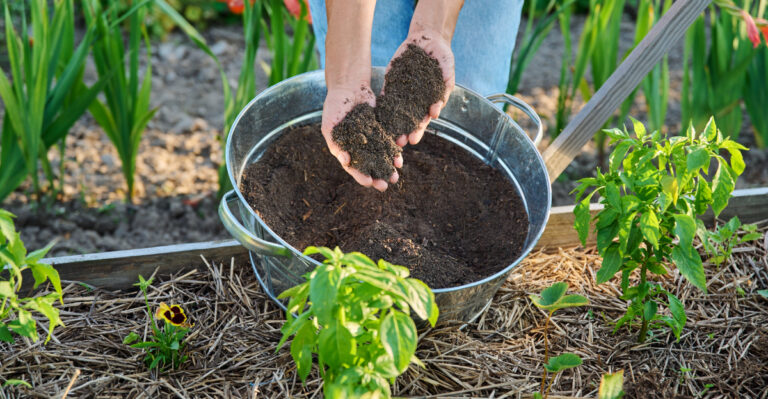
It’s the ultimate shortcut to a vibrant midsummer garden. If you’re ready to skip the plastic nursery pots and watch your yard transform, April is the time to get your hands in the dirt.
1. Zinnias Bring Bright Color That Handles Heat Well
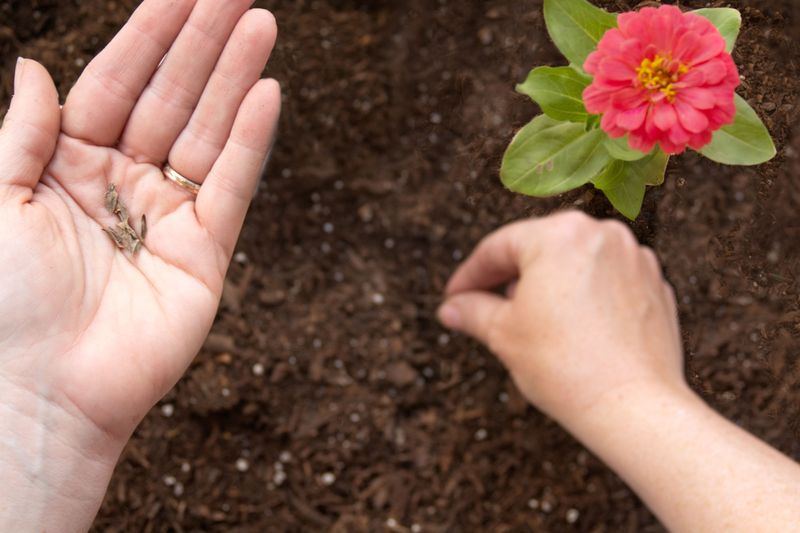
Few flowers earn their place in a North Carolina summer garden quite like zinnias. They come in nearly every bold color imaginable, they grow quickly from seed, and once summer heat settles in, they just keep going.
Coastal Plain gardeners can drop seeds into the soil in early April, while Piedmont growers do well planting around mid-April. In the mountains, waiting until late April gives seeds a better chance of avoiding any lingering cold snaps.
Zinnias prefer full sun and loose, well-draining soil. After sowing, keep the soil lightly moist until germination, which usually happens within a week or two.
Thin seedlings to about 6 to 12 inches apart depending on the variety, since good airflow helps reduce the chance of powdery mildew, which can show up during humid North Carolina summers.
One thing that makes zinnias especially satisfying is how fast they reward your effort. Within weeks of sowing, you will have seedlings pushing upward, and blooms follow not long after.
They attract butterflies and other pollinators, adding even more life to the garden. Deadheading spent flowers regularly encourages more blooms through the season.
Whether you are growing a cutting garden or filling a border with color, zinnias are a reliable, cheerful choice for direct sowing in April across most of North Carolina.
2. Cosmos Add Light, Airy Blooms With Little Effort
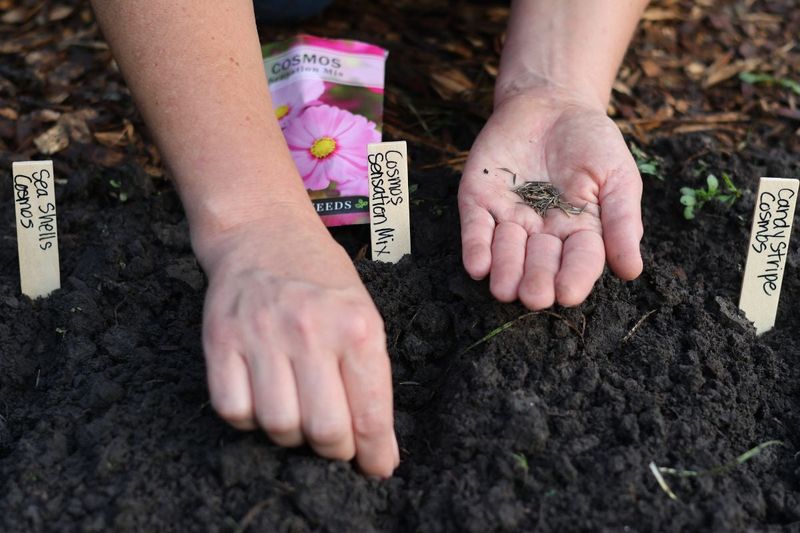
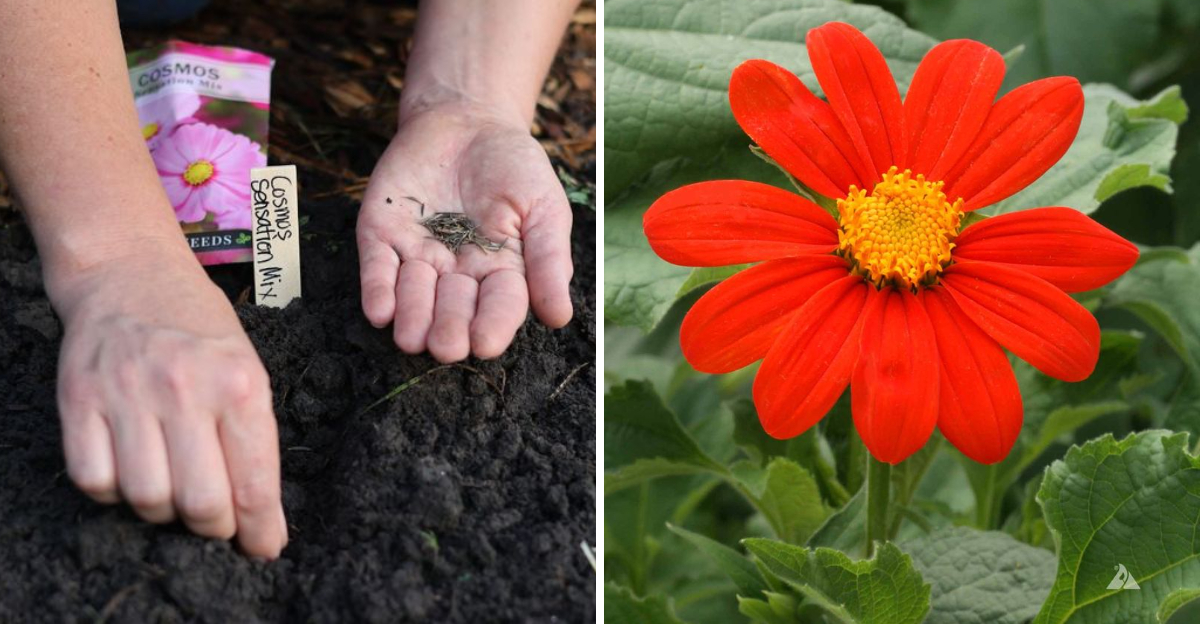
Watching cosmos sway in a warm spring breeze is one of the simple pleasures of gardening in North Carolina. These tall, feathery-leaved plants produce daisy-like blooms in shades of pink, white, magenta, and burgundy, and they do it without much fuss at all.
Cosmos actually prefer lean soil, meaning you do not need to load up your garden bed with fertilizer to get a good show from them.
In the Coastal Plain, early April is a fine time to scatter cosmos seeds across a prepared bed. Piedmont gardeners can aim for mid-April, and mountain growers should hold off until late April or early May when soil has warmed more consistently.
Lightly press seeds into the soil surface since they need some light to sprout well. Thin seedlings to about 12 to 18 inches apart once they are a few inches tall.
One of the best things about cosmos in North Carolina is their drought tolerance once established. Summer can bring stretches of dry weather in many parts of the state, and cosmos handle those conditions without much complaint.
Your North Carolina Garden Changes Every Week. Your Plan Should Too.
Gardening in North Carolina changes quickly throughout the season. Every Friday you’ll receive a simple weekly plan showing exactly what to plant, prune, fertilize, harvest, and protect so you never miss the right timing.
They bloom continuously from early summer right through fall, making them a long-season performer. Bees and butterflies are frequent visitors, and the cut flowers hold up nicely in a vase.
For gardeners who want big visual impact with minimal maintenance, cosmos are an excellent April sowing choice.
3. Sunflowers Grow Fast And Thrive In Full Sun

There is something almost joyful about watching a sunflower shoot up from a tiny seed into a towering plant practically before your eyes.
Sunflowers are among the fastest-growing annuals you can direct sow in April, and North Carolina’s warming spring soil gives them exactly the conditions they need to get off to a strong start.
Coastal Plain gardeners can plant in early to mid-April, while Piedmont and mountain growers generally do better waiting until mid to late April.
Sunflowers need full sun, ideally six or more hours of direct light per day, and they prefer well-draining soil. Sow seeds about one inch deep and space them roughly 6 to 12 inches apart for smaller varieties or up to 24 inches apart for the tall, classic types.
Water regularly during the first few weeks while roots are getting established, but once plants are growing steadily, they handle dry spells with surprising ease.
North Carolina summers can be long and intense, and sunflowers are built for exactly that kind of heat. They bloom from midsummer onward and attract bees, butterflies, and seed-eating birds as the season progresses.
Planting a succession of seeds every two to three weeks through April extends the bloom period well into late summer.
Whether you are growing them for cut flowers, garden beauty, or to feed local wildlife, sunflowers are a genuinely satisfying choice for April direct sowing across North Carolina.
4. Marigolds Offer Reliable Color And Easy Growth
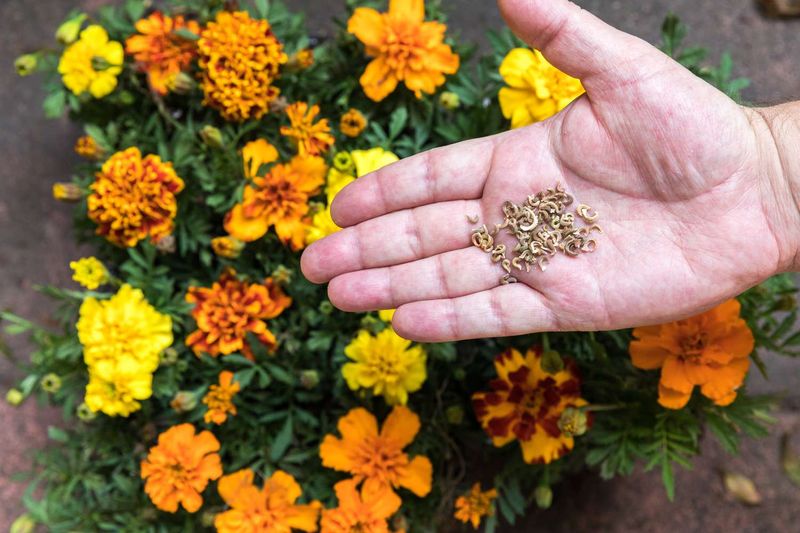
Marigolds have been a go-to garden flower for generations, and for good reason. They are tough, colorful, easy to grow from seed, and they bloom reliably through the heat of a North Carolina summer without much coaxing.
Coastal Plain gardeners can sow marigold seeds directly into the garden in early April. Those in the Piedmont do well starting around mid-April, while mountain growers should aim for late April to give seeds the warmth they need to sprout.
Sow seeds about a quarter inch deep in full sun and keep the soil evenly moist until germination, which typically takes five to ten days.
Once seedlings emerge, thin them to about 8 to 12 inches apart to give plants room to bush out.
Marigolds are not picky about soil as long as it drains well, and they actually tend to bloom more freely in soil that is not overly rich in nitrogen.
Beyond their cheerful blooms, marigolds have a reputation for helping deter certain garden pests, which makes them a popular companion plant for vegetable beds.
French marigolds are especially well-suited for smaller spaces, while African marigold varieties can reach two feet or more and make a bold statement in borders.
Regular deadheading keeps the blooms coming from early summer through the first frost. For North Carolina gardeners looking for dependable, low-fuss color, marigolds are a smart April planting choice.
5. Gomphrena Handles Heat With Long-Lasting Blooms
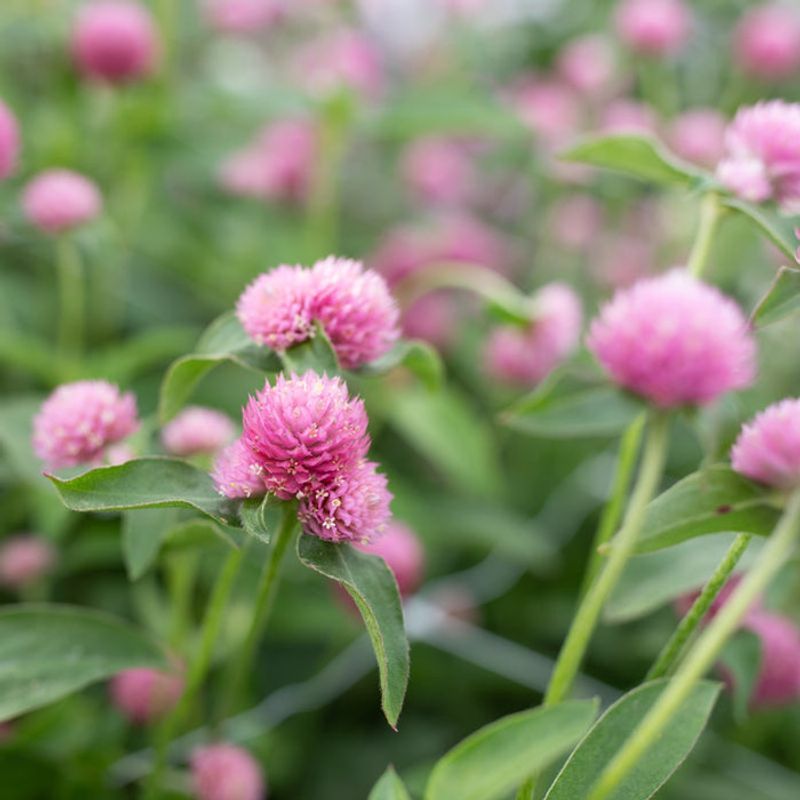
Not every gardener knows about gomphrena, but those who grow it in North Carolina tend to become devoted fans in a hurry. Also called globe amaranth, gomphrena produces small, clover-like blooms in shades of purple, pink, magenta, orange, and white.
What sets it apart is its remarkable ability to keep blooming through the hottest, most humid stretches of a North Carolina summer without skipping a beat.
April is a great time to direct sow gomphrena seeds in the Coastal Plain and Piedmont, once soil temperatures have reached at least 65 degrees Fahrenheit.
The seeds benefit from soaking in warm water for a day before planting, which can help speed up germination.
Sow about a quarter inch deep in full sun and thin seedlings to 10 to 15 inches apart once they are established. Gomphrena is drought-tolerant once it gets going, which is a real advantage during dry North Carolina summers.
The blooms are long-lasting both in the garden and in a vase, and they dry beautifully if you want to use them for arrangements later in the year.
Pollinators, especially butterflies, are drawn to the flowers throughout the season.
Plants typically reach 12 to 24 inches tall depending on the variety. For gardeners who want something a little different from the usual summer annuals, gomphrena is a heat-loving standout that rewards April sowing with months of color.
6. Tithonia Brings Bold Color And Pollinator Activity
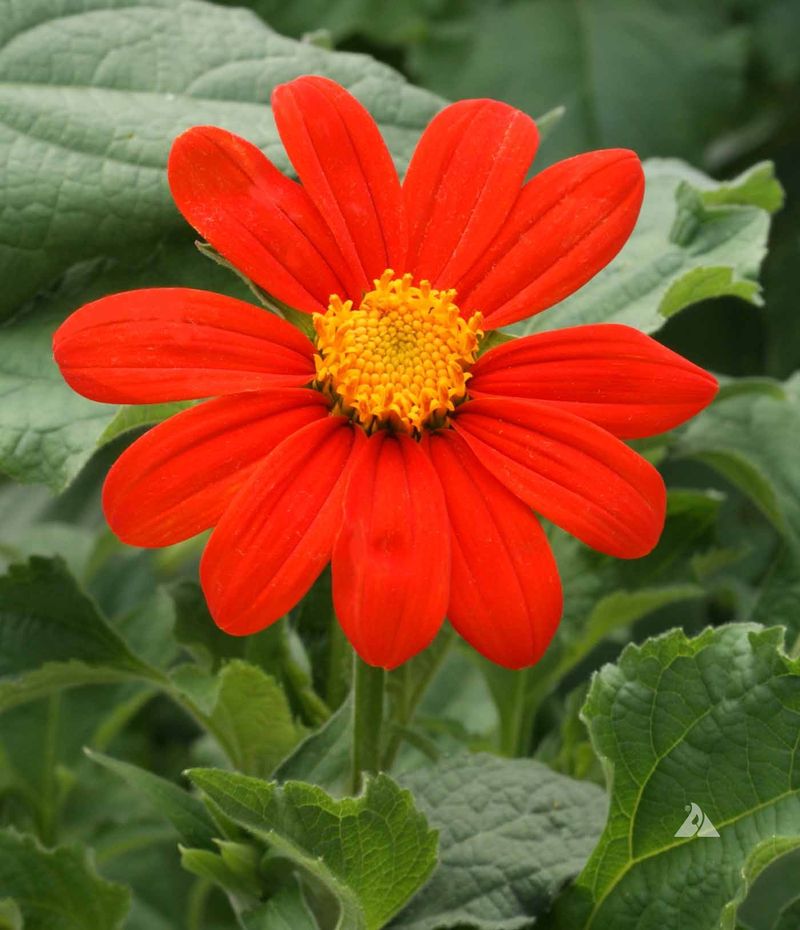
Bold, tall, and absolutely buzzing with pollinators by midsummer, tithonia – also known as Mexican sunflower – is one of those plants that stops people in their tracks.
Its blooms are a striking shade of vivid orange-red, and they sit atop plants that can easily reach four to six feet by late summer in North Carolina.
Sowing seeds directly in April, once the soil has warmed and frost risk has passed, gives tithonia enough time to grow large and bloom before the season winds down.
Coastal Plain and Piedmont gardeners can sow tithonia in early to mid-April. In the mountains, late April is a safer window.
Plant seeds about a quarter inch deep in full sun, and space plants at least 18 to 24 inches apart since they get large.
Tithonia prefers well-draining soil and handles dry conditions reasonably well once established, though a bit of supplemental watering during prolonged dry spells helps keep plants vigorous.
Monarchs, swallowtails, and bumblebees are frequent visitors to tithonia blooms, making it a fantastic addition to any pollinator-friendly garden.
The flowers also make striking cut flowers, though the hollow stems benefit from being seared quickly with a flame right after cutting to help them last longer in a vase.
For North Carolina gardeners looking to add height, drama, and wildlife value to summer beds and borders, tithonia is a spectacular April sowing option.
7. Portulaca Thrives In Dry, Sunny Conditions
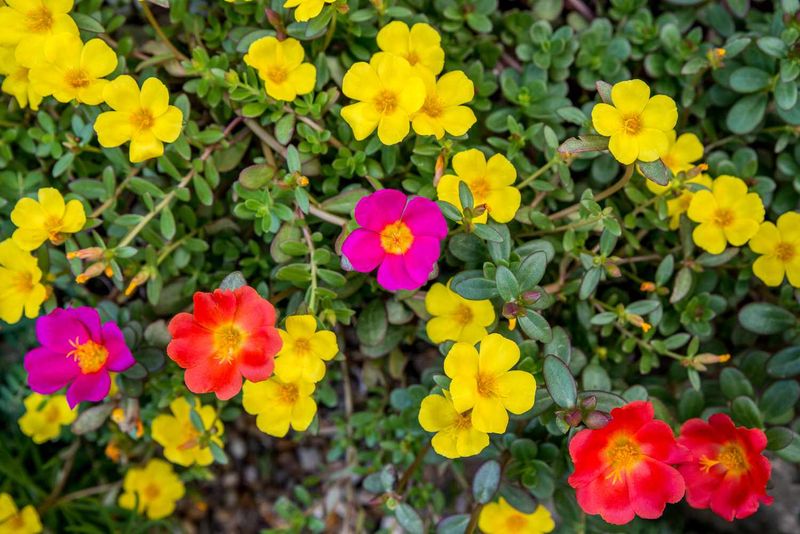
Sandy soil, blazing sun, and weeks without significant rain – those are conditions that would stress many annuals, but portulaca genuinely thrives in them.
Sometimes called moss rose, portulaca is a low-growing, succulent-stemmed annual that produces cheerful, rose-like blooms in shades of pink, red, orange, yellow, and white.
For North Carolina gardeners in the Coastal Plain, where sandy, fast-draining soils are common, portulaca is practically tailor-made for the conditions.
Sow portulaca seeds in April once nighttime temperatures are consistently staying above 50 degrees Fahrenheit.
The seeds are tiny, so scatter them lightly over the soil surface and press gently to make contact – they need light to germinate and should not be covered with soil.
Thin seedlings to about 6 to 8 inches apart once they are up and growing. Full sun is essential; portulaca planted in shadier spots will produce far fewer blooms.
One quirky trait worth knowing: portulaca flowers open in bright sunlight and tend to close on cloudy days or in the evening. This is completely normal behavior and does not signal any problem with the plant.
Once established, portulaca needs very little watering, making it a low-maintenance choice for busy gardeners or those dealing with dry, challenging spots in the garden.
It blooms reliably through North Carolina’s hottest months, filling sunny edges, rock gardens, and containers with nonstop color all summer long.
8. Nasturtiums Add Early Color Before Summer Heat Peaks
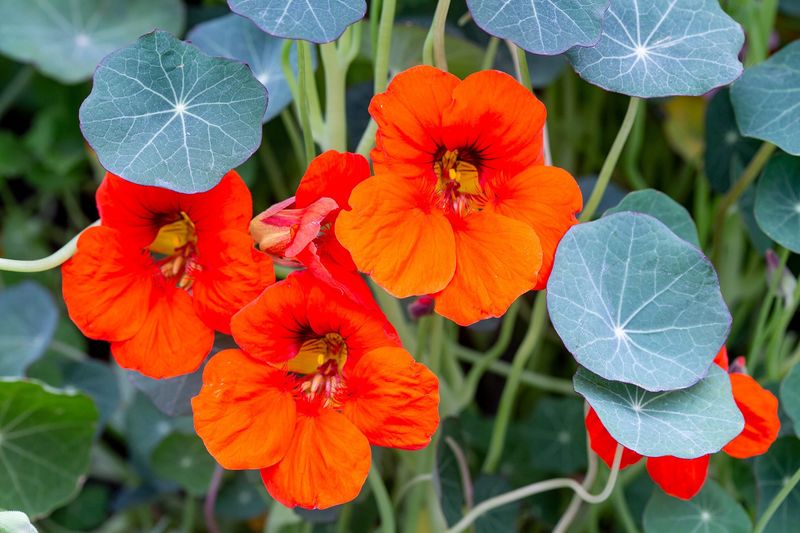
Nasturtiums are in a bit of a different category than the other annuals on this list – they actually prefer cooler conditions and will bloom most enthusiastically during the mild weeks of late spring before North Carolina’s summer heat fully arrives.
That makes April one of the best possible times to sow them directly in the garden, especially in the Piedmont and mountain regions where spring lingers a little longer.
Coastal Plain gardeners may want to sow in early April to catch as much cool weather as possible.
Nasturtium seeds are large and easy to handle, which makes them especially satisfying for beginner gardeners or kids just learning about growing plants.
Plant seeds about half an inch deep and space them 8 to 12 inches apart in a spot that gets full sun to partial shade.
One important tip: nasturtiums bloom most freely in poor to average soil. Rich, heavily amended soil tends to push leafy growth at the expense of flowers, so there is no need to over-prepare the bed.
Beyond their beauty, nasturtiums are fully edible – both the flowers and the leaves have a peppery flavor that works nicely in salads. They also attract aphids away from other garden plants, serving as a natural trap crop.
As temperatures climb through June and July, nasturtium plants may slow down or fade, but by then other summer annuals will be picking up the slack in the garden.