7 Tips For Growing Tomatoes In Containers In Arizona Heat
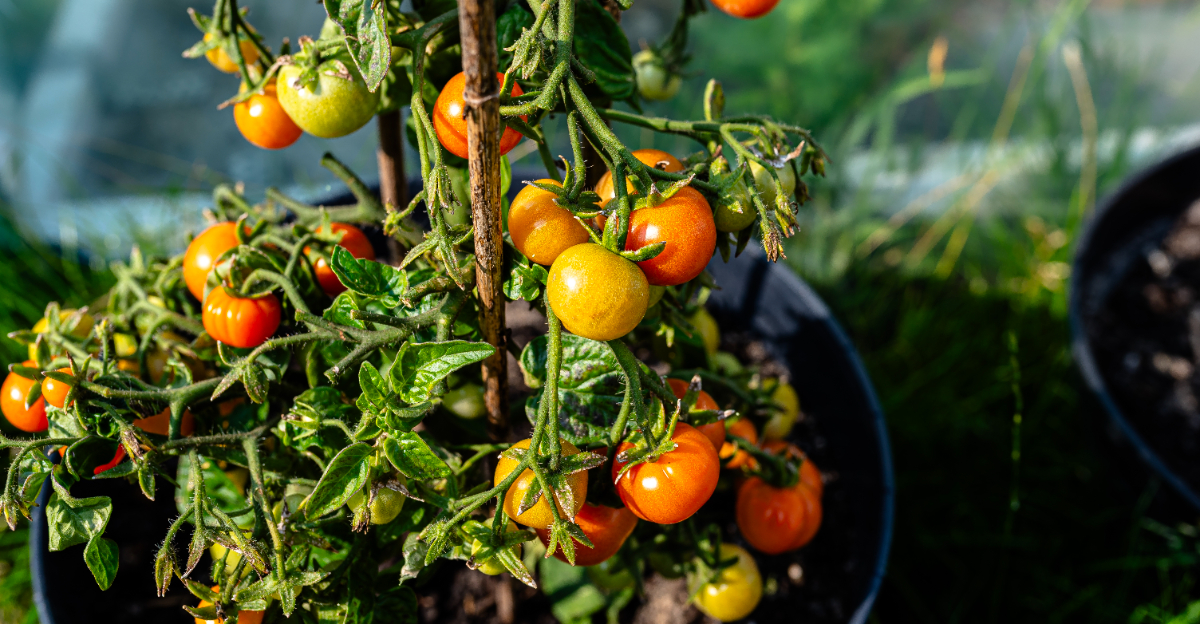
Arizona heat does not wait, and tomato plants feel it fast when containers are not set up the right way. One week everything looks fine, then leaves start curling, soil dries out too quickly, and fruit never reaches its full size.
That is where most container growers get frustrated, especially when it seems like effort is already there.
The truth is, tomatoes can handle Arizona conditions better than expected when a few key details are handled early. Small choices with containers, watering, and placement shape how well plants push through rising temperatures.
Many of the common problems show up from habits that seem harmless at first but slowly work against the plant. Once those patterns shift, the difference becomes clear without needing anything complicated.
Getting tomatoes to stay productive in containers here is not about doing more, it comes down to doing a few things the right way from the start.
1. Choose Heat-Tolerant Tomato Varieties For Arizona
Not every tomato is built for Arizona summers, and picking the wrong variety is probably the fastest way to end up with a container full of stressed-out plants that barely produce.
Varieties like Heatmaster, Solar Fire, and Phoenix were specifically developed for high-heat conditions and hold up far better when daytime temps climb past 100 degrees.
Heatmaster in particular has a solid reputation among Arizona gardeners. It sets fruit even when nighttime temperatures stay warm, which is a real problem for many standard varieties that simply stop producing once nights stay above 75 degrees.
Solar Fire handles intense sun exposure better than most without the fruit cracking or dropping.
Phoenix is another reliable option worth planting, especially if you want a mid-sized tomato with decent production through the spring and early summer window.
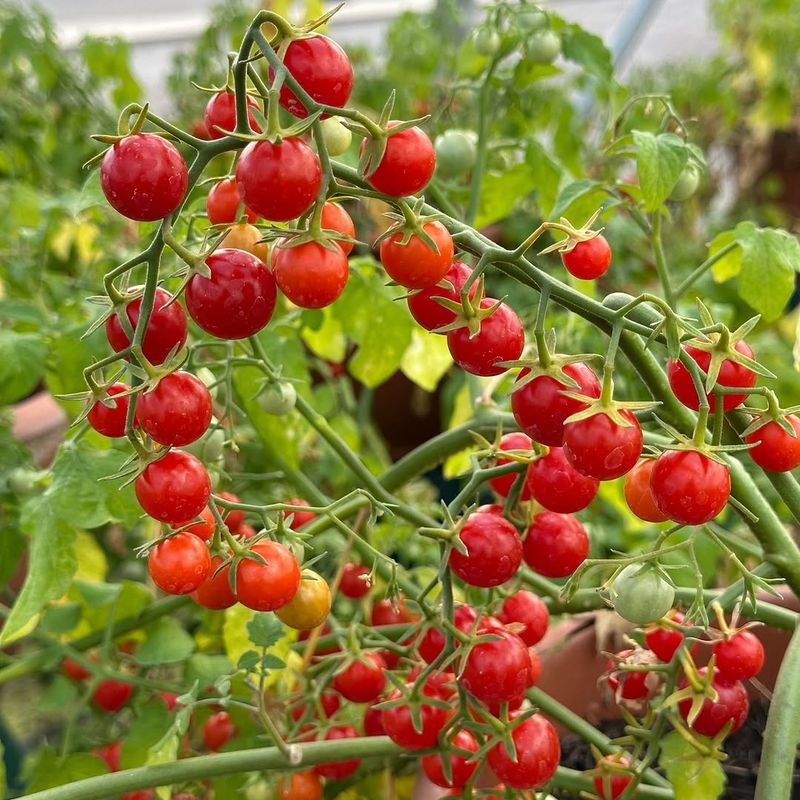
Cherry tomato varieties like Sweet 100 and Sun Gold also tend to handle the heat more forgivably than larger slicing types.
When shopping for transplants or seeds in Arizona, check the label for phrases like heat-set or heat-tolerant rather than just assuming any tomato will work.
Local nurseries in the Phoenix or Tucson area often stock varieties suited for the desert climate, which gives you a head start over ordering generic seeds online.
2. Use Large Containers To Protect Roots From Extreme Heat
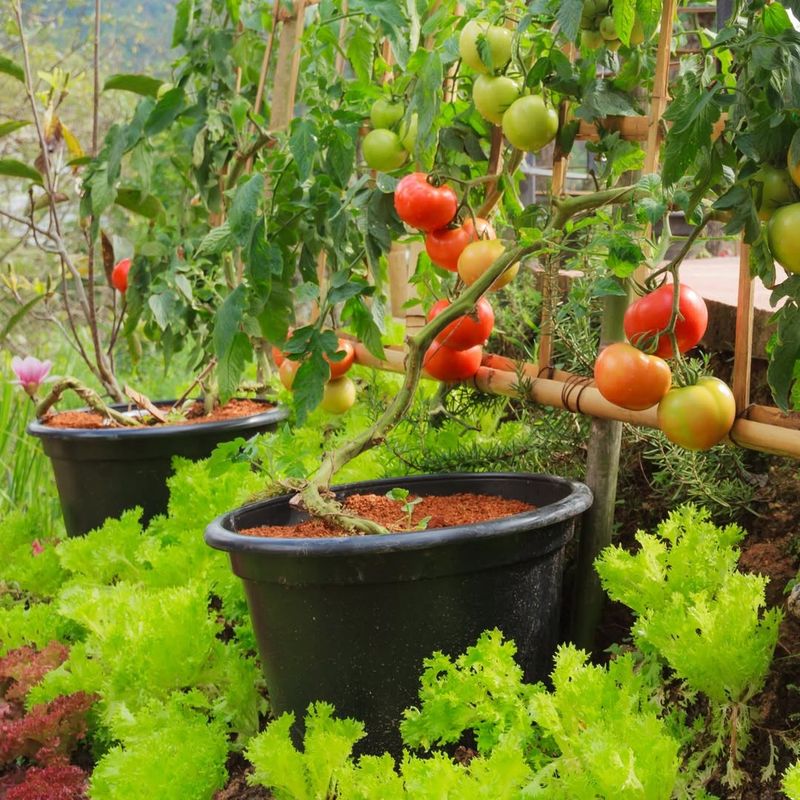
Container size matters more in Arizona than almost anywhere else in the country. Small pots heat up fast, and when soil temperatures spike above 95 degrees, root function slows down significantly and nutrient uptake suffers.
A pot that is too small will bake through on a hot afternoon even if you watered it that morning.
Go with containers that are at least 18 inches wide and 18 inches deep, though 24 inches is even better for indeterminate varieties that grow large.
More soil volume means more buffer against rapid temperature swings, and it also means the roots have room to spread out and anchor the plant properly as it gets taller.
Light-colored containers reflect more heat than dark ones, which is worth thinking about in Arizona. Black plastic pots absorb heat aggressively under direct sun.
Your Arizona Garden Changes Every Week. Your Plan Should Too.
Gardening in Arizona changes quickly throughout the season. Every Friday you’ll receive a simple weekly plan showing exactly what to plant, prune, fertilize, harvest, and protect so you never miss the right timing.
If you already own dark containers, wrapping them in burlap or placing them inside a slightly larger light-colored pot creates a layer of insulation that actually helps.
Fabric grow bags have become popular here for a reason. They allow some airflow around the root zone and tend to stay cooler than solid plastic on hot days.
The tradeoff is that they dry out faster, so you will need to water more frequently.
3. Pick A Potting Mix That Balances Drainage And Moisture
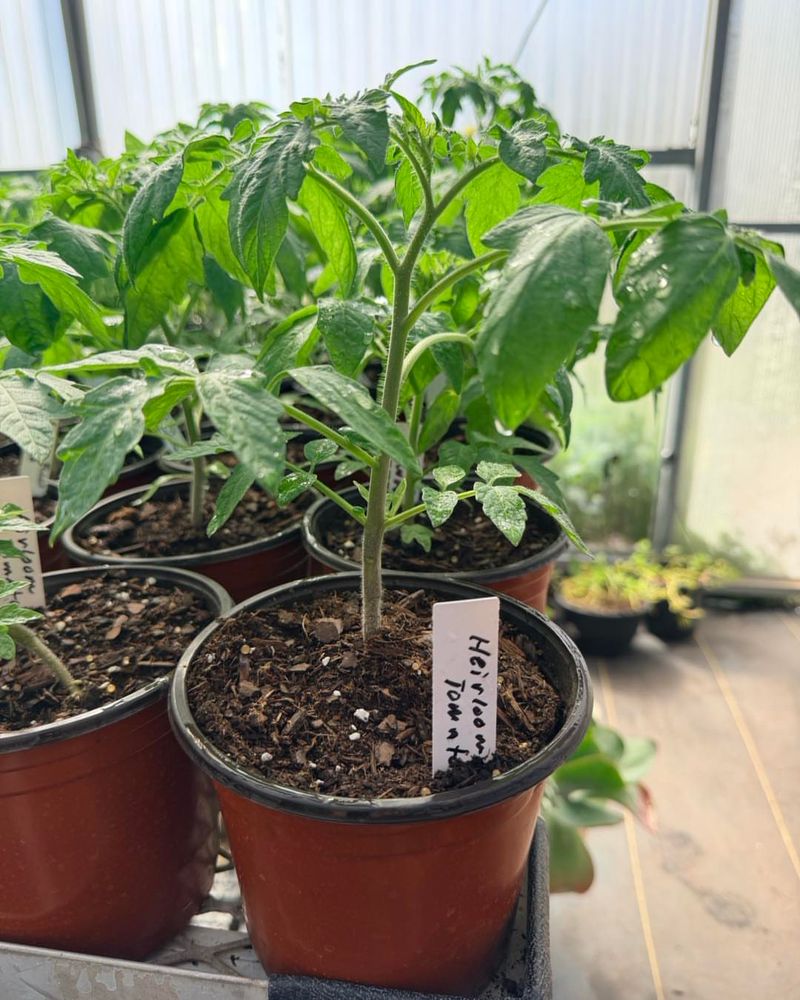
Regular garden soil does not belong in a container, full stop. It compacts quickly, drains poorly, and in Arizona’s heat it can turn almost cement-like after a few dry days.
A quality potting mix designed for vegetables gives roots the loose, aerated environment they need to actually function well.
Look for a mix that includes perlite or coarse sand for drainage, plus some organic matter like compost or coco coir to hold a reasonable amount of moisture. Pure perlite drains too fast and pure peat holds too much water, so balance matters here.
Some Arizona gardeners add an extra handful of perlite per gallon of mix to improve drainage even further, which helps prevent soggy roots during monsoon season.
Mixing in a slow-release granular fertilizer at planting time gives your tomatoes a steady baseline of nutrients without requiring you to remember to feed constantly.
This is especially useful during the early weeks when plants are getting established and you have plenty of other things to track.
Avoid potting mixes with heavy amounts of wood chips or bark, since those break down over a season and cause the soil to compact and sink.
Replacing or refreshing the top few inches of your potting mix each season keeps the structure loose and nutrient levels reasonable.
4. Water Deeply And Stay Consistent In Hot Weather
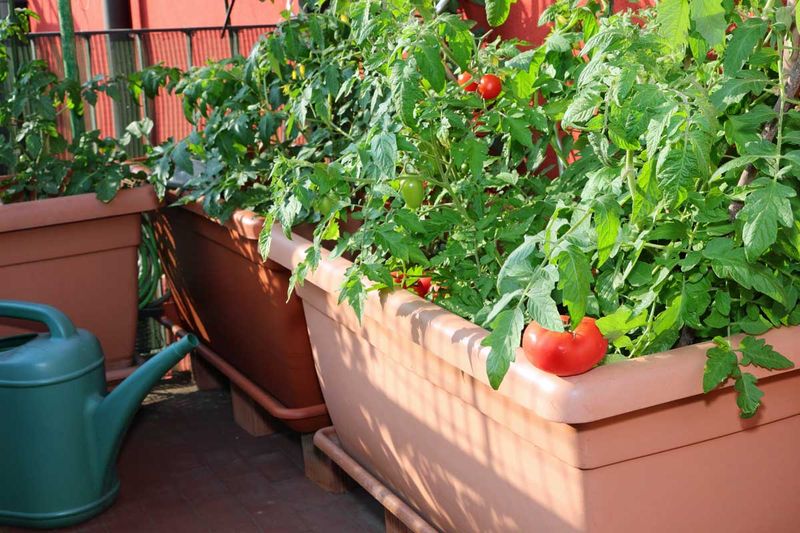
Watering container tomatoes in Arizona during summer is a daily commitment, not a casual habit.
Containers dry out much faster than in-ground beds, and in Phoenix or Tucson when temperatures are sitting at 108 degrees, a pot can go from moist to bone dry within 24 hours depending on the size and material.
Deep watering is the goal every time. Running water slowly until it drains out the bottom ensures the entire root zone gets moisture rather than just the top inch or two.
Shallow watering encourages shallow roots, which makes plants even more vulnerable when the heat really kicks in. Slow and thorough beats quick and frequent.
Consistency matters as much as volume. Irregular watering is one of the main causes of blossom end rot, which shows up as a dark, sunken spot on the bottom of the fruit.
It is not actually a disease but a calcium absorption problem triggered by uneven soil moisture. Keeping a regular schedule, ideally early morning, helps avoid that issue.
Drip irrigation or soaker hose setups work really well for Arizona container gardens because they deliver water directly to the root zone without wetting the foliage. Wet leaves in intense heat can lead to scorching and increase disease risk.
If you are hand watering, aim at the base of the plant rather than overhead.
5. Provide Afternoon Shade During Intense Sun
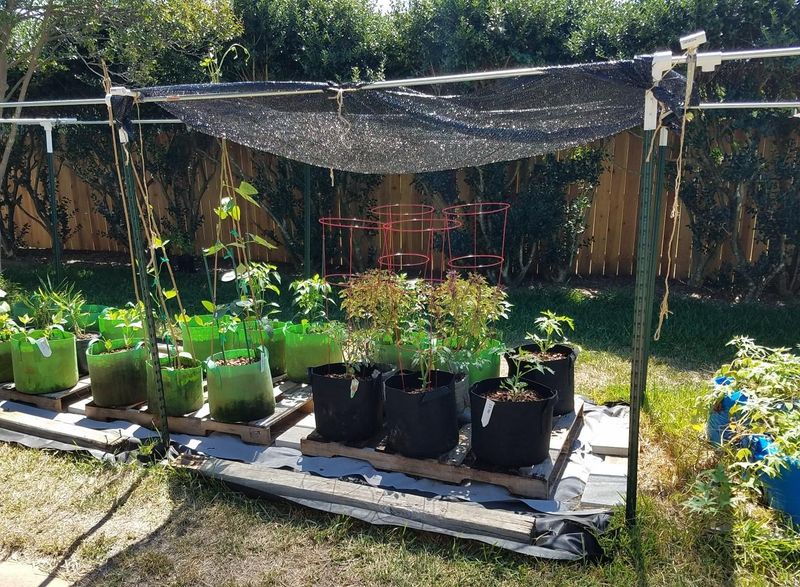
Afternoon sun in Arizona between June and September is genuinely brutal, and even heat-tolerant tomato varieties can struggle when temperatures push past 110 degrees with full direct exposure for hours on end.
Shade cloth rated at 30 to 40 percent is a practical tool that reduces heat stress without blocking enough light to slow fruit production significantly.
Positioning containers near a wall, fence, or patio cover that provides natural afternoon shade is one of the easiest solutions if you have that option. East-facing spots work well because plants get strong morning sun and then natural shade as the day heats up.
West-facing placements tend to get the most brutal late-afternoon exposure, which is worth avoiding when you have flexibility.
Sunscald is a real issue in Arizona, showing up as pale, papery patches on the side of tomatoes that face direct sun for extended periods. It does not ruin the whole fruit but it does affect quality and can create entry points for rot.
Providing some afternoon protection reduces the chance of seeing that kind of damage on your harvest.
Even a simple shade structure made from PVC pipe and shade cloth stretched overhead can make a noticeable difference.
Some Arizona gardeners move containers under a patio cover during the hottest weeks of July and August, then move them back into fuller sun as temperatures drop in September.
6. Feed Regularly To Replace Lost Nutrients
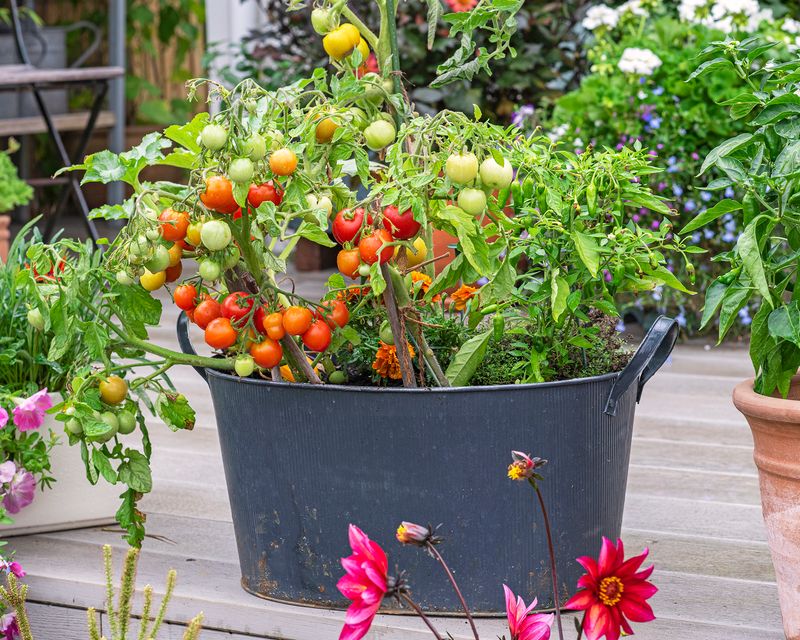
Container plants run out of nutrients faster than in-ground plants, and in Arizona where you are watering heavily and frequently, nutrients wash out of the soil even quicker than usual.
A tomato that is not getting fed consistently will show it through yellowing leaves, poor fruit set, and slow growth even when everything else looks fine.
A balanced fertilizer with a slightly higher potassium and phosphorus ratio works well for tomatoes that are actively flowering and setting fruit.
Something like a 5-10-10 or a tomato-specific blend applied every 10 to 14 days during the growing season keeps plants fueled without pushing excessive leafy growth at the expense of fruit.
Liquid fertilizers work faster than granular options and are easier to control in containers.
Fish emulsion and seaweed-based fertilizers are popular among organic gardeners in Arizona because they also provide trace minerals that a basic synthetic fertilizer might miss.
Alternating between a standard tomato fertilizer and a micronutrient supplement every few weeks can help fill those gaps.
Watch your plants for signs of deficiency rather than just following a rigid schedule. Pale or yellowing older leaves often suggest nitrogen is low.
Purple-tinted stems and leaves can indicate phosphorus issues. Dark green leaves with curled edges sometimes point to potassium imbalance.
7. Mulch To Keep Soil Cooler And Reduce Moisture Loss
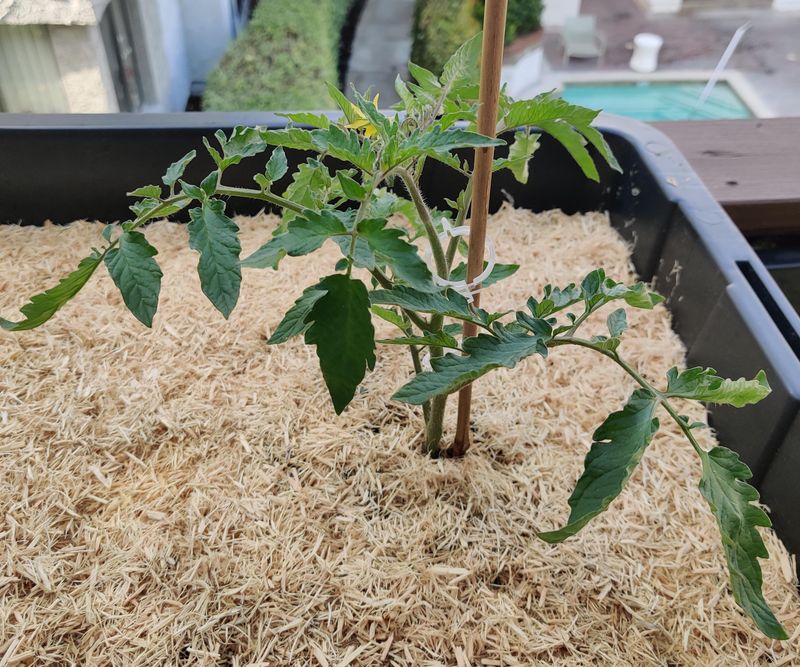
Bare soil in a container sitting in Arizona sun heats up fast, and that surface heat travels downward into the root zone faster than most people expect.
Adding a two to three inch layer of mulch on top of your potting mix acts as insulation, slowing down that heat transfer and keeping roots in a more stable environment throughout the day.
Straw is one of the most practical mulch options for container tomatoes. It is lightweight, widely available, easy to apply, and breaks down slowly enough to last a full growing season without needing constant replacement.
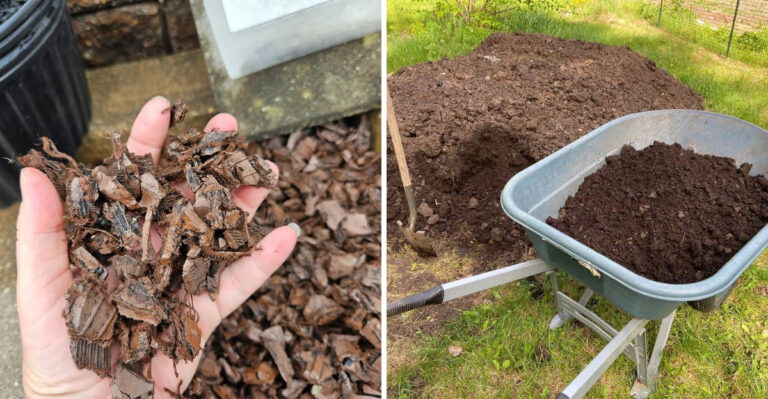
Shredded bark and wood chips also work, though they can tie up nitrogen as they decompose, so factor that into your fertilizing routine.
Beyond heat reduction, mulch cuts down significantly on water evaporation from the soil surface. In Arizona’s dry air, unprotected container soil loses moisture rapidly, and mulch can reduce that loss enough to make a real difference in how often you need to water.
During the hottest weeks of summer, that can translate to skipping an extra watering session without stressing the plant.
Pull mulch slightly away from the base of the tomato stem to prevent moisture from sitting directly against it, which can encourage rot at the soil line.