Texas Citrus Tree Care Checklist For April Before Summer Heat
If there’s one thing every Texas gardener knows, it’s that the “calm” before the summer storm is happening right now.
April is the ultimate wake-up call for your citrus trees; as temperatures climb and the sun strengthens, your trees are officially shaking off their winter slumber and shifting into high gear.
The moves you make this month are a total game-changer for surviving the upcoming heatwaves.
A little proactive care in April – before that brutal Texas sun settles in – is the secret to deep, resilient roots and a heavy harvest of juicy fruit.
If you want your citrus to thrive rather than just survive, now is the time to give them some love.
1. Apply Fertilizer As Trees Enter Active Growth
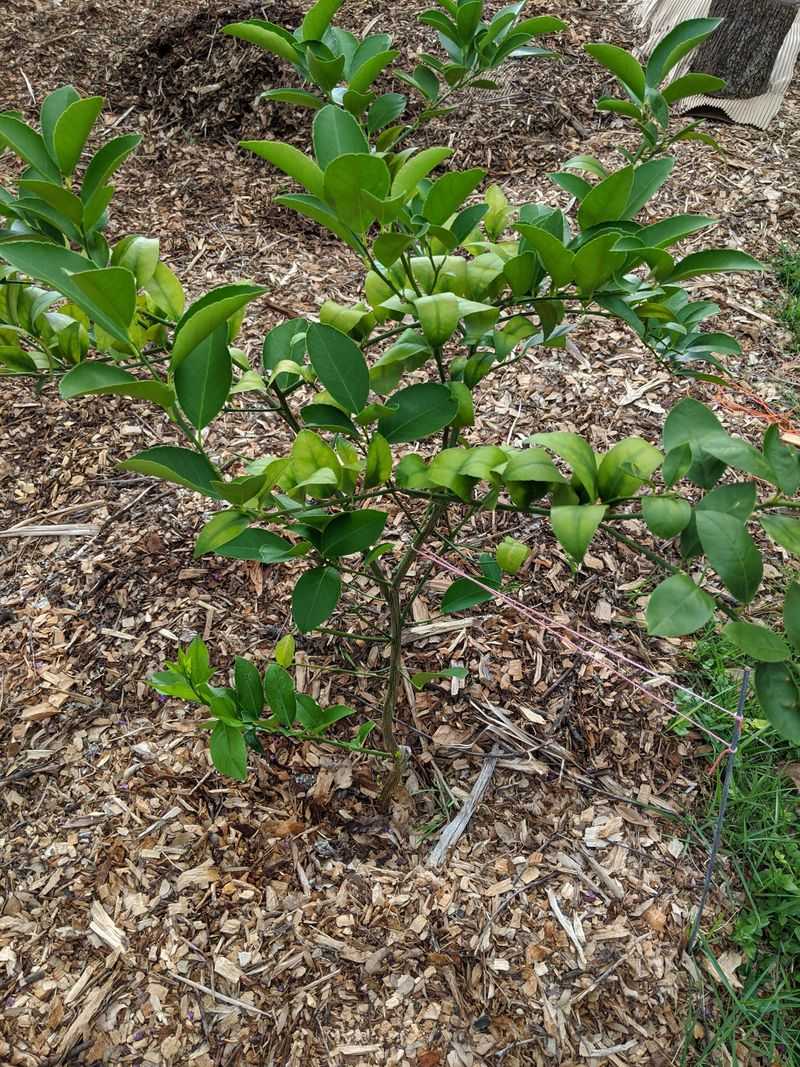
Warming soil temperatures in Texas signal citrus trees to shift into a faster growth mode, and April is one of the best windows to give them the nutrients they need to take full advantage of that energy.
Feeding your trees at this point supports strong new shoots, healthy leaves, and the early stages of fruit development that set the tone for the rest of the growing season.
A balanced, slow-release fertilizer with a good mix of nitrogen, phosphorus, and potassium works well for citrus in April.
Nitrogen supports leafy green growth, phosphorus helps with root development, and potassium plays a role in overall tree health and fruit quality.
Look for a fertilizer specifically formulated for citrus, since these blends often include trace minerals like iron, manganese, and zinc that citrus trees use regularly.
Spread the fertilizer evenly across the root zone, which generally extends out to the drip line or slightly beyond. Avoid piling it directly against the trunk, since that can cause irritation to the bark.
Water the area well after applying so nutrients begin moving into the soil where roots can reach them. In Texas, where summer heat arrives quickly, getting this step done early in April gives trees a head start before stress kicks in.
2. Deep Water To Support Expanding Root Systems
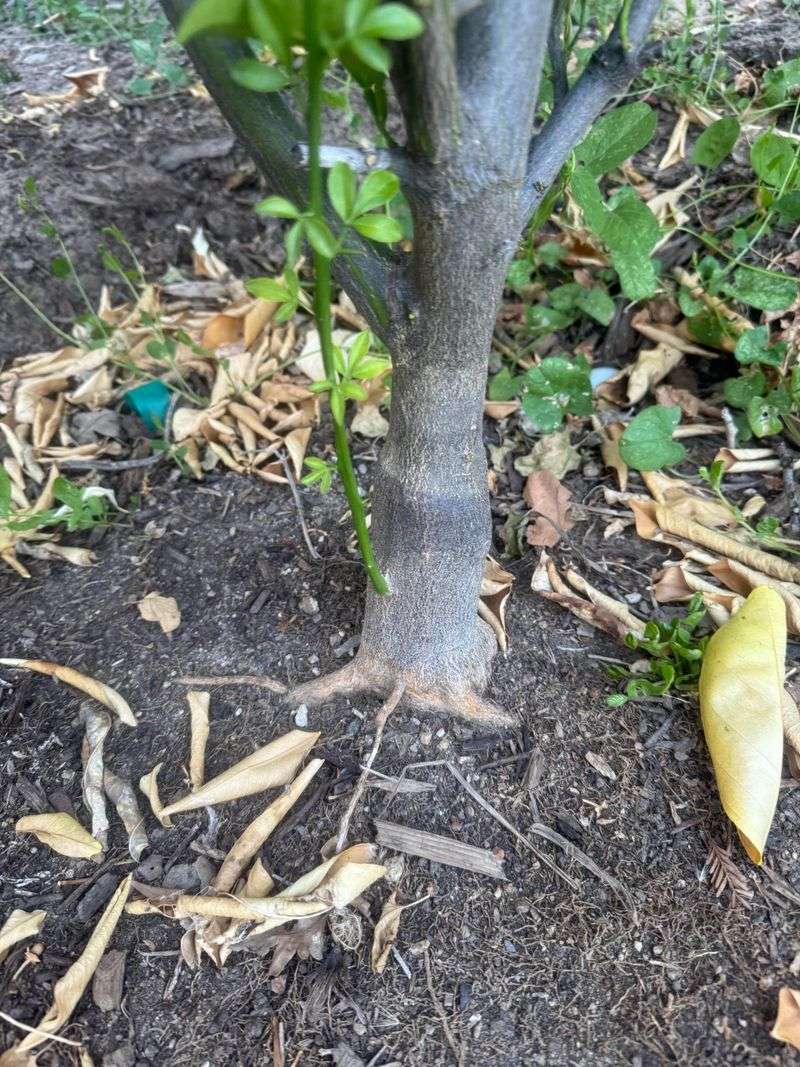
Citrus roots in Texas are doing a lot of work in April, spreading outward and downward in search of water and nutrients as temperatures rise.
Shallow watering during this time tends to keep roots close to the surface, where they become more vulnerable once the summer sun starts baking the topsoil.
Deep, thorough watering encourages roots to follow moisture further into the ground, which helps trees stay more stable through the hot months ahead.
Aim to water slowly and deeply, allowing moisture to soak down at least two to three feet into the soil profile.
Drip irrigation is a practical choice for Texas citrus growers because it delivers water directly to the root zone without soaking the foliage or wasting water to evaporation.
If you are hand watering, let the hose run at a slow trickle for an extended period rather than flooding the area quickly.
In April, watering frequency depends on rainfall and soil type.
Sandy soils common in parts of Texas drain quickly and may need more frequent attention, while heavier clay soils hold moisture longer but can become waterlogged if overwatered.
Your Texas Garden Changes Every Week. Your Plan Should Too.
Gardening in Texas changes quickly throughout the season. Every Friday you’ll receive a simple weekly plan showing exactly what to plant, prune, fertilize, harvest, and protect so you never miss the right timing.
Check soil moisture a few inches below the surface before watering again. Keeping the root zone consistently moist but not soggy is the balance that supports strong growth heading into summer.
3. Refresh Mulch To Protect Soil Moisture
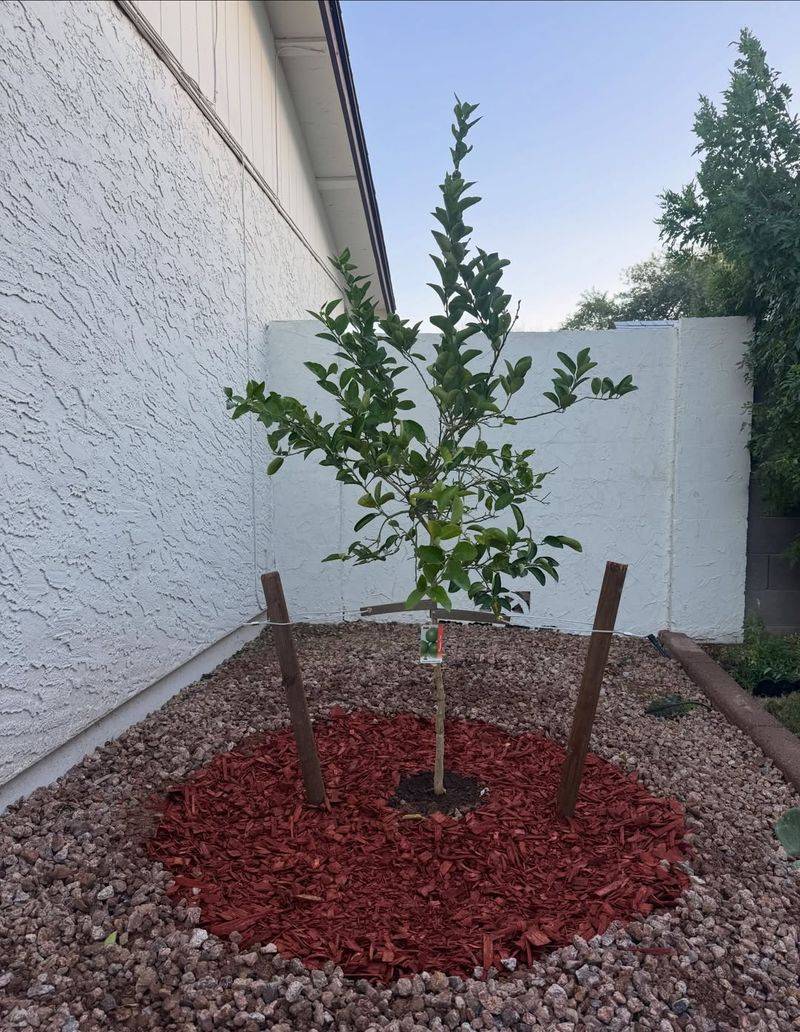
Soil moisture evaporates quickly in Texas once April temperatures start climbing, and a fresh layer of mulch around your citrus trees is one of the most practical ways to slow that process down.
Mulch acts like a protective blanket over the soil, reducing the amount of moisture lost to heat and sun exposure throughout the day.
It also helps moderate soil temperature, which keeps roots more comfortable as the season shifts.
Organic mulch options like wood chips, shredded bark, or pine needles all work well around citrus trees. Spread a layer about three to four inches thick, starting a few inches away from the trunk to allow air circulation and reduce the chance of bark moisture issues.
Extend the mulch out toward the drip line of the tree to cover the broadest portion of the root zone where water absorption is most active.
April is a smart time to refresh mulch in Texas because spring rains can compact or wash away previous layers, and the timing sets you up well before peak summer heat arrives.
As organic mulch breaks down over time, it also adds a small amount of organic matter back into the soil, which gradually improves soil structure and supports healthy microbial activity.
Checking and refreshing the mulch layer once a season is a low-effort habit that pays off consistently for citrus growers across the state.
4. Inspect Leaves For Early Pest Activity
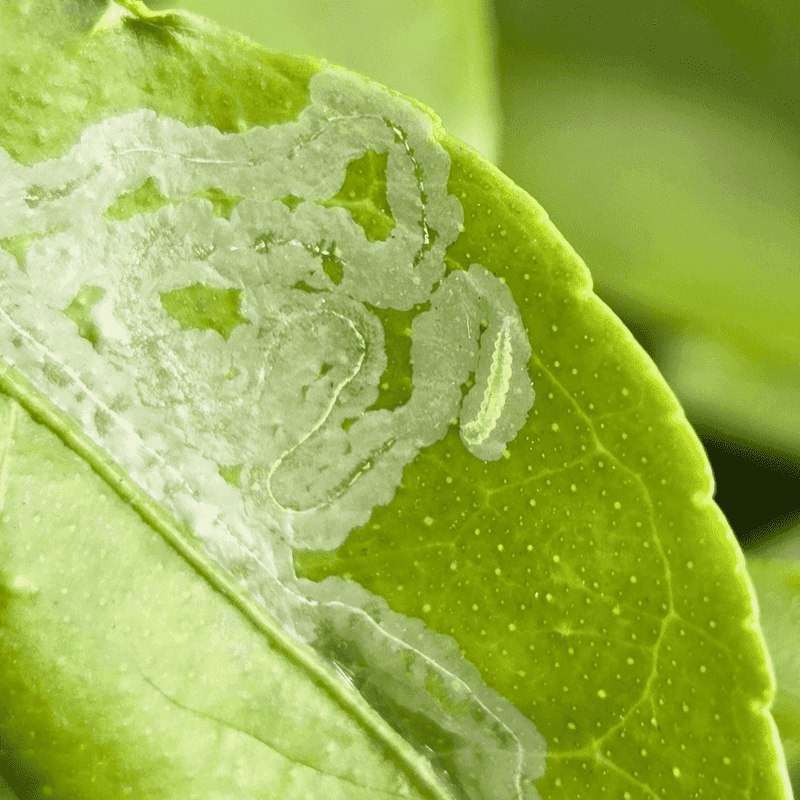
Spring growth flushes on citrus trees are like an open invitation for certain insects that feed on tender new leaves and stems.
April is when many common citrus pests in Texas become active again, and catching early signs of an infestation before populations build up makes management much more manageable.
A quick visual inspection of your trees every week or two during spring can save a lot of trouble later in the season.
Aphids are among the most common early-season pests to look for, often clustering on the undersides of new leaves or near growing tips. They leave behind a sticky residue called honeydew, which can attract ants and lead to a secondary issue called sooty mold.
Scale insects are another concern, appearing as small, flat, or rounded bumps along stems and leaf surfaces. Citrus leafminers, which create winding trails inside leaf tissue, tend to target new growth flushes as well.
When pest numbers are low, insecticidal soap or horticultural oil sprays can be effective options that are relatively gentle on beneficial insects like bees and ladybugs.
Spray in the early morning or evening to reduce the chance of leaf burn, especially as Texas temperatures climb in April.
Keeping nearby weeds trimmed and removing heavily infested growth can also help reduce pest pressure without reaching for stronger treatments right away.
5. Prune Only Lightly To Remove Damage Or Crossing Growth
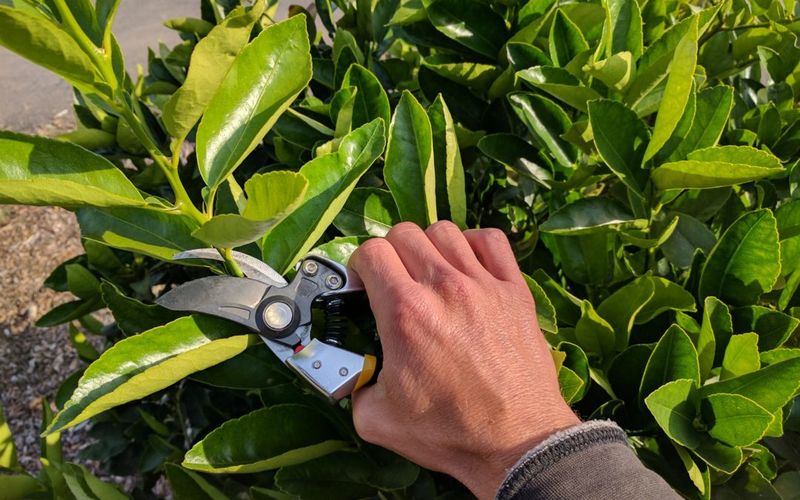
Citrus trees in Texas are putting a lot of energy into new growth in April, which makes heavy pruning a poor idea during this window.
Cutting back large amounts of foliage right as the tree is actively growing can redirect energy away from fruit development and leave the tree more exposed to sun and heat stress.
Light, targeted pruning, however, can actually benefit the tree by cleaning up damage and improving airflow through the canopy.
Focus on removing branches that are clearly broken, showing signs of disease, or rubbing against other branches in a way that causes bark damage.
Crossing branches that press against each other create wounds over time and can become entry points for pests or disease.
Removing these problem areas in April tidies up the tree structure without taking away significant leaf area that the tree needs for photosynthesis and energy production.
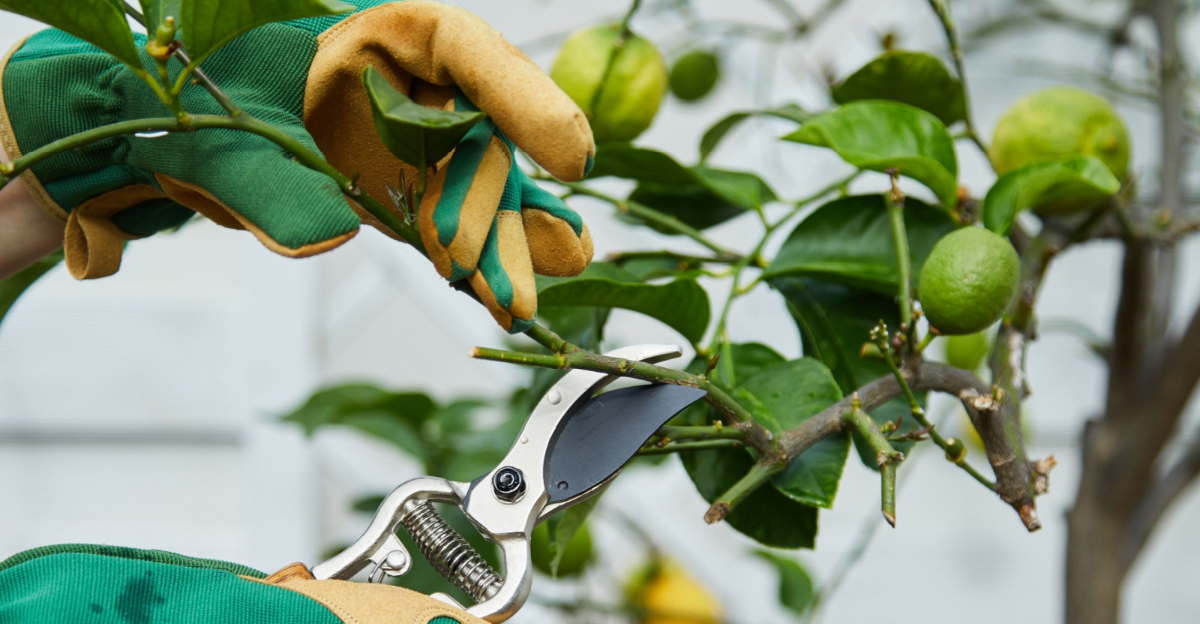
Use clean, sharp pruning tools to make smooth cuts, and avoid tearing bark or leaving ragged stubs.
Wiping blades with a diluted bleach solution between trees is a good habit, particularly if you notice any signs of disease on one plant before moving to the next.
In Texas, where summer heat follows quickly after spring, keeping pruning minimal in April helps trees stay leafy and better shaded, reducing heat stress on the trunk and inner branches as temperatures rise.
6. Monitor Soil Drainage As Spring Rains Increase
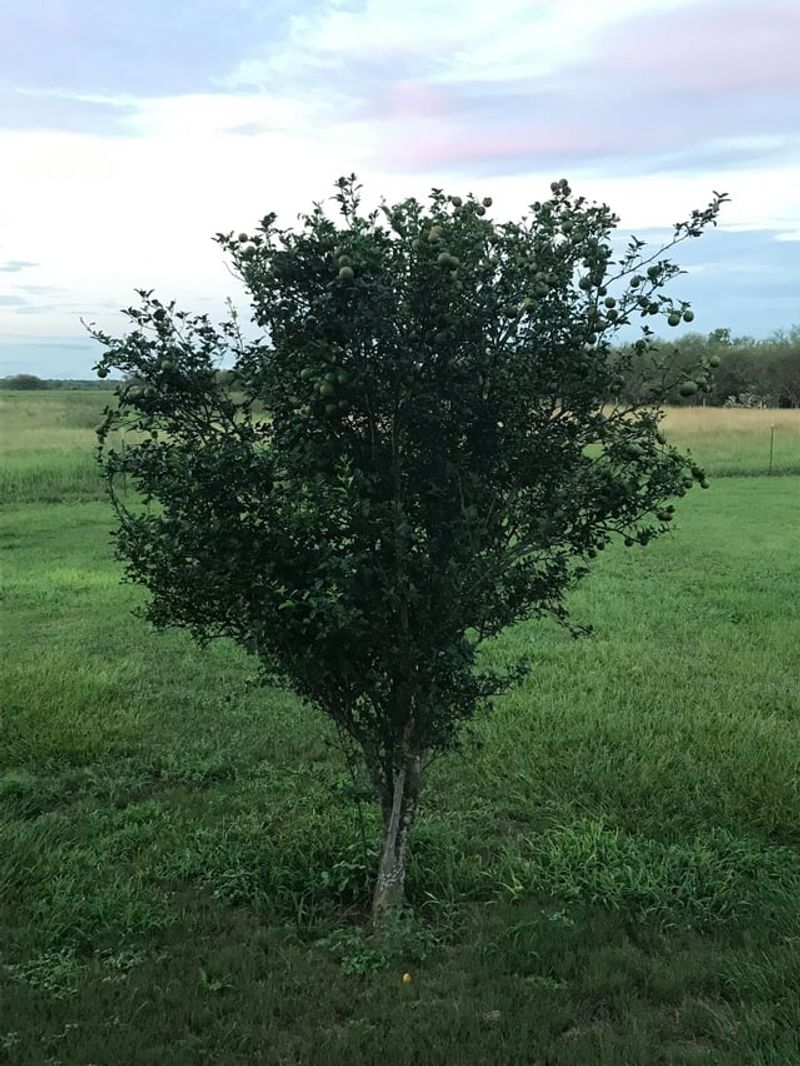
Spring in Texas can bring stretches of significant rainfall, and while citrus trees need consistent moisture, they are also sensitive to sitting in waterlogged conditions for extended periods.
Roots that stay submerged in standing water lose access to the oxygen they need, which can weaken the tree and make it more susceptible to soil-borne diseases like root rot.
April is a good time to pay close attention to how well your planting area handles rain events.
After a heavy rain, walk out to your citrus trees and observe whether water pools around the base or drains away within a reasonable amount of time.
If water is still sitting there hours later, that is a signal worth addressing before summer thunderstorms add to the problem.
Improving drainage might involve adding organic matter to heavy clay soils, creating a slight slope away from the trunk, or installing a simple French drain in areas that consistently collect water.
Raised bed planting is another option that many Texas gardeners use successfully for citrus in areas with naturally poor drainage.
The elevation keeps roots above the saturation zone during wet periods while still allowing the deep soil below to hold some moisture during dry stretches.
Checking drainage proactively in April, before the heavy afternoon storms that often accompany Texas summers, gives you time to make adjustments while conditions are still manageable and the tree is not yet under heat stress.
7. Check For Nutrient Deficiencies In New Growth
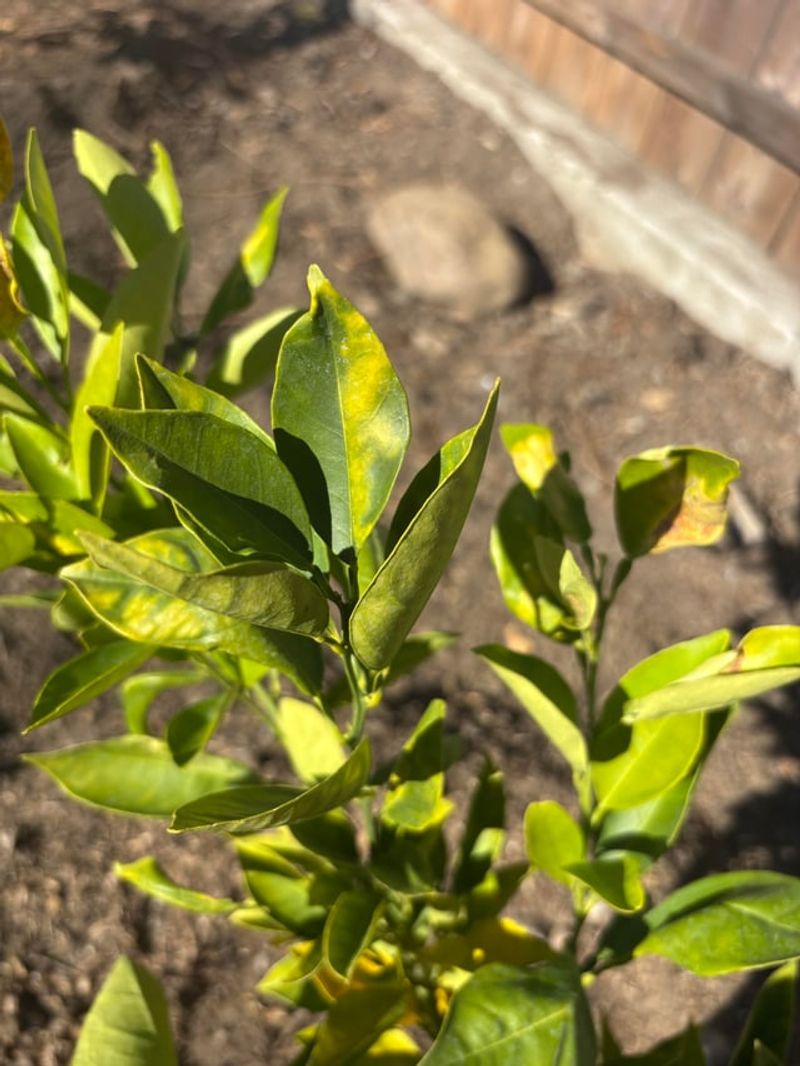
Fresh spring growth on citrus trees is like a report card for how well the tree is being fed. New leaves that emerge with unusual coloring or distorted shapes are often early signals that something in the soil or nutrient uptake process is off.
Catching these signs in April, while the growing season is still early, gives you time to make corrections before the tree carries those deficiencies into the more demanding summer months.
Yellowing between the leaf veins while the veins themselves stay green is a classic sign of iron or manganese deficiency, both of which are common in Texas soils, particularly in areas with high pH levels.
Citrus trees prefer slightly acidic soil, and when pH climbs too high, certain nutrients become less available to roots even if they are present in the soil.
Applying a chelated micronutrient spray or a soil acidifier can help address this issue more quickly than waiting for a slow soil amendment to take effect.
Pale or light green leaves across the whole leaf rather than just between veins can point toward nitrogen deficiency, which is often resolved with a timely fertilizer application.
Keeping a close eye on the color, texture, and shape of new growth throughout April gives you useful information about what your trees need.
Taking a few photos of any unusual leaf symptoms also helps if you need to compare notes or seek guidance from a local nursery or county extension office.
8. Protect Young Trees From Sudden Temperature Swings
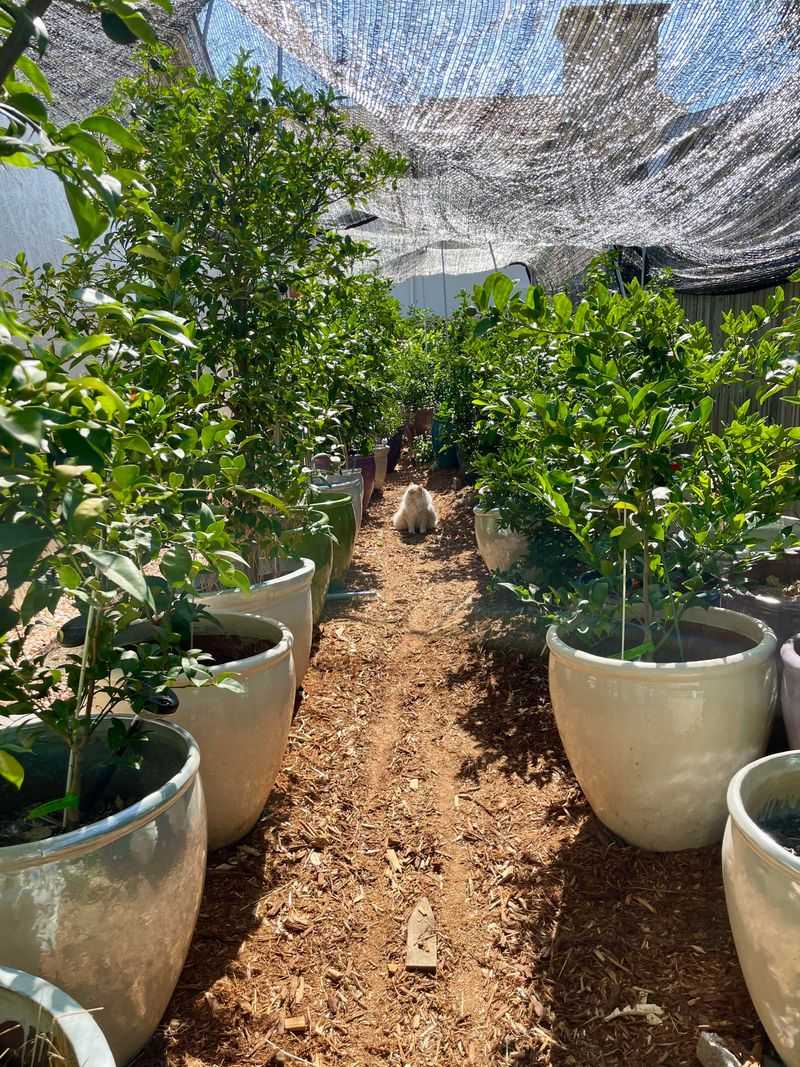
April weather in Texas can be unpredictable in ways that catch even experienced gardeners off guard.
While daytime temperatures might feel warm and summery, cool fronts can still push through the state and drop nighttime temperatures low enough to stress young citrus trees that are actively growing.
New growth flushes are especially tender and can be damaged by unexpected cold more easily than mature, hardened foliage.
Young trees that are less than three years old are particularly worth monitoring during this period because they have not yet developed the root depth or canopy mass that helps buffer older trees against temperature swings.
Keeping a lightweight frost cloth or row cover nearby through mid-April is a reasonable precaution in many parts of Texas, especially in central and northern areas of the state where cold fronts linger longer into spring than they do along the Gulf Coast.
Container-grown citrus trees have an advantage here since they can be moved under a covered patio or into a garage on nights when temperatures are expected to dip.
For in-ground trees, wrapping the trunk loosely with cloth and covering the canopy on cold nights can offer meaningful protection.
Once temperatures stabilize consistently in the upper range through the night, you can set aside the protective coverings and focus on preparing the tree for the heat that follows.
Staying aware of local forecasts in April is one of the simplest and most effective tools a Texas citrus grower has.