Native Pennsylvania Shrubs That Thrive In Front Yards When Planted In Spring
There is something satisfying about a front yard that looks full and settled without needing constant attention.
In Pennsylvania, spring planting gives shrubs the kind of start that helps them establish before summer heat and winter cold take their turn.
Native shrubs tend to handle those seasonal shifts better than most. They are already adapted to local soil, rainfall, and temperature swings, which means they settle in faster and stay healthier with less effort over time.
The right choices can shape the entire look of a front yard, adding structure, seasonal color, and even support for local wildlife. Some stay compact, others grow into standout features, and a few quietly do both.
A handful of these reliable options can make a noticeable difference not long after planting.
1. Serviceberry That Brings Four Season Charm
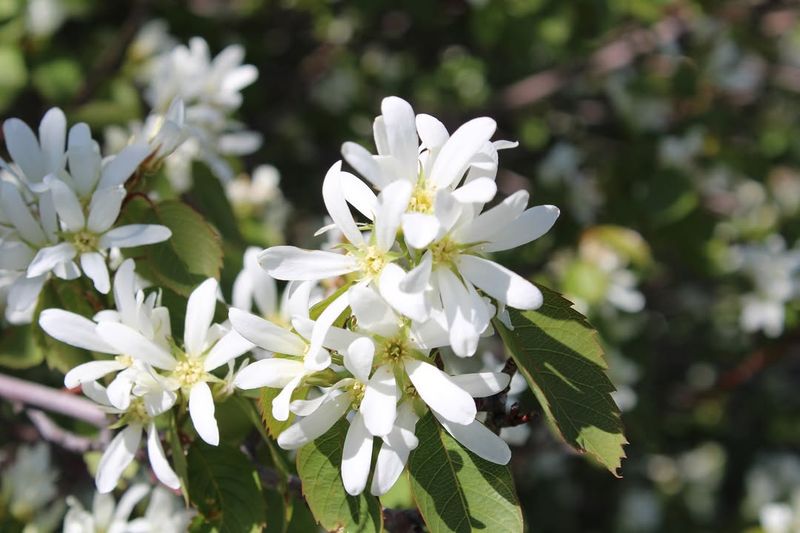
Few spring-blooming shrubs put on a show quite like Serviceberry. One of the earliest plants to flower in Pennsylvania, it bursts into clusters of delicate white blossoms before most other shrubs even wake up for the season.
That early bloom makes it an absolute standout in any front yard, catching the eye of neighbors and passersby alike.
Serviceberry, also called Amelanchier, is a true multitasker. After the flowers fade, it produces small reddish-purple berries that birds absolutely love.
You might find robins and cedar waxwings feasting in your yard all summer long. In autumn, the foliage shifts to warm shades of orange and red, giving you yet another round of color.
Planting Serviceberry in spring gives its roots plenty of time to settle before summer heat arrives. It grows well in full sun to partial shade and handles Pennsylvania’s varied soil types without complaint.
Mature plants reach anywhere from six to twenty feet tall, depending on the variety, so pick a spot with room to grow. Water it regularly during its first season, and after that, it largely takes care of itself.
2. Red Chokeberry That Packs In Color
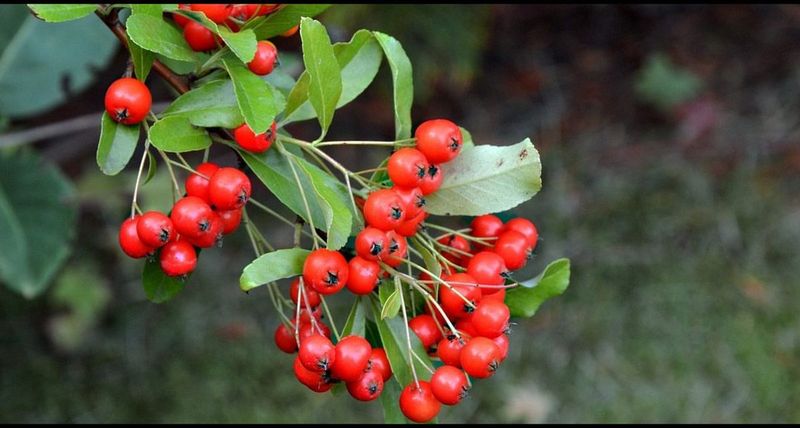
In spring, it opens up with clusters of small white flowers that attract early pollinators buzzing through Pennsylvania neighborhoods. Those blooms then give way to glossy red berries that hang on through summer and into fall, feeding local wildlife generously.
What really makes Red Chokeberry special is its fall foliage. The leaves turn a rich, fiery red that can stop traffic on a quiet suburban street.
Even after the leaves drop, the bright berries continue to cling to the branches, offering food for birds through the colder months. It is a plant that keeps giving long after its initial spring planting.
Aronia arbutifolia adapts well to many conditions found across Pennsylvania, including wet or poorly drained soils that other shrubs struggle with. It tolerates partial shade but puts on its best display in full sun.
Planted in spring, it establishes quickly and can reach six to ten feet tall at maturity. Group several together for a dramatic hedge effect, or use one as a bold focal point near your front walkway.
3. Black Chokeberry That Works Hard Year Round
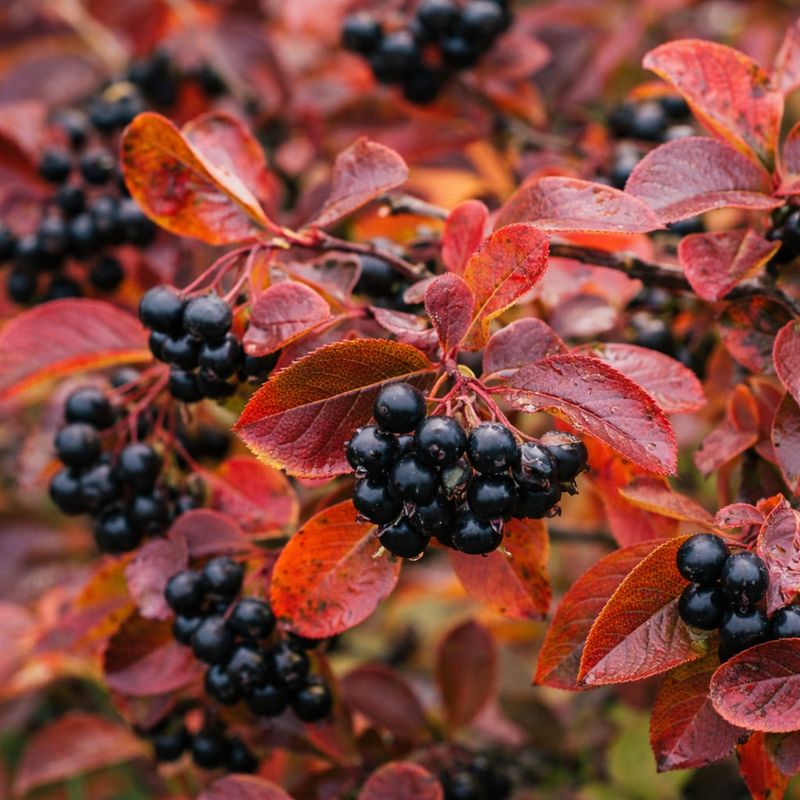
Despite its less flashy name, black chokeberry is one of the hardest-working native shrubs you can plant in a Pennsylvania front yard. Aronia melanocarpa is closely related to Red Chokeberry but tends to stay a bit more compact, usually topping out around three to five feet tall.
Your Pennsylvania Garden Changes Every Week. Your Plan Should Too.
Gardening in Pennsylvania changes quickly throughout the season. Every Friday you’ll receive a simple weekly plan showing exactly what to plant, prune, fertilize, harvest, and protect so you never miss the right timing.
That makes it a great choice for smaller yards or foundation plantings near your home’s entrance.
Spring planting gets this shrub off to a strong start. White flower clusters appear in May, drawing in bees and other pollinators that are essential to a healthy local ecosystem.
By late summer, clusters of deep black berries develop, and birds like bluebirds and thrushes cannot resist them. The berries are also packed with antioxidants, so they are popular in jams and juices for people who enjoy foraging.
One of the best things about Black Chokeberry is its toughness. Across Pennsylvania, it handles everything from soggy spring soil to dry summer spells with minimal complaint.
Fall color is another bonus, with leaves turning brilliant shades of red and purple before dropping. Low maintenance and high reward, this shrub earns its place at the front of any Pennsylvania home.
4. Buttonbush That Always Gets Noticed
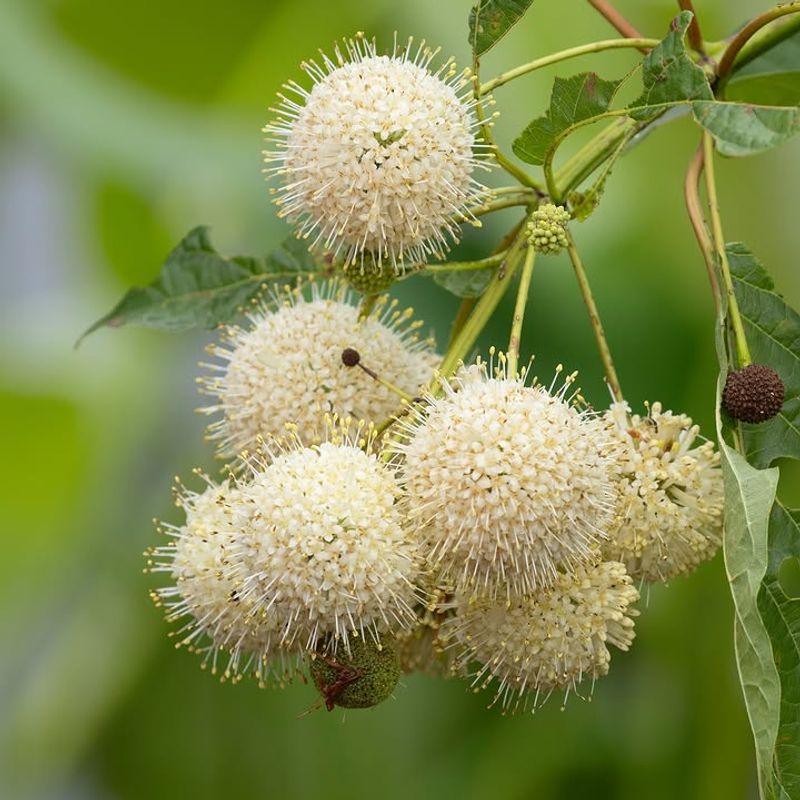
One look is often enough to make visitors stop and ask, what is that? Its flowers are unlike anything else growing in Pennsylvania front yards.
Round, white, and perfectly spherical, each bloom looks like a tiny firework frozen in time. They appear in mid to late summer and attract an impressive parade of butterflies, bees, and hummingbirds.
Cephalanthus occidentalis naturally grows along streams and pond edges across Pennsylvania, which means it thrives in wet or consistently moist soil. If your front yard has a low spot that stays damp after rain, Buttonbush is your answer.
Most other shrubs would struggle in those conditions, but Buttonbush genuinely prefers them. Plant it in spring so it can spread its roots before summer’s heat settles in.
Beyond its quirky flowers, Buttonbush offers round seed heads that persist into winter, providing food for ducks and other waterfowl. It grows well in full sun to partial shade, reaching six to twelve feet tall if left unpruned.
You can keep it more compact with occasional trimming after flowering. For Pennsylvania homeowners with challenging wet areas in the front yard, Buttonbush turns a problem spot into a genuine showpiece that neighbors will admire.
5. Winterberry That Brightens The Cold Months
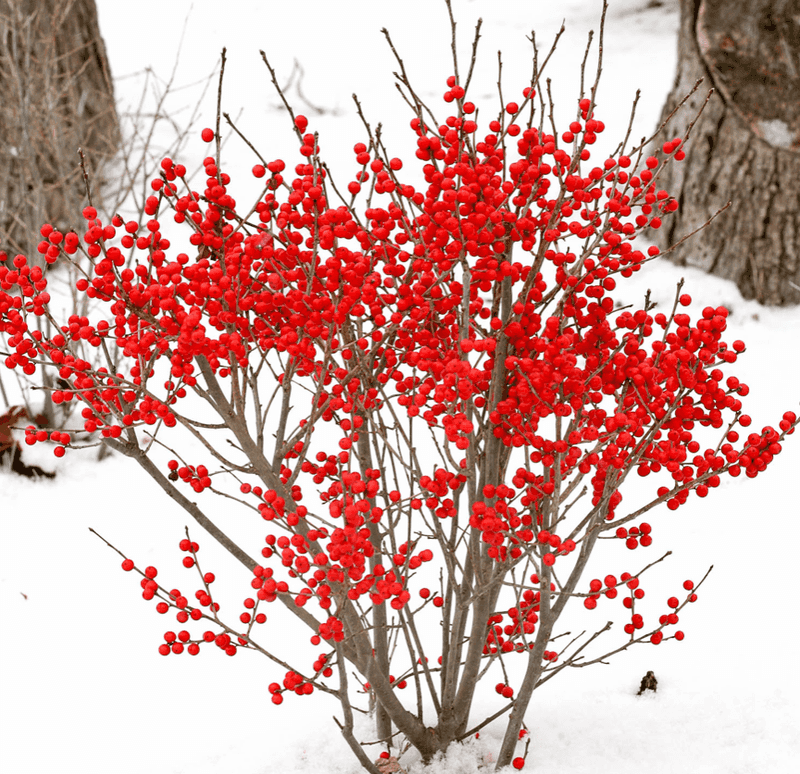
Walk through any Pennsylvania neighborhood in December and you will understand why Winterberry is so beloved. Long after most plants have gone to sleep for the winter, Ilex verticillata bursts with clusters of vivid red berries that practically glow against bare branches and snow.
It is one of the most striking sights a front yard can offer during the grey winter months.
Winterberry is a native holly that drops its leaves in fall, unlike its evergreen cousins. But losing the foliage is actually the point, because it reveals those brilliant berries in all their glory.
Birds like cedar waxwings, robins, and bluebirds flock to Winterberry plants throughout winter, turning your front yard into a lively feeding station when food is hardest to find.
To get berries, you will need at least one male plant nearby to pollinate your female plants. A single male can pollinate several females within a reasonable distance, so plan accordingly when shopping for plants.
Winterberry loves moist, slightly acidic soils common in many parts of Pennsylvania and tolerates full sun to partial shade. Plant it in spring, keep it watered through its first growing season, and by winter you will have a front yard display that looks like it belongs on a holiday card.
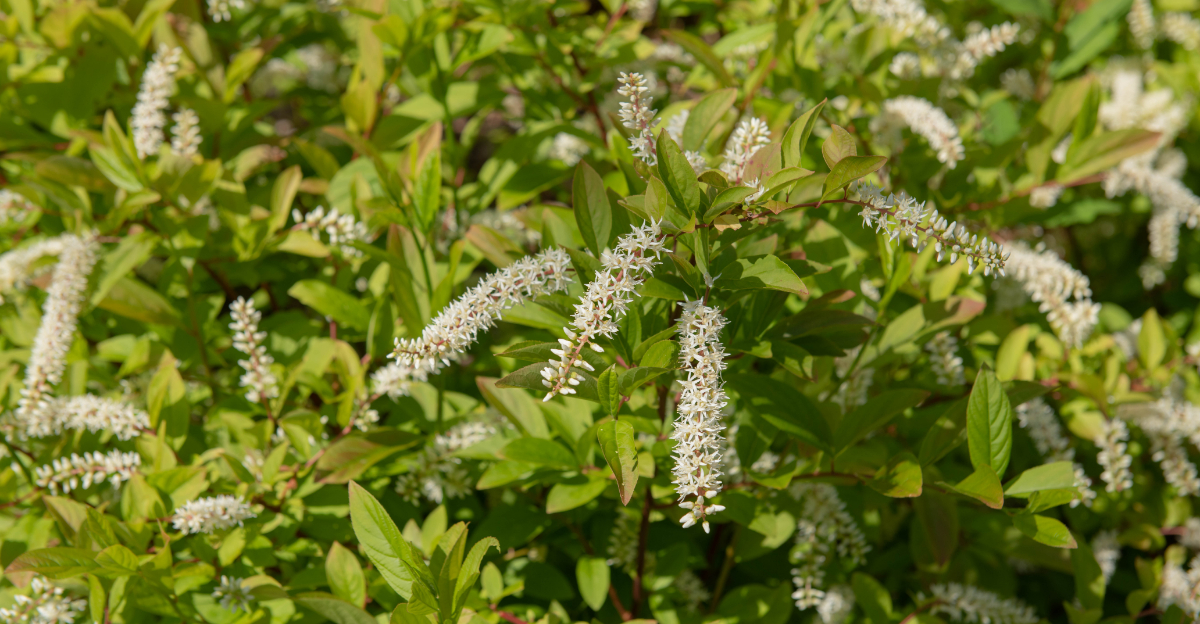
6. Virginia Sweetspire That Adds Graceful Color
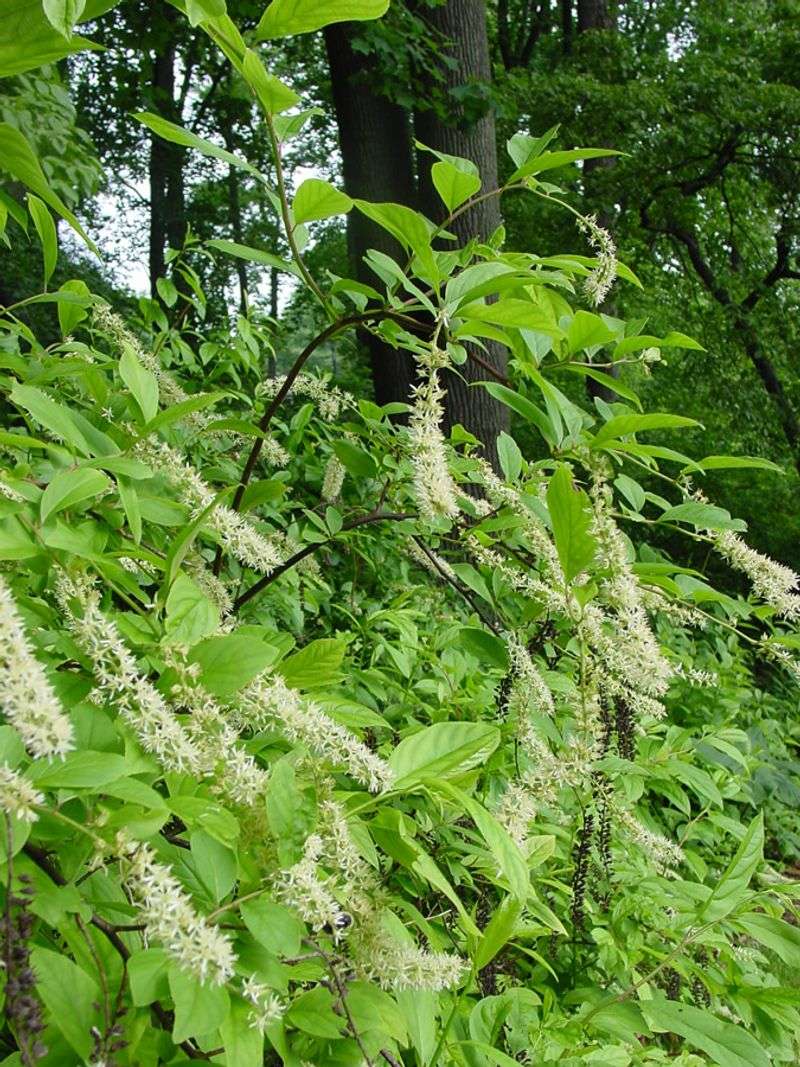
There is something almost elegant about Virginia Sweetspire. When it blooms in late spring and early summer, it produces long, arching clusters of tiny white flowers that drape gracefully from the branch tips.
The fragrance is sweet and noticeable without being overpowering, making it a pleasure to walk past on your way to the front door.
Itea virginica is a standout performer across Pennsylvania because it adapts to a wide range of conditions. It handles both wet and moderately dry soils, full sun and partial shade.
That flexibility makes it useful in spots where other shrubs might struggle. It works beautifully as a foundation planting, a border shrub, or even a specimen plant placed where its arching form can be fully appreciated.
Fall color is another reason Pennsylvania gardeners love this shrub. The foliage turns shades of red, orange, and burgundy that rival many maples and oaks.
Virginia Sweetspire tends to spread gradually by suckers, forming a loose colony over time that fills in nicely along a walkway or property edge. Plant it in spring, give it a little water during dry spells in its first year, and watch it reward you with beauty across every season.
7. Ninebark That Gives Texture And Toughness
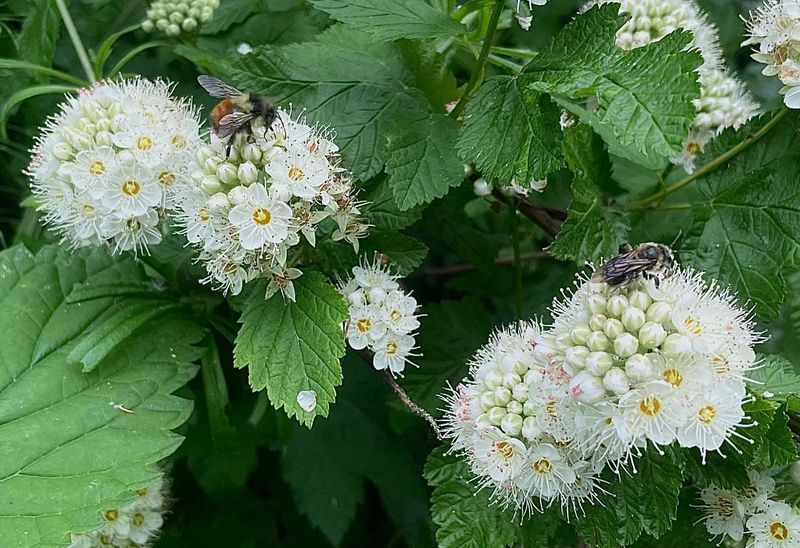
Ninebark gets its unusual name from its bark, which peels away in multiple thin layers to reveal warm cinnamon and amber colors underneath. Even in winter when it is bare, Physocarpus opulifolius brings interesting texture to a Pennsylvania front yard.
That year-round visual interest is hard to find in a single plant, and it is one of the main reasons this native shrub has become so popular with homeowners.
In late spring, Ninebark covers itself in rounded clusters of white or soft pink flowers that bees absolutely love. The blooms give way to reddish seed capsules that add another layer of texture through summer.
Foliage varieties range from deep burgundy to bright chartreuse, so you can choose a color that complements your home’s exterior perfectly.
Ninebark is remarkably tough. Across Pennsylvania, it handles poor soils, drought conditions, and both full sun and partial shade without skipping a beat.
It grows quickly, reaching six to ten feet tall in most conditions, and responds well to pruning if you want to keep it compact. Spring planting allows it to push out strong new growth before summer.
For a low-fuss, high-impact shrub that looks great in any season, Ninebark is hard to beat.
8. Spicebush That Feels Right At Home
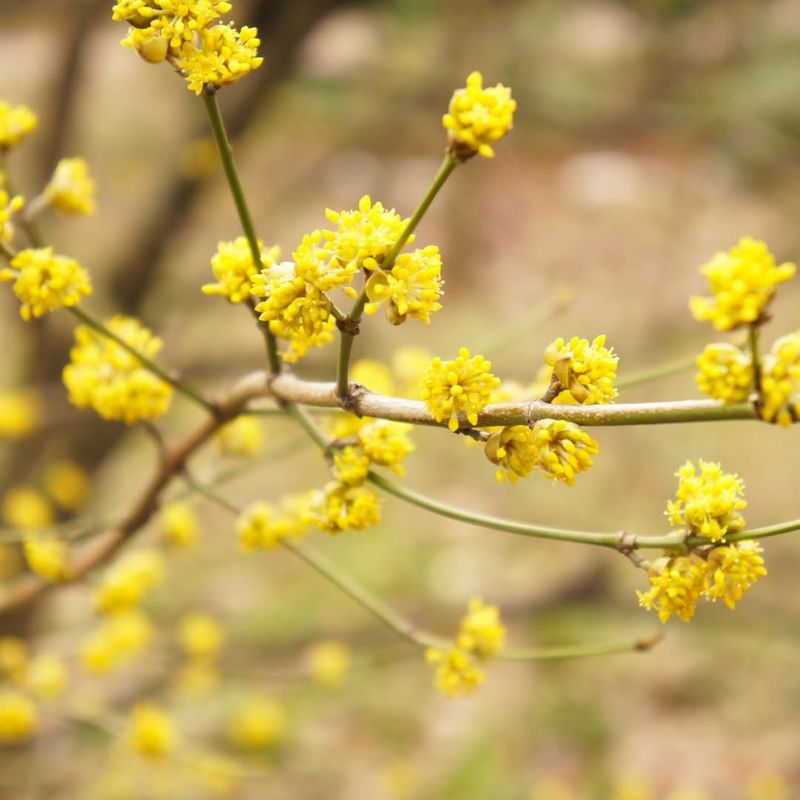
Crush a leaf from Spicebush and you get an immediate hit of spicy, citrusy fragrance that is completely unforgettable. Lindera benzoin has been part of Pennsylvania’s native landscape for centuries, growing along woodland edges and stream banks throughout the state.
It is one of the first shrubs to flower each spring, producing tiny clusters of bright yellow blooms before a single leaf has unfurled.
That early bloom makes Spicebush incredibly valuable to early-emerging pollinators like native bees and butterflies that need food sources right away. Female plants produce glossy red berries in fall that are a favorite food of migratory birds, especially wood thrushes and veeries.
Some people even use the dried berries as a spice, similar to allspice, which makes this shrub genuinely useful beyond its good looks.
Spicebush is the host plant for the Spicebush Swallowtail butterfly, one of Pennsylvania’s most beautiful native butterflies. Planting it in your front yard could mean watching those stunning blue-green butterflies fluttering around all summer.
It thrives in partial to full shade and moist soil, making it ideal for shadier front yards. Spring planting gives it time to establish before summer, and it rarely needs much attention after its first growing season.
9. American Elderberry That Grows With Purpose
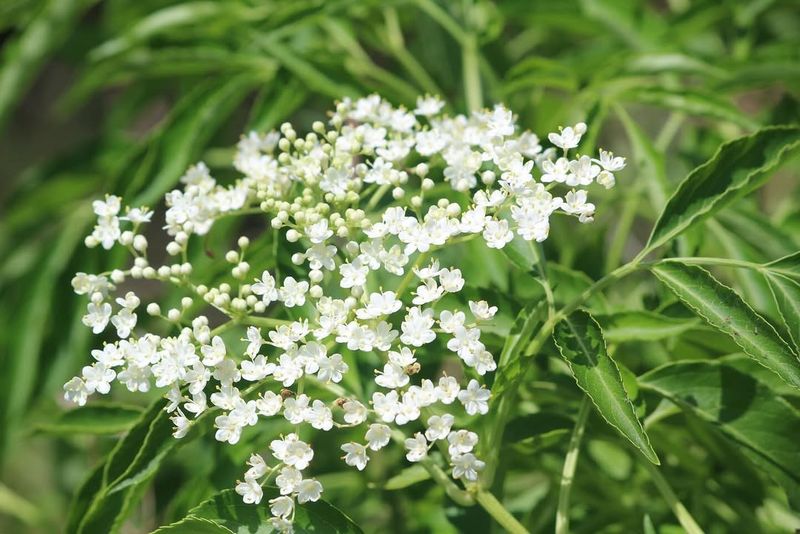
With such a familiar presence, American elderberry feels like it has been part of Pennsylvania forever, and in many ways it has. Sambucus canadensis grows naturally along roadsides, field edges, and stream banks throughout the state, and it brings that same easygoing energy to a front yard planting.
It grows quickly, which means spring-planted shrubs can put on noticeable growth by the end of their first growing season.
The flowers are spectacular. In late spring to early summer, enormous flat-topped clusters of creamy white blooms appear, each one buzzing with pollinators from morning to evening.
Those flowers are also edible and popular for making elderflower cordial and lemonade. By late summer, the flowers transform into heavy drooping clusters of dark purple-black berries that birds go absolutely wild for, and that people use for jams, syrups, and wellness remedies.
American Elderberry grows best in full sun and moist soil, though it adapts to a variety of conditions found across Pennsylvania. It can get large, sometimes reaching ten feet tall or more, so give it space to spread.
Planting two or more shrubs nearby improves berry production significantly. For Pennsylvania homeowners who want a fast-growing, wildlife-friendly native shrub that also provides edible harvests, American Elderberry is a fantastic spring planting choice.
10. Arrowwood Viburnum That Delivers Through The Seasons
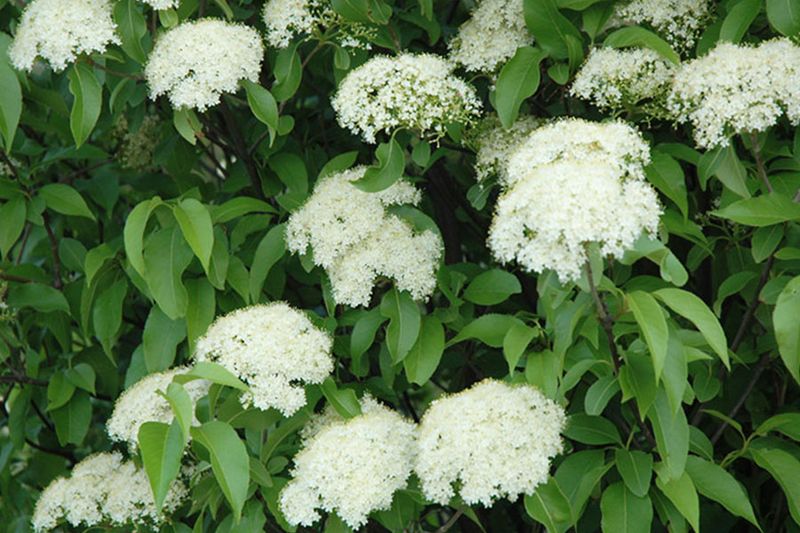
Known as a reliable, all-season performer, arrowwood viburnum is one of those shrubs Pennsylvania gardeners keep coming back to. Viburnum dentatum earned its common name because Native Americans historically used its straight young stems to make arrow shafts.
Today, it earns its place in front yards by delivering beautiful white flower clusters in spring, blue-black berries in summer, and striking red-purple fall foliage all in one package.
The spring flowers are a magnet for native bees and butterflies, making Arrowwood Viburnum a real contributor to local ecosystems. By late summer, the berry clusters ripen and attract over 35 species of birds, including thrushes, bluebirds, and robins that rely on high-fat berries to fuel their fall migration.
Watching that kind of wildlife activity from your front porch is genuinely rewarding.
Adaptability is another major selling point for this shrub. Across Pennsylvania, it grows in full sun to full shade and handles a range of soil types from dry to moist.
It typically reaches six to ten feet tall and wide, forming a dense, rounded shape that works well as a privacy screen or foundation planting. Spring planting helps it establish a strong root system before fall, setting it up for years of dependable, low-maintenance beauty in your Pennsylvania front yard.