What To Do With Your Red Mexican Bird of Paradise In Arizona Before Summer Hits
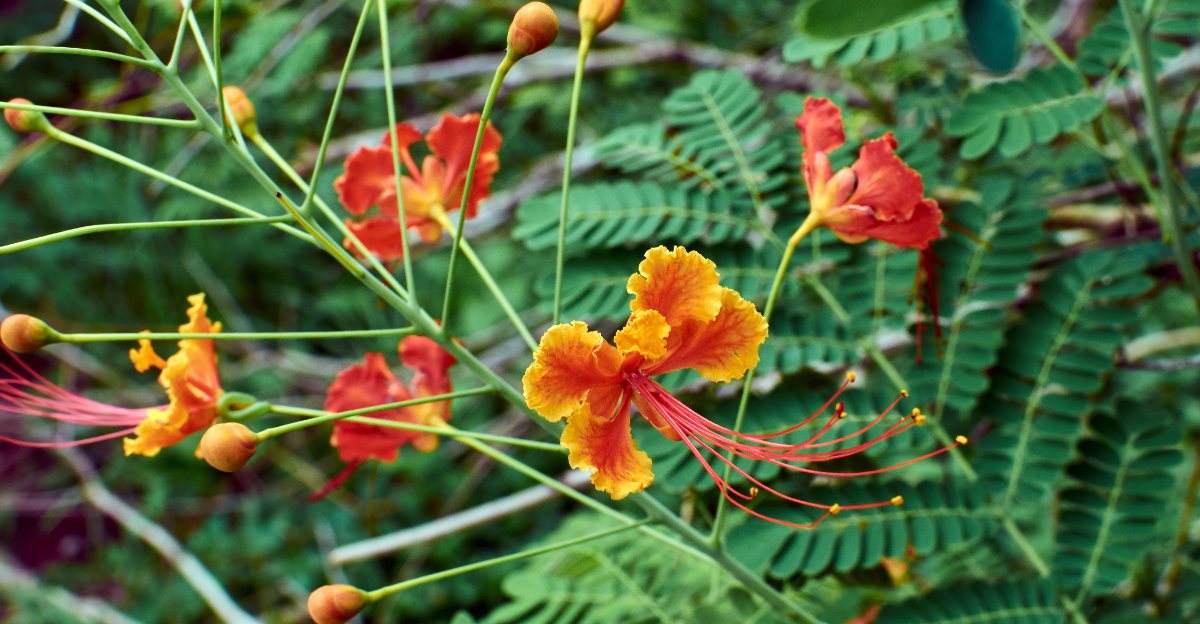
Red Mexican bird of paradise can look strong and full in Arizona right before summer, which makes it easy to assume it will keep that same pace through the hottest stretch.
Then the heat builds, growth slows, and the plant does not always respond the way people expect. That shift can feel confusing, especially when everything seemed on track just weeks earlier.
This plant handles desert conditions well, but timing still plays a big role in how it performs once temperatures climb.
What happens before that intense heat settles in often shapes how much color, growth, and structure it holds later on.
A few simple choices at the right moment can make a noticeable difference, and catching that window early helps avoid the kind of setbacks that are hard to fix once summer fully takes over.
1. Keep It In Full Sun As Temperatures Rise
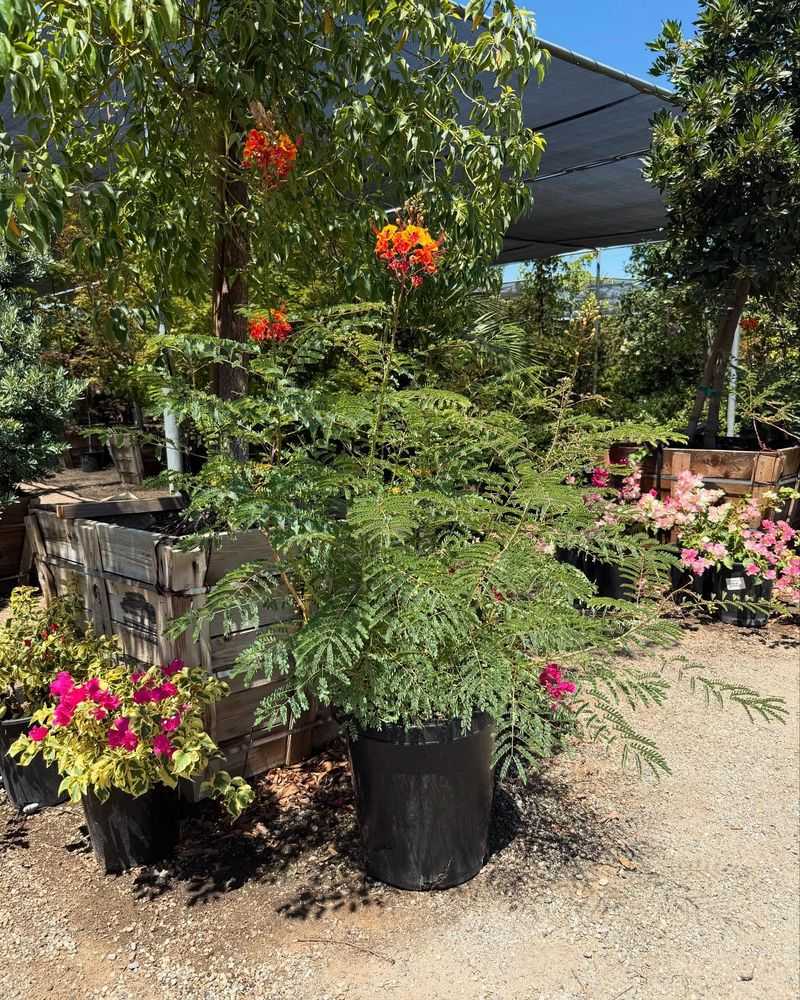
Full sun is not optional for this plant, it is the whole point. Red Mexican Bird of Paradise was built for open, blazing exposure, and Arizona gives it exactly that.
Pulling it into shade or planting it near a wall that blocks afternoon light will limit flowering and slow down growth in ways that are hard to reverse.
In Phoenix and Tucson, the sun gets intense fast once May rolls around. Plants that spent winter and early spring in partial shade often struggle to adjust when summer heat peaks.
Moving potted specimens into a fully exposed spot before summer arrives gives them time to acclimate gradually rather than getting shocked by sudden heat.
For plants already in the ground, take a look around the shrub. Are nearby trees or structures casting more shade than they did last year?
Trimming back overhanging branches now can open up light exposure without stressing the plant later in the season.
Full sun also helps the soil dry out between waterings, which matters a lot with this plant. Shaded soil stays wet longer, and that creates root problems over time.
A spot that gets at least six to eight hours of direct sunlight daily is ideal across most of Arizona.
2. Water Deeply But Let Soil Dry Between Watering
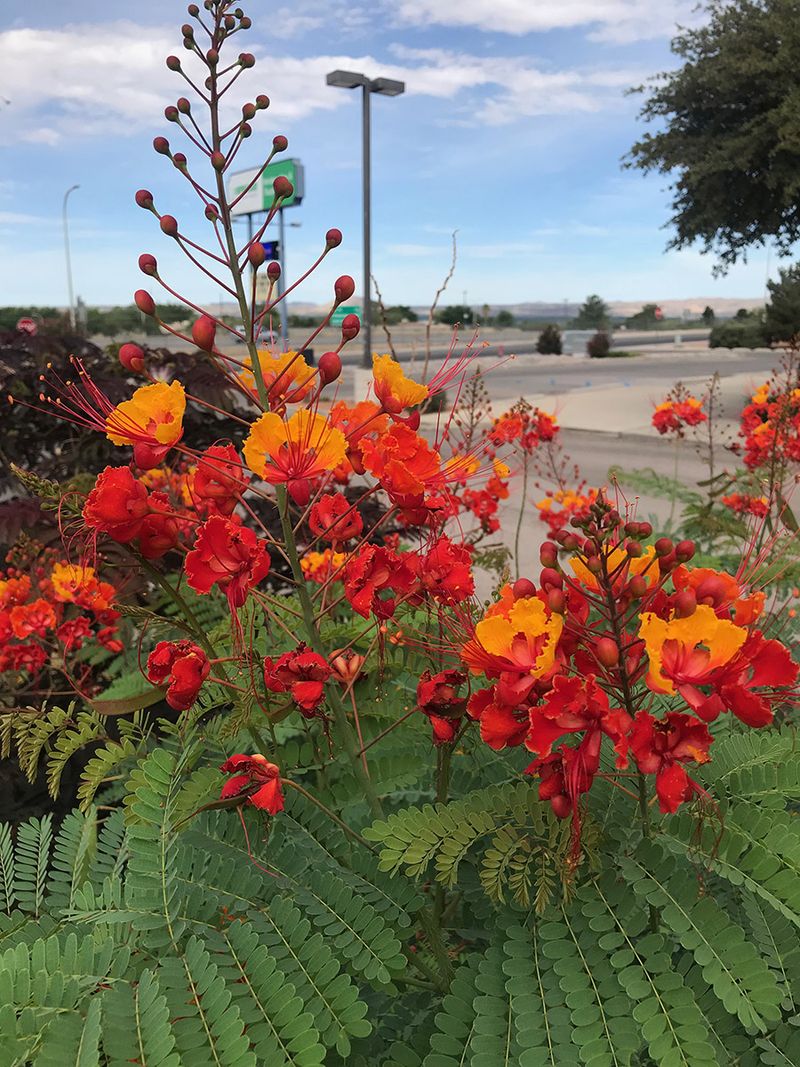
Shallow watering is one of the most common mistakes Arizona gardeners make with this plant. Sprinkling the surface a little every day keeps roots near the top of the soil where they are vulnerable to heat.
Deep, infrequent watering pushes moisture down and encourages roots to follow it lower into the ground.
As temperatures climb toward summer in places like Mesa or Scottsdale, watering frequency should increase, but the method matters more than the schedule.
A good deep soak every five to seven days is a reasonable starting point, though actual needs vary depending on your soil type, how much direct heat the plant receives, and whether it is newly planted or established in the ground.
Between waterings, the soil should dry out noticeably. Stick your finger a few inches into the ground near the base of the plant.
If it still feels damp, wait another day or two before watering again. Overwatering is a real problem and leads to root rot, especially in heavier soils.
Your Arizona Garden Changes Every Week. Your Plan Should Too.
Gardening in Arizona changes quickly throughout the season. Every Friday you’ll receive a simple weekly plan showing exactly what to plant, prune, fertilize, harvest, and protect so you never miss the right timing.
Drip irrigation works well for this plant in Arizona because it delivers water slowly at the root zone. If you are using a drip system, check the emitters before summer to make sure they are working properly and positioned close enough to the base.
3. Make Sure Soil Drains Fast To Prevent Root Issues
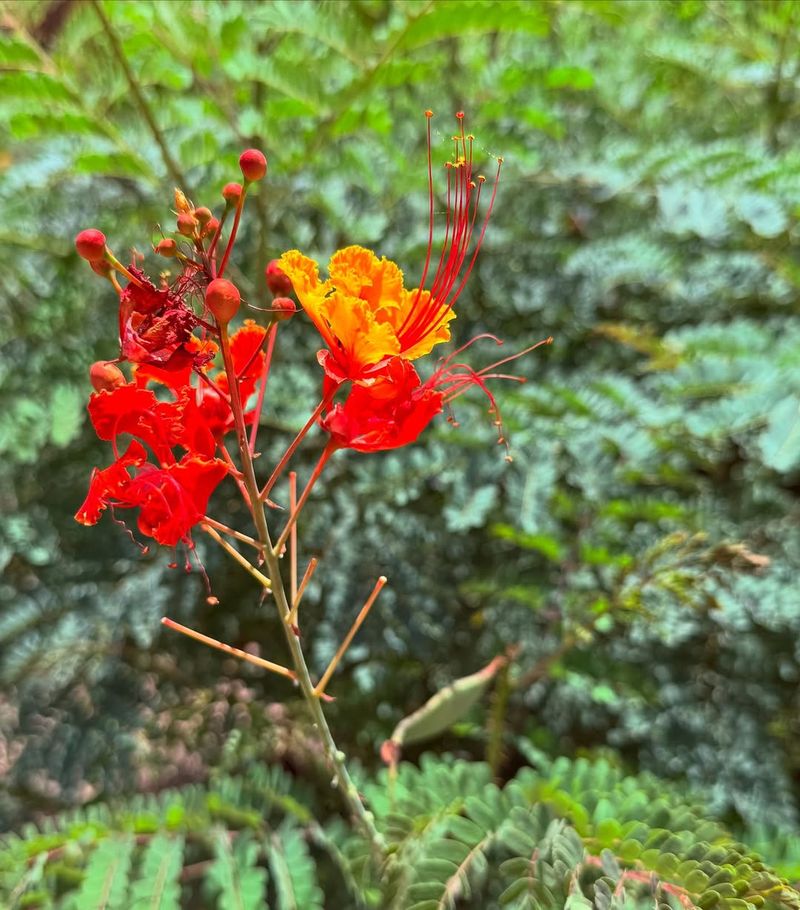
Soggy roots and Arizona summers are a bad combination. Red Mexican Bird of Paradise needs soil that moves water through quickly, and if yours does not, that is something worth fixing before the heat arrives.
Heavy clay soil holds moisture too long, and even with careful watering, roots sitting in wet ground can break down over time.
If you are in an area of Arizona with dense soil, mixing in coarse sand or decomposed granite before planting helps significantly.
For plants already in the ground, top-dressing with gravel around the base can improve surface drainage and reduce water pooling near the crown of the plant.
A simple way to check drainage is to dig a hole about a foot deep, fill it with water, and watch how fast it drains. If the water is still sitting there after an hour, drainage is likely too slow for this plant.
Raised beds or mounded planting areas are a practical fix in those situations.
Across Tucson and Phoenix, many yards have compacted soil from years of foot traffic or construction. Breaking up compaction with a fork or aerating tool around the drip line of the plant can help water move more freely without completely disturbing the root zone.
4. Prune Lightly To Shape And Encourage New Growth
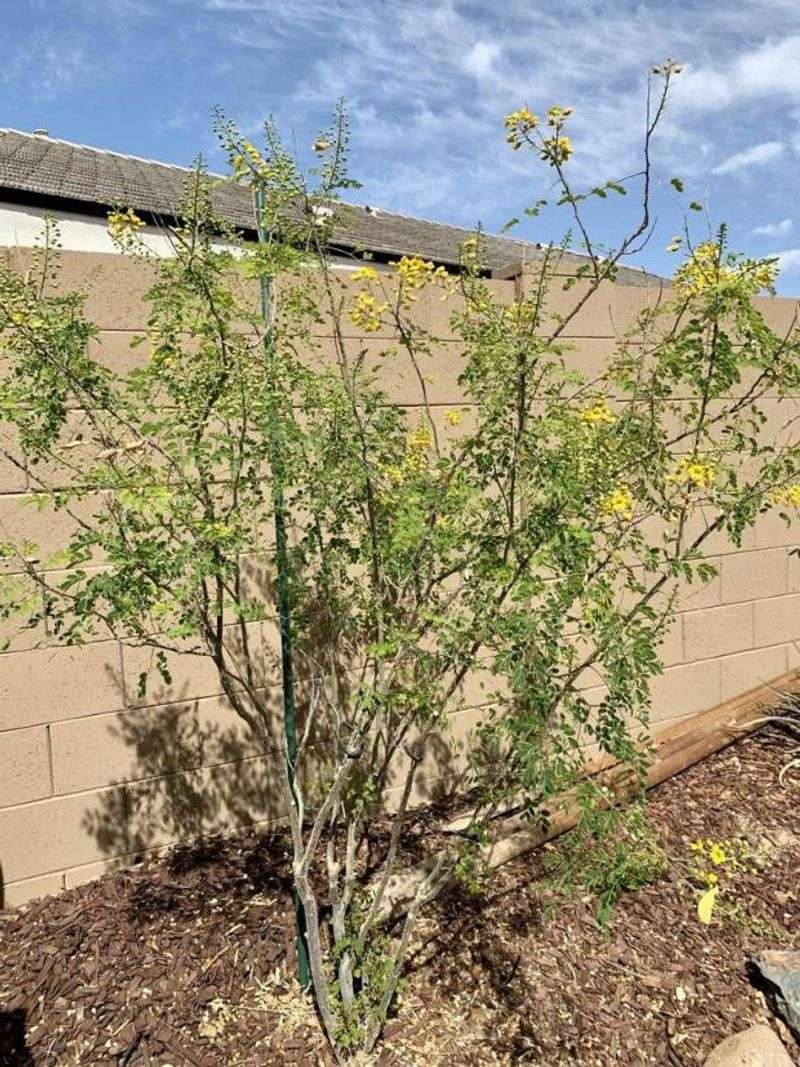
Spring pruning on this plant is less about cutting hard and more about cleaning things up. By late winter or early spring in Arizona, you can see which stems came through the cooler months looking rough and which ones are already pushing new buds.
Light shaping helps control the overall size too. Left completely alone, Red Mexican Bird of Paradise can get quite large and sprawling.
A few strategic cuts now keep it from overtaking a walkway or crowding nearby plants before summer growth kicks into high gear.
Avoid the temptation to prune heavily once temperatures start climbing. Hard cuts in late spring stress the plant right when it needs all its energy for flowering and heat tolerance.
Stick to light maintenance now and let it run through the summer with minimal interference.
When trimming, use clean, sharp pruners. Ragged cuts take longer to heal and can invite pests or disease.
Wiping blades with rubbing alcohol between plants is a good habit, especially if you are moving around the yard working on multiple shrubs.
5. Feed Sparingly To Avoid Excess Leaf Growth
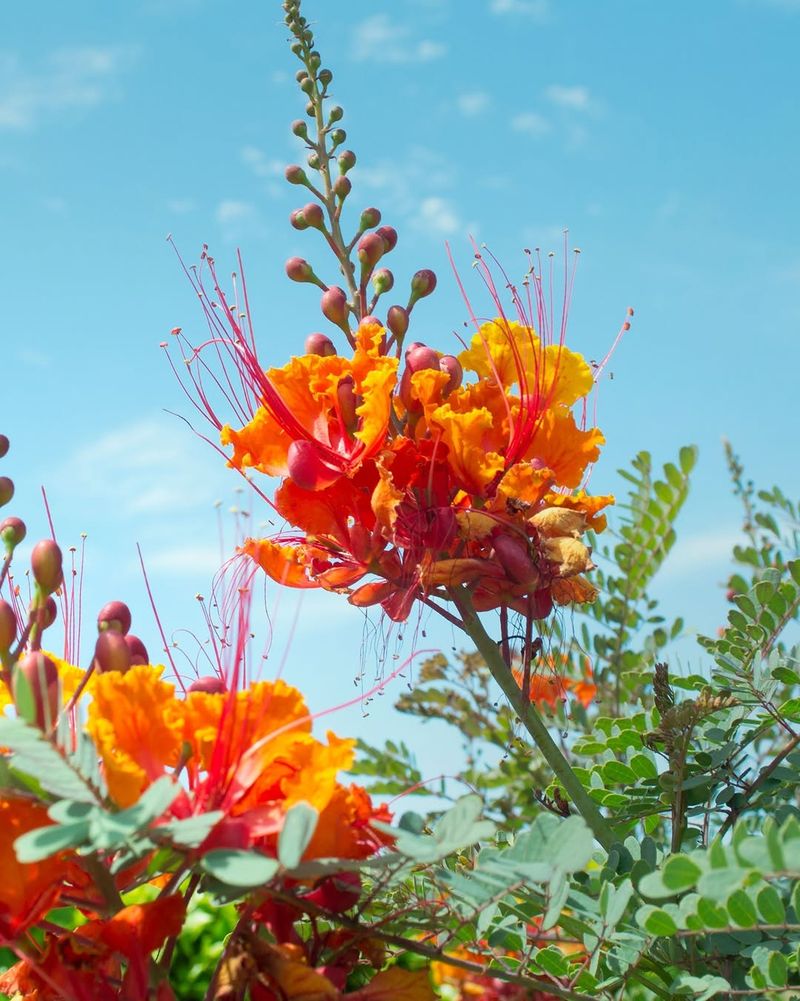
Fertilizer and desert plants have a complicated relationship. Red Mexican Bird of Paradise does not need much feeding, and overloading it with nitrogen before summer tends to push out a lot of leafy green growth at the expense of flowers.
More leaves might look impressive, but the plant performs better with a balanced, restrained approach to feeding.
A single application of slow-release or organic fertilizer in early spring is typically enough for the whole season in Arizona.
Granular products that release nutrients gradually over several months suit this plant well because they do not dump a concentrated dose all at once.
Liquid fertilizers applied frequently can push rapid growth that looks lush but does not hold up well under intense summer heat.
Phosphorus matters more than nitrogen for flowering. If you want to support bloom production heading into summer, look for a fertilizer with a moderate or higher middle number on the label.
Something balanced like a 10-10-10 or one leaning toward phosphorus works better than a high-nitrogen lawn formula.
Skip fertilizing once the real heat arrives. Feeding a plant that is already under heat stress does not help and can sometimes make things worse by pushing new growth that the plant cannot support.
Applying anything after late spring is generally not worth it until temperatures moderate again in fall.
6. Watch For New Growth As Heat Triggers Faster Development
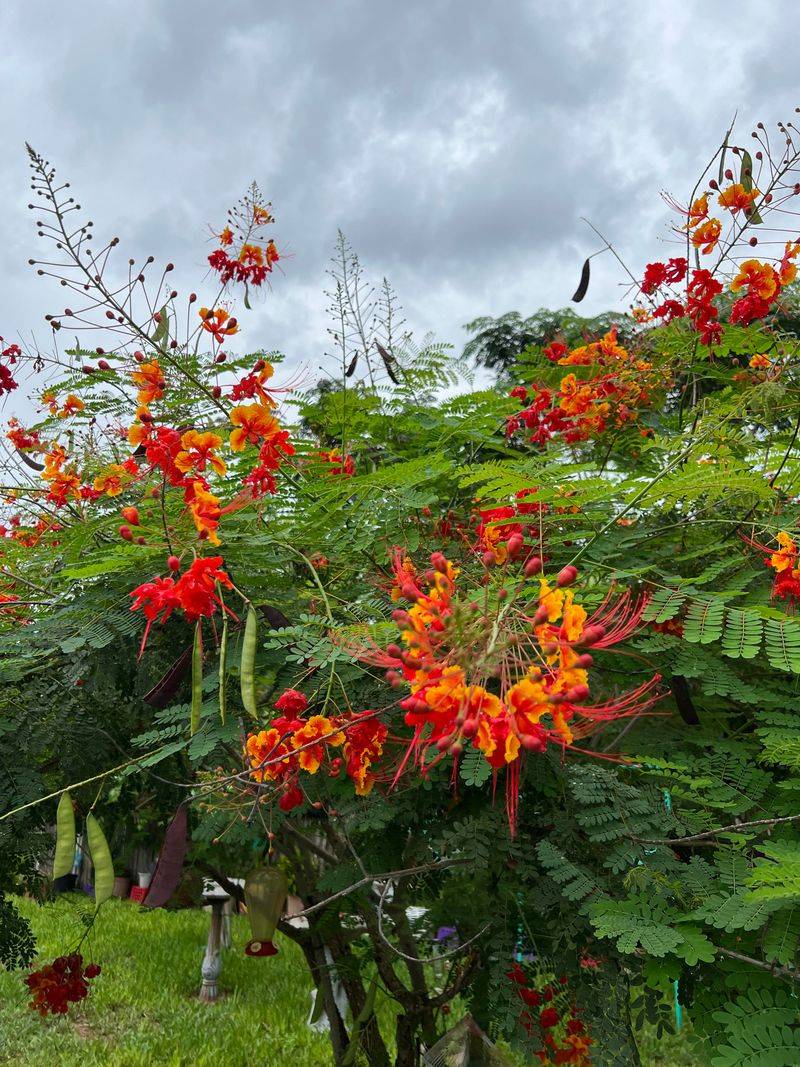
Something shifts with this plant once Arizona temperatures start pushing into the 90s consistently. Growth that was slow and steady through March and April suddenly accelerates in May.
New stems push out fast, buds form in clusters, and the whole plant seems to wake up with more urgency. Watching for that change tells you a lot about how the season is going.
New growth emerging from the base of the plant is a good sign heading into summer. It means the root system is healthy and the plant is responding well to warming soil temperatures.
If you notice new shoots coming up from the ground level, that is normal and healthy, not a problem that needs fixing.
Pay attention to the color of new leaves. Fresh growth should be a bright, clear green.
Yellowing on new leaves can point to an iron deficiency, which is fairly common in Arizona’s alkaline soils. A soil acidifier or chelated iron product applied in spring can help correct that before it gets worse through the summer.
Flower stalks usually start forming around the same time growth speeds up. Removing spent blooms as they fade encourages the plant to keep producing new ones rather than putting energy into seed development.
It is a small habit that adds up over the course of the season.
7. Protect Young Plants From Strong Desert Wind
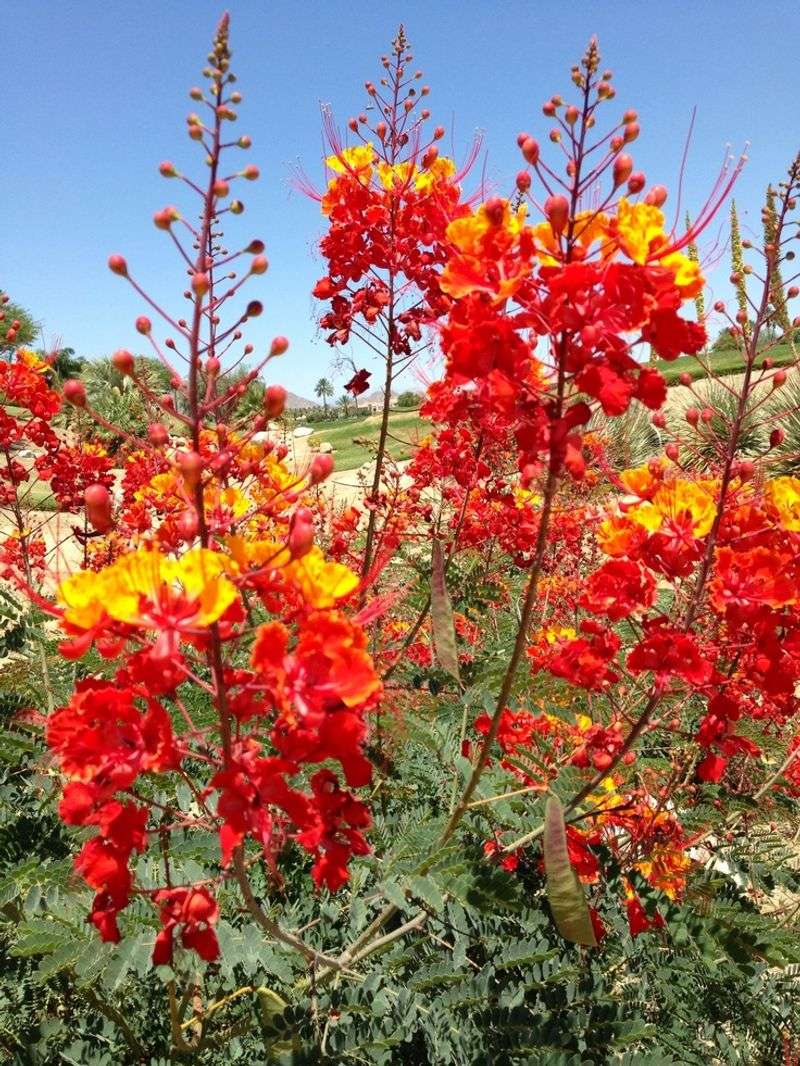
Wind in Arizona does not always get the attention it deserves as a plant stressor. Before monsoon season arrives, dry, gusty conditions can pull moisture out of young plants faster than the roots can replace it.
A newly planted Red Mexican Bird of Paradise does not have the root depth yet to handle that kind of stress without some help.
Temporary wind barriers work well in exposed spots. A simple burlap screen staked on the windward side of the plant cuts down on desiccation without blocking sunlight.
You do not need anything elaborate, just something that reduces direct wind exposure during the first summer or two while the plant gets established in your Arizona yard.
Placement matters when you are choosing where to put a young plant. Spots near walls, fences, or larger established shrubs on the north or west side offer natural wind protection without creating shade problems.
Thinking about wind patterns in your specific yard before planting saves a lot of trouble later.
Mulching around the base of young plants helps too. A two to three inch layer of decomposed granite or bark mulch slows moisture loss from the soil surface and keeps root zone temperatures more stable during windy, hot days.
Keep mulch a few inches away from the stem itself to prevent moisture buildup at the crown.