This Flower Dominates Texas Gardens In April
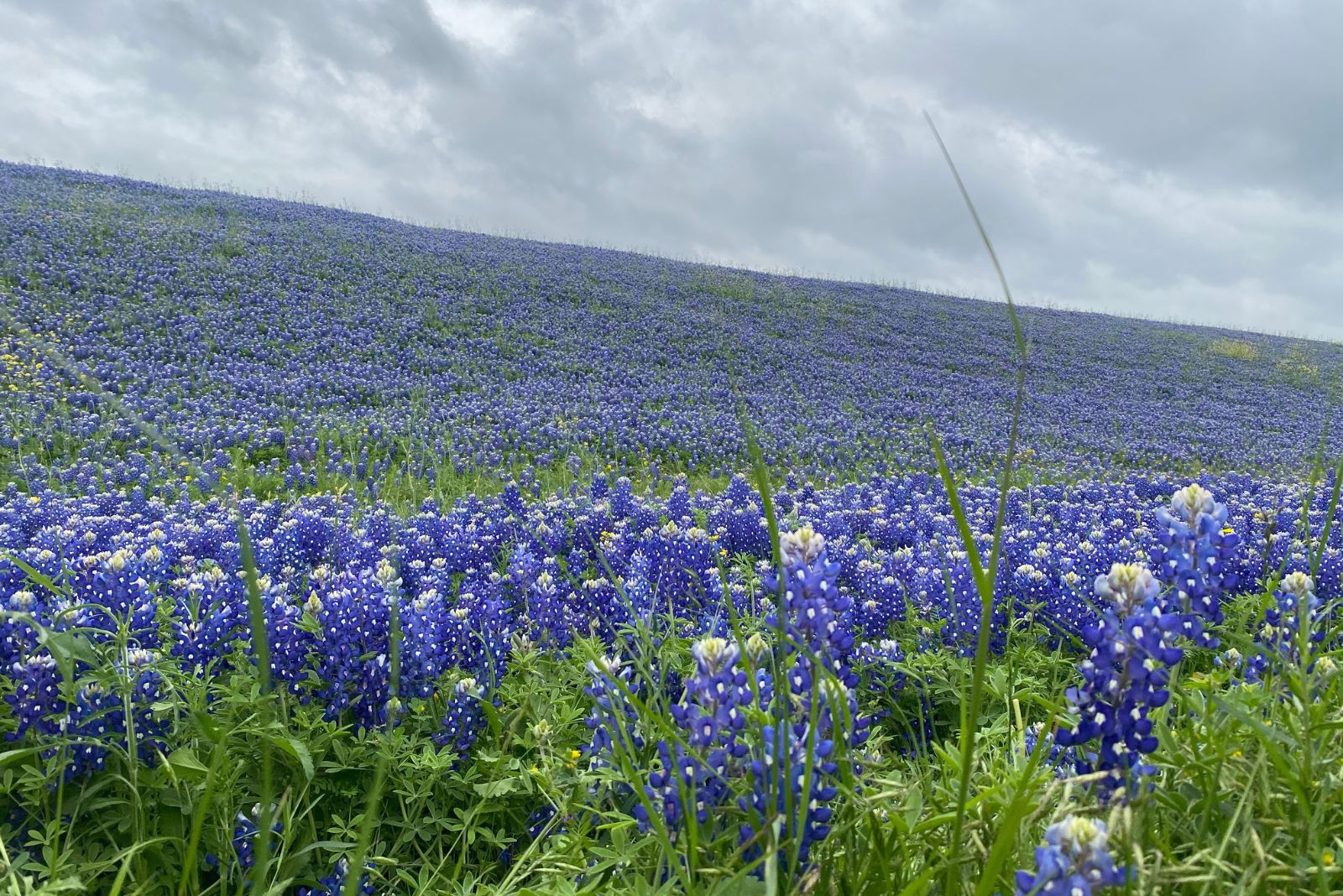
By the time April rolls around in Texas, one flower seems to take over everything in the best possible way. Roadsides light up, open fields start glowing with color, and suddenly entire stretches of the landscape look like they were painted on purpose.
It is the kind of seasonal display that stops people in their tracks and makes even a familiar drive feel a little special.
This flower is not just popular because it looks beautiful. It has become part of the Texas identity, showing up in photos, family outings, spring festivals, and memories that repeat year after year.
People wait for it, talk about where it is blooming best, and make time to enjoy it while it lasts. That kind of attention says a lot.
Bluebonnet easily earns its spotlight every April. It brings bold color, a sense of tradition, and a burst of excitement that feels tied to spring itself. In a state full of standout plants, this one still manages to steal the whole show.
Why Bluebonnets Take Over Texas In April
April in Texas feels different from anywhere else in the country. The air warms up just enough, the rains come at the right time, and suddenly the entire state seems to turn blue overnight.
Bluebonnets hit their peak bloom during April across much of Texas, and the timing is no accident.
These wildflowers are perfectly tuned to the state’s seasonal rhythm, germinating in fall and building strength all winter long before exploding into color when spring temperatures rise.
The bright blue blooms create some of the most recognizable spring scenes in the entire state. Highways through the Texas Hill Country become tourist destinations.
Families pull off the road just to walk through patches and take photos. Small towns near San Antonio, Austin, and Fredericksburg see visitors pour in every weekend just to witness the bloom.
It is one of those natural events that feels almost too beautiful to be real. Large displays of bluebonnets make them feel like they are everywhere at once. A single plant is lovely, but a field of thousands is genuinely jaw-dropping.
Because bluebonnets reseed naturally and spread aggressively in the right conditions, one good planting can turn into a massive display over just a few years.
Texas roadsides are often seeded intentionally by the Texas Department of Transportation, which helps explain why the blooms seem to pop up along every major highway.
The sheer scale of April bluebonnet season in Texas is unlike anything else in the gardening world, and that is exactly what makes them so dominant every single spring.
Why Texans Love Them So Much
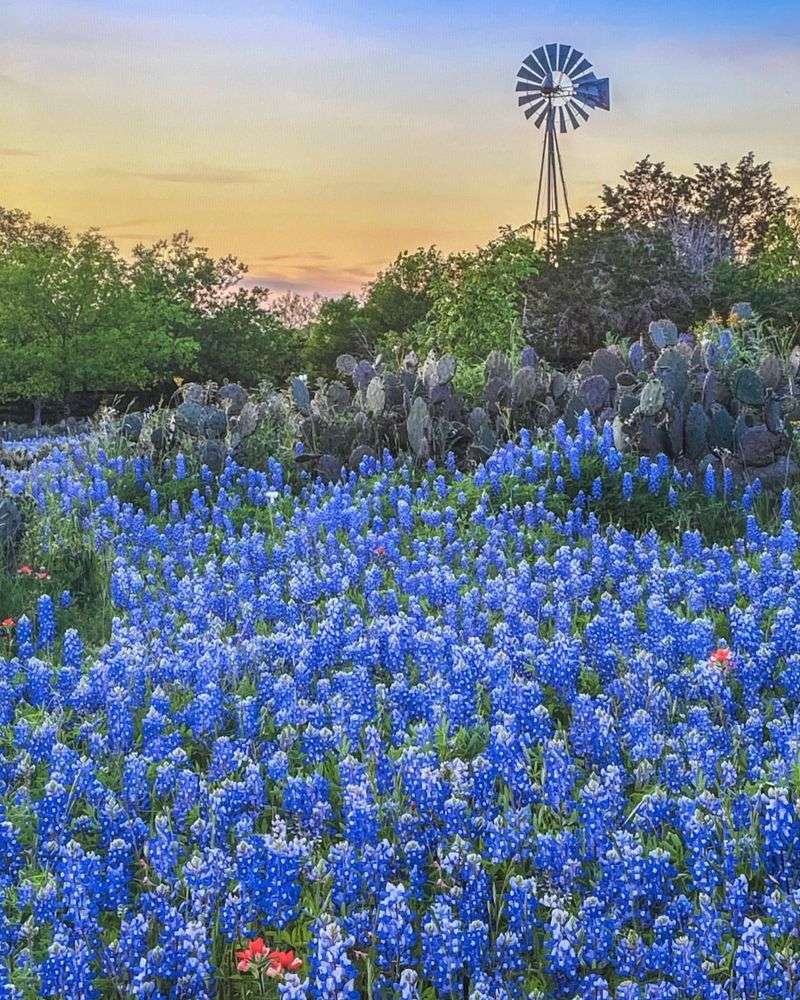
Ask any Texan about bluebonnets and you will likely get a smile right away. These flowers are not just wildflowers to the people of Texas.
They are a deeply personal symbol of home, spring, and belonging. Designated as the official state flower back in 1901, the bluebonnet has had over a century to work its way into the hearts of Texans everywhere.
Your Texas Garden Changes Every Week. Your Plan Should Too.
Gardening in Texas changes quickly throughout the season. Every Friday you’ll receive a simple weekly plan showing exactly what to plant, prune, fertilize, harvest, and protect so you never miss the right timing.
Generations of families have taken the same bluebonnet photos in the same fields, passing the tradition down like a family recipe.
Their color stands out in a really powerful way after a long, dull winter. When everything has been brown and grey for months, that first pop of deep blue and violet feels like a celebration.
Texans genuinely look forward to it every year. Social media fills up with bluebonnet photos every April, and local news stations track peak bloom locations like they are reporting on a major event.
That level of excitement says a lot about how deeply this flower is tied to Texas identity.
Many gardeners across the state see bluebonnets as a must-have wildflower for any spring garden. They are not just planting them because they are pretty, though they absolutely are.
They plant them because it feels like the right thing to do in Texas. There is a sense of pride that comes with a healthy patch of bluebonnets in your front yard. Neighbors stop to admire them. Strangers ask if they can take photos.
In a state known for big personalities and strong traditions, the bluebonnet fits right in as a flower that commands attention and affection in equal measure.
Where Bluebonnets Make The Biggest Impact
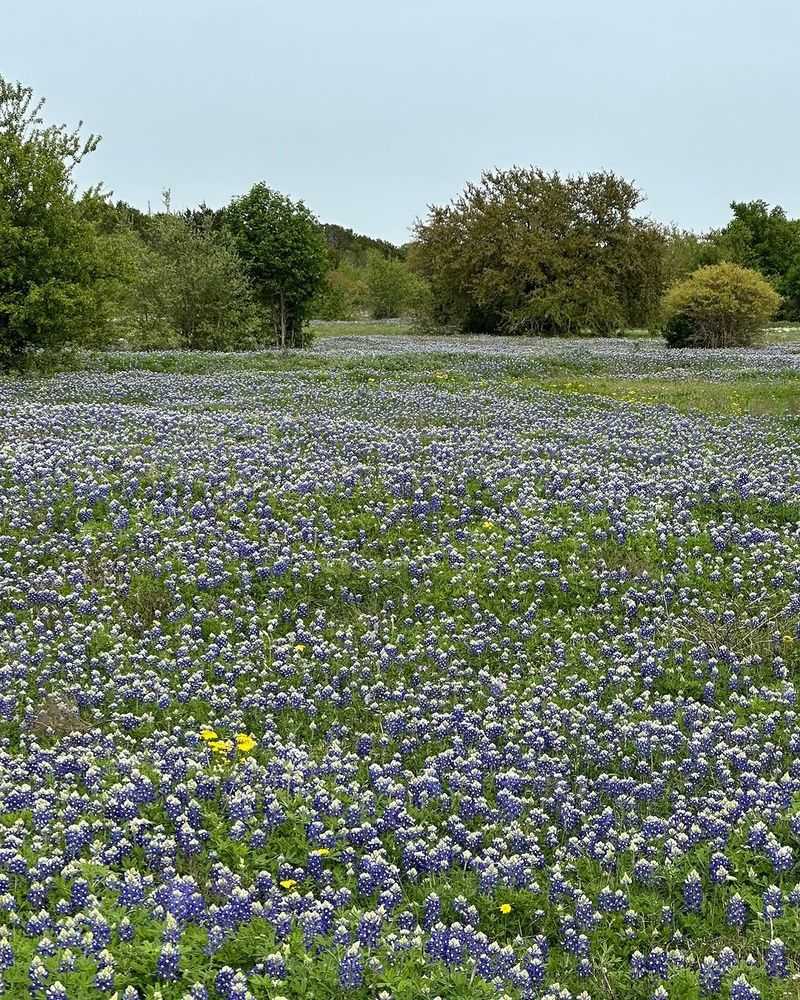
Roadsides and open fields are where bluebonnets truly shine. The Texas Department of Transportation has been seeding highway medians and shoulders with bluebonnets for decades, turning ordinary commutes into scenic drives every April.
Routes like Highway 290 between Austin and Fredericksburg are legendary during peak bloom. Drivers slow down, windows go down, and the whole experience of traveling through Texas changes when the blue starts rolling in on both sides of the road.
Front-yard wildflower beds are another place where bluebonnets make a serious statement.
Homeowners across Central Texas, the Hill Country, and even parts of South Texas near San Antonio have replaced traditional grass borders with wildflower mixes anchored by bluebonnets.
The result is a front yard that looks like a painting in April. Neighbors take notice, and the flowers attract bees and butterflies that help the whole neighborhood feel more alive during spring.
Naturalized landscapes and large sunny spaces may be where bluebonnets have the most dramatic impact of all. When given room to spread across an open acre or a sloping hillside, they create a carpet of color that can be seen from a distance.
Texas ranches and rural properties often feature naturalized bluebonnet patches that have been growing for years without much help. These large-scale displays are what give April in Texas its legendary reputation.
Whether you are passing through on a road trip or tending a wildflower patch in your own backyard, the visual power of bluebonnets in full bloom is hard to overstate. They simply transform the landscape in a way few other flowers can.
What Makes Them So Visually Dominant
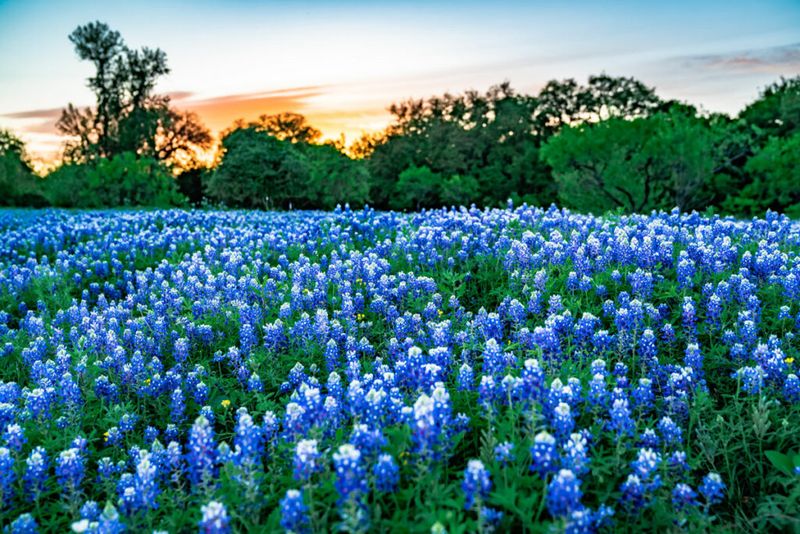
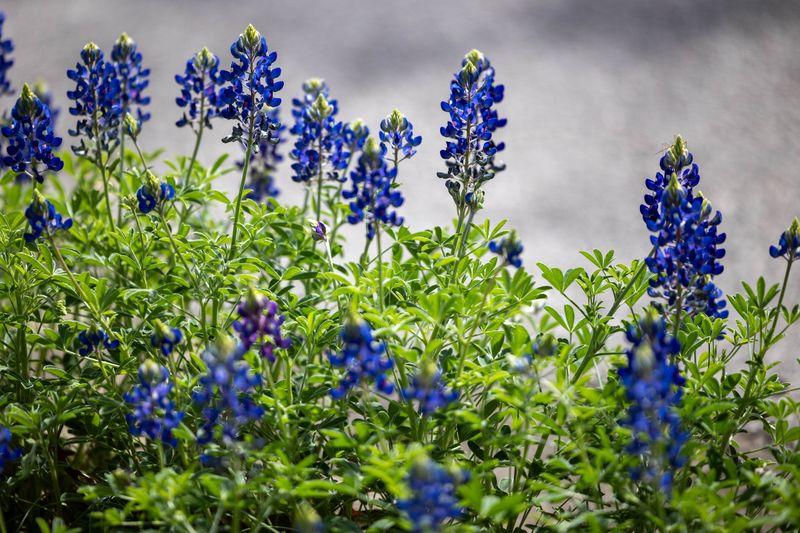
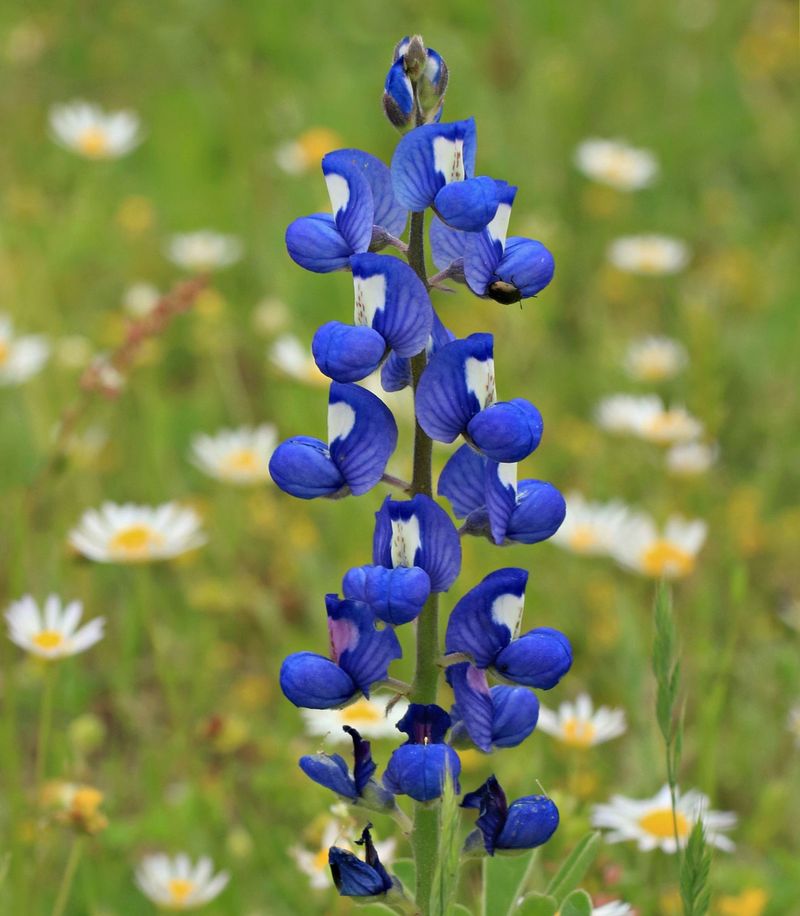
Bold blue flower spikes are the first thing you notice about bluebonnets. Each plant sends up several tall, upright stems covered in tightly packed blossoms that range from deep indigo to bright violet-blue with a small white tip.
That color combination is almost impossible to miss. In a world full of pink, yellow, and white spring flowers, the blue of a bluebonnet is genuinely rare and striking. It catches the eye from across a field and draws you in for a closer look every single time.
The mass planting effect is what really turns bluebonnets into a landscape-dominating force. One plant is charming.
A hundred plants are impressive. But ten thousand plants covering an entire hillside in Texas?
That is something else entirely. When bluebonnets grow in large groups, the individual blooms blend together into a solid wash of color that looks almost unreal.
It is the kind of scene that makes people stop their cars and reach for their cameras. No other wildflower in Texas creates this kind of visual drama at the same scale.
Their clean, upright shape also sets them apart from sprawling or low-growing wildflowers. Bluebonnets grow in tight, rounded mounds topped with those tall flower spikes, which gives them a structured look that stands out even from a long distance.
They do not flop over or blend into the ground. They stand up straight and announce themselves.
That upright habit makes them easy to spot along Texas roadsides, in garden beds, and across open fields.
Combined with their rare blue color and their tendency to grow in massive groups, it is easy to understand why they dominate the visual landscape every April in Texas.
The Conditions That Help Them Thrive
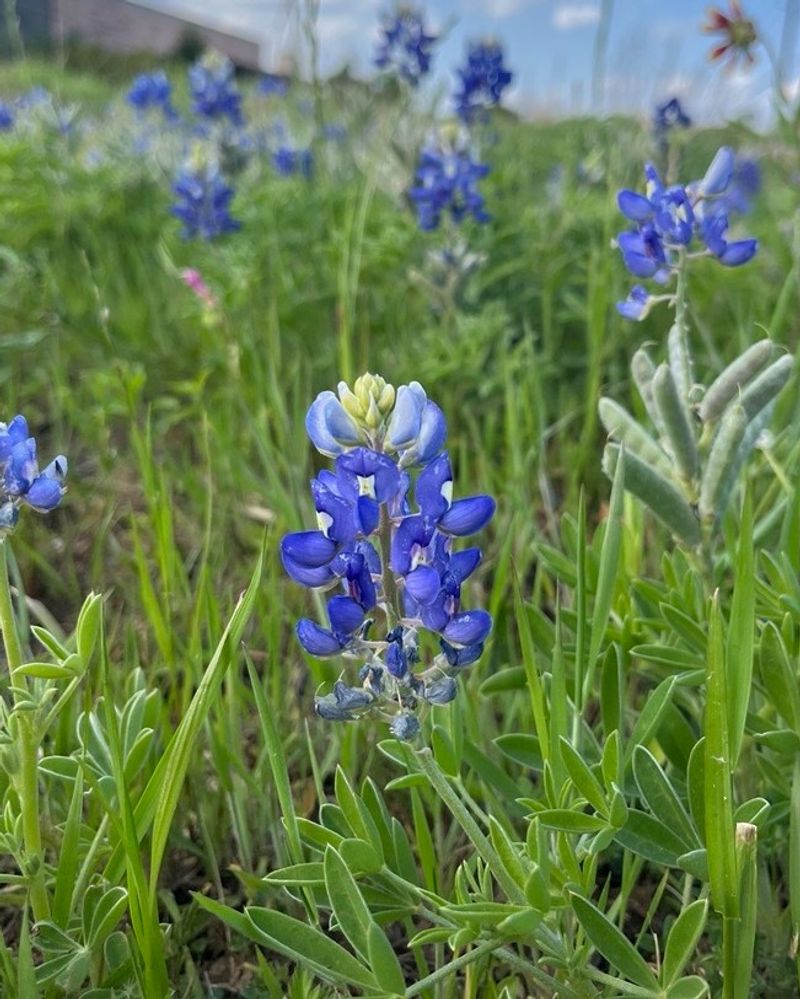
Full sun is the number one thing bluebonnets need to put on their best show. Plant them in a shady spot and they will struggle, produce fewer blooms, and look weak compared to their sun-loving counterparts.
Across Texas, the best bluebonnet displays almost always happen in wide-open spaces where the sun hits all day long. South-facing slopes, open roadsides, and unshaded front yards are prime real estate for these flowers.
If your garden has a sunny patch that gets at least six to eight hours of direct light daily, bluebonnets will feel right at home.
Well-drained soil is just as important as sunlight. Bluebonnets are native to the limestone-rich soils of the Texas Hill Country, which means they actually prefer lean, slightly rocky ground over rich, heavy soil.
Standing water or soggy conditions are their biggest enemy. Raised beds, sloped areas, and sandy or gravelly spots work wonderfully.
If your soil holds water too long, consider mixing in some sand or gravel to improve drainage before planting. Getting the soil right makes a bigger difference than most gardeners expect.
Fall sowing is the secret behind strong spring blooms. Bluebonnet seeds need to go into the ground in September or October in Texas so they can germinate during the cooler months and establish a healthy root system before winter.
Many beginners make the mistake of planting in spring, then wonder why their plants look small and produce few flowers. Scarifying the seeds, which means lightly scratching the hard seed coat, helps water get in and speeds up germination.
A little patience through fall and winter pays off beautifully when April arrives and the blooms open up across your Texas garden.
How To Keep Them Coming Back
One of the best things about bluebonnets is that they want to come back on their own. They are annuals, meaning each plant completes its life cycle in one growing season.
But they reseed so reliably that a well-managed patch can return year after year without you replanting from scratch. The key is letting the seed pods mature and dry out completely before you remove the plants.
Those brown, papery pods are packed with seeds that will fall to the ground and germinate the following fall. Pull the plants too early and you lose next year’s display.
Avoid heavy watering and rich soil if you want your bluebonnets to keep thriving in your Texas garden. It sounds counterintuitive, but overwatering and fertilizing can actually work against these wildflowers.
Too much nitrogen in the soil encourages leafy growth at the expense of blooms. Bluebonnets evolved in tough Texas conditions and actually perform better when left a little on the dry side.
Once established, they rarely need supplemental watering except during unusually dry spells. Less really is more when it comes to caring for these flowers.
Allowing them to reseed naturally is the simplest and most rewarding strategy for long-term success. After the seed pods dry and split open, the seeds scatter across the nearby soil.
Resist the urge to rake, mulch heavily, or disturb the area too much after the plants fade. Bare soil with good sun exposure is exactly what bluebonnet seeds need to take hold.
Over time, your patch will expand and fill in on its own, creating bigger and more beautiful displays each April. In Texas, a little patience and a hands-off approach is often the best gardening advice of all.