7 Reasons Fringe Trees Are A Perfect Fit For Georgia Landscapes
Georgia landscapes can feel full at first glance, yet something still seems off when the same plants keep showing up from yard to yard. That is exactly where fringe trees start to stand out without forcing attention.
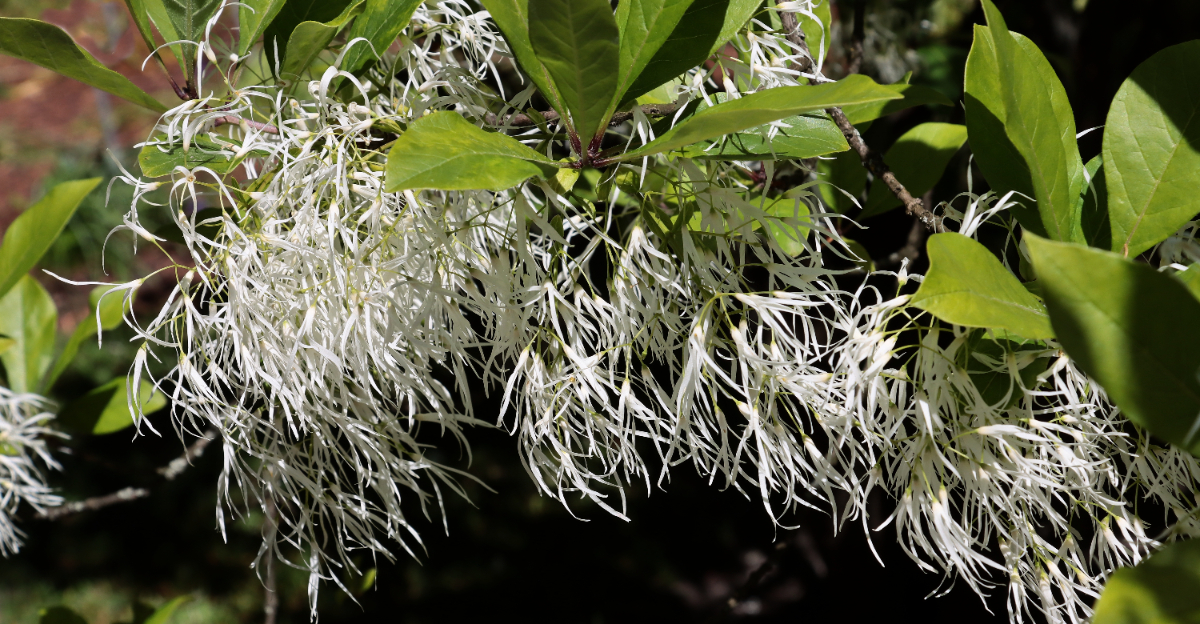
When spring hits, those soft white blooms create a look that feels lighter and more refined than most trees people usually rely on. It is the kind of detail that shifts the entire feel of a yard without making it look overdone or difficult to maintain.
Plenty of homeowners want something that actually works with Georgia conditions instead of fighting against them, and this tree quietly proves itself once it gets established.
It does not demand constant care, yet it still manages to catch attention at the right moment. Once it blooms, it becomes one of those trees people remember, even if they did not expect much from it at first.
1. Native To The Region And Well Adapted To Local Conditions
Fringe trees did not need to be imported, bred, or engineered for Georgia. They were already here.
Chionanthus virginicus grows naturally from the Georgia Piedmont up through the mountain counties and down into the coastal plain, which means it evolved alongside the same soils, rainfall patterns, and temperature swings that Georgia gardeners deal with every season.
That kind of deep regional history matters more than most people realize.
A plant that has been rooted in a place for thousands of years has already figured out how to handle late spring cold snaps, summer drought stretches, and the heavy clay soils that frustrate so many other ornamental trees.
It is not guessing at survival — it has been doing it all along.
Georgia sits in a transition zone between the humid subtropical coast and the cooler mountain elevations, and the fringe tree handles both ends of that range without complaint.
Plants from local nurseries that source regionally adapted stock tend to settle in faster and perform more consistently than those grown far from the Southeast.
Choosing a plant that already belongs to the region is one of the most practical decisions a Georgia gardener can make. There is no fighting the soil, no adjusting the pH every season, and no worrying about whether the tree will survive its first August.
2. Tolerates Heat And Humidity Without Struggling
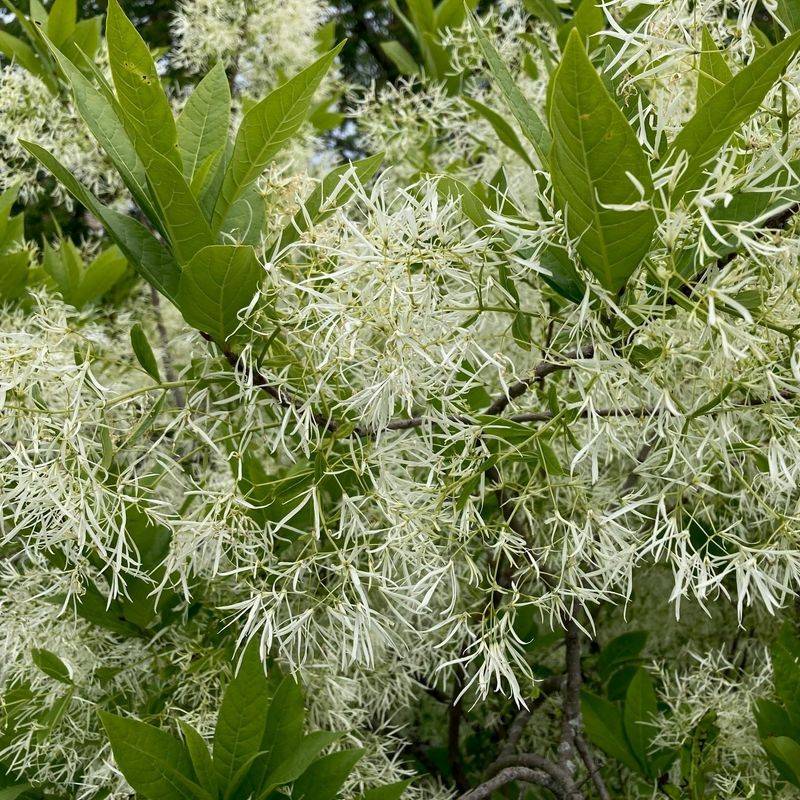
Georgia summers are not polite. Weeks of 90-plus degree heat combined with suffocating humidity can push a lot of ornamental trees to their limit, showing up as scorched leaf edges, drooping branches, or just a general look of misery by mid-July.
Fringe trees handle that pressure differently.
The leaves hold their color and structure through the hottest stretches of summer without the dramatic wilting you see in trees that were not built for this climate.
That does not mean they never need water during a dry spell, but they are far more tolerant of heat stress than many popular landscape choices sold at big-box stores across Georgia.
Part of that toughness comes from the tree’s root system, which tends to run deep and wide when given the chance.
Your Georgia Garden Changes Every Week. Your Plan Should Too.
Gardening in Georgia changes quickly throughout the season. Every Friday you’ll receive a simple weekly plan showing exactly what to plant, prune, fertilize, harvest, and protect so you never miss the right timing.
Deeper roots reach moisture that surface-level roots miss entirely, which helps during those weeks in August when the top few inches of Georgia soil turn to dust.
Mulching around the base keeps soil temperatures lower and holds moisture longer, which supports the tree through the worst of summer.
Humidity, which causes fungal problems for plenty of other species, does not seem to bother fringe trees much under normal conditions. You are unlikely to see the powdery mildew or leaf spot issues that plague plants less suited to the Southeast.
3. Produces Showy White Blooms In Spring
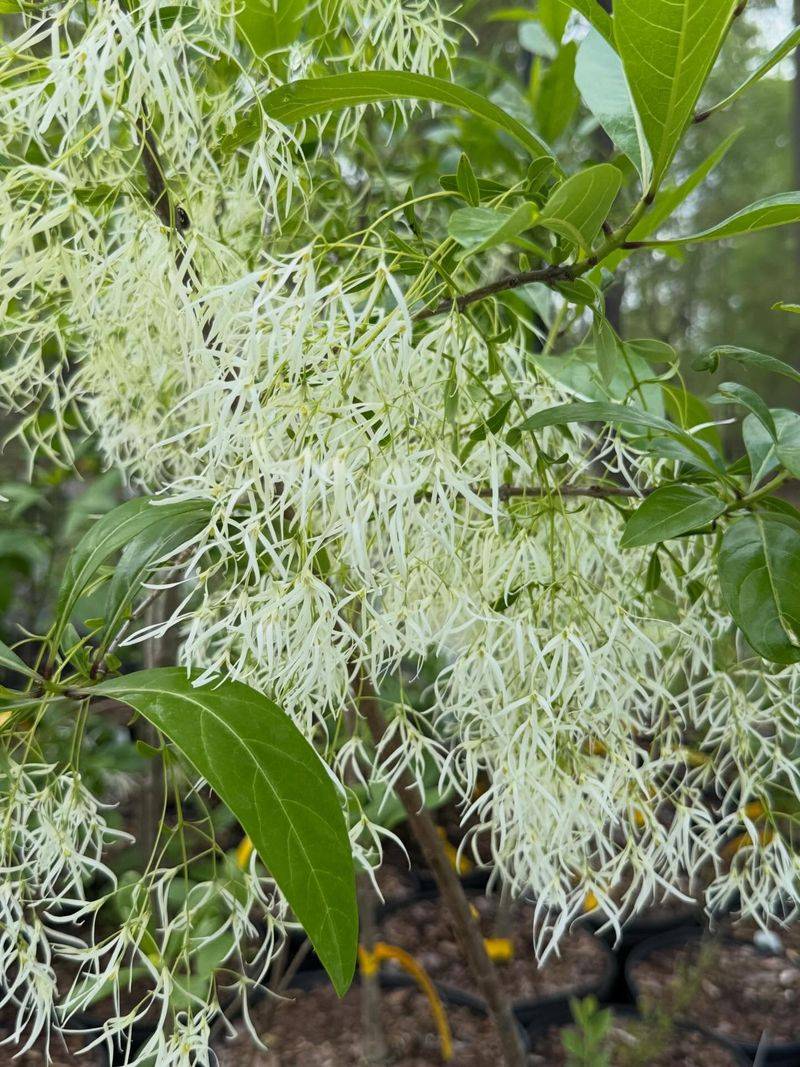
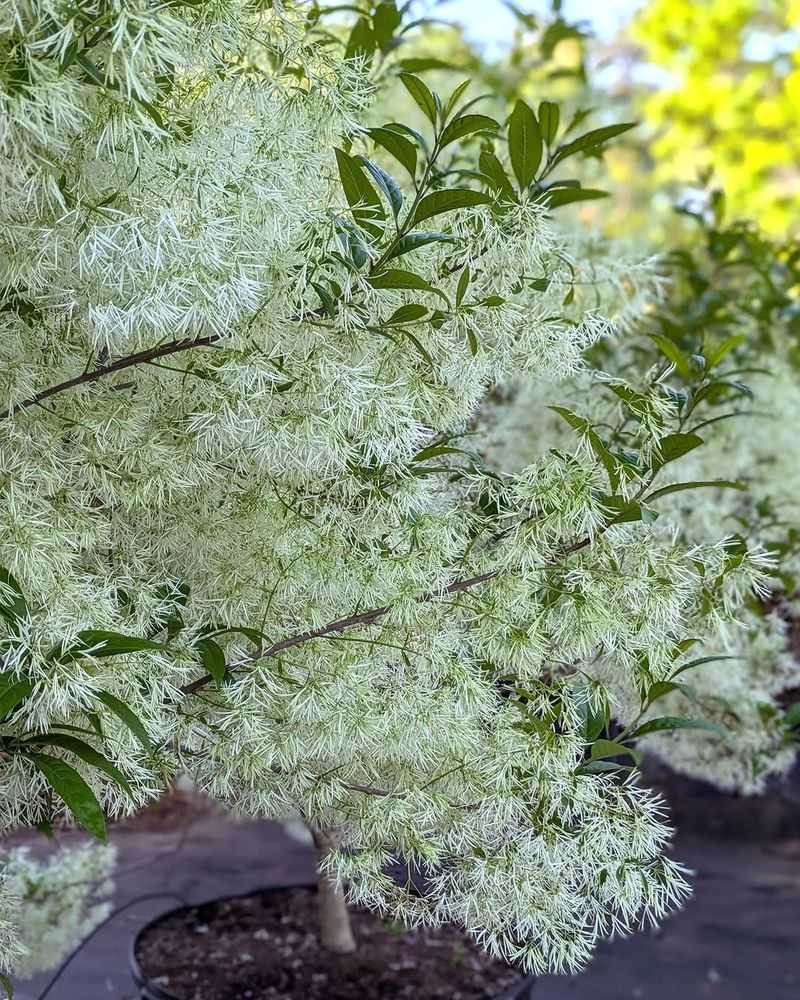
Few trees put on a spring show quite like a fringe tree in full bloom. The flowers come out in late April through May across most of Georgia, appearing as long, drooping clusters of thin white petals that look almost like shredded silk hanging from every branch.
When the whole tree is covered at once, the effect is genuinely hard to miss from across a yard.
What makes the timing interesting is that fringe trees bloom later than most spring-flowering trees in Georgia. By the time dogwoods and redbuds have already faded, the fringe tree is just getting started.
That staggered timing means your yard can hold onto that spring bloom energy a few weeks longer than it would with earlier-flowering species alone.
The flowers carry a light, sweet fragrance that is noticeable up close without being overpowering. On still mornings, you can catch the scent from a few feet away, which makes planting one near a porch or a frequently used garden path a worthwhile decision.
Bees pick up on that fragrance quickly too, which connects directly to the tree’s value for pollinators.
It is worth noting that fringe trees are typically dioecious, meaning individual trees are either male or female. Male trees tend to produce slightly showier flower clusters, while female trees follow their blooms with small dark fruits later in the season.
4. Grows Well In A Range Of Soil Types
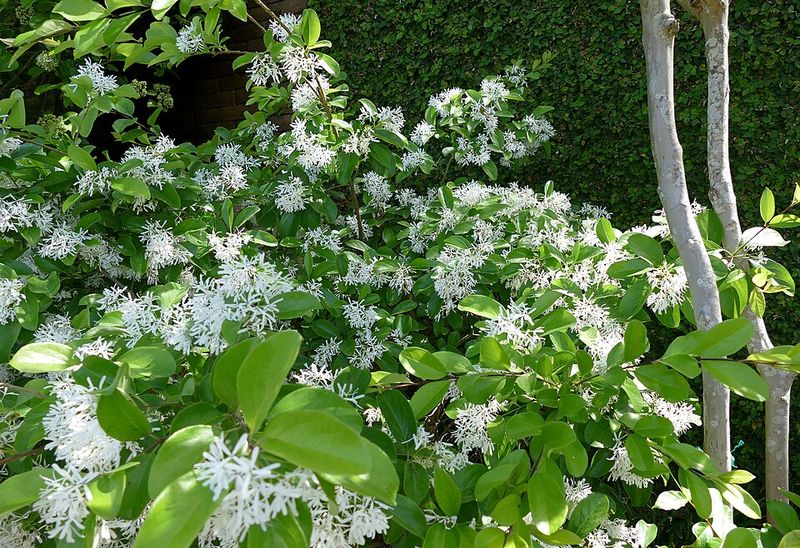
Georgia soil is not one thing. Drive from Atlanta down to the coast and you will pass through red clay Piedmont, sandy loam in the transitional zone, and the sandy, well-drained soils of the coastal plain.
Most trees have strong preferences about where they will and will not grow well. Fringe trees are considerably more flexible than average.
Red clay, which covers a huge portion of north and central Georgia, is notoriously difficult for many ornamentals. It compacts easily, drains poorly after heavy rain, and bakes hard in summer.
Fringe trees can handle it, especially when the planting hole is prepared with some organic matter mixed in to improve drainage and root establishment in those first couple of seasons.
Sandy coastal soils present the opposite challenge — they drain too fast and hold little moisture or nutrition.
Fringe trees manage there too, though they benefit from regular watering during dry periods and a layer of mulch to reduce moisture loss from the soil surface.
They prefer slightly acidic conditions, which aligns well with naturally acidic Georgia soils across most of the state.
Moist, well-drained spots are where fringe trees really perform at their best. Planting near a low area that collects some runoff, or along a creek bank where moisture is more consistent, tends to produce the fastest and most vigorous growth.
5. Requires Minimal Maintenance After Getting Established
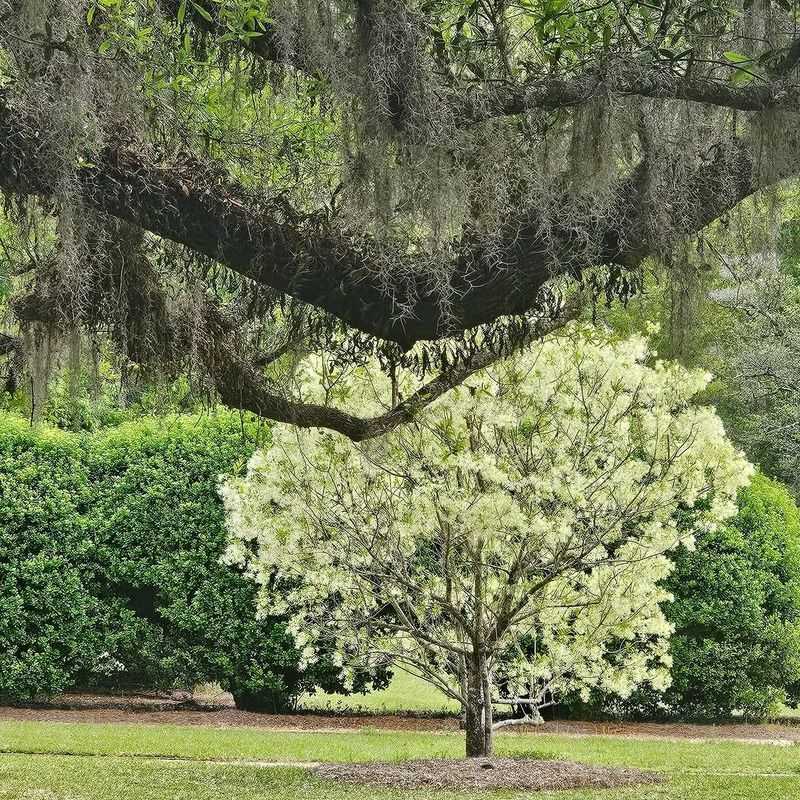
Planting a fringe tree is mostly a front-loaded investment. The first year or two calls for regular watering while roots spread and anchor into the soil, but after that the tree generally handles itself without much intervention.
No annual shaping, no complex feeding schedules, and no seasonal spraying routine required under typical conditions.
Fringe trees grow slowly compared to fast-growing shade trees like silver maple or Bradford pear. That slower pace is actually an advantage from a maintenance standpoint — branches do not shoot out awkwardly or crowd nearby structures the way fast growers can.
The natural form stays tidy enough that most homeowners never feel the need to prune at all unless a specific branch is causing a problem.
Pest and disease pressure on fringe trees in Georgia is generally low.
Occasional scale insects can appear, and ash borers have been documented as a concern in some regions since the trees are related to ash, but widespread serious damage is not a common experience for most Georgia gardeners under normal conditions.
Monitoring occasionally is sensible, but routine treatments are rarely necessary.
Fertilizing is not something most established fringe trees need regularly. If yours is planted in reasonably decent soil and gets adequate rainfall, it will likely grow without supplemental feeding.
6. Fits Well In Both Small And Large Landscapes
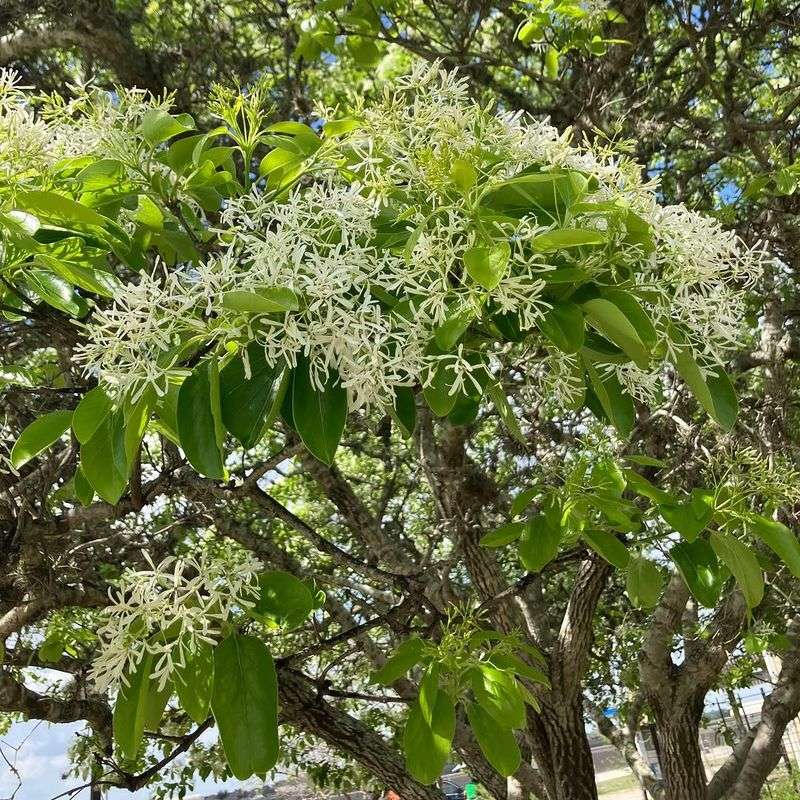
Not every yard in Georgia is a half-acre spread with room to plant whatever comes to mind. Plenty of Atlanta suburbs, Savannah neighborhoods, and smaller towns across the state have modest lots where every tree has to earn its spot.
At a mature height that typically falls between 12 and 20 feet with a spread of roughly 10 to 15 feet, fringe trees fit comfortably into tight spaces without overwhelming them.
In a small front yard, a single fringe tree planted near the corner of the house or beside a walkway adds structure and seasonal interest without blocking windows or crowding the foundation.
The canopy is open enough to let light through, which means underplanting with shade-tolerant perennials or ground covers is entirely possible.
That layered look is something a lot of Georgia homeowners are going for right now.
Larger properties have just as much use for fringe trees, though the approach shifts a bit. Planting them in small groupings along a property edge or at the back of a mixed border creates a naturalistic feel that fits well with Georgia’s woodland heritage.
A cluster of three fringe trees placed informally looks far more at home than a rigid row of identical shrubs would in the same spot.
7. Supports Local Pollinators And Wildlife
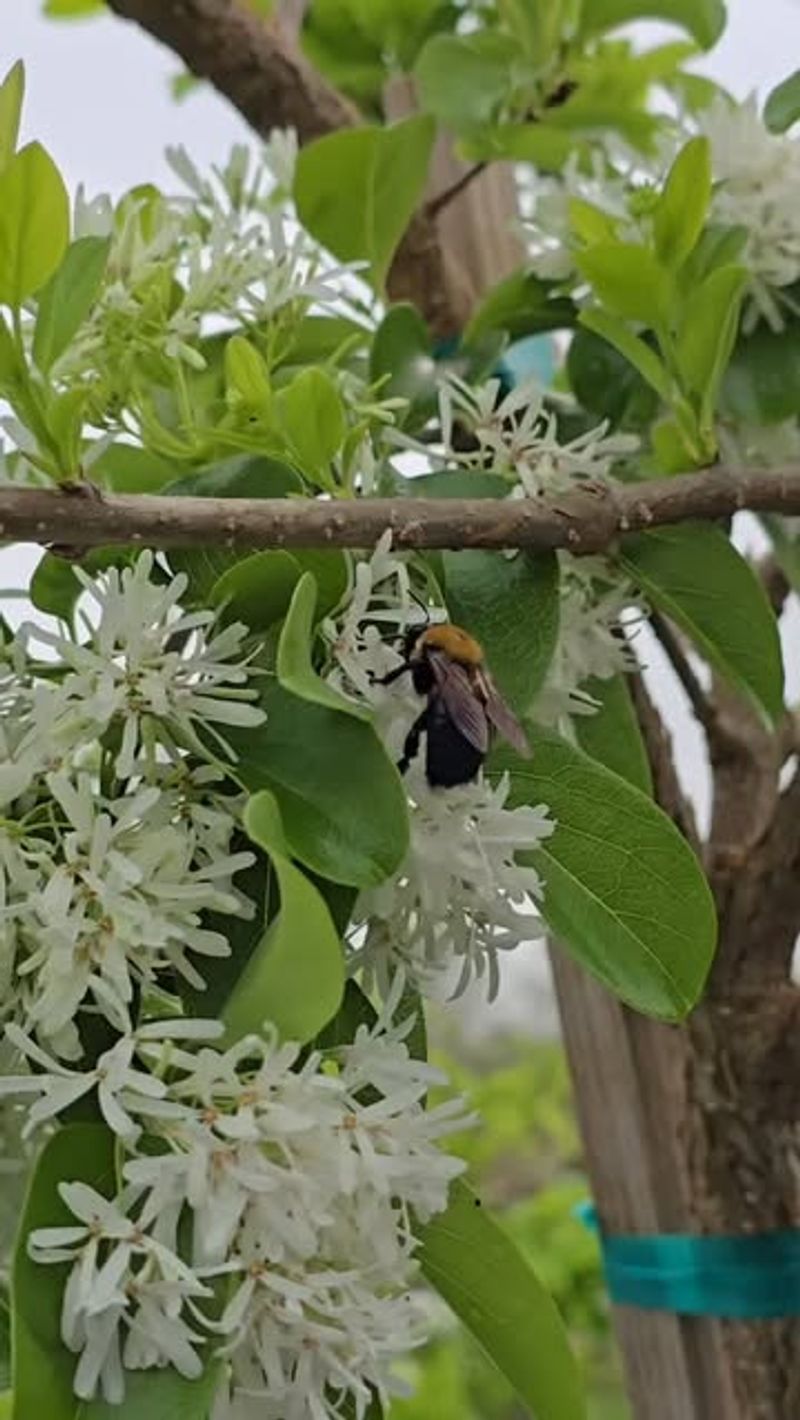
Watch a fringe tree in bloom for about ten minutes and the pollinator activity becomes obvious.
Native bees, including several species of solitary bees that do not get nearly as much attention as honeybees, move steadily through the flower clusters from morning until the light fades.
The nectar and pollen are accessible to a wide range of bee body types, which is not always the case with more specialized flowers.
Butterflies visit the blooms as well, though bees are the more consistent presence.
In Georgia, where native bee populations face real pressure from habitat loss and pesticide exposure, planting trees that provide reliable spring forage makes a measurable difference at the neighborhood scale.
A single fringe tree in bloom adds meaningful foraging resources during a season when many native bees are building their first colonies of the year.
Female fringe trees produce small, olive-shaped fruits that ripen to a dark blue-purple by late summer. Songbirds, particularly thrushes and mockingbirds, are drawn to those fruits and will strip a tree fairly quickly once the fruit ripens.
For anyone trying to attract more bird activity to a Georgia yard, that fruit production is a genuine draw that requires zero extra effort.
Beyond bees and birds, fringe trees support the broader food web in ways that are easy to overlook. Native caterpillars use the foliage as a food source, and those caterpillars are critical protein for nesting birds feeding their young.