These Popular Plants Struggle In Pennsylvania (And Why)
Some plants have a way of winning people over fast. They look gorgeous at the garden center, show up all over social media, and seem like they should be an easy fit for any yard.
Then they get planted in Pennsylvania, and things do not go quite as planned. Leaves start yellowing, blooms disappoint, or the plant simply never seems as happy as it looked on the tag.
That is because popularity does not always mean compatibility. Pennsylvania has its own mix of weather swings, humidity, soil challenges, and seasonal timing that can make certain well-loved plants struggle more than people expect.
A plant that thrives in a warmer, drier, or more stable climate may have a hard time settling in here without extra effort.
Knowing which popular plants tend to underperform can save you a lot of guesswork. It also helps explain why some garden choices feel like constant work while others seem to grow with no drama at all.
Sometimes the problem is not your gardening skills. It is simply that the plant and the place are not the best match.
1. Gardenias
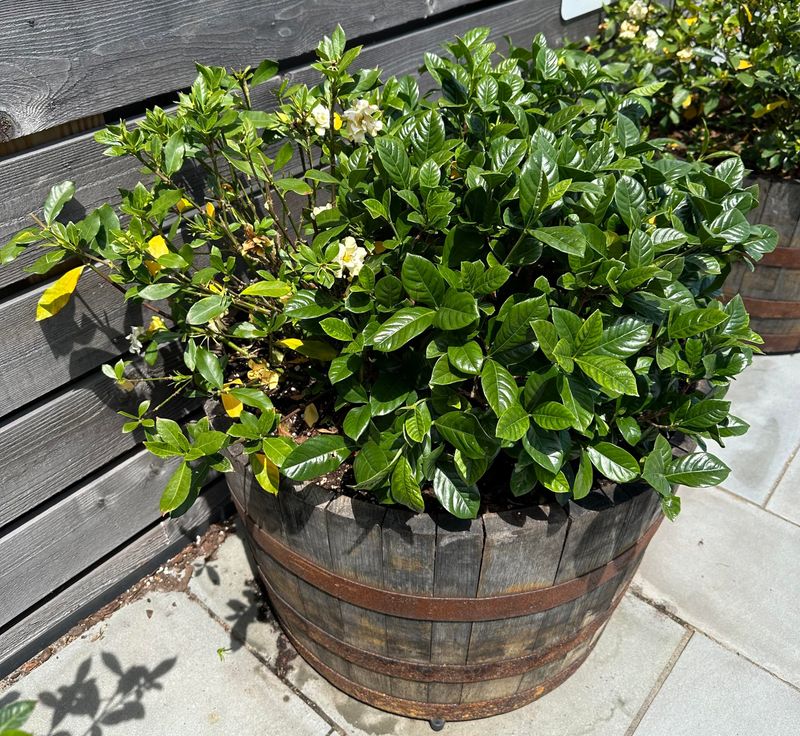
Few flowers smell as sweet as a gardenia in full bloom. That rich, creamy fragrance makes them one of the most requested plants at garden centers across the country.
But if you live in Pennsylvania, you have probably noticed that gardenias rarely live up to their reputation outdoors.
Gardenias are native to tropical and subtropical regions of Asia. They absolutely love warm temperatures, high humidity, and acidic soil with a pH between 5.0 and 6.0.
Pennsylvania soil tends to lean alkaline in many areas, which makes it hard for gardenias to absorb the iron and magnesium they need to stay healthy. When those nutrients are blocked, the leaves turn yellow in a condition called chlorosis.
Pennsylvania winters are another major problem for gardenias. Most varieties are only cold-hardy down to about 15 to 20 degrees Fahrenheit, but Pennsylvania temperatures regularly drop well below that in winter.
Even in the warmer southern parts of the state, a single hard freeze can cause serious winter dieback, wiping out the new growth that holds next season’s flower buds.
Poor blooming is a frustrating and common result for Pennsylvania gardeners who try to grow gardenias outdoors. Without enough warmth and the right soil chemistry, the plants simply refuse to flower well.
Growing them in containers that can be brought indoors during winter is one of the better workarounds. You can also amend the soil with sulfur to lower the pH, but it takes consistent effort to keep gardenias happy in Pennsylvania’s unpredictable climate.
2. Lavender (Certain Varieties)
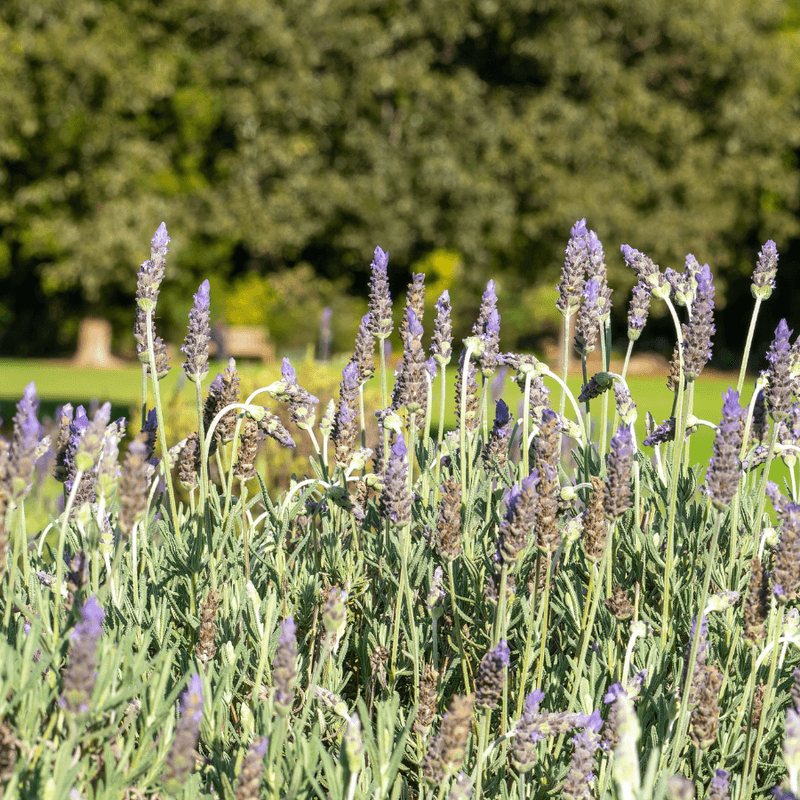
Lavender looks like it belongs in a Pennsylvania garden. The purple blooms, the calming scent, the ability to attract pollinators, it all sounds perfect.
And honestly, some varieties do just fine here. But certain popular lavender types, especially the French and Spanish varieties, really struggle in Pennsylvania’s climate.
The biggest issue is soil moisture. Lavender is native to the dry, rocky hillsides of the Mediterranean region.
Your Pennsylvania Garden Changes Every Week. Your Plan Should Too.
Gardening in Pennsylvania changes quickly throughout the season. Every Friday you’ll receive a simple weekly plan showing exactly what to plant, prune, fertilize, harvest, and protect so you never miss the right timing.
It evolved to handle drought, poor soil, and excellent drainage. Pennsylvania, on the other hand, tends to have heavier clay soils that hold onto water.
Wet roots are a nightmare for lavender. Root rot sets in quickly when the soil stays soggy, and once root rot takes hold, the plant declines fast.
Humidity is another challenge. Pennsylvania summers are warm and humid, especially in the eastern and central parts of the state.
Lavender prefers dry air around its stems and foliage. High humidity encourages fungal diseases that can cause the plant to look gray and mushy near the base, a condition sometimes called shab or lavender wilt.
Winter survival is also hit or miss depending on the variety and the location in Pennsylvania. English lavender, such as Hidcote or Munstead, handles cold better than other types.
If you want lavender to succeed in Pennsylvania, plant it in raised beds with sandy or gravelly soil, make sure it gets full sun, and avoid overwatering at all costs. Choosing the right variety makes all the difference in this state.
3. Crape Myrtle
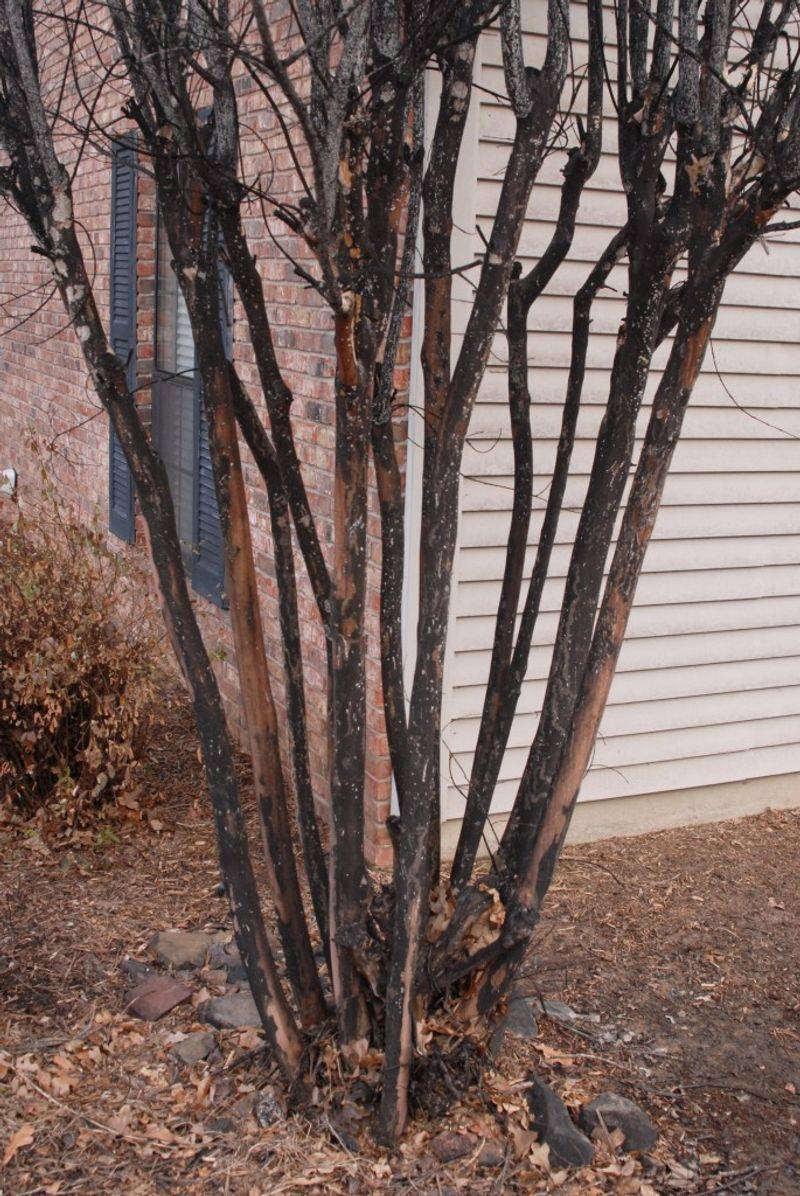
Walk through neighborhoods in Virginia or North Carolina in summer, and crape myrtles are absolutely everywhere. Their showy clusters of pink, red, white, or purple flowers make them one of the most beloved ornamental trees in the South.
Naturally, Pennsylvania gardeners want a piece of that beauty, and who could blame them? The trouble is that crape myrtles are not fully cold-hardy in much of Pennsylvania. Most standard crape myrtle varieties are rated for USDA Hardiness Zones 7 through 9.
Pennsylvania spans Zones 5b through 7a, depending on where you live. In the southern parts of the state, near Philadelphia, crape myrtles sometimes make it through winter.
But in central and northern Pennsylvania, where temperatures regularly drop into the single digits, they struggle badly.
After a harsh Pennsylvania winter, crape myrtles often experience severe dieback. The tops of the plants freeze back to the ground, and while the roots may survive, the plant has to start over from scratch each spring.
That means you lose all the mature wood, and the plant rarely has enough time to grow tall and bloom before cold weather returns in fall.
Some gardeners in Pennsylvania treat crape myrtles as large perennials rather than trees, cutting them back and letting them regrow each year. Dwarf varieties like Chickasaw or Pocomoke tend to handle Pennsylvania winters a little better.
Mulching heavily around the base before winter also helps protect the roots and gives the plant a better shot at surviving until spring returns.
4. Fig Trees
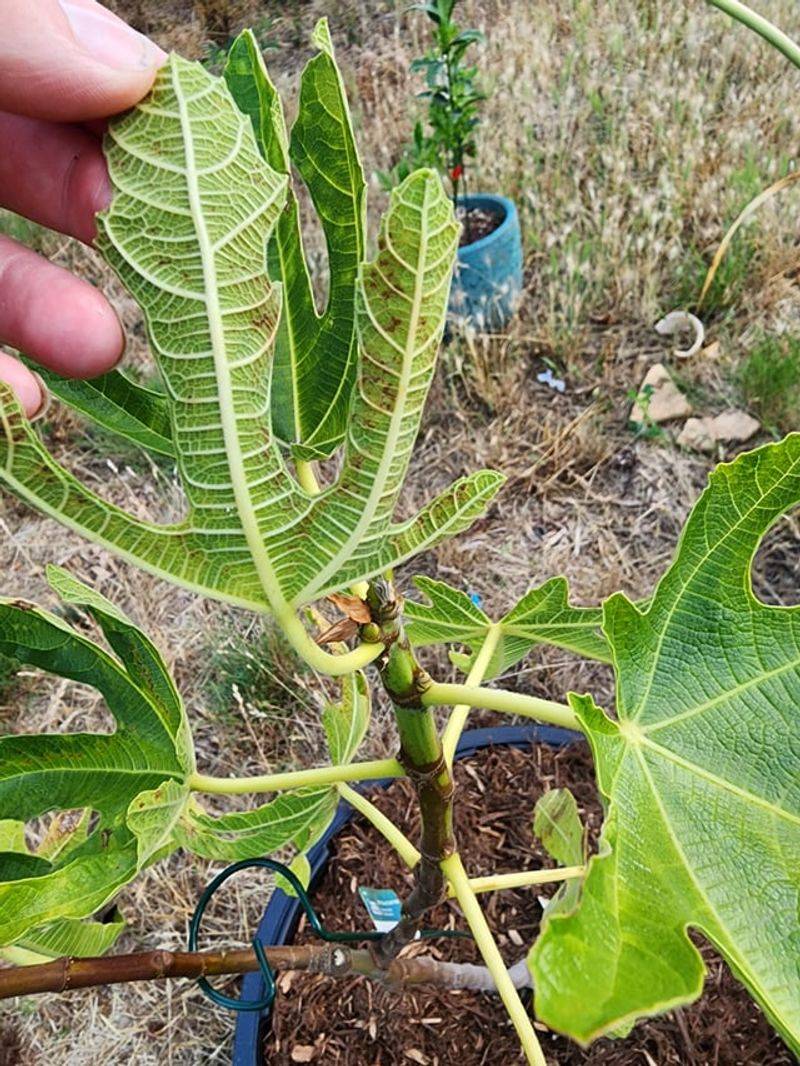
Fig trees have been grown for thousands of years around the Mediterranean, where warm, dry summers and mild winters are the norm. They produce sweet, delicious fruit and have a lush, tropical look that gardeners in Pennsylvania find irresistible.
The problem is that Pennsylvania winters are nothing like the Mediterranean, and fig trees feel every bit of that difference.
Cold damage is the main reason fig trees struggle in Pennsylvania. Most common fig varieties, like Brown Turkey and Chicago Hardy, can handle temperatures down to around 10 to 15 degrees Fahrenheit.
But Pennsylvania winters, especially in the northern and central parts of the state, can push well below zero on the worst nights. When that happens, the above-ground portions of the fig tree freeze back severely, sometimes all the way to the soil line.
Losing all that top growth is a big setback. Fig trees fruit on old wood, meaning branches that grew the previous year.
When the cold wipes out that wood, the tree has to start fresh, and fruit production is lost for that season. Year after year of dieback can exhaust the plant and reduce its overall vigor.
Pennsylvania gardeners who love figs have figured out some clever workarounds. Many wrap their trees in burlap or insulating fabric before winter hits.
Others grow figs in large containers that can be moved into an unheated garage or basement during the coldest months. The Chicago Hardy variety is one of the most cold-tolerant options available and gives Pennsylvania growers the best chance of a real harvest.
5. Camellias
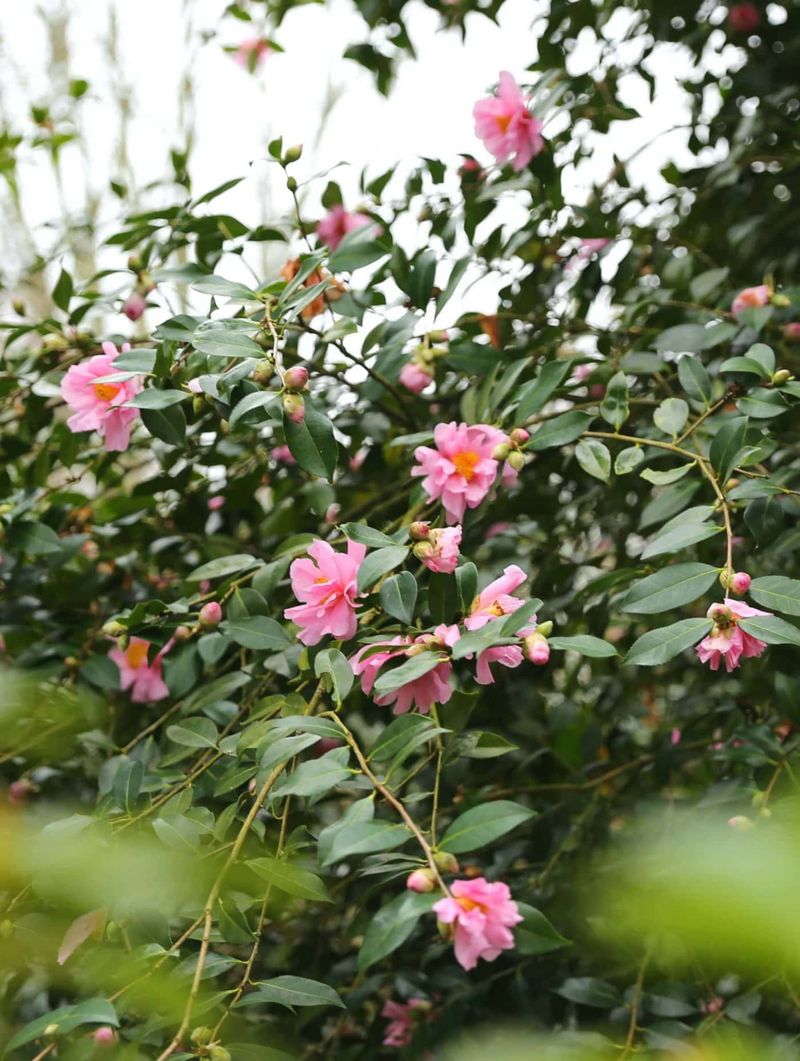
Camellias are sometimes called the roses of winter, and it is easy to see why. Their large, perfectly formed blooms in shades of red, pink, and white appear during the cooler months, which makes them stand out in a season when most plants look bare and lifeless.
Gardeners in Pennsylvania are drawn to them for exactly that reason, but camellias have a complicated relationship with the state’s climate.
The core problem is cold hardiness. Most camellia varieties are reliably hardy only in Zones 7 and warmer.
While parts of southeastern Pennsylvania, including the Philadelphia area, fall into Zone 7a, the rest of the state is colder. A stretch of below-zero temperatures in January or February can damage or wipe out camellias that seemed perfectly healthy the previous fall.
Even when the plant itself survives a Pennsylvania winter, the flower buds often do not. Camellias set their buds in fall and carry them through winter, ready to open in late winter or early spring.
A sudden hard frost during that time can destroy the buds entirely, leaving you with a healthy-looking plant that produces zero flowers. It is one of the most disappointing outcomes a gardener can experience.
If you are determined to grow camellias in Pennsylvania, focus on cold-hardy varieties like Survivor, Winter’s Star, or April Snow. Plant them in a sheltered spot with protection from harsh north winds, and mulch the roots heavily going into fall.
The milder areas of southeastern Pennsylvania offer the best odds of success with these beautiful but finicky plants.
6. Delphiniums
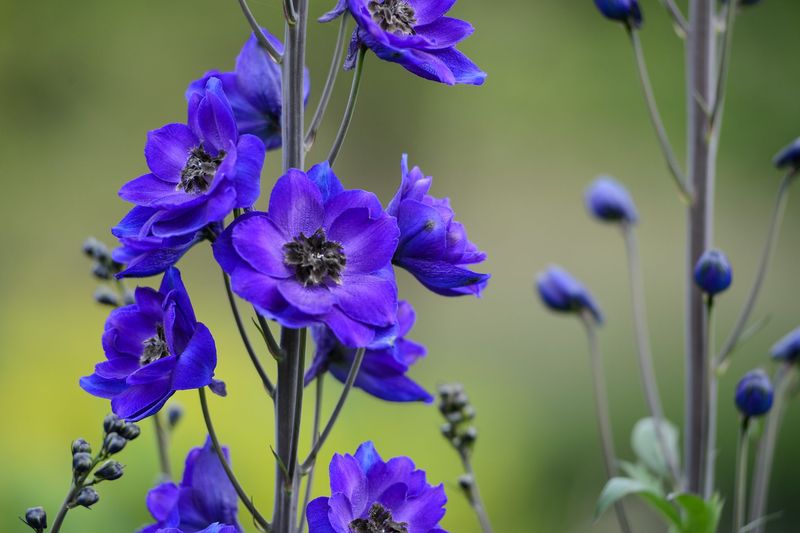
There is something almost magical about a tall delphinium in full bloom. Those dramatic spikes of deep blue, purple, or white flowers look like they belong in an English country garden, and they actually do.
Delphiniums thrive in the cool, moist summers of the United Kingdom and the Pacific Northwest. Pennsylvania, unfortunately, is a very different story.
Heat and humidity are the two biggest enemies of delphiniums in Pennsylvania. These plants prefer cool summers with temperatures that stay below 75 degrees Fahrenheit.
Pennsylvania summers regularly push into the upper 80s and even 90s, especially in July and August. That kind of heat stresses delphiniums quickly, causing them to stop blooming, wilt, and become vulnerable to a range of diseases.
Powdery mildew, crown rot, and bacterial blight are all common problems for delphiniums growing in Pennsylvania’s humid conditions. Poor air circulation makes things worse.
The tall, dense foliage of delphiniums traps moisture around the stems and crown, creating the perfect environment for fungal issues to take hold. Staking is also a constant chore, since the tall flower spikes snap easily in Pennsylvania’s summer thunderstorms.
Growing delphiniums as cool-season annuals is one approach that works reasonably well in Pennsylvania. Plant them in early spring so they bloom before the worst summer heat arrives, then let them go when the heat builds.
Some gardeners also try planting them in fall for a spring show. Choose a spot with excellent air circulation, avoid overhead watering, and accept that delphiniums in Pennsylvania require real effort to look their best.
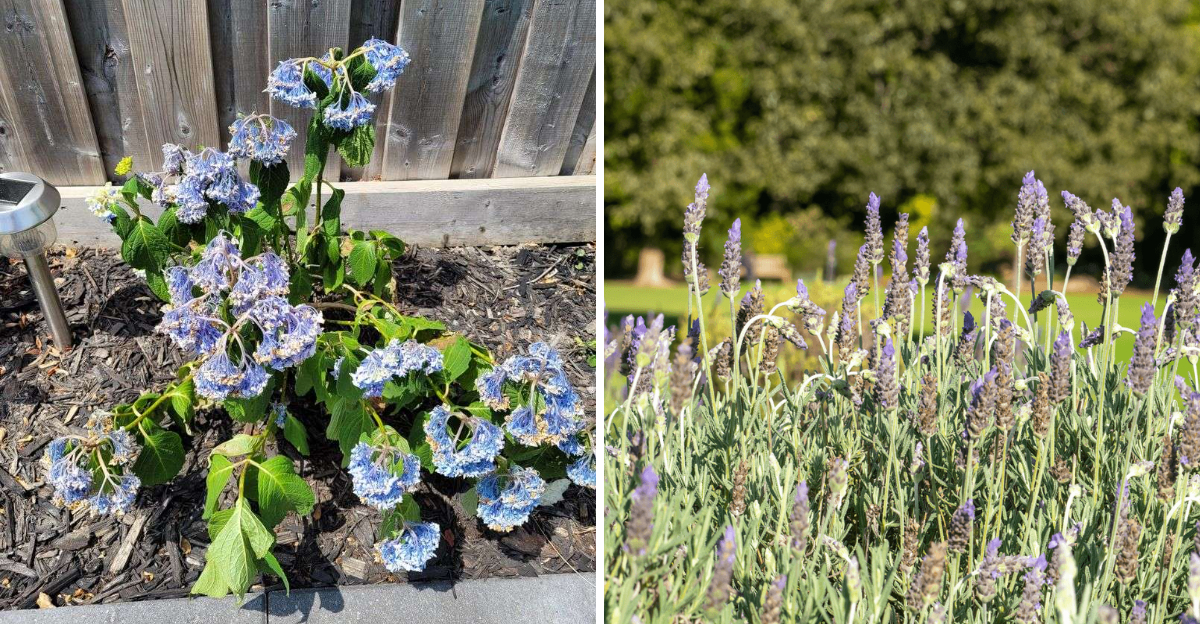
7. Blue Hydrangea (Bigleaf Hydrangea)
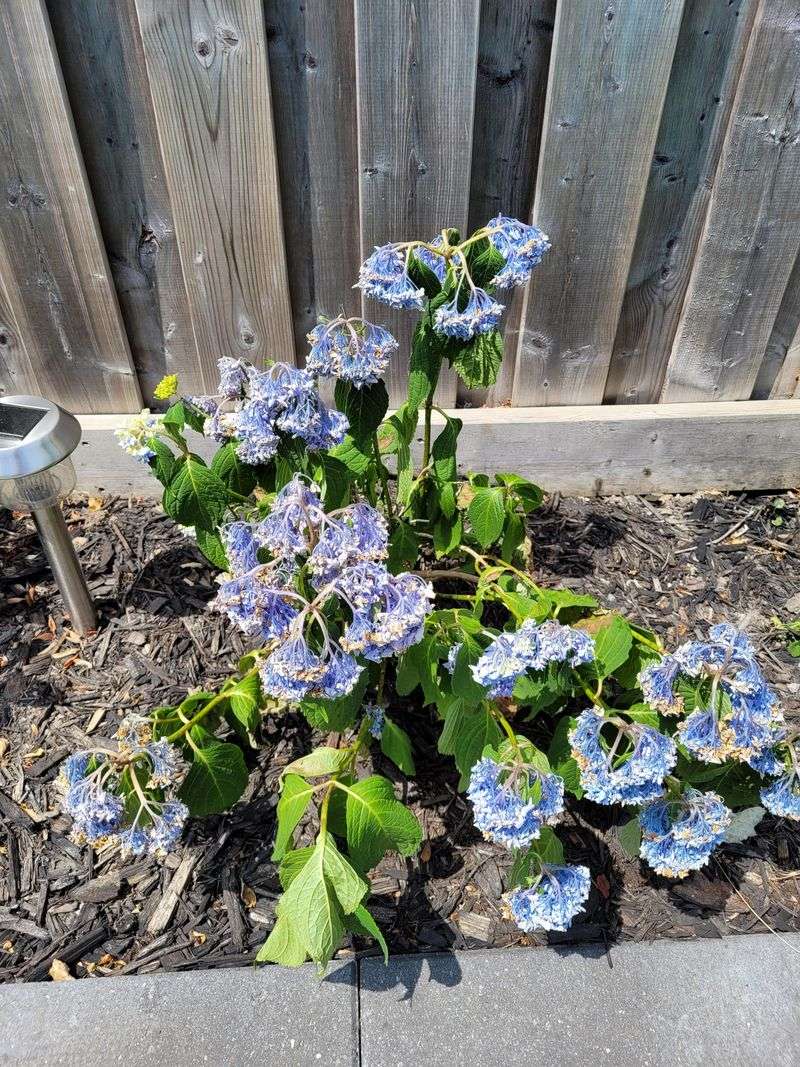
Ask any Pennsylvania gardener about bigleaf hydrangeas, also known as mophead or lacecap hydrangeas, and you will likely hear a familiar story.
The plant looks great all summer long, the leaves are lush and full, but there is not a single bloom to be found. It is one of the most common and frustrating gardening problems across the state.
Bigleaf hydrangeas, the classic blue and pink varieties most people picture when they think of hydrangeas, bloom on old wood. That means the flower buds form in late summer and fall, then sit on the plant through winter, waiting to open the following year.
In Pennsylvania, late spring frosts are notorious for arriving just as those buds are beginning to swell and wake up. One cold night in April can wipe out an entire season of blooms in a matter of hours.
The blue color that makes these hydrangeas so popular adds another layer of complexity in Pennsylvania. Blue flowers require acidic soil with a pH around 5.5 or lower.
Many Pennsylvania soils are closer to neutral or slightly alkaline, which causes the blooms to shift toward pink or muddy purple. Gardeners often add aluminum sulfate to the soil to push the pH down and keep that true blue color, but it requires regular attention.
Newer varieties like Endless Summer and Bloomstruck have been bred to bloom on both old and new wood, which gives Pennsylvania gardeners a much better chance of seeing flowers even after a rough winter.
Planting in a sheltered location and avoiding fall pruning are also key steps to protecting those precious buds through the cold Pennsylvania season.