7 Container Plants That Are Too Demanding For Texas Weather
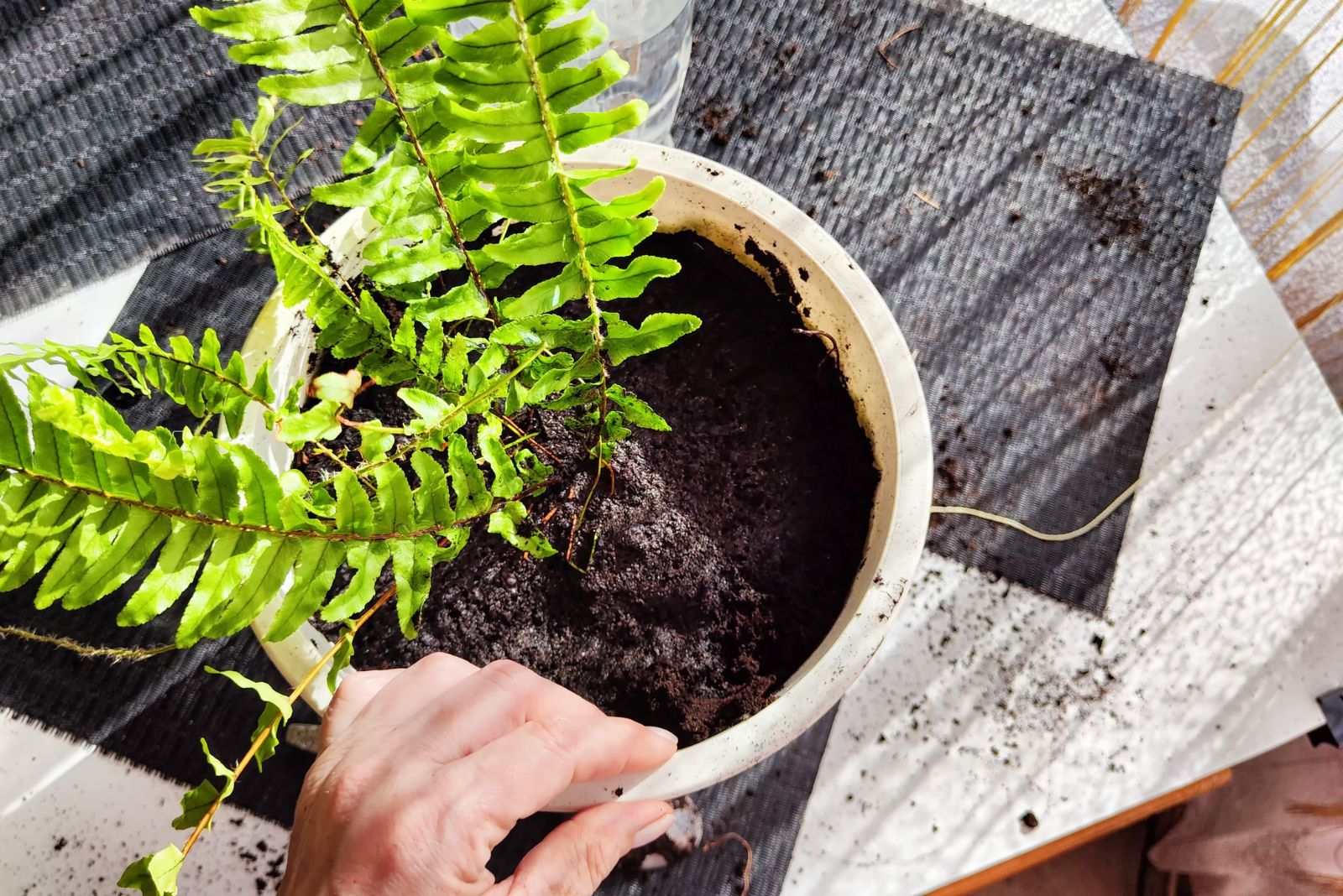
Container gardening in Texas can seem simple at first. You pick out a few beautiful plants, arrange them in pots, set them on the patio, and expect a colorful, easy setup.
Then the heat rolls in, the soil dries out almost overnight, and those once-happy plants start looking tired, crispy, or downright miserable. Suddenly, your pretty container garden feels like a full-time job.
That is the tricky part about growing plants in pots in Texas. Conditions can turn harsh fast, and some plants just are not built for that kind of pressure.
They may need more water than most people can realistically keep up with, more shade than the space allows, or more pampering than they are worth.
What looks stunning in cooler or milder climates can struggle badly once Texas sun, wind, and heat start doing their thing.
Knowing which container plants tend to be too demanding can save you time, money, and a lot of disappointment. Sometimes the smartest move is not choosing the flashiest plant, but the one that can actually handle life in a Texas pot.
1. Ferns (Boston Ferns Especially)
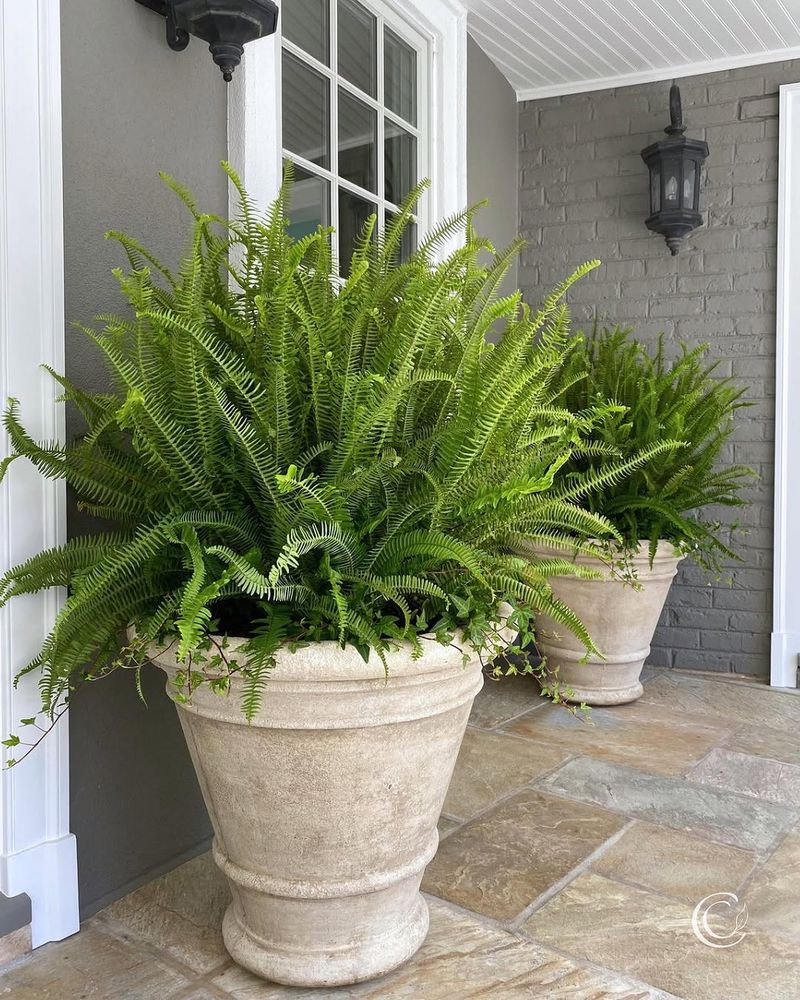
Walk into any garden center in spring and you will find rows of lush, full Boston ferns just begging to come home with you. They look gorgeous.
They feel like a tropical paradise. But here in Texas, that beauty can fade faster than you expect once the real heat kicks in.
Boston ferns are moisture lovers. They need their soil to stay consistently damp, and they absolutely crave humidity.
Texas summers are hot and dry, especially in areas like Dallas, San Antonio, and West Texas where the air can feel like the inside of an oven. That kind of environment is the opposite of what a Boston fern wants.
Container ferns dry out even faster than those planted in the ground because pots heat up quickly in direct sun. You might find yourself watering your fern twice a day just to keep it from looking crispy.
Even then, the fronds can still turn brown and drop off at an alarming rate. Ferns also hate wind, and Texas is no stranger to strong gusts. Wind pulls moisture right out of the leaves, making an already tough situation even harder.
Placing them in a sheltered, shady spot can help a little, but you will still be fighting the climate every single day.
If you love the look of ferns, try keeping them indoors near a window with a humidifier running nearby. Outdoors in Texas, though, they are simply one of the most high-maintenance container plants you can choose.
2. Impatiens (Traditional Varieties)
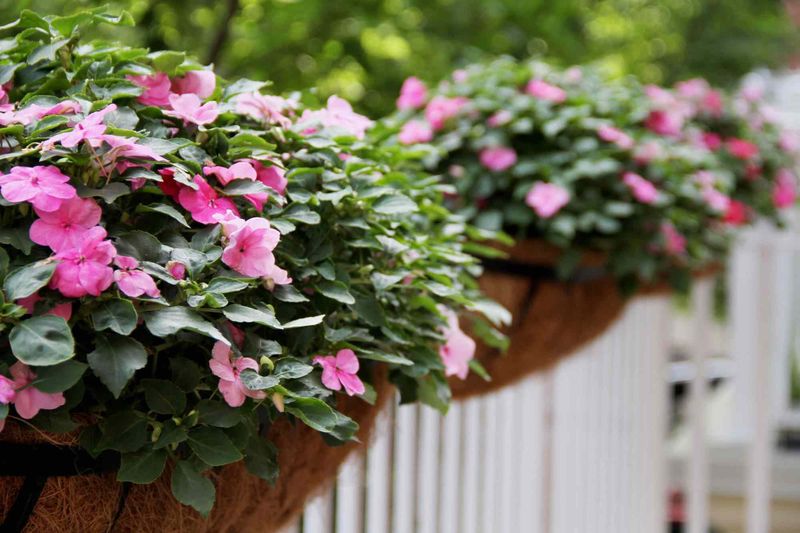
Impatiens have been a garden favorite for decades, and it is easy to see why. Their bright blooms in shades of pink, red, orange, and white make any container pop with color.
The problem is that traditional impatiens were basically built for cool, shady, and moist environments, which sounds nothing like a Texas summer.
One of the biggest issues with growing impatiens in Texas is their sensitivity to heat and direct sun. Even a few hours of strong afternoon sun can cause the flowers to shrivel up and the leaves to look bleached and tired.
Your Texas Garden Changes Every Week. Your Plan Should Too.
Gardening in Texas changes quickly throughout the season. Every Friday you’ll receive a simple weekly plan showing exactly what to plant, prune, fertilize, harvest, and protect so you never miss the right timing.
In Houston, Austin, or anywhere else in the state where summer temperatures regularly hit triple digits, traditional impatiens often collapse before the season even hits its peak. Watering is another constant battle. These plants want evenly moist soil at all times.
In a container sitting on a sunny patio in Texas, the soil can dry out in just a few hours. By the time you get home from work, your impatiens may already be drooping dramatically.
There is also the issue of downy mildew, a fungal disease that has wiped out impatiens populations across many parts of the country, and Texas humidity in certain regions makes conditions ripe for it to spread.
Some gardeners use impatiens in early spring before the heat arrives, then swap them out for heat-tolerant options like vinca or pentas. That strategy works, but it means a lot of replanting and extra expense throughout the season.
3. Hydrangeas (Bigleaf Types In Pots)
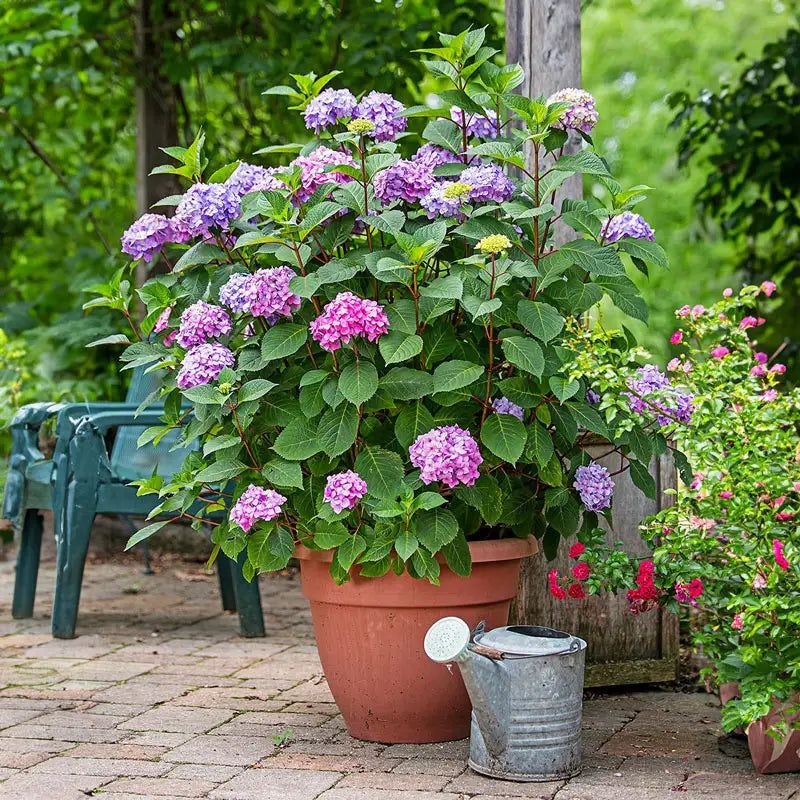
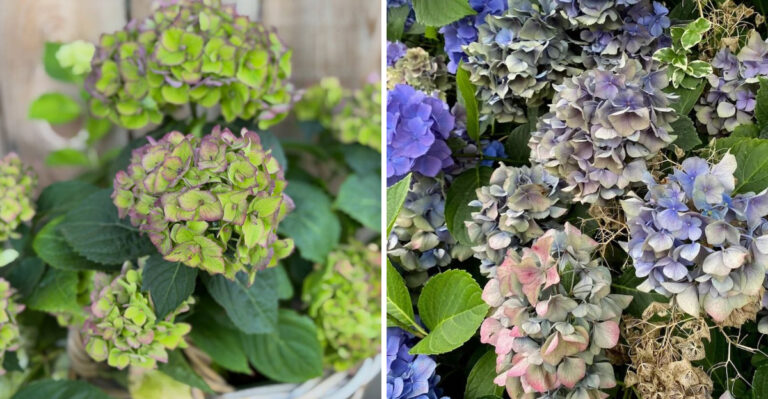
Few plants are as swoon-worthy as a hydrangea covered in big, fluffy blooms. Garden magazines are full of them.
Social media is packed with hydrangea photos. But trying to grow bigleaf hydrangeas in containers in Texas is one of the most frustrating gardening experiences you can put yourself through.
Bigleaf hydrangeas, the kind with the big mophead or lacecap flowers, are notoriously thirsty. They need consistent moisture to stay healthy and to produce those stunning blooms.
In a pot sitting on a Texas patio, the soil can heat up to extreme temperatures, causing the roots to stress out and the plant to wilt dramatically, sometimes within just a few hours of the morning sun hitting it.
The blooms suffer too. Hydrangeas need a good balance of moisture and filtered light to produce their best flowers.
Texas summers are just too intense for most bigleaf varieties. The combination of heat, low humidity in many parts of the state, and dry winds can leave you with a plant that looks more like a sad stick than a flowering showpiece.
Containers make the problem worse because the roots have nowhere to escape the heat. In the ground, roots can dig deeper to find cooler, moister soil. In a pot, they are stuck baking in whatever heat the container absorbs.
If you are set on hydrangeas in Texas, look into oakleaf or panicle varieties instead. They handle the heat much better and are far more forgiving of the unpredictable Texas climate.
4. Pansies
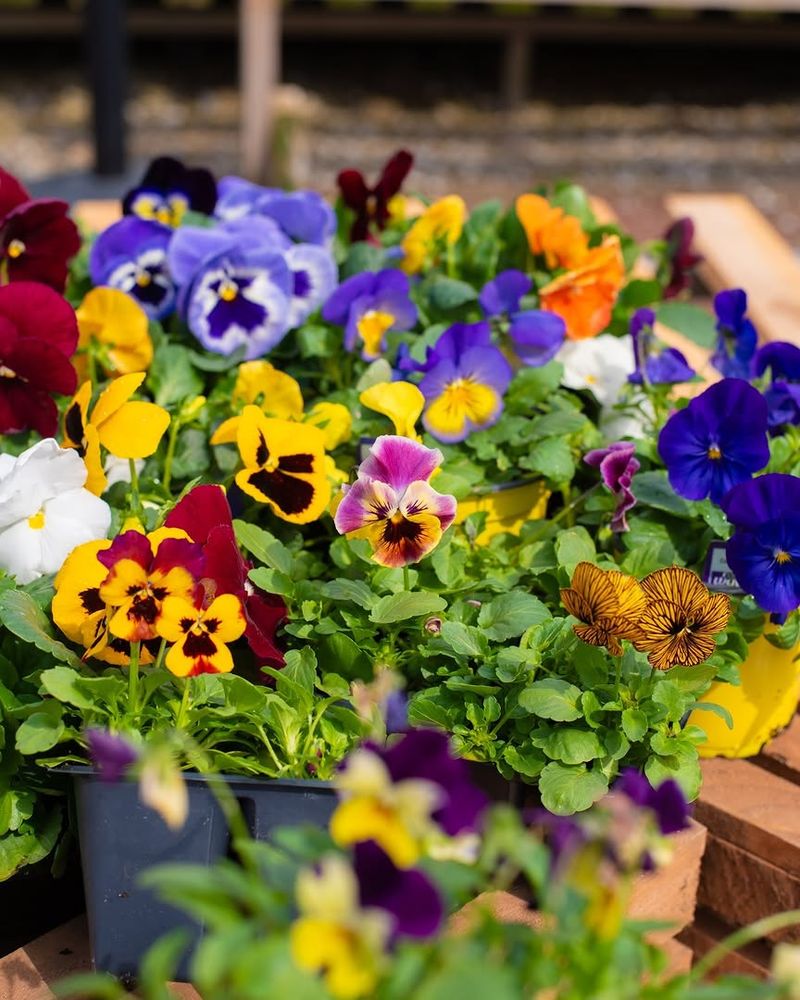
Pansies are the classic cool-weather flower. Every fall and winter, Texans fill their containers and flower beds with these cheerful little faces, and they look absolutely wonderful from November through early spring.
The problem comes when the Texas heat shows up, which it does fast and without much warning.
Pansies are not built for warmth. Once temperatures start climbing into the upper 70s and beyond, pansies begin to fade.
The blooms get smaller, the stems get leggy, and the whole plant takes on a washed-out, tired look. By the time late spring rolls around in Texas, most pansies are already well past their prime.
In containers, this decline happens even faster. Pots warm up quickly in the sun, and that extra heat at the root zone speeds up the stress process.
You might notice your pansy containers looking great in February and completely worn out by April, especially in warmer parts of the state like South Texas or the Gulf Coast region.
Trying to extend the life of pansies in Texas by moving them to shadier spots can buy a little extra time, but it is a temporary fix at best. The rising temperatures will catch up with them regardless of where you put the pot.
The smart move is to enjoy pansies for what they are: a beautiful cool-season plant. Plant them in fall, enjoy them through winter and early spring, and be ready to swap them out for heat-tolerant summer annuals before the Texas heat fully arrives.
5. Caladiums (Without Shade)
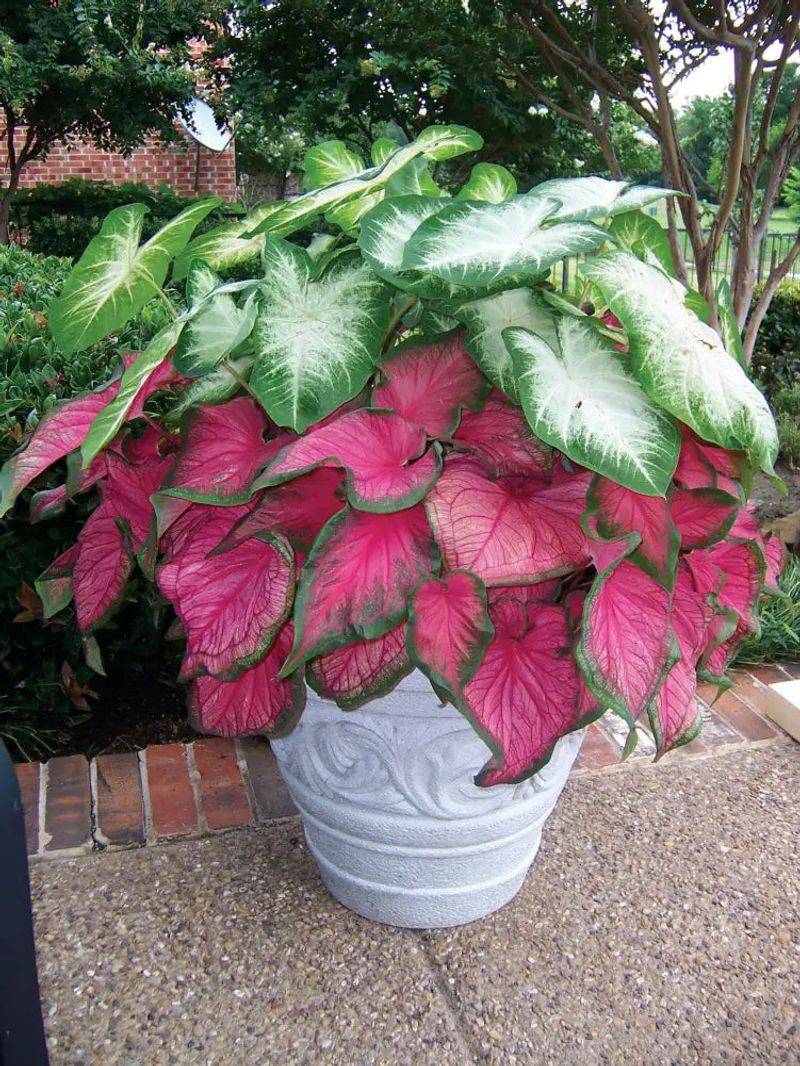
Caladiums are some of the most stunning foliage plants you can grow. Their giant, paper-thin leaves come in wild combinations of red, pink, white, and green, and they can make a container look like a work of art.
But grow them in the wrong spot in Texas and those gorgeous leaves will look scorched and sad in no time.
The key issue with caladiums in Texas is sun exposure. These plants are shade lovers by nature.
They come from tropical forest floors where they are protected by a canopy of trees above them. Put them in direct Texas afternoon sun and the leaves will bleach out, develop brown crispy edges, and eventually collapse from heat stress.
Containers create an extra challenge because they limit how much the roots can spread out to find cooler, more stable soil.
When a pot sits in full sun on a Texas patio, the soil temperature inside can climb well above the air temperature, putting the roots under serious stress even if the leaves are technically in shade.
Watering is another big commitment. Caladiums need consistently moist soil, and Texas heat pulls moisture out of containers at a rapid pace.
Missing even one or two waterings during a hot stretch can cause real damage to the leaves.
Caladiums can absolutely work in Texas, but they need the right setup. A north-facing patio, a covered porch, or a spot under a large shade tree gives them the protection they need.
Without that shade, they are one of the most demanding container plants in the Texas garden.
6. Fiddle Leaf Fig
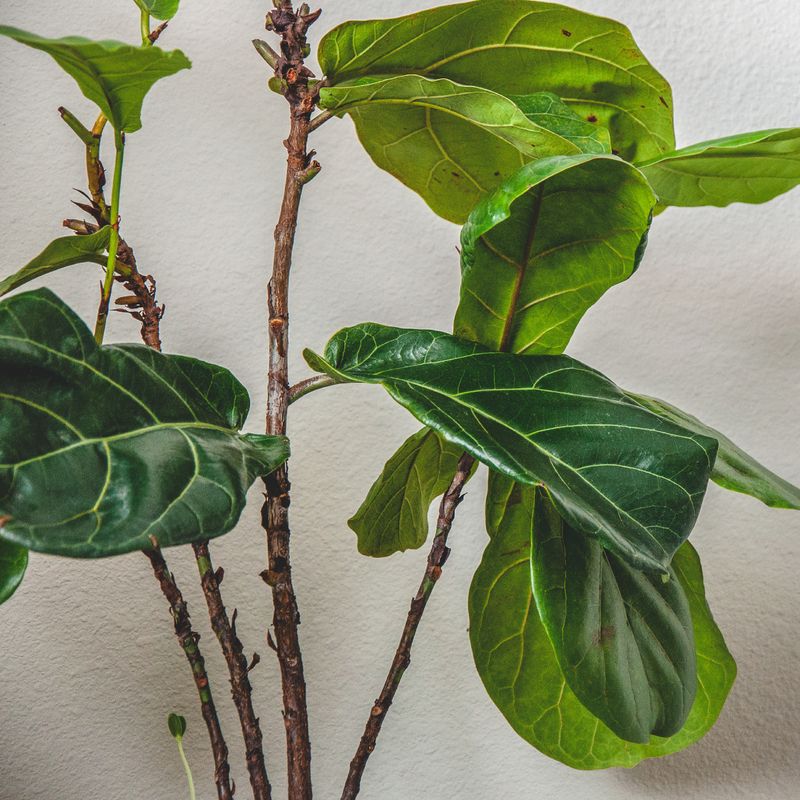
The fiddle leaf fig became one of the most popular houseplants of the last decade, and it is not hard to see why. Its large, glossy, violin-shaped leaves look bold and architectural.
People love placing them on patios or near entryways to make a dramatic statement. In Texas, though, taking a fiddle leaf fig outside is a recipe for frustration.
Fiddle leaf figs are famously finicky. They hate sudden changes in temperature, drafts, and inconsistent watering.
Texas outdoor conditions offer all three of those things in abundance. The temperature can swing dramatically between morning and afternoon, especially in spring and fall.
Strong winds, which are common across much of Texas, can stress the leaves and cause them to drop without warning. Direct Texas sun is another major problem. Fiddle leaf figs prefer bright, indirect light.
The intense afternoon sun in Texas can scorch the leaves quickly, leaving large brown patches that do not recover. Once those leaves are damaged, the plant often responds by dropping them entirely.
Moving the plant back indoors after it has been stressed outdoors can cause even more leaf drop because fiddle leaf figs hate being moved. Every change in environment triggers a stress response.
In Texas, where outdoor conditions shift constantly, that stress is almost impossible to avoid.
Fiddle leaf figs are best kept strictly indoors in Texas, near a bright window with stable temperatures and no drafts. Treating them as outdoor container plants in this state is setting yourself up for a losing battle.
7. Peace Lily
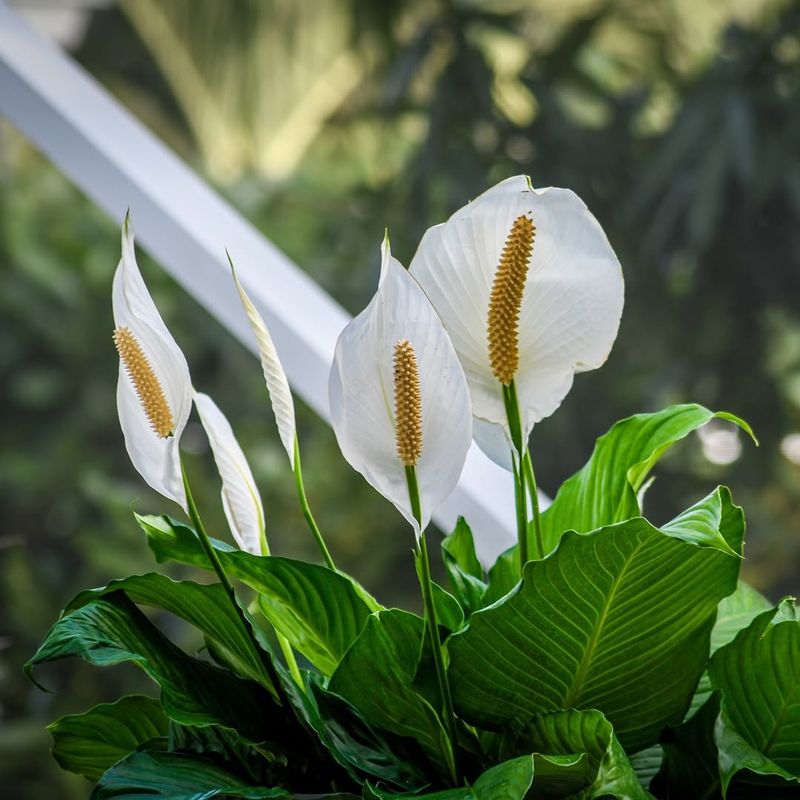
Peace lilies are one of the most popular indoor plants in the country, and for good reason. They are elegant, low-maintenance indoors, and they even help clean the air inside your home. But take one outside onto a Texas patio and the story changes completely.
Peace lilies are tropical plants that thrive in stable, warm, indoor-like conditions. They prefer indirect light, consistent temperatures, and regular watering.
Texas outdoor environments offer none of that stability. The summer heat alone can push a peace lily into severe stress within just a few hours of being outside.
Direct sunlight is especially rough on peace lilies. Their dark green leaves are not built to handle the intensity of the Texas sun.
Even a short stretch of direct afternoon sun can cause the leaves to yellow, develop brown tips, or wilt dramatically. Once a peace lily starts wilting from heat, it can be hard to bring it back to its former healthy state.
Containers speed up the damage because the soil heats up quickly and moisture evaporates fast. Peace lilies like their soil to stay evenly moist but not soggy.
In Texas heat, you would need to water constantly just to keep the soil from drying out completely between waterings.
Wind is another enemy. Peace lily leaves are large and soft, making them vulnerable to tearing and drying out in the gusty conditions common across Texas.
Keeping a peace lily thriving outdoors in Texas long-term is genuinely one of the hardest container gardening challenges you could take on.