This Flower Dominates Pennsylvania Gardens In April
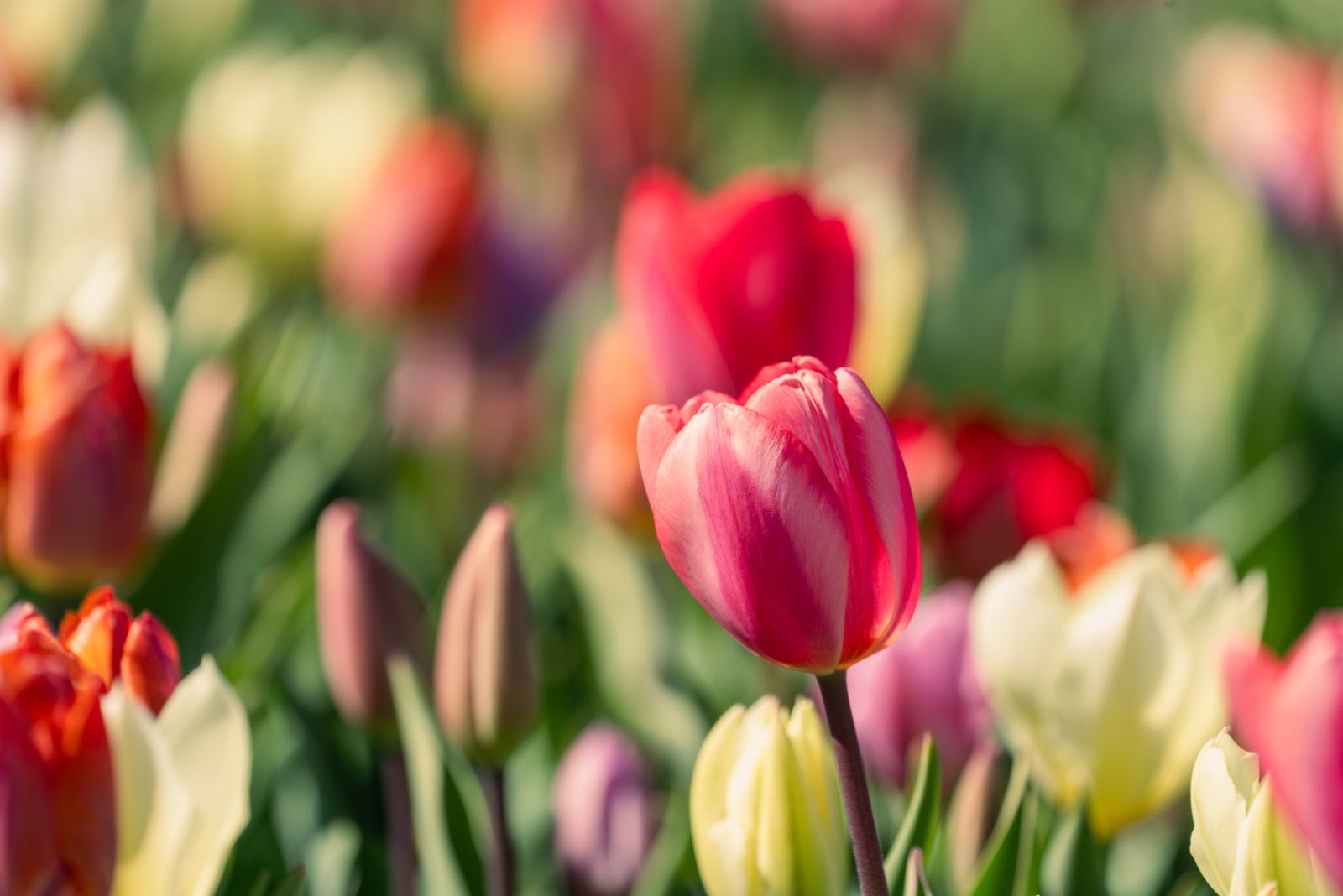
By April, Pennsylvania gardens start to wake up in a big way, and one flower always seems to steal the spotlight. After months of bare branches, dull lawns, and cold mornings, that sudden burst of color feels like a reward.
Front yards brighten up, garden beds come alive, and even a simple walkway can look more cheerful once these blooms appear.
Part of the appeal is how bold and clean they look. Their upright shape, rich colors, and neat appearance make them hard to ignore.
They bring that classic spring feeling people wait for all winter, and they do it without blending into the background. Whether planted in large groups or tucked into smaller beds, they have a way of making the whole garden feel fresh again.
Tulips have become one of the most recognizable sights in Pennsylvania gardens during April. They add instant charm, signal that spring has truly arrived, and create the kind of display that makes people slow down and take a second look.
Why Tulips Take Over Pennsylvania Gardens In April
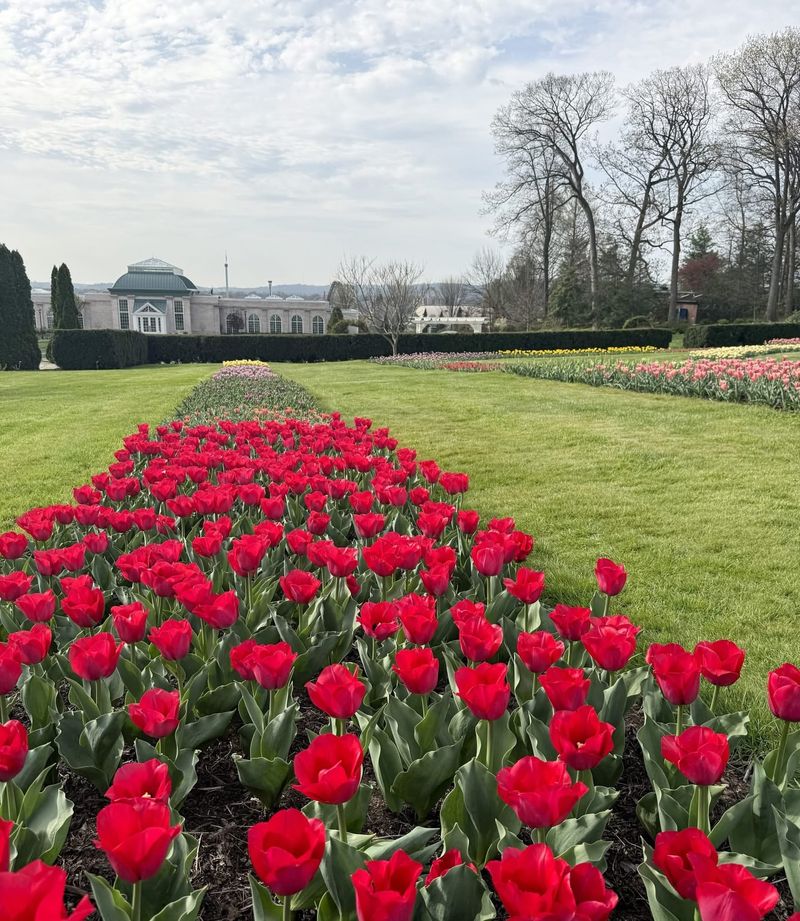
April is peak tulip season across much of Pennsylvania, and once you step outside, it is hard to miss them. From front yards in Pittsburgh to community gardens in Harrisburg, tulips seem to pop up everywhere almost overnight.
The timing is no accident. Tulips are programmed to bloom in cool spring temperatures, and Pennsylvania’s April weather is almost perfect for them.
Gardeners across the state plant tulip bulbs every fall, knowing that the cold winter months are exactly what the bulbs need to develop strong roots. By the time April rolls around, those bulbs are ready to push up bright, bold flowers that last for several weeks.
It is one of the most rewarding gardening experiences you can have. Their bright colors make them one of the most noticeable flowers of the entire month. A single red or yellow tulip can catch your eye from across the street.
Now imagine an entire flower bed filled with them. That kind of visual impact is hard for any other spring flower to match in Pennsylvania gardens.
Large plantings make tulips feel like they are absolutely everywhere. Public parks, school gardens, and private yards all tend to feature them heavily in April.
Neighborhoods that embrace tulip planting take on a completely different look and feel during this time of year.
The flowers create a sense of community pride and seasonal celebration that is easy to appreciate, whether you are a gardener yourself or simply someone who enjoys a beautiful drive through a Pennsylvania town in spring.
Why Gardeners Keep Coming Back To Tulips
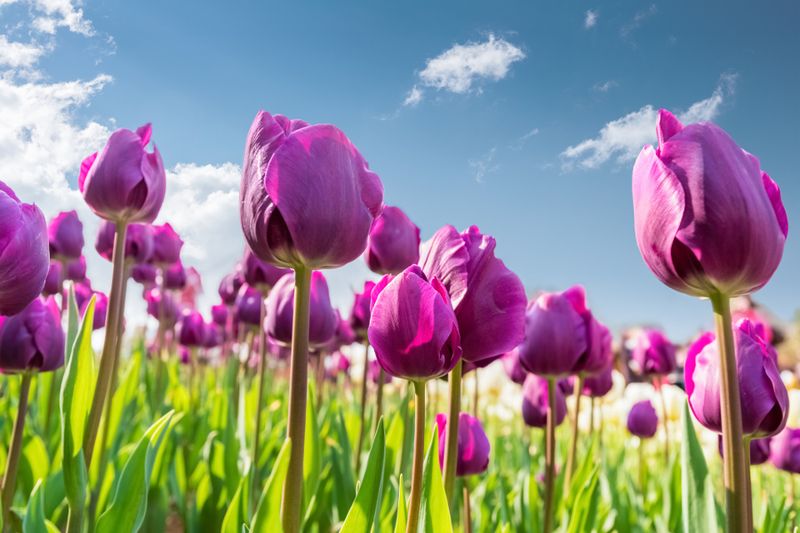
After a long, gray Pennsylvania winter, nothing feels better than seeing your garden come back to life. Tulips are usually the first big, bold flowers to deliver that feeling.
They offer classic spring color at exactly the right moment, when people are most eager for warmth and brightness. That is a big reason gardeners across the state keep planting them year after year.
Your Pennsylvania Garden Changes Every Week. Your Plan Should Too.
Gardening in Pennsylvania changes quickly throughout the season. Every Friday you’ll receive a simple weekly plan showing exactly what to plant, prune, fertilize, harvest, and protect so you never miss the right timing.
One of the best things about tulips is the incredible variety available. You can find them in almost every color imaginable, from deep burgundy to soft lavender to bright orange.
They also come in different heights, ranging from short and compact to tall and elegant. Bloom shapes vary too, with options like single-petaled classics, fringed varieties, and even parrot tulips with ruffled, dramatic petals.
Pennsylvania gardeners love mixing and matching these options to create truly unique displays.
Tulips are also remarkably easy to work into almost any garden layout. Plant them along borders for a neat, structured look.
Tuck them into raised beds for a pop of color. Drop a few bulbs into containers on your porch or patio for a simple but stunning display.
They work beautifully in almost every setting, which is why so many Pennsylvania homeowners reach for tulip bulbs every autumn.
Gardeners also appreciate that tulips require very little maintenance once planted. You do not need to fuss over them constantly.
Plant the bulbs in the fall, let winter do its job, and watch the magic happen in April. It really is that straightforward, and that simplicity keeps gardeners loyal to tulips season after season.
Where Tulips Make The Biggest Impact
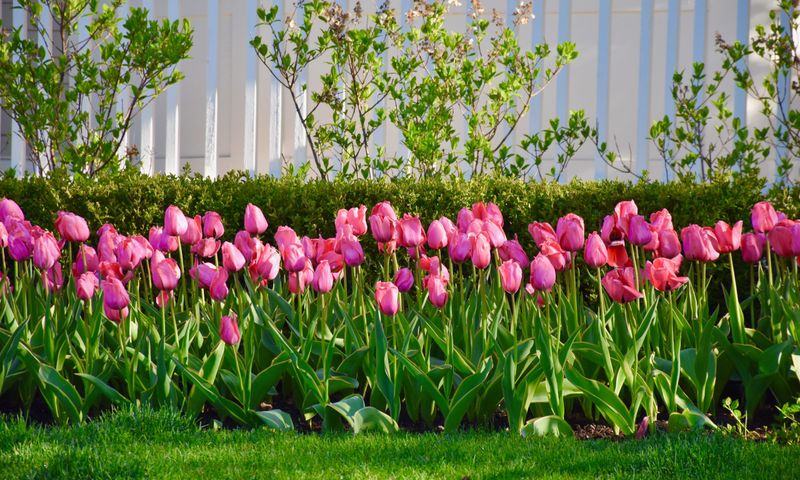
Front yard flower beds are probably the most popular spot for tulips across Pennsylvania, and it is easy to see why. A well-planted tulip bed right in front of your home creates an immediate impression.
Neighbors walking by, delivery drivers, and visiting family members all notice a beautiful front yard tulip display. It sets a cheerful, welcoming tone for the entire property during April.
Walkway borders are another spot where tulips really shine. Planting tulips along both sides of a front path creates a natural corridor of color that draws the eye straight to your front door.
Many Pennsylvania homeowners use alternating colors along walkways for an even more eye-catching effect. It is a simple design trick that delivers big results with very little extra effort.
Foundation plantings, meaning the flower beds right up against your home’s exterior walls, also benefit enormously from tulips. Tall tulip varieties work especially well here because they stand out against the structure of the house.
In many Pennsylvania neighborhoods, you can spot homes from a block away simply because their foundation beds are overflowing with April tulip blooms.
Public gardens and neighborhood landscapes across Pennsylvania take tulip planting to a whole new level. Places like Longwood Gardens in Kennett Square showcase thousands of tulips every spring, drawing visitors from across the region.
Even smaller town squares and community parks throughout the state plant tulips in large groupings to celebrate the season. Seeing those large-scale displays reminds you just how powerful this flower can be when it is given room to truly spread out and show off.
What Makes Them So Visually Dominant
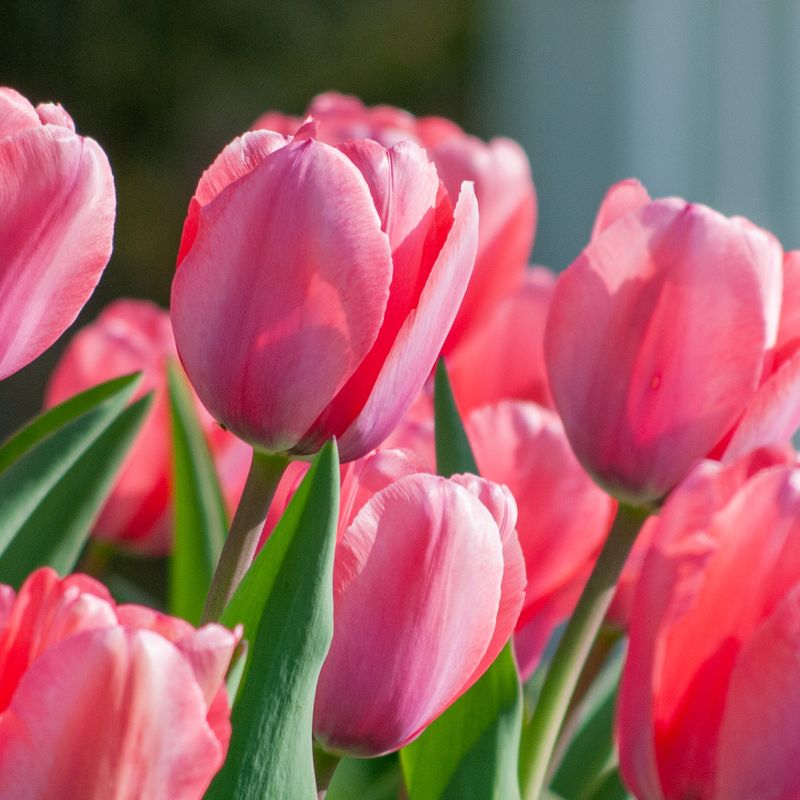
Strong, upright stems are one of the first things you notice about tulips. Unlike many spring flowers that sprawl or droop, tulips grow straight and tall with confidence.
That vertical energy makes them stand out in any garden bed. Even from a distance, a row of tall tulips looks organized, striking, and intentional in a way that feels almost architectural.
The bold, clean flower shape of a tulip is another reason these flowers dominate the spring landscape in Pennsylvania. Each bloom is smooth, symmetrical, and simple in the best possible way.
There is nothing busy or complicated about a tulip’s silhouette. That simplicity is actually what makes them so visually powerful. The eye knows exactly what it is looking at, and it responds with instant appreciation.
Bright colors that stand out even from a distance give tulips an advantage over many other spring bloomers. A patch of red tulips can be spotted from a moving car.
A cluster of yellow ones lights up a shaded corner of a yard like a natural spotlight. Pennsylvania gardens in April often feel like they are glowing from within, and tulips are usually responsible for that effect.
Fun fact: tulips originally came from Central Asia and were brought to Europe in the 1500s, where they became so popular that a craze called Tulip Mania swept through the Netherlands. People paid enormous amounts of money for rare tulip bulbs.
Today, you can pick up a bag of beautiful bulbs for just a few dollars at any Pennsylvania garden center, which makes their visual dominance in April all the more remarkable and accessible to everyone.
The Conditions That Help Tulips Shine
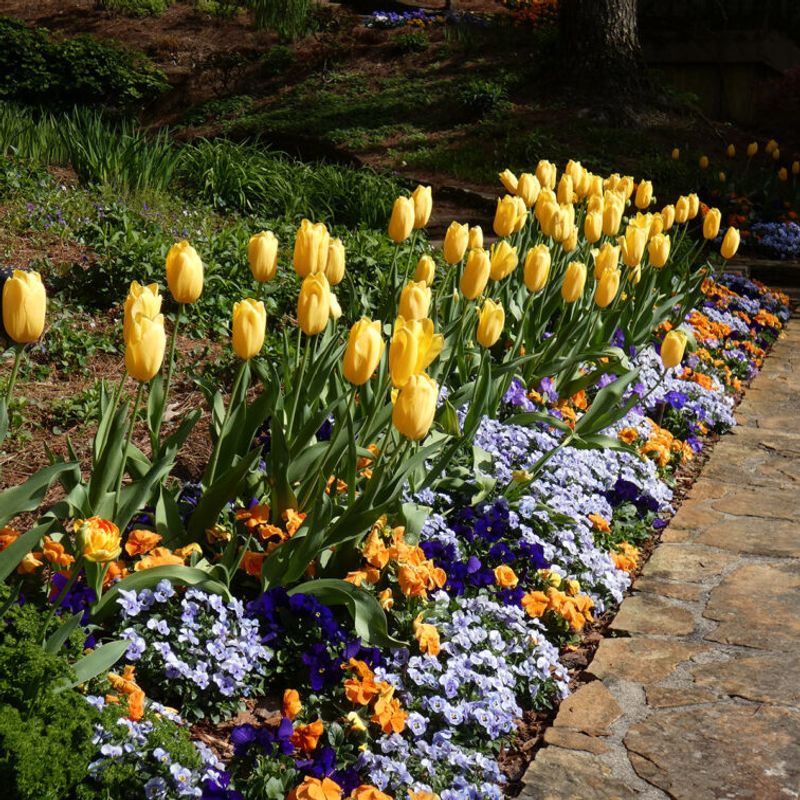
Sunlight is one of the most important ingredients for a successful tulip display. Tulips perform best in full sun, meaning at least six hours of direct sunlight each day.
They can also handle light shade, especially during the afternoon hours when the sun is strongest. Pennsylvania gardeners who choose spots that get morning sun and afternoon shade often find their tulips last a little longer before the heat fades the blooms.
Well-drained soil is absolutely critical for tulips to thrive. Bulbs that sit in soggy, waterlogged soil are likely to rot before they ever get a chance to bloom.
Pennsylvania has a wide range of soil types, so it is worth taking a few minutes to improve your garden bed with compost or coarse sand if drainage is an issue. Raised beds are also a great solution for areas where the soil tends to hold too much moisture after spring rains.
Fall planting is the secret behind those gorgeous April displays you see all across Pennsylvania. Tulip bulbs need a period of cold dormancy to develop properly, and planting them in October or November gives them exactly that.
The colder the winter, the better tulips tend to perform come spring. Pennsylvania’s climate, with its reliably cold winters, is actually ideal for producing strong, healthy tulip blooms.
Planting depth matters too. Most tulip bulbs should go about six to eight inches deep, with the pointed end facing up.
Planting at the right depth protects bulbs from temperature swings during winter and helps anchor the stems so they stay upright even during April’s occasional windy days throughout Pennsylvania.
How To Keep The Display Looking Its Best
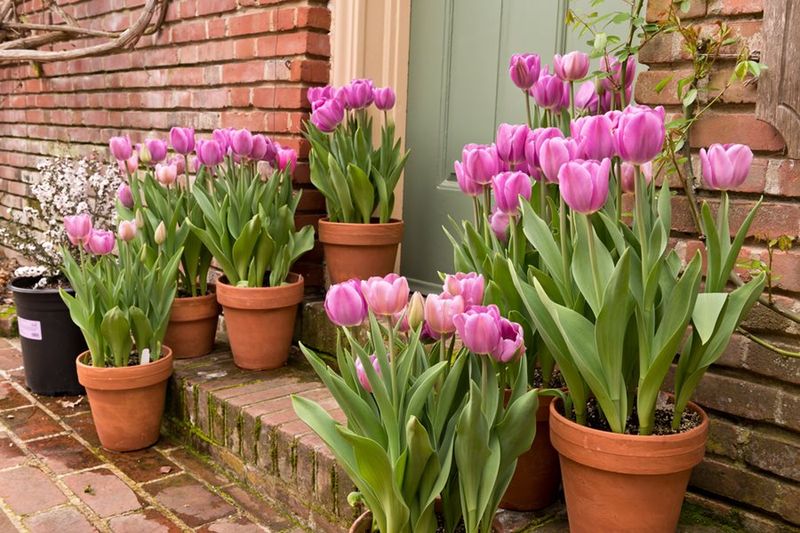
Planting tulips in groups instead of scattering them one by one is probably the single biggest difference between a good tulip display and a great one. A single tulip is pretty.
Ten tulips planted together create a statement. Twenty or thirty tulips in one spot create the kind of bold, sweeping display that stops people in their tracks.
Pennsylvania gardeners who cluster their plantings always end up with more impressive results come April.
Removing spent blooms, a process called deadheading, helps keep your tulip display looking tidy and fresh for as long as possible. Once a tulip flower fades and starts to look ragged, snip it off just below the flower head.
This keeps the garden bed looking neat and prevents the plant from putting energy into producing seeds. A well-deadheaded tulip bed in a Pennsylvania yard looks polished and intentional right through the end of the bloom season.
Letting the foliage fade back naturally after blooming is one of the most important steps many gardeners skip. Those green leaves may look a little messy once the flowers are gone, but they are doing important work.
The leaves absorb sunlight and send energy back down into the bulb, which is how the plant stores strength for next year’s blooms. Cutting the leaves too early weakens the bulb over time.
You can hide fading tulip foliage by planting fast-growing annuals nearby. Petunias, marigolds, or impatiens fill in the gaps beautifully as the tulip leaves fade in late spring.
Pennsylvania gardeners who plan ahead this way enjoy a seamless transition from April tulip season right into the full summer garden without any awkward bare patches.