The Worst Plants For Clay Soil In Pennsylvania
Clay soil can be a real test for any gardener in Pennsylvania. It holds water longer than expected, compacts easily, and can make plant roots work a lot harder than they should.
At first, a plant may seem fine after being tucked into the ground, but once that heavy soil stays wet too long or hardens up in dry weather, problems start to show. Growth slows down, leaves lose their healthy look, and some plants never really settle in.
That is what makes plant choice so important. Not every popular flower, shrub, or perennial is built to handle dense soil, even if it looks great at the nursery.
Some plants need better drainage, looser roots, or more breathing room below the surface than clay can offer. In Pennsylvania gardens, that mismatch can turn into a frustrating cycle of weak growth and repeated replacement.
Knowing which plants struggle the most in clay soil can save you time, money, and effort. It also makes it much easier to build a garden that actually works with your yard instead of constantly fighting against it.
1. Lavender
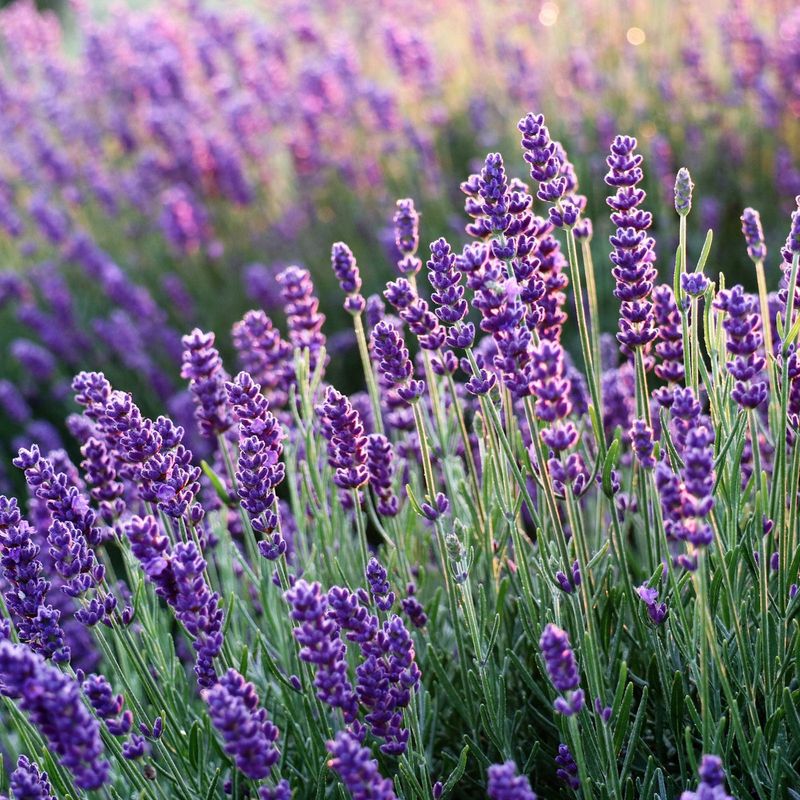
Few plants look as dreamy as lavender, with its soft purple blooms and calming scent drifting through a summer garden. But if you are gardening in Pennsylvania with clay soil, lavender is one plant that will constantly frustrate you.
Native to the dry, rocky hillsides of the Mediterranean region, lavender was simply not built for soggy conditions.
Clay soil in Pennsylvania holds moisture for a long time, especially after a heavy rainstorm. Lavender roots sitting in that wet, compacted ground quickly become waterlogged.
Once the roots stay wet for too long, root rot sets in fast, and the plant starts to decline. The leaves may turn yellow, the stems get mushy near the base, and the whole plant can collapse before you get a single bloom.
Lavender needs sharp, fast drainage above almost anything else. Even a few days of standing water around its roots can cause serious damage.
Sandy or gravelly soil is what it truly loves, and that is pretty much the opposite of what Pennsylvania clay offers. If you have your heart set on growing lavender, you would need to build a raised bed with a custom soil mix of sand, gravel, and compost to give it any real chance.
Otherwise, it is a plant best admired in someone else’s garden or in a pot on a sunny patio where you can control the moisture levels completely. Save yourself the headache and choose a more clay-tolerant herb instead.
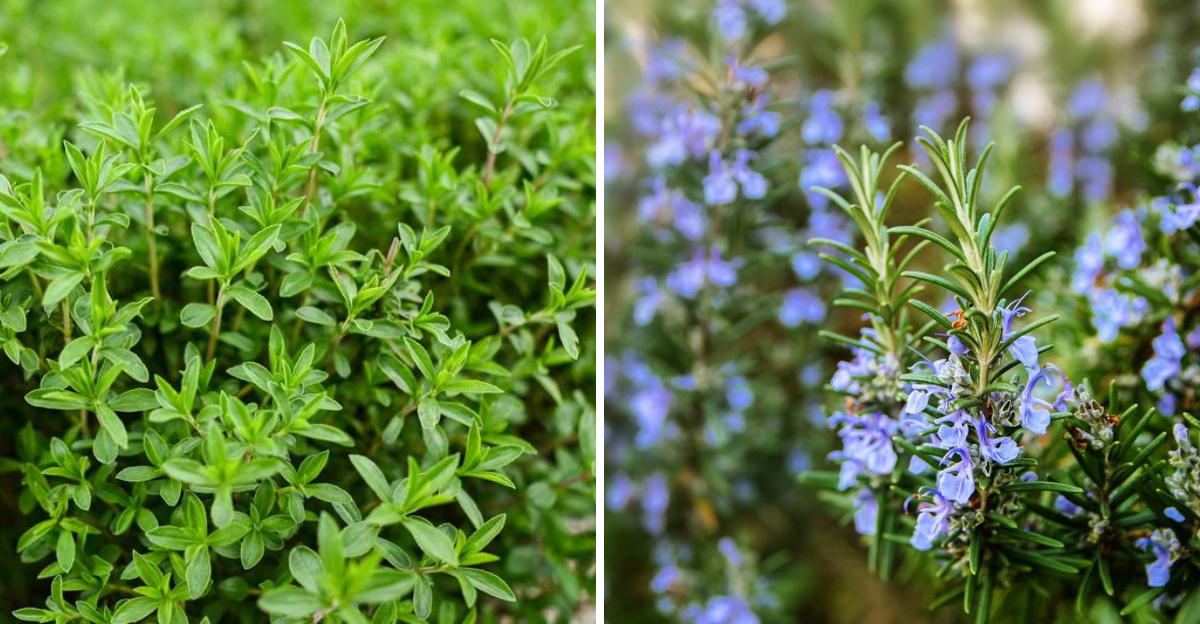
2. Rosemary
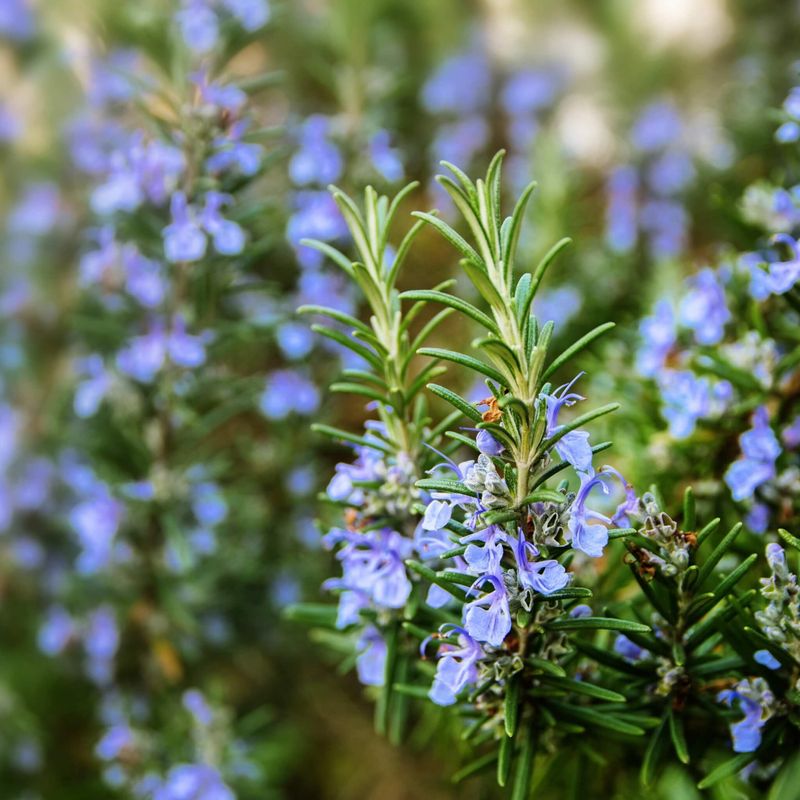
Rosemary is one of those herbs that smells incredible, looks stunning in a garden border, and works wonders in the kitchen. The problem is that it comes from dry, rocky Mediterranean coastlines where rain drains away almost instantly.
Bring it to a Pennsylvania garden with clay soil, and you are setting it up for a rough time from day one.
Heavy clay soil simply cannot drain fast enough for rosemary’s liking. After a good rainstorm, which Pennsylvania gets plenty of throughout spring and fall, clay soil holds onto that water for hours or even days.
Your Pennsylvania Garden Changes Every Week. Your Plan Should Too.
Gardening in Pennsylvania changes quickly throughout the season. Every Friday you’ll receive a simple weekly plan showing exactly what to plant, prune, fertilize, harvest, and protect so you never miss the right timing.
Rosemary roots sitting in that wet environment quickly begin to rot. You might notice the tips of the plant turning brown, the stems becoming soft at the base, or the whole plant looking limp and sad despite sitting in full sun.
One of the sneaky things about rosemary in clay soil is that it can look fine for a few weeks, even a couple of months, before the root rot catches up with it. By the time you see visible damage above ground, the roots are often already in bad shape.
Improving clay soil with plenty of coarse sand and organic matter can help a little, but it rarely fixes the drainage problem completely. Rosemary really needs that sharp, fast-draining environment to stay healthy long term.
If you love cooking with fresh herbs, consider growing rosemary in a large container with a well-draining potting mix instead. It will reward you with far better results.
3. Gardenias
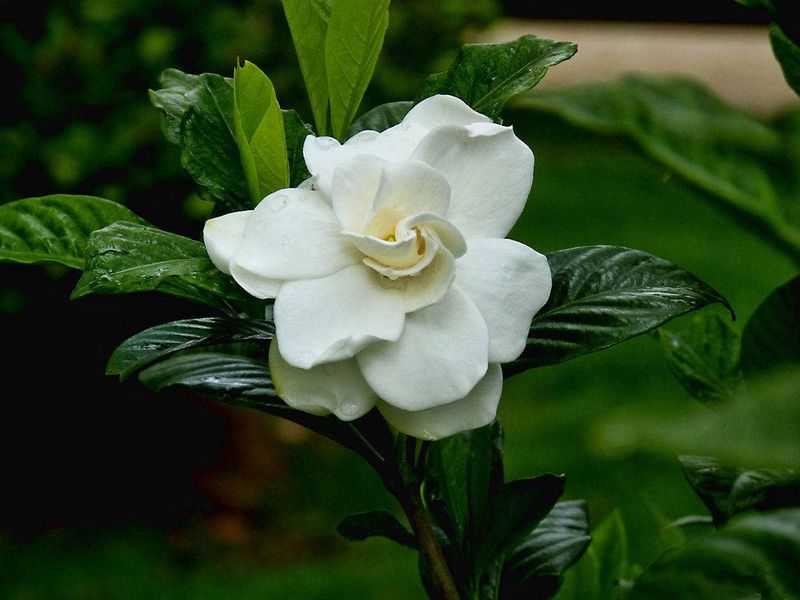
Gardenias are showstoppers in the right environment, with their glossy green leaves and intensely fragrant white flowers that look like something out of a florist’s dream. But growing them in Pennsylvania’s clay soil is a challenge that even experienced gardeners struggle with.
These plants are picky, and clay soil checks almost every box on their list of things they cannot stand.
Gardenias need soil that is well-drained, slightly acidic, and loose enough for their roots to spread comfortably. Pennsylvania clay soil tends to be dense, poorly draining, and often closer to neutral or slightly alkaline in pH.
That combination creates a hostile environment for gardenias. Water pools around their roots instead of draining away, and the tight soil structure prevents proper air circulation underground, which roots absolutely need to stay healthy.
When gardenias are stressed by poor drainage, you will notice it pretty quickly. The leaves start to yellow, flower buds drop before they open, and the plant just looks worn out no matter how much attention you give it.
Adding lime to already alkaline clay makes things even worse for them. You would need to amend the soil heavily with sulfur to lower the pH, and mix in large amounts of compost and perlite to improve drainage, and even then success is not guaranteed.
For Pennsylvania gardeners who love that gardenia fragrance, growing them in containers with acidic, well-draining potting mix is the smartest and most rewarding approach available.
4. Russian Sage (Perovskia Atriplicifolia)
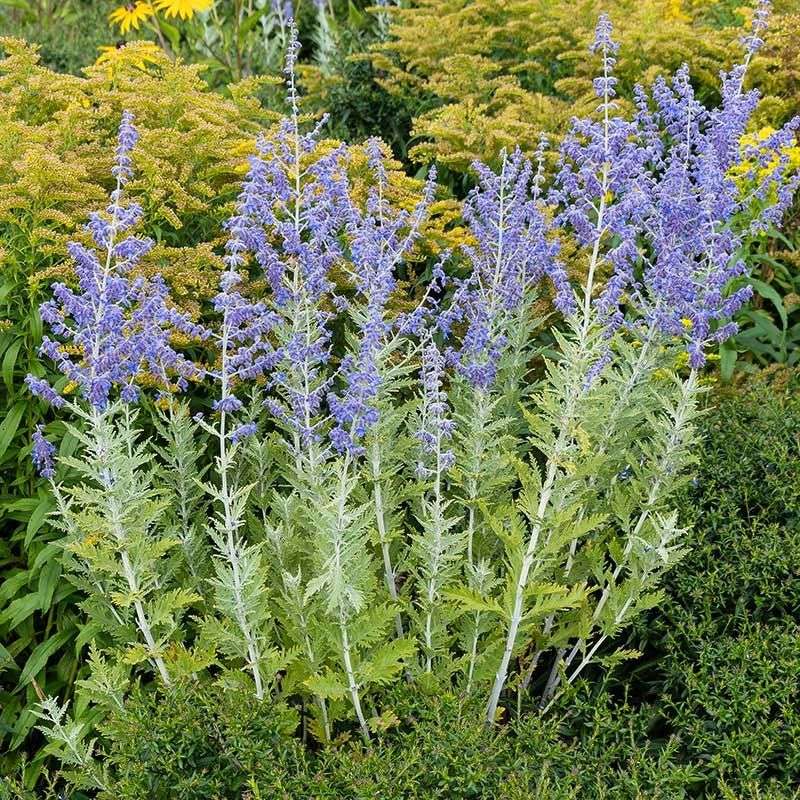
Russian sage looks like it belongs in a painting, with its airy silver stems and clouds of tiny lavender-blue flowers that sway beautifully in a summer breeze. Many Pennsylvania gardeners are drawn to it because it is supposed to be tough and low-maintenance.
And it can be, but only when it has the right soil conditions. Plant it in clay, and that easygoing reputation disappears pretty quickly.
What Russian sage really craves is dry, well-drained soil with excellent air circulation around its roots. It is actually quite drought-tolerant once established, which tells you a lot about the kind of conditions it prefers.
Clay soil in Pennsylvania is essentially the opposite of what this plant needs. The dense, moisture-holding nature of clay keeps the root zone wet far too long, which leads to sluggish growth, weak stems, and poor flowering.
Winter is where things really go wrong for Russian sage planted in Pennsylvania clay. When the ground freezes and thaws repeatedly through the cold months, clay soil that holds excess moisture can cause the roots to heave or rot.
Plants that seemed to be surviving through summer may not bounce back in spring at all. Even if they do return, they often look thin and weak compared to specimens grown in well-drained soil.
To give Russian sage a fighting chance in Pennsylvania, you would need to build up the planting area with a mix of coarse gravel and compost to dramatically improve drainage before ever putting it in the ground.
5. Sedum (Upright Varieties)
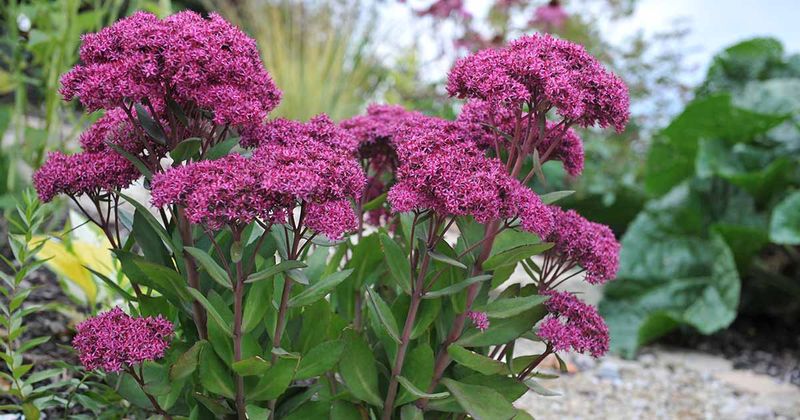
Sedum has a reputation as one of the toughest plants around. It handles drought, poor soil, and neglect better than almost anything else in the garden.
Ground-hugging varieties are especially resilient, but the taller, upright sedums that many Pennsylvania gardeners love for their late-season color are a different story when it comes to clay soil.
Upright sedums like Autumn Joy are popular choices for fall garden color, and for good reason. They produce big, flat clusters of flowers that shift from pink to rust to bronze as the season changes.
However, these varieties have thick, fleshy stems and roots that store water, which means they are already carrying moisture internally. When you plant them in clay soil that drains poorly, the roots end up sitting in wet conditions far longer than they can handle.
The result is stem rot that starts at the base and works its way up, causing the whole plant to flop over or collapse.
Pennsylvania gets a fair amount of rainfall, particularly in spring and early summer, which makes clay soil even more problematic for upright sedums.
You might plant them in late spring, watch them look great through June, and then come back in July to find the stems turning black and mushy at the soil line.
Improving drainage by mixing grit or coarse sand into the planting hole helps, but it is not a complete fix when the surrounding clay continues to hold water. Raised beds or sloped planting areas work much better for these moisture-sensitive succulents in Pennsylvania gardens.
6. Yarrow (Achillea Millefolium)
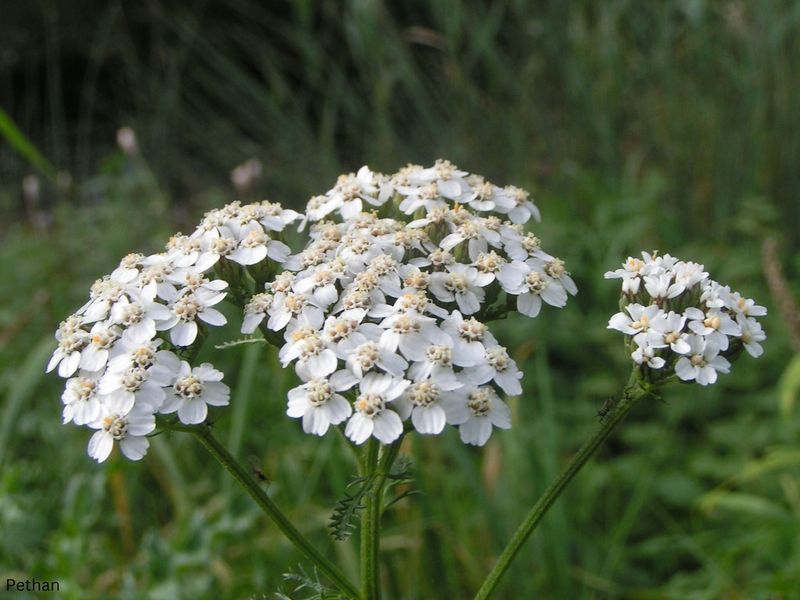
Yarrow is one of those wildflower-style plants that looks effortless and carefree, blooming in shades of yellow, red, pink, and white through the summer months. It has a long history in cottage gardens and naturalistic landscapes across the country.
Tough and adaptable in many ways, yarrow still has one major weakness that causes real problems in Pennsylvania gardens: it absolutely cannot tolerate soggy soil.
Good drainage is non-negotiable for yarrow. When grown in well-drained, even somewhat poor soil, it thrives with minimal care.
But plant it in Pennsylvania’s clay-heavy ground, and the story changes completely. Excess moisture around the roots creates the perfect environment for fungal diseases like powdery mildew and root rot.
The plant may start strong in spring but begin to look ragged and diseased by midsummer when the heat and humidity combine with wet clay soil to create the worst possible conditions.
Another issue with yarrow in clay is that the plant tends to spread through underground runners, and those runners struggle to push through dense, compacted clay. Instead of spreading naturally and filling in a space the way yarrow does in good soil, it just sits there looking stunted and unhappy.
Over time, the clumps thin out and become more susceptible to disease rather than getting stronger.
For Pennsylvania gardeners who love the look of yarrow, amending a planting bed with plenty of coarse sand and compost before planting can make a noticeable difference, though it works best in areas with naturally better drainage to begin with.
7. Thyme
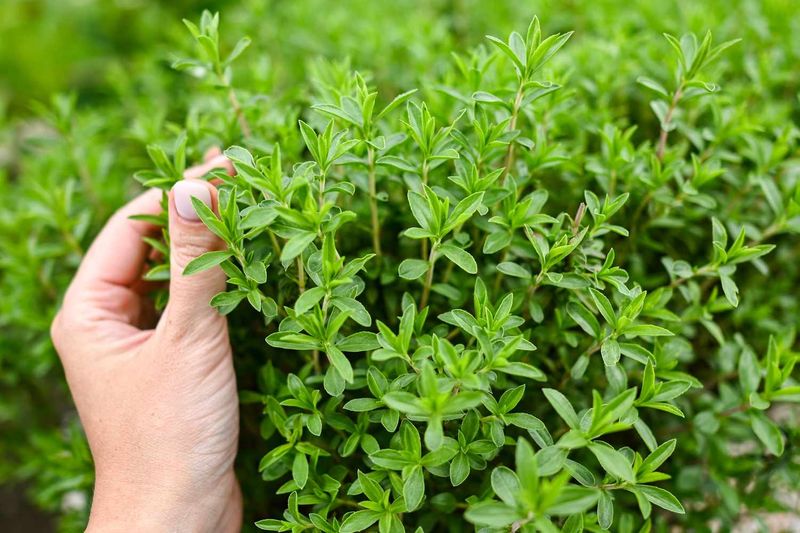
Walk through any herb garden and thyme is almost always there, tucked between stepping stones or spilling over the edges of raised beds. Its tiny leaves pack a huge punch of flavor, and it looks lovely with its small pink or purple flowers in early summer.
Thyme is often described as easy to grow, and in the right conditions it truly is. The catch is that clay soil in Pennsylvania is about as far from its ideal growing conditions as you can get.
Thyme is a Mediterranean herb through and through. It evolved on dry, sun-baked hillsides with sandy or rocky soil that sheds water almost instantly.
It actually grows better in poor, dry soil than in rich, moist ground. Clay soil is the opposite of everything thyme prefers.
The dense texture holds moisture around the roots, and that wet environment causes the roots to rot and the stems to become woody and weak. You might notice the plant looking patchy, with some stems browning off while others struggle to stay green.
Pennsylvania’s wet springs are especially hard on thyme planted in clay. The combination of cold temperatures and waterlogged soil is a lot for such a drought-loving plant to handle.
Even if it survives the winter, it often comes back looking thin and weak rather than lush and full. Growing thyme between flagstones where water runs off quickly, or in a raised bed with a gritty, fast-draining mix, gives it a much better chance in Pennsylvania.
A terracotta pot in full sun is honestly one of the best solutions for keeping thyme happy here.