7 Flower Picks That Thrive After April Planting In Arizona Heat
Arizona heat has a way of testing every plant choice the moment spring starts to shift, and not everything handles that pressure well.
Some flowers fade fast, others stop short before they ever reach full color, and it can leave a yard feeling underwhelming right when it should be at its best. That pattern frustrates a lot of gardeners who expect more from a fresh planting.
Yet some flowers respond differently once they go in after April. They settle in, push growth at the right pace, and handle rising temperatures without losing their impact.
The difference is not always obvious at first, which is why certain picks stand out once the season moves forward.
Getting that strong, steady color through Arizona heat comes down to choosing plants that match the conditions from the start, and that is where the right selection changes everything.
1. Zinnias Grow Fast And Keep Blooming In Arizona Heat
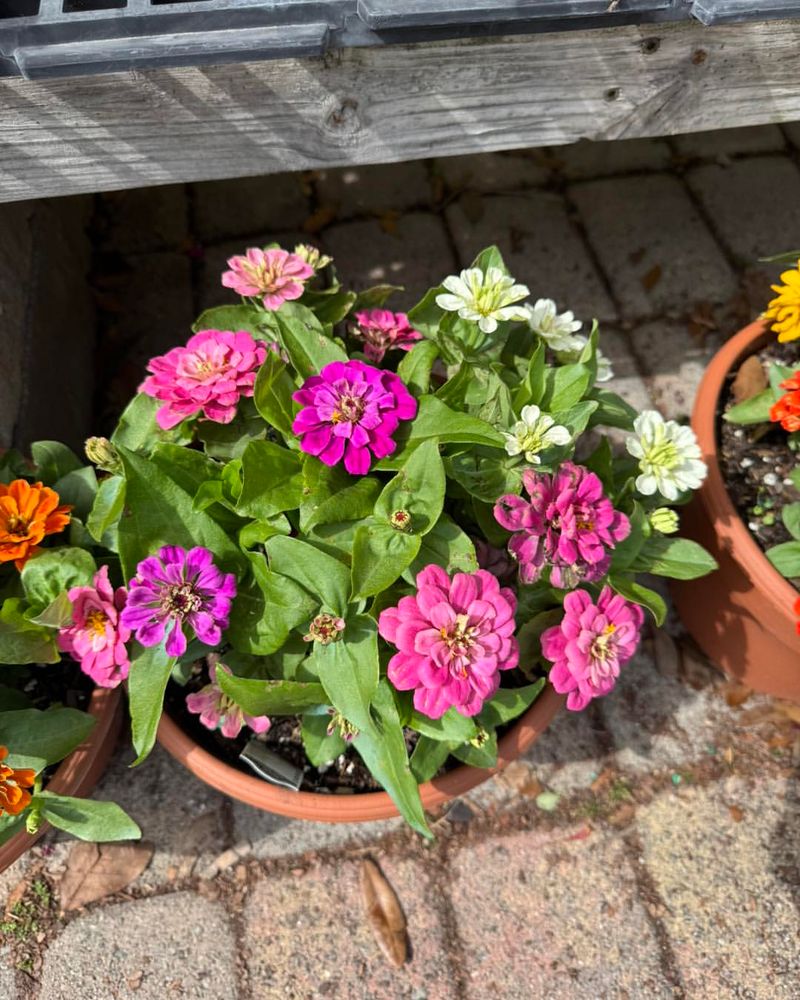
Few flowers put on a show as reliably as zinnias do through an Arizona summer. Plant them in April, and within a few weeks you’ll see those first blooms pushing out in shades of red, orange, pink, coral, and yellow.
Zinnias don’t mess around when it comes to growth speed, especially once the soil is warm and the sun is strong.
Full sun is non-negotiable for zinnias. They want at least six to eight hours of direct light daily, and in Phoenix or Scottsdale, that’s rarely a problem.
Well-draining soil matters too, because soggy roots will set them back fast. Sandy or amended soil works well, and they don’t need heavy fertilizing to produce consistent blooms.
Deadheading spent flowers is one of the best habits you can get into with zinnias. Snipping off the old blooms encourages the plant to push out new ones rather than focusing energy on seed production.
It takes maybe ten minutes a week but makes a noticeable difference in how full and active the plant stays.
Watering deeply but infrequently is the right approach in Arizona’s dry climate. Shallow watering encourages weak roots.
Letting the soil dry out slightly between waterings tends to keep zinnias healthier than keeping them consistently moist. Powdery mildew can appear in late summer humidity, but choosing mildew-resistant varieties like Zahara or Profusion helps reduce that issue considerably.
Zinnias are one of the most dependable April planting choices across Arizona.
Zinnias are also a favorite for pollinators, especially butterflies, which are drawn to their bright, open blooms all season long.
2. Madagascar Periwinkle Handles Heat Without Slowing Down
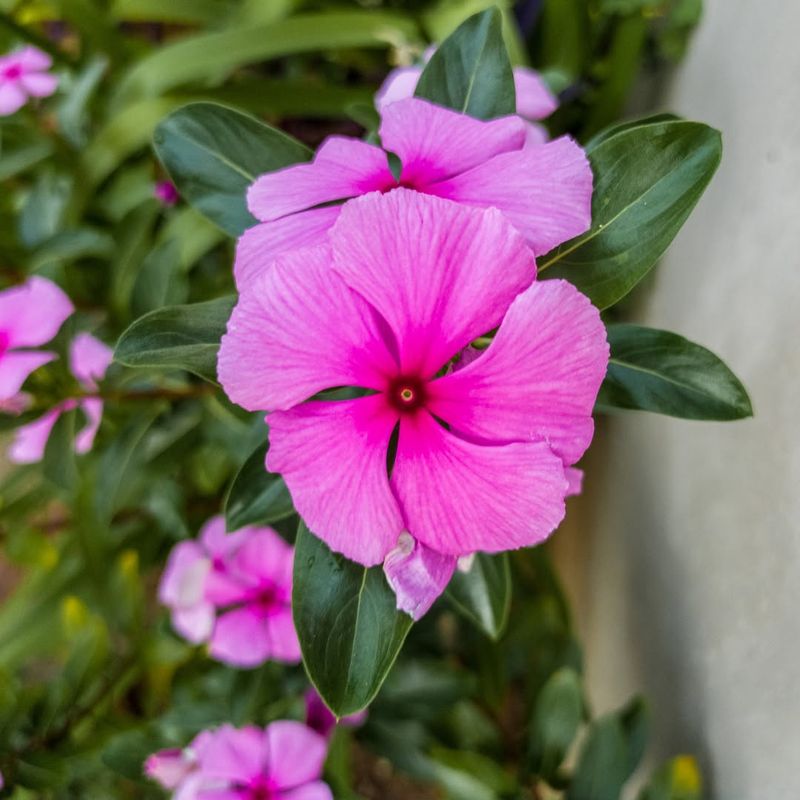
Walk through any nursery in Tucson or Phoenix in April and you’ll almost always spot Madagascar periwinkle front and center. That’s not by accident.
This plant has a reputation in Arizona for holding up through brutal heat without dropping its bloom count or looking ragged by July. It just keeps going.
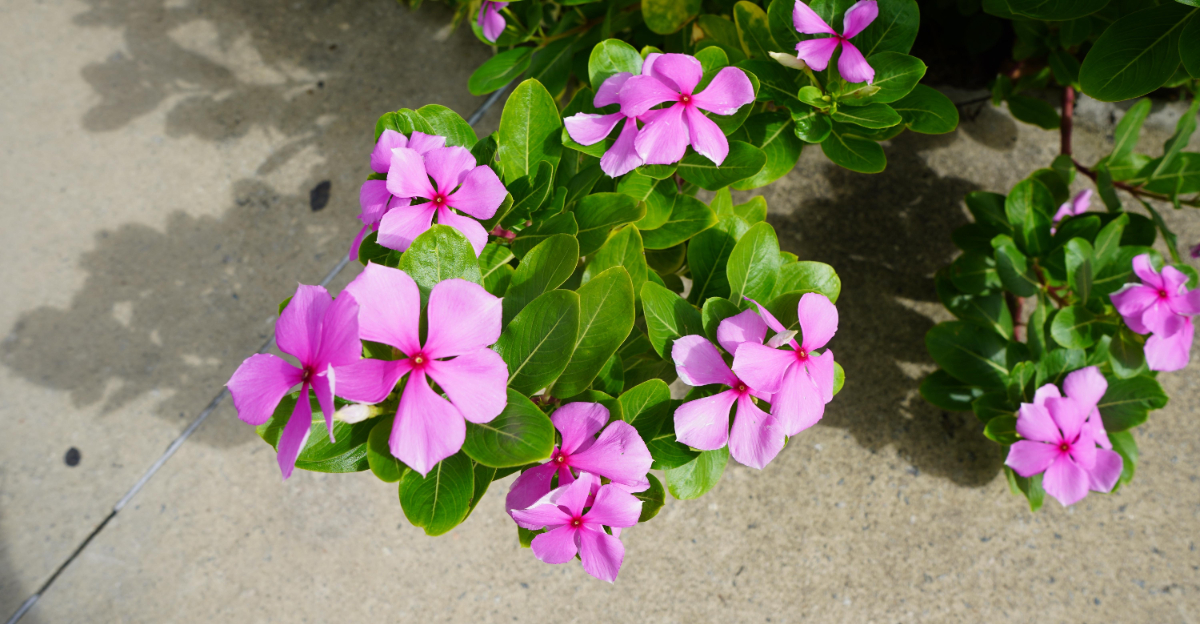
Botanically called Catharanthus roseus, this flower is often labeled as vinca at local garden centers. Blooms come in shades of white, pink, lavender, and deep rose, many with a contrasting center that gives them a clean, polished look.
Your Arizona Garden Changes Every Week. Your Plan Should Too.
Gardening in Arizona changes quickly throughout the season. Every Friday you’ll receive a simple weekly plan showing exactly what to plant, prune, fertilize, harvest, and protect so you never miss the right timing.
Plants stay fairly compact, usually topping out around twelve to eighteen inches, which makes them useful in borders, containers, or mass plantings.
Planting in April gives them time to settle in before the most intense heat arrives. Water regularly right after planting, then ease off as the plant establishes.
Overwatering is actually a more common problem than underwatering with this species. Root rot can develop quickly in poorly draining soil, so raised beds or containers with drainage holes are worth considering.
Full sun is where Madagascar periwinkle performs best in Arizona. Partial shade can reduce blooming noticeably.
Fertilizing every few weeks through the growing season with a balanced fertilizer helps maintain steady flower production.
Unlike some flowers that slow down dramatically in triple-digit temperatures, this one tends to keep producing through Arizona’s peak heat months, making it a genuinely reliable option for summer color across the state.
It is also widely used as a low-maintenance bedding plant because it requires minimal care once established in warm conditions.
3. Portulaca Thrives In Full Sun And Dry Soil
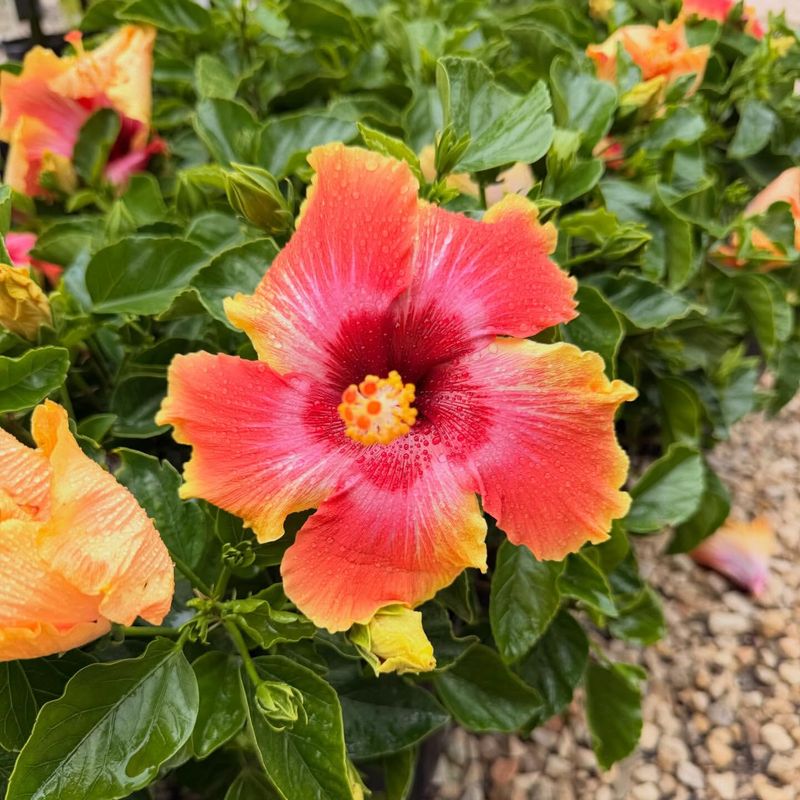
Portulaca is practically built for Arizona conditions. Succulent-like leaves store moisture, stems spread low across the ground, and the whole plant seems completely unbothered by intense sun and dry spells.
For spots where other flowers struggle, portulaca often steps in and delivers without much fuss.
Blooms open wide in direct sunlight and tend to close up in the evening or on overcast days. That might sound like a downside, but in Arizona’s reliably sunny climate, the flowers are open for most of the day.
Colors range from deep magenta and coral to soft yellow and creamy white, and many varieties produce semi-double or double flowers that look almost like tiny roses.
Planting in April works well because the soil is already warm enough to encourage quick germination if you’re starting from seed, or fast root development if you’re using transplants from the nursery.
Sandy, gritty, or rocky soil is fine, and portulaca actually tends to perform better in lean soil than in rich, heavily amended beds.
Too much nitrogen pushes foliage over flowers.
Spacing plants about six to eight inches apart gives them room to spread and fill in nicely by early summer. Watering needs are low compared to most annuals.
Once portulaca is settled in, it can handle dry stretches reasonably well, though consistent watering during the first few weeks after planting helps it root properly.
For slopes, rock gardens, or sun-baked containers across Arizona, portulaca is a genuinely solid option worth planting every April.
Portulaca is also well suited for containers and hot, exposed spots where reflected heat would stress most other flowering plants.
4. Gaillardia Keeps Blooming As Temperatures Rise
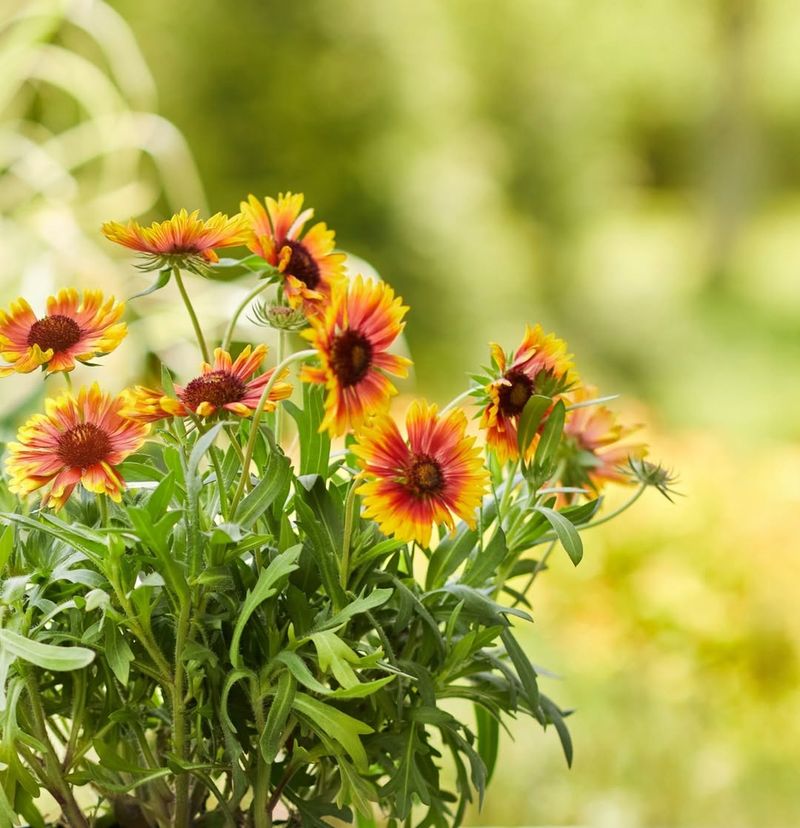
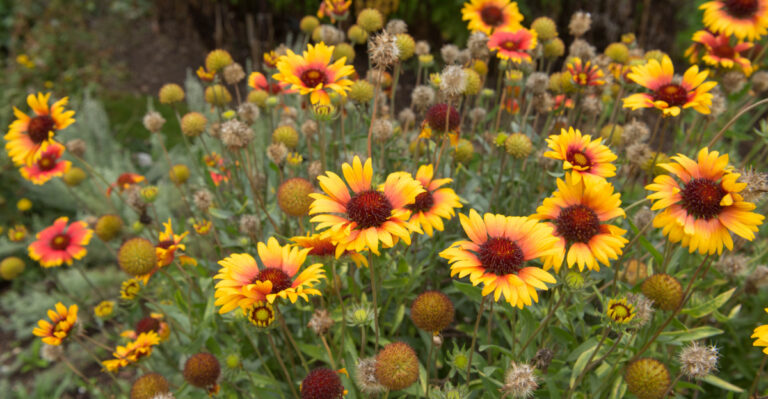
Gaillardia, sometimes called blanket flower, has a bold look that fits right in with Arizona’s landscape. Petals in fiery combinations of red, orange, and yellow radiate out from a dark center, and the whole flower has an energy to it that’s hard to miss.
Plant them in April and they’ll likely be in full bloom before May is out.
What makes gaillardia stand out in Arizona is its genuine heat tolerance. Many flowers that look great in spring start declining once temperatures push past 100 degrees Fahrenheit.
Gaillardia tends to hold on and keep producing flowers even through that stretch, which is exactly what an Arizona gardener needs from a summer bloomer.
Drainage is critical with this plant. Sitting in wet soil, especially during Arizona’s summer monsoon season, can cause root problems.
Raised beds or spots with naturally fast-draining soil are ideal. Gaillardia does not need heavy watering once it gets going, and in fact does better with moderate, consistent moisture rather than frequent shallow irrigation.
Deadheading spent blooms regularly encourages continued flowering through the season. Leaving some seed heads in place toward the end of the season can lead to self-seeding, which means new plants may appear the following spring.
Gaillardia attracts bees and butterflies, adding some life to the garden beyond just visual color.
In Tucson and Phoenix, where summer heat can be relentless, having a flower that holds up without constant attention makes gaillardia a practical and genuinely attractive choice for April planting.
Once established, it forms a long-lasting display that carries color well into the hottest part of the season.
5. Angelonia Stays Strong Through Early Arizona Heat
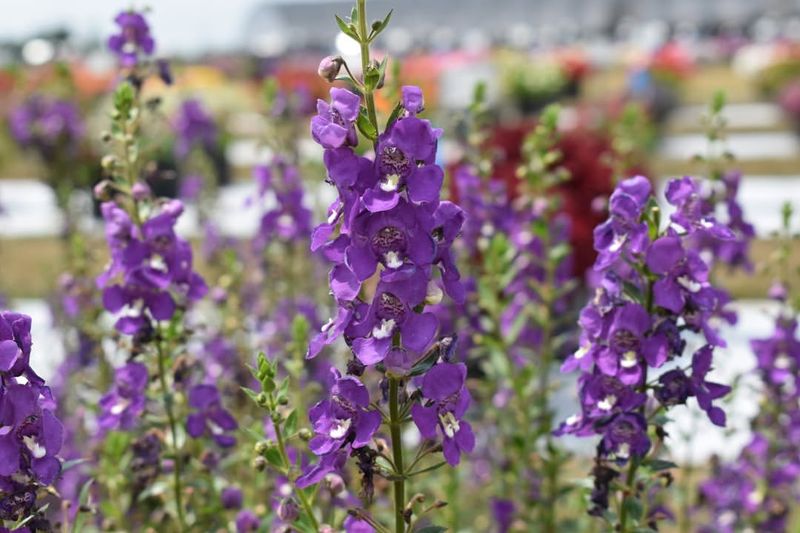
Angelonia doesn’t always get the attention it deserves at Arizona nurseries, but gardeners who’ve tried it tend to come back to it year after year. Slender spikes of small, orchid-like flowers rise above the foliage in shades of purple, pink, lavender, and white.
Up close, the blooms have a subtle grape-like scent that’s pleasant without being overpowering.
April planting sets angelonia up well because it needs warm soil to root properly and takes time to really get established before intense heat arrives.
In Arizona’s low desert, the window between a comfortable spring and a brutal summer can be short, so getting transplants in the ground early in April rather than late gives the plant its best shot at a strong summer performance.
Full sun works best for angelonia, though it can tolerate a bit of afternoon shade in the hottest parts of Tucson and Phoenix without losing too many blooms. Soil should drain well, and regular watering during establishment is important.
Once the plant is settled, it becomes more tolerant of dry conditions, though it still appreciates consistent moisture through the peak of summer.
One of the more practical things about angelonia is that it doesn’t need deadheading to keep blooming. Spent flowers drop on their own and new ones continue to emerge, which means less hands-on maintenance during the hottest months.
Compact varieties work well in containers on patios, while taller types fill in nicely in garden borders. For reliable color through Arizona’s early summer, angelonia earns its spot in the ground every April.
6. Pentas Bloom Well And Handle Warm Conditions
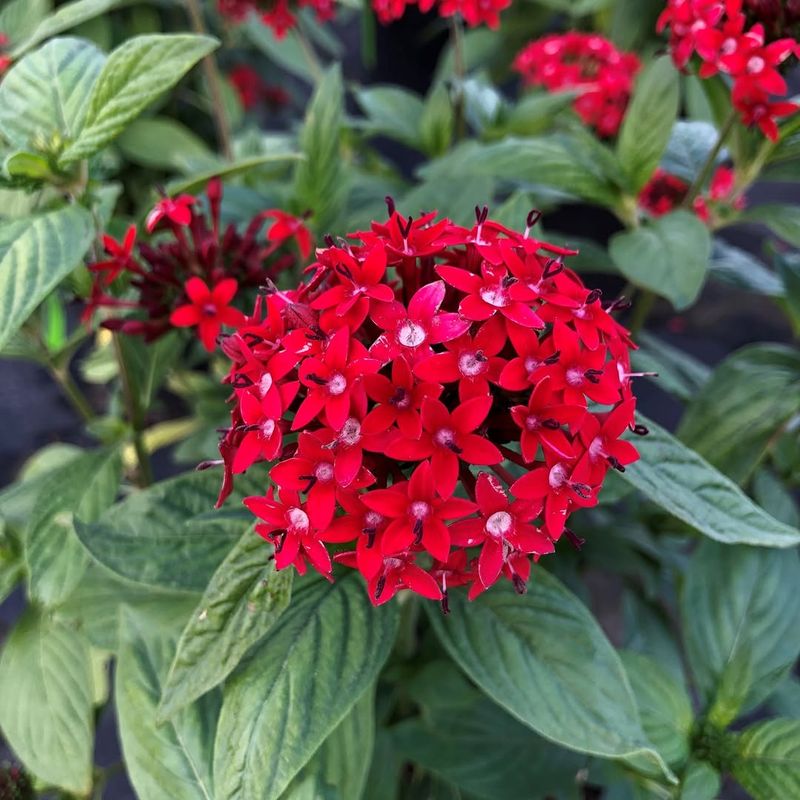
Pentas is the kind of flower that earns its keep through sheer consistency. Clusters of small star-shaped blooms appear in red, pink, coral, lavender, and white, and they don’t stop producing just because temperatures climb.
In Arizona, that kind of staying power matters a lot when you’re trying to keep a garden looking alive from May through September.
Butterflies and hummingbirds are drawn to pentas reliably, which adds a layer of activity to the garden beyond just color.
If attracting pollinators is part of your gardening goal, this plant pulls its weight in that department without needing any special setup or placement beyond being in a reasonably open sunny spot.
Planting in April in Arizona gives pentas the warm soil it prefers for root development. Cooler soil can slow things down considerably, so waiting until at least mid-April in higher elevation areas like Flagstaff makes sense.
In the low desert around Phoenix and Mesa, early April planting is usually fine as soil temperatures are already on the warmer side by then.
Moderate watering works well for pentas. It’s not as drought-tolerant as portulaca or gaillardia, so letting the soil go completely dry for extended periods can stress the plant and slow blooming.
At the same time, it doesn’t want to sit in wet soil. Finding that middle ground, moist but well-draining, keeps pentas performing steadily.
Fertilizing every few weeks through summer gives it the nutrients to sustain that consistent bloom cycle through Arizona’s long, warm growing season.
7. Cosmos Grow Quickly And Flower In Rising Heat
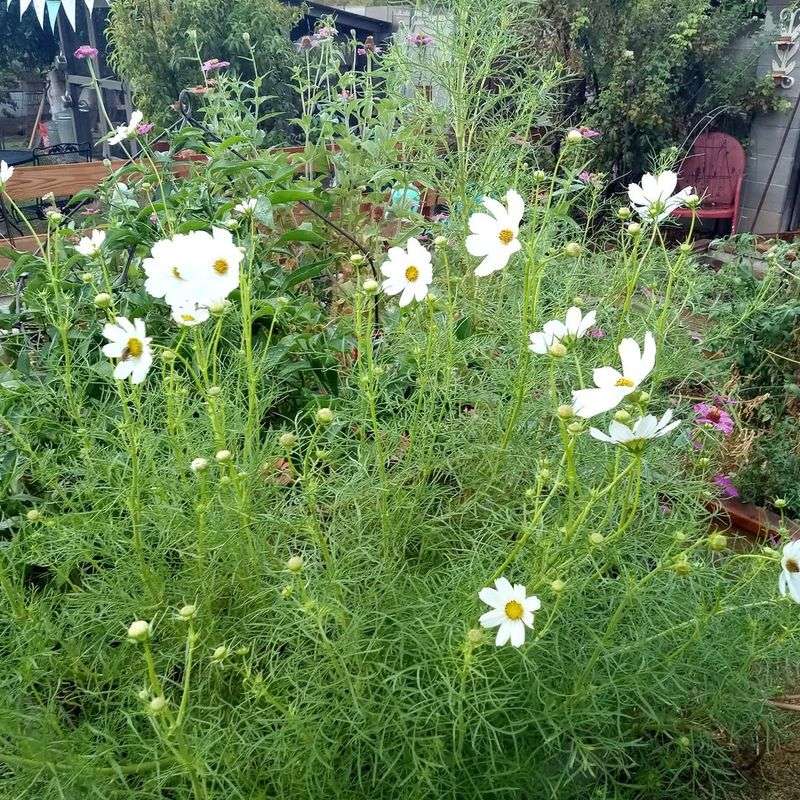
Cosmos might look delicate with their feathery foliage and paper-thin petals, but they’re tougher than they appear. Planted in April across Arizona, they can go from seed to bloom in roughly seven to eight weeks under the right conditions.
That speed is genuinely useful when you want color filling in before summer fully arrives.
Cosmos sulphureus, the orange and yellow variety, tends to handle Arizona heat better than the pink and white cosmos bipinnatus types.
Both can work, but sulphureus has a noticeable edge in sustained heat tolerance, which becomes relevant by June and July in places like Chandler, Tempe, and the broader Phoenix metro area.
Starting cosmos from seed directly in the garden is easy and cost-effective. Scatter seeds in a prepared bed, press them lightly into the soil, and keep the area moist until germination.
Transplanting cosmos can work but isn’t always necessary since direct seeding is so straightforward. Thin seedlings once they’re a few inches tall to avoid overcrowding, which can reduce airflow and invite fungal issues.
Rich soil is actually not ideal for cosmos. Lean, slightly poor soil tends to produce more flowers and a sturdier plant.
Heavy fertilizing pushes leafy growth at the expense of blooms, which is the opposite of what you want. Cosmos also self-seeds readily, meaning plants that go to seed may leave volunteers for the next season.
For a fast, low-cost burst of color in Arizona gardens come spring and early summer, cosmos planted in April deliver results without demanding much in return.