North Carolina Azaleas That Keep Blooming Past April
North Carolina gardeners wait all year for azalea season, and when those shrubs are covered in color, it is hard not to slow down and admire them every time you pass by. Few spring plants put on that kind of show so easily in porches, foundation beds, and older neighborhood landscapes.
What many people love even more is finding azaleas that keep the display going after the main spring rush starts fading. That extra bloom time can make a yard feel fresher longer, especially when so many other shrubs have already settled back into plain green.
For gardeners who want lasting color without reworking the whole landscape, that is a pretty appealing trait.
Not every azalea will carry the season forward in the same way, and North Carolina conditions can influence how well they perform. The varieties ahead are the ones gardeners often choose for spring color that lingers.
1. Encore Azaleas Keep The Spring Show Going Strong
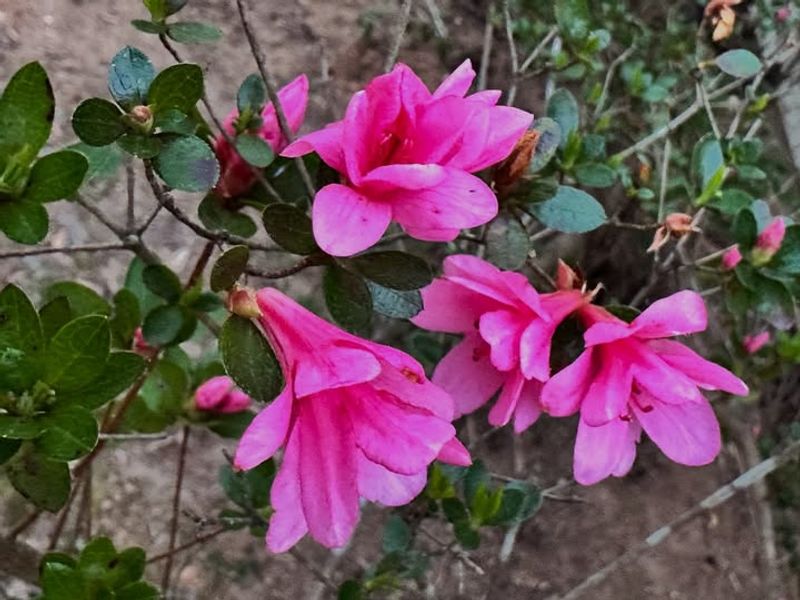
Gardeners across North Carolina practically cheer when Encore Azaleas come up in conversation, and for good reason. Unlike most azaleas that bloom once and call it a season, Encore varieties are famous for blooming in spring, again in summer, and then once more in fall.
That kind of repeat performance is almost unheard of in the azalea world, making these shrubs a standout choice for anyone who wants continuous color without planting a dozen different species.
Encore Azaleas were developed through careful crossbreeding, and the results speak for themselves. They come in shades of pink, red, purple, orange, and white, so there is truly something for every garden style.
In North Carolina, where the climate can shift quickly between seasons, these plants hold up beautifully because they were bred for both heat tolerance and cold hardiness.
Planting them in a spot with morning sun and afternoon shade tends to bring out the best blooms. Well-drained, slightly acidic soil is their sweet spot, which is easy to find across much of North Carolina.
Adding a layer of mulch around the base helps keep moisture in during dry summer stretches. Encore Azaleas typically reach three to five feet tall, making them great for borders, foundation plantings, or even container gardening on a porch.
Regular light pruning right after the spring bloom encourages even more flowering later in the season. For North Carolina homeowners who want a low-maintenance shrub that delivers big visual impact across multiple seasons, Encore Azaleas are hard to beat.
2. Smooth Azalea Brings Late Bloom Beauty With A Native Touch
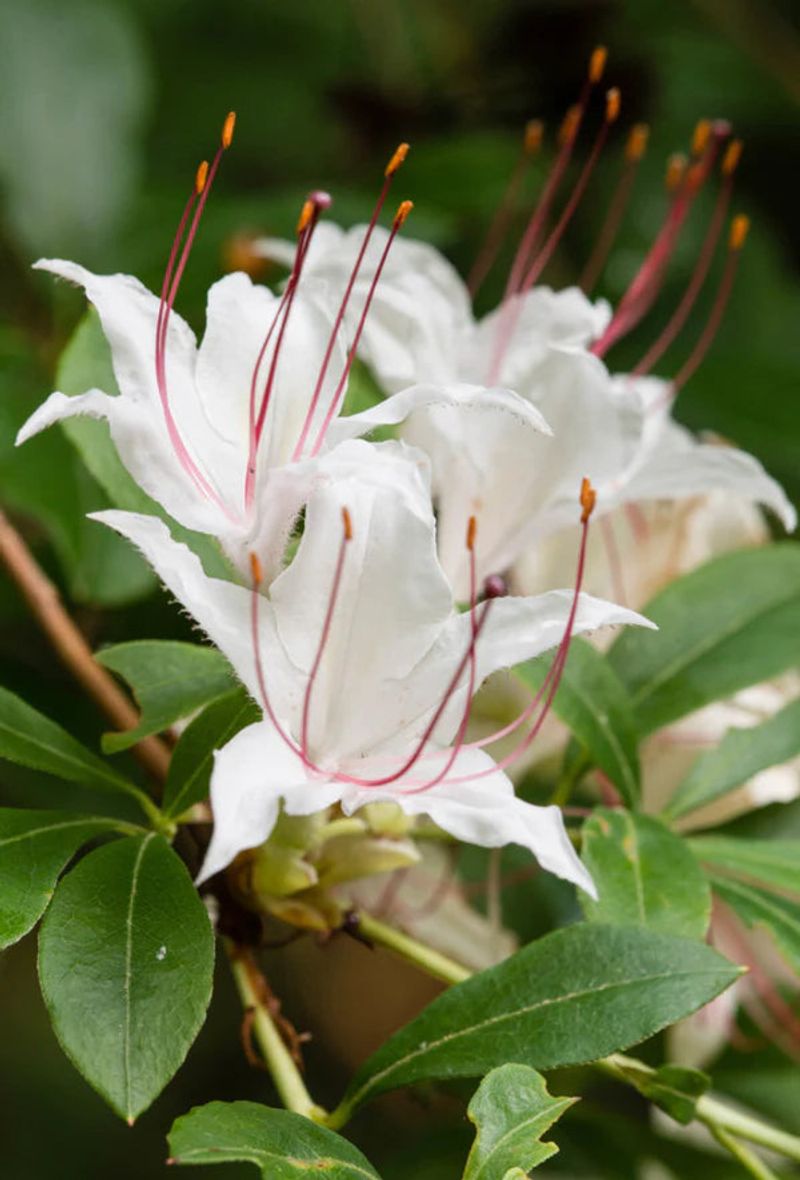
There is something quietly elegant about the Smooth Azalea, also known as Rhododendron arborescens, that makes it stand apart from flashier garden plants. Native to the Appalachian region, including the mountain areas of western North Carolina, this azalea carries sweetly fragrant white flowers that usually bloom from late spring into early summer.
That extended bloom period makes it one of the longest-flowering native azaleas you can grow in the state.
The fragrance alone is worth planting this shrub. Gardeners often describe the scent as a mix of roses and spices, filling the air around it on warm evenings.
Your North Carolina Garden Changes Every Week. Your Plan Should Too.
Gardening in North Carolina changes quickly throughout the season. Every Friday you’ll receive a simple weekly plan showing exactly what to plant, prune, fertilize, harvest, and protect so you never miss the right timing.
Hummingbirds and butterflies are drawn to the blooms too, so adding a Smooth Azalea to your yard essentially means inviting pollinators to stick around through the summer months.
In North Carolina, Smooth Azaleas do especially well near streams or in low-lying areas where the soil stays moist. They naturally grow along riverbanks and in mountain hollows, so mimicking that environment in your garden gives them the best start.
They prefer partial shade, especially during the hottest part of the afternoon, and thrive in acidic soil rich with organic matter. Mature plants can grow up to eight feet tall, so give them plenty of room to spread.
Because this is a native species, it tends to be more resistant to local pests and diseases than many imported varieties. For North Carolina gardeners who want beauty, fragrance, and wildlife value all in one plant, the Smooth Azalea delivers on every front.
3. Swamp Azalea Adds Fresh Color Just When Others Slow Down
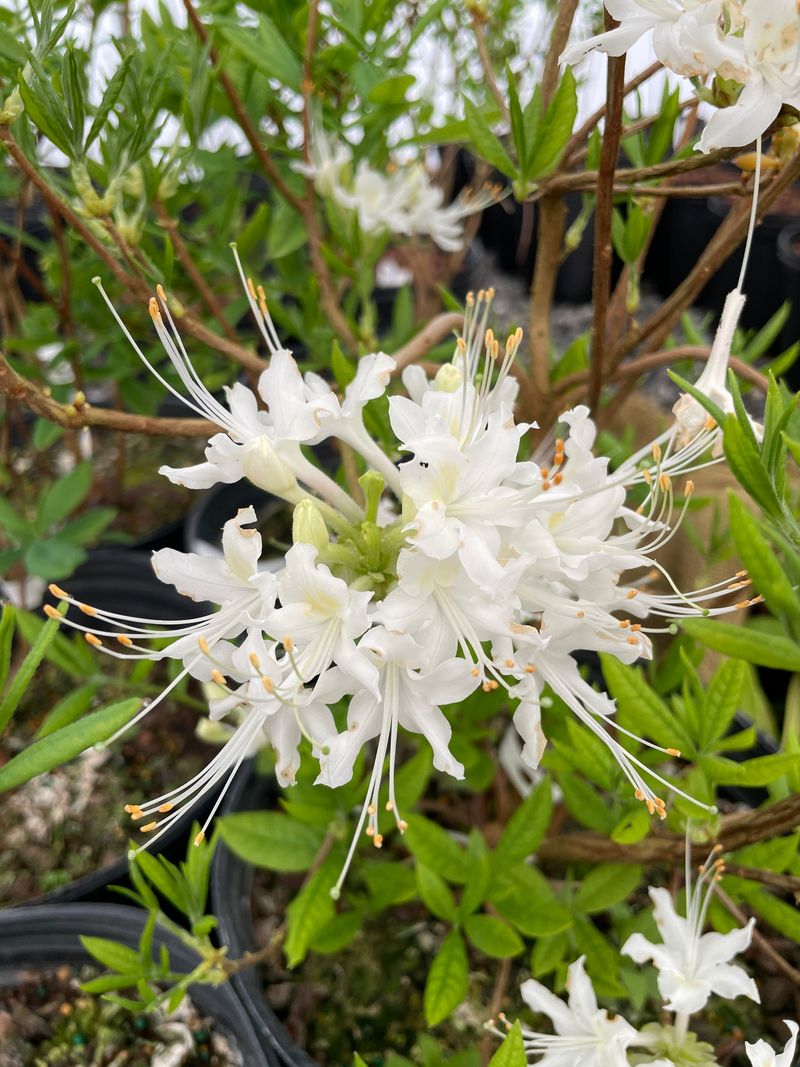
Not every azalea needs perfectly dry garden soil to thrive, and the Swamp Azalea, known scientifically as Rhododendron viscosum, is proof of that. This tough and charming native species blooms from May into June, producing clusters of slender white flowers with a distinctive clove-like fragrance.
The blooms are sticky to the touch, which is actually what gives the plant its scientific name, and they attract a wide range of pollinators that love their sweet scent.
In North Carolina, the Swamp Azalea naturally grows in boggy areas, along stream banks, and in low wetland spots where other plants struggle. This makes it a brilliant choice for gardeners dealing with drainage issues or areas of the yard that stay wet after rain.
Instead of fighting the moisture, you can lean into it by planting a Swamp Azalea and turning a problem area into a garden feature.
Fun fact: the Swamp Azalea is one of the last native azaleas to bloom each season in many parts of North Carolina, which means it carries the floral torch when other shrubs have already finished their show. It grows best in full sun to partial shade and prefers acidic, consistently moist soil.
Plants typically reach four to eight feet in height and spread nicely over time. Minimal pruning is needed, which makes upkeep simple.
For North Carolina homeowners with wet or shaded spots in their landscape, this fragrant native shrub offers a practical and beautiful solution that keeps the garden looking lively well into early summer.
4. Flame Azalea Keeps The Garden Glowing Into Late Spring
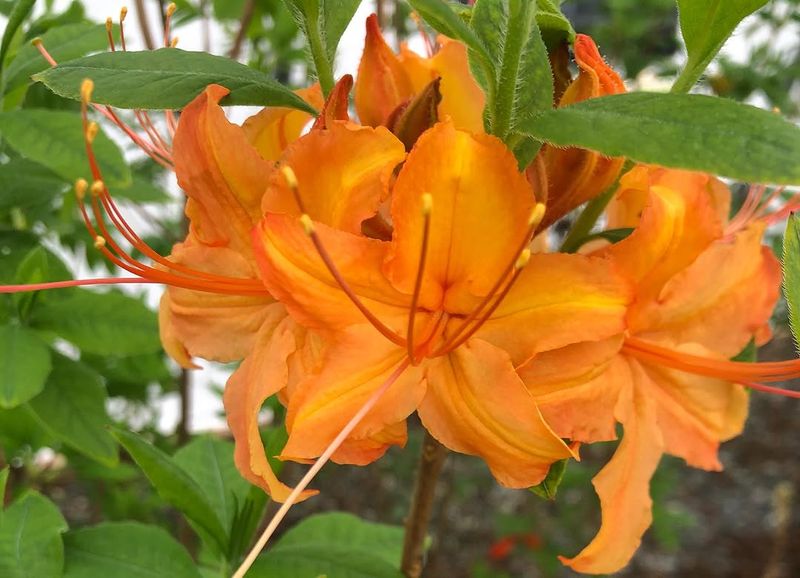
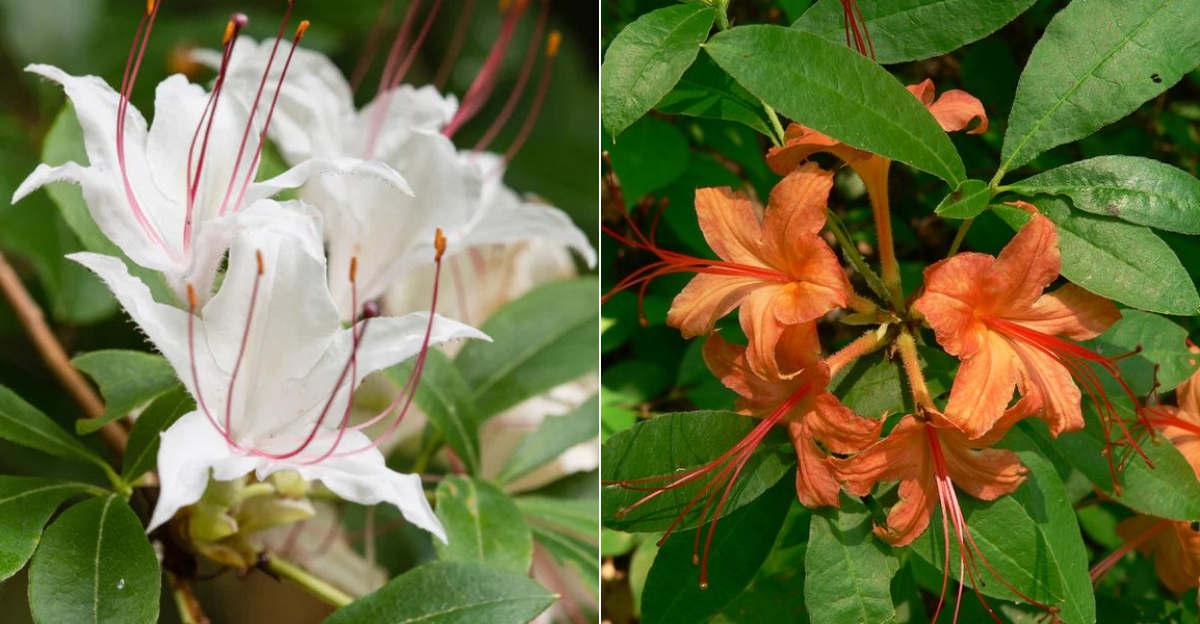
Few plants in the entire azalea family can match the sheer drama of the Flame Azalea, Rhododendron calendulaceum. When it bursts into bloom from late May through early June, the clusters of bright orange, red, and yellow flowers look almost like they are on fire, which is exactly how this plant earned its memorable name.
Along the Blue Ridge Parkway and throughout the western mountains of North Carolina, Flame Azaleas create some of the most jaw-dropping natural displays you will ever see.
What makes this species extra exciting is the color variation. No two plants look exactly alike, ranging from pale yellow all the way to deep scarlet, so each shrub brings something slightly different to a garden.
Early American botanist William Bartram once described the Flame Azalea as the most spectacular flowering shrub he had ever encountered, and it is easy to see why that reputation has lasted for centuries.
In North Carolina gardens, Flame Azaleas perform best in the cooler mountain regions, though they can adapt to Piedmont gardens with the right care. They prefer well-drained, acidic soil and partial shade, especially protection from the harsh afternoon sun during summer.
These plants are also deciduous, meaning they drop their leaves in fall, but the spring and early summer bloom makes the wait completely worthwhile. Mature shrubs can reach six to eight feet tall and spread just as wide, so plan for space when planting.
For gardeners who want a bold, native showstopper that blooms after most other azaleas have finished, the Flame Azalea is an outstanding pick.
5. Cumberland Azalea Brings Warm Color With Mountain Garden Charm
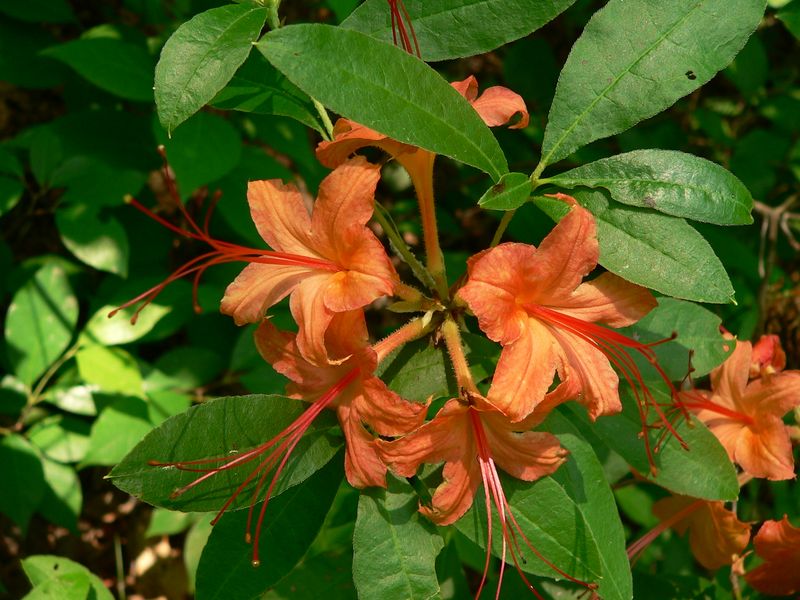
Tucked into the ridges and hollows of the southern Appalachians, the Cumberland Azalea, or Rhododendron cumberlandense, is one of those plants that feels like a well-kept secret among serious North Carolina gardeners. It blooms from late May into June or July, producing flowers that range from soft yellow to rich deep orange.The timing makes it a perfect bridge between the early spring bloomers and the full summer-flowering species, keeping color going in the garden during that in-between stretch.
Its bright, warm-toned blooms often feel especially vivid against the fresh green foliage and wooded mountain backdrops that define so many western North Carolina gardens.
One thing that sets the Cumberland Azalea apart from similar species is that it blooms after the leaves have expanded, which gives it a different look from earlier native azaleas. This characteristic makes it a particularly photogenic plant and a real conversation starter when visitors see it in your yard.
Native to high-elevation areas in the southern Appalachians, this azalea is well adapted to the mountain counties of western North Carolina. It prefers cool, well-drained, acidic soil and grows best in partial shade with good air circulation.
Mature plants typically reach four to six feet in height and have a naturally tidy, rounded shape that requires very little pruning to look neat. Because it is a native species, it supports local wildlife and pollinators without needing much chemical intervention.
Pairing it with Flame Azaleas and other late bloomers creates a layered, sequential flower display that carries your North Carolina garden from spring all the way into summer with almost no extra effort on your part.
6. Early Azalea Still Makes A Strong Spring Impression
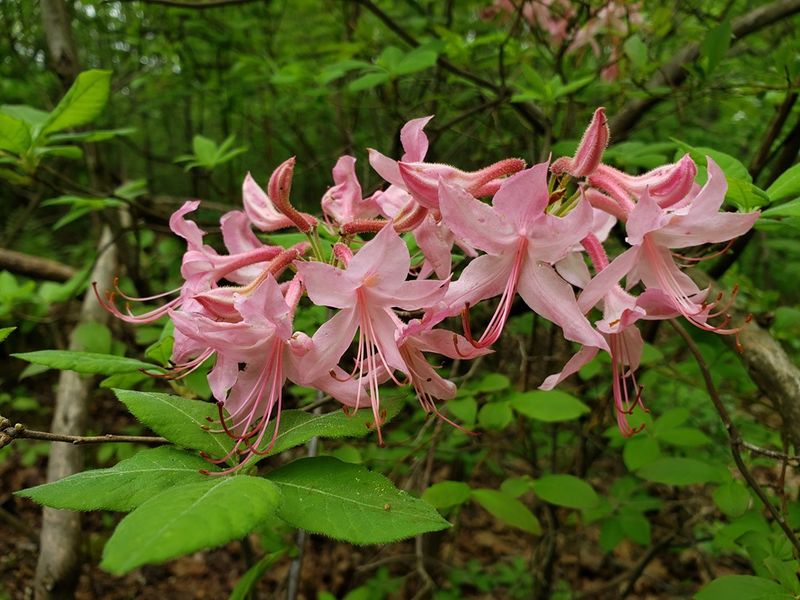
Despite its name, the Early Azalea, Rhododendron prinophyllum, actually extends its blooming season well into May, making it a reliable choice for North Carolina gardeners who want fragrant flowers after the main spring rush. The blooms are soft pink to rosy pink with a spicy, clove-like fragrance that carries beautifully on a warm breeze.
Planting one near a walkway, patio, or open window means you get to enjoy that scent every time you step outside.
What many gardeners appreciate most about the Early Azalea is how naturally graceful it looks in a landscape. The flowers appear just as the leaves are emerging, giving the shrub a soft, layered appearance that looks right at home in both formal and naturalistic garden styles.
It tends to grow in a loose, open form that fits perfectly under taller trees, making it ideal for woodland garden settings common across the Piedmont and mountain regions of North Carolina.
Growing conditions for the Early Azalea are pretty straightforward. It thrives in partial shade with moist, well-drained, acidic soil and benefits from a thick layer of organic mulch to keep roots cool and hydrated.
Plants generally reach four to six feet tall and wide, though growth is slow and steady rather than fast and sprawling. Because it is native to eastern North America, it tends to be naturally resistant to many common pests.
For North Carolina gardeners looking to add fragrance and soft color to a shaded corner of the yard well past April, the Early Azalea is a charming and dependable option worth considering.
7. Southern Indian Azalea Delivers Big Color In A Bold Flush
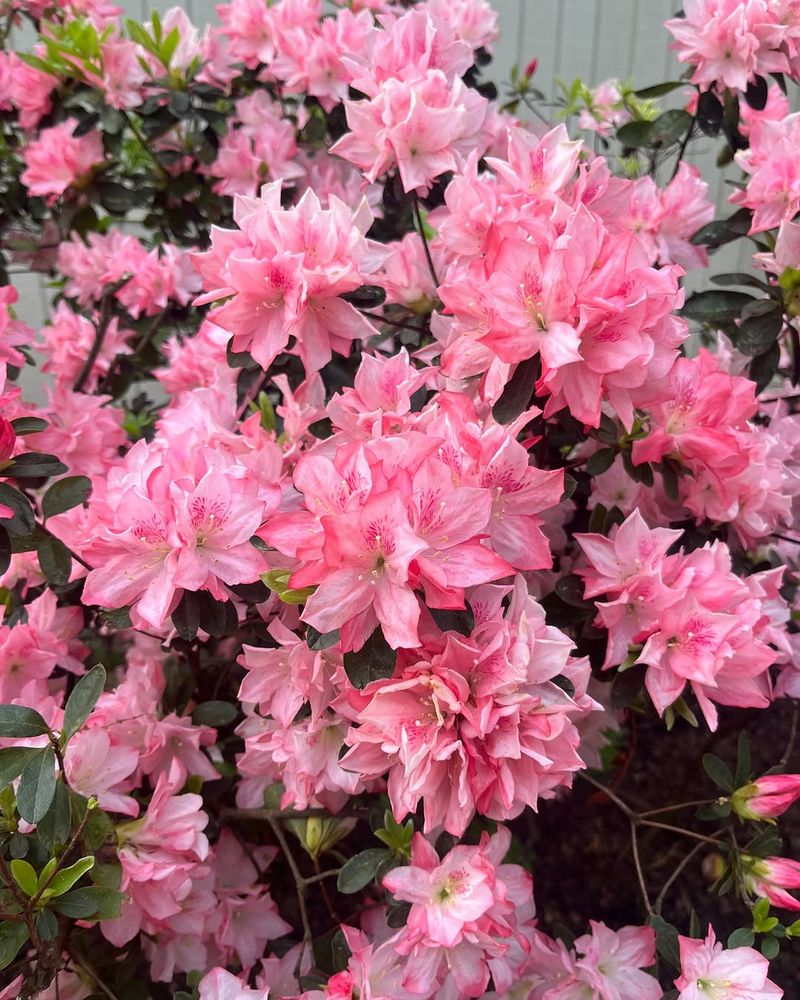
Bold, lush, and undeniably showy, the Southern Indian Azalea is the variety you have probably spotted lining driveways and framing front porches across North Carolina neighborhoods. These evergreen shrubs produce large, vibrant flowers in shades of pink, red, lavender, and white, and they bloom from mid-April into May, well past the early spring window.
Their size and staying power make them one of the most popular landscape azaleas in the entire southeastern United States.
Southern Indian Azaleas were developed from Asian species brought to the American South in the 1800s, and they have been a staple of Southern gardens ever since. They grow vigorously, often reaching six to eight feet or more, and their dense evergreen foliage looks attractive even when the plant is not in bloom.
That year-round visual interest is a big reason why so many North Carolina homeowners choose them for foundation plantings and privacy hedges.
For best results in North Carolina, plant Southern Indian Azaleas where they will receive morning sun and afternoon shade. They prefer acidic, well-drained soil enriched with compost or peat moss.
Regular watering during dry spells and a layer of pine straw mulch will keep them healthy through the summer heat. Pruning should be done right after the spring bloom ends to avoid accidentally removing next year’s flower buds.
With proper care, these shrubs can bloom reliably for decades. If you want a classic, high-impact azalea that extends the color season and anchors a North Carolina garden with confidence, the Southern Indian Azalea is a proven, time-tested choice.