North Carolina Shrubs That Need Feeding In April To Bloom Better
April has a funny way of waking up North Carolina gardens all at once. Shrubs start leafing out, flower buds swell, and the whole yard begins looking like it is ready to put on a show.
Still, some shrubs need more than warm weather to bloom the way gardeners hope they will.
That is where feeding can matter, especially for plants that burn a lot of energy getting ready for spring and early summer flowers. A shrub may look healthy enough from the sidewalk, yet still fall short on bloom power when the soil is lacking or the timing is off.
Many gardeners do not realize how much April care can shape what happens next.
North Carolina’s mix of mild springs, rain, and regional soil differences makes this a good month to pay closer attention. The shrubs coming up are the ones that often respond best to timely feeding, and the results usually show first.
1. Gardenia Rewards Spring Feeding With Richer Blooms
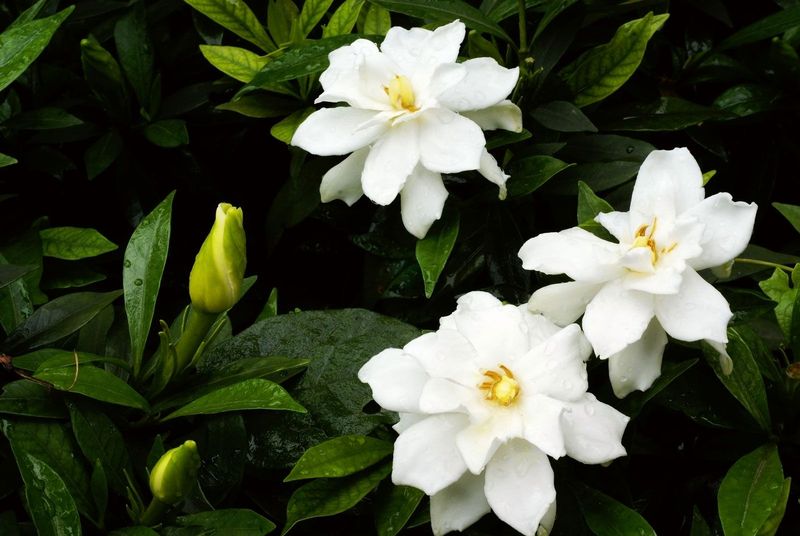
Few things smell as wonderful as a gardenia in full bloom on a warm North Carolina evening. Gardenias are known for their rich, sweet fragrance and their waxy white flowers that seem almost too perfect to be real.
Feeding them in April gives them the fuel they need to produce those stunning blooms you look forward to every year.
Gardenias love acidic soil, so choosing the right fertilizer matters a lot. Look for a fertilizer made specifically for acid-loving plants, such as one labeled for azaleas and gardenias.
These products are designed to keep the soil pH in the right range, which helps the plant absorb nutrients more effectively. A slow-release granular fertilizer is a great choice because it feeds the plant steadily over several weeks.
Scatter the fertilizer around the outer edge of the plant’s canopy, not right up against the main stem. Water the area well after applying so the nutrients can soak into the root zone.
North Carolina gardeners often notice a big difference in bloom quality when they feed gardenias in early to mid-April, just as the plant is pushing out new growth. Avoid overfeeding, since too much fertilizer can actually reduce flowering and cause leaf burn.
One good feeding in April, followed by another in early summer, is usually all a gardenia needs to look its absolute best throughout the blooming season.
2. Bloomerang Lilac Gets Set For Another Round Of Color
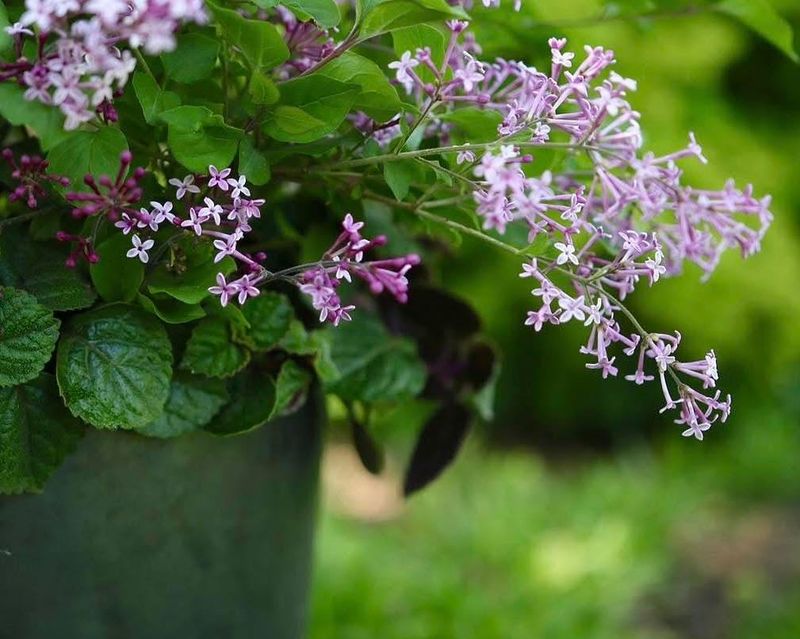
Most people think of lilacs as a one-and-done spring bloomer, but the Bloomerang Lilac breaks that rule in the best possible way. This special variety actually blooms in spring and then again in late summer and fall, making it one of the hardest-working shrubs you can plant in a North Carolina yard.
Feeding it in April sets the stage for both rounds of beautiful, fragrant flowers.
A balanced slow-release fertilizer works well for Bloomerang Lilacs. Look for a product with equal parts nitrogen, phosphorus, and potassium, such as a 10-10-10 blend.
Apply it around the drip line of the shrub, which is the outer edge of the canopy where the roots are most active. Water it in thoroughly so the nutrients move down into the soil where the roots can reach them.
Your North Carolina Garden Changes Every Week. Your Plan Should Too.
Gardening in North Carolina changes quickly throughout the season. Every Friday you’ll receive a simple weekly plan showing exactly what to plant, prune, fertilize, harvest, and protect so you never miss the right timing.
One thing that makes Bloomerang Lilacs special is that they can grow in parts of North Carolina, but they generally perform and rebloom better in cooler areas or spots protected from afternoon heat. Feeding in April, just as new leaves are opening up, gives the plant energy to build strong stems and set flower buds.
North Carolina gardeners who skip the April feeding often notice fewer blooms and smaller flower clusters compared to those who fertilize on schedule. Keep the feeding moderate, follow the package directions, and avoid piling fertilizer against the base of the plant.
With just a little effort in April, your Bloomerang Lilac will reward you with waves of purple flowers that make the whole neighborhood stop and stare.
3. Rose Pushes Out Stronger Growth And Better Buds

For centuries, roses have been the stars of American gardens, and North Carolina is no exception. Their timeless appeal still gives garden beds, borders, and cottage-style plantings a classic look.
April is the month when rose bushes wake up with fresh new growth, and that is exactly when they are hungry for nutrients. Giving them a proper feeding at this time can mean the difference between a few scattered blooms and a full, stunning display that lasts all season long.
Choose a fertilizer made specifically for roses, as these products are formulated to support both root development and flower production. A formula like 6-12-6 is commonly recommended because the higher middle number means more phosphorus, which directly encourages blooming.
Spread the fertilizer evenly around the base of the plant, keeping it a few inches away from the main cane to avoid burning the stem. Water it in well after applying.
North Carolina gardeners can expect to feed their roses every four to six weeks from April through late summer for continuous blooming. The state’s warm, humid summers are perfect for roses, but that also means they use up nutrients quickly and need regular replenishment.
It helps to pair fertilizing with other good habits, like removing spent blooms and keeping an eye out for common pests. Healthy, well-fed roses are naturally more resilient and better able to handle the challenges that come with growing in North Carolina’s climate.
Starting the feeding routine in April builds a strong foundation that pays off with armloads of gorgeous flowers right through the fall season.
4. Drift Rose Stays Loaded With Color When Fed Right
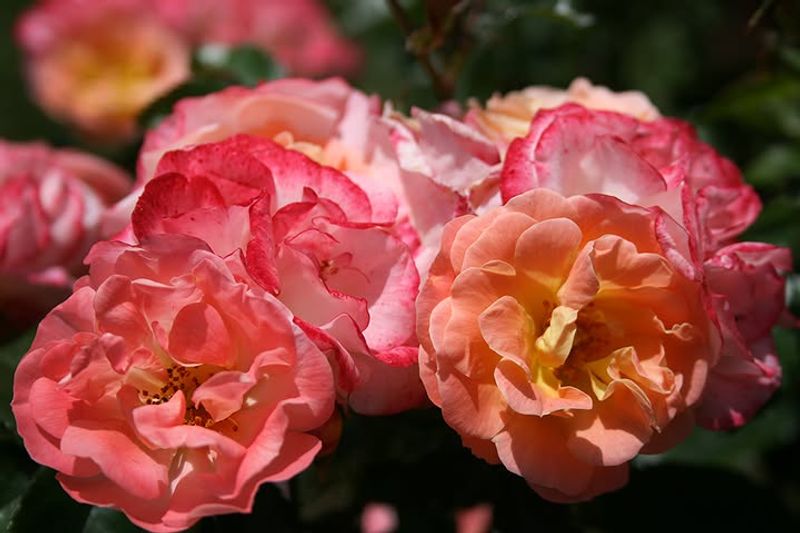
Compact, tough, and absolutely covered in flowers, Drift Roses have become a favorite across North Carolina landscapes in recent years. These low-growing roses are bred to be easy to care for, but they still respond beautifully to a good April feeding.
When you give them the right nutrition at the start of the season, they tend to bloom more heavily and stay healthier all summer long.
Drift Roses do well with the same rose-specific fertilizers you would use on larger rose varieties. A balanced formula that includes phosphorus to encourage flowering is ideal.
Apply the fertilizer around the base of the plant, spreading it out to the edge of the canopy, and water it in well. Because Drift Roses are smaller than traditional rose bushes, you will use less fertilizer per plant, so always follow the package directions based on the size of your shrub.
What really sets Drift Roses apart in North Carolina gardens is their ability to handle heat, humidity, and even some drought once they are established. They work wonderfully as ground covers, border plants, or container specimens.
Regular feeding from April through the end of summer keeps the blooms coming in waves rather than one short burst. North Carolina gardeners who grow Drift Roses in full sun locations will notice the biggest payoff from April fertilizing, since these plants thrive when they have both plenty of light and plenty of nutrients.
A simple feeding routine started in April can keep a Drift Rose looking like a showpiece right up until the first frost of autumn.
5. Floribunda Rose Turns Spring Feeding Into A Bloom Boost

If you love roses but want more blooms per square foot, the Floribunda Rose is your answer. Unlike hybrid tea roses that produce single blooms on long stems, Floribundas grow flowers in big, showy clusters that cover the entire plant.
April feeding is a must if you want those clusters to be as full and colorful as possible in North Carolina gardens.
Floribunda Roses respond very well to fertilizers with a higher phosphorus content, since phosphorus is the nutrient most directly tied to flower production. A rose-specific fertilizer with a formula like 6-12-6 or similar works great.
Apply it around the base of the shrub, keeping a few inches of clearance from the main stems, and water thoroughly after application. Starting this routine in April, right when the new growth is pushing out, gets the plant off to a strong start for the season.
North Carolina’s long growing season is a big advantage for Floribunda Roses, which can bloom from spring all the way through fall when properly cared for. Feeding every four to six weeks from April onward keeps the nutrient levels steady and the blooms coming in waves.
One thing many North Carolina gardeners appreciate about Floribundas is how cheerful and abundant they look even in smaller garden spaces. Because they grow in clusters rather than single blooms, you get a lot of visual impact without needing a huge plant.
Pairing regular fertilizing with good watering habits and occasional pruning of spent flowers will reward you with one of the most colorful and productive shrubs in your entire yard.
6. Shrub Rose Fills Out Faster With The Right Start
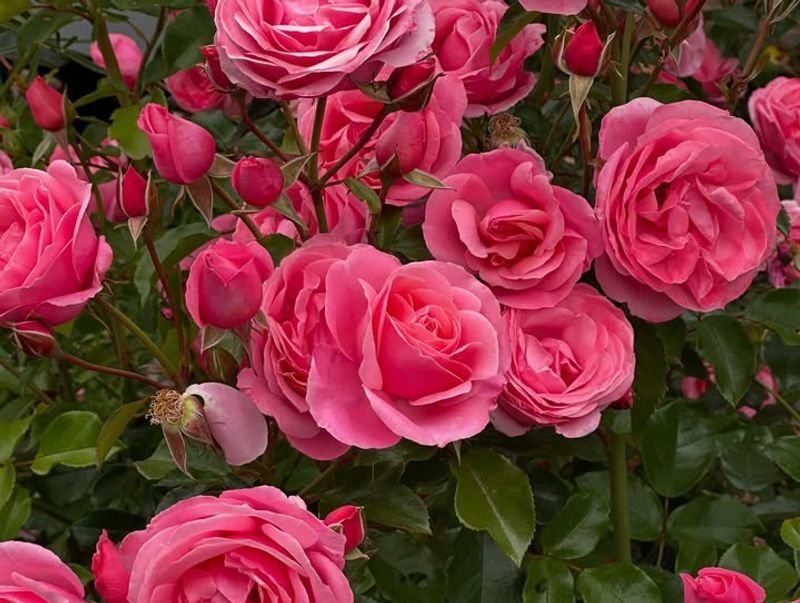
These tough, adaptable plants can handle a wide range of conditions, from the mountains of western North Carolina to the coastal plain in the east. Even though they are low-maintenance by nature, feeding them in April makes a noticeable difference in how many blooms they produce and how vigorous the plant looks all season.
A balanced rose fertilizer applied in early April, just as new leaves start to unfurl, gives Shrub Roses a strong nutritional boost right when they need it most. Products with a formula like 5-10-5 or 6-12-6 are good choices because they emphasize phosphorus for flower production.
Spread the fertilizer evenly around the drip line of the plant and water it in well. Avoid applying fertilizer right up against the base of the canes, since direct contact can cause irritation to the plant tissue.
One of the best things about Shrub Roses in North Carolina is that many varieties are bred for disease resistance, which means less time spent fighting problems and more time enjoying the flowers. Feeding in April gives the plant energy to build strong new canes that will carry the most blooms.
Some gardeners in North Carolina like to mix a little compost into the soil around their Shrub Roses at the same time they fertilize, which helps improve soil structure and moisture retention. This combination of good nutrition and healthy soil creates the ideal environment for a Shrub Rose to reach its full blooming potential throughout the entire growing season.
7. Abelia Gains Strength For A Longer Show
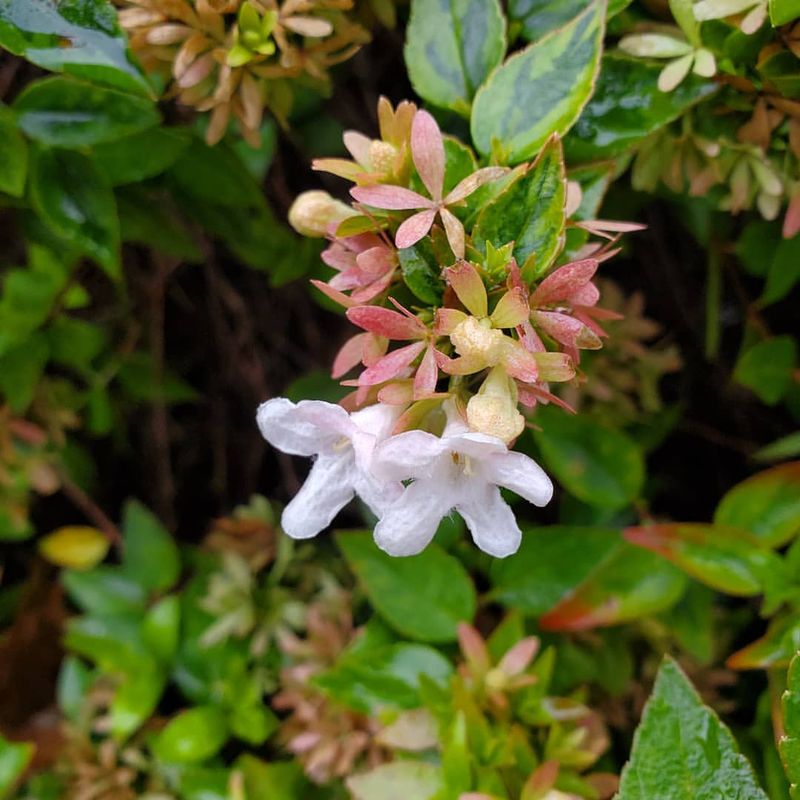
Though not as flashy as roses or as fragrant as gardenias, abelia has a quiet charm that makes it a standout in North Carolina landscapes. With its graceful, arching branches and small, tubular flowers that attract butterflies and hummingbirds, Abelia earns its place in any garden.
Feeding it in April encourages stronger growth and more abundant flowering during the warmer months ahead.
A balanced slow-release granular fertilizer works well for Abelia. A 10-10-10 blend applied in early April, just as the shrub begins pushing out new leaves, gives it the nutrients it needs to support both foliage and flower development.
Apply the fertilizer evenly around the outer edge of the canopy and water it in thoroughly. Because Abelia is a relatively moderate feeder, you do not need to overdo it.
One application in April and one in early summer is typically enough to keep the plant healthy and blooming well.
North Carolina is a great place to grow Abelia because the climate suits it very well. It handles summer heat without complaint and even tolerates some drought once it is established.
The glossy leaves of many Abelia varieties also take on beautiful bronze or reddish tones in fall and winter, giving the plant multi-season interest beyond just its blooms. Gardeners across North Carolina who fertilize their Abelia in April often notice fuller, more vigorous plants with longer bloom periods stretching from late spring all the way through early fall.
It is a simple step that takes only a few minutes but pays off with months of beauty in your outdoor space.