8 California Plants To Get In The Ground Now Before Dry Season Starts
California gardens have a narrow stretch each year when planting feels especially smart, and this is it.
The soil still holds some spring moisture, temperatures are more forgiving, and new plants have a better chance to settle in before the long dry stretch starts testing everything.
Wait too long, and even beautiful choices can turn into high-maintenance headaches. That is why timing matters so much in a California yard.
Getting the right plants in the ground now can mean deeper roots, less stress, and a landscape that looks far more comfortable when summer starts turning up the pressure.
It is not just about beating the heat. It is about giving plants the strongest possible start while conditions are still working in their favor.
A well-timed planting season can make the whole yard feel easier to manage later. The best choices are the ones that can use this window to get established, hold their beauty, and face the dry months with a lot more confidence.
1. California Fuchsia
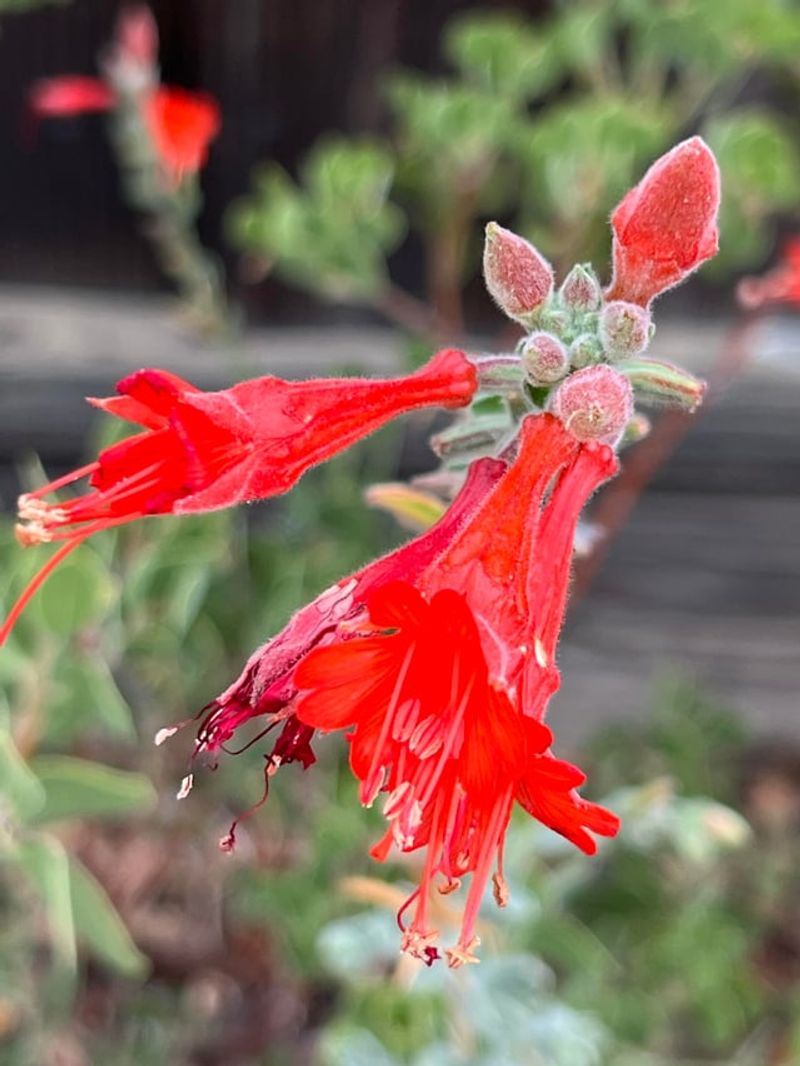
Few plants put on a show quite like California Fuchsia. Those bold, tubular red-orange flowers seem almost too bright to be real, and hummingbirds absolutely cannot resist them.
If you want your California garden to feel alive and buzzing, this is a plant worth knowing well.
Epilobium canum, as it is scientifically known, is native to dry slopes and rocky hillsides throughout California. That background tells you a lot about what it needs: full sun, well-draining soil, and very little fuss once it gets going.
Plant it now, before dry season kicks in, so the roots can spread and anchor themselves while the soil still holds some moisture.
One thing many gardeners love about this plant is its late-season bloom time. Most California natives finish flowering by midsummer, but California Fuchsia keeps going from late summer right into fall.
That means color in your garden when everything else has slowed down. It spreads through underground runners, so give it a little room to roam.
A light trim after flowering keeps it looking tidy and encourages strong new growth the following year.
2. Foothill Penstemon
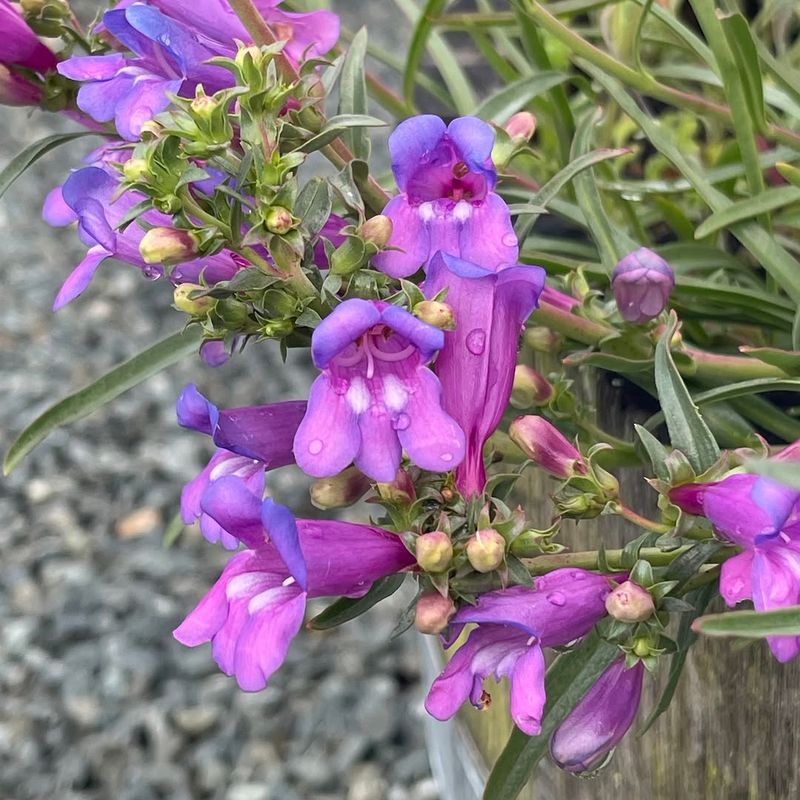
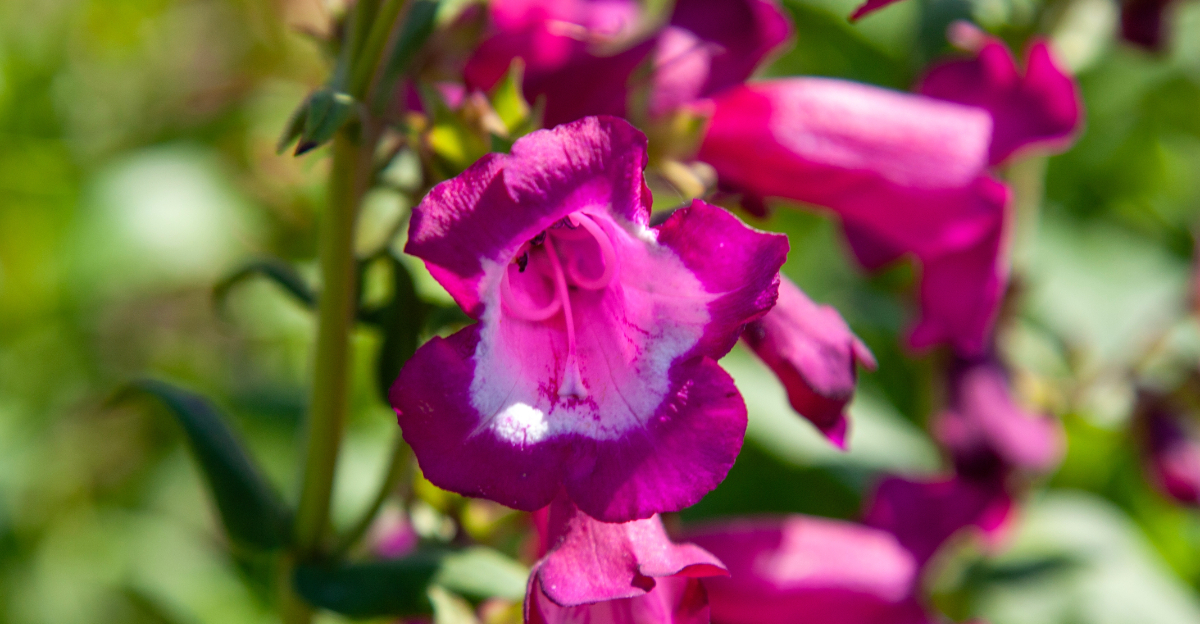
There is something almost wild and free about Foothill Penstemon. It grows in rocky, dry foothill regions across California, sending up tall spikes of tubular flowers in shades of purple, pink, and lavender.
Bees and hummingbirds treat it like a favorite lunch spot all season long.
Penstemon heterophyllus is one of those plants that looks like it belongs in a painting. The flowers are delicate and elegant, but the plant itself is surprisingly tough.
It handles poor, rocky soil without complaint and actually prefers conditions that would stress out most garden plants. Sandy or gravelly, well-draining soil is ideal, and full sun brings out the best blooms.
Getting it in the ground now, before California dry season sets in, gives the roots time to find their footing. Once established, Foothill Penstemon needs very little supplemental water.
In fact, overwatering is one of the few things that can really set it back. A deep soak every couple of weeks during the first summer is usually enough.
Your California Garden Changes Every Week. Your Plan Should Too.
Gardening in California changes quickly throughout the season. Every Friday you’ll receive a simple weekly plan showing exactly what to plant, prune, fertilize, harvest, and protect so you never miss the right timing.
After that first year, you can mostly let the rain handle things. It is a rewarding, low-maintenance addition to any California native garden.
3. Salvias
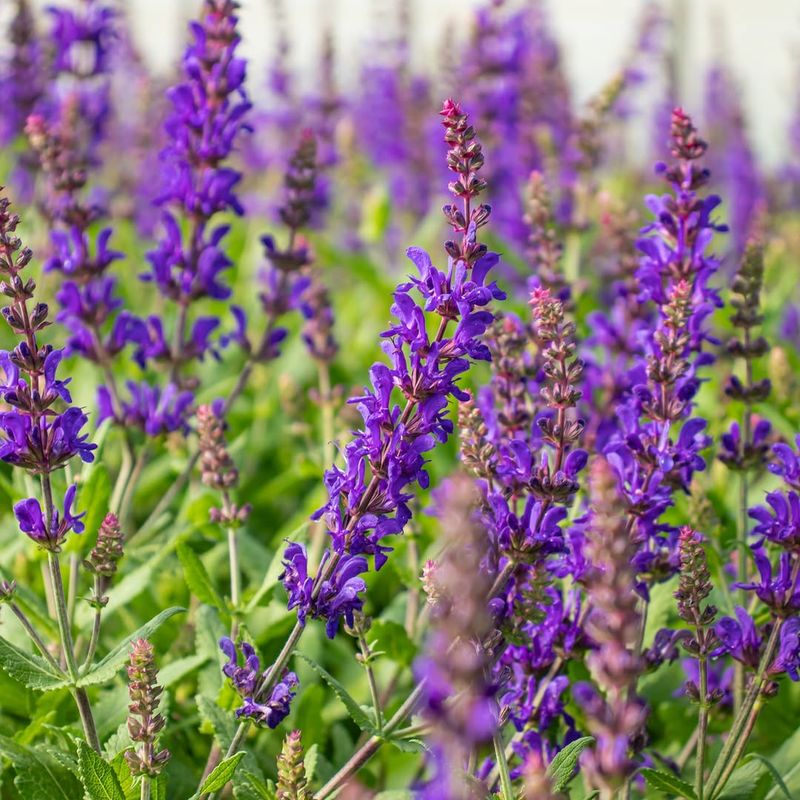
Walk through almost any well-designed California garden and you will spot a Salvia. This group of plants is huge, diverse, and incredibly well-suited to the California climate.
From the coast to the inland valleys, there is a Salvia that belongs in nearly every yard in the state.
California native salvias like Salvia clevelandii, Salvia apiana, and Salvia leucophylla are especially worth planting right now. They love full sun and fast-draining soil, and they handle summer heat and drought like champions.
The fragrant foliage alone is reason enough to grow them, but the flower spikes covered in purple and blue blooms are the real showstoppers. Pollinators swarm them from spring through fall.
Planting salvias before dry season means they get a chance to put down roots while the ground is still workable and slightly moist. Once established, most California native salvias need watering only once or twice a month during summer, if at all.
They do best when you resist the urge to overwater or over-fertilize. A little neglect, honestly, suits them just fine.
Trim them back by about a third after flowering to keep growth compact and encourage fresh blooms next season.
4. Coffeeberry
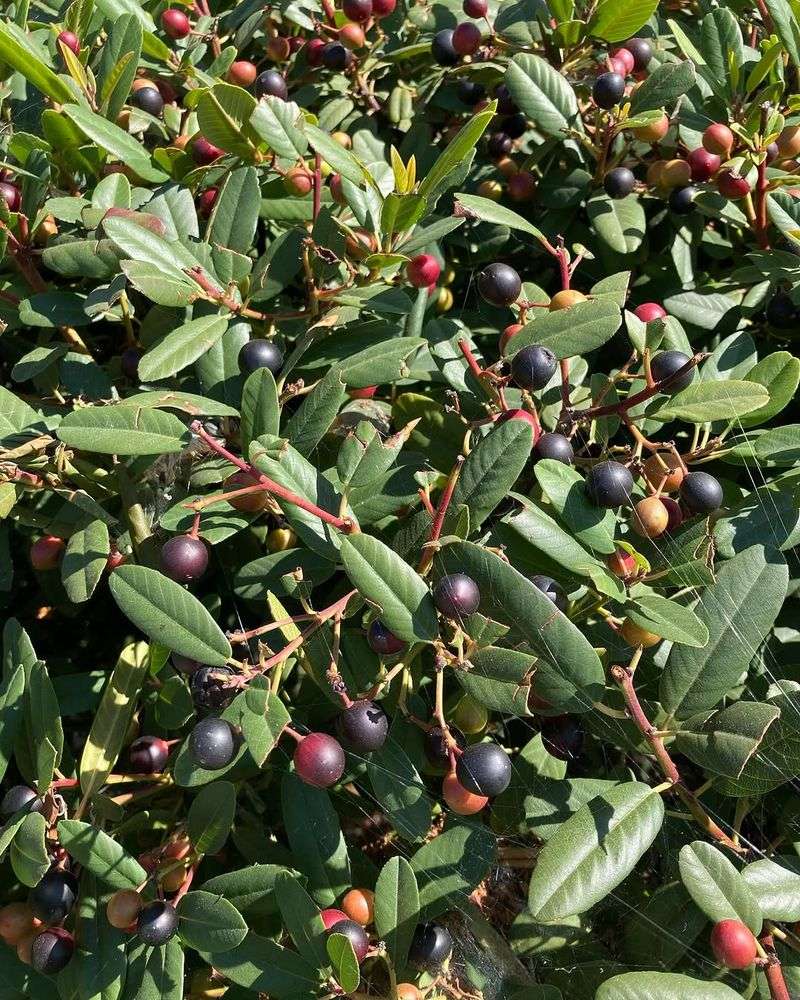
Not every great California native plant is about flashy flowers. Coffeeberry, known scientifically as Frangula californica, earns its place in the garden through reliability, structure, and a year-round beauty that sneaks up on you.
The berries shift from green to red to deep purple-black as the season goes on, and birds go absolutely wild for them.
This shrub is incredibly versatile. It grows naturally across a wide range of California habitats, from coastal scrub to dry inland slopes, which means it adapts well to many garden settings.
Plant it in full sun or partial shade. It handles both with ease.
The glossy, dark green leaves stay looking good even through the hottest stretches of California summer.
Getting Coffeeberry in the ground before dry season is a smart move. The plant puts most of its energy into root development during its first season, and having moist spring soil to work with gives it a real head start.
Water it regularly for the first few months, then ease off as summer arrives. Once established, it is remarkably self-sufficient.
It also works beautifully as a hedge or privacy screen, growing anywhere from four to ten feet tall depending on the variety you choose.
5. Manzanita
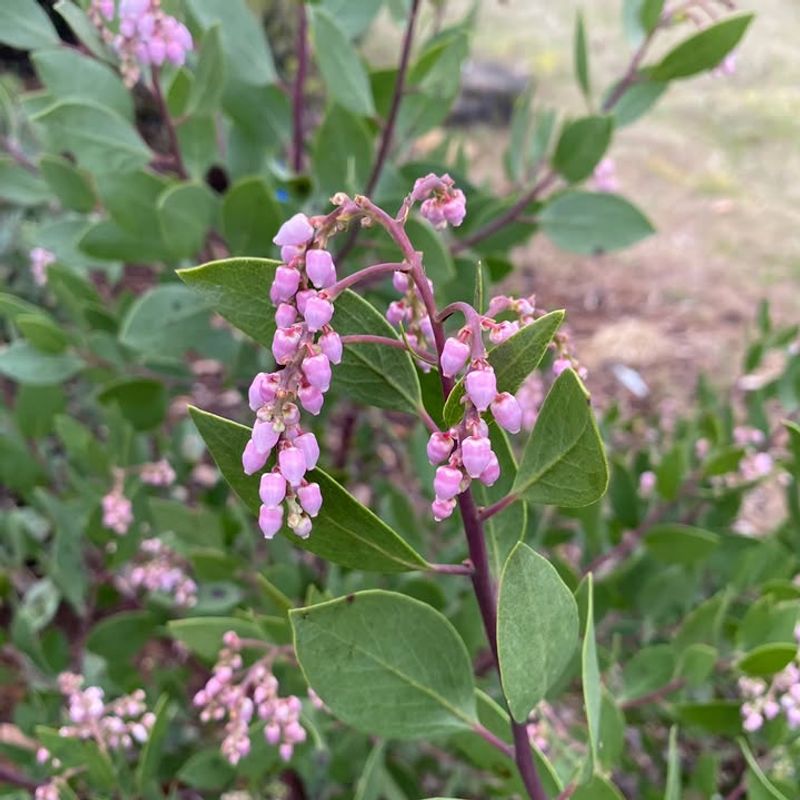
There is no mistaking a Manzanita. That smooth, deep reddish-brown bark is one of the most distinctive features in the California landscape.
Even without flowers or berries, a Manzanita has a sculptural, artistic quality that makes it stand out in any garden setting.
The genus Arctostaphylos includes dozens of species native to California, ranging from low-growing ground covers to large, multi-trunked shrubs. All of them share a love of well-draining soil, full sun, and dry summers.
Those tiny, urn-shaped flowers that appear in late winter and early spring are some of the first nectar sources of the year for bees and hummingbirds. The small apple-like berries that follow feed birds and other wildlife through summer and fall.
Planting Manzanita before California dry season is almost essential for success. These plants are notoriously tricky to establish, but getting them in the ground while the soil is still moist from winter rains gives them the best shot.
Water deeply once or twice a week for the first few months, then gradually reduce watering as the plant settles in. Once established, Manzanita is one of the most drought-tolerant plants you can grow in California.
Avoid summer water almost entirely after year two.
6. Ceanothus
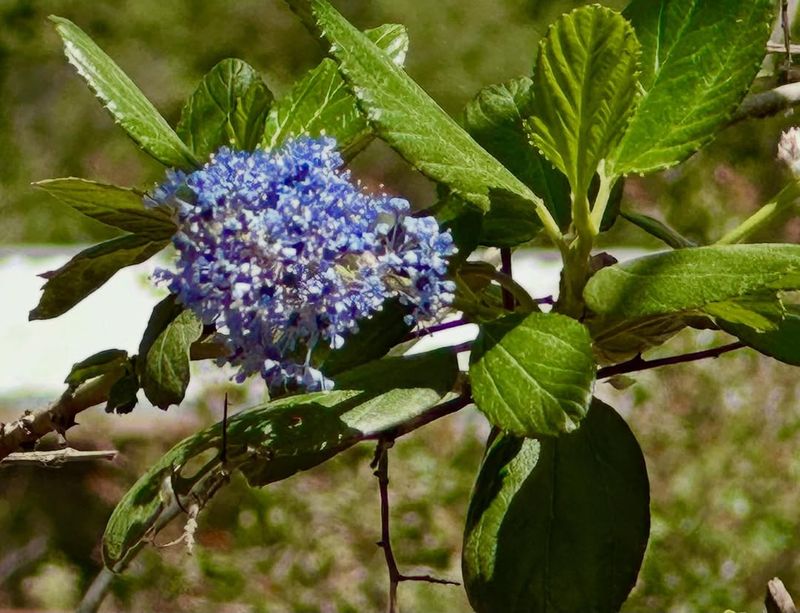
When Ceanothus blooms in spring, it is hard not to stop and stare. The clusters of tiny blue, purple, or white flowers cover the plant so completely that the leaves almost disappear beneath them.
California lilac, as it is commonly called, is one of the most spectacular flowering shrubs the state has to offer.
There are many species and cultivars of Ceanothus suited to California gardens. Some stay low and spread as ground covers, while others grow into large, dense shrubs reaching ten feet or more.
All of them thrive in full sun and well-draining soil. They are built for California conditions: wet winters, dry summers, and not much fuss in between.
Pollinators absolutely love the flowers, and the dense branching provides great shelter for birds.
Now is the ideal time to plant Ceanothus in California. Getting it established before dry season means the roots have weeks to grow before the heat arrives.
Water it regularly through the first summer, about once a week with a deep soak. After that, most established Ceanothus plants need little to no supplemental irrigation.
One important tip: avoid planting Ceanothus near lawn areas that get regular watering, as too much summer water is the most common reason these plants struggle.
7. Sticky Monkeyflower
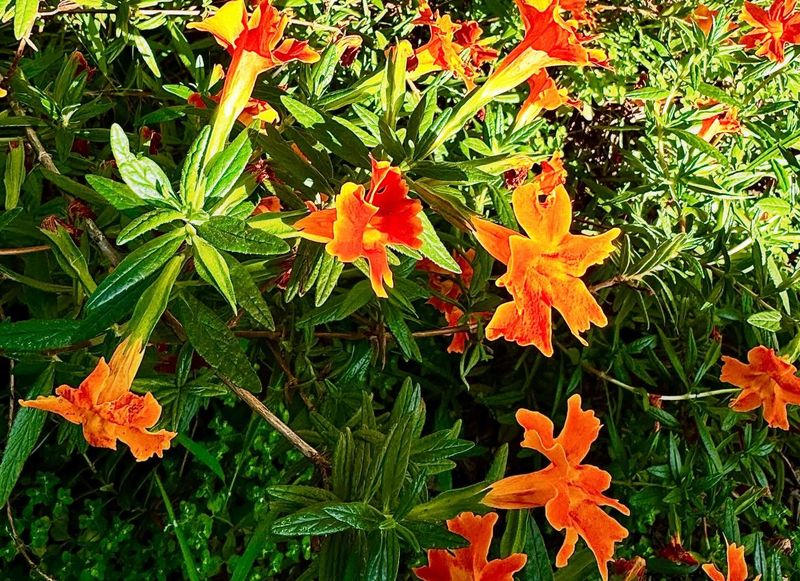
The name alone is enough to make you curious. Sticky Monkeyflower, or Diplacus aurantiacus, gets its name from the slightly sticky texture of its leaves, which helps it hold moisture in dry conditions.
Those cheerful orange and yellow trumpet-shaped flowers are a familiar sight on California hillsides and roadsides from spring through early summer.
This plant is a true survivor. It grows naturally on dry, rocky slopes and in chaparral throughout much of California.
That means it is already perfectly programmed for the kind of heat and drought that most garden plants struggle to handle. It prefers full sun and well-draining soil, and it does not need much fertilizer at all.
Too much nitrogen actually produces more leaves and fewer flowers, so keep the soil lean.
Planting Sticky Monkeyflower now, before California dry season, gives the roots a chance to spread while conditions are still mild. Water it once or twice a week during the first summer, then back off in fall and winter.
One of the best things about this plant is how it bounces back after being cut. A hard trim after the main bloom period encourages a fresh flush of flowers and keeps the plant from getting leggy and woody looking over time.
8. Western Redbud
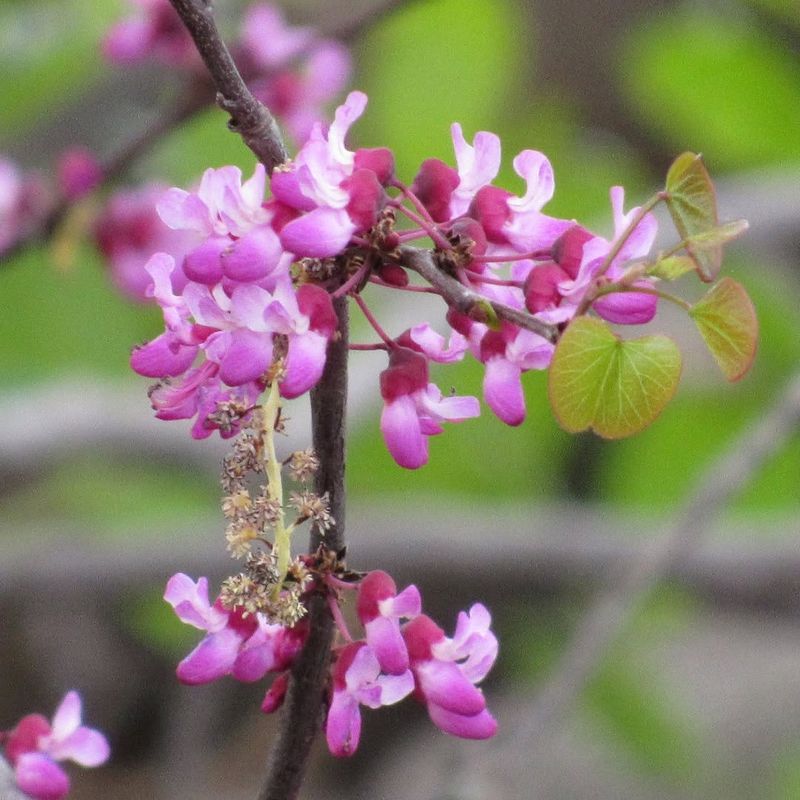
Every spring, Western Redbud puts on one of the most breathtaking floral displays in all of California. Before a single leaf appears, the bare branches explode with clusters of vivid magenta-pink flowers.
It looks almost unreal, like someone decorated the tree overnight. Cercis occidentalis is a California native that earns every inch of space it takes up in the garden.
Western Redbud grows naturally in the foothills and lower mountain slopes of California, often in rocky or clay-heavy soils. It handles heat, drought, and poor soil conditions far better than most ornamental trees.
In a garden setting, it does best in full sun with well-draining soil. It can grow as a large multi-stemmed shrub or a small tree reaching about fifteen feet tall, making it a flexible choice for many yard sizes.
Getting Western Redbud in the ground before California dry season is especially important because trees need more time to establish than smaller plants. Plant it now and water it deeply once or twice a week through the first summer.
The heart-shaped leaves that follow the spring flowers are lovely on their own, and the seed pods that form in fall add another layer of visual interest. This is a long-term investment that pays off beautifully every single year.