Why Your Florida Hibiscus Drops Buds Every Time Before They Open
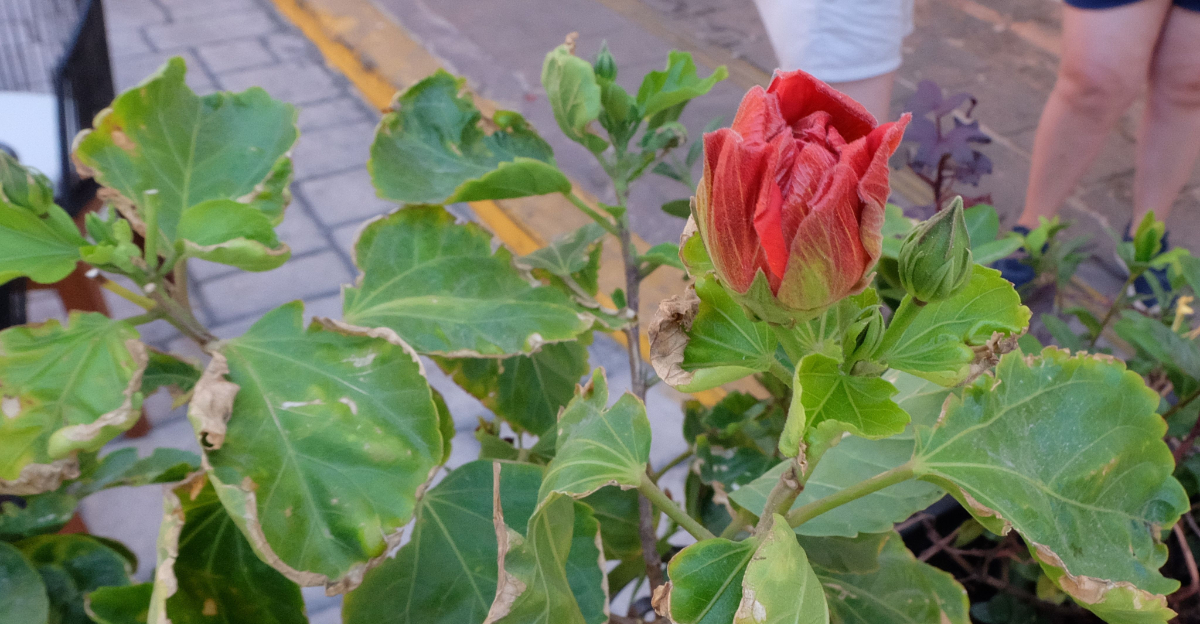
Nothing tests a Florida gardener’s patience quite like a hibiscus that loads up with buds, only to drop every single one right before the show begins. One day the plant looks ready to steal the spotlight, the next it feels like a cruel joke.
You water, you feed, you watch the weather, yet those buds hit the ground like clockwork. It can feel like chasing your tail with no clear answer in sight.
Here is the truth most people miss. Hibiscus does not hold back for no reason.
Bud drop is a signal, not bad luck, and in Florida’s heat, humidity, and sudden swings, that signal shows up fast and often. Small shifts in care or conditions can tip the balance overnight.
Once you read what your plant tries to tell you, those empty stems start to make sense and the blooms finally stick around.
1. Tiny Bud Pests Can Stop Blooms Before They Start
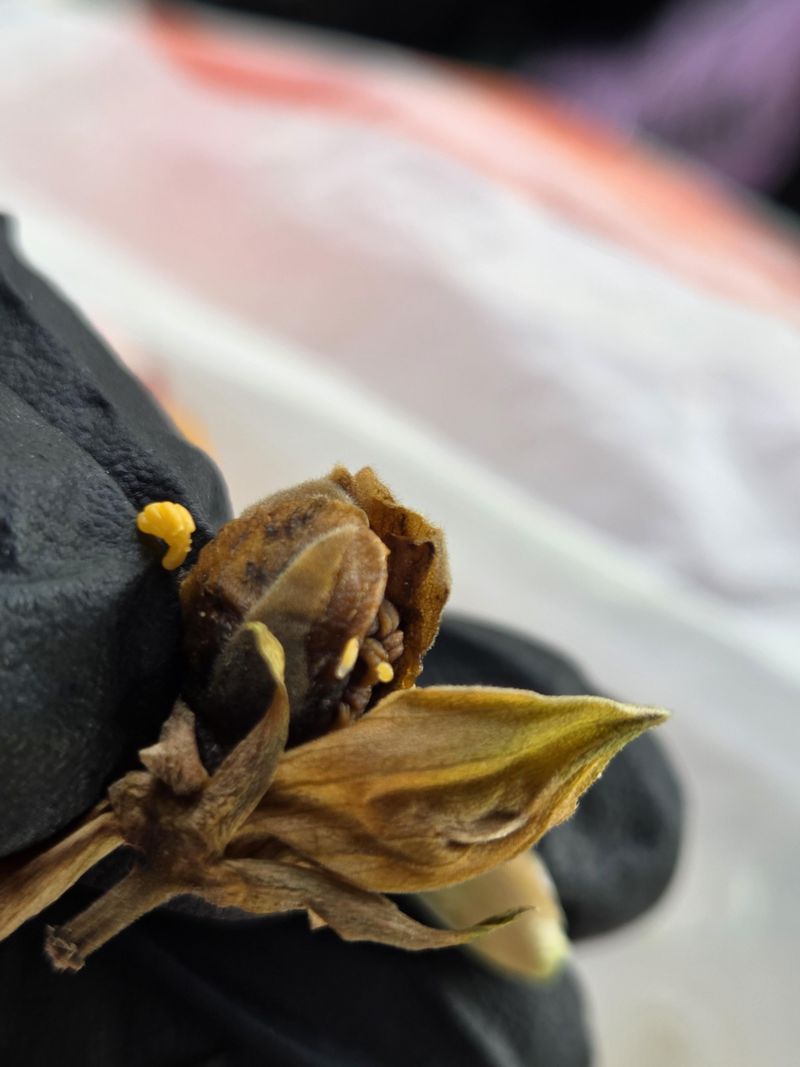
Some of the worst damage to hibiscus buds happens completely out of sight. The hibiscus gall midge, known scientifically as Contarinia maculipennis, is a tiny fly that lays its eggs directly inside forming hibiscus buds.
The larvae hatch and feed from within, and the bud never stands a chance of opening. From the outside, the bud may look slightly twisted or discolored before it drops, but many gardeners miss those early signs entirely.
This pest is well documented in Florida and has been studied extensively by UF/IFAS researchers. It is particularly active during warm, humid months, which in Florida means it can cause problems for a very long stretch of the year.
Affected buds typically drop within a few days of the eggs hatching, which is why the damage can seem sudden and confusing.
Checking buds before they fall is one of the most useful habits you can build. If you slice open a dropped bud and find small white or cream-colored larvae inside, gall midge is almost certainly your problem.
Removing and disposing of affected buds immediately, rather than letting them sit under the plant, helps break the reproductive cycle.
Keeping the area under your hibiscus clean and free of dropped plant material reduces the number of larvae that can complete their development in the soil and emerge as adults to start the cycle over again.
Consistent monitoring is more effective here than any single spray treatment, especially in a Florida garden where pest pressure stays high all season long.
2. Water Stress Can Make Buds Drop Overnight
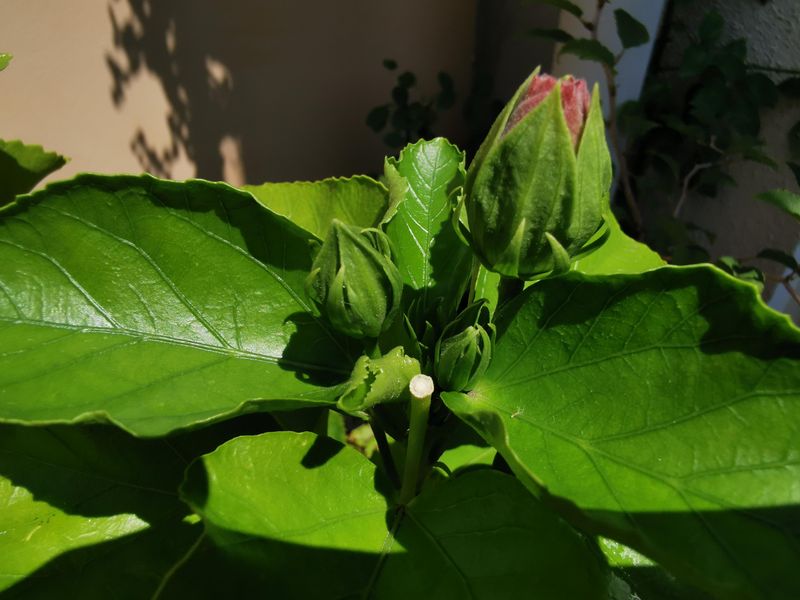
A hibiscus can look completely fine in the morning and start dropping buds by afternoon if water stress hits hard enough.
That kind of rapid response is not unusual in Florida, where sandy soil drains quickly and summer heat pulls moisture out of both the ground and the plant at a pace that most gardeners underestimate.
The plant treats bud drop as a survival response, cutting energy costs when it senses it cannot sustain everything at once.
Both too much and too little water can trigger this response, which is part of what makes it tricky. Overwatering in Florida’s poorly draining soils can suffocate roots, leaving the plant unable to absorb the moisture that is technically right there.
Your Florida Garden Changes Every Week. Your Plan Should Too.
Gardening in Florida changes quickly throughout the season. Every Friday you’ll receive a simple weekly plan showing exactly what to plant, prune, fertilize, harvest, and protect so you never miss the right timing.
Underwatering during a dry stretch, especially in late spring before the rainy season kicks in, creates rapid dehydration stress that causes buds to abort quickly.
The goal is to keep the soil consistently moist but never waterlogged.
In Florida’s sandy soils, this often means watering more frequently than gardeners in other states would expect, sometimes every day during dry periods, while also making sure the planting area has enough organic matter to hold some of that moisture between waterings.
Mulching around the base of the plant makes a noticeable difference by slowing evaporation.
Checking soil moisture a few inches below the surface before watering gives you a much more accurate read than looking at the surface alone. Surface soil in Florida can dry out fast while deeper layers stay damp, or vice versa depending on drainage.
3. Too Much Nitrogen Can Send Growth In The Wrong Direction
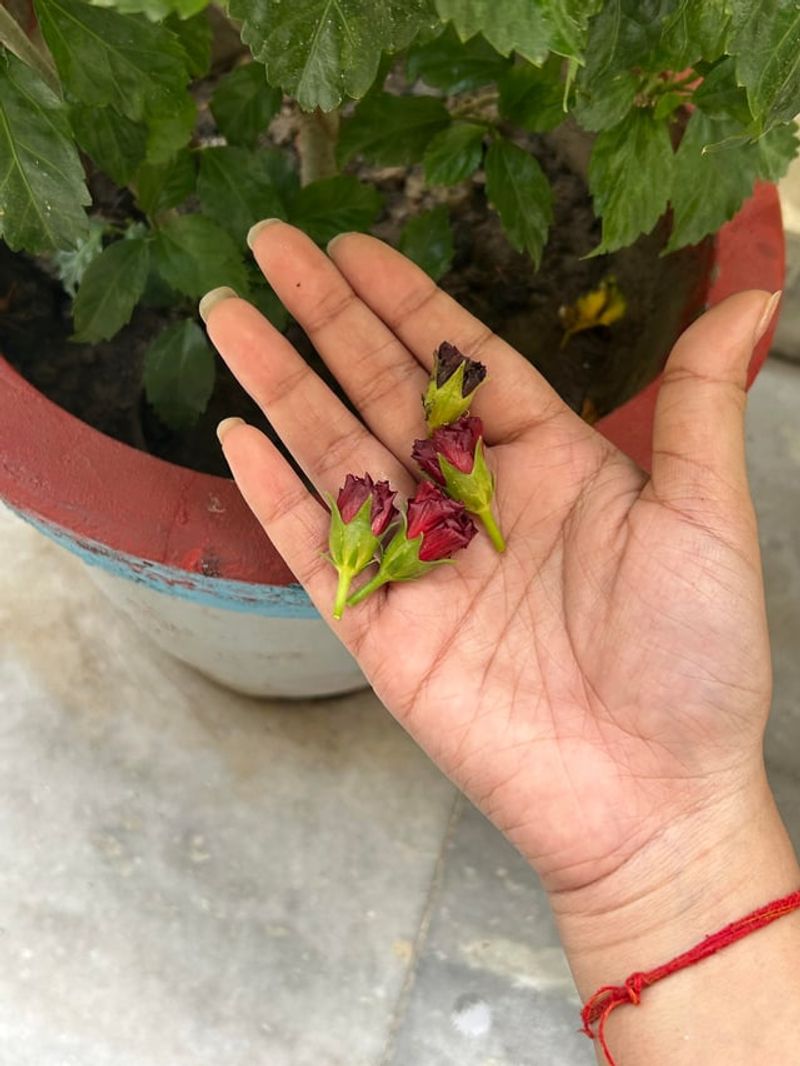
Walk through any Florida garden center and you will find shelves full of fertilizers promising bigger, lusher plants. The problem is that bigger and lusher does not always mean more flowers.
When a hibiscus receives too much nitrogen, it channels its energy into producing stems and leaves rather than buds and blooms. The result is a plant that looks impressively green and full but stubbornly refuses to flower well.
Nitrogen is the first number on any fertilizer label, and it plays an important role in plant health. The issue comes with excess.
Florida gardeners sometimes over-apply fertilizer thinking more is better, especially during the growing season when the plant looks like it could handle it.
But a hibiscus that is already getting enough nitrogen from a rich soil or a recent feeding does not need another heavy dose, and pushing it further tips the balance away from flowering.
For better blooms, hibiscus plants benefit from a fertilizer that is moderate in nitrogen and higher in phosphorus and potassium. Phosphorus supports root development and flower formation, while potassium helps the plant manage stress and maintain overall function.
A fertilizer with a ratio like 10-20-20 or something similar, applied at the right frequency rather than in heavy doses, tends to produce far better blooming results than a high-nitrogen general-purpose feed.
Cutting back on nitrogen does not mean starving the plant. It means redirecting what the plant already has toward the outcome you actually want, which is a hibiscus loaded with open, vibrant flowers rather than an impressive wall of leaves.
4. Florida Heat Can Push Hibiscus Past Its Comfort Zone
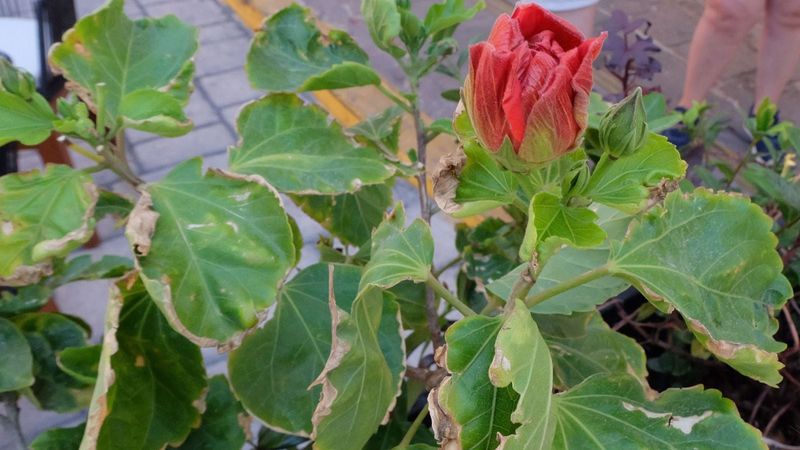
Hibiscus has a reputation as a heat-loving tropical plant, and that reputation is mostly accurate.
But Florida summers regularly push past the point where even a heat-tolerant plant can stay comfortable, and bud drop is one of the clearest signs that the plant is struggling with that level of stress.
When temperatures climb above 95 degrees Fahrenheit for extended stretches, hibiscus plants can begin aborting buds as a protective response.
The science behind this is fairly straightforward. Extreme heat speeds up the plant’s metabolism while also increasing water loss through the leaves.
When the plant cannot keep up with that demand, it prioritizes survival over reproduction. Buds are metabolically expensive, so they are among the first things the plant lets go when conditions get too intense.
This is especially common in south and central Florida during July and August, when heat and humidity combine to create relentless pressure on landscape plants.
Afternoon shade can make a real difference for hibiscus plants in the hottest parts of Florida.
A location that receives strong morning sun and some filtered shade during the most intense afternoon hours often produces better and more consistent blooming than a spot that bakes in full sun all day.
Reflected heat from walls, pavement, or fences can also push temperatures at the plant level much higher than the air temperature suggests.
Keeping the root zone cool with a generous layer of mulch helps buffer some of that heat stress from below, giving the plant a slightly more stable environment even when the air temperature is relentless.
5. Thrips And Aphids Can Wreck Buds Quietly
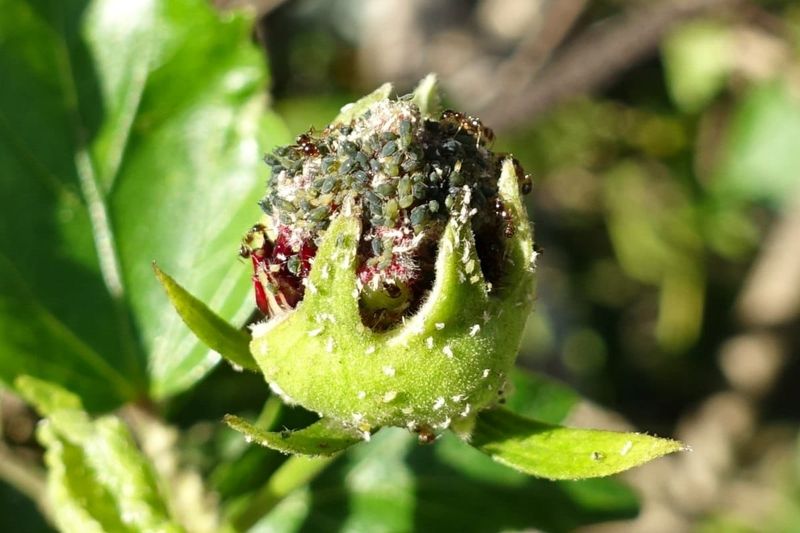
Not every pest bores inside the bud to do its damage. Thrips and aphids work from the outside, feeding on plant sap and weakening the tissue before the bud ever has a chance to develop properly.
Thrips are so small they are nearly invisible without magnification, but the damage they leave behind, including silvery streaking, scarring, and distorted bud tissue, becomes obvious once you know what to look for.
Aphids tend to cluster on new growth and tender buds, sucking out the plant’s fluids and leaving behind a sticky residue called honeydew. That residue can then attract sooty mold, which further stresses the plant and blocks sunlight from reaching leaves.
In Florida, aphid populations can explode quickly during periods of mild, dry weather, and a hibiscus under attack may drop buds repeatedly without the gardener ever connecting the cause.
Both pests are manageable without reaching for strong chemical treatments right away. A strong spray of water can knock aphids off the plant effectively.
Insecticidal soap or neem oil applied in the early morning or evening, when temperatures are cooler and pollinators are less active, works well against both thrips and aphids without causing additional plant stress.
Consistency matters more than intensity with these pests. One treatment rarely solves the problem entirely.
Checking the plant every few days and reapplying as needed, especially after rain washes away the treatment, keeps the population from rebounding and gives the buds a better chance of making it to full bloom.
Florida’s warm climate means pest pressure rarely takes a real break.
6. High pH Can Make A Healthy Plant Bloom Poorly
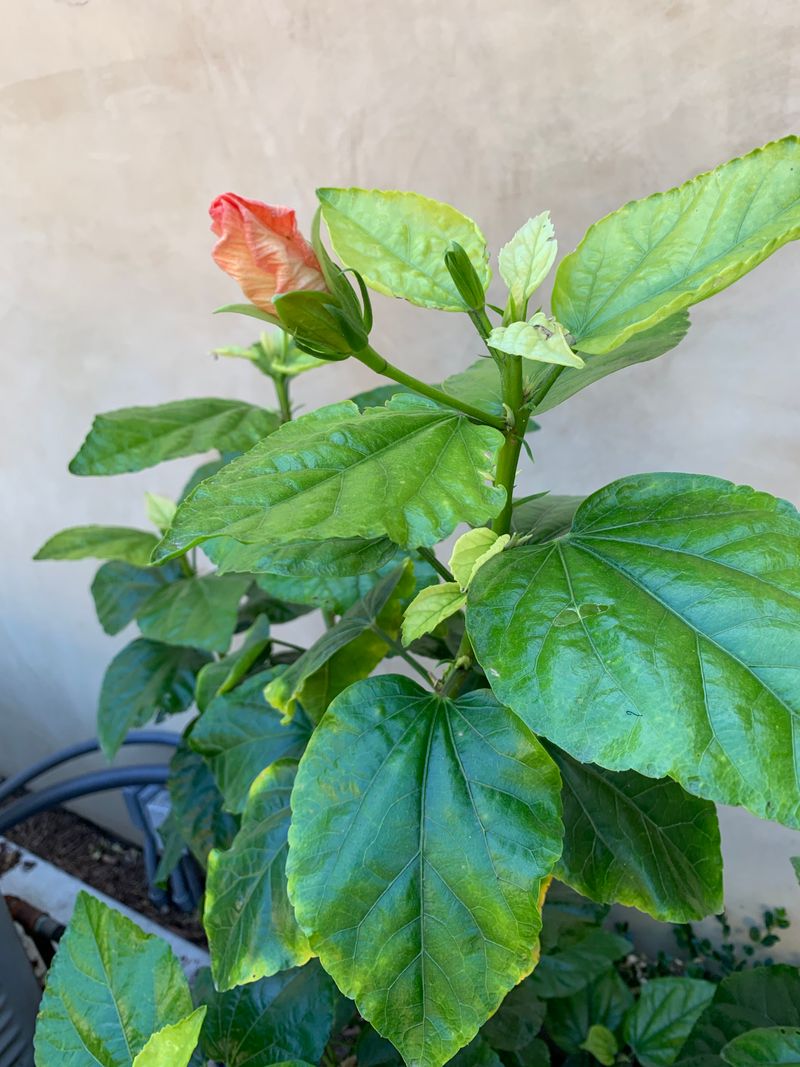
Florida soils can be surprisingly alkaline in many parts of the state, particularly in areas with limestone bedrock or where irrigation water has a high mineral content.
Hibiscus prefers a soil pH between roughly 6.0 and 7.0, and when the pH climbs above that range, the plant starts losing access to nutrients that are technically present in the soil.
Iron and manganese are particularly affected, and their deficiency shows up as yellowing between leaf veins, a condition called interveinal chlorosis.
A hibiscus showing those symptoms may still form buds, but it often cannot sustain them through to opening. The plant simply does not have enough available nutrition to support full flower development.
Many Florida gardeners see this situation and respond by adding more fertilizer, which does not solve the underlying problem and can sometimes make it worse by further disrupting soil chemistry.
Testing the soil is the most direct way to find out if pH is working against your plant. Basic soil test kits are widely available and easy to use.
If the pH is too high, adding sulfur to the soil gradually lowers it over time. Acidifying fertilizers formulated for acid-loving plants can also help shift the balance in the right direction.
In areas with very alkaline irrigation water, the soil can drift back toward a higher pH even after treatment, so retesting every season or so keeps you ahead of the problem.
Catching a pH issue early is far easier than trying to correct a plant that has been struggling with poor nutrient availability for months on end.
7. Some Hibiscus Types Are More Prone To Bud Drop
Not every hibiscus is built the same way, and that matters a lot when you are trying to figure out why yours keeps dropping buds. Tropical hibiscus, Hibiscus rosa-sinensis, is the type most commonly sold in Florida garden centers.
It produces spectacular flowers in a wide range of colors, but it is also notably sensitive to stress.
Even minor fluctuations in water, temperature, or nutrition can trigger bud drop in certain cultivars, especially those bred primarily for flower size and color rather than environmental toughness.
Some hybrid varieties are particularly prone to shedding buds when conditions shift even slightly, while others are more forgiving.
If you have been growing the same variety for years and struggling consistently, the plant itself may simply be more sensitive than average.
That is not a flaw exactly, just a characteristic worth knowing about.
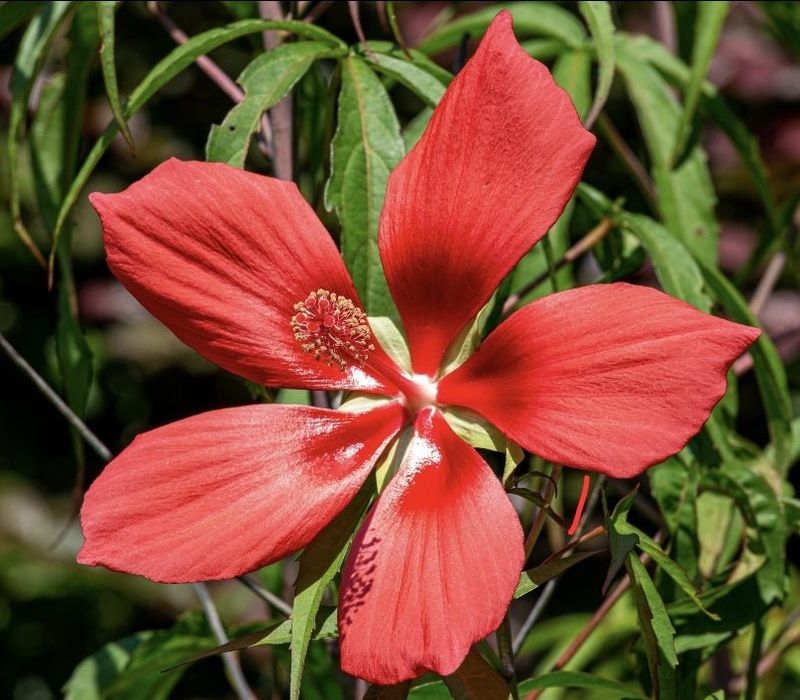
Native Florida hibiscus species like Hibiscus coccineus and Hibiscus grandiflorus tend to handle Florida’s climate more reliably because they evolved here.
They may not produce the same enormous, showy blooms as tropical hybrids, but they are considerably more stable under heat, humidity, and variable rainfall.
Swamp hibiscus in particular can handle conditions that would stress a tropical hybrid into repeated bud drop.
If you are set on growing tropical hibiscus, choosing varieties that are specifically noted for heat tolerance and reliability in Florida conditions gives you a better starting point.
Asking at a local nursery that specializes in Florida-adapted plants, rather than a big-box store, often gets you much more useful guidance on which cultivars perform best in your specific region of the state.
8. The Wrong Care Pattern Can Trigger The Same Problem Again
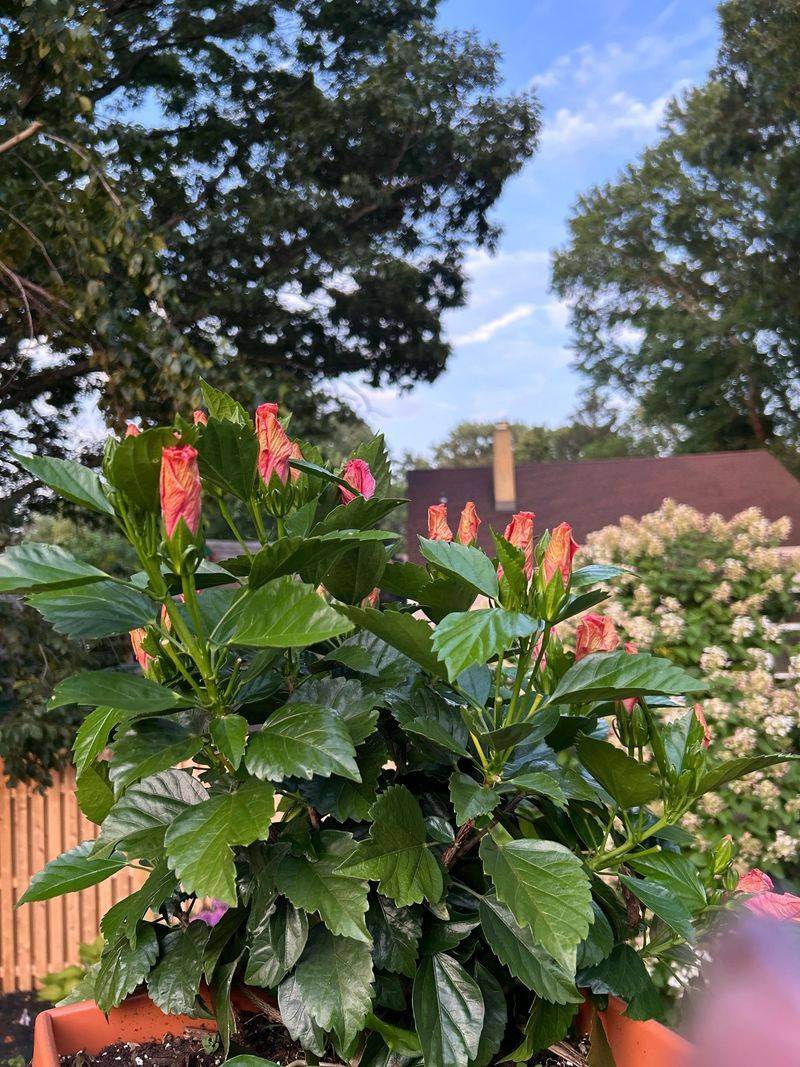
Bud drop that keeps repeating itself is almost always a care pattern issue rather than a string of bad luck. When the same problem shows up cycle after cycle, it usually means the underlying cause was never fully addressed, just temporarily interrupted.
A gardener might correct their watering for a week or two, see some improvement, and then drift back into the old routine before the plant has fully stabilized. The buds start forming again, and then the same stress hits at the same vulnerable point.
One of the most common patterns in Florida involves the combination of irregular watering and periodic heavy fertilizing.
The plant gets inconsistent moisture during the week, then receives a large fertilizer application on the weekend, and the resulting stress cycle keeps the plant perpetually off-balance.
Add a pest population that never gets fully managed, and the conditions for repeated bud drop are essentially locked in.
Breaking the pattern requires looking at care as a system rather than a set of separate tasks. Watering consistency, fertilizer type and timing, pest monitoring, and soil health all interact with each other, and weakness in one area tends to amplify problems in others.
Keeping a simple log of what you do and when can help you spot the moments where care slips and the plant reacts.
Florida hibiscus rewards attentive, steady care far more than occasional intense effort. A plant that receives reliable moisture, appropriate feeding, regular pest checks, and a stable environment will almost always reward you with consistent blooming.
The buds do not drop without a reason, and finding that reason is almost always within reach once you start paying close attention to the full picture.