Reasons To Plant Zinnias In Your Florida Garden In April
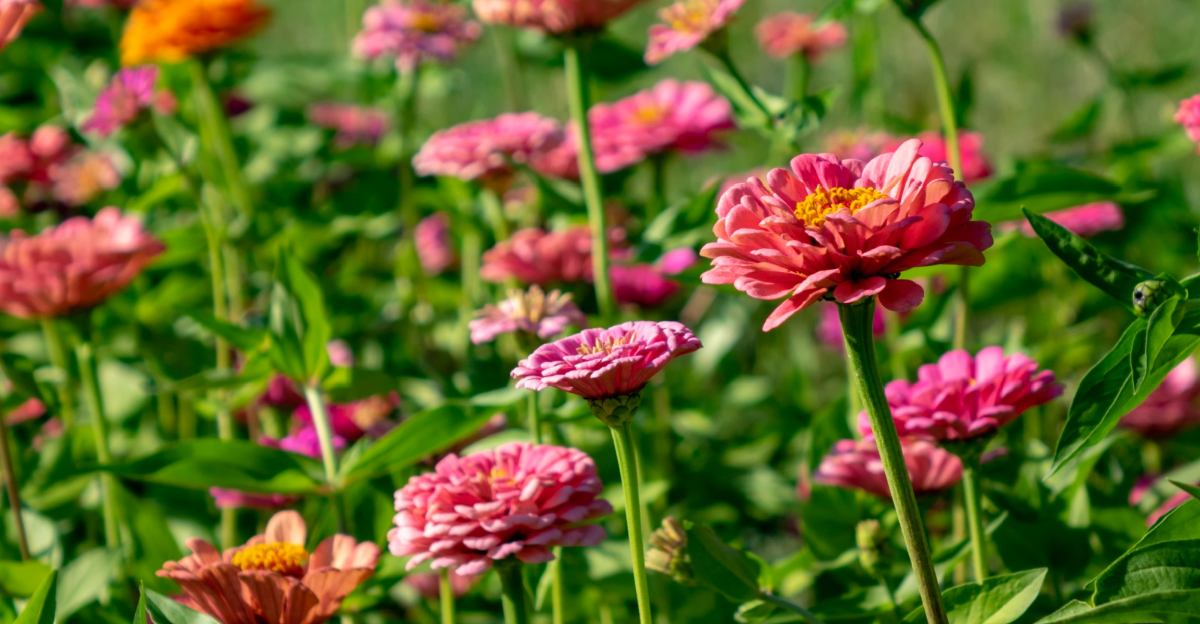
If you’re looking for a “plant it and forget it” miracle this April, look no further than the zinnia.
As our soil warms up and the days stretch out, these vibrant beauties race toward their first bloom faster than almost any other summer annual.
While other flowers wilt under our intense heat and humid nights, zinnias thrive from the Panhandle down to the Keys.
They are the ultimate reward for Florida gardeners craving bold, reliable color.
If you want a garden that looks spectacular with minimal fuss, April is your golden window to get started.
1. Direct Sowing Works Best In Spring Conditions
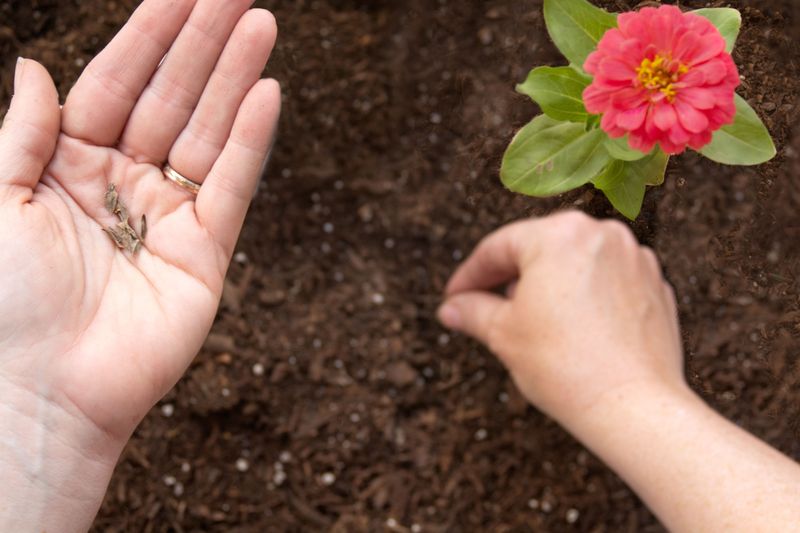
Zinnias are one of the few flowering annuals that strongly prefer being sown directly where they will grow rather than being started in containers and transplanted.
Their taproots are sensitive to disturbance, and transplanting can set plants back significantly, sometimes delaying blooms or causing early stress.
Direct sowing in April sidesteps that problem entirely by letting roots develop undisturbed from the very beginning.
Spring soil conditions in Florida make direct sowing especially practical. The ground is workable, moisture levels from occasional spring showers help seeds stay hydrated during germination, and there is no danger of frost across most of the state by April.
Preparing the planting area by loosening the top few inches of soil and removing any weeds gives seeds the cleanest possible start.
Spacing matters when sowing zinnias directly. Scattering seeds about six inches apart and then thinning seedlings to twelve inches once they reach a few inches tall gives each plant enough room to branch outward and produce more flowers.
Crowded plants tend to stretch upward with fewer blooms and are more vulnerable to foliar disease in Florida’s humid conditions.
Taking a few minutes to thin seedlings after germination pays off with bushier, more productive plants.
April’s mild temperatures and manageable rainfall make the direct sowing process straightforward, even for gardeners who are still building their skills and confidence.
2. Warm Soil Supports Fast Zinnia Germination

Soil temperature plays a bigger role in seed germination than most gardeners realize.
By April, Florida’s soil has warmed considerably from the cooler winter months, typically reaching between 70 and 75 degrees Fahrenheit across much of the state.
Zinnia seeds respond strongly to that warmth, often sprouting within just five to seven days when conditions are right.
In North Florida, soil temperatures in April are usually warm enough to support reliable germination, though planting a week or two later in the month can give seeds an even better start.
Central and South Florida soils tend to warm up earlier, so gardeners in those regions may notice seedlings emerging even faster.
Pressing seeds about a quarter inch into the soil and keeping the surface consistently moist during the first week helps encourage strong, even germination.
One reason April works so well is that the soil holds warmth overnight without getting too hot during the day. Extreme heat can stress newly germinated seeds before they establish their first true leaves.
Your Florida Garden Changes Every Week. Your Plan Should Too.
Gardening in Florida changes quickly throughout the season. Every Friday you’ll receive a simple weekly plan showing exactly what to plant, prune, fertilize, harvest, and protect so you never miss the right timing.
April’s moderate daytime highs give seedlings a gentler introduction to Florida growing conditions.
That balance between warm soil and manageable air temperatures creates an environment where zinnia seeds can sprout, root, and grow without the setbacks that can come with planting later in the summer season.
3. April Planting Leads To Early Summer Blooms
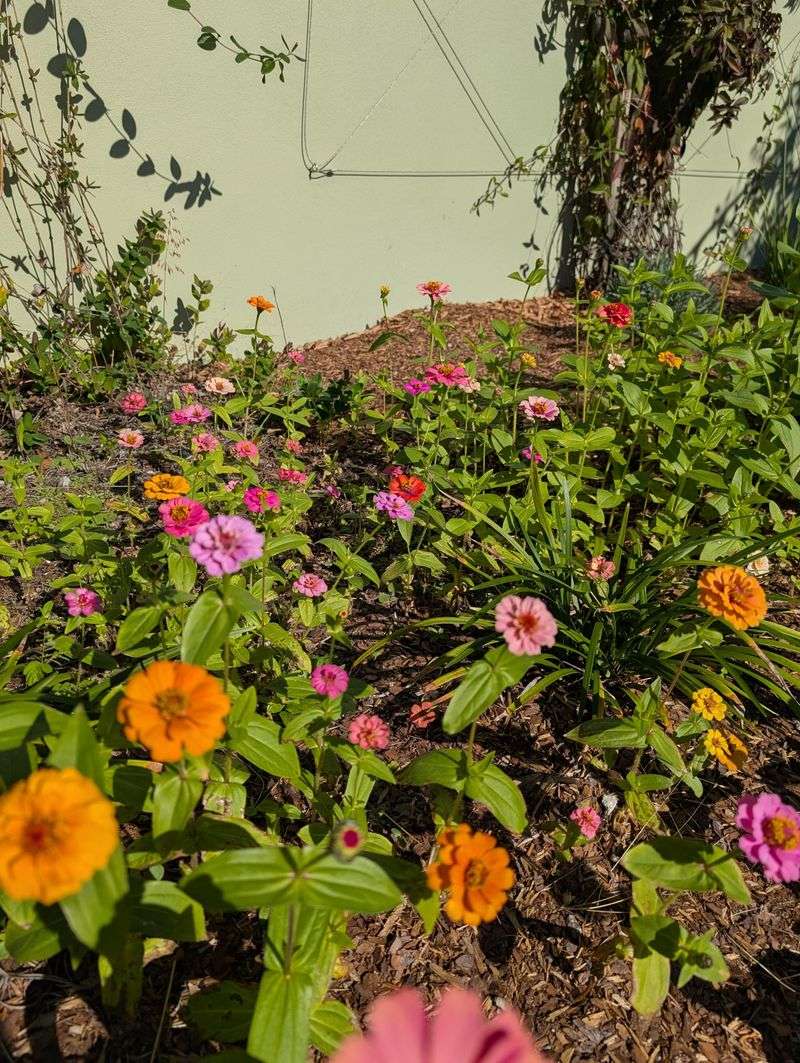
Timing a planting around bloom goals is something experienced Florida gardeners think about carefully. Zinnias typically begin flowering six to eight weeks after seeds are sown, which means an April planting lines up almost exactly with early summer color.
That timing is especially appealing for gardeners who want their outdoor spaces looking their best during late May and June gatherings, outdoor events, or simply daily enjoyment.
Starting seeds in early to mid-April gives plants enough time to establish a healthy root system before the intense heat of July and August arrives.
By the time summer really cranks up across Florida, April-planted zinnias are already blooming steadily and have developed the root depth needed to handle dry spells between rain showers.
That head start matters more than many new gardeners expect.
Gardeners in South Florida may find that early April plantings bloom even sooner given the region’s warmer baseline temperatures.
In North Florida, mid-April plantings tend to hit their stride right around Memorial Day, which is a popular time for outdoor entertaining.
Planning around that six-to-eight-week window takes the guesswork out of when flowers will appear.
Knowing that a seed planted today becomes a blooming plant in less than two months makes zinnias one of the most satisfying flowers to grow in a Florida garden.
4. Zinnias Thrive In Florida Heat And Full Sun
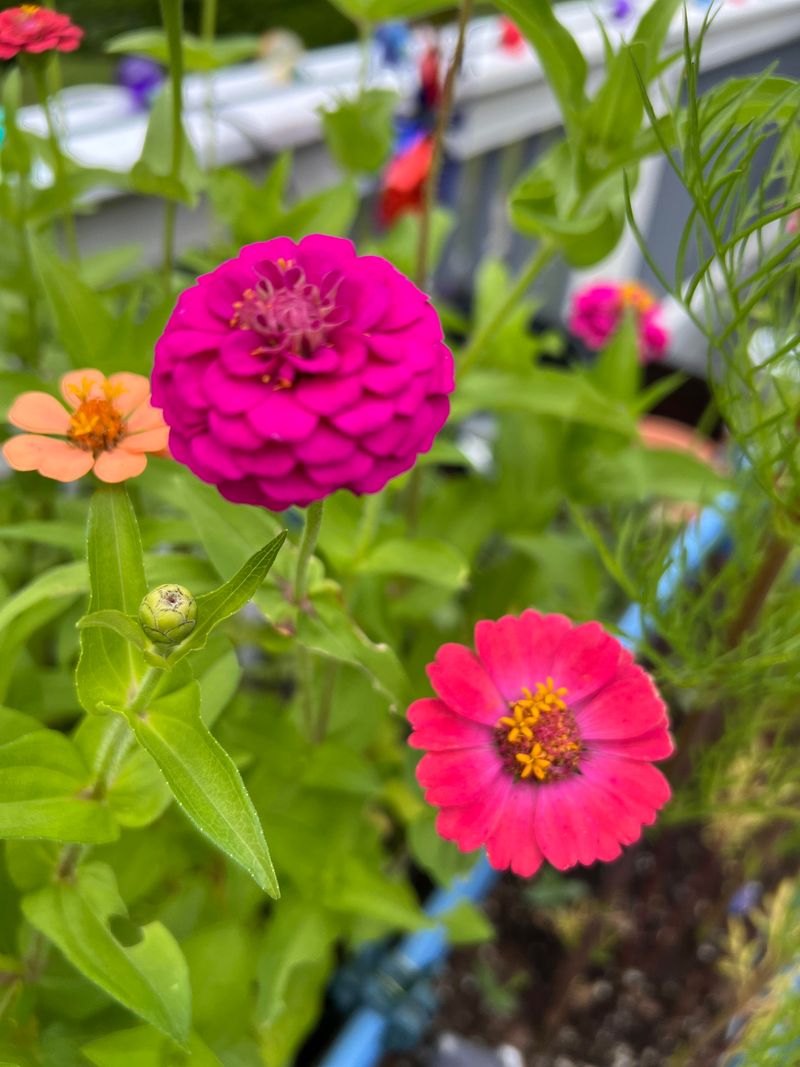
Few flowers handle Florida’s relentless summer sun quite like zinnias do. While many popular annuals begin to struggle when temperatures push into the upper 80s and 90s, zinnias lean into the heat and keep on blooming.
Their native origins in warm, dry regions of Mexico and Central America gave them a built-in resilience to high temperatures and strong sunlight that translates beautifully to Florida growing conditions.
Zinnias need at least six to eight hours of direct sunlight each day to perform at their best. Fortunately, Florida offers no shortage of that.
Gardens across the state receive long stretches of bright sunshine from spring through summer, and zinnias take full advantage of every hour.
Planting them in open, unshaded areas gives them the light exposure they need to produce strong stems and richly colored blooms.
Humidity is one factor that can occasionally cause issues, particularly with powdery mildew on the leaves.
Choosing disease-resistant varieties and spacing plants about twelve inches apart allows for better airflow around the foliage, which helps reduce moisture buildup.
Watering at the base of plants rather than overhead also keeps leaves drier and less prone to fungal issues. With those simple adjustments, zinnias can power through Florida summers with impressive vigor and consistent flower production.
5. Zinnias Bloom Continuously Through Summer
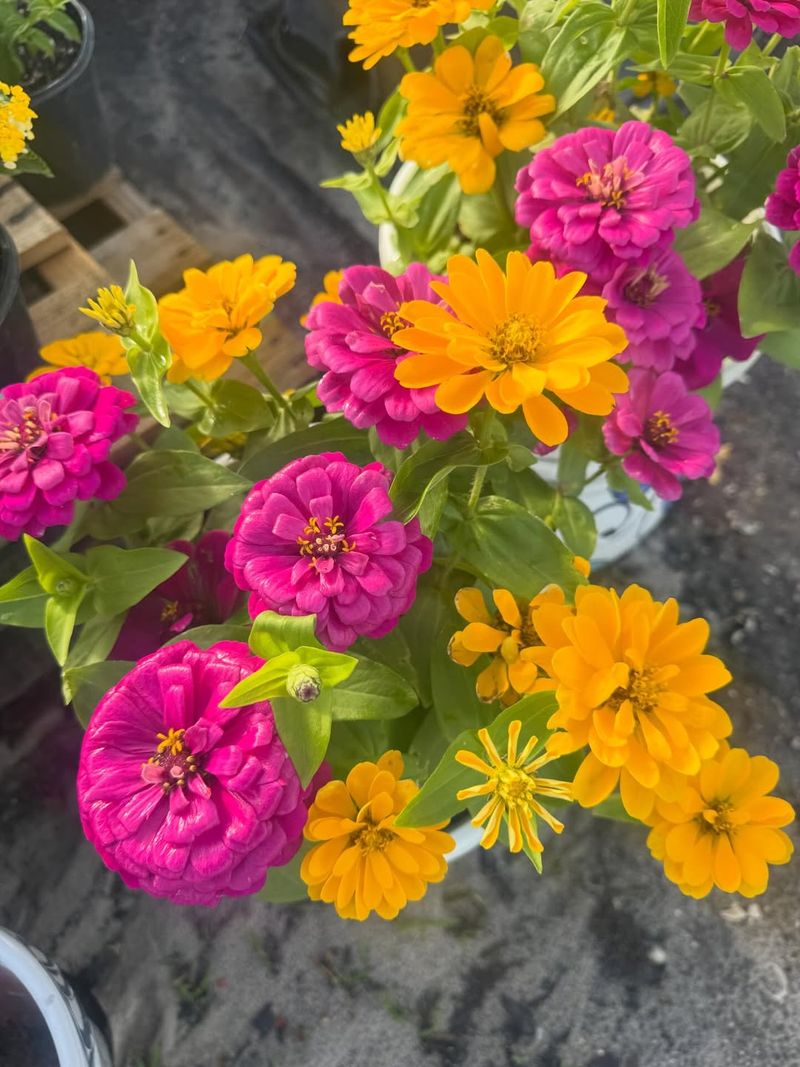
One of the most rewarding qualities zinnias bring to a Florida garden is their ability to bloom almost without stopping from early summer through fall.
Unlike some flowers that put on a brief show and then fade, zinnias keep producing new buds as long as they receive enough sun, water, and occasional encouragement from the gardener.
That continuous performance makes them a standout choice for anyone who wants a low-effort but high-reward flower bed.
Deadheading, which simply means removing spent blooms before they go to seed, is the main technique that keeps zinnias flowering at full capacity.
When a flower fades, snipping it off just above the next set of leaves signals the plant to redirect its energy into producing new buds.
Florida gardeners who make a habit of deadheading every week or so are often rewarded with a second and even third wave of blooms that can carry right through September and into October.
Even without regular deadheading, zinnias continue to flower, just at a slightly slower pace.
For gardeners who prefer a more hands-off approach, choosing self-cleaning varieties that drop their spent petals naturally helps maintain a tidy appearance with minimal effort.
Either way, the long bloom window that begins with an April planting gives Florida gardens months of color that few other warm-season annuals can match.
6. Zinnias Attract Pollinators To The Garden
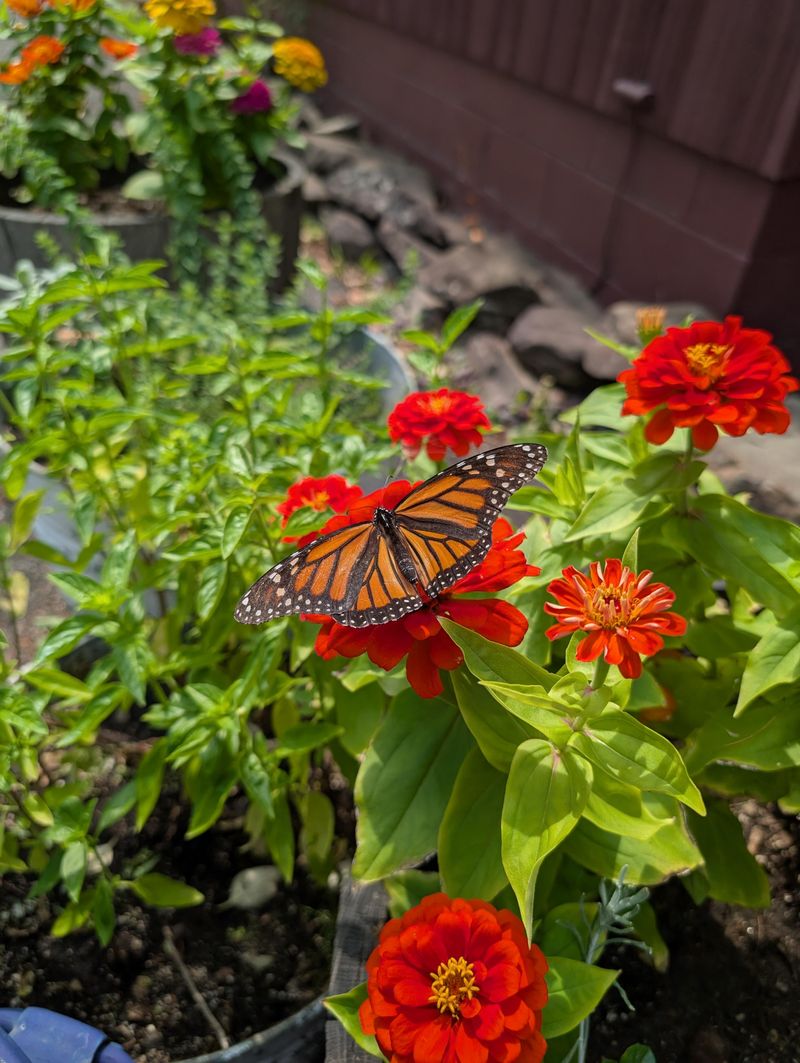
Walk past a patch of blooming zinnias on a warm Florida morning and chances are you will hear it before you see it.
The gentle hum of bees moving from flower to flower, the flutter of butterfly wings, and occasionally the quick dart of a hummingbird are all signs that zinnias are doing something important beyond just looking beautiful.
These flowers are genuinely excellent at drawing pollinators into the garden, and that benefits every plant growing nearby.
Butterflies are especially attracted to zinnias. Species like the monarch, gulf fritillary, and zebra longwing, all of which are common across Florida, regularly visit zinnia blooms to feed on nectar.
The wide, flat flower heads of many zinnia varieties give butterflies a stable landing platform, making them particularly easy to use as a feeding source.
Planting a mix of colors and sizes can attract an even wider range of pollinator species.
Bees, both honeybees and native species, also visit zinnias frequently throughout the day.
Having a reliable nectar source in the garden supports local bee populations, which in turn improves pollination for vegetable plants, fruit trees, and other flowering plants growing nearby.
For Florida gardeners who grow food alongside ornamental flowers, zinnias serve a practical purpose that goes well beyond their visual appeal.
Starting them in April means pollinators have access to blooms just as the busiest part of their season gets underway.
7. Fast Growth Makes Zinnias Beginner Friendly
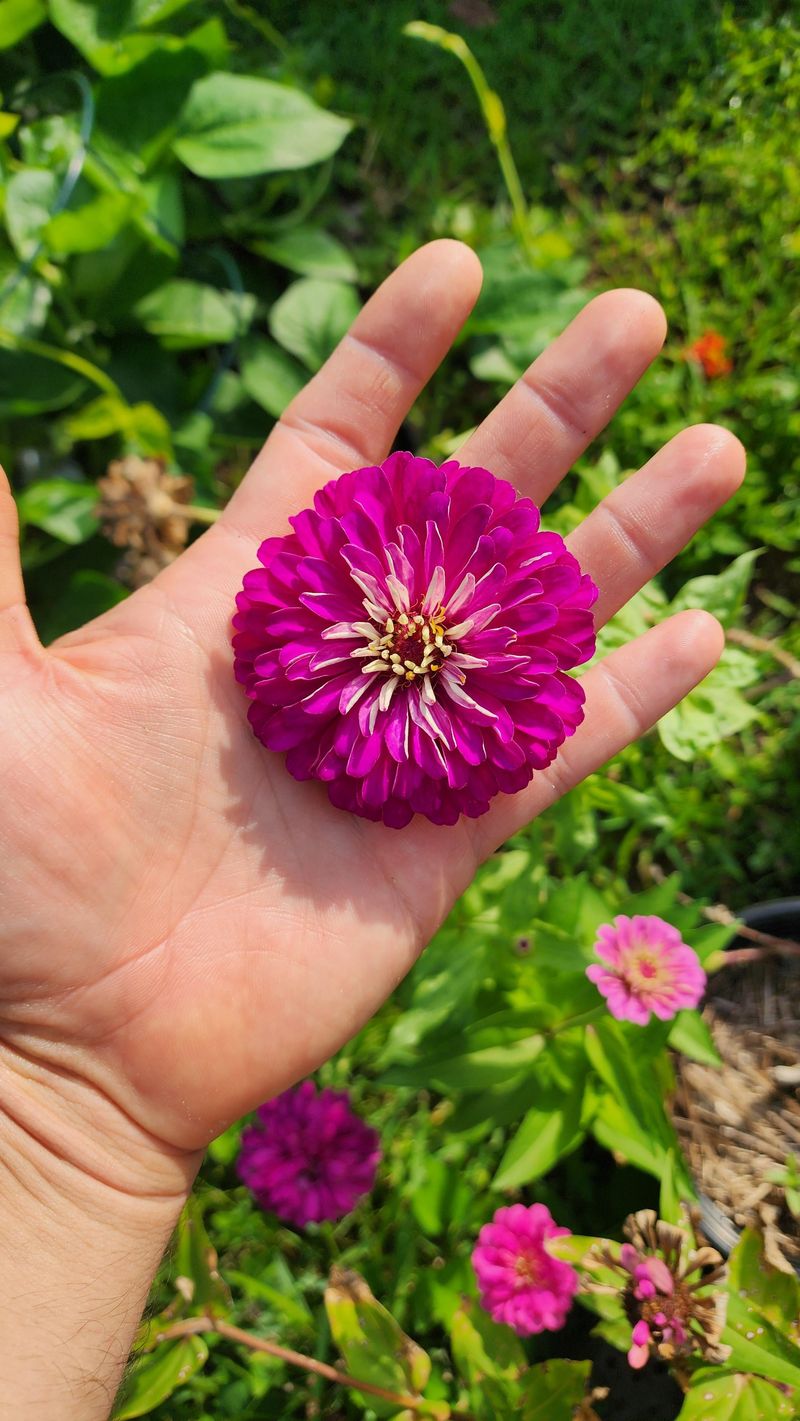
Not every gardener starts out with years of experience and a deep knowledge of soil chemistry and plant biology.
Many Florida gardeners are just getting started, and finding the right flowers to grow early on can make or break that initial enthusiasm.
Zinnias have a reputation for being forgiving, fast-growing, and easy to understand, which makes them an outstanding choice for anyone who is new to gardening.
From seed to sprout usually takes less than a week under April’s warm conditions in Florida. Watching seeds germinate and seedlings emerge within days gives beginners an almost immediate sense of success that keeps motivation high.
From there, zinnias grow quickly and visibly, adding height and foliage at a pace that makes progress easy to track without needing specialized knowledge or equipment.
Zinnias do not require complex fertilizing schedules or precise soil amendments to perform well. A basic all-purpose fertilizer applied once or twice during the growing season is generally enough to support healthy growth.
They tolerate occasional missed waterings better than many other annuals, and they bounce back quickly after short dry spells.
Florida’s spring rain patterns often provide enough natural moisture to support young plants without constant supplemental watering.
For someone just learning the rhythms of a Florida garden, zinnias offer the kind of early wins that build real confidence over time.
8. Zinnias Offer A Wide Range Of Colors And Sizes
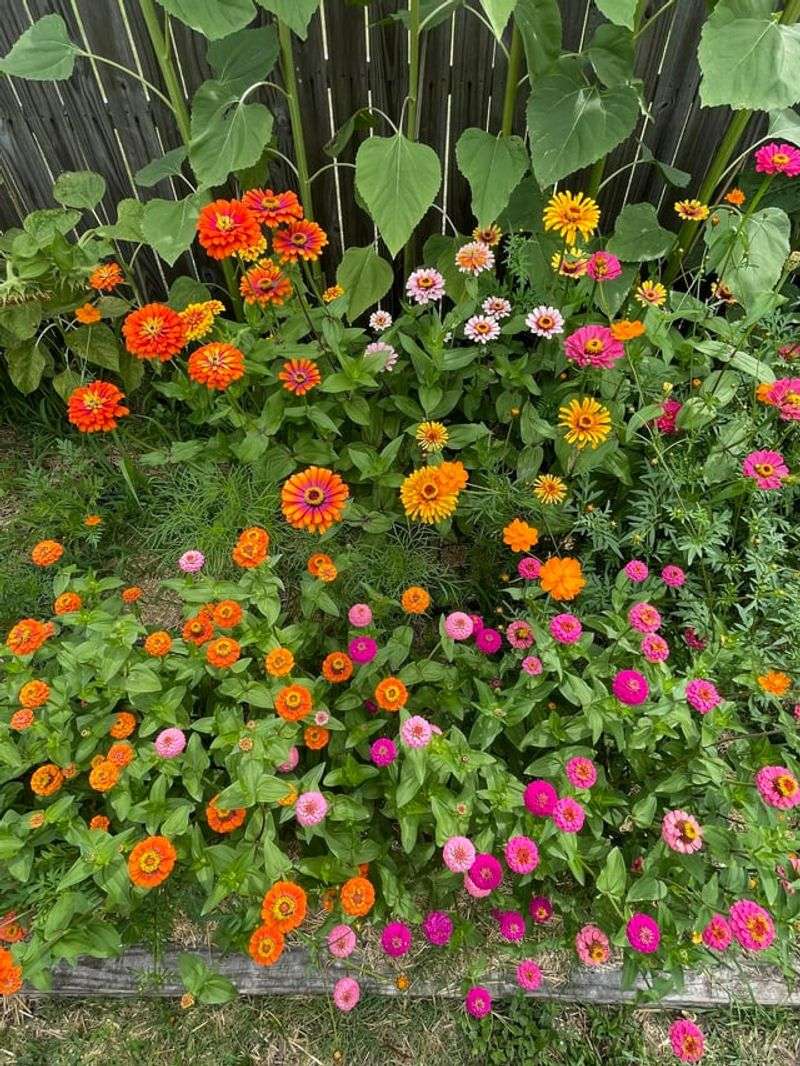
Few flowering annuals give gardeners as many choices as zinnias do when it comes to color and form.
From compact dwarf varieties that top out around eight inches tall to tall cutting types that can reach three feet or more, there is a zinnia suited for nearly every garden situation.
Florida gardeners can use shorter varieties along borders and pathways while planting taller types at the back of beds or in cutting gardens dedicated to fresh flower arrangements.
Color options are equally impressive. Zinnias come in nearly every warm and cool tone imaginable, including deep red, bright orange, soft lavender, creamy white, golden yellow, and vivid pink.
Bi-color and striped varieties add even more visual interest, and mixing different types in the same bed creates a lively, cottage-style look that tends to draw compliments from neighbors and visitors throughout the summer.
Flower form also varies widely. Some zinnias produce traditional dahlia-like blooms with layered petals, while others have simpler single-petal forms that resemble daisies.
Cactus-flowered varieties offer a spiky, textured look that stands out in mixed plantings. Having so many options available means that no two Florida gardens planted with zinnias need to look exactly alike.
Choosing a selection of sizes and colors in April and planting them together creates a bed that evolves and shifts in appearance as different varieties reach their peak bloom times through the season.
9. Zinnias Adapt Well To Florida’s Sandy Soils
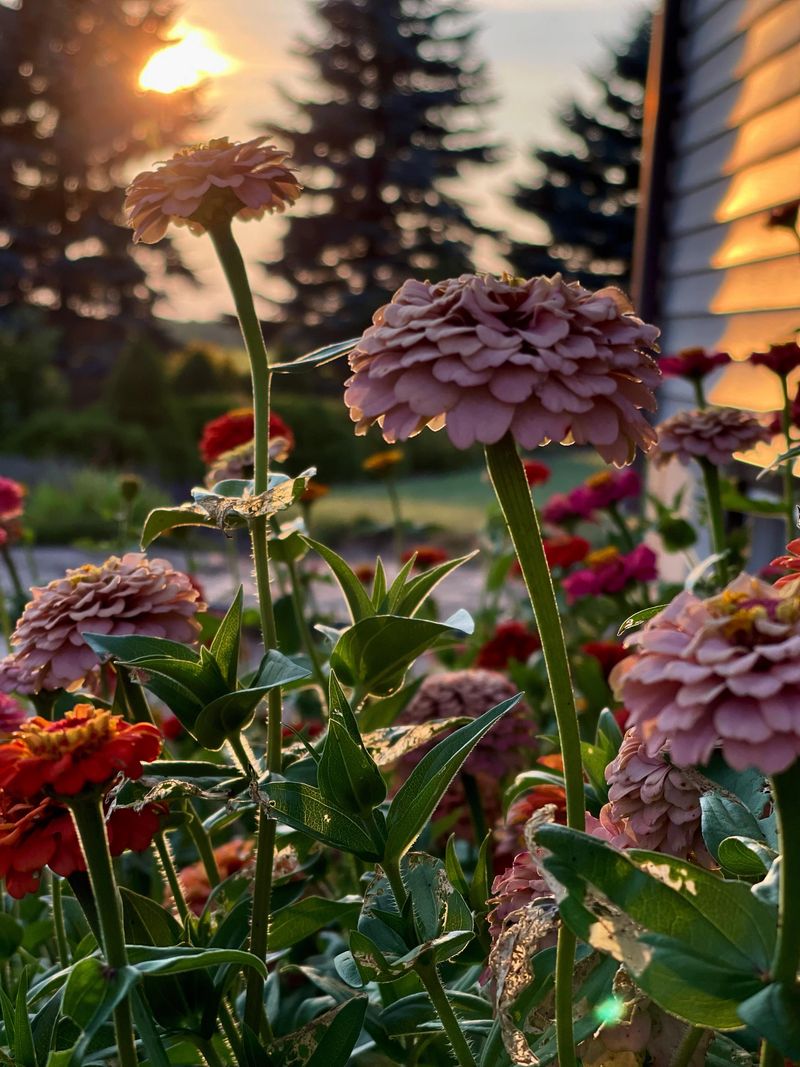
Sandy soil is a reality for a large portion of Florida gardeners, especially those living near the coast or in areas where the native ground has low organic matter content.
Many flowering plants struggle in sandy conditions because water and nutrients drain away quickly before roots can absorb them fully.
Zinnias handle those conditions better than most, making them a genuinely practical choice for Florida’s most common soil type.
Their ability to tolerate well-drained, even nutrient-lean soils comes from their native background in regions where growing conditions can be tough and unpredictable.
That natural resilience translates directly to Florida landscapes, where sandy soil is the norm rather than the exception.
Adding a few inches of compost to the planting area before sowing seeds can improve moisture retention and give young plants a nutritional boost, but it is not strictly required for zinnias to perform reasonably well.
Mulching around established zinnia plants is one of the most effective strategies for managing Florida’s sandy soil challenges.
A two-to-three-inch layer of organic mulch slows moisture evaporation, keeps soil temperatures more consistent, and gradually breaks down to add organic matter over time.
During Florida’s dry spring weeks before the rainy season begins, that retained moisture can make a meaningful difference in how well young plants grow and how quickly they reach blooming size after an April planting.