Native Texas Shrubs That Outperform Arborvitae As Privacy Screens In Tough Spots
Ever planted arborvitae in a tough Texas spot and hoped for a lush green privacy screen, only to watch it thin out, brown up, or struggle through the season? You are definitely not the only one.
Arborvitae may look like the perfect solution on paper, but in many Texas yards, it can be a frustrating choice. Heat, wind, dry spells, rough soil, and intense sun often make those neat evergreen screens harder to maintain than people expect.
That is why more homeowners are giving native shrubs a serious look. In places where arborvitae tends to sulk, many Texas natives hold their shape, handle the climate better, and still create the privacy people want.
Some stay dense and leafy, some bring flowers or berries into the mix, and some can turn an awkward problem area into one of the best-looking parts of the yard.
For anyone dealing with a hard-to-screen fence line, a blazing side yard, or a dry stretch that nothing seems to like, the right native shrub can be a much smarter answer. Privacy matters, but so does choosing plants that actually want to be there.
1. Yaupon Holly
Walk through almost any Texas neighborhood and you might spot yaupon holly without even knowing it. This native evergreen is one of the most adaptable shrubs in the entire state, and it has been quietly outperforming arborvitae for years in spots where other plants give up.
Whether your yard has heavy clay, sandy soil, or something in between, yaupon holly finds a way to thrive.
Growing anywhere from 6 to 12 feet tall, this shrub forms a thick, leafy wall that blocks views and softens noise. You can prune it into a formal hedge or let it grow in a more natural shape.
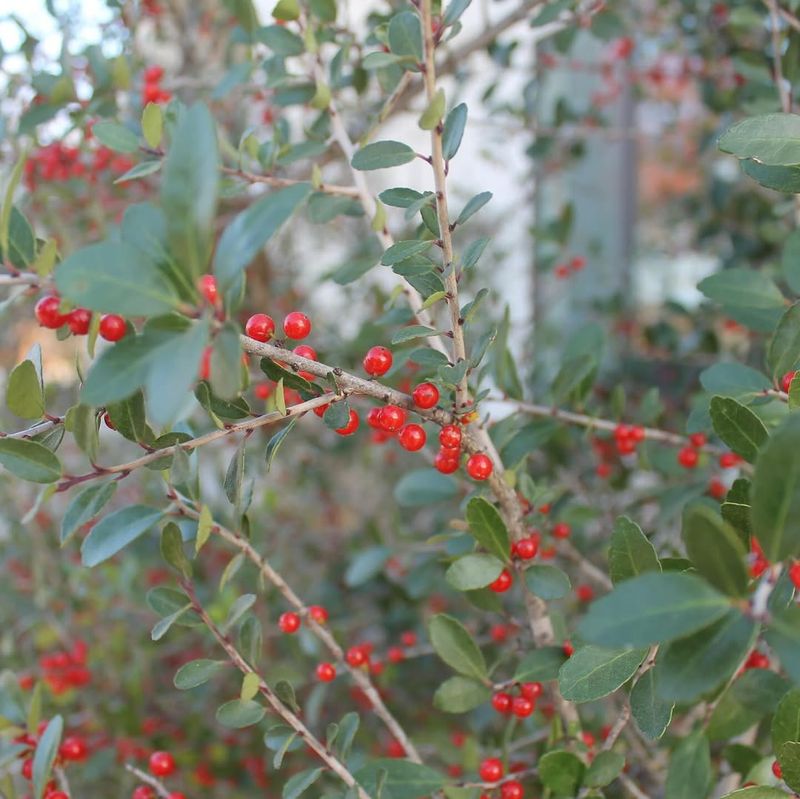
Either way, it stays dense and full, which is exactly what you want from a privacy screen. Bright red berries appear in winter and attract birds, adding life and color to your yard during the cooler months.
One of the biggest advantages over arborvitae is how well yaupon holly handles Texas heat and drought once it gets established. Arborvitae tends to brown out, thin, or simply fail in hot and dry Texas summers.
Yaupon holly keeps on growing without much complaint. It also resists most common pests and diseases, which means less time worrying and more time enjoying your private outdoor space.
For Texas homeowners looking for a low-maintenance, long-lasting privacy screen, yaupon holly is one of the smartest native choices available. It is tough, handsome, and perfectly suited to life in the Lone Star State.
2. Texas Sage
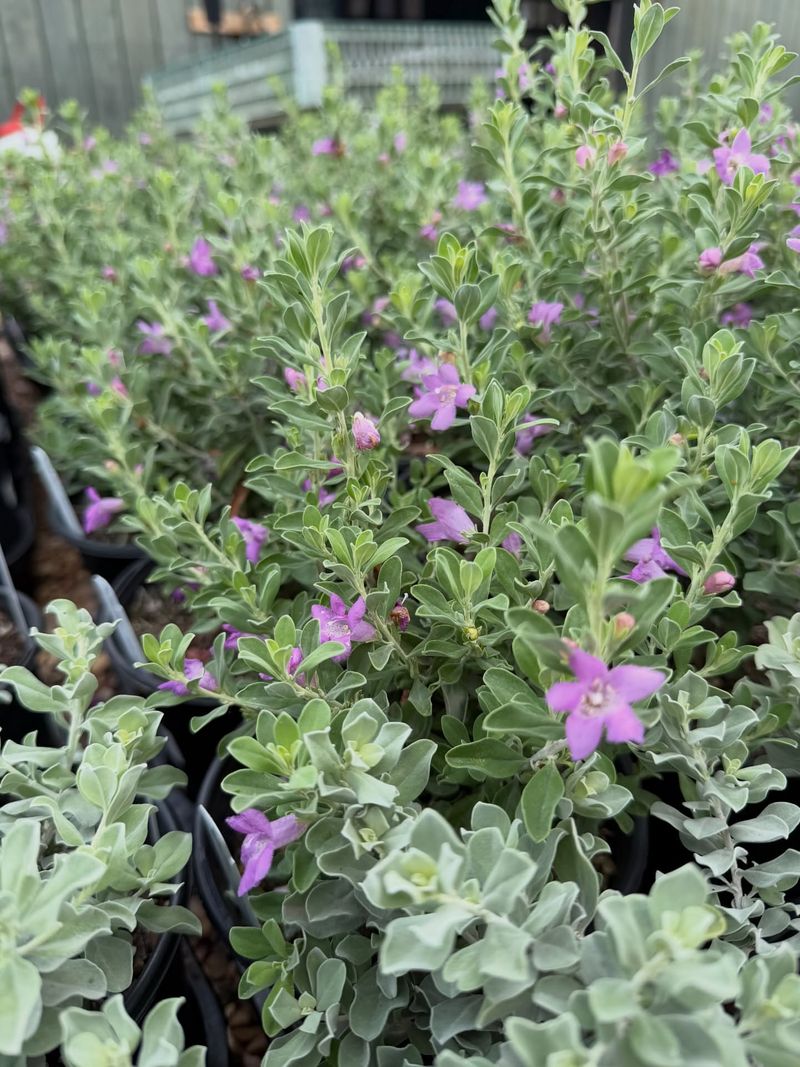
There is something almost magical about Texas sage after a rainstorm. Within just a day or two of moisture hitting the air, this shrub bursts into a cloud of purple blooms that can stop people in their tracks.
Also called cenizo, Texas sage is built specifically for the kind of heat, sun, and dry conditions that make arborvitae look miserable by comparison.
In exposed front yards, side yards, and spots with sharp drainage, Texas sage is nearly impossible to beat as a native privacy plant. Its silvery-gray foliage reflects sunlight and gives the whole shrub a soft, glowing appearance even when it is not in bloom.
Your Texas Garden Changes Every Week. Your Plan Should Too.
Gardening in Texas changes quickly throughout the season. Every Friday you’ll receive a simple weekly plan showing exactly what to plant, prune, fertilize, harvest, and protect so you never miss the right timing.
Growing 3 to 5 feet tall in most settings, it works well as a mid-height screen that softens views without completely blocking airflow.
Arborvitae in similar spots would need constant watering, soil amendments, and babying just to survive a Texas summer. Texas sage asks for almost none of that.
Once established, it handles drought with ease and actually prefers to be left alone rather than fussed over. Overwatering is one of the few things that can cause it problems, so less really is more with this plant.
Texas sage is a staple in Central and West Texas landscapes for good reason. It brings color, texture, and reliable screening to spots where most other shrubs simply cannot hold up.
For tough, sunny, dry areas across Texas, this native shrub is one of the best investments you can make.
3. Evergreen Sumac
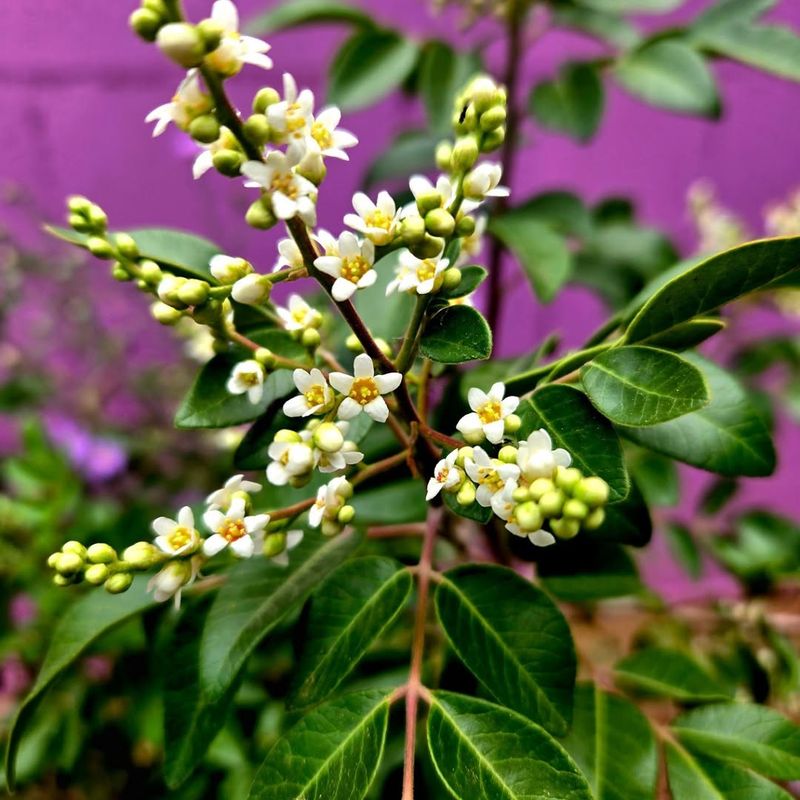
Rocky hillsides, poor soils, and bone-dry conditions are no problem for evergreen sumac. While arborvitae would struggle and fade in those same spots, this tough Texas native just keeps growing, filling in, and building a thick, reliable screen year after year.
If your property has challenging terrain, evergreen sumac deserves a serious look. Growing 6 to 10 feet tall with a naturally dense branching habit, evergreen sumac forms a sturdy barrier over time.
Its leathery, dark green leaves stay on through winter in most parts of Texas, giving you consistent coverage when you need it most.
In the fall, clusters of small red berries add visual interest and provide food for birds and other local wildlife. That is a bonus you will not get from arborvitae.
One thing that makes evergreen sumac stand out is its ability to handle rocky, lean soils without any special treatment.
Many homeowners in the Hill Country and other parts of Central Texas deal with shallow, rocky ground where traditional privacy plants simply cannot get a foothold.
Evergreen sumac roots down through that tough terrain and keeps on growing without complaint.
Drought tolerance is another strong point. Once established, this shrub can go long stretches without supplemental water, making it a practical and cost-effective choice for Texas properties.
The natural appearance also blends beautifully with native landscapes, giving your yard an authentic Texas look. For screening in rough spots, evergreen sumac is one of the most dependable native options the state has to offer.
4. Texas Mountain Laurel
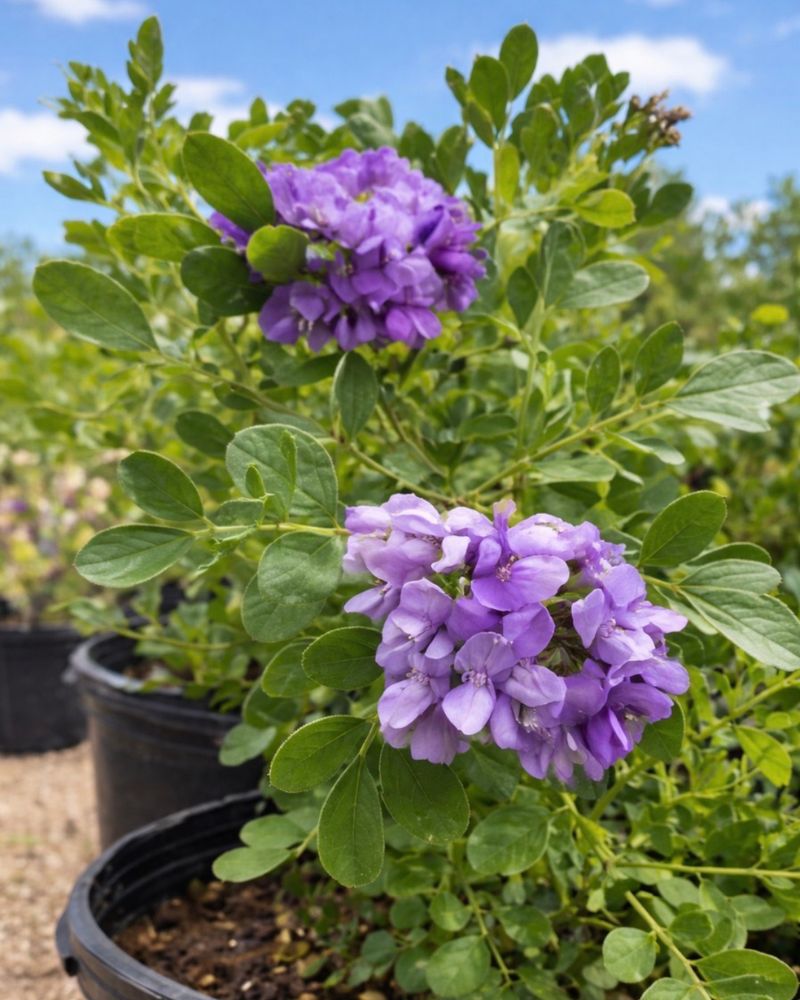
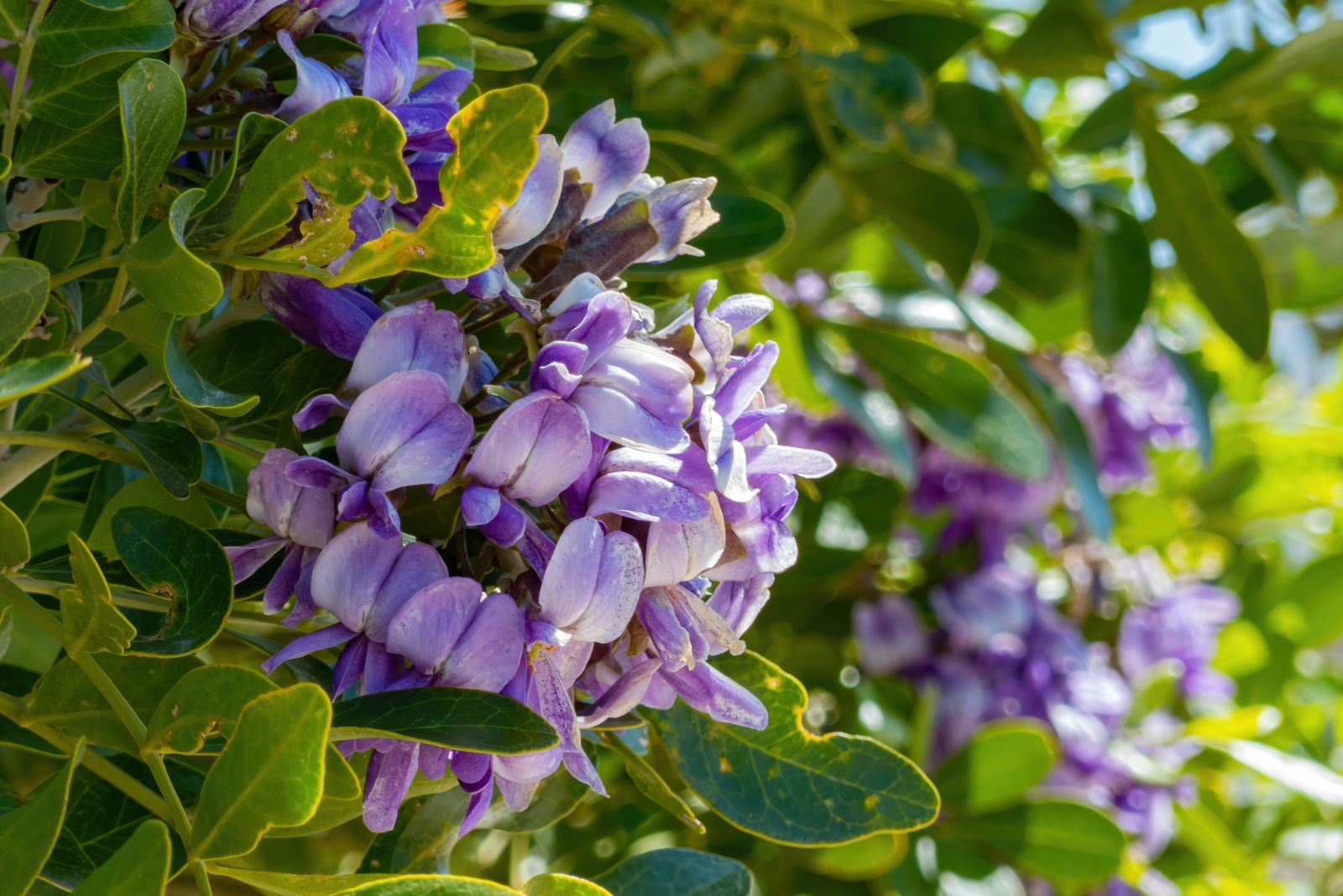
Few native Texas shrubs make as strong a first impression as Texas mountain laurel in the spring. When those clusters of deep purple flowers open up, the sweet scent of grape soda drifts through the entire yard.
Beyond the showstopping blooms, this evergreen shrub is a serious privacy performer in landscapes across Central and South Texas.
Texas mountain laurel grows slowly but steadily, eventually reaching 15 to 25 feet tall in ideal conditions. Its dense, glossy foliage builds a thick, layered screen that blocks views effectively and holds its structure through every season.
Arborvitae planted in similar alkaline, rocky Texas soils would thin out and struggle. Mountain laurel, on the other hand, was practically made for those conditions and handles them without missing a beat.
Heat and drought resistance are two of its biggest strengths. Once established, Texas mountain laurel can handle long dry spells with minimal supplemental watering.
It also tolerates the intense summer sun that beats down across South and Central Texas without showing stress or damage. That kind of toughness is exactly what you need from a long-term privacy screen.
Because it grows slowly, patience is part of the deal with this shrub. Planting it sooner rather than later is a smart move if you want a mature screen in a few years.
The wait is absolutely worth it. Texas mountain laurel delivers year-round beauty, seasonal fragrance, and serious screening power in spots where arborvitae simply cannot compete.
5. Elbow Bush
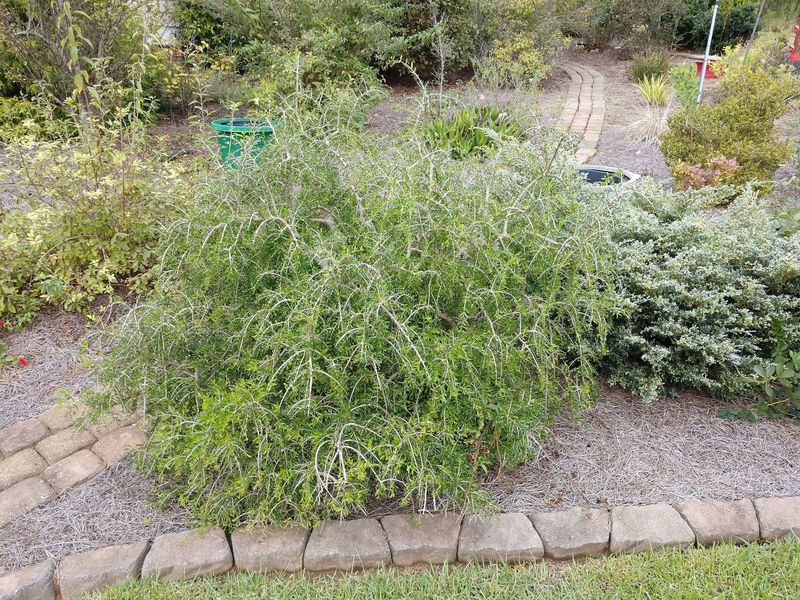
Not every shrub gets the spotlight it deserves, and elbow bush is a perfect example. This rugged Texas native flies under the radar in most garden centers, but out in the field, it performs like a champion.
Hot, dry, windy locations that would shred arborvitae are exactly the kinds of spots where elbow bush steps up and delivers.
The dense, twiggy branching habit of elbow bush is what makes it so effective as a privacy screen. Even in winter, when some of its leaves drop in colder areas of Texas, the thick network of branches still blocks views and reduces wind.
In South Texas and other warmer regions of the state, it tends to hold its leaves through the season, giving more consistent year-round coverage.
Elbow bush handles caliche soils, poor drainage, and extended dry periods without much trouble. Those are exactly the conditions that send arborvitae into decline fast.
Plant elbow bush in those same spots and it simply roots in and starts doing its job. It does not need rich soil, regular fertilizing, or extra irrigation once it gets going.
Wildlife also benefits from elbow bush. Birds are drawn to its small fruits, and the dense branching provides great nesting cover.
So while you are getting a functional privacy screen, you are also supporting local Texas wildlife at the same time. For tough spots where other shrubs fail, elbow bush is an underrated native option that earns its place in the landscape every single season.
6. Agarita
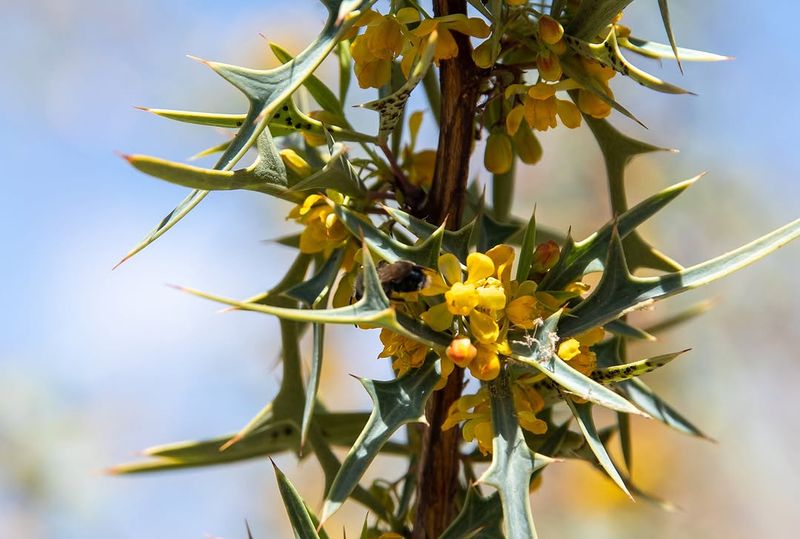
Agarita is not trying to be pretty. It is trying to be tough, and it succeeds at that better than almost any other native shrub in Texas.
With stiff, spiny leaves and a dense, tangled growth habit, agarita creates a barrier that people, animals, and even strong winds have a hard time getting through. That is exactly the kind of performance you want from a privacy screen in difficult conditions.
Found naturally across the Edwards Plateau, South Texas, and other dry regions of the state, agarita thrives in poor soils, rocky ground, and exposed spots where moisture is scarce. Arborvitae would not last a full summer in those same conditions.
Agarita barely notices the heat and keeps right on growing without any extra help from the gardener.
In early spring, agarita surprises everyone with small, fragrant yellow flowers that attract pollinators. By summer, bright red berries ripen on the branches and are a favorite food source for birds and small mammals.
The plant gives back to the local Texas ecosystem in ways that arborvitae never could. That ecological value is a real bonus for homeowners who care about supporting native wildlife.
Because of its thorny nature, agarita works especially well along property borders where you want a screen that also discourages foot traffic. It is not a plant you trim into neat shapes, and that is fine.
Left to grow naturally, it builds a thick, dependable barrier over time. For raw toughness in rough Texas spots, agarita is one of the most honest and reliable native choices around.
7. Coma
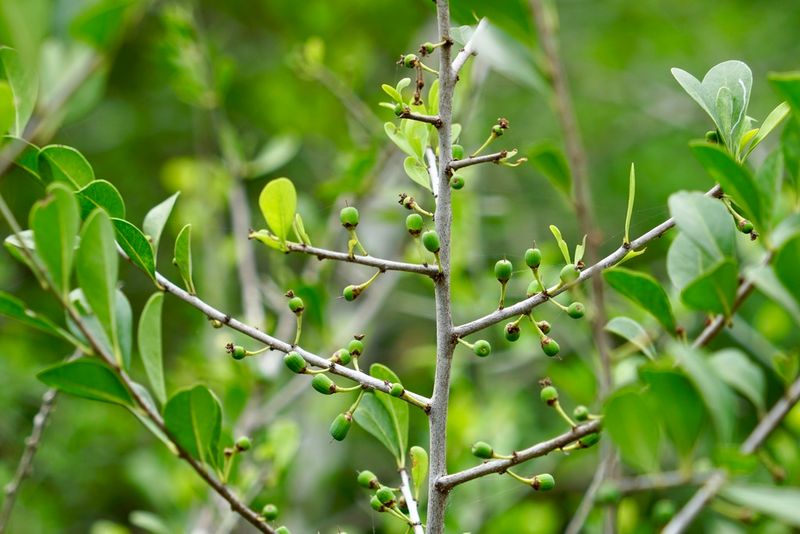
Coma might be the least familiar name on this list, but in South Texas and along the Gulf Coast, it is a plant that serious landscapers and native plant enthusiasts know well.
Small, glossy leaves and a naturally dense branching structure make coma an effective privacy screen in regions where heat and tough growing conditions rule out most traditional choices, including arborvitae.
Growing in thorny, thicket-like form, coma fills in steadily over time and creates a layered screen that holds its structure through all seasons. In the warmest parts of Texas, it keeps its leaves year-round, which means consistent coverage without any seasonal gaps.
That kind of reliable performance is hard to find in a plant that also handles drought, heat, and lean soils without complaint.
Coma produces small white flowers that attract pollinators in spring, followed by tiny dark fruits that birds love. Like several other native shrubs on this list, coma gives back to the local ecosystem while also doing a practical job in your yard.
Arborvitae offers none of that ecological value and struggles to even survive in the same conditions where coma naturally thrives.
For homeowners in South Texas and similar climates looking for a native privacy option that fits the landscape and actually holds up over the long term, coma is worth serious consideration. It may take a little time to find at a native plant nursery, but the search is worth it.
Once established, coma is a dependable, low-maintenance screen that earns its place in any tough Texas yard.