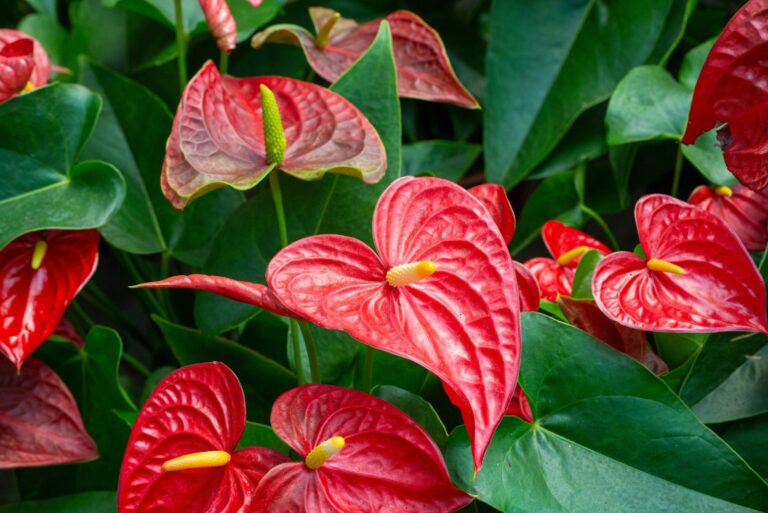
The 8 Plants More Pennsylvanians Are Growing To Help Keep Ticks Away
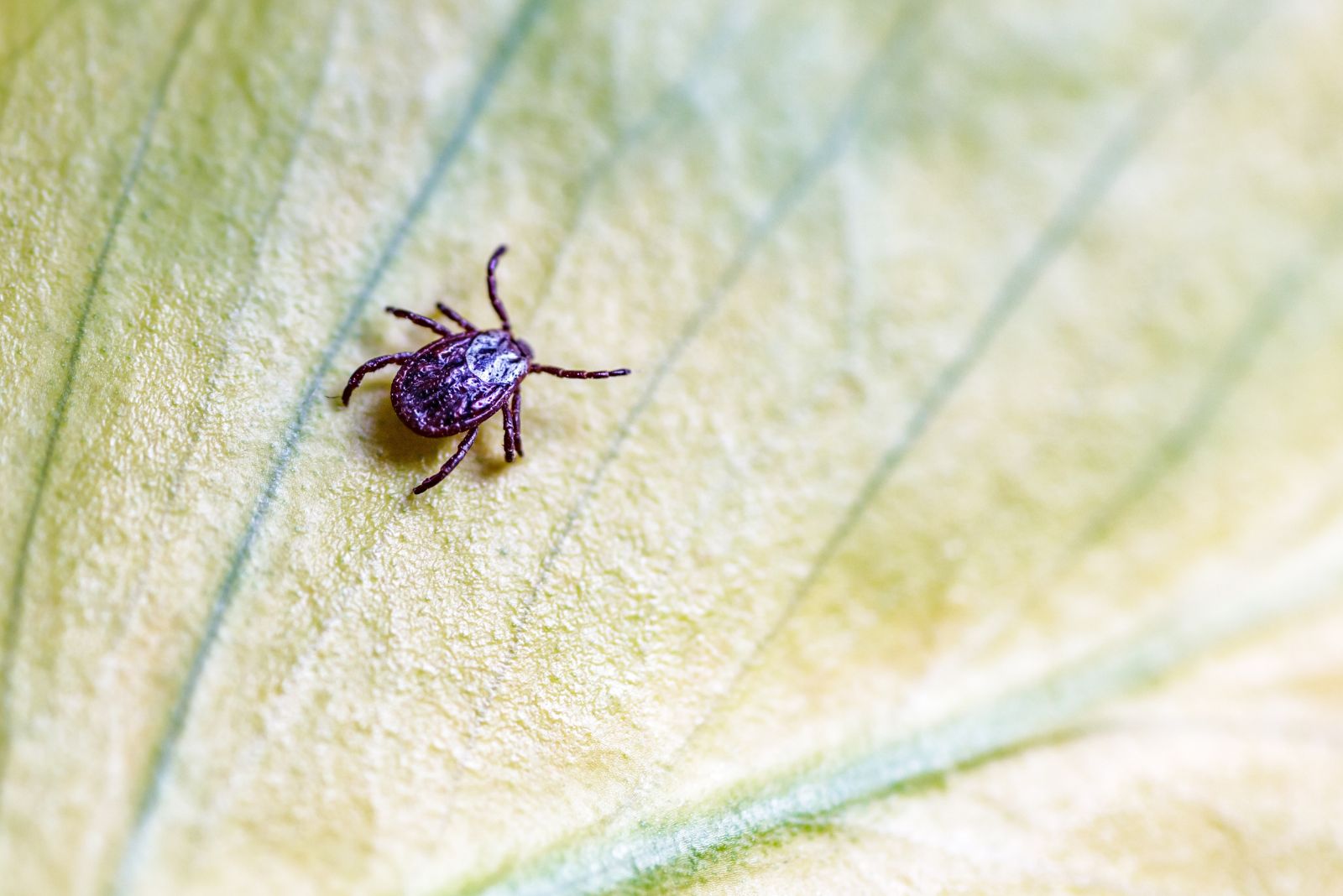
Hiking through the Pennsylvania woods usually means performing a frantic tick check the second you get home. While high socks are classic defenses, a growing number of Pennsylvania gardeners are turning to their flower beds for a natural assist.
Many of our local pests find strong essential oils and pungent aromas completely repulsive, making certain plants a strategic addition to your backyard perimeter.
By choosing specific greenery that ticks genuinely hate, you can create a scented barrier that makes your patio feel less like a buffet for bloodsuckers.
Native options like mountain mint or bee balm are becoming top picks because they thrive in our climate while packing a chemical punch that deters unwanted hitchhikers.
These selections do double duty by supporting local pollinators and smelling wonderful to humans, even if they send ticks running for the hills.
Transitioning toward a pest-resistant landscape means more time enjoying the outdoors and less time worrying about those tiny, eight-legged intruders.
1. American Beautyberry
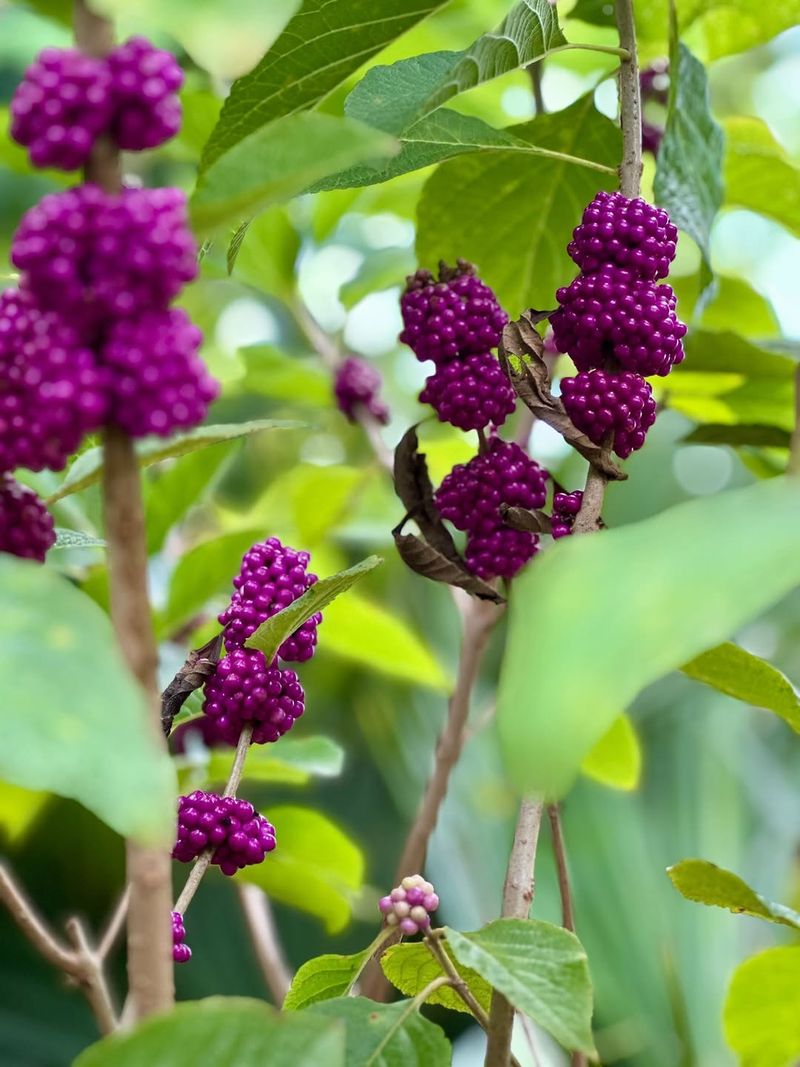
Few plants have earned their reputation the way American Beautyberry has. Researchers at the USDA actually studied this plant and found that compounds in its leaves, especially one called callicarpenal, have real tick-repelling power.
That kind of scientific backing makes it stand out from the crowd of so-called natural remedies.
American Beautyberry is native to parts of the southeastern United States, and it grows well in Pennsylvania gardens with a little care. It prefers partial shade and moist, well-drained soil, making it a solid fit for wooded backyards and shaded borders across the state.
Once established, it is fairly low-maintenance and comes back reliably each year. Beyond its pest-repelling properties, this shrub is genuinely gorgeous. In fall, it produces stunning clusters of bright purple berries that line each branch like tiny jewels.
Birds love the berries, so you get wildlife benefits too. Some Pennsylvania gardeners crush the leaves and rub them on their skin as a natural repellent when working outdoors.
While it is not a replacement for proven tick prevention methods, adding American Beautyberry to your landscape is a smart, beautiful, and research-supported move for anyone looking to make their yard a little less tick-friendly this season.
2. Mountain Mint
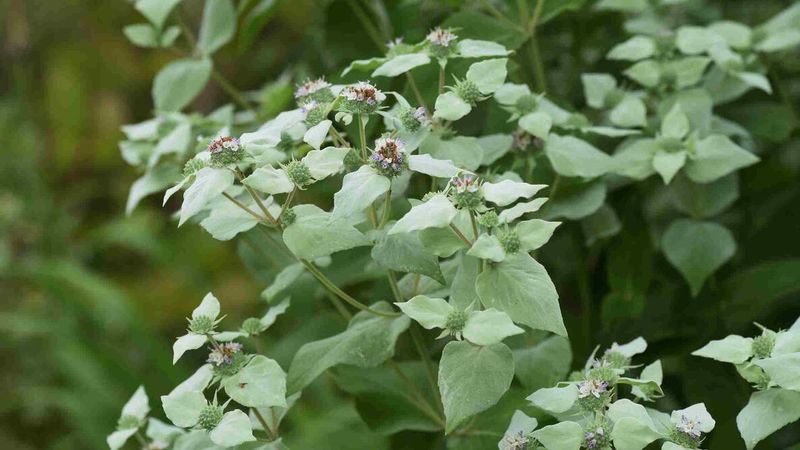
Walk past a patch of Mountain Mint on a warm summer day and you will immediately understand why ticks want nothing to do with it. The scent is bold, clean, and almost overwhelmingly fresh.
That powerful aroma comes from aromatic oils packed into the plant’s leaves, and those same oils are what make ticks turn around and head the other way.
Mountain Mint is a Pennsylvania native, which means it is already adapted to the climate, soil, and rainfall patterns here. It thrives in sunny spots with average to moist soil, and once it gets going, it spreads enthusiastically.
Gardeners in Pennsylvania often use it along fence lines, in rain gardens, or as a border plant to create a natural barrier around outdoor living spaces.
One of the best things about Mountain Mint is how much pollinators love it. Bees, butterflies, and beneficial wasps flock to its small white flowers all summer long.
Your Pennsylvania Garden Changes Every Week. Your Plan Should Too.
Gardening in Pennsylvania changes quickly throughout the season. Every Friday you’ll receive a simple weekly plan showing exactly what to plant, prune, fertilize, harvest, and protect so you never miss the right timing.
So while it is helping push ticks away from your yard, it is also supporting the local ecosystem in a big way. For Pennsylvania gardeners who want plants that work hard and look great, Mountain Mint checks every box.
Just give it room to spread, or plant it in a contained bed to keep it from taking over neighboring plants.
3. Wild Bergamot
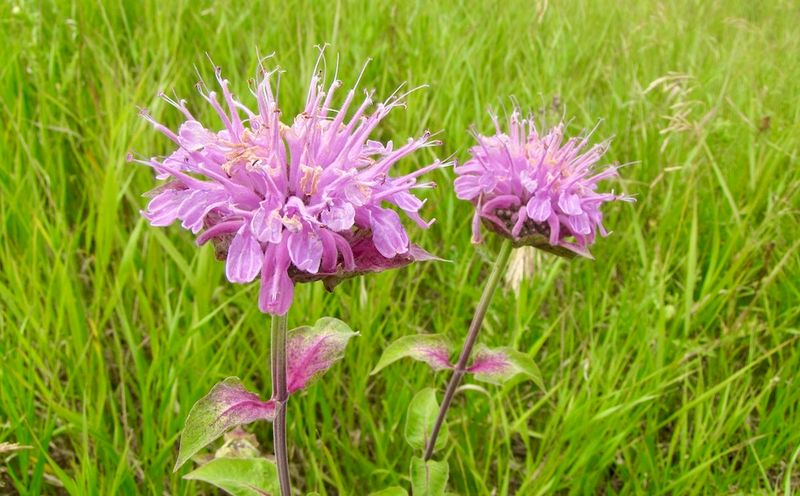
There is something almost magical about Wild Bergamot blooming in a Pennsylvania summer garden. Its lavender-purple flowers rise up on tall stems and attract a steady stream of bees, hummingbirds, and butterflies.
But beneath all that beauty lies a practical benefit that more Pennsylvania gardeners are starting to appreciate: its strong aromatic oils may help deter ticks from hanging around.
Wild Bergamot belongs to the mint family, and like its relatives, it produces essential oils with a sharp, herbal fragrance. Ticks rely heavily on scent to navigate their environment, and plants with intense aromas like Wild Bergamot can interfere with that process.
While no plant is a guaranteed tick barrier, incorporating strongly scented natives like this one into your landscape is a smart layer of protection.
Growing Wild Bergamot in Pennsylvania is straightforward. It loves full sun and handles dry to medium soils well, making it a great choice for sunny borders, pollinator gardens, or naturalized areas along the edges of your yard.
It is drought-tolerant once established, which is a real bonus during Pennsylvania’s drier summer stretches. Plus, it spreads gradually over time, filling in spaces and creating a fuller, more fragrant garden.
If you want a plant that earns its place in multiple ways, Wild Bergamot is a fantastic option for Pennsylvania landscapes.
4. Eastern Bee Balm
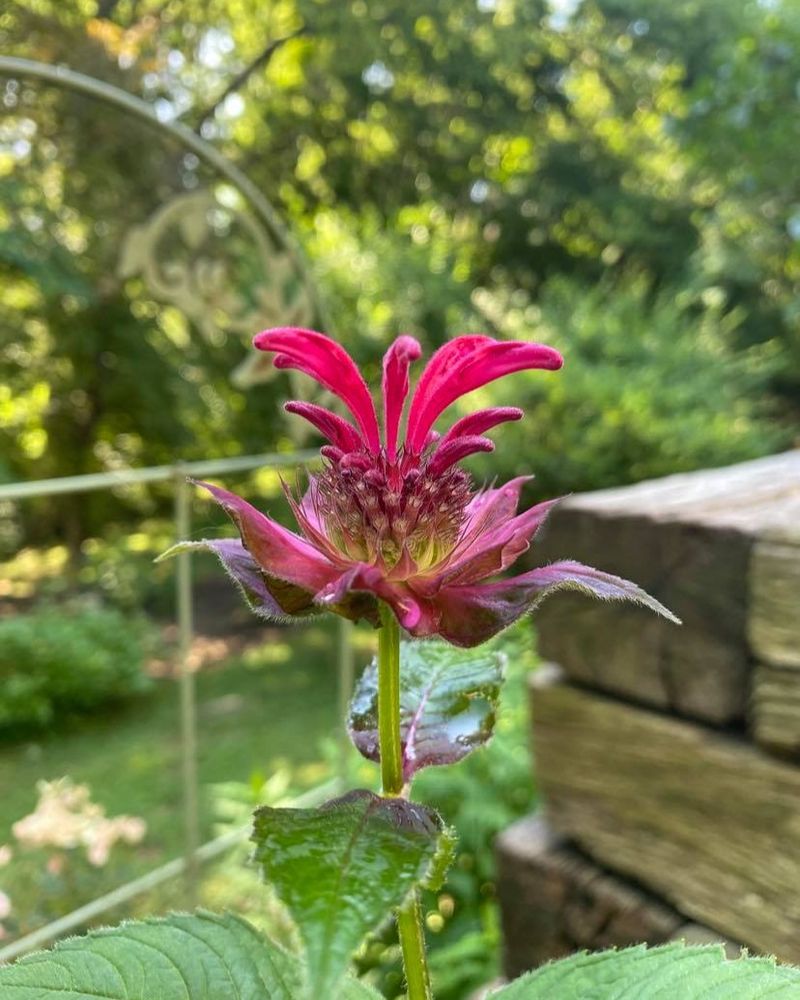
Bright red flowers, a spicy-sweet fragrance, and a natural ability to make ticks uncomfortable in your yard. Eastern Bee Balm brings a lot to the table for Pennsylvania gardeners.
It is a close cousin of Wild Bergamot, but it tends to prefer moister conditions, making it a perfect fit for the wetter areas of Pennsylvania gardens where other plants might struggle.
Like others in the mint family, Eastern Bee Balm is loaded with essential oils that produce a strong, distinctive scent. That fragrance is part of what may help keep ticks at a distance.
Ticks are sensitive to strong plant compounds, and the oils in Bee Balm’s leaves and stems are potent enough to make your garden a less appealing place for them to linger.
Eastern Bee Balm performs beautifully in Pennsylvania’s humid summers and does well in partial shade, which is a bonus for yards with tree cover.
Planting it along walkways, near patios, or around the edges of play areas can add both color and a layer of natural protection where your family spends the most time.
Hummingbirds absolutely adore it, which means you get the added joy of watching them visit all season long. It is a plant that rewards you in so many ways, from its fiery blooms right down to its pest-discouraging fragrance.
5. Catnip
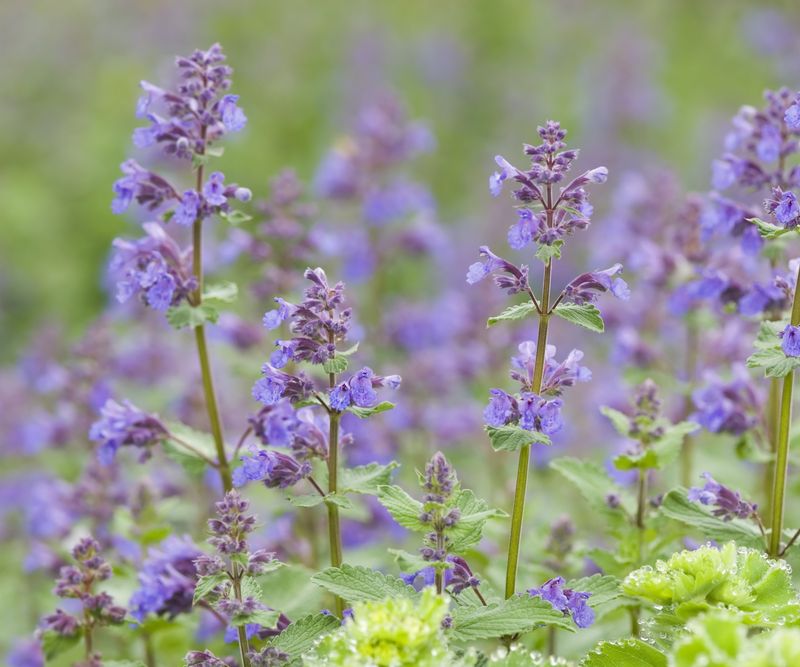
Your cat might go wild for it, but ticks cannot stand it. Catnip contains a compound called nepetalactone, and studies have shown it can be more effective at repelling insects than DEET, the active ingredient in many commercial bug sprays.
That is a pretty impressive claim for a plant you can grow right in your Pennsylvania backyard.
Catnip is easy to grow almost anywhere in Pennsylvania. It loves sunny spots and well-drained soil, and it is one of those plants that practically takes care of itself once it gets established.
In fact, the bigger challenge with catnip is keeping it from spreading too aggressively. Many Pennsylvania gardeners plant it in containers or use edging to keep it contained within a specific area of the garden.
Beyond repelling ticks, catnip also helps push away mosquitoes and other unwanted insects, making it a multi-tasking superstar in the herb garden.
The small white and lavender flowers are pretty enough to earn their spot in a border planting, and the plant has a long history of use in herbal teas and folk remedies.
If you have cats, just be prepared for some extra feline attention whenever you brush past it. For Pennsylvania homeowners wanting a low-effort, high-impact plant, catnip is one of the most underrated options out there.
6. Garlic
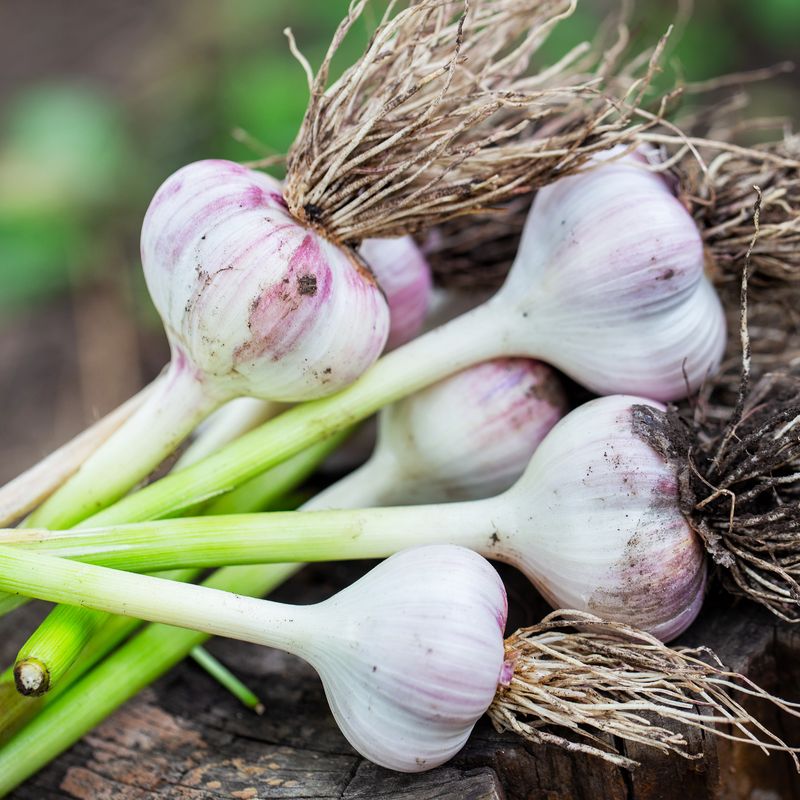
Garlic has been a kitchen staple for centuries, but its usefulness goes way beyond pasta sauce and roasted vegetables. Gardeners across Pennsylvania are planting garlic along the borders of their yards and vegetable beds as a natural way to push ticks and other pests away.
The strong sulfur-based scent that garlic releases into the surrounding soil and air is something many insects and pests find extremely off-putting.
Planting garlic around the edges of your garden creates a kind of fragrant fence that ticks and other unwanted visitors tend to avoid.
It works especially well when paired with other aromatic plants like lavender or thyme, layering multiple scents to create a more effective natural deterrent zone.
Pennsylvania gardeners often plant garlic in fall for a late spring or early summer harvest, making it one of the most productive plants you can add to your yard.
The best part about garlic is that it gives you two benefits in one. You get a natural pest-deterring plant and a delicious crop of fresh garlic to use in your cooking all summer long.
It grows well in Pennsylvania’s climate, preferring full sun and loose, fertile soil. Hardneck varieties tend to do especially well in Pennsylvania’s colder winters.
Whether you are an experienced gardener or just starting out, garlic is one of the simplest and most rewarding plants you can grow.
7. Thyme
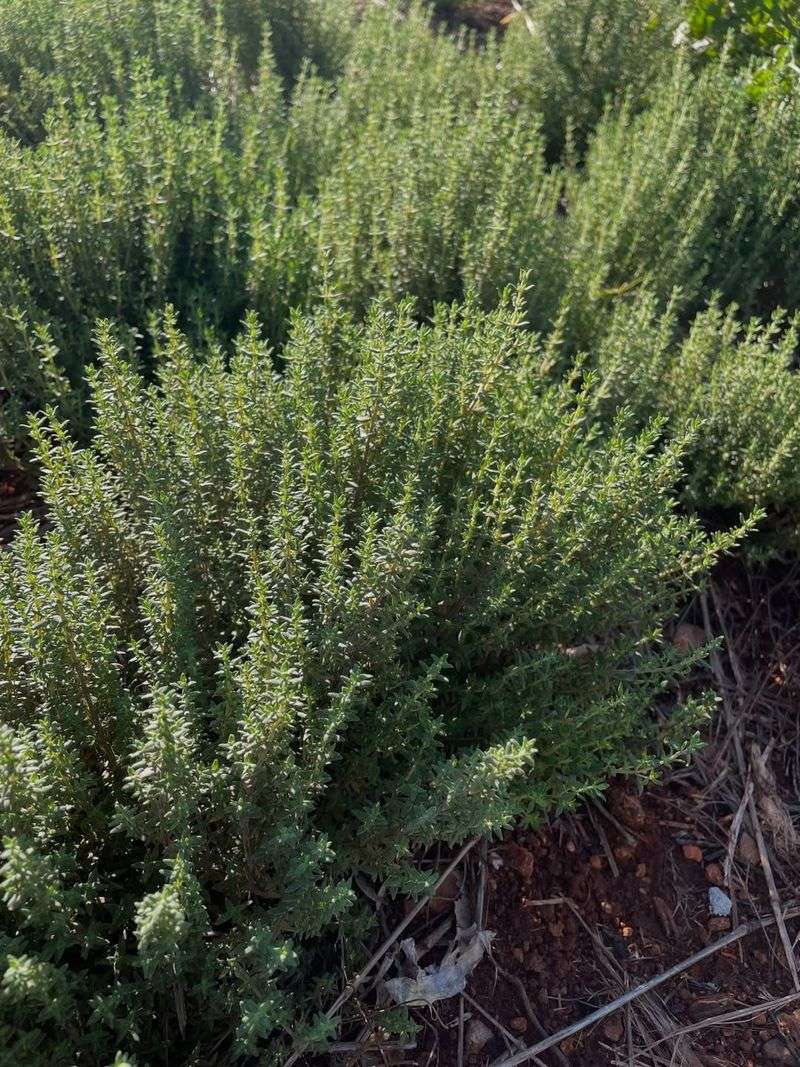
Thyme might be small, but it punches well above its weight when it comes to repelling ticks. The secret is a compound called thymol, which is found naturally in thyme’s essential oils.
Thymol is so effective that it is actually used as an active ingredient in some commercial pesticide products. Having it growing right in your Pennsylvania garden means you are harnessing that power in a completely natural way.
One of the best ways to use thyme in a Pennsylvania yard is as a low-growing ground cover along pathways, garden edges, and between stepping stones. As people walk over it or brush against it, the leaves release their fragrant oils into the air.
That burst of scent not only smells wonderful to humans but is deeply unpleasant to ticks, helping to keep them out of the areas where you walk and play most often.
Thyme thrives in full sun and dry to well-drained soil, making it a great option for sunny spots in Pennsylvania gardens that tend to dry out in summer. It is drought-tolerant, easy to maintain, and comes back year after year with minimal fuss.
Creeping thyme varieties are especially popular for ground cover use and even spill beautifully over garden walls and raised bed edges. Plus, you can snip a few sprigs any time you need fresh herbs for cooking, which makes it as practical as it is pretty.
8. Lavender
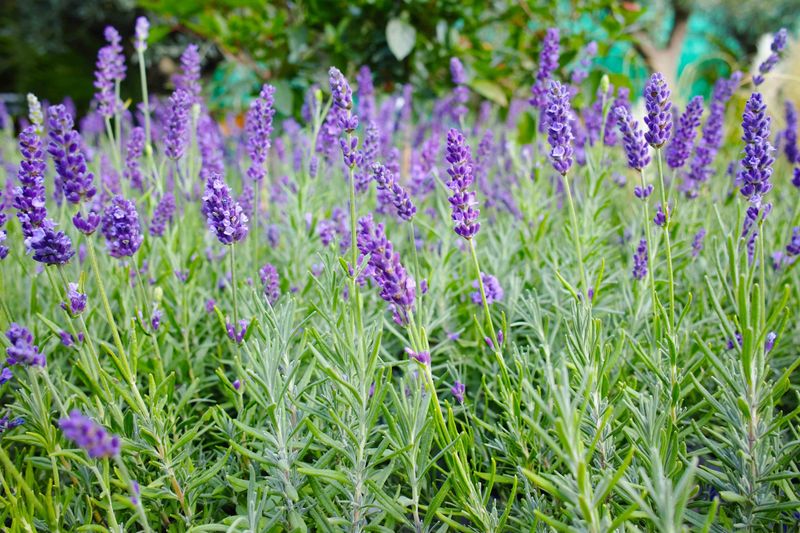
Lavender is one of those plants that people grow for its beauty, its calming fragrance, and its usefulness in everything from sachets to baked goods. But there is another reason more Pennsylvania gardeners are adding it to their landscapes: ticks strongly dislike it.
Lavender contains linalool, a natural compound that has been shown to repel ticks and other insects effectively.
The strong floral scent that humans find so relaxing is genuinely overwhelming to ticks. Planting lavender along garden borders, near entryways, or around outdoor seating areas creates a fragrant barrier that makes those spaces far less inviting to ticks.
In Pennsylvania, lavender grows best in full sun with well-drained soil. Raised beds and sloped areas work especially well because lavender does not like to sit in wet soil during the cold Pennsylvania winters.
Beyond tick control, lavender is one of the most pollinator-friendly plants you can grow. Bees love it, and the long blooming season means your garden will buzz with activity from late spring through midsummer.
Dried lavender bundles also make wonderful natural repellents indoors, tucked into closets or placed near doorways to keep pests at bay inside the home.
For Pennsylvania gardeners who want a plant that is beautiful, fragrant, bee-friendly, and genuinely useful in the fight against ticks, lavender belongs at the top of the planting list every single season.