What California Gardeners Should Know About Aphid Season In Spring
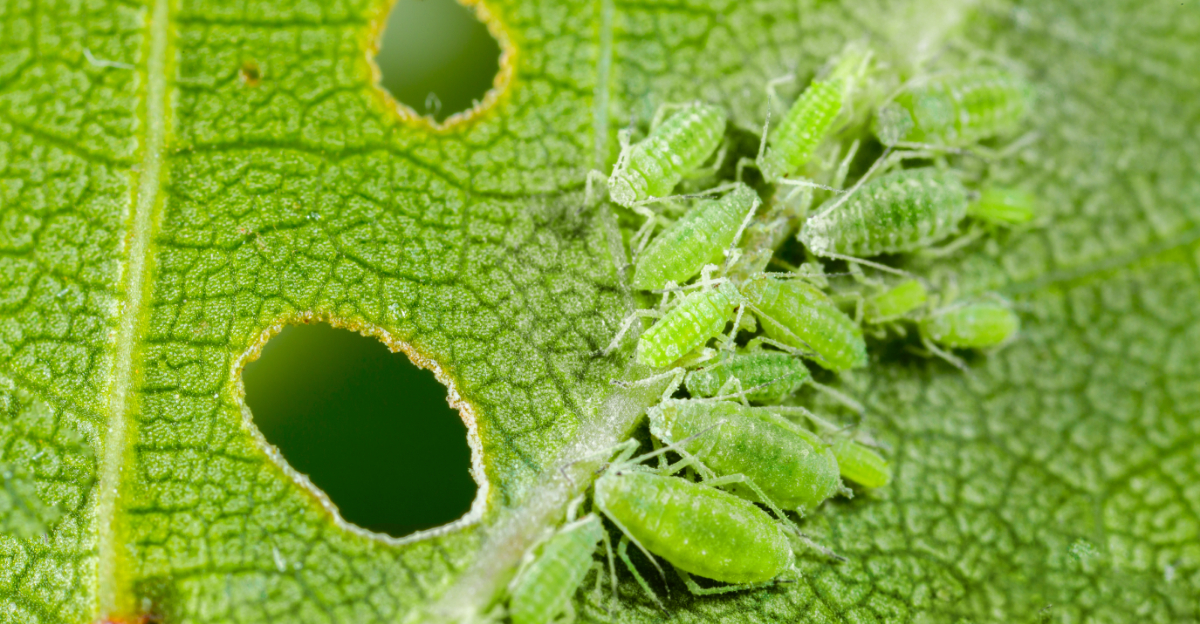
California gardeners know spring can feel like a race. New growth is pushing everywhere, vegetables are getting started, roses are waking up, and then those tiny aphids show up as if they were waiting for the exact moment to crash the party.
What makes them so frustrating is how quickly they gather. One day a plant looks fine, and the next you notice curled leaves, sticky stems, or buds covered in clusters that were not there before.
It happens in flower beds, vegetable patches, and favorite shrubs, which is why so many gardeners deal with the same headache every year.
Aphid season is not unusual in California, but it does catch people off guard when plants are growing fast and looking their best.
Knowing what draws aphids in, where they appear first, and what usually keeps them in check can make spring feel a whole lot less chaotic.
1. Late Spring Is Often Peak Aphid Trouble
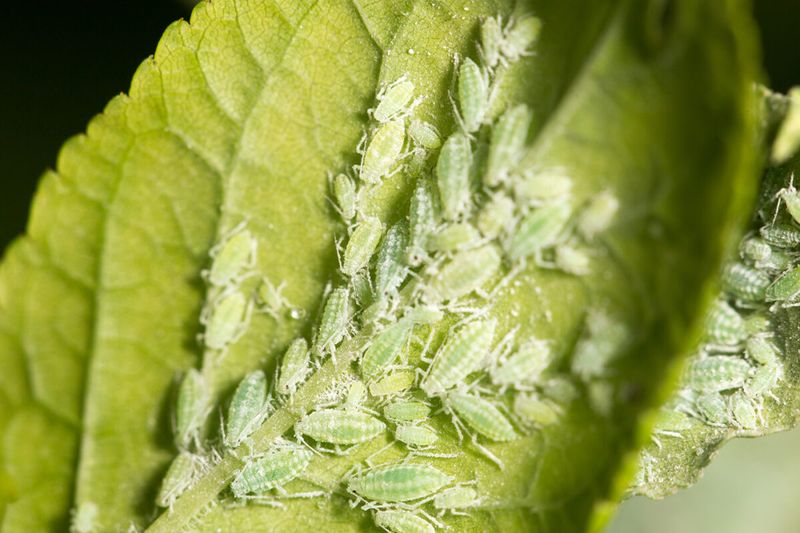
Mark your calendar, because late spring is when aphid populations in California tend to explode. As temperatures climb and days grow longer, aphids reproduce at a pace that can feel almost unbelievable.
A single female aphid can produce dozens of offspring without even mating, and those offspring can start having babies of their own within just a week or two.
By the time May rolls around in many parts of California, colonies that started small in early spring have had weeks to build up. Warm, dry conditions speed up their life cycle even more, which is why gardens in the Central Valley and Southern California often see the worst pressure during this window.
Coastal areas may see a slightly delayed peak, but the problem is just as real.
Staying aware of this timing helps you prepare rather than react. Start checking your plants more closely as March turns into April, and ramp up your monitoring by May.
Catching a growing colony before it peaks is far easier than dealing with a full-blown infestation. Gardeners who stay ahead of the seasonal pattern tend to have much better results protecting their vegetables, fruit trees, and ornamentals throughout the rest of the growing season.
2. Tender New Growth Is The First Place To Check
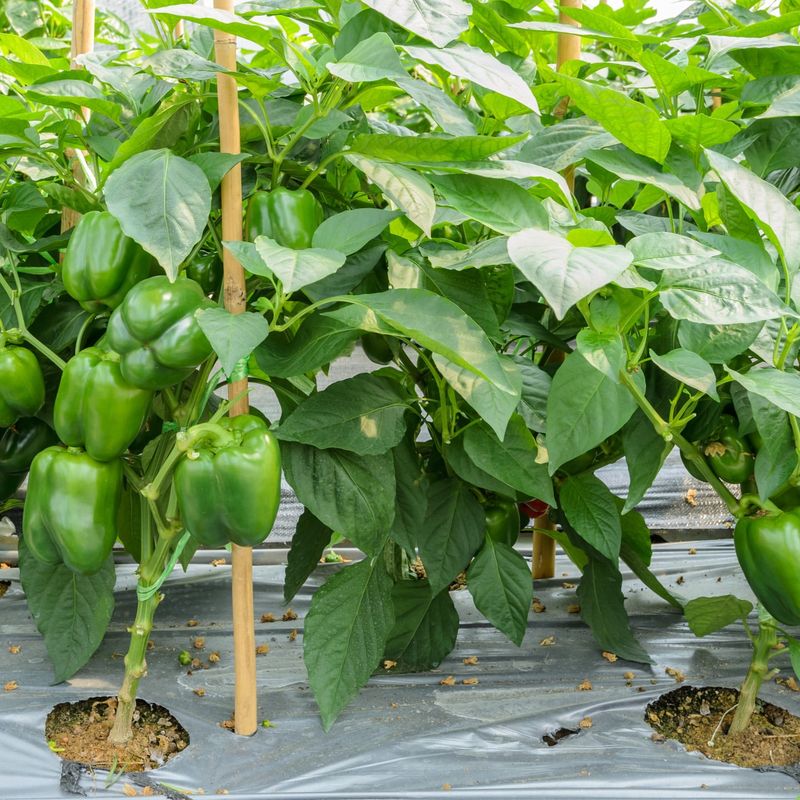
Fresh, young plant growth is basically a welcome sign for aphids. New shoots, unfurled leaves, and developing flower buds are soft, full of sap, and easy for aphids to pierce and feed on.
That is exactly why experienced California gardeners always start their inspections at the tips of branches and the newest leaves on their plants.
Aphids tend to cluster on the undersides of leaves, so flipping those young leaves over during your checks is a must. They also gather around stems where new growth meets older wood.
Roses, citrus trees, milkweed, kale, and peppers are especially popular targets across California gardens, and all of them push out fresh growth quickly during spring.
Getting into the habit of checking new growth first saves you time and helps you spot problems while colonies are still small and manageable. You do not need any special tools, just your eyes and a willingness to look closely.
Your California Garden Changes Every Week. Your Plan Should Too.
Gardening in California changes quickly throughout the season. Every Friday you’ll receive a simple weekly plan showing exactly what to plant, prune, fertilize, harvest, and protect so you never miss the right timing.
Some gardeners keep a small magnifying glass handy because young aphids can be nearly invisible to the naked eye at first. A little extra attention to those tender tips every few days during spring can save your plants from weeks of stress and slow growth later on.
3. Check Fast Growing Plants At Least Twice A Week
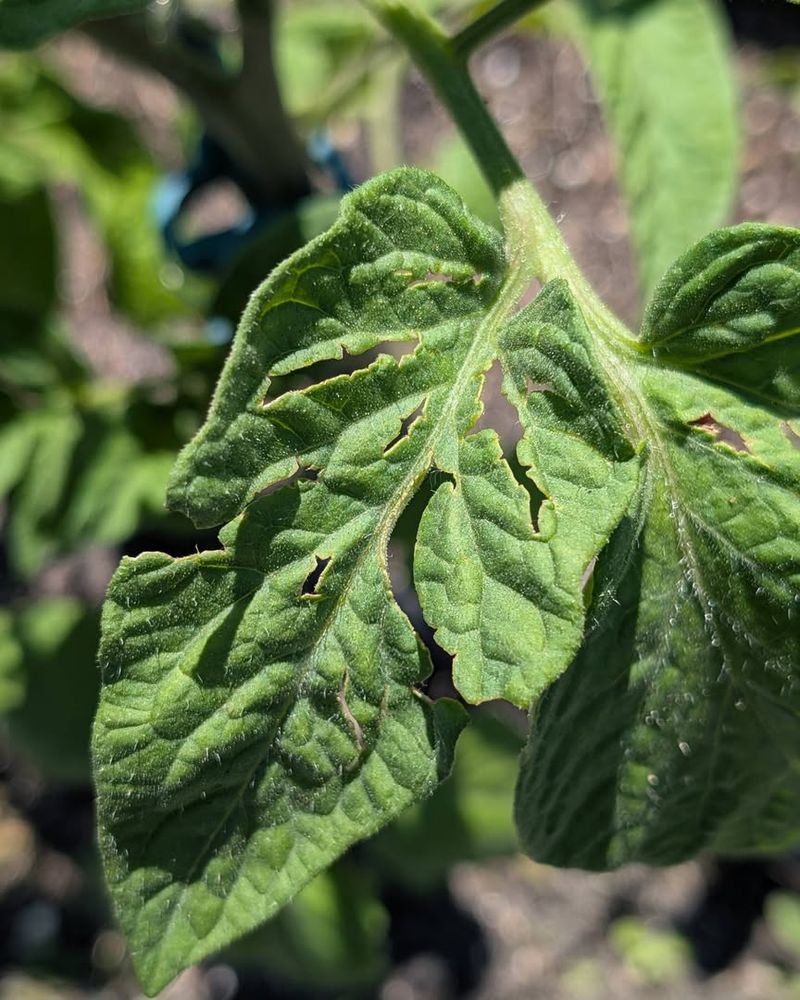
Speed matters when it comes to aphids, and fast-growing plants make the situation even more urgent. Plants that push out new leaves and stems quickly, like tomatoes, squash, beans, and many herbs, give aphids a constant fresh supply of soft tissue to feed on.
In California’s warm spring climate, those plants can grow several inches in just a few days, which means new feeding spots are always opening up.
Checking these plants only once a week is not enough during peak aphid season. Twice a week gives you a much better chance of catching a colony before it spreads.
Early morning is a great time to do your checks because the light is good and insects are less active, making them easier to spot. Look at both the tops and undersides of leaves, and pay close attention to any areas where leaves are bunched or curled.
Keeping a simple garden journal can help you track which plants get hit first and how fast problems develop in your specific yard. Over a season or two, patterns will emerge that help you predict trouble spots.
California gardeners who make twice-weekly checks a regular habit during spring often find that their plants stay healthier overall, because small problems get handled before they become big ones.
4. Curled Leaves Change What You Can Reach And Treat
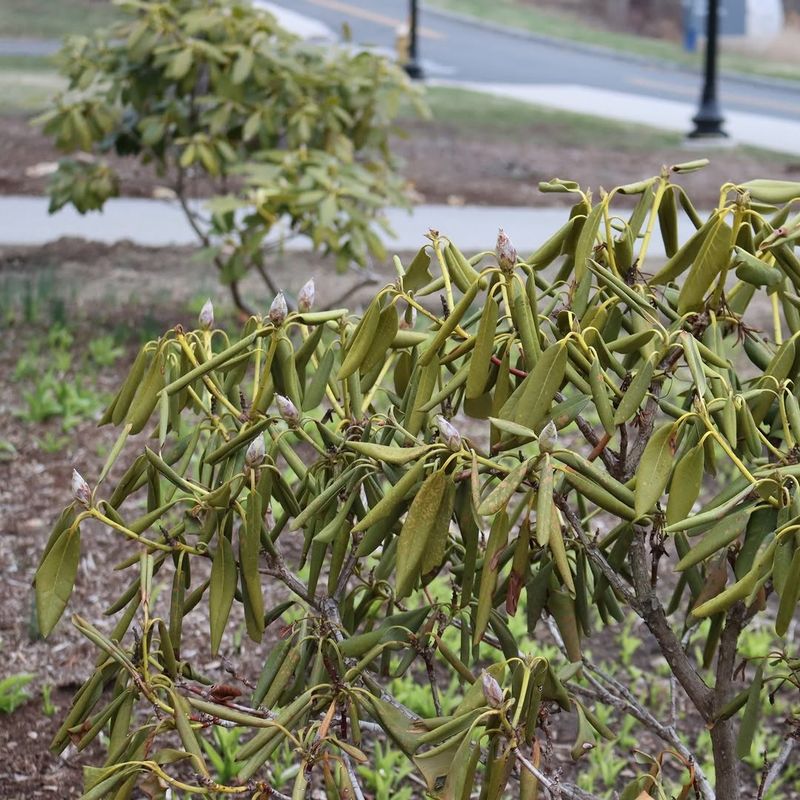
One of the sneakier things aphids do is cause leaves to curl around them, creating a kind of natural shelter that makes them much harder to reach. Once a leaf has curled tightly, sprays and even water blasts have a hard time getting inside to where the aphids are hiding.
This is one reason why catching an infestation early, before curling starts, makes such a big difference.
Leaf curl happens because aphids inject a substance into plant tissue while feeding, which disrupts normal cell growth and causes the leaf to twist or fold inward. By the time you notice the curling, there may already be hundreds of aphids tucked inside those folds.
At that stage, physically removing and discarding the affected leaves is often the most practical approach.
In California gardens, plants like peppers, citrus, and stone fruit trees are especially prone to severe leaf curl from aphid feeding. Removing curled leaves and placing them in a sealed bag for the trash, rather than the compost pile, helps stop the colony from spreading further.
After removing affected growth, continue monitoring the plant closely because aphids can quickly move to new areas. Staying on top of leaf curl situations early keeps your options open and your plants in much better shape throughout the spring season.
5. A Strong Blast Of Water Works On Small Colonies
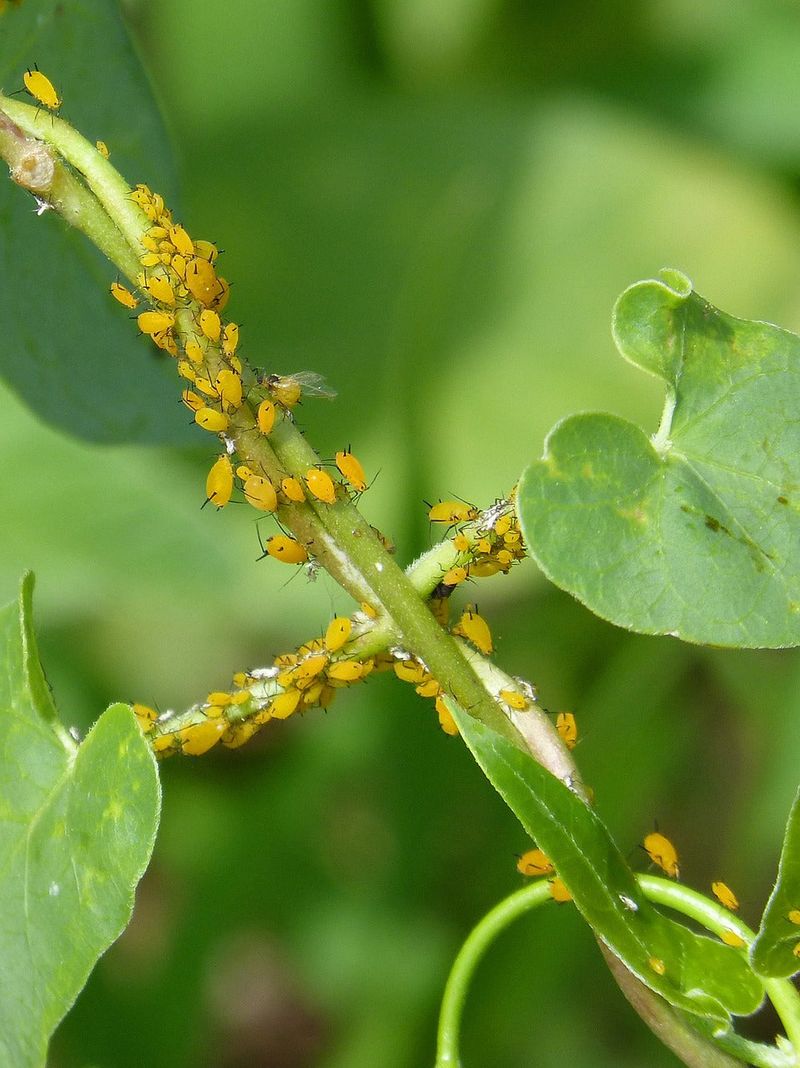
Sometimes the simplest tools are the most effective ones. A strong stream of water from a garden hose is one of the oldest and most reliable ways to knock aphids off plants, and it costs nothing extra if you already have a hose and a spray nozzle.
For small colonies on sturdy plants, this method works surprisingly well and does not harm beneficial insects the way chemical sprays can.
The trick is to use enough force to physically dislodge the aphids while not being so aggressive that you damage soft stems or flowers. A nozzle set to a focused jet or strong shower setting works best.
Aim at the undersides of leaves where aphids cluster most heavily, and work your way around the whole plant. Aphids that fall to the ground generally cannot climb back up quickly, especially if the soil is wet.
Repeat the process every two to three days for best results, since a single blast rarely gets every last aphid. California gardeners dealing with small infestations on roses, vegetables, or ornamental shrubs often find that consistent water blasting through early spring keeps colonies from ever getting large enough to cause serious plant stress.
Watering in the morning also helps because the plants dry out during the day, reducing the risk of mold or fungal issues that can come with wet foliage left overnight.
6. Lady Beetles Lacewings And Hover Flies Help Hold Aphids Down
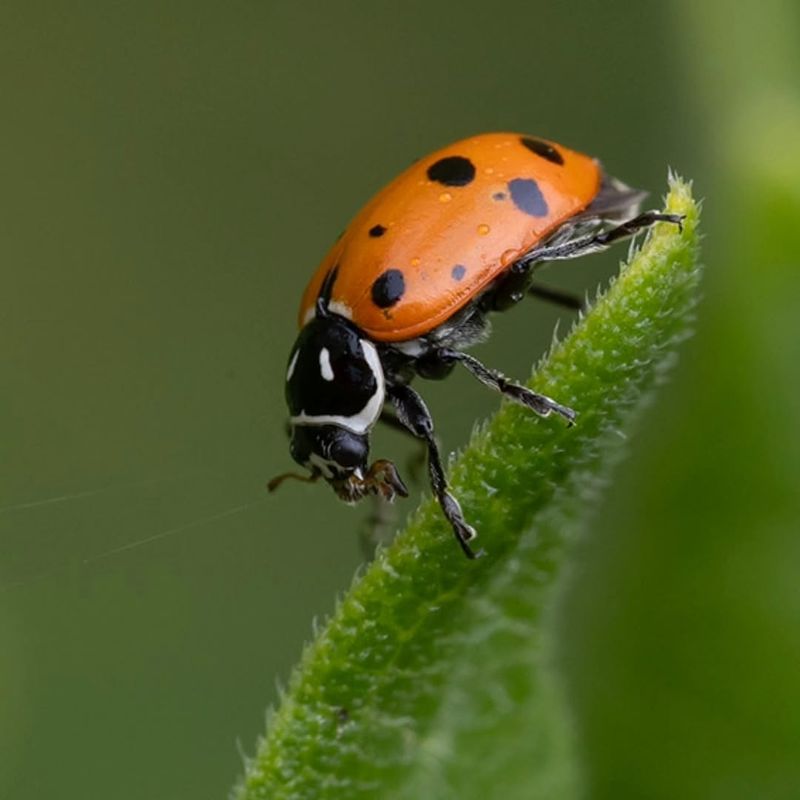
Nature has its own pest control team, and California gardens are lucky to host some of the best aphid predators around. Lady beetles, often called ladybugs, are probably the most well-known aphid hunters, but lacewings and hover flies are just as valuable and sometimes even more effective.
A single lacewing larva can consume hundreds of aphids during its development, making it a real powerhouse in the garden.
Attracting these beneficial insects starts with creating the right habitat. Planting nectar-rich flowers like dill, fennel, yarrow, and sweet alyssum near your vegetables and fruit trees gives adult hover flies and lacewings the food they need to stick around.
Avoiding broad-spectrum pesticides is equally important, because those products can wipe out your beneficial insect population just as effectively as they remove pests.
Across California, from the San Francisco Bay Area to the Inland Empire, gardeners who make room for flowering companion plants tend to see stronger natural aphid control over time. Beneficial insects establish themselves when they have food, shelter, and a chemical-free environment to work in.
Buying and releasing ladybugs can help in the short term, but keeping them in your yard requires the right conditions. Building a garden that welcomes these natural allies is one of the smartest long-term strategies any California gardener can invest in during spring.
7. Broad Spectrum Sprays Can Make Aphid Problems Worse Later

Reaching for a powerful all-purpose insecticide spray might seem like the fastest solution when aphids show up, but it can actually create bigger headaches down the road. Broad-spectrum sprays are designed to affect a wide range of insects, which means they do not just target aphids.
They also remove the beneficial insects that naturally keep aphid populations in check, like lady beetles, lacewings, and parasitic wasps.
Once those natural predators are gone, aphid populations can rebound faster than before and with fewer checks on their growth. This cycle of spray and rebound frustrates many California gardeners who wonder why their aphid problems seem to get worse every season.
The answer is often tied to the repeated use of products that disrupt the garden ecosystem more broadly than intended.
Choosing targeted treatments, like insecticidal soap or neem oil, is a smarter approach when you do need to use something. Both products break down quickly in the environment and are far less harmful to beneficial insects when applied carefully and at the right times of day.
Spraying in the early morning or evening, when beneficial insects are less active, also reduces unintended harm. California gardeners who shift toward gentler, more targeted treatments often find that their gardens become more balanced and resilient over time, with aphid outbreaks becoming less severe each spring.